Search results
Search for "gas" in Full Text gives 964 result(s) in Beilstein Journal of Nanotechnology. Showing first 200.
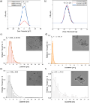
Characterization of ion track-etched conical nanopores in thermal and PECVD SiO2 using small angle X-ray scattering
Beilstein J. Nanotechnol. 2025, 16, 899–909, doi:10.3762/bjnano.16.68
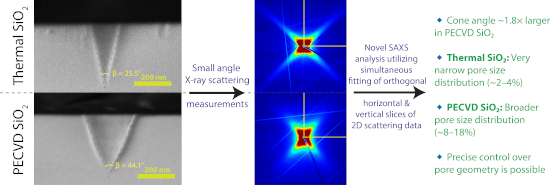
- thick) grown on a 300 μm thick, polished ⟨100⟩ Si substrates using an Oxford Plasmalab 100 PECVD system. PECVD deposition was performed at 650 °C with gas flow rates of 16 sccm SiH4, 980 sccm N2, and 14 sccm NH3. Ellipsometry measurements employing a Tauc–Lorentz model revealed a deposition rate of


Ar+ implantation-induced tailoring of RF-sputtered ZnO films: structural, morphological, and optical properties
Beilstein J. Nanotechnol. 2025, 16, 872–886, doi:10.3762/bjnano.16.66
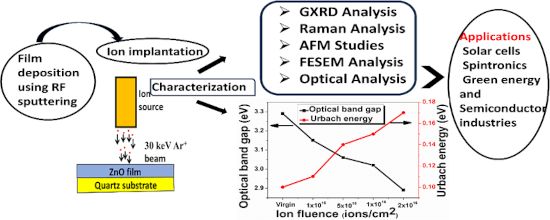
- cleaned using acetone and, finally, isopropyl alcohol before the experiment. The sputtering chamber is pumped to a base pressure of 1.2 × 10⁻⁶ Torr; then a mixture of nitrogen and argon gas is introduced into the sputtering chamber with flows of 1.8 and 10.0 sccm, respectively. When the pressure inside






Insights into the electronic and atomic structures of cerium oxide-based ultrathin films and nanostructures using high-brilliance light sources
Beilstein J. Nanotechnol. 2025, 16, 860–871, doi:10.3762/bjnano.16.65
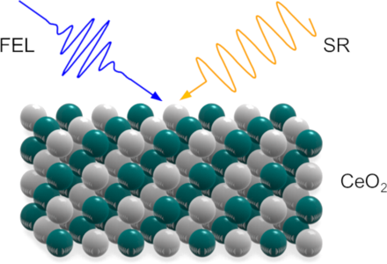
- field of environmental remediation [9]. The related ability of the material to easily store and release oxygen also plays a key role in energy conversion technologies, including fuel cells and batteries [10][11]. Gas sensing applications of ceria-based materials are based on the modifications of the
- soft X-ray range. Reaction cells with an ultrathin membrane that confines the gas in a narrow region extremely close to the sample surface were applied to the study of Cu- and Fe-doped cerium oxide films during thermal treatments in hydrogen at ambient pressure [58]. The combination of ambient pressure
- XANES and gas chromatography was employed to correlate in real time the changes of the chemical state of Cu, Fe, and Ce cations with oxygen vacancy and water formation during thermal treatments in hydrogen at ambient pressure [58]. The pure ceria film, in the Ce4+ oxidation state with a dominant Ce L3


Facile one-step radio frequency magnetron sputtering of Ni/NiO on stainless steel for an efficient electrode for hydrogen evolution reaction
Beilstein J. Nanotechnol. 2025, 16, 837–846, doi:10.3762/bjnano.16.63
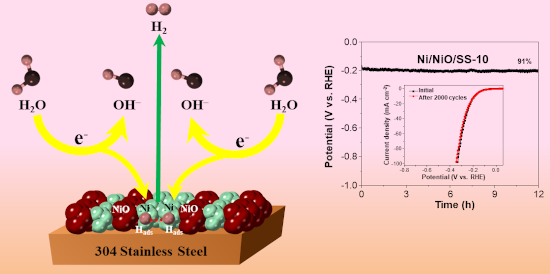
- efficiency compared to gasoline, coal, and natural gas. Currently, hydrogen produced by water electrolysis is well accepted as an ecologically clean, sustainable method compared to other techniques, such as coal gasification and steam methane reforming [5][6][7][8][9][10]. According to reported works, Pt
- , which could reduce the catalytic activity of metallic Ni phases [52]. Meanwhile, metallic Ni phases favor the recombination of Hads to produce H2 gas, implying a perfect pair of Ni/NiO for the HER catalytic process [53][54][55]. Therefore, the Ni/NiO/SS-10 electrode exhibits higher HER activity than SS
- magnetron sputtering for basic HER. Experimental Chemicals and materials Nickel target (99.95%), Ar gas (99.9995%), and O2 gas (99.9995%) were provided by Nippon Sanso company. KOH (99.95%) was provided by Sigma-Aldrich. Deionized water (DI) was created on a Millipore Milli-Q apparatus. Commercial 304 SS
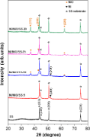


Synthesis and magnetic transitions of rare-earth-free Fe–Mn–Ni–Si-based compositionally complex alloys at bulk and nanoscale
Beilstein J. Nanotechnol. 2025, 16, 823–836, doi:10.3762/bjnano.16.62
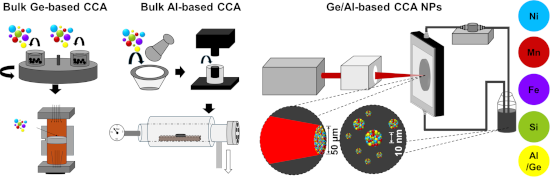
- field, exhibit an adiabatic temperature change, enabling energy-efficient and environmentally friendly refrigeration [2]. These solid-state cooling systems are being developed as alternatives to conventional gas-based refrigeration and are especially advantageous for applications requiring tailored


Morphology and properties of pyrite nanoparticles obtained by pulsed laser ablation in liquid and thin films for photodetection
Beilstein J. Nanotechnol. 2025, 16, 785–805, doi:10.3762/bjnano.16.60
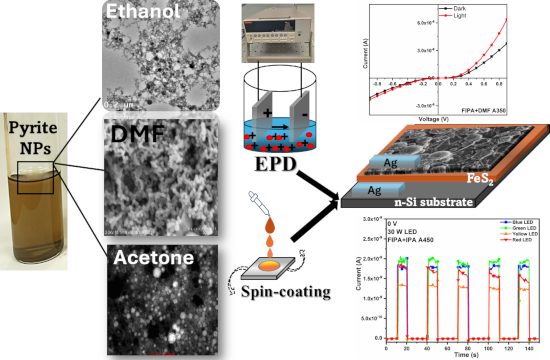
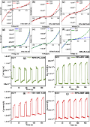
- . Aluminum foil was used to wrap the sample and the glass vessel before they were introduced into a quartz tubular furnace (Lindberg/Blue MTM Mini-Mite Tube Furnace), equipped with a temperature controller. At a very low-pressure, high-quality nitrogen gas was passed through the tubular furnace. The presence
- of nitrogen flow prevented the samples from oxidizing or being contaminated during sulfurization. The heated samples were gradually cooled down to room temperature. Throughout the experiment, the flow of nitrogen gas was kept steady. The optimal conditions were determined through trials using varying


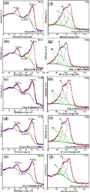




Synthesis of a multicomponent cellulose-based adsorbent for tetracycline removal from aquaculture water
Beilstein J. Nanotechnol. 2025, 16, 728–739, doi:10.3762/bjnano.16.56
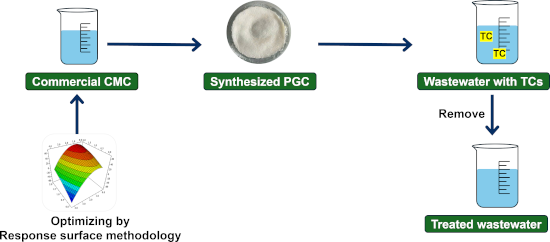
- their mechanical strength and hydrophobicity. Recent studies have revealed that inorganic salt mixtures, such as zinc chloride and calcium chloride, effectively dissolve cellulose, facilitating the fabrication of cellulose membranes for gas separation and organic pollutant removal [38][39]. Specifically


Nanostructured materials characterized by scanning photoelectron spectromicroscopy
Beilstein J. Nanotechnol. 2025, 16, 700–710, doi:10.3762/bjnano.16.54
- supercapacitors [35][36] fast spintronics [37], electrochromic devices [38][39], catalysts, and gas sensors [40][41], [42][43]. The characteristic p-type conductivity of this transition metal oxide is related to the presence of oxygen interstitials and the inherent nickel deficiency which leads to the formation
- corresponding CL spectrum. XPS measurements provide valuable information on the electronic structure and properties of the NiO samples, which strongly support the development of potential applications including gas sensors and optical resonators [43][47]. Conclusion SPEM is a synchrotron-based technique
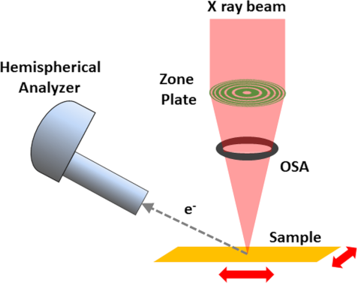
- spectroscopy can provide an elemental, chemical, and electronic mapping of sample surfaces in the pristine form or after/during their response to external stimuli such as temperature changes, electric and magnetic fields, and light and gas exposure. In the first example chemical heterogeneous layered


High-temperature epitaxial growth of tantalum nitride thin films on MgO: structural evolution and potential for SQUID applications
Beilstein J. Nanotechnol. 2025, 16, 690–699, doi:10.3762/bjnano.16.53
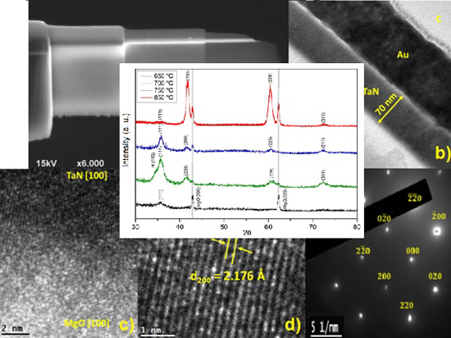
- using pulsed laser deposition (PLD). This research investigates the influence of varying deposition parameters, including substrate temperature and ambient gas composition, on the structural, morphological, and superconducting properties of the films. X-ray photoelectron spectroscopy, X-ray diffraction
- the optimal combination of above parameters demonstrated the highest Tc of 6.3 K, signifying superior superconducting behavior. Analysis by XPS manifests the presence of stable oxygen impurities. The oxygen source is the residual gas inside the growth chamber. Quintanar-Zamora et al. provided evidence
- frequency of 7.5 Hz, the substrate-to-target distance was 5 cm, and the incident energy density was 4.88 J·cm−2. We studied the stoichiometry and properties of the thin films as a function of gas pressure by introducing N2 to realize RPLD. At this time, the ion pumps were closed and isolated from the PLD


A formulation containing Cymbopogon flexuosus essential oil: improvement of biochemical parameters and oxidative stress in diabetic rats
Beilstein J. Nanotechnol. 2025, 16, 617–636, doi:10.3762/bjnano.16.48
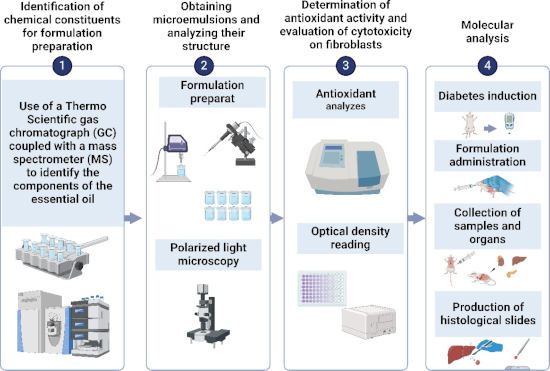
- of the chemical constituents of EOCF To identify the chemical components, the EOCF was examined in a Thermo Scientific gas chromatograph (GC), Bremen, Germany, model TRACE 1310 coupled to a mass spectrometer (MS) model TSQ-9000, with TriPlus RSH automatic sampler. A NA-5MS column (60 m × 0.25 mm DI
- , 0.25 μm film thickness) was used for compound separation, with helium as a 99.999% pure carrier gas (White Martins SA) at a flow rate of 1 mL/min and a split/splitless autoinjector. For the analysis, a solution of EOCF was prepared at a concentration of approximately 10 mg/mL using hexane as a solvent




Focused ion and electron beams for synthesis and characterization of nanomaterials
Beilstein J. Nanotechnol. 2025, 16, 613–616, doi:10.3762/bjnano.16.47
- tailored 3D architectures [4]. Focused beams not only allow the characterization of atomic structures but also enable precise local modification of material properties through ion milling and the creation of novel structures with tunable mechanical, electrical, and magnetic properties using gas-assisted
- etching or deposition. The precision and versatility of these beams, including the use of multiple gas species, open pathways to fabricate 3D nanomaterials that are unattainable through conventional chemical methods. However, achieving reproducibility in such structures requires a deep understanding of
- deposition techniques, this thematic issue includes studies on low-energy electron interactions with metal(II) bis(acetylacetonate) complexes [5]. Another molecule investigated for its gas-phase fragmentation mechanism via dissociative ionization and dissociative electron attachment is [Au(CH3)2Cl]2. Studies

Polyurethane/silk fibroin-based electrospun membranes for wound healing and skin substitute applications
Beilstein J. Nanotechnol. 2025, 16, 591–612, doi:10.3762/bjnano.16.46
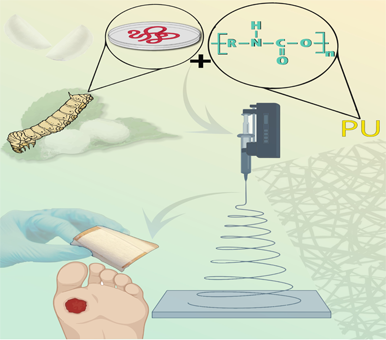
- transport and gas exchange, which supports tissue regeneration and cell proliferation [22]. Furthermore, they have mechanical qualities that are similar to those of natural tissues, promoting and protecting the healing process [23]. Review Wound healing and skin regeneration The skin is a vital, protective



Feasibility analysis of carbon nanofiber synthesis and morphology control using a LPG premixed flame
Beilstein J. Nanotechnol. 2025, 16, 581–590, doi:10.3762/bjnano.16.45
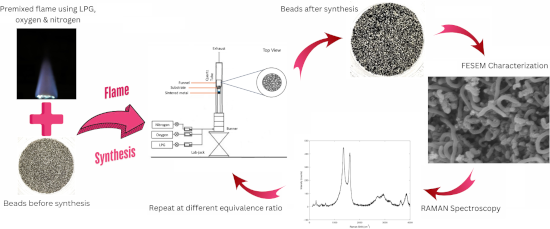
- , Udayana University 80231 Badung, Bali, Indonesia 10.3762/bjnano.16.45 Abstract Flame synthesis using liquefied petroleum gas (LPG) as the precursor gas to produce carbon nanofibers (CNFs) is an economical alternative to conventional chemical vapor deposition methods using single-component fuels such as
- synthesis; liquefied petroleum gas (LPG); nanomaterial synthesis; Introduction Carbon nanotubes (CNTs) and carbon nanofibers (CNFs) have gained significant interest because of their distinctive properties and their wide range of applications in nanotechnology [1][2][3]. CNTs are a modified version of CNFs
- graphene sheath. These nanofibers can have three different structural configurations including herringbone, tubular, and platelet configurations [4][5]. A premixed flame of liquefied petroleum gas (LPG) can be used as a fuel source for carbon nanomaterial growth processes. A premixed flame is a specific



Retrieval of B1 phase from high-pressure B2 phase for CdO nanoparticles by electronic excitations in CdxZn1−xO composite thin films
Beilstein J. Nanotechnol. 2025, 16, 551–560, doi:10.3762/bjnano.16.43
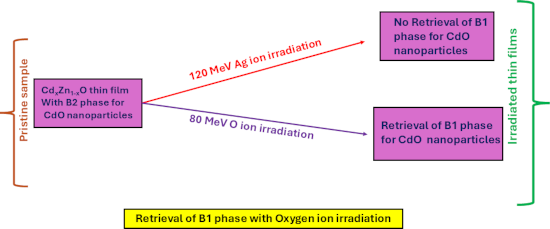
- electromagnetic spectrum [5]. Composite semiconducting thin films have garnered significant attention as their bandgap can be lowered without compromising mobility and conductivity. Beyond optoelectronic applications, CdO–ZnO-based alloys are also employed in gas-sensing technologies [6]. In prior investigations


Functionalized gold nanoflowers on carbon screen-printed electrodes: an electrochemical platform for biosensing hemagglutinin protein of influenza A H1N1 virus
Beilstein J. Nanotechnol. 2025, 16, 540–550, doi:10.3762/bjnano.16.42
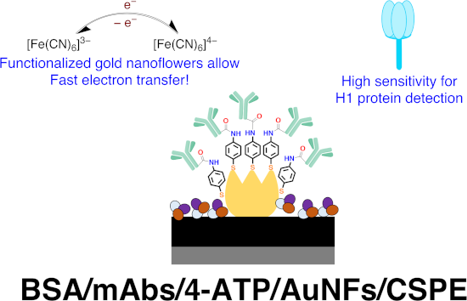
- a flow of N2 gas and stored at 4 °C until use. Immobilization of mAbs The mAbs are essential in our biosensor and function as biorecognition element toward H1 protein. The mAbs were immobilized as described previously [58] with some modifications. Briefly, a reaction mixture of 300 μL was prepared
- electrode and incubated at 4 °C overnight. Afterwards, the mAb/4-ATP/AuNFs/CSPE was rinsed with 1 mL of PBS to remove unreacted species and dried under a flow of N2 gas. The surface of the electrode was blocked by adding 10 μL of 0.5% BSA solution in PBS and incubated at 4 °C for 2 h. Thereafter, the BSA
- hemagglutinin was used as negative control. After filtrating the solutions through a 0.45 μm membrane filter to remove any suspended particles, 50 μL were deposited on the functionalized electrode and incubated at RT for 25 min. The electrode was then rinsed with 1 mL of PBS and dried under a flow of N2 gas


Electron beam-based direct writing of nanostructures using a palladium β-ketoesterate complex
Beilstein J. Nanotechnol. 2025, 16, 530–539, doi:10.3762/bjnano.16.41
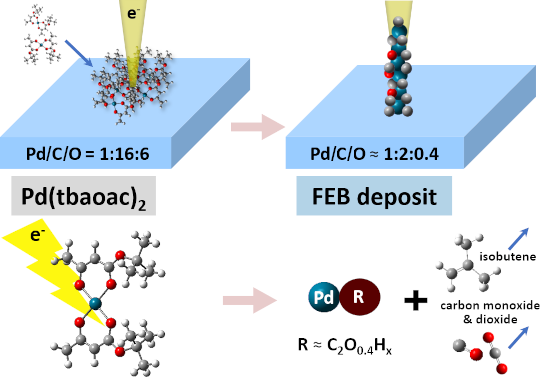
- Rennes, CNRS, IPR (Institut de Physique de Rennes) - UMR 6251, Rennes, France Faculty of Chemistry, Nicolaus Copernicus University in Toruń (NCU), Toruń, Poland 10.3762/bjnano.16.41 Abstract Gas-assisted focused electron beam-induced deposition (FEBID) as a direct, minimally invasive 3D nanopatterning
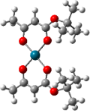
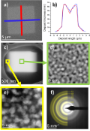
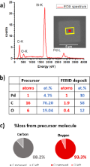
- nanostructure and composition of the deposits were determined, and possible volatile products produced under electron-induced dissociation, explaining the composition, are investigated. A method to eliminate the residual gas contamination during FEBID was implemented. [Pd(tbaoac)2] contains large organic
- , resulting in a localized deposit at the irradiated area. When the precursor is delivered to the substrate in its gaseous form through a gas injection system (GIS), the process is termed as gas-assisted FEBID [23], commonly called FEBID. Variants such as liquid FEBID [24] and cryo-FEBID [25] also exist


Zeolite materials with Ni and Co: synthesis and catalytic potential in the selective hydrogenation of citral
Beilstein J. Nanotechnol. 2025, 16, 520–529, doi:10.3762/bjnano.16.40
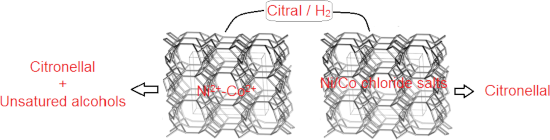
- exhibited a higher surface area and pore volume, which can positively influence its potential application as a material to reduce greenhouse gas emissions. While most studies focus on monocationic exchange, multicationic exchange has raised significant interest. The synergy of properties in multicationic
- reduction (TPR) analyses were performed on an AutoChem 2910 instrument (Micromeritics, USA) equipped with a thermal conductivity detector (TCD). The procedure for TPR involved heating the sample in a 1.0 vol % H2/Ar gas mixture at a flow rate of 30 mL/min, from room temperature to 600 °C, at a ramp rate of
- zero was considered at this point. During the catalytic test, the reaction was carried out under constant pressure using a pressure control system. After various reaction times, liquid samples were manually collected and analyzed by gas chromatography to determine conversion and selectivity values. It


N2+-implantation-induced tailoring of structural, morphological, optical, and electrical characteristics of sputtered molybdenum thin films
Beilstein J. Nanotechnol. 2025, 16, 495–509, doi:10.3762/bjnano.16.38
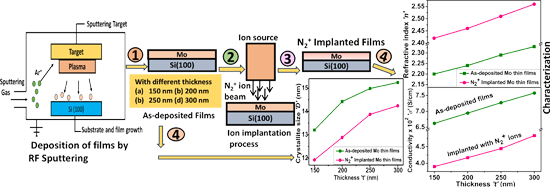
- generation in Mo thin films with a low-energy argon ion beam (1 keV) across different ion fluences (1016–1018 ions·cm−2). Thornton et al. [16] examined a transition from tensile to compressive stress in argon-ion-implanted Mo thin films as the sputtering gas pressure decreased. Sun et al. [17] also analyzed
- , under incident helium ion energies of 50 to 100 eV. Nitrogen gas offers a fascinating opportunity for ion implantation in Mo thin films because of its high reactivity [22]. The incorporation of nitrogen ions alters the characteristics of Mo thin films, potentially improving their performance in a wide
- this study, molybdenum thin films of varying thickness were deposited at room temperature on Si(100) substrates via RF sputtering using a pure 2″ diameter Mo target (99.99% purity) in Ar gas atmosphere with a flow rate of 10 sccm. The plasma was obtained by setting the RF power to 100 W, while careful


Performance optimization of a microwave-coupled plasma-based ultralow-energy ECR ion source for silicon nanostructuring
Beilstein J. Nanotechnol. 2025, 16, 484–494, doi:10.3762/bjnano.16.37
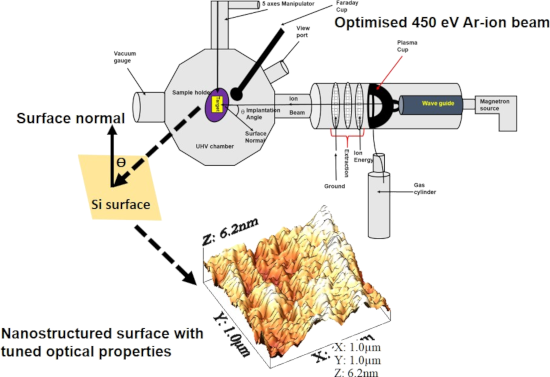
- extraction composed of molybdenum. The study systematically examines the dependence of ion beam current on critical parameters, such as gas pressure, magnetron power, extraction voltage, and ion energies. The Gaussian nature of the beam profile is scrutinized and elucidated within the context of grid
- collisions, the internal energy of the colliding particles does not change. Ionization, stripping, electron capture, and excitation of atoms due to collisions are examples of inelastic collisions. Free electrons colliding with atoms also produce ions. Electrons in the gas are heated by the inductively
- ][18]. In the past few decades, DC ion sources were commonly used [19][20][21]. These DC ion sources consist of a hot cathode or filament, which is not appropriate in cases of reactive gas discharge; hence, their lifetime is limited [22][23]. Moreover, the beam current produced by those ion sources is


Impact of adsorbate–substrate interaction on nanostructured thin films growth during low-pressure condensation
Beilstein J. Nanotechnol. 2025, 16, 473–483, doi:10.3762/bjnano.16.36
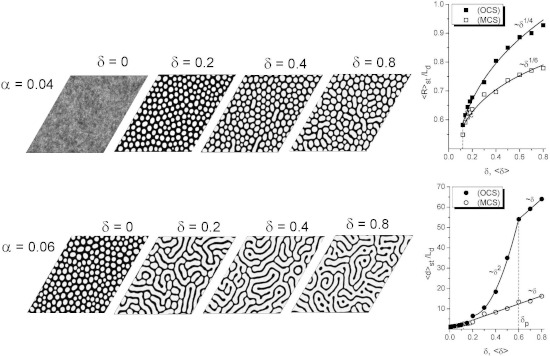
- , crystallinity, and surface chemistry of the films is crucial for optimizing performance in these applications. In adsorption–desorption processes, where materials are deposited from the gas phase, experimental techniques enable the study the formation of clusters or islands of adsorbed molecules/atoms, which


ReactorAFM/STM – dynamic reactions on surfaces at elevated temperature and atmospheric pressure
Beilstein J. Nanotechnol. 2025, 16, 397–406, doi:10.3762/bjnano.16.30
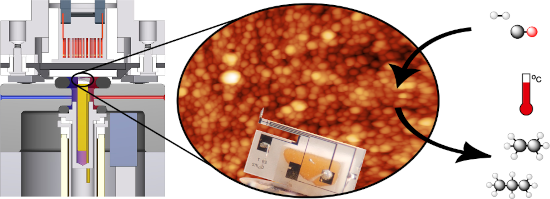
- spectrometry data show the reaction taking place by monitoring product gases during heating and cooling of the sample under CO and H2 gas pressures of 2 bar. The monitored gases include H2O as byproduct and the hydrocarbons ethane (m/z = 30), propane (m/z = 44), and hexane (m/z = 86), which all show increases
- , a high-pressure ReactorSTM has been developed [10][11]. The pressures in the scanning tunneling microscopy (STM) reactor are orders of magnitude above UHV (up to several bar), rendering gas–catalyst interactions very significant and leading to differences in reaction mechanisms [12][13][14][15
- AFM/STM integrated in a high-pressure gas flow reactor. The combined technique is based on the state-of-the-art tuning fork sensor in a qPlus configuration with three contacts, two for AFM and one for STM [17]. In order to illustrate the applicability of the technique, operando oxidation of Pd(100


Engineered PEG–PCL nanoparticles enable sensitive and selective detection of sodium dodecyl sulfate: a qualitative and quantitative analysis
Beilstein J. Nanotechnol. 2025, 16, 385–396, doi:10.3762/bjnano.16.29
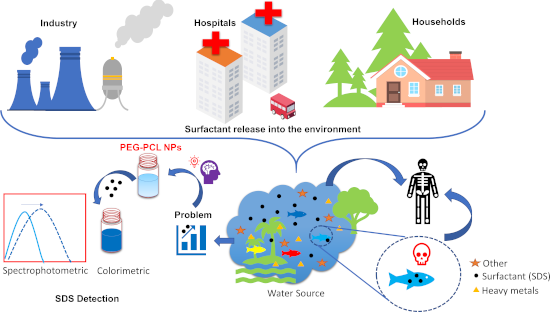
- Synthesis of PEG–PCL nanoparticles PEG–PCL copolymer nanoparticles were synthesized via a modified ring-opening copolymerization method with slight modification using a previously reported procedure [29]. In a typical synthesis, 4 g of mPEG was added to a round-bottom flask purged with nitrogen gas and


Pulsed laser in liquid grafting of gold nanoparticle–carbon support composites
Beilstein J. Nanotechnol. 2025, 16, 349–361, doi:10.3762/bjnano.16.26
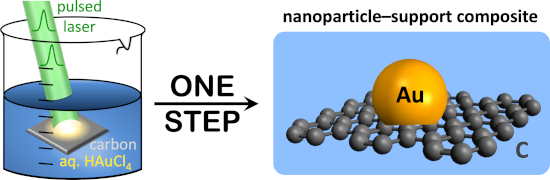
- , electrolyte (Figure 6). Gas chromatography (GC) was used to identify products. In mildly alkaline electrolytes, as used here, gold-catalyzed aqueous bicarbonate reduction to hydrogen has been reported [66][67]. Our electrocatalysis testing revealed increased durability and electrochemical performance of
- electrode was a Pt foil (Aldrich, 0.025 mm thick, 99.9%), and an Ag/AgCl (BaSi) reference electrode, calibrated against a reversible hydrogen electrode (Gaskatel HydroFlex®), was used. Produced gas was detected by an in-line gas chromatograph (GC, SRI, Multi-Gas #5 configuration) connected to the 2 mL
- headspace of the working electrode compartment of the electrochemical cell. Hydrogen was detected by a thermal conductivity detector, and a flame ionization detector equipped with a methanizer was used to detect all other gases. Following a published procedure [82], the gas chromatograph was programmed to


Enhancing mechanical properties of chitosan/PVA electrospun nanofibers: a comprehensive review
Beilstein J. Nanotechnol. 2025, 16, 286–307, doi:10.3762/bjnano.16.22
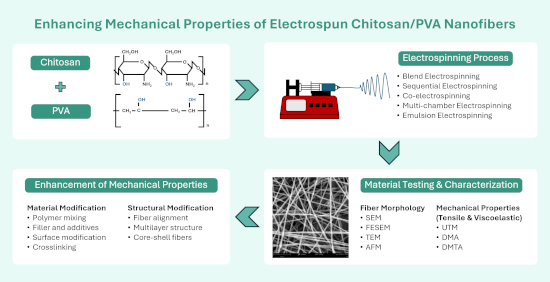
- selecting the plasma source and controlling discharge conditions such as voltage, pressure, and gas flow rate, various functional groups can be introduced on the fiber surface, enabling tailored modifications that enhance polymer biocompatibility. Punamshree et al. [162] performed surface modification of
- chitosan dissolved in acetic acid in a 1:4 ratio. The solution was electrospun into nanofibers, and plasma treatment was carried out using DBD plasma with O2 gas. The treated electrospun nanofiber exhibited a 15.6% increase in tensile strength and a 37.3% increase in modulus. This phenomenon can be


Preferential enrichment and extraction of laser-synthesized nanoparticles in organic phases
Beilstein J. Nanotechnol. 2025, 16, 254–263, doi:10.3762/bjnano.16.20
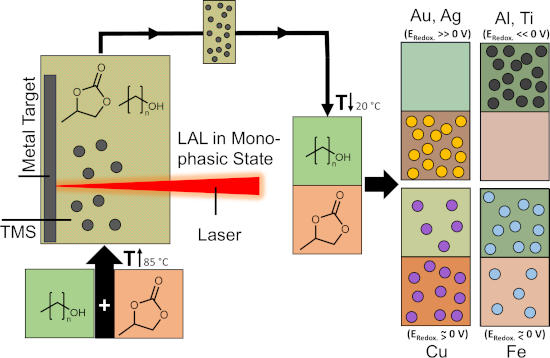
- nanoparticle synthesis was shown to produce gas phases consisting of hydrogen [11][12][13], carbon dioxide [12][14], and carbon monoxide [12][14], as well as carbon-based gases such as methane or C2 hydrocarbons [12][13][14][15][16]. In addition to gaseous by-products, the decomposition was found to produce
- parameters. As such, nanoparticle size [32][33], colloidal stability [33], gas formation [11][34], degree of oxidation [35][36][37], and nanoparticle productivity [11][32][33][34] can be influenced and tailored to specific needs. Although it may be expected that the particles’ reactivity with the solvent and