


Search results
Search for "lithium" in Full Text gives 454 result(s) in Beilstein Journal of Organic Chemistry. Showing first 200.
Construction of CF2 moieties in FDA-approved drugs (2016–2025): industrial routes, mechanisms, and scale-up considerations
- Wenyan Yao,
- Huanhuan Zhang,
- Xiaolong Yang and
- Feng Liu
Beilstein J. Org. Chem. 2026, 22, 1122–1150, doi:10.3762/bjoc.22.91
- yield), second Bz protection and recrystallization to remove chiral isomers (26% yield, 100% ee), and finally reduction of the ester carbonyl to the alcohol 49 using lithium tri-tert-butoxyaluminium hydride (LTBA) at 10 °C (quantitative yield). From 45 to 49, the five-step process gives an overall yield
- in four steps to afford 60, with the last three steps all requiring a temperature of −78 °C. After protection of 57, two sequential electrophilic fluorinations at the 2-position of the sugar ring are carried out under lithium bis(trimethylsilyl)amide (LiHMDS) and N-fluorobenzenesulfonimide (NFSI

Graphical Abstract

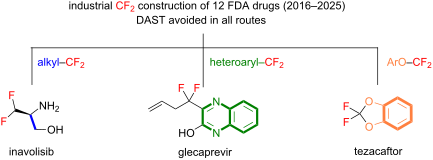
Figure 1: FDA-approved drugs containing CF2 groups (2016–2025). a) For tezacaftor (4), the 2018 approval year...

Figure 2: Synthesis of the alkyl–CF2 side chain in glecaprevir (1) and voxilaprevir (2).

Figure 3: Synthesis of the difluorinated intermediate 38 for ivosidenib (3).
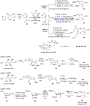
Figure 4: Synthesis of the difluorinated intermediate for cedazuridine (5).

Figure 5: Synthesis of the difluorinated intermediate for omaveloxolone (10).

Figure 6: Synthesis of the difluorinated intermediate for 1-(perfluorohexyl)octane (11).

Figure 7: Synthetic routes towards difluorinated intermediates for the synthesis of inavolisib.
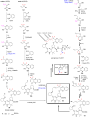
Figure 8: Synthesis of the difluorinated intermediate for glecaprevir.

Figure 9: Synthesis of the difluorinated intermediate for voxilaprevir.

Figure 10: Synthesis of the difluorinated intermediate for lenacapavir.

Figure 11: Synthesis of the difluorinated intermediate for oteseconazole.

Figure 12: Synthesis of the difluorinated intermediate for tezacaftor.

Figure 13: Synthesis of the difluorinated intermediate for difamilas (6).

Figure 14: Synthesis of the difluorinated intermediate for asciminib.

Figure 15: Mechanism of the deoxyfluorination of carbonyl groups using DAST.

Figure 16: Mechanism of the deoxyfluorination of carbonyl groups using SF4.

Figure 17: Mechanism of the fluorination of dithioketals using Olah’s reagent.

Figure 18: Mechanism of the fluorination of xanthates using AgF.

Figure 19: Mechanism of electrophilic fluorination using NFSI.

Figure 20: Mechanism of the Ni-catalyzed conversion of Ar–X to Ar–CF2H using Hu’s reagent.

Figure 21: Mechanism of the (Me3Si)3SiH-mediated intermolecular perfluoroalkylation of alkenes in water.

Figure 22: Mechanism of the formation of ArO–CF2H from ClF2COONa and ArOH.

Figure 23: Mechanism of the formation of ArO–CF2X from TMSCF2X and ArOH.
Recent advances in copper-catalyzed direct hydroamination of alkenes with (hetero)aromatic amines
- Hyejeong Lee and
- Yunmi Lee
Beilstein J. Org. Chem. 2026, 22, 925–947, doi:10.3762/bjoc.22.73
- transformation, the chiral Pybox-diPh/Cu(OTf)2·C6H6 complex initially promoted imine formation followed by asymmetric alkynylation, generating the α,β-unsaturated ester intermediate 23. Subsequent treatment with LiHMDS (lithium bis(trimethylsilyl)amide) induced base-promoted intramolecular aza-Michael

Graphical Abstract

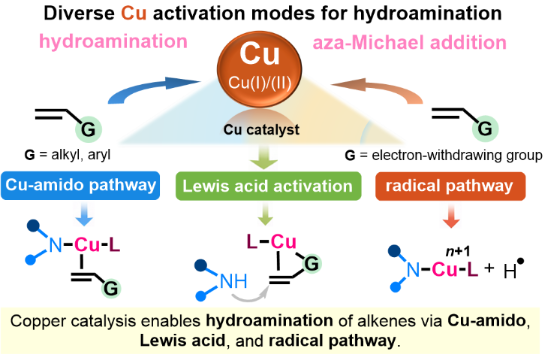
Scheme 1: Mechanistic pathways in copper-catalyzed hydroamination.

Scheme 2: Synthesis of copper–amido complexes.

Scheme 3: Cu–amido catalysts studied for the aza-Michael addition of aniline to electron-deficient olefins.
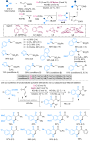
Scheme 4: Copper-catalyzed aza-Michael addition of (hetero)aromatic amines to α,β-unsaturated alkenes.

Scheme 5: Copper-catalyzed 1,6-conjugate addition of aza-heterocycles to sulfonyl dienes.

Scheme 6: Cu-catalyzed aza-Michael addition of arylamines to allylic sulfones.

Scheme 7: Cyclic(alkyl)(amino)carbene-copper-catalyzed aza-Michael addition.

Scheme 8: Aza-Michael addition enabled by Lewis acidic copper catalyst. a20 mol % bpy, 50 mol % Na2CO3.

Scheme 9: One-pot cyclization via aza-Michael addition enabled by Lewis acidic copper catalyst.

Scheme 10: Lewis acidic Cu-catalyzed tandem reaction via aza-Michael addition.

Scheme 11: Copper nanomaterials-catalyzed aza-Michael addition via Lewis acid activation and radical pathways.

Scheme 12: Copper–amido-mediated hydroamination of aniline with vinylarenes.

Scheme 13: Copper-catalyzed anti-Markovnikov hydroamination of (hetero)aromatic N–H with vinylarenes.

Scheme 14: Hydroamination of oxa- and azabenzonorbornadienes with pyrazoles.
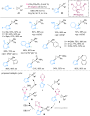
Scheme 15: Copper-catalyzed enantioselective hydroamination of cyclopropenes with pyrazoles.

Scheme 16: Copper/Brønsted acid system for hydroamination of strained alkenes.

Scheme 17: Hydroamination of allenes enabled by Lewis acidic copper catalyst.

Scheme 18: Enantioselective intramolecular hydroamination through aminocupration followed by radical processes....
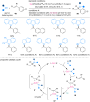
Scheme 19: Visible-light-induced copper-catalyzed hydroamination of styrenes.

Scheme 20: Lewis acid-catalyzed radical hydroamination of styrenes with isatins.
A practical CO2-mediated synthesis of 5,6-carboxylated silicon-rhodamines for targeted probe development
- Dongjie Hou,
- Shaowei Wu,
- Ning Xu,
- Pengjun Bao,
- Wenhao Jia,
- Qinglong Qiao and
- Zhaochao Xu
Beilstein J. Org. Chem. 2026, 22, 915–924, doi:10.3762/bjoc.22.72
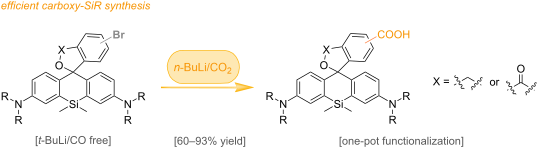
- challenging synthesis of 5,6-carboxylated SiR derivatives, which are essential intermediates for bioconjugation. Here, we report a practical CO2-mediated strategy for the synthesis of 5,6-carboxylated SiRs from brominated SiR precursors via lithium–halogen exchange and direct carboxylation. Using n-BuLi and
- HRMS (Figure S24) analysis identified this side product as the uncarboxylated rhodamine formed by lithium–halogen exchange followed by protonation. This byproduct likely arises from protonation of the aryllithium intermediate before efficient trapping by CO2, possibly due to trace moisture or other
- -carboxylated silicon-rhodamine (SiR) derivatives from brominated SiR precursors via lithium–halogen exchange and direct carboxylation. This method enables efficient access to carboxylated SiRs under mild conditions while avoiding the use of t-BuLi, toxic CO, and expensive palladium catalysts. The crude

Graphical Abstract
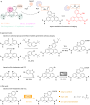
Figure 1: (a) Modular structure of spirocyclic rhodamines. (b) Conventional carboxylation strategies. (c) CO2...

Figure 2: (a) Direct carboxylation of brominated silicon-rhodamines 1a–c under n-BuLi/CO2. (b) Strategy for t...
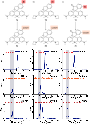
Figure 3: (a–c) Conversion of three bromo-SiR precursors 1a–c in the CO2 carboxylation reaction and their cor...
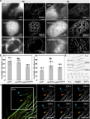
Figure 4: SMLM imaging of different organelles in live HeLa cells stained with 4a and 4b (150 nM). (a) SMLM a...

Figure 5: SIM imaging of different organelles in live HeLa cells stained with 4c (200 nM). (a) SIM images of ...
Diastereodivergent electrophilic trapping of α-boryl lithium derivatives
- Tereza Pavlíčková,
- Noam Orbach and
- Ilan Marek
Beilstein J. Org. Chem. 2026, 22, 882–887, doi:10.3762/bjoc.22.68
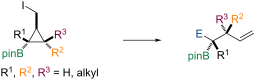
- their stereoselective reactions remains challenging. Here, we examine the diastereoselective generation and trapping of α-boryl lithium species formed by ring opening of substituted iodomethylcyclopropanes. After lithium–iodine exchange and selective C–C bond cleavage, these intermediates react with a
- results suggest that the stereochemical outcome is independent of the initial configuration at C2 and is instead dictated by conformational preferences of the α-boryl lithium intermediate. A simplified steric model is proposed in which lithium coordination induces a pseudo-chelated structure that controls
- facial selectivity during electrophilic trapping. These findings expand the synthetic utility of α-boryl lithium intermediates and provide insight into the origins of their diastereoselectivity. Keywords: α-boryl lithium; diastereoselectivity; (iodomethyl)cyclopropylboronic esters; ring-opening

Graphical Abstract

Scheme 1: Synthesis and reactivity of α-boryl lithium species.

Scheme 2: Diastereodivergent electrophilic trapping of α-boryl lithium derivatives.

Figure 1: Cyclopropylmethyl iodide starting materials.
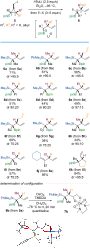
Scheme 3: Reactivity of α-boryl lithium intermediates 5 possessing alkyl substituents at the allylic position....

Scheme 4: Effect of the nature of the substituent R3 on the diastereoselectivity.

Scheme 5: Mechanistic hypothesis to rationalize the diastereoselectivity.
Design, synthesis, and biological evaluation of FXR/ASK1 dual-target modulators
- Xi Zhang,
- Jingyan Wang,
- Ziqiang Zhao,
- Caiyi Wang,
- Zenghui Ye,
- Wei-Yuan Ma,
- Jian-Xing Xu and
- Fengzhi Zhang
Beilstein J. Org. Chem. 2026, 22, 771–781, doi:10.3762/bjoc.22.59
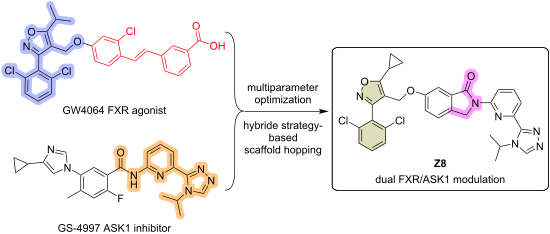
- II with NCS, followed by cyclization with methyl 3-cyclopropyl-3-oxopropionate, furnished isoxazole IV. Reduction of IV with lithium aluminum hydride gave alcohol V, which was then brominated with phosphorus tribromide to yield the desired isoxazole intermediate 2 in five steps (Scheme 4) [31]. The
- LiOH or lithium aluminum hydride to obtain compounds Z4–7. The synthesis of compounds Z8–15 followed a similar preparation procedure as for Z1–7. The synthesis of target compounds Z16–29 is illustrated in Scheme 7. Intermediates 8 and 10 were synthesized by the Suzuki cross-coupling reaction using
- dioxaborolane 7 or boronic acid 9 and IXa–c. Next, Z16–18 and Z23–25 were obtained by Williamson ether synthesis from the intermediates 8, 10 and isoxazole intermediates 2. Finally, hydrolysis in the presence of LiOH and reduction in the presence of lithium aluminum hydride provided target compounds Z19–22 and

Graphical Abstract

Scheme 1: Steroidal and nonsteroidal FXR agonists.

Scheme 2: ASK1 inhibitors.

Scheme 3: Dual FXR/ASK1 modulation strategy for MASH.

Scheme 4: Synthesis of compound 2. Conditions: (a) NH2OH·HCl, NaOH, EtOH/H2O, 70 °C, 12 h; (b) NCS, DMF, 40 °...

Scheme 5: Synthesis of compounds IXa–d. Conditions: (a) N2H4·H2O, MeOH, rt, 12 h; (b) DMF–DMA, 80 °C, 12 h; (...

Scheme 6: Synthesis of compounds Z1–15. Conditions: (a) K2CO3, KI, MeCN, 50 °C, 6 h, 86–96% yield; (b) Pd2(db...

Scheme 7: Synthesis of compounds Z16–29. Conditions: (a) Pd(PPh3)4, Na2CO3, 1,4-dioxane/H2O, 80 °C, 18 h, 64–...

Scheme 8: Synthesis of compound Z30. Conditions: (a) NaH, DMF, rt, 16 h; (b) TFA, DCM, 0 °C, 3 h; (c) Pd2(dba)...

Scheme 9: Molecular docking of dual-target modulator Z8 to the ligand binding sites of FXR (PDB ID: 3DCT, htt...

Figure 1: FXR agonist activity of all compounds. Results of the dual-luciferase reporter assay in CHO cells c...

Figure 2: ASK1 inhibition of all compounds. Results of the ADP-Glo™ kinase assay after treating ASK1 kinase w...

Figure 3: Effects of Z8 and Z30 on OA-induced lipid accumulation in HepG2 cells. Cells were treated with GW40...
Synthesis of heterocycles based on azomethine ylides from α-amino acids (or amines) and carbonyl compounds
- Ekaterina V. Berezhnaya,
- Alexander I. Ponyaev,
- Vitali M. Boitsov and
- Alexander V. Stepakov
Beilstein J. Org. Chem. 2026, 22, 705–741, doi:10.3762/bjoc.22.55
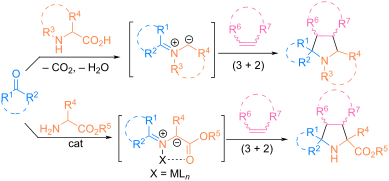
- -metalated azomethine ylides, processes catalyzed by Li(I) should be mentioned. The work [68] showed that using Li(I) results in products with different stereoselectivity than those obtained in processes catalyzed by Ag(I). In general, catalytic systems based on lithium salts can be considered as accessible
- −) attacks the silicon atom, while the polarized lithium atom (δ+) coordinates with the methoxy group as a Lewis acid, further removal of TMSF and LiOMe leads to the in situ formation of azomethine ylide, which then participates in cycloaddition with alkenes (Scheme 36) [79]. The decarboxylative route to

Graphical Abstract

Scheme 1: Strategies for the preparation of pyrrolidine derivatives by (3 + 2) cycloaddition of azomethine yl...

Scheme 2: (3 + 2) Cycloaddition of iminoesters to dimethylmaleate.

Scheme 3: Cycloaddition of 1 with various dipolarophiles catalyzed by Ag(I)-L1.

Scheme 4: Cycloaddition of 1 with tert-butyl acrylate catalyzed by Ag(I)-L2.

Scheme 5: Cycloaddition of 1 with dimethyl maleate catalyzed by Cu(I)-L3.

Scheme 6: Cycloaddition of 1 with alkenes catalyzed by Zn(II)-t-Bu-BOX (L4).

Scheme 7: (3 + 2) Cycloaddition of iminoesters to acrylates.

Scheme 8: Catalytic double (3 + 2) cycloaddition to form pyrrolizidine derivatives.

Scheme 9: (3 + 2) Cycloaddition of iminoethers to vinyl phenyl sulfone.

Scheme 10: Regiodivergent and enantioselective synthesis of pyrrolidines 16 and 17.

Scheme 11: Substrate-controlled regioreversible "normal" and "incomplete" 1,3-dipolar cycloaddition.

Scheme 12: Enantioselective synthesis of exo-/endo-pyrrolidines.

Scheme 13: (3 + 2) Cycloaddition of iminoethers 21 to dipolarophiles 22–24.

Scheme 14: Synthesis of bicyclic pyrrolidines 29 from cyclopentene-1,3-diones.

Scheme 15: (3 + 2) Cycloaddition of aldimine esters and allyl alcohols using copper-ruthenium catalysis.

Scheme 16: Synthesis of 3,3-difluoro- and 3,3,4-trifluoropyrrolidine derivatives.

Scheme 17: Use of iminoesters from natural compounds and pharmaceuticals for reactions with 1,1-difluoro- and ...

Scheme 18: Reaction of iminoesters with 1,3-enynes.

Scheme 19: Synthesis of pyrrolidines from iminoesters and vinyl(hetero)arenes.

Scheme 20: Synthesis of exo-pyrrolidines 42 and 43.

Scheme 21: Enantioselective synthesis of heteroarylpyrrolidines 45 and 46.

Scheme 22: Catalytic reaction of (3 + 2) cycloaddition of imines 12 to benzofulvenes 47.

Scheme 23: Fullerene as a dipolarophile in (3 + 2) cycloaddition reactions.

Scheme 24: Asymmetric synthesis of optically active tetrasubstituted pyrrolidines 54.

Scheme 25: (3 + 2) Cycloaddition reaction of imines 55 and α,β-unsaturated aldehydes.

Scheme 26: Probable mechanism of enantioselective (3 + 2) cycloaddition of azomethine ylides to α,β-unsaturate...

Scheme 27: Cycloaddition between iminoesters 12 and sulfinylimines 58.

Scheme 28: (3 + 2) Cycloaddition between triarylideneacetylacetone and azomethine ylides in the presence of ti...

Scheme 29: Stereoselective synthesis of decahydropyrrolo[2,1,5-cd]indolizine 66.

Scheme 30: Synthesis of policyclic derivatives 71 and 72.

Scheme 31: Catalytic аsymmetric (3 + 2) сycloaddition of 2-pyridylimines with N-methylmaleimide.

Scheme 32: Catalytic аsymmetric (3 + 2) сycloaddition of 2-pyridylimines 1 with other dipolarophiles.

Scheme 33: Enantioselective (3 + 2) cycloaddition of silylimine with various dipolarophiles.

Scheme 34: Proposed mechanism of formation of pyrrolidines 78.

Scheme 35: Synthesis of polyheterocyclic pyrrolidines 82–91.

Scheme 36: Synthesis of spirocyclic (95) and fused (96) pyrrolidines.

Scheme 37: (3 + 2) Cycloaddition involving aromatic aldehydes 97, N-propargylmaleimide (98) and α-amino acids ...

Scheme 38: Synthesis of pyrrolizidines 106 and by-product 107.

Scheme 39: Iridium-catalyzed three-component cascade (3 + 2) cycloaddition.

Scheme 40: Intramolecular (3 + 2) cycloaddition of N-alkenylpyrrole-2-carbaldehyde 110 and α-amino acids.

Scheme 41: Three-component (3 + 2) cycloaddition involving fullerene.

Scheme 42: Four-component stereoselective one-pot synthesis of spiro-cycloadducts 119–122.

Scheme 43: Reactions of azomethine ylide 123 with cyclopropenes.

Scheme 44: Three-component reactions involving ninhydrin, cyclopropenes and acyclic α-amino acids.

Scheme 45: Reaction of cyclopropenes 138 with the N-protonated form of Ruhemann purple 137.

Scheme 46: Enantioselective (3 + 2) cycloaddition of azomethine ylides generated in situ from isatins and amin...

Scheme 47: (3 + 2) Cycloaddition of cyclohexenone 143, isatins 140 and aminomalonic diesters 141, catalyzed by...

Scheme 48: Enantioselective (3 + 2) cycloaddition of azomethine ylides generated in situ from isatins and amin...

Scheme 49: Enantioselective (3 + 2) cycloaddition of azomethine ylides generated in situ from isatins and benz...

Scheme 50: (3 + 2) Cycloaddition involving isatins, azetidine-2-carboxylic acid, maleimides or itaconimides.

Scheme 51: (3 + 2) Cycloaddition involving isatins, amino acids and tetraethylvinylidenebis(phosphonate).

Scheme 52: Synthesis of spirooxindoles 156 from triarylideneacetylacetones 155.

Scheme 53: Synthesis of spirooxindole derivatives 157–160.

Scheme 54: Synthesis of hybrid spiro-heterocycles 164–166.

Scheme 55: Formation of azomethine ylide from isatin and sarcosine.

Scheme 56: (3 + 2) Cycloaddition involving isatins, amino acids and trans-3-benzoylacrylic acid.

Scheme 57: Regioselective synthesis of spirooxindoles 170.

Scheme 58: Synthesis of hybrid spiro-heterocycles 86.

Scheme 59: (3 + 2) Cycloaddition involving acenaphthenequinones, amino acids and cyclopropenes.

Scheme 60: Synthesis of hybrid glyco-3-nitrochromane cycloadducts 179.

Scheme 61: Synthesis of spiro[indenoquinoxaline-(thia)pyrrolizidines] 90a.

Scheme 62: Three-component reactions of cyclopropenes, 11H-indeno[1,2-b]quinoxalin-11-onesand α-amino acids, s...

Scheme 63: Synthesis of hybrid glyco-3-nitrochromane cycloadducts 92.

Scheme 64: (3 + 2) Cycloaddition of 11H-benzo[4,5]imidazo[1,2-a]indol-11-one (189) with cyclopropenes and male...

Scheme 65: Diastereoselective synthesis of spiro derivatives of barbituric acid from alloxan 193, α-amino acid...

Scheme 66: Probable mechanism of formation of azomethine ylide from alloxan and ʟ-proline.

Scheme 67: Three-component reactions involving tryptanthrin 196, α-amino acids and cyclopropenes.
Modern synthetic pathways towards eribulin and its subunits
- Sebastian Dominik Graf
Beilstein J. Org. Chem. 2026, 22, 495–526, doi:10.3762/bjoc.22.37
- . Hydrolytic kinetic resolution of 209 afforded enantioenriched epoxide (S)-209, which was opened regioselectively with lithium acetylide. The allylation and [3 + 2]-cycloaddition with tosyl azide led to 212. Treatment with Rh2(OAc)4 induced a [2,3]-Wittig rearrangement and subsequent hydrolysis afforded 213

Graphical Abstract

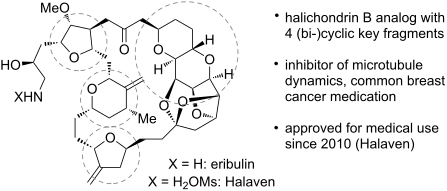
Figure 1: Eribulin with common synthetic precursor fragments and halichondrin B.

Scheme 1: Overview of the industrial process pathway for the large-scale production of the mesylate salt of 1...

Scheme 2: Synthesis of 22. (a) i. 2,2-dimethoxypropane, p-TsOH, MeOH, 65 °C; ii. NaBH4, MeOH, rt; (b) i. NaH,...

Scheme 3: Synthesis of 27. (a) i. NaH, BnBr, THF, rt; ii. iodobenzoic acid, MeCN, 80 °C; iii. (EtO)2POCH2COOE...

Scheme 4: Synthesis of 31 and 33. (a) i. MMTrCl, iPr2NEt, DCM, rt; ii. K2CO3, MeOH, DCM, rt; iii. TBDMSCl, im...

Scheme 5: Synthesis of 1. (a) CrCl2, 37, 38, 39 (proton sponge), LiCl, Mn, ZrCp2Cl2, MeCN, EtOAc; (b) SrCO3, t...

Scheme 6: Synthesis of 45. Above: Reaction conditions: (a) methoxyacetic acid, BF3·OEt2, DCM, −30 °C; (b) Pd(...

Scheme 7: Synthesis of 64. Reaction conditions: (a) i. acetone, I2, rt; ii. vinylmagnesium bromide, THF, −20 ...
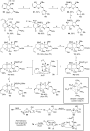
Scheme 8: Synthesis of 79. Above: Reaction conditions: (a) i. K2CO3, MeOH, 60 °C; ii. 2,2-dimethoxypropane, H2...

Scheme 9: Synthesis of 92. Reaction conditions: (a) TESCl, imidazole, DCM, 0 °C to rt; (b) i. oxalyl chloride...
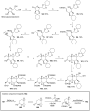
Scheme 10: Synthesis of 104. Above: Reaction conditions: (a) cyclohexanone, p-TsOH, toluene, 110 °C, crystalli...

Scheme 11: Synthesis of 117. (a) i. acetone, CuSO4, rt; ii. H2O2, K2CO3, H2O, rt; iii. EtI, MeCN, 70 °C; (b) i...

Scheme 12: Synthesis of 121. Reaction conditions: (a) i. TBDPSCl, imidazole, DMF, rt; ii. O3, DCM, −78 °C; iii...

Scheme 13: Synthesis of 131. (a) i. 2,2-dimethoxypropane, p-TsOH, MeOH, 60 °C; ii. LiAlH4, THF, 0 °C to rt; (b...

Scheme 14: Synthesis of 143. (a) i. I2, PPh3, imidazole, DCM; ii. HMPA, CuI, vinylmagnesium bromide, THF, −20 ...

Scheme 15: Modified synthesis of 104. Reaction conditions: (a) (EtO)2POCH2COOEt, KOt-Bu, THF, 15 °C; (b) TBAF,...

Scheme 16: Synthesis of 161. Reaction conditions: (a) crotyl bromide, Sn, TBAI, NaI, DMF/H2O, rt; (b) NaH, BnB...

Scheme 17: Synthesis of 169. Reaction conditions: (a) i. Co2(CO)8, BF3·Et2O, DCM, 23 °C; ii. CAN, acetone, 0 °...

Scheme 18: Synthesis of 181. Reaction conditions: (a) i. Co2(CO)8, BF3·Et2O, DCM, 23 °C; ii. (NH4)2Ce(NO3)6, a...

Scheme 19: Synthesis of 186. Reaction conditions: (a) NEt3, LiCl, MeCN, 0–23 °C; (b) HF·pyridine, MeCN, 23 °C;...

Scheme 20: Modified synthesis of 181. Reaction conditions: (a) i. Ni(cod)2, P(n-Bu)3, Et3SiH, THF, 23 °C; ii. ...

Scheme 21: Synthesis of 200. Reaction conditions: (a) i. Co2(CO)8, DCM, 23 °C; ii. BF3·Et2O, 0 °C; iii. (NH4)2...

Scheme 22: Modified synthesis of 186. Reaction conditions: (a) DDQ, 2,6-di-t-Bu-4-hydroxytoluene, hv, MeCN, 23...

Scheme 23: Synthesis of 1. Reaction conditions: (a) i. CrCl2, NiCl2, 206, NEt3, THF, 23 °C; ii. DBU, toluene, ...

Scheme 24: Synthesis of 217. Above: Reaction conditions: (a) TBDPSCl, imidazole, DCM, 0–5 °C. (b) m-CPBA, DCM,...

Scheme 25: Synthesis of 231. Reaction conditions: (a) i. AcCl, MeOH, 0 °C to rt; ii. TrCl, pyridine, 50 °C; (b...

Scheme 26: Synthesis of 239. Reaction conditions: (a) i. Boc2O, K2CO3, THF, rt; ii. Ru(acac)3, NaBrO3, EtOAc, H...

Scheme 27: Synthesis of 247. Reaction conditions: (a) NCS, 248, MeCN, 0 °C to rt; (b) LDA, 249, THF, −78 °C; (...

Scheme 28: Synthesis of 255. Reaction conditions: (a) i. LiHMDS, THF, −78 °C to rt; ii. m-CPBA, DCM, −78 °C to...

Scheme 29: Synthesis of 261. Reaction conditions: (a) allyltrimethylsilane, TiCl4, DCM −78 °C; (b) LiBH4, EtOH...

Scheme 30: Synthesis of 265. Reaction conditions: (a) (R,R)-Ru-cat (0.2 mol %), DCM, NEt3, HCOOH, rt; (b) TBAF...

Scheme 31: Synthesis of 272. Reaction conditions: (a) LDA, THF, −78 °C; (b) DMP, NaHCO3, DCM, 0 °C to rt; (c) (...
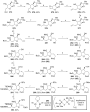
Scheme 32: Synthesis of 292. Reaction conditions: (a) TsCl, NEt3, DCM, rt; (b) K2CO3, MeOH, 45 °C; (c) vinylma...

Scheme 33: Synthesis of 296. Reaction conditions: (a) 171 (see Scheme 17), Cr-cat, CoPc (see Scheme 17), Mn, NEt3·HCl, LiCl, TMS...

Scheme 34: Synthesis of 299. Reaction conditions: (a) 172 (see Scheme 17), CrCl2, NEt3, NiCl2, THF, rt; (b) KHMDS, THF,...

Scheme 35: Synthesis of 305. Reaction conditions: (a) i. p-TsOH, MeOH, 40 °C; ii. MeLi, LiBr, THF, −25 °C; (b)...
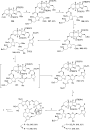
Scheme 36: Synthesis of 1. Reaction conditions: (a) i. 41 (see Scheme 6), LDA, THF, −78 °C; ii. DMP, NaHCO3, DCM, rt; ...

Scheme 37: Synthesis of 324. Reaction conditions: (a) i. acetone, CuSO4, rt; ii. H2O2 (30%), K2CO3, rt; iii. E...
Synthesis and stereochemical analysis of dynamic planar chiral oxa[7]orthocyclophene
- Yukiho Hashimoto,
- Yuuya Kawasaki,
- Kazunobu Igawa and
- Katsuhiko Tomooka
Beilstein J. Org. Chem. 2026, 22, 436–442, doi:10.3762/bjoc.22.30

- alkyne 6. Subsequent preparation of the lithium acetylide using n-BuLi, followed by treatment with formaldehyde, afforded propargyl alcohol 3a in 70% yield over three steps. The reaction of 3a with Red-Al generated a vinyl aluminum species, which was then treated with iodine to provide the iodinated Z

Graphical Abstract

Figure 1: Stereochemical stability of hetera[7]orthocyclophenes. aHalf-lives of optical activity at 25 °C in ...

Figure 2: Synthetic plan of 1ab and 1ac from 1ad.

Scheme 1: Retrosynthesis of oxacyclophene 1ad.

Scheme 2: Synthesis of C6-iodo-substituted oxacyclophene 1ad.
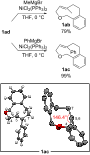
Scheme 3: Synthesis of derivatives 1ab and 1ac, and ORTEP drawing of 1ac (ellipsoid set at 50% probability le...

Figure 3: Chromatograms of HPLC analysis of compounds 1ab and 1ad using an OJ-H column at 25 °C (OJ-H column,...

Figure 4: Chromatograms of HPLC analysis of 1ac (IE column, 4.6 mm × 250 mm, eluent: hexane/iPrOH 95:5, flow ...

Figure 5: Plausible phenyl-substituent effect on the stereochemical stability of 1ac.
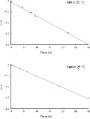
Figure 6: Kinetic measurements for the racemization of 1ab and 1ad.

Figure 7: HPLC analysis of 1ab and 1ad using a CD detector at 5 °C (OJ-H column, 4.6 mm × 250 mm, eluent: hex...

Scheme 4: Epoxidation of (S)-1ab.
Cone p-aminocalix[4]arenes enriched with ‘clickable’ alkyne or azide functionalities
- Ilia Korniltsev,
- Vasily Bazhenov,
- Alexander Gorbunov,
- Dmitry Cheshkov,
- Stanislav Bezzubov,
- Vladimir Kovalev and
- Ivan Vatsouro
Beilstein J. Org. Chem. 2026, 22, 399–415, doi:10.3762/bjoc.22.28
- commercially available lithium bis(trimethylsilyl)amide (LiHMDS), but the latter was found inconvenient for routine syntheses due to high moisture sensitivity which prevented reproducibility of the reaction conditions. To overcome this difficulty, the LiHMDS solution was instead prepared in situ by reacting

Graphical Abstract

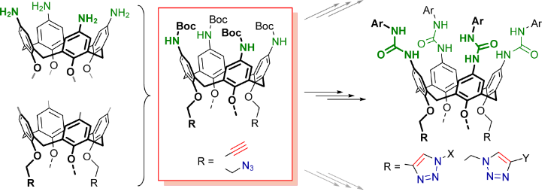
Figure 1: General concept of building multifunctional calix[4]arenes by joining propargyl/2-azidoethyl and p-...
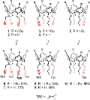
Scheme 1: Silylation of the calixarene propargyl ethers. Conditions: i) LiHMDS (HMDS + n-BuLi), TBSCl, THF, −...
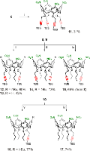
Scheme 2: Nitration of calixarenes 6, 8–10. Conditions: i) HNO3 (fuming, 10 equiv per calixarene aromatic uni...
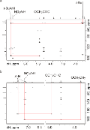
Figure 2: Parts of 1H,13C HMBC spectra of calixarenes 12 (a) and 13 (b) recorded in CDCl3 solutions at 600 MH...

Figure 3: Molecular structures of partially nitrated calixarene 16 (a) and exhaustively nitrated calixarene 15...

Scheme 3: Reduction of calixarenes 11, 15 and 17. Conditions: i) SnCl2·2H2O, HCl, EtOH, H2O, 70 °C, then KOH,...

Scheme 4: Protecting group replacement in propargylated p-aminocalix[4]arenes. Conditions: i) Boc2O, Et3N, di...

Scheme 5: Synthesis of 2-azidoethylated p-aminocalix[4]arenes. Conditions: i) HNO3 (fuming, 10 equiv per cali...

Scheme 6: Synthesis of triazolated p-aminocalix[4]arenes 37–39 from the propargylated calixarene precursors 24...

Scheme 7: Synthesis of triazolated p-aminocalix[4]arenes 40 and 41 from the 2-azidoethylated calixarene precu...

Scheme 8: Removal of Boc protection in calixarenes 37–41; (i) CF3CO2H, dichloromethane, rt, then NaHCO3/H2O.

Scheme 9: Synthesis of triazolated tetraureacalix[4]arenes 47–51. Conditions: (i) p-tolyl isocyanate, toluene...

Figure 4: Planar and energy-minimized structures (with CHCl3 molecule included and triazole groups highlighte...

Figure 5: Planar structures of homodimers 482, 512, and heterodimer 48·52 (a); fragment of the 1H NMR spectru...

Figure 6: Planar structures of homodimers 472, 502, and heterodimer 47·52 (a); fragment of the 1H NMR spectru...
Recent advances in the cleavage of non-activated amides
- Eun-Sol Choi and
- Hyo-Jun Lee
Beilstein J. Org. Chem. 2026, 22, 352–369, doi:10.3762/bjoc.22.23
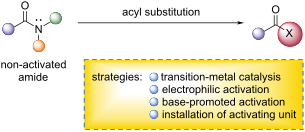
- of 2 equivalents of TCCA as a chlorinating reagent and 2.5 equivalents of lithium benzoate (LiOBz) as a base, primary amides are converted into the corresponding N,N-dichloroamide intermediates 46, which then undergo smooth nucleophilic acyl substitution with alcohols to afford esters. The substrate
- unactivated tertiary amides under transition-metal-free conditions [73]. Lithium hexamethyldisilazide (LiHMDS) was used to activate the amide, enabling smooth cleavage of the C–N bond even in sterically hindered substrates (Scheme 22a). Using p-methylaniline as a nucleophile in the presence of three

Graphical Abstract
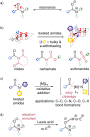
Scheme 1: a) Resonance structure of amide. b) Concept of twisted amides. c) Transition-metal-catalyzed activa...
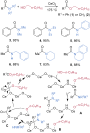
Scheme 2: Esterification of amides catalyzed by CeO2.

Scheme 3: Hydrolysis of amides catalyzed by Nb2O5.
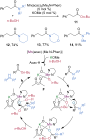
Scheme 4: Manganese-catalyzed esterification of tertiary amides.
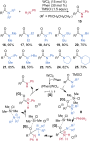
Scheme 5: Tungsten-catalyzed transamidation of hindered tertiary amides.
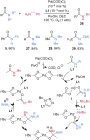
Scheme 6: Palladium-catalyzed transamidation of amides.

Scheme 7: Synthesis of benzyl esters via electrophilic activation of amides using DPT-BM.

Scheme 8: Esterification of amides promoted by SO2F2.
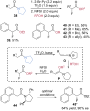
Scheme 9: α-Fluorinative cleavage of pyrrolidine-based tertiary amides via double electrophilic activation wi...
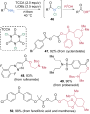
Scheme 10: Esterification of primary amides using TCCA via the generation of RCONCl2.
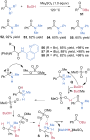
Scheme 11: Esterification of amides via electrophilic activation with Me2SO4.
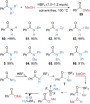
Scheme 12: HBF4-mediated esterification of amides.
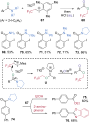
Scheme 13: Synthesis of 2,2,2-trifluoroethyl esters via electrophilic esterification of amide promoted by 67.
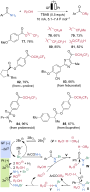
Scheme 14: Electrochemical activation of C–N bonds for esterification.

Scheme 15: Catalyst- and reagent-free transamidation of amide using aniline hydrochloride salt.
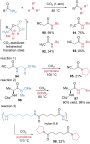
Scheme 16: CO2-catalyzed transamidation of amides.
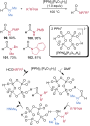
Scheme 17: Transamidation of formamides using cyclic dihydrogen tetrametaphosphate.

Scheme 18: BF3·OEt2-mediated transamidation of primary amides.

Scheme 19: Acyl iodide intermediate 121 generation from amides for the transamidation using HOTf and KI.
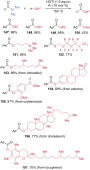
Scheme 20: Esterification of N,N-dimethyl amides via electrophilic generation of acyl iodide intermediates.

Scheme 21: Transamidation of DMAc promoted by KOt-Bu.
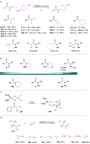
Scheme 22: a) LiHMDS-mediated transamidation of tertiary amides. b) Computed reactivities of selected amides. ...

Scheme 23: Zn-catalyzed chemoselective cleavage of amides directed by tert-butyl nicotinate.

Scheme 24: Chemoselective cleavage of N-PMB anilide for transamidation via acyl fluoride 194 generation. a) Cu...
Total synthesis of natural products based on hydrogenation of aromatic rings
- Haoxiang Wu and
- Xiangbing Qi
Beilstein J. Org. Chem. 2026, 22, 88–122, doi:10.3762/bjoc.22.4
- , constructing the [2.2.2]-bridged ring within the (+)-nominine followed by protection of the primary alcohol as mesylate. Using lithium bromide as the bromine source, an SN2 reaction was performed, and the allylic position was oxidized with tert-butyl peroxide and selenium dioxide to generate the enone 104

Graphical Abstract

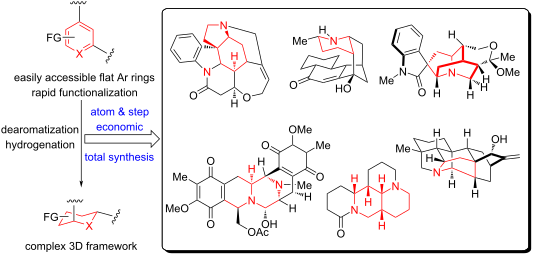
Scheme 1: The association between dearomatization and natural product synthesis.

Scheme 2: Key challenges in hydrogenation of aromatic rings.
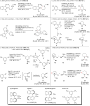
Scheme 3: Hydrogenation of heterocyclic aromatic rings.
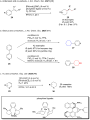
Scheme 4: Hydrogenation of the carbocyclic aromatic rings.
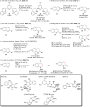
Scheme 5: Hydrogenation of the heterocycle part in bicyclic aromatic rings.
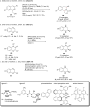
Scheme 6: Hydrogenation of the heterocycle part in bicyclic aromatic rings.
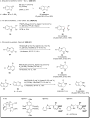
Scheme 7: Hydrogenation of benzofuran, indole, and their analogues.
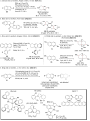
Scheme 8: Hydrogenation of benzofuran, indole, and their analogues.

Scheme 9: Total synthesis of (±)-keramaphidin B by Baldwin and co-workers.

Scheme 10: Total synthesis of (±)-LSD by Vollhardt and co-workers.

Scheme 11: Total synthesis of (±)-dihydrolysergic acid by Boger and co-workers.

Scheme 12: Total synthesis of (±)-lysergic acid by Smith and co-workers.

Scheme 13: Hydrogenation of (−)-tabersonine to (−)-decahydrotabersonine by Catherine Dacquet and co-workers.

Scheme 14: Total synthesis of (±)-nominine by Natsume and co-workers.
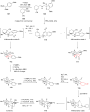
Scheme 15: Total synthesis of (+)-nominine by Gin and co-workers.

Scheme 16: Total synthesis of (±)-lemonomycinone and (±)-renieramycin by Magnus.

Scheme 17: Total synthesis of GB13 by Sarpong and co-workers.

Scheme 18: Total synthesis of GB13 by Shenvi and co-workers.

Scheme 19: Total synthesis of (±)-corynoxine and (±)-corynoxine B by Xia and co-workers.
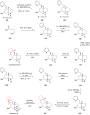
Scheme 20: Total synthesis of (+)-serratezomine E and the putative structure of huperzine N by Bonjoch and co-...

Scheme 21: Total synthesis of (±)-serralongamine A and the revised structure of huperzine N and N-epi-huperzin...

Scheme 22: Early attempts to indenopiperidine core.

Scheme 23: Homogeneous hydrogenation and completion of the synthesis.
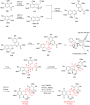
Scheme 24: Total synthesis of jorunnamycin A and jorumycin by Stoltz and co-workers.

Scheme 25: Early attempt towards (−)-finerenone by Aggarwal and co-workers.

Scheme 26: Enantioselective synthesis towards (−)-finerenone.

Scheme 27: Total synthesis of (+)-N-methylaspidospermidine by Smith, Grigolo and co-workers.

Scheme 28: Dearomatization approach towards matrine-type alkaloids.

Scheme 29: Asymmetric total synthesis to (−)-senepodine F via an asymmetric hydrogenation of pyridine.

Scheme 30: Selective hydrogenation of indole derivatives and application.
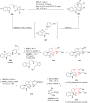
Scheme 31: Synthetic approaches to the oxindole alkaloids by Qi and co-workers.

Scheme 32: Total synthesis of annotinolide B by Smith and co-workers.
Synthesis and applications of alkenyl chlorides (vinyl chlorides): a review
- Daniel S. Müller
Beilstein J. Org. Chem. 2026, 22, 1–63, doi:10.3762/bjoc.22.1
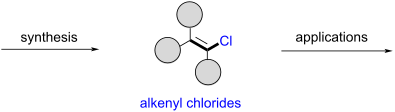
- reported an alternative strategy for alkenyl chloride synthesis employing lithium chloromethylenecarbenoids generated in situ from chloroiodomethane

Graphical Abstract
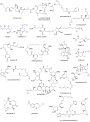
Figure 1: Representative alkenyl chloride motifs in natural products. References: Pinnaic acid [8], haterumalide ...

Figure 2: Representative alkenyl chloride motifs in pharmaceuticals and pesticides. References: clomifene [25], e...
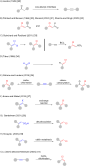
Figure 3: Graphical overview of previously published reviews addressing the synthesis of alkenyl chlorides.

Figure 4: Classification of synthetic approaches to alkenyl chlorides.

Scheme 1: Early works by Friedel, Henry, and Favorsky.

Scheme 2: Product distribution obtained by H NMR integration of crude compound as observed by Kagan and co-wo...

Scheme 3: Side reactions observed for the reaction of 14 with PCl5.

Scheme 4: Only compounds 15 and 18 were observed in the presence of Hünig’s base.

Scheme 5: Efficient synthesis of dichloride 15 at low temperatures.
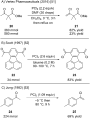
Scheme 6: Various syntheses of alkenyl chlorides on larger scale.

Scheme 7: Scope of the reaction of ketones with PCl5 in boiling cyclohexane.

Scheme 8: Side reactions occur when using excess amounts of PCl5.

Scheme 9: Formation of versatile β-chlorovinyl ketones.

Scheme 10: Mixture of PCl5 and PCl3 used for the synthesis of 49.

Scheme 11: Catechol–PCl3 reagents for the synthesis of alkenyl chlorides.

Scheme 12: (PhO)3P–halogen-based reagents for the synthesis of alkenyl halides.

Scheme 13: Preparation of alkenyl chlorides from alkenyl phosphates.

Scheme 14: Preparation of alkenyl chlorides by treatment of ketones with the Vilsmeier reagent.

Scheme 15: Preparation of electron-rich alkenyl chlorides by treatment of ketones with the Vilsmeier reagent.

Scheme 16: Cu-promoted synthesis of alkenyl chlorides from ketones and POCl3.

Figure 5: GC yield of 9 depending on time and reaction temperature.

Figure 6: Broken reaction flask after attempts to clean the polymerized residue.

Figure 7: GC yield of 9 depending on the amount of CuCl and time.

Scheme 17: Treatment of 4-chromanones with PCl3.

Scheme 18: Synthesis of alkenyl chlorides from the reaction of ketones with acyl chlorides.

Scheme 19: ZnCl2-promoted alkenyl chloride synthesis.
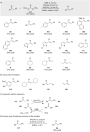
Scheme 20: Regeneration of acid chlorides by triphosgene.

Scheme 21: Alkenyl chlorides from ketones and triphosgene.
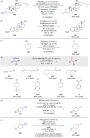
Scheme 22: Various substitution reactions.

Scheme 23: Vinylic Finkelstein reactions reported by Evano and co-workers.

Scheme 24: Challenge of selective monohydrochlorination of alkynes.

Scheme 25: Sterically encumbered internal alkynes furnish the hydrochlorination products in high yield.

Scheme 26: Recent work by Kropp with HCl absorbed on alumina.

Scheme 27: High selectivities for monhydrochlorination with nitromethane/acetic acid as solvent.

Figure 8: Functionalized alkynes which typically afford the monhydrochlorinated products.
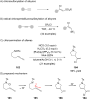
Scheme 28: Related chorosulfonylation and chloroamination reactions.
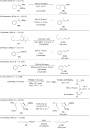
Scheme 29: Reaction of organometallic reagents with chlorine electrophiles.

Scheme 30: Elimination reactions of dichlorides to furnish alkenyl chlorides.

Scheme 31: Elimination reactions of allyl chloride 182 to furnish alkenyl chloride 183.

Scheme 32: Detailed studies by Schlosser on the elimination of dichloro compounds.

Scheme 33: Stereoselective variation caused by change of solvent.

Scheme 34: Elimination of gem-dichloride 189 to afford alkene 190.

Scheme 35: Oxidation of enones to dichlorides and in situ elimination thereof.

Scheme 36: Oxidation of allylic alcohols to dichlorides and in situ elimination thereof.

Scheme 37: Chlorination of styrenes with SOCl2 and elimination thereof.

Scheme 38: Chlorination of styrenes with SOCl2 and elimination thereof.

Scheme 39: Fluorine–chlorine exchange followed by elimination.

Scheme 40: Intercepting cations with alkynes and trapping of the alkenyl cation intermediate with chloride.

Scheme 41: Investigations by Mayr and co-workers.

Scheme 42: In situ activation of benzyl alcohol 230 with BCl3.

Scheme 43: In situ activation of benzylic alcohols with TiCl4.
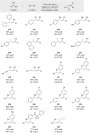
Scheme 44: In situ activation of benzylic alcohols with FeCl3.

Scheme 45: In situ activation of benzylic alcohols with FeCl3.

Scheme 46: In situ activation of aliphatic chlorides and alcohols with ZnCl2, InCl3, and FeCl3.

Scheme 47: In situ generation of benzylic cations and trapping thereof with alkynes.
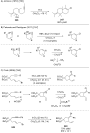
Scheme 48: Intramolecular trapping reactions affording alkenyl halides.

Scheme 49: Intramolecular trapping reactions affording alkenyl chlorides.

Scheme 50: Intramolecular trapping reactions of oxonium and iminium ions affording alkenyl chlorides.
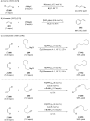
Scheme 51: Palladium and nickel-catalyzed coupling reactions to afford alkenyl chlorides.

Scheme 52: Rhodium-catalyzed couplings of 1,2-trans-dichloroethene with arylboronic esters.

Scheme 53: First report on monoselective coupling reactions for 1,1-dichloroalkenes.

Scheme 54: Negishi’s and Barluenga’s contributions.

Scheme 55: First mechanistic investigation by Johnson and co-workers.

Scheme 56: First successful cross-metathesis with choroalkene 260.

Scheme 57: Subsequent studies by Johnson.
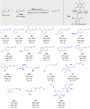
Scheme 58: Hoveyda and Schrock’s work on stereoretentive cross-metathesis with molybdenum-based catalysts.
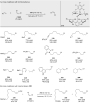
Scheme 59: Related work with (Z)-dichloroethene.
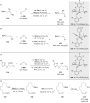
Scheme 60: Further ligand refinement and traceless protection of functional groups with HBpin.

Scheme 61: Alkenyl chloride synthesis by Wittig reaction.

Scheme 62: Alkenyl chloride synthesis by Julia olefination.

Scheme 63: Alkenyl chloride synthesis by reaction of ketones with Mg/TiCl4 mixture.

Scheme 64: Frequently used allylic substitution reactions which lead to alkenyl chlorides.
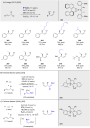
Scheme 65: Enantioselective allylic substitutions.

Scheme 66: Synthesis of alkenyl chlorides bearing an electron-withdrawing group.

Scheme 67: Synthesis of α-nitroalkenyl chlorides from aldehydes.

Scheme 68: Synthesis of alkenyl chlorides via elimination of an in situ generated geminal dihalide.

Scheme 69: Carbenoid approach reported by Pace.

Scheme 70: Carbenoid approach reported by Pace.

Scheme 71: Ring opening of cyclopropenes in the presence of MgCl2.

Scheme 72: Electrophilic chlorination of alkenyl MIDA boronates to Z- or E-alkenyl chlorides.

Scheme 73: Hydroalumination and hydroboration of alkynyl chlorides.

Scheme 74: Carbolithiation of chloroalkynes.

Scheme 75: Chlorination of enamine 420.

Scheme 76: Alkyne synthesis by elimination of alkenyl chlorides.

Scheme 77: Reductive lithiation of akenyl chlorides.

Scheme 78: Reactions of alkenyl chlorides with organolithium reagents.

Scheme 79: Reactions of alkenyl chlorides with organolithium reagents.

Scheme 80: Addition–elimination reaction of alkenyl chloride 9 with organolithium reagents.

Scheme 81: C–H insertions of lithiumcarbenoids.
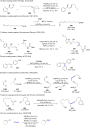
Scheme 82: Pd-catalyzed coupling reactions with alkenyl chlorides as coupling partner.

Scheme 83: Ni-catalyzed coupling of alkenylcopper reagent with alkenyl chloride 183.

Scheme 84: Ni-catalyzed coupling of heterocycle 472 with alkenyl chloride 473.

Scheme 85: Synthesis of α-chloroketones by oxidation of alkenyl chlorides.

Scheme 86: Tetrahalogenoferrate(III)-promoted oxidation of alkenyl chlorides.

Scheme 87: Chlorine–deuterium exchange promoted by a palladium catalyst.

Scheme 88: Reaction of alkenyl chlorides with thiols in the presence of AIBN (azobisisobutyronitrile).

Scheme 89: Chloroalkene annulation.
One-pot synthesis of ethylmaltol from maltol
- Immanuel Plangger,
- Marcel Jenny,
- Gregor Plangger and
- Thomas Magauer
Beilstein J. Org. Chem. 2025, 21, 2755–2760, doi:10.3762/bjoc.21.212

- opted for deprotonation with lithium reagents. Attempted double deprotonation with methyl lithium afforded a complex reaction mixture, from which ethylmaltol (1) was isolated in 11% together with an inseparable impurity tentatively assigned as 6 based on NMR analysis (Table 1, entry 2). Switching to the
- less nucleophilic and sterically more hindered base lithium diisopropylamide (LDA), the yield of ethylmaltol (1) increased to 25% and maltol (2) was recovered in 17% (Table 1, entry 3). Notably, treatment of maltol (2) with LDA resulted in a deep purple solution with no apparent solubility issues. We
- nucleophilicity of the intermediate lithium alkoxides and to the softer nucleophilic character at C vs O for lithium dienolates. While the dianion strategy was able to convert maltol (2) to ethylmaltol (1) in yields of up to 57%, the reactions suffered from an unsatisfactory purity profile. First, interconversion

Graphical Abstract
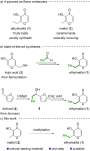
Scheme 1: Importance and synthetic approaches to ethylmaltol (1). (a) Ethylmaltol (1) is widely used as a fla...

Scheme 2: Optimized one-pot procedure to access ethylmaltol (1) via a transient protecting group strategy.
Recent advancements in the synthesis of Veratrum alkaloids
- Morwenna Mögel,
- David Berger and
- Philipp Heretsch
Beilstein J. Org. Chem. 2025, 21, 2657–2693, doi:10.3762/bjoc.21.206
- alkylation was diasteroselective. In the next steps, addition of isopropenyllithium to the lactone moiety led to a hemiketal, which was then opened and a protecting group on the hydroxy group was installed, furnishing fragment 42. Key convergent coupling of this total synthesis was performed by lithium
- butenolide moiety, selective α-methylation, formation of a lactam, reduction of the former to an amine, and installation of two different protecting groups. Aryl bromide 53 (fragment B) was then ready for coupling. Lithium–halogen exchange in fragment B 53 and subsequent 1,2-addition to fragment A 47
- coupling was carried out via lithium–halogen exchange, 1,2-addition, and subsequent oxidation to give ketone 48. Photoinduced excited-state Nazarov cyclization installed the cyclopentenone C-ring with correct stereoconfiguration at C9 and C10 in excellent yield. Ketone reduction and global deprotection

Graphical Abstract

Scheme 1: Representatives of steroid alkaloid classes. Marked in blue is the steroidal cholestane framework, ...

Scheme 2: Subclasses of Veratrum alkaloids: jervanine, veratramine and cevanine-type [8].

Scheme 3: Flow chart presentation of the synthesis of (−)-englerin A developed by the Christmann group [10].
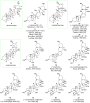
Scheme 4: Structures and year of synthesis of the three types of Veratrum alkaloids reported in the literatur...
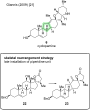
Scheme 5: Key step in the synthesis of cyclopamine (6) by the Giannis group [21].

Scheme 6: Overview of the semisynthesis of cyclopamine (6) reported by the Giannis group in 2009 [21].
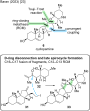
Scheme 7: Key steps in the synthesis of cyclopamine (6) by the Baran group [23].

Scheme 8: Overview of the total synthesis of cyclopamine (6) by the Baran group in 2023 [23].
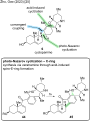
Scheme 9: Key steps in the synthesis of cyclopamine (6) by the Zhu/Gao group [25].
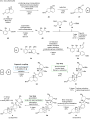
Scheme 10: Overview of the total synthesis of cyclopamine (6) by the group of Zhao/Gao in 2023 [25].
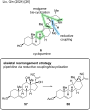
Scheme 11: Key steps in the synthesis of cyclopamine (6) by the Liu/Qin group [26].

Scheme 12: Overview of the semisynthesis of cyclopamine (6) by the Liu/Qin group in 2024 [26].
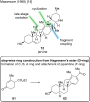
Scheme 13: Key steps in the synthesis of jervine (12) by the Masamune group [14].

Scheme 14: Overview of the total synthesis of jervine (12) by the Masamune group in 1968 [14].

Scheme 15: Color-coded schemes of the presented cyclopamine (6) syntheses by Giannis, Baran, Zhu/Gao, and Liu/...
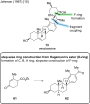
Scheme 16: Key steps in the total synthesis of veratramine (13) by the Johnson group [15].

Scheme 17: Overview of the total synthesis of veratramine (13) by the Johnson group in 1967 [15].
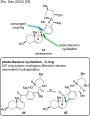
Scheme 18: Key steps in the synthesis of veratramine (13) by the Zhu/Gao group [25].

Scheme 19: Shortened overview of the total synthesis of veratramine (13) by the Zhu/Gao group in 2023 [25].
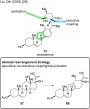
Scheme 20: Key steps in the synthesis of veratramine by the Liu/Qin group [26].

Scheme 21: Overview of the semisynthesis of veratramine (13) by the Liu/Qin group in 2024 [26].
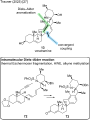
Scheme 22: Key steps in the synthesis of veratramine (13) by the Trauner group [27].

Scheme 23: Overview of the total synthesis of veratramine (13) by the Trauner group in 2025 [27].
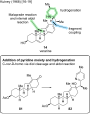
Scheme 24: Key steps in the synthesis of verarine (14) by the Kutney group [16-19].

Scheme 25: Overview of the total synthesis of verarine (14) by the Kutney group reported 1962–1968 [16-19].

Scheme 26: Color-coded schemes of the presented veratramine-type alkaloid synthesis of Zhu/Gao, Liu/Qin and Tr...
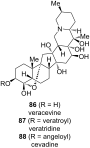
Scheme 27: Structures of veracevine (86), veratridine (87), and cevadine (88).

Scheme 28: Key step in the semisynthesis of verticine (15) by the Kutney group (1977) [20,46].

Scheme 29: Overview of the semisynthesis of verticine (15) by the Kutney group (1977) [20,46].

Scheme 30: Key step of the total synthesis of (±)-4-methylenegermine (17) by the Stork group (2017) [22].

Scheme 31: Overview of the total synthesis of (±)-4-methylenegermine (17) by the Stork group (2017) [22].

Scheme 32: Key step of the total synthesis of heilonine (16) by Cassaidy and Rawal (2021) [24].

Scheme 33: Overview of the total synthesis of heilonine (16) by Cassaidy and Rawal (2021) [24]. FGI: functional gr...
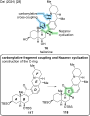
Scheme 34: Key steps of the synthesis of heilonine (16) by Dai and co-workers (2024) [28].

Scheme 35: Overview of the total synthesis of heilonine (16) by Dai and co-workers (2024) [28].
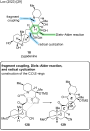
Scheme 36: Key steps of the total synthesis of zygadenine (18) reported by Luo and co-workers [29].
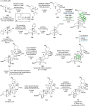
Scheme 37: Overview of the total synthesis of zygadenine (18) by Luo and co-workers (2023) [29].
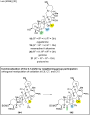
Scheme 38: Key step of the divergent total syntheses of highly oxidized cevanine-type alkaloids by Luo and co-...
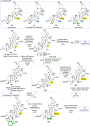
Scheme 39: Divergent syntheses of highly oxidized cevanine-type alkaloids by Luo and co-workers (2024) [30].
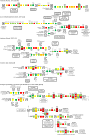
Scheme 40: Color-coded overview of the presented cevanine-type alkaloid syntheses [10,20,22,24,28-30,46]. LLS: longest linear sequen...
Chemoenzymatic synthesis of the cardenolide rhodexin A and its aglycone sarmentogenin
- Fuzhen Song,
- Mengmeng Zheng,
- Dongkai Wang,
- Xudong Qu and
- Qianghui Zhou
Beilstein J. Org. Chem. 2025, 21, 2637–2644, doi:10.3762/bjoc.21.204
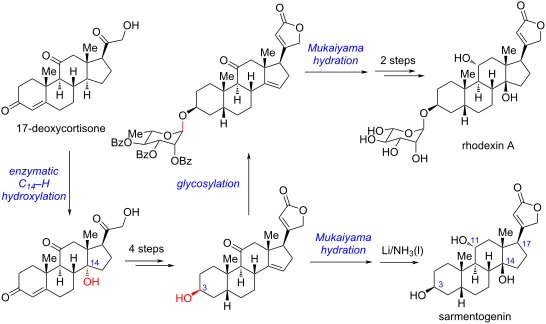
- -carbonyl reduction by dissolved lithium metal in liquid NH3 solution, and the C11 α-hydroxylated intermediate 13 was obtained as a single diastereoisomer in 54% yield. Lastly, as expected, a Co(acac)2-catalyzed Mukaiyama hydration of 13 afforded the desired natural product sarmentogenin (2) in 69% yield

Graphical Abstract

Figure 1: Representative CGs with promising biological activities.

Scheme 1: Retrosynthetic analysis of rhodexin A and sarmentogenin.
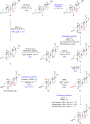
Scheme 2: Chemoenzymatic synthesis of sarmentogenin (2).

Scheme 3: Synthesis of rhodexin A.
Assembly strategy for thieno[3,2-b]thiophenes via a disulfide intermediate derived from 3-nitrothiophene-2,5-dicarboxylate
- Roman A. Irgashev
Beilstein J. Org. Chem. 2025, 21, 2489–2497, doi:10.3762/bjoc.21.191
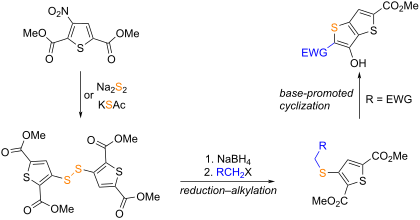
- -3-yl lithium derivative, followed by electrophilic trapping of the thiolate and base-induced cyclization to afford the 3-hydroxy-TT [25]. Route II is represented by the single example of a one-pot reaction of 2-methylquinoline and 3-bromothiophene-2-carbaldehyde in the presence of elemental S and

Graphical Abstract

Scheme 1: The synthetic routes to 3-hydroxy-substituted TT derivatives.

Scheme 2: The present retrosynthetic plan for constructing TT molecules.

Scheme 3: An attempt to nucleophilically substitute the NO2 group in ester 1.

Scheme 4: The reaction of ester 1 with potassium thioacetate.

Scheme 5: A probable mechanism for the formation of compounds 2 and 3.
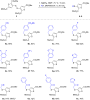
Scheme 6: The synthesis of 3-(alkylthio)thiophene-2,5-dicarboxylates 4–6, yields, and scope of products. *Fro...

Scheme 7: The synthesis of TT derivatives, yields, and scope of products. Conditions: i) LiH (5 equiv), DMF, ...
Comparative analysis of complanadine A total syntheses
- Reem Al-Ahmad and
- Mingji Dai
Beilstein J. Org. Chem. 2025, 21, 2334–2344, doi:10.3762/bjoc.21.178
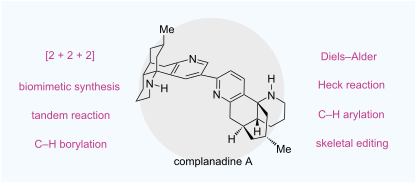
- in four steps. Subsequent conjugate addition of the lithium anion of TMS-acetonitrile to 15, followed by careful one-pot protonation of the resulting enolate with ethyl salicylate and TMS removal with CsF, gave 16 bearing three properly arranged substituents. Grignard 1,2-addition to ketone 16

Graphical Abstract
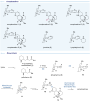
Scheme 1: Complanadine natural products and their plausible biosynthesis.

Scheme 2: The Siegel total synthesis of complanadine A enabled by [2 + 2 + 2] cycloadditions.
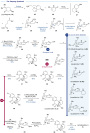
Scheme 3: The Sarpong total synthesis of complanadine A enabled by a biomimetic strategy and C–H activation.
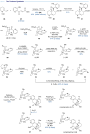
Scheme 4: The Tsukano total synthesis of complanadine A enabled by Diels–Alder cycloaddition, Heck cyclizatio...
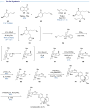
Scheme 5: The Dai total synthesis of complanadine A using single-atom skeletal editing.

Scheme 6: Comparative summary of the four complanadine A total syntheses.
Recent advances in Norrish–Yang cyclization and dicarbonyl photoredox reactions for natural product synthesis
- Peng-Xi Luo,
- Jin-Xuan Yang,
- Shao-Min Fu and
- Bo Liu
Beilstein J. Org. Chem. 2025, 21, 2315–2333, doi:10.3762/bjoc.21.177
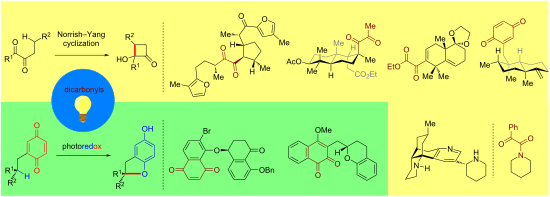
- ; and subsequent conversion of the ketone in 20 to the vinyl iodide in 21 – via hydrazone formation, lithium–halogen exchange, and final nucleophilic substitution – secured the Norrish–Yang cyclization precursor 22. Following systematic optimization of reaction conditions, irradiation of 22 with 100 W

Graphical Abstract

Scheme 1: a) The mechanism of Norrish type II reaction and Norrish–Yang cyclization; b) The mechanism of the ...

Scheme 2: Total synthesis of (+)-cyclobutastellettolide B.

Scheme 3: Norrish–Yang cyclization and 1,2-methyl migration.

Scheme 4: Synthetic study toward phainanoids.

Scheme 5: a) Mitsunobu reaction of the C9 ketal; b) Norrish–Yang cyclization of the saturated C5–C6; c) calcu...
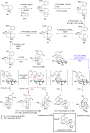
Scheme 6: Total synthesis of avarane-type meroterpenoids.

Scheme 7: Total synthesis of gracilisoid A.
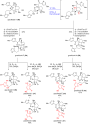
Scheme 8: Divergent total synthesis of gracilisoids B–I.

Scheme 9: Mechanism of the late-stage biomimetic photooxidation.
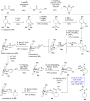
Scheme 10: Asymmetric total synthesis of lycoplatyrine A.

Scheme 11: Photoreaction of pyrrolidine-derived phenyl keto amide.

Scheme 12: Photoredox reactions of naphthoquinones.
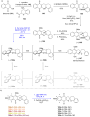
Scheme 13: Synthetic study toward γ-rubromycin.

Scheme 14: Substituent-dependent conformational preferences.
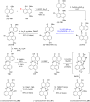
Scheme 15: Total synthesis of preussomerins EG1, EG2, and EG3.
Stereoselective electrochemical intramolecular imino-pinacol reaction: a straightforward entry to enantiopure piperazines
- Margherita Gazzotti,
- Fabrizio Medici,
- Valerio Chiroli,
- Laura Raimondi,
- Sergio Rossi and
- Maurizio Benaglia
Beilstein J. Org. Chem. 2025, 21, 1897–1908, doi:10.3762/bjoc.21.147
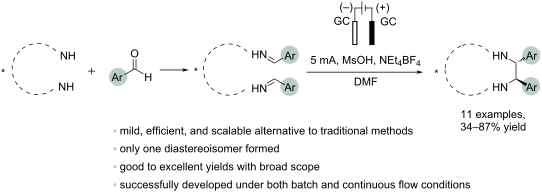
- represent the most established approach to imino-pinacol coupling (Scheme 1), with zero-valent metals traditionally employed as reductants and various strategies extensively explored [2]. The use of alkali metals [3][4][5], as lithium and sodium, and alkaline earth metals [6], as magnesium, are

Graphical Abstract

Scheme 1: Synthesis of vicinal diamines via imino-pinacol coupling in the presence of metal-based reductants.

Scheme 2: Light-promoted imino-pinacol coupling for the synthesis of vicinal diamines.
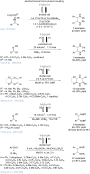
Scheme 3: Historical perspective on electrochemical imino-coupling protocols.

Scheme 4: Stereoselective electroreductive intramolecular imino-pinacol reaction.
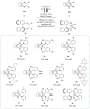
Scheme 5: Scope of the imino-pinacol coupling reaction. Reaction conditions: GC electrodes, NEt4BF4 (2.6 equi...

Figure 1: X-ray determined structure of chiral piperazine 2b.

Scheme 6: Continuous flow synthesis of piperazine 2a. The yield was determined by 1H NMR spectroscopy using 1...

Scheme 7: Proposed reaction mechanism.

Scheme 8: Cyclic voltammetry investigation. Cyclic voltammetry of a 0.325 M solution of Et4NBF4 in DMF (light...
Photoswitches beyond azobenzene: a beginner’s guide
- Michela Marcon,
- Christoph Haag and
- Burkhard König
Beilstein J. Org. Chem. 2025, 21, 1808–1853, doi:10.3762/bjoc.21.143
- (37) followed by reduction with Zn/Ba(OH)2 and partial re-oxidation (Scheme 12A) [52]. They can also be obtained from o-halogenated benzyl bromides 40 by lithium–halogen exchange followed by nucleophilic substitution and a second lithium–halogen exchange with iodine (Scheme 12B) or by nickel-catalysed

Graphical Abstract

Figure 1: Energy diagram of a two-state photoswitch. Figure 1 was redrawn from [2].

Figure 2: Example of the absorption spectra of the isomers of a photoswitch with most efficient irradiation w...
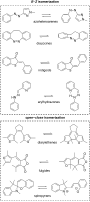
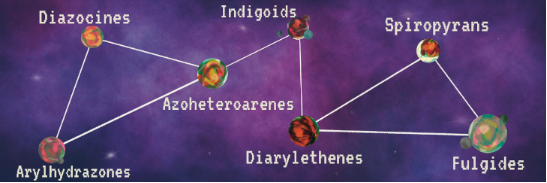
Scheme 1: Photoswitch classes described in this review.

Figure 3: Azoheteroarenes.

Scheme 2: E–Z Isomerisation (top) and mechanisms of thermal Z–E isomerisation (bottom).

Scheme 3: Rotation mechanism favoured by the electron displacement in push–pull systems. Selected examples of...

Figure 4: A) T-shaped and twisted Z-isomers determine the thermal stability and the Z–E-PSS (selected example...

Figure 5: Effect of di-ortho-substitution on thermal half-life and PSS.

Figure 6: Selected thermal lifetimes of azoindoles in different solvents and concentrations. aConcentration o...

Figure 7: Aryliminopyrazoles: N-pyrazoles (top) and N-phenyl (bottom).

Scheme 4: Synthesis of symmetrical heteroarenes through oxidation (A), reduction (B), and the Bayer–Mills rea...

Scheme 5: Synthesis of diazonium salt (A); different strategies of azo-coupling: with a nucleophilic ring (B)...

Scheme 6: Synthesis of arylazothiazoles 25 (A) and heteroaryltriazoles 28 (B).

Scheme 7: Synthesis of heteroarylimines 31a,b [36-38].

Figure 8: Push–pull non-ionic azo dye developed by Velasco and co-workers [45].

Scheme 8: Azopyridine reported by Herges and co-workers [46].

Scheme 9: Photoinduced phase transitioning azobispyrazoles [47].

Figure 9: Diazocines.

Scheme 10: Isomers, conformers and enantiomers of diazocine.

Scheme 11: Partial overlap of the ππ* band with electron-donating substituents and effect on the PSS. Scheme 11 was ada...

Figure 10: Main properties of diazocines with different bridges. aMeasured in n-hexane [56]. bMeasured in THF. cMe...

Scheme 12: Synthesis of symmetric diazocines.

Scheme 13: Synthesis of asymmetric diazocines.

Scheme 14: Synthesis of O- and S-heterodiazocines.

Scheme 15: Synthesis of N-heterodiazocines.

Scheme 16: Puromycin diazocine photoswitch [60].

Figure 11: Indigoids.

Figure 12: The main representatives of the indigoid photoswitch class.

Scheme 17: Deactivation process that prevents Z-isomerisation of indigo.

Figure 13: Stable Z-indigo derivative synthesised by Wyman and Zenhäusern [67].

Figure 14: Selected examples of indigos with aliphatic and aromatic substituents [68]. Dashed box: proposed π–π in...

Scheme 18: Resonance structures of indigo and thioindigo involving the phenyl ring.

Scheme 19: Possible deactivation mechanism for 4,4'-dihydroxythioindigo [76].

Scheme 20: Effect of different heteroaryl rings on the stability and the photophysical properties of hemiindig...

Figure 15: Thermal half-lives of red-shifted hemithioindigos in toluene [79]. aMeasured in toluene-d8.

Scheme 21: Structures of pyrrole [81] and imidazole hemithioindigo [64].

Figure 16: Examples of fully substituted double bond hemithioindigo (left), oxidised hemithioindigos (centre),...

Scheme 22: Structure of iminothioindoxyl 72 (top) and acylated phenyliminoindolinone photoswitch 73 (bottom). ...

Scheme 23: (top) Transition states of iminothioindoxyl 72. The planar transition state is associated with a lo...

Scheme 24: Baeyer–Drewsen synthesis of indigo (top) and N-functionalisation strategies (bottom).

Scheme 25: Synthesis of hemiindigo.

Scheme 26: Synthesis of hemithioindigo and iminothioindoxyl.

Scheme 27: Synthesis of double-bond-substituted hemithioindigos.

Scheme 28: Synthesis of phenyliminoindolinone.

Scheme 29: Hemithioindigo molecular motor [85].

Figure 17: Arylhydrazones.

Scheme 30: Switching of arylhydrazones. Note: The definitions of stator and rotor are arbitrary.

Scheme 31: Photo- and acidochromism of pyridine-based phenylhydrazones.

Scheme 32: A) E–Z thermal inversion of a thermally stable push–pull hydrazone [109]. B) Rotation mechanism favoured...

Scheme 33: Effect of planarisation on the half-life.

Scheme 34: The longest thermally stable hydrazone switches reported so far (left). Modulation of thermal half-...

Figure 18: Dependency of t1/2 on concentration and hypothesised aggregation-induced isomerisation.

Figure 19: Structure–property relationship of acylhydrazones.

Scheme 35: Synthesis of arylhydrazones.

Scheme 36: Synthesis of acylhydrazones.

Scheme 37: Photoswitchable fluorophore by Aprahamian et al. [115].

Scheme 38: The four-state photoswitch synthesised by the Cigáň group [116].

Figure 20: Diarylethenes.

Scheme 39: Isomerisation and oxidation pathway of E-stilbene to phenanthrene.

Scheme 40: Strategies adapted to avoid E–Z isomerisation and oxidation.
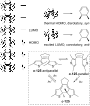
Scheme 41: Molecular orbitals and mechanism of electrocyclisation for a 6π system.

Figure 21: Aromatic stabilisation energy correlated with the thermal stability of the diarylethenes [127,129].

Figure 22: Half-lives of diarylethenes with increasing electron-withdrawing groups [128,129].

Scheme 42: Photochemical degradation pathway promoted by electron-donating groups [130].

Figure 23: The diarylethenes studied by Hanazawa et al. [134]. Increased rigidity leads to bathochromic shift.

Scheme 43: The dithienylethene synthesised by Nakatani's group [135].

Scheme 44: Synthesis of perfluoroalkylated diarylethenes.

Scheme 45: Synthesis of 139 and 142 via McMurry coupling.

Scheme 46: Synthesis of symmetrical derivatives 145 via Suzuki–Miyaura coupling.

Scheme 47: Synthesis of acyclic 148, malonic anhydride 149, and maleimide derivatives 154.

Figure 24: Gramicidin S (top left) and two of the modified diarylethene derivatives: first generation (bottom ...

Scheme 48: Pyridoxal 5'-phosphate and its reaction with an amino acid (top). The analogous dithienylethene der...

Figure 25: Fulgides.

Scheme 49: The three isomers of fulgides.

Scheme 50: Thermal and photochemical side products of unsubstituted fulgide [150].

Figure 26: Maximum absorption λc of the closed isomer compared with the nature of the aromatic ring and the su...

Scheme 51: Possible rearrangement of the excited state of 5-dimethylaminoindolylfulgide [153].

Figure 27: Quantum yields of ring closure (ΦE→C) and E–Z isomerisation (ΦE→Z) correlated with the increasing s...

Scheme 52: Active (Eα) and inactive (Eβ) conformers (left) and the bicyclic sterically blocked fulgide 169 (ri...

Scheme 53: Quantum yield of ring-opening (ΦC→E) and E–Z isomerisation (ΦE→Z) for different substitution patter...

Scheme 54: Stobbe condensation pathway for the synthesis of fulgides 179, fulgimides 181 and fulgenates 178.

Scheme 55: Alternative synthesis of fulgides through Pd-catalysed carbonylation.

Scheme 56: Optimised synthesis of fulgimides [166].

Scheme 57: Photoswitchable FRET with a fulgimide photoswitch [167].

Scheme 58: Three-state fulgimide strategy by Slanina's group.

Figure 28: Spiropyrans.

Scheme 59: Photochemical (left) and thermal (right) ring-opening mechanisms for an exemplary spiropyran with a...

Figure 29: Eight possible isomers of the open merocyanine according to the E/Z configurations of the bonds hig...

Scheme 60: pH-Controlled photoisomerisation between the closed spiropyran 191-SP and the open E-merocyanine 19...

Scheme 61: Behaviour of spiropyran in water buffer according to Andréasson and co-workers [180]. 192-SP in an aqueo...

Scheme 62: (left box) Proposed mechanism of basic hydrolysis of MC [184]. (right box) Introduction of electron-dona...

Scheme 63: Photochemical interconversion of naphthopyran 194 (top) and spirooxazine 195 (bottom) photoswitches...

Scheme 64: Synthesis of spiropyrans and spirooxazines 198 and the dicondensation by-product 199.

Scheme 65: Alternative synthesis of spiropyrans and spirooxazines with indolenylium salt 200.

Scheme 66: Synthesis of 4’-substituted spiropyrans 203 by condensation of an acylated methylene indoline 201 w...

Scheme 67: Synthesis of spironaphthopyrans 210 by acid-catalysed condensation of naphthols and diarylpropargyl...

Scheme 68: Photoswitchable surface wettability [194].

Figure 30: Some guiding principles for the choice of the most suitable photoswitch. Note that this guide is ve...
Convenient alternative synthesis of the Malassezia-derived virulence factor malassezione and related compounds
- Karu Ramesh and
- Stephen L. Bearne
Beilstein J. Org. Chem. 2025, 21, 1730–1736, doi:10.3762/bjoc.21.135

- (100 MHz, CDCl3) δ 171.5, 149.6, 135.5, 130.1, 124.6, 124.5, 122.7, 119.0, 115.3, 113.1, 83.6, 52.1, 30.9, 28.2 ppm. These spectroscopic data agreed with those in the literature [28]. 2-(1-(tert-Butoxycarbonyl)-1H-indol-3-yl)acetic acid (22). A solution of lithium hydroxide (LiOH·H2O, 2.1 g, 51.8 mmol

Graphical Abstract

Figure 1: Various natural indole-containing compounds isolated from Malassezia furfur.

Scheme 1: Synthetic routes to malassezione (1) from either A) an isonitrile precursor [18] or B) indole-3-acetic ...
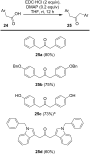
Scheme 2: Various bis-substituted ketones prepared. a25c prepared from 25b.
Influence of the cation in hypophosphite-mediated catalyst-free reductive amination
- Natalia Lebedeva,
- Fedor Kliuev,
- Olesya Zvereva,
- Klim Biriukov,
- Evgeniya Podyacheva,
- Maria Godovikova,
- Oleg I. Afanasyev and
- Denis Chusov
Beilstein J. Org. Chem. 2025, 21, 1661–1670, doi:10.3762/bjoc.21.130

- system is more efficient than the earlier described usage of the pure NaH2PO2: higher solubility of the potassium, rubidium and cesium salts compared to the sodium and lithium and a proper pH of the reaction medium. Acidic catalysis strongly accelerates the rate of hemiaminal and iminium ion formation

Graphical Abstract

Scheme 1: Rationale of the current study: a) Our previous work [20]; b) this work.

Scheme 2: Comparison of KH2PO2 and NaH2PO2 under the optimal conditions.
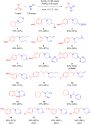
Figure 1: Substrate scope. Reaction conditions: carbonyl compound (1.45 mmol, 1 equiv), amine (1.81 mmol, 1.2...
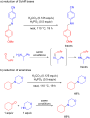
Scheme 3: Control experiments.
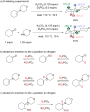
Scheme 4: Experiments with D3PO2.
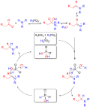
Scheme 5: Principal steps of the mechanism of the reductive amination with K2CO3/H3PO2 reducing system.
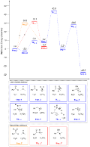
Figure 2: Reaction profile and DFT energies of intermediates and transition states. M062X functional with the...
Oxetanes: formation, reactivity and total syntheses of natural products
- Peter Gabko,
- Martin Kalník and
- Maroš Bella
Beilstein J. Org. Chem. 2025, 21, 1324–1373, doi:10.3762/bjoc.21.101
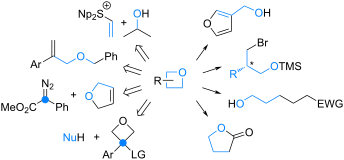
- traced back to 3-oxetanone. In 2018, Bull and co-workers disclosed the first lithium-catalysed thiol alkylation using electron-rich 3-aryloxetan-3-ols 142 (Scheme 35) [84]. This protocol is completely chemoselective as no ring-opening was observed and the resulting oxetane sulphides 143 were obtained in

Graphical Abstract

Figure 1: Bond lengths and bond angles in oxetane at 140 K [2].

Figure 2: Analogy of 3-substituted oxetanes to carbonyl and gem-dimethyl groups [12].

Figure 3: Use of oxetanes in drug design – selected examples.

Figure 4: Examples of oxetane-containing natural products.

Scheme 1: Synthetic strategies towards construction of the oxetane ring.

Scheme 2: Overview of intramolecular Williamson etherification and competing Grob fragmentation.

Scheme 3: Synthesis of spiro-oxetanes via 1,4-C–H insertion and Williamson etherification.

Scheme 4: Use of phenyl vinyl selenone in the synthesis of spirooxindole oxetanes.

Scheme 5: Synthesis of bicyclic 3,5-anhydrofuranoses via double epoxide opening/etherification.

Scheme 6: Preparation of spirooxetanes by cycloisomerisation via MHAT/RPC.

Scheme 7: Oxetane synthesis via alcohol C–H functionalisation.

Scheme 8: Access to oxetanes 38 from α-acetyloxy iodides.

Scheme 9: The kilogram-scale synthesis of oxetane intermediate 41.

Scheme 10: Overview of the intramolecular opening of 3-membered rings.

Scheme 11: Synthesis of 4,7-dioxatricyclo[3.2.1.03,6]octane skeletons.

Scheme 12: Silicon-directed electrophilic cyclisation of homoallylic alcohols.

Scheme 13: Hydrosilylation–iodocyclisation of homopropargylic alcohols.

Scheme 14: Cu-catalysed intramolecular O-vinylation of γ-bromohomoallylic alcohols.

Scheme 15: Cu-catalysed intramolecular cross-coupling of hydroxyvinylstannanes.

Scheme 16: Isomerisation of oxiranyl ethers containing weakly carbanion-stabilising groups.

Scheme 17: Cyclisation of diethyl haloalkoxymalonates.

Scheme 18: Synthesis of oxetanes through a 1,5-HAT/radical recombination sequence.

Scheme 19: General approach to oxetanes via [2 + 2] cycloadditions.

Scheme 20: Synthesis of tricyclic 4:4:4 oxetanes through a photochemical triple cascade reaction.

Scheme 21: Iridium-catalysed Paternò–Büchi reaction between α-ketoesters and simple alkenes.

Scheme 22: Three-step synthesis of spirocyclic oxetanes 83 via Paternò–Büchi reaction, nucleophilic ring openi...

Scheme 23: Enantioselective Paternò–Büchi reaction catalysed by a chiral iridium photocatalyst.

Scheme 24: Synthesis of polysubstituted oxetanes 92 via Cu(II)-mediated formal [2 + 2] cycloadditions.
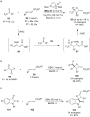
Scheme 25: Synthesis of alkylideneoxetanes via NHC- and DBU-mediated formal [2 + 2] cycloadditions.

Scheme 26: Use of sulphur-stabilised carbanions in ring expansions.

Scheme 27: Synthesis of α,α-difluoro(arylthio)methyl oxetanes.

Scheme 28: Ring expansion in an industrial synthesis of PF-06878031.

Scheme 29: Ring contraction of triflated 2-hydroxy-γ-lactones.

Scheme 30: Ring contraction in an industrial synthesis of PF-06878031.

Scheme 31: Photochemical ring contraction of 2,5-dihydrofurans by aryldiazoacetic acid esters.

Scheme 32: Synthesis of 3-oxetanones via O-H insertion of carbenes.

Scheme 33: Synthesis of phosphonate oxetanones via gold-mediated alkyne oxidation/O–H insertion.

Scheme 34: Syntheses and common derivatisations of 3-oxetanone.

Scheme 35: SN1 substitution of 3-aryloxetan-3-ols by thiols and alcohols.

Scheme 36: Fe–Ni dual-catalytic olefin hydroarylation towards 3-alkyl-3-(hetero)aryloxetanes.

Scheme 37: Synthesis of 3-aryloxetan-3-carboxylic acids.

Scheme 38: Decarboxylative alkylation of 3-aryloxetan-3-carboxylic acids.

Scheme 39: Synthesis of 3-amino-3-aryloxetanes via photoredox/nickel cross-coupling catalysis.
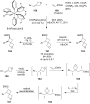
Scheme 40: Intermolecular cross-selective [2 + 2] photocycloaddition towards spirooxetanes.

Scheme 41: Synthesis of 3-aryl-3-aminooxetanes via defluorosulphonylative coupling.

Scheme 42: Two-step synthesis of amide bioisosteres via benzotriazolyl Mannich adducts 170.

Scheme 43: Functionalisation of oxetanyl trichloroacetimidates 172.

Scheme 44: Synthesis of oxetane-amino esters 176.

Scheme 45: Tandem Friedel–Crafts alkylation/intramolecular ring opening of 3-aryloxetan-3-ols.

Scheme 46: Synthesis of polysubstituted furans and pyrroles.

Scheme 47: Synthesis of oxazolines and bisoxazolines.

Scheme 48: Tandem, one-pot syntheses of various polycyclic heterocycles.

Scheme 49: Synthesis of 1,2-dihydroquinolines via skeletal reorganisation of oxetanes.

Scheme 50: Synthesis of benzoindolines and 2,3-dihydrobenzofurans and their derivatisations.

Scheme 51: Synthesis of polysubstituted 1,4-dioxanes.

Scheme 52: Preparation of various lactones via ring opening of oxetane-carboxylic acids 219.

Scheme 53: Tsuji-Trost allylation/ring opening of 3-aminooxetanes.

Scheme 54: Arylative skeletal rearrangement of 3-vinyloxetan-3-ols to 2,5-dihydrofurans.

Scheme 55: Reductive opening of oxetanes using catalytic Mg–H species.

Scheme 56: Opening of oxetanes by silyl ketene acetals.

Scheme 57: Rhodium-catalysed hydroacylation of oxetanes.

Scheme 58: Generation of radicals from oxetanes mediated by a vitamin B12-derived cobalt catalyst.

Scheme 59: Reductive opening of oxetanes by B–Si frustrated Lewis pairs.
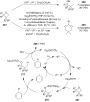
Scheme 60: Zirconocene-mediated reductive opening of oxetanes.

Scheme 61: Enantioselective syntheses of small and medium-size rings using chiral phosphoric acids.

Scheme 62: Asymmetric synthesis of 2,3-dihydrobenzo[b]oxepines catalysed by a chiral scandium complex.

Scheme 63: Enantioselective synthesis of 1,3-bromohydrins under a chiral squaramide catalysis.

Scheme 64: Enantioselective opening of 2-aryl-2-ethynyloxetanes by anilines.

Scheme 65: Ru-catalysed insertion of diazocarbonyls into oxetanes.

Scheme 66: Ring expansion of oxetanes by stabilised carbenes generated under blue light irradiation.

Scheme 67: Expansion of oxetanes via nickel-catalysed insertion of alkynyltrifluoroborates.

Scheme 68: Nickel-catalysed expansion of oxetanes into ε-caprolactones.

Scheme 69: Expansion of oxetanes via cobalt-catalysed carbonyl insertion.

Scheme 70: Gold-catalysed intramolecular 1,1-carboalkoxylation of oxetane-ynamides.

Scheme 71: Expansion of oxetanes by stabilised sulphoxonium ylides.

Scheme 72: Cu-catalysed ring expansion of 2-vinyloxetanes by diazoesters.

Scheme 73: Total synthesis of (+)-oxetin.

Scheme 74: Total synthesis of racemic oxetanocin A.

Scheme 75: Total synthesis of (−)-merrilactone A.
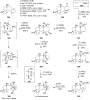
Scheme 76: Total synthesis of (+)-dictyoxetane.

Scheme 77: Total synthesis of ent-dichrocephone B.

Scheme 78: Total synthesis of (−)-mitrephorone A.
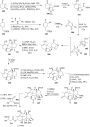
Scheme 79: Total synthesis of (−)-taxol.
Synthetic approach to borrelidin fragments: focus on key intermediates
- Yudhi Dwi Kurniawan,
- Zetryana Puteri Tachrim,
- Teni Ernawati,
- Faris Hermawan,
- Ima Nurasiyah and
- Muhammad Alfin Sulmantara
Beilstein J. Org. Chem. 2025, 21, 1135–1160, doi:10.3762/bjoc.21.91
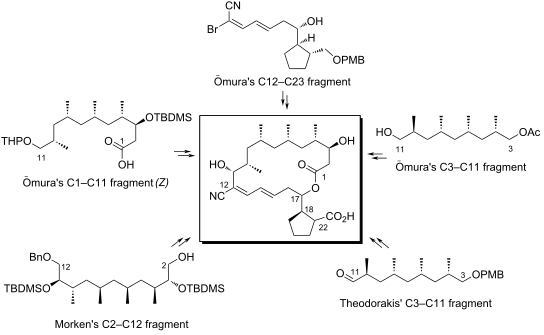
- results, with reactant decomposition observed. Similarly, when the lithium derivative was reacted with CuSPh to form the corresponding heterocuprate species prior to reacting with the epoxide, the same decomposition occurred, despite this strategy being successful in a related case. Finally, replacing the
- reacting it with Eschenmoser’s salt, followed by hydrolysis with lithium hydroxide. The resulting unsaturated acid 54, isolated in 92% yield, underwent asymmetric hydrogenation using both (Ra)-50 and (Sa)-50 catalysts. This step provided the respective compounds 55 and 56 in excellent high yield and
- in 96% yield. Hydrolysis of the acetate group in 69 with potassium carbonate followed by treatment with TBDMSCl and imidazole converted it into silyl ether 70. The ester group in 70 was then hydrolyzed using lithium hydroxide, and the resulting acid was coupled with Evans’ chiral oxazolidinone in the

Graphical Abstract

Figure 1: Chemical structure of borrelidin (1).
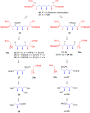
Scheme 1: Synthetic strategy for Morken’s C2–C12 intermediate 20 as reported by Uguen et al. [41].
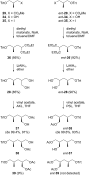
Scheme 2: Preparation of monoacetates 37 and ent-38 by Uguen et al. [41].
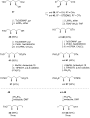
Scheme 3: Preparation of sulfones 27 and ent-27 by Uguen et al. [41].

Scheme 4: Attempts to couple sulfones 27 and ent-27 with epoxides 23a–c reported by Uguen et al. [41].

Scheme 5: Modified synthetic plan for Morken’s C2–C12 intermediate by Uguen [41].
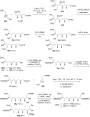
Scheme 6: Revised synthetic strategy for Morken’s C2–C12 intermediate 20 by Uguen [41].

Scheme 7: Iterative synthesis of polydeoxypropionates developed by Zhou et al. [40].

Scheme 8: Application of iterative synthesis of polydeoxypropionate to construct the C3–C11 fragment 60 of bo...

Scheme 9: Retrosynthetic analysis of borrelidin by Yadav et al. [39].

Scheme 10: Two-carbon homologation of precursor 66 in the synthesize C1–C11 fragment 61 of borrelidin [39].

Scheme 11: Synthesis of the C1–C11 fragment 61 of borrelidin from monoalcohol 65 [39].

Scheme 12: Synthetic plan for Theodorakis’ C3–C11 fragment 82 of borrelidin by Laschat et al. [38].

Scheme 13: Synthesis of Theodorakis’ C3–C11 fragment 82 from compound 88 [38].

Scheme 14: Retrosynthesis of 61 and 62b by Minnaard and Madduri [37].

Scheme 15: Synthesis of intermediate 98 by Minnaard and Madduri [37].

Scheme 16: Synthesis of Ōmura’s C1–C11 fragment 61 by Minnaard and Madduri [37].

Scheme 17: Synthesis of fragment 62b of borrelidin as proposed by Minnaard and Madduri [37].

Scheme 18: Iterative directed allylation for the synthesis of deoxypropionates by Herber and Breit [33].
Scheme 19: Iterative copper-mediated directed allyl substitution for the synthesis of Theodorakis’ C3–C11 frag...

Scheme 20: Retrosynthesis of the C3–C17 fragment of borrelidin by Iqbal and co-workers [35].

Scheme 21: Synthesis of key intermediates 137 and 147 for the synthesis of the C3–C17 fragment of borrelidin.

Scheme 22: Synthesis of the C3–C17 fragment 150a,b of borrelidin.

Scheme 23: Synthesis of the C11–C15 fragment 155a of borrelidin.

Scheme 24: Macrocyclization of borrelidin model compounds 155a and 155b using ring-closing metathesis.
Supramolecular assembly of hypervalent iodine macrocycles and alkali metals
- Krishna Pandey,
- Lucas X. Orton,
- Grayson Venus,
- Waseem A. Hussain,
- Toby Woods,
- Lichang Wang and
- Kyle N. Plunkett
Beilstein J. Org. Chem. 2025, 21, 1095–1103, doi:10.3762/bjoc.21.87
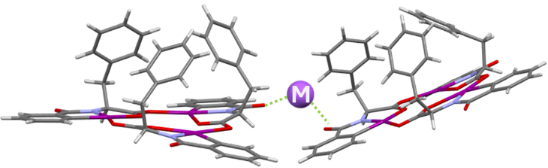
- at Urbana-Champaign, Urbana, IL, 61801, United States 10.3762/bjoc.21.87 Abstract This study explores the solution- and solid-state assembly of phenylalanine-based hypervalent iodine macrocycles (HIMs) with lithium and sodium cations. The metal cation binding of HIMs was evaluated by addition of
- lithium tetrakis(pentafluorophenyl)borate ethyl etherate LiBArF20 and sodium tetrakis[3,5-bis(trifluoromethyl)phenyl]borate NaBArF24. The electron-rich, outwardly projected carbonyl oxygens of the HIM co-crystalize with the cations into bent supramolecular architectures. Both crystal structures show a
- pattern of assembly between HIM and metal cation in 2:1 ratio. While association with sodium leads to a polymer-like network, the lithium crystal structure was limited to dimeric assemblies of HIM. In the lithium-coordinating complex, the oxygen–lithium–oxygen bond angle is approximately 98.83

Graphical Abstract
Figure 1: (A) Our previous work: Assembly and disassembly of phenylalanine hypervalent iodine macrocycles (Ph...

Figure 2: Two conformations of the HIM were found. One conformation projected all three benzyl groups in a ve...

Figure 3: A) Chemical structure of HIM 1: Three iodine atoms and three inward projected ester carbonyls curcu...

Figure 4: 1H NMR titration experiment of 1 with LiBArF20 at an incremental equivalency in CDCl3 and (CD3)2CO ...

Figure 5: Crystal structures of HIM 1 and LiBArF20 (A) and NaBArF24 (B). BARF cation is omitted for clarity. ...

Figure 6: Alternative view of the crystal structure of the HIM 1 and LiBArF20 complex. BArF20 anion is omitte...

Figure 7: Isotherms of 1 titrated with NaBArF24 orLiBArF20. The solid lines are the predicted model fits for ...

Figure 8: Lithium complex 2 (red) overlaid with lithium complex 3 (blue). In lithium complex 2, one benzyl ri...



