


Search results
Search for "synthesis" in Full Text gives 3820 result(s) in Beilstein Journal of Organic Chemistry. Showing first 200.
A cascade synthesis of 2-aminothiochromones from 2-fluorophenyl ketone and thiocarbonyldiimidazole
Beilstein J. Org. Chem. 2026, 22, 1151–1159, doi:10.3762/bjoc.22.92
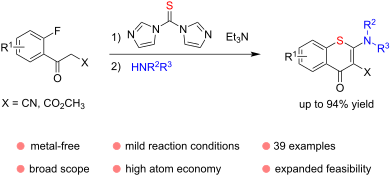
- Tuberculosis Prevention and Control, Beijing 100050, P. R. China State Key Laboratory of Digestive Health, Beijing, 100050, P. R. China 10.3762/bjoc.22.92 Abstract A highly efficient cascade synthesis of various substituted 2-aminothiochromones was developed. The commercially available thiocarbonyldiimidazole
- provides concise access to various 2-aminothiochromones in good to excellent yields (up to 94%). Keywords: cascade synthesis; TCDI; thiochromone; Introduction Sulfur-containing motifs are particularly important owing to their widespread applications and diverse biological activities [1]. As isosteric
- considerable interest [14]. This has spurred the development of synthetic approaches and driven sustained investigations into their synthesis over recent decades. Despite the structural similarity of the sulfur-containing thiochromone scaffold to the extensively developed chromones, synthetic methods for



Construction of CF2 moieties in FDA-approved drugs (2016–2025): industrial routes, mechanisms, and scale-up considerations
Beilstein J. Org. Chem. 2026, 22, 1122–1150, doi:10.3762/bjoc.22.91
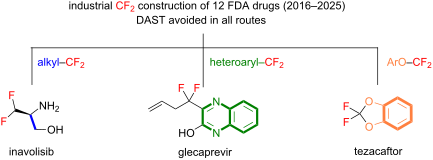
- critically important research area. The supply chain of fluorinated organic molecular raw materials has attracted increasing attention [3]. In particular, the construction of CF2 moieties remains a research hotspot. Recent advances in this area include the synthesis of aza-heterocyclic compounds bearing in
- -flow methods using SF4. 1.1.1 Glecaprevir and voxilaprevir (2017): As shown in Figure 2, compound 18 is the key alkyl–CF2 side chain for the synthesis of 1 and 2. There are four main methods for its construction: Route a [6] and route b [7] are based on fluorination of the terminal aldehyde group
- the product, which is unfavorable for the subsequent cyclopropane ring formation. Attempts to use chiral auxiliaries used to promote E-olefin formation gave extremely low yields in the synthesis of 26. In route d, during the Knoevenagel condensation in the first step, due to the exceptionally






Discovery of sugarnitriles A and B, and structural reassignment of SF-2140, from a sugarcane endophytic actinomycete Amycolatopsis sp. JS-O27
Beilstein J. Org. Chem. 2026, 22, 1114–1121, doi:10.3762/bjoc.22.90
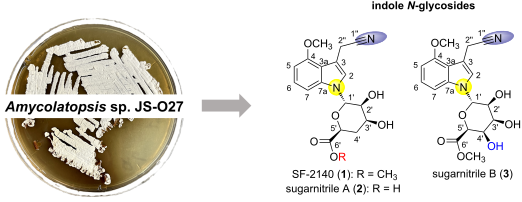
- characterized [18][19][20][21][22][23][24][25][26][27]. SF-2140, an indole alkaloid featuring an indole N-glycoside skeleton with a cyano group, was first identified from Actinomadura sp. in 1984 [19]. In 1989, the total synthesis of SF-2140 was achieved, further confirming its structure [28]. Preliminary
- bioactivity studies indicated that SF-2140 exhibits weak antibacterial activity against Gram-positive and Gram-negative bacteria and antiviral activity [19]. Although the chemical structure of SF-2140 has been assigned through total synthesis and X-ray crystallography [19], the lack of 13C and 2D NMR data
- and H-5' (J = 7.0 Hz) suggests that they are located on the same side of the ring. The absolute configurations of SF-2140 were determined by X-ray crystallographic analysis [19] and further confirmed through a total synthesis method subsequently [28]. A comparison of the specific rotation value of 1


Controlled supramolecular assemblies of luminescent tridentate cyclometalated alkynylgold(III) amphiphiles in aqueous media
Beilstein J. Org. Chem. 2026, 22, 1097–1106, doi:10.3762/bjoc.22.88
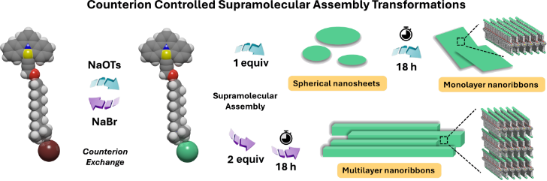
- luminescent soft materials can be established towards biomedical and biomaterial applications. Results and Discussion Design and synthesis of GA The gold amphiphile was designed with a tridentate C^N^C cyclometalated gold(III) complex core, which is functionalized with a σ-donating alkynyl ligand. A propargyl
- purchased from Cambridge Isotope Laboratories Inc. Compound 1: Synthesis according to the modification of a reported procedure [64]. A mixture of 9-bromo-1-nonanol (482 mg, 2.16 mmol) and sodium hydride (100 mg, 4.17 mmol) in dimethylformamide (5 mL) was stirred at 0 °C for 15 min. Propargyl bromide (0.2 mL
- , J = 6.4 Hz, 2H), 1.37 (t, J = 7.4 Hz, 2H), 1.31–1.25 (m, 8H); HRMS–ESI+ (m/z): [M + H]+ calcd for C12H22BrO, 261.0849; found, 261.0848. Compound 2: Synthesis according to the modification of a reported procedure [62]. 1H NMR (600 MHz, CD3SOCD3) δ 8.19 (t, J = 8.0 Hz, 1H), 8.01–7.97 (m, 2H), 7.89 (d


Synthesis and acaricidal activity against Varroa destructor of α- and γ-costic acid dimers
Beilstein J. Org. Chem. 2026, 22, 1088–1096, doi:10.3762/bjoc.22.87
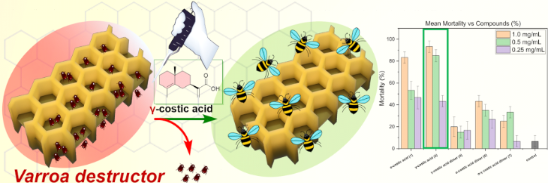
- populations in just a few years, resulting in substantial environmental and economic losses. This study reports the synthesis of α- and γ-costic acid diesters with ethylene glycol and evaluates their acaricidal efficacy against V. destructor in comparison with their parent acids. Although the resulting dimers
- interest to investigate whether ethylene glycol ester dimers of α-costic acid (1) or γ-costic acid (3) would enhance their bioactivity as well. Accordingly, we herein report the synthesis, chemical characterization, and acaricidal activity against V. destructor of α,α- and γ,γ-costic acid homodimers and α
- associated substituents determined by the different ring junction in the two compounds (Figure 3), probably affecting the interaction with the biological receptors. Conclusion This study reports the synthesis of α- and γ-costic acid diesters with ethylene glycol and evaluates their acaricidal activity


Amino acid-based surfactants: sustainable synthesis and antimicrobial mechanisms
Beilstein J. Org. Chem. 2026, 22, 1067–1085, doi:10.3762/bjoc.22.85
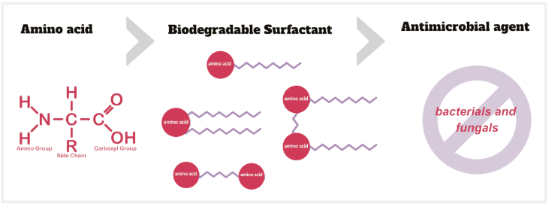
- converted into single-chain surfactants [3][5]. In addition to the simplified synthesis procedures, these compounds have some of the fundamental requirements for clinical application such as low toxicity, biocompatibility and high biodegradability [6][17][20]. Recent studies highlighted that the
- friendly [17][30]. The general objective of the research was to understand, according to the amino acid used for synthesis, the potential of the surfactants obtained in terms of its spectrum of action against strains of bacteria, yeasts or fungi [31]. The starting question was: what are the most used amino
- acids for the synthesis of surfactants and what are their functional characteristics, effect and spectrum over potentially resistant bacteria, yeasts and fungi? To this end, the following specific objectives have been defined: a) To understand the molecular properties of amino acid-derived surfactants


Synthesis of functionalized, 13-alkyl-substituted coralyne derivatives and investigation of their interactions with duplex and abasic site-containing DNA
Beilstein J. Org. Chem. 2026, 22, 1057–1066, doi:10.3762/bjoc.22.84
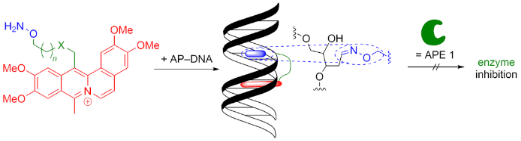
- abasic site-containing DNA (AP-DNA), different synthetic routes towards the functionalization of coralyne were tested. In particular, the alkylation of the benzylic position in papaverine and subsequent cyclization by treatment with acetic anhydride in sulfuric acid led to the synthesis of a coralyne
- [6][7]. In this context, several classes of polycyclic, nitrogen-containing hetarenes (N-hetarenes) have been shown to bind selectively and with high affinity to DNA [8][9][10][11][12], and, in some cases, to cause photoinduced DNA damage [13][14][15]. As a result, the synthesis and development of
- The synthesis of the coralyne derivatives started with papaverine (3a), as it is a readily available starting material and its transformation to coralyne (2a) is an established and reliable synthetic route [41][42][43]. Moreover, the alkylation of the benzylic position of papaverine (3a) is well


One-pot four-component sequential synthesis of S-alkyl dithiocarbamates using lipase as a biocatalyst
Beilstein J. Org. Chem. 2026, 22, 1048–1056, doi:10.3762/bjoc.22.83
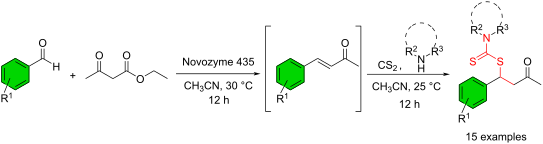
- , where they serve as antifungal and anticancer agents. As a result, their synthesis has garnered significant attention in recent years. In this study, we present an efficient one-pot four-component approach for the synthesis of these scaffolds, utilizing aldehydes, ethyl acetoacetate, carbon disulfide
- pharmaceuticals [3][4], agrochemicals [5], and organic synthesis [6]. Among the different types of dithiocarbamates, S-alkyl dithiocarbamates (also known as organic dithiocarbamates) are particularly prominent, owing to their remarkable utility, especially in the pharmaceutical and agrochemical industries [7][8
- , and polymerization agents, further enhancing their importance in chemical synthesis [15][16]. Figure 1 shows a selection of pharmaceutical agents and agrochemicals that incorporate S-alkyl dithiocarbamate scaffolds. Given their significant bioactivity and extensive applications, ongoing research into


Synthesis of novel 1,2,4-oxadiazole-isoxazoline hybrids and their in silico potential with adenosine receptors
Beilstein J. Org. Chem. 2026, 22, 1033–1047, doi:10.3762/bjoc.22.82
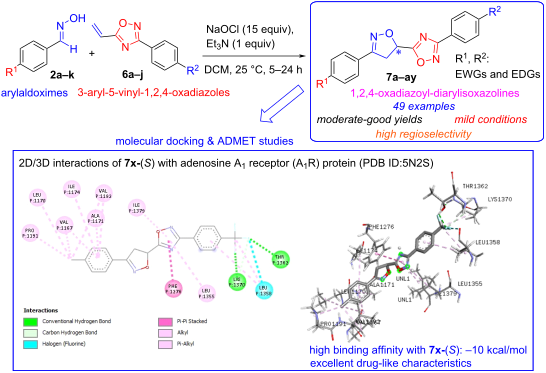
- , such as sulfisoxazole, oxacillin, and acivicin, have been clinically utilized for many years [21][22][23][24][25][26][27][28] (Figure 1). The synthesis of 1,2,4-oxadiazole derivatives can be achieved through various efficient methods, such as the cyclocondensation of amidoximes with carbonyl compounds
- dipolarophiles [54][55][56][57]. Despite the proven efficacy of both heterocyclic rings as pharmacophores, reports focusing on the synthesis of 1,2,4-oxadiazole-isoxazoline hybrids remain scarce. Previous studies have suggested that such hybrid structures may exhibit phosphodiesterase IV inhibitory activity or
- structural data for benzaldoximes (2a–k) and aryl vinyl 1,2,4-oxadiazoles (6a–j) are consistent with those reported in the literature [80][81][82][83][84][85][86][87][88][89][90][91]. Following the characterization of the precursors (2a–k and 6a–j), we proceeded to the synthesis of 1,2,4-oxadiazole


Semisynthesis, characterisation, and antibacterial evaluation of a novel lecanoric acid-derived amide library
Beilstein J. Org. Chem. 2026, 22, 1023–1032, doi:10.3762/bjoc.22.81
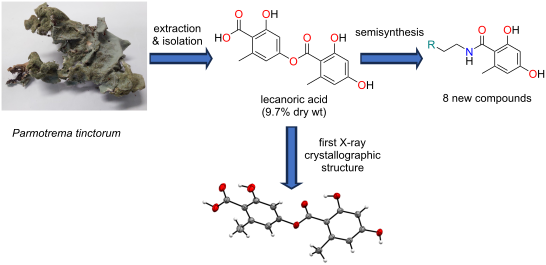
- metabolites that included divaricatic acid (2), orcinol (3), orsellinic acid (4), and methyl orsellinate (5). Parallel solution-phase synthesis using amidation chemistry on the abundant scaffold 1 afforded a series of novel amide derivatives 6–13 in high purity (>95%) and low to moderate yields (12–53%). All
- biological testing encouraged us to complete the synthesis of the desired amide series. A further seven new amide analogues 7–13 were ultimately synthesised (Figure 3). These amidation reactions were all performed using 20 mg of 1, with excess primary amine (500 µL) at rt and 1 h. Analogues were all purified
- Information File 1, pp S22–S24 for 1D/2D NMR data in CDCl3; LRMS–ESI(+) (m/z): 183 [M + H]+. Synthesis of the amide library Trial amidation chemistry. Isopentylamine (72 equiv, 500 µL, 4.31 mmol) was added to the depside scaffold 1 (20 mg, 0.06 mmol) and the mixture was stirred at room temperature under three


Synthesis and optical resolution of 4,5-diaminohomoadamantane: a promising scaffold for chiral ligands and bioactive compounds
Beilstein J. Org. Chem. 2026, 22, 1013–1022, doi:10.3762/bjoc.22.80
- high analgesic activity in a mouse model of cystitis (Figure 1) [63]. Vicinal diamines are of interest to chemists not only as precursors for the synthesis of heterocyclic compounds, but also because of their wide range of practical applications. Structures with a 1,2-diamine fragment are widely used
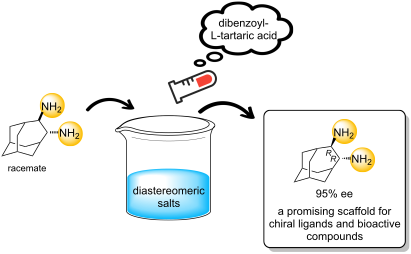
- decided to focus on new approaches to the synthesis of 4,5-diaminohomoadamantane, its chiral resolution, and to test its applicability as chirality-inducing ligand in selected model reactions. We commenced the study using a route for the synthesis of 4,5-diaminohomoadamantane from azidoxime 4. Initially
- for the synthesis of compound 2 from alcohol 1 using phosphoric acid, affording the target compound in high yield and purity. In the next step, chloronitrosation of alkene 2 led to α-chloroxime 3 in moderate yield. Substitution of chlorine in 3 with azido and benzylamino groups was then carried out to


Z-Selective semihydrogenation of alkynes via Ni/Lewis acid synergistic catalyzed system using DMF as hydrogen source and solvent
Beilstein J. Org. Chem. 2026, 22, 1004–1012, doi:10.3762/bjoc.22.79
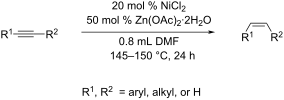
- Lei Kang Haifeng Gao Luo Yang School of Surveying & Testing, Shaanxi Railway Institute, Weinan, 714000, China Key Laboratory for Green Organic Synthesis and Application of Hunan Province, College of Chemistry, Xiangtan University, Hunan, 411105, China 10.3762/bjoc.22.79 Abstract A Ni/Lewis acid
- the stereoselective semihydrogenation of alkynes a fundamental transformation in synthesis [1][2][3][4][5]. Among available methods, transition-metal catalysis has played a dominant role. The classical Lindlar catalyst remains the most widely applied heterogeneous system [6], yet it suffers from



Rh(III)-catalyzed chelation-assisted C–H activation/annulation of 2-arylimidazolines with cyclic diazo-1,3-dicarbonyl compounds: a novel approach to tetracyclic annulated derivatives of 2,3-dihydroimidazo[2,1-a]isoquinoline
Beilstein J. Org. Chem. 2026, 22, 997–1003, doi:10.3762/bjoc.22.78
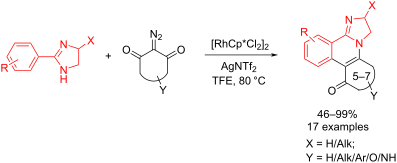
- -heterocycle. Keywords: annulation; 2-arylimidazolines; catalysis; С–H activation; diazodiketones; 2,3-dihydroimidazo[2,1-a]isoquinolines; dimedone; tetraheterocycles; Introduction The advancement of organic synthesis techniques, especially methods for creating nitrogen-containing heterocycles, is essential
- with ring sizes from 5 to 7 atoms were chosen as key building blocks. This strategy [17] has already proven to be a powerful tool for the synthesis of diverse fused polycyclic compounds using functionalized benzenes or six-membered aryl-substituted heterocycles as substrates, but there were only a few
- : imidazoline 2 (0.2 mmol), diazo compound 3 (0.24 mmol, 1.2 equiv), [RhCp*Cl2]2 (2.5 mol %) and AgNTf2 (10 mol %), TFE (2 mL), 80 °C, 12 h. bIsolated yields. Screening of reaction conditionsa. Synthesis of compound 4a. Supporting Information Supporting Information File 2: Detailed experimental procedures for


The role of spacer length and flexibility in peptide self-assembly
Beilstein J. Org. Chem. 2026, 22, 986–996, doi:10.3762/bjoc.22.77
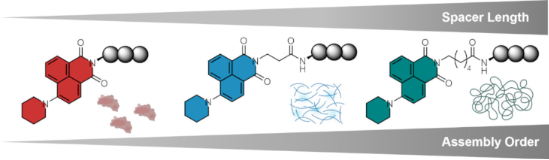
- -assembly; spacer length; Introduction Short self-assembling peptides are an eminent class of materials used in supramolecular chemistry due to their advantageous properties such as facile synthesis, programmable molecular information [1][2][3][4], structural diversity [5][6], biocompatibility [7][8][9
- ], and responsiveness to environmental stimuli [10][11][12]. These peptide monomers can be synthesized in high throughput through solid-phase peptide synthesis (SPPS) and have shown a great structural versatility ranging from the formation of different secondary structures, such as α-helices, β-sheets
- through the rotational freedom of the π-block, thus enabling or limiting the possible intermolecular interactions. These results help to understand the fundamental role of spacers within peptide amphiphiles and improve the rational design of future peptide assemblies. Results and Discussion Synthesis The


Novel macrocycles: from synthesis to supramolecular function
Beilstein J. Org. Chem. 2026, 22, 982–985, doi:10.3762/bjoc.22.76
- macrocycles: from synthesis to supramolecular function”. The aim of this collection is to highlight recent advances in the design, synthesis, and functional applications of macrocyclic supramolecular receptors. The issue opens with the work of Isaacs and co-workers [33], who report the synthesis of a new
- functional soft materials. Asymmetric frameworks are also central to the research reported by Niemeyer and co-workers [36], who focused on the synthesis of crown ethers bearing one or two BINOL units. Their paper outlines highly practical synthetic routes to open a diverse library of chiral architectures
Electrochemical reduction of unsaturated carbon–carbon bonds via 3d transition-metal catalysis
Beilstein J. Org. Chem. 2026, 22, 955–981, doi:10.3762/bjoc.22.75
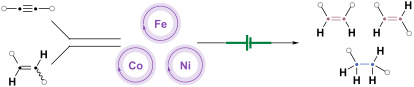
- ; electroorganic synthesis; reaction mechanism; 3d transition metals; unsaturated C–C bonds; Introduction Reductions of unsaturated C–C bonds Reduction of unsaturated C–C bonds, most notably, alkynes and alkenes, is a synthetic method that has been widely and extensively discussed with a long and rich history
- -based systems [38][39]. In sharp contrast, electroorganic synthesis provides a fundamentally distinct mode of reactivity compared to conventional thermochemical approaches, in which electric current serves as the terminal reductant, thereby enabling unconventional mechanistic pathways for alkyne
- reduction while circumventing the need for molecular hydrogen or stoichiometric reducing agents. Consequently, the merger of 3d transition-metal catalysis with electroorganic synthesis represents a conceptual shift beyond traditional reagent-driven approaches, enabling precise control over redox events








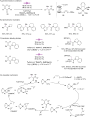
Synthesis of sterically shielded piperidine nitroxides via acid-catalyzed heterocyclization of β-aminoketone derivatives with ketones
Beilstein J. Org. Chem. 2026, 22, 948–954, doi:10.3762/bjoc.22.74
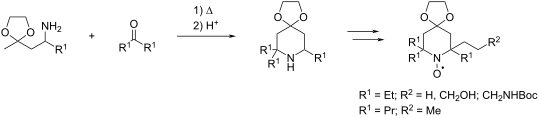
- Chemical Kinetics and Combustion, Siberian Branch of the Russian Academy of Sciences, Novosibirsk, 630090, Russia 10.3762/bjoc.22.74 Abstract The capabilities of modern methods for the synthesis of sterically shielded piperidine nitroxides with acyclic substituents are largely limited to symmetrical
- -tetraethylpiperidine (TEEPONE). Keywords: heterocyclization; piperidine nitroxide; TEEPONE synthesis; Introduction Since their discovery in 1959 by Lebedev and Kazarnovsky, stable nitroxides of the piperidine series (2,2,6,6-tetramethylpiperidine-1-oxyl (TEMPO) derivatives) hold a prominent position as compounds of
- of nitroxides and increases their lifetimes in biological systems [12], which makes these radicals promising MRI contrast agents [13], spin probes for in vivo EPRI [14][15] and antioxidant tissue protectors [16]. Existing methods for the synthesis of such sterically hindered piperidine nitroxide


Recent advances in copper-catalyzed direct hydroamination of alkenes with (hetero)aromatic amines
Beilstein J. Org. Chem. 2026, 22, 925–947, doi:10.3762/bjoc.22.73
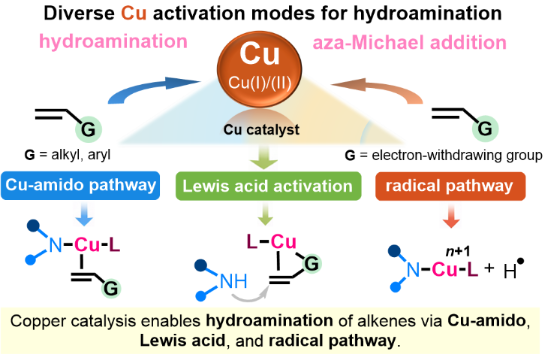
- remains a primary objective of modern organic synthesis [5][6]. Among the diverse strategies available for C–N bond formation, the direct addition of an N–H bond across a C–C double bond, known as hydroamination, is an ideal transformation considering atom and step economy [7][8][9][10][11][12
- nucleophilicity, facilitating conjugate addition to electron-deficient alkenes. The formation of such well-defined copper–amido complexes provides valuable mechanistic insights into copper-catalyzed hydroamination and conjugate addition reactions. Pioneering studies by Gunnoe et al. describe the synthesis and
- imination-alkynylation-aza-Michael cascade for the enantio- and diastereoselective synthesis of 1,3-disubstituted isoindolines and tetrahydroisoquinolines 24 via a three-component coupling reaction involving 2-formylphenyl acrylates or 2-formylphenylcrotonates 21, arylalkynes 22, and anilines [46]. In this


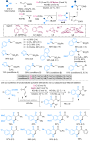





A practical CO2-mediated synthesis of 5,6-carboxylated silicon-rhodamines for targeted probe development
Beilstein J. Org. Chem. 2026, 22, 915–924, doi:10.3762/bjoc.22.72
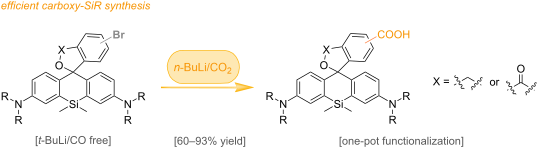
- challenging synthesis of 5,6-carboxylated SiR derivatives, which are essential intermediates for bioconjugation. Here, we report a practical CO2-mediated strategy for the synthesis of 5,6-carboxylated SiRs from brominated SiR precursors via lithium–halogen exchange and direct carboxylation. Using n-BuLi and
- synthesis of 5,6-carboxylated SiRs generally rely on the prior installation of protected carboxy-containing precursors (Figure 1b), followed by cyclization to construct the SiR framework and subsequent deprotection [41][42][43][44]. In these routes, the strong electron-withdrawing effect of the carboxy
- practical utility. In addition, the preparation of protected carboxy-group containing substrates is often cumbersome [46], especially in the synthesis of (hydroxymethyl)rhodamine intermediates, thereby further increasing synthetic complexity [41]. To overcome these limitations, Butkevich developed an



Palladium-catalyzed benzocyclization reactions of quinoline-2-carboxamides via sequential C–H/N–H functionalization
Beilstein J. Org. Chem. 2026, 22, 905–914, doi:10.3762/bjoc.22.71
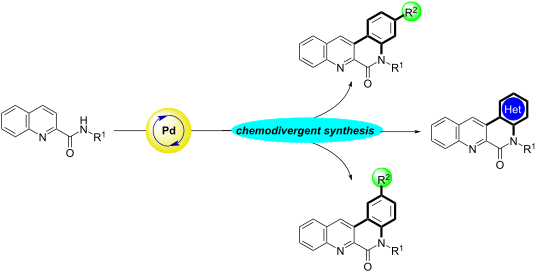
- University, 1-1 Rokkodai, Nada, Kobe 657-8501, Japan 10.3762/bjoc.22.71 Abstract A novel benzocyclization protocol has been developed for the synthesis of quinoline-fused lactams by palladium-catalyzed sequential C–H/N–H functionalization of quinoline-2-carboxamides and 1,2-dihaloarenes. The reaction
- corresponding heterocycle-fused compounds. The high chemoselectivity of the 1,2-dihaloarene functional groups is confirmed in this reaction, thus enabling divergent synthesis of various multifused heterocyclic systems. Keywords: C–H activation; chemodivergent synthesis; C–N coupling; fused-ring system
- intriguing moiety in biologically active compounds (e.g., natural products used for medicines, quinine, and quinidine [5][6][7]) and synthesized pharmaceutical agents (e.g., quinolone antibiotics [8]). Moreover, quinoline-2-carboxamide derivatives are used as ligands in organic synthesis owing to their high




Cascade transformation of 2-(diazoacetyl)-2H-azirines to 2-aroyl-3-hydroxy-1H-pyrroles via condensation with aromatic aldehydes
Beilstein J. Org. Chem. 2026, 22, 897–904, doi:10.3762/bjoc.22.70
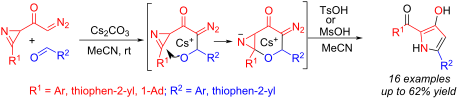
- [4.1.0]heptan-5-one derivative. The acid-catalyzed transformation of which leads to 2-aroyl-3-hydroxy-1H-pyrroles. Keywords: azirines; condensation; cyclization; diazo compounds; pyrroles; Introduction Diazo compounds play a significant role in the synthesis of heterocyclic compounds, which explains
- the ever-growing structural diversity of such molecules and the variety of their transformation pathways [1][2][3][4][5][6][7][8][9][10]. Azirinyl-substituted diazo compounds, which we have recently introduced into the heterocyclic synthesis arsenal [11][12][13][14][15][16][17][18][19], are
- Gibbs free energies for the acid-catalyzed transformation of the bicyclic intermediate (1RR,3SR,6RR)-Phe-4 to pyrrole 5 (in kcal/mol, 298 K, DFT B3LYP-D3/6-311+G(d,p) level of theory with a SMD solvent model for MeCN). Synthesis of pyrroles 5. Isolated yield calculated for two synthetic steps based on


Chiral cyclopropenimine-catalyzed enantioselective Michael reactions of phenol and benzofuran-derived α,β-unsaturated pyrazolamides with benzophenone-imine of glycine esters
Beilstein J. Org. Chem. 2026, 22, 888–896, doi:10.3762/bjoc.22.69
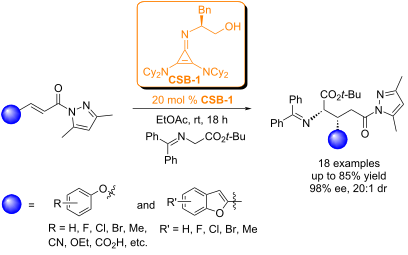
- in organic synthesis. Many medicines and intermediates contain these two motifs and show diverse functions and bioactivities [1][2]. The esterification and etherification of phenols are some of their common modifications. 2-Substituted benzofurans are backbones for many medicines such as amiodarone
- synthesis, neurotransmitter function, and regulation of acid-base balance, metabolic intermediates, and promotion of nutrient absorption [4]. Therefore, the synthesis of substituted glutamic and pyroglutamic acid derivatives is vital to medicinal chemistry. In our previous reports, we have synthesized a
- catalyst [7][8]. Due to the importance of unnatural amino acids in the development of new medicines [9], we want to introduce phenol and benzofuran motifs to glutamic acids. For our continuous interest on the synthesis of chiral 3-substituted glutamic and pyroglutamic acids, herein, we present Michael






Diastereodivergent electrophilic trapping of α-boryl lithium derivatives
Beilstein J. Org. Chem. 2026, 22, 882–887, doi:10.3762/bjoc.22.68
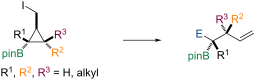
- in a stereodefined manner would achieve the synthesis of polysubstituted organoboron compounds with adjacent stereocenters. The latter are highly valuable building blocks, given the pivotal role of organoboron compounds in contemporary chemistry as stable, yet reactive, intermediates that enable
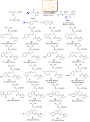
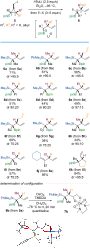
- reaction. We were particularly interested in examining cases with alkyl (5) instead of aryl substituents in 2 on C2 (Scheme 2). We initiated the investigation into the selectivity of the transformation with the synthesis of a library of cyclopropylmethyl iodides 5a–i, using our previously reported
- regioselectivity. The use of various electrophiles enabled the synthesis of acyclic boronic esters featuring vicinal tri- and tetrasubstituted stereocenters. Cyclopropylmethyl iodide starting materials. Synthesis and reactivity of α-boryl lithium species. Diastereodivergent electrophilic trapping of α-boryl




Site-specific labelling of native peptides and proteins: chemical and enzymatic strategies
Beilstein J. Org. Chem. 2026, 22, 857–881, doi:10.3762/bjoc.22.67
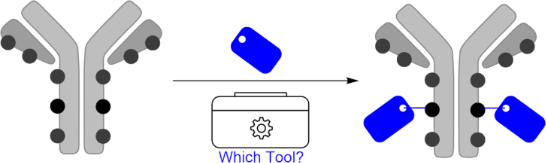
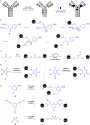
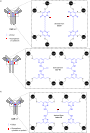
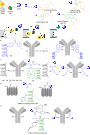
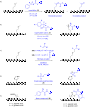
- therapeutics, advances in protein modification have the potential to partially replace solid-phase peptide synthesis (SPPS), reducing environmental impact by minimising protecting groups and harmful solvents. Driven by scientific innovation, clinical demand and sustainability goals, the global protein
- mass intensity (PMI). Reagents should be near-stoichiometric, purification steps minimal, and catalysts effective in substoichiometric quantities. Compatibility with one-pot system and automation, such as flow chemistry and robotic synthesis, further enhance scalability. Existing tools and techniques
- -molecule modifications provide powerful strategies for site-selective modification of otherwise intractable residues, as summarised in a comprehensive review [109]. However, most new conjugation reagents are not yet commercially available, requiring in-house synthesis, and the resulting conjugates often









The trans-influence in gold chemistry from a catalytic perspective
Beilstein J. Org. Chem. 2026, 22, 838–856, doi:10.3762/bjoc.22.66
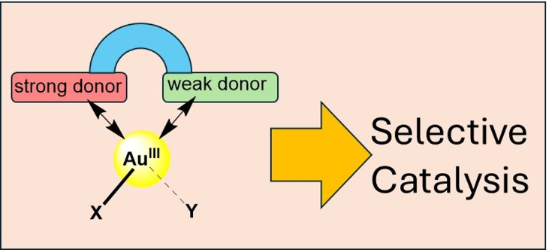
- Manfred Bochmann School of Chemistry, University of East Anglia, Norwich Research Park, NR4 7TJ, Norwich, United Kingdom 10.3762/bjoc.22.66 Abstract Gold catalysis has developed into an increasingly important method in organic synthesis. Especially the potential of gold(I,III) redox systems and
- ]. Since these complexes are a means of facilitating oxidative addition reactions to gold by chelate formation, they have become a mainstay in Au(I,III) redox catalysis. The use of P^N and related ligands in synthesis has recently been reviewed [79]. A good way of assessing the trans-influence in these
- been claimed to explain the (MeDalPhos)Au-catalysed synthesis of Heck-type olefins, including migratory alkene 2,1-insertion into a Au–aryl bond, followed by β-H elimination, to give non-conjugated benzyl alkenes [94]. This reactivity scenario has been extended to include chain walking [95]. The main





