


Search results
Search for "green chemistry" in Full Text gives 237 result(s) in Beilstein Journal of Organic Chemistry. Showing first 200.
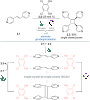
Photomechanochemistry: harnessing mechanical forces to enhance photochemical reactions
Beilstein J. Org. Chem. 2025, 21, 458–472, doi:10.3762/bjoc.21.33

- developed, where additional energy is applied to increase mixing such as pulsation [26][27][28], ultrasound energy [29], segmented flow [30], or mechanical stirring [31]. In line with the recent emphasis on Green Chemistry principles [32][33], alternatives have been developed in order to reduce the amount




Red light excitation: illuminating photocatalysis in a new spectrum
Beilstein J. Org. Chem. 2025, 21, 296–326, doi:10.3762/bjoc.21.22
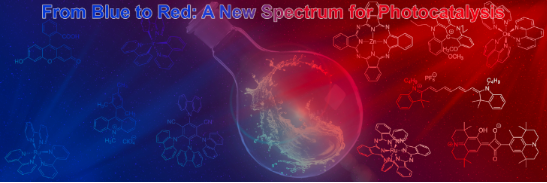
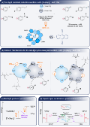
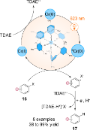
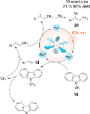
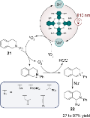
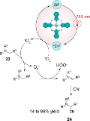
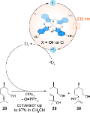
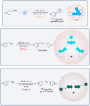
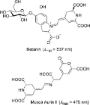
- chemistry with significant potential in synthetic and biomedical fields. Keywords: green chemistry; medicinal chemistry; organic photochemistry; photocatalysis; red-light mediated transformations; Introduction Red-light-activated photocatalysis has recently gained significant interest as a tool for
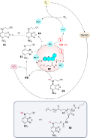
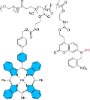
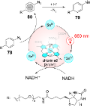
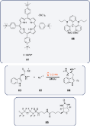
- underscores the practicality and accessibility of the method, even outside a laboratory setting. The green chemistry metrics analysis provided in the study confirms the environmental benefits, with high atom economy, low waste generation, minimal resource consumption, and the potential of porphyrin

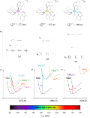


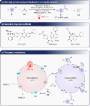








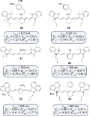
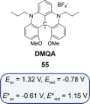
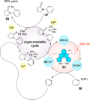
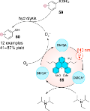





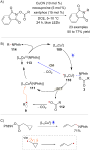
Reactivity of hypervalent iodine(III) reagents bearing a benzylamine with sulfenate salts
Beilstein J. Org. Chem. 2024, 20, 3281–3289, doi:10.3762/bjoc.20.272
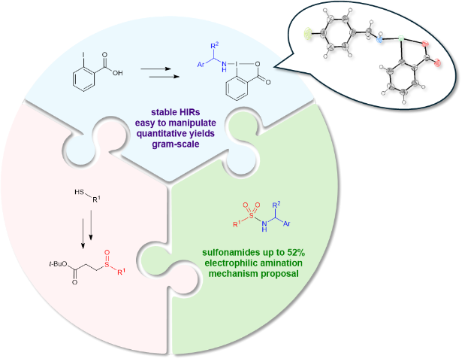
- thank the Fundação para a Ciência e Tecnologia (FCT, project 2022.04623.PTDC, fellowship 2022.11629.BD (J.C.). The authors also thank the support by the Associate Laboratory for Green Chemistry – LAQV which is financed by national funds from FCT/MCTES (UIDB/50006/2020 DOI 10.54499/UIDB/50006/2020, UIDP



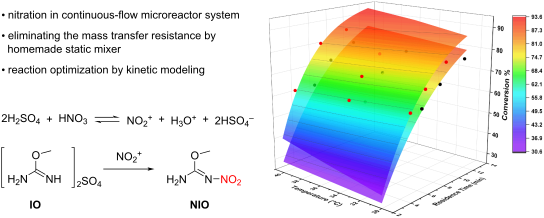
Homogeneous continuous flow nitration of O-methylisouronium sulfate and its optimization by kinetic modeling
Beilstein J. Org. Chem. 2024, 20, 2408–2420, doi:10.3762/bjoc.20.205
- University of Technology, Hangzhou, 310014, P. R. China State Key Laboratory Breeding Base of Green Chemistry-Synthesis Technology, Key Laboratory of Green Chemistry-Synthesis Technology of Zhejiang Province, College of Chemical Engineering, Zhejiang University of Technology, Hangzhou, Zhejiang 310014, China


![[Graphic 1]](/bjoc/content/inline/1860-5397-20-205-i17.svg?max-width=637&scale=1.18182)


Selective hydrolysis of α-oxo ketene N,S-acetals in water: switchable aqueous synthesis of β-keto thioesters and β-keto amides
Beilstein J. Org. Chem. 2024, 20, 2225–2233, doi:10.3762/bjoc.20.190
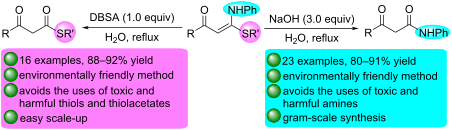
- synthetic method for the preparation of β-keto thioesters and β-keto amides remains imperative. Organic reactions in water are an important and exciting research topic of green chemistry because water as a solvent exhibits fascinating features, such as low cost, good environmental compatibility, nontoxicity
- , such as nontoxicity, inexpensiveness, nonflammability, low volatility and good water solubility, which are consistent with the concept of green chemistry [74][75]. Therefore, we tested the reaction in the presence of PEG-400 (Table 1, entries 7–9). It was found that the reaction uniquely produced 3a in



O,S,Se-containing Biginelli products based on cyclic β-ketosulfone and their postfunctionalization
Beilstein J. Org. Chem. 2024, 20, 2143–2151, doi:10.3762/bjoc.20.184
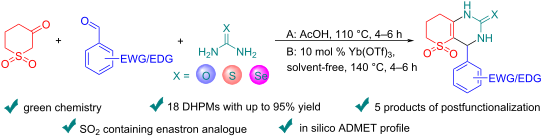
- gossypii, Tripomastigote Chagas, Tcruzi amastigota, Tcruzi epimastigota, Leishmania amazonensis, and Dengue larvicida. Keywords: dihydropyrimidinone/thione/selenone; green chemistry; in silico biological profile; multicomponent reaction (MCR); thiopyrandioxide; Introduction Multicomponent reactions (MCRs



Efficacy of radical reactions of isocyanides with heteroatom radicals in organic synthesis
Beilstein J. Org. Chem. 2024, 20, 2114–2128, doi:10.3762/bjoc.20.182
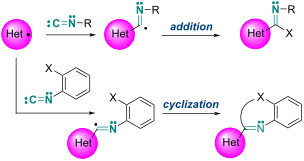
- understand the conditions for the generation of heteroatom radicals. In addition, from the perspective of recent green chemistry, the development of environmentally friendly synthetic methods is strongly demanded. In other words, a new synthetic method should have excellent atom economy, produce no waste, be


Novel oxidative routes to N-arylpyridoindazolium salts
Beilstein J. Org. Chem. 2024, 20, 1906–1913, doi:10.3762/bjoc.20.166
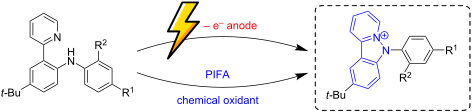
- in line with the green chemistry requirements [24]. To test the assumption, the preparative oxidation of amine A1 was performed in the potentiostatic mode at 1.6 V (vs Ag/AgCl, KCl(sat.)) in a two-compartment cell in DMF; sodium tosylate was used as a supporting electrolyte. After a charge


The Groebke–Blackburn–Bienaymé reaction in its maturity: innovation and improvements since its 21st birthday (2019–2023)
Beilstein J. Org. Chem. 2024, 20, 1839–1879, doi:10.3762/bjoc.20.162
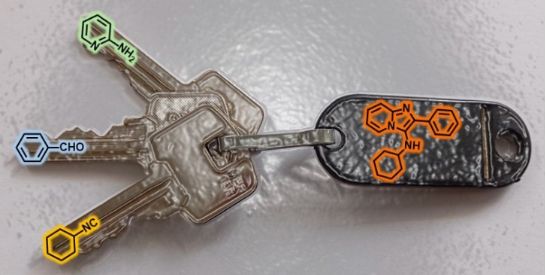
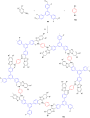
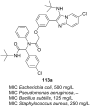
- adducts. An intriguing study is reported by Porcal et al. [35] in which they evaluate the use of 5-hydroxymethylfurfural (5-HMF, 23). Nowadays, the need to move towards more sustainable protocols is impending and the emphasis on green chemistry and on the use of renewable carbon sources is huge. Indeed






Hypervalent iodine-catalyzed amide and alkene coupling enabled by lithium salt activation
Beilstein J. Org. Chem. 2024, 20, 1405–1411, doi:10.3762/bjoc.20.122

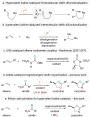
- Akanksha Chhikara Fan Wu Navdeep Kaur Prabagar Baskaran Alex M. Nguyen Zhichang Yin Anthony H. Pham Wei Li Department of Chemistry and Biochemistry, School of Green Chemistry and Engineering, The University of Toledo, 2801 West Bancroft Street, Toledo, Ohio 43606, United States 10.3762/bjoc



Synthetic applications of the Cannizzaro reaction
Beilstein J. Org. Chem. 2024, 20, 1376–1395, doi:10.3762/bjoc.20.120
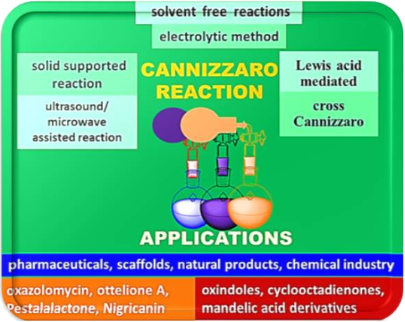
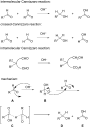
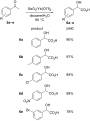
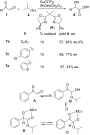
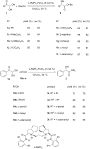
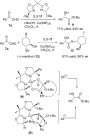
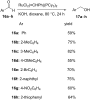
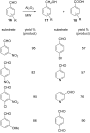
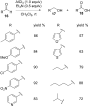
- established techniques in green chemistry due to their potential benefits in terms of reduced reaction times, increased yields, and the ability to perform reactions under milder conditions than traditional methods. The Cannizzaro reaction, being a useful synthetic tool, has also been explored in this regard









Generation of alkyl and acyl radicals by visible-light photoredox catalysis: direct activation of C–O bonds in organic transformations
Beilstein J. Org. Chem. 2024, 20, 1348–1375, doi:10.3762/bjoc.20.119
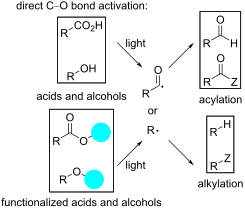
- promote green chemistry principles. In this regard, in 2019, Banerjee et al. published a review article on the generation of acyl radicals in the presence of visible light [22]. Therein, they discussed the various ways in which visible light can generate acyl radicals from different organic molecules to

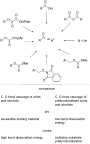


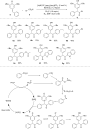
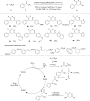

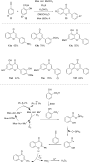
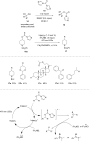
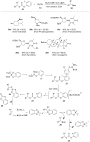

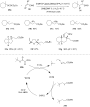
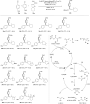
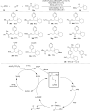
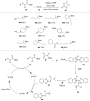
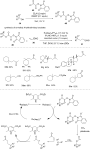
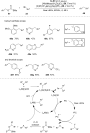

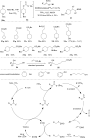
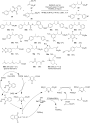
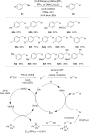
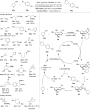
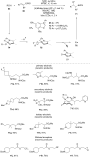
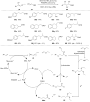
Sustainable tandem acylation/Diels–Alder reaction toward versatile tricyclic epoxyisoindole-7-carboxylic acids in renewable green solvents
Beilstein J. Org. Chem. 2024, 20, 1308–1319, doi:10.3762/bjoc.20.114
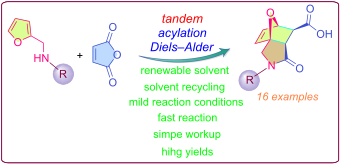
- Diels–Alder reactions and can be used repeatedly without significant degradation. These materials also allow the reaction to be completed in less time, with less energy consumption and higher yields. Keywords: biobased solvent; epoxyisoindoles; furanics; green chemistry; intramolecular Diels–Alder


Oxidative hydrolysis of aliphatic bromoalkenes: scope study and reactivity insights
Beilstein J. Org. Chem. 2024, 20, 1286–1291, doi:10.3762/bjoc.20.111
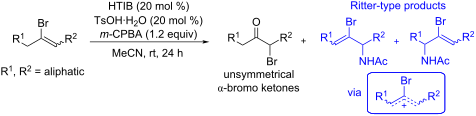
- Amol P. Jadhav Claude Y. Legault Department of Chemistry, Centre in Green Chemistry and Catalysis, Université de Sherbrooke, Québec J1K 2R1, Canada 10.3762/bjoc.20.111 Abstract We have developed an operationally simple method for the synthesis of dialkyl α-bromoketones from bromoalkenes by
- Green Chemistry and Catalysis (CGCC), and the Université de Sherbrooke.



Manganese-catalyzed C–C and C–N bond formation with alcohols via borrowing hydrogen or hydrogen auto-transfer
Beilstein J. Org. Chem. 2024, 20, 1111–1166, doi:10.3762/bjoc.20.98

- synthesizing amines, the borrowing hydrogen approach is becoming increasingly popular in catalysis since this method provides an excellent example of a green chemistry and atom-efficient reaction [31][32][33]. This section focuses on manganese-catalyzed C–N bond formation reactions via BH or HA using alcohols


























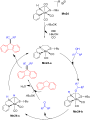

Innovative synthesis of drug-like molecules using tetrazole as core building blocks
Beilstein J. Org. Chem. 2024, 20, 950–958, doi:10.3762/bjoc.20.85
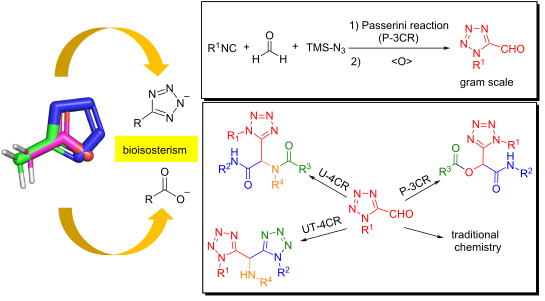
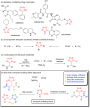
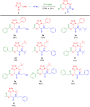
- . It aims to meet the growing demand for tetrazole-based compound libraries and novel scaffolds, which are challenging to synthesize through other methods. Keywords: building blocks; green chemistry; multicomponent reaction; Passerini tetrazole reaction; tetrazole; Ugi reaction; Introduction The




One-pot Ugi-azide and Heck reactions for the synthesis of heterocyclic systems containing tetrazole and 1,2,3,4-tetrahydroisoquinoline
Beilstein J. Org. Chem. 2024, 20, 912–920, doi:10.3762/bjoc.20.81
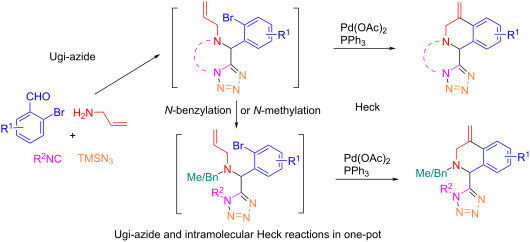
- Chemistry and Center for Green Chemistry, University of Massachusetts Boston, 100 Morrissey Blvd, Boston, MA 02125, USA 10.3762/bjoc.20.81 Abstract A new method for the synthesis of heterocyclic systems containing tetrazole and tetrahydroisoquinoline is developed via the performance of one-pot Ugi-azide
- , and Cs2CO3 (Table 1, entries 12–14). Investigating other Pd catalysts, suche as PdCl2 and Pd(dba)2 also gave low yields (Table 1, entries 15 and 16). Since CH3CN is a more favorable solvent than DMF in green chemistry consideration [52][53], the optimal reaction conditions for the Heck reaction were


HPW-Catalyzed environmentally benign approach to imidazo[1,2-a]pyridines
Beilstein J. Org. Chem. 2024, 20, 628–637, doi:10.3762/bjoc.20.55
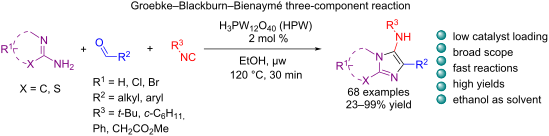
- was applied to a broader range of aromatic/heteroaromatic or aliphatic aldehydes, 2-aminopyridines/2-aminothiazoles and isocyanides. Regarding some Green Chemistry metrics, our methodology proved superior at least considering E-factor and mass intensity. As can be seen in entry 6 of Table 2, our
- /heteroaromatic and aliphatic aldehydes. Furthermore, the isolation process is simple and there is no need for liquid–liquid extraction. In addition, our methodology showed superior Green Chemistry metrics as compared to some already reported methodologies. Selected examples of commercial drugs containing the
- conditions and Green Chemistry metrics for the GBB reactions under μw and conventional heating conditions.a Supporting Information Supporting Information File 44: Typical experimental procedures, FTIR, NMR and mass spectra of all compounds and GC metrics calculations. Funding The authors thank the




Green and sustainable approaches for the Friedel–Crafts reaction between aldehydes and indoles
Beilstein J. Org. Chem. 2024, 20, 379–426, doi:10.3762/bjoc.20.36
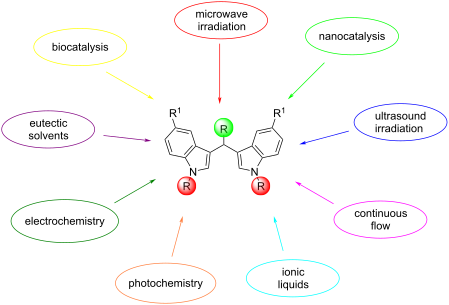
- reaction between aldehydes with indoles, while focusing on the more environmentally friendly methods developed over the years. Keywords: aldehyde; BIMs; Friedel–Crafts reaction; green chemistry; indole; Review Medicinal properties In recent years, diindolylmethane (DIM, 1) and its derivatives known as
- of green chemistry. Organocatalysis is the acceleration of chemical reactions with the use of small organic compounds, which do not contain any amounts of enzyme or inorganic elements [37][38][39]. The benefits of solid acid catalysis render them as an appealing choice, compared to their liquid




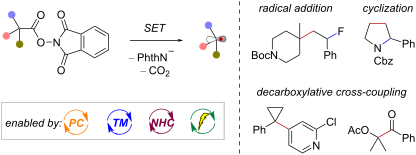
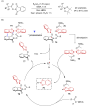
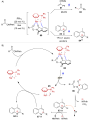
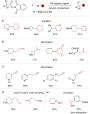
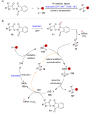
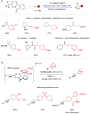
Mechanisms for radical reactions initiating from N-hydroxyphthalimide esters
Beilstein J. Org. Chem. 2024, 20, 346–378, doi:10.3762/bjoc.20.35








Catalytic multi-step domino and one-pot reactions
Beilstein J. Org. Chem. 2024, 20, 254–256, doi:10.3762/bjoc.20.25
- triggers the next, which in the end yields a complex product. In contrast to a conventional “stop-and-go” method, only a single workup and purification is needed (Figure 1b), and therefore these reaction cascades can be considered superior to stepwise synthetic approaches in the context of green chemistry

Chiral phosphoric acid-catalyzed transfer hydrogenation of 3,3-difluoro-3H-indoles
Beilstein J. Org. Chem. 2024, 20, 205–211, doi:10.3762/bjoc.20.20
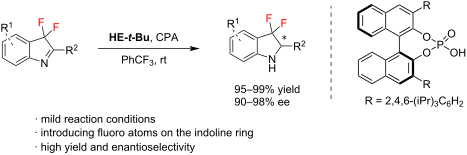
- , Yantai, 264005, P. R. China Chang-Kung Chuang Institute & Shanghai Key Laboratory of Green Chemistry and Chemical Processes, School of Chemistry and Molecular Engineering, East China Normal University, Shanghai 200062, P. R. China 10.3762/bjoc.20.20 Abstract A convenient and efficient method for the


A novel recyclable organocatalyst for the gram-scale enantioselective synthesis of (S)-baclofen
Beilstein J. Org. Chem. 2023, 19, 1811–1824, doi:10.3762/bjoc.19.133
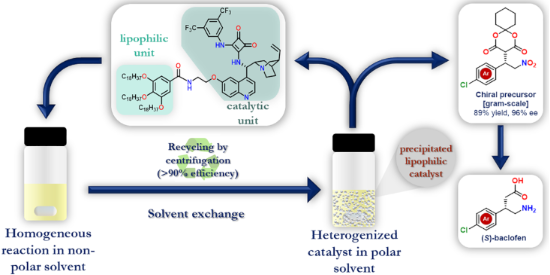
- ). During solvent selection, both the catalytic performance and green chemistry aspects were addressed. For this purpose, we followed GSK’s solvent sustainability guide [34], which ranks solvents according to their properties, such as waste generation, environmental and health impacts, and boiling point
- (Figure 2). Considering the three factors mentioned above (yield, enantiomeric excess, and green chemistry), toluene was chosen as a solvent for the recycling reactions. The schematic for the recycling by solvent replacement is shown in Figure 3. After the stereoselective Michael addition was completed in
- and toluene, while using 2-MeTHF drastically decreased the enantioselectivity. From the perspective of green chemistry, anisole would be more favorable, but toluene is also a distinctly better alternative to the other solvents (e.g., DCM) commonly used in Michael additions. Another critical aspect


Decarboxylative 1,3-dipolar cycloaddition of amino acids for the synthesis of heterocyclic compounds
Beilstein J. Org. Chem. 2023, 19, 1677–1693, doi:10.3762/bjoc.19.123
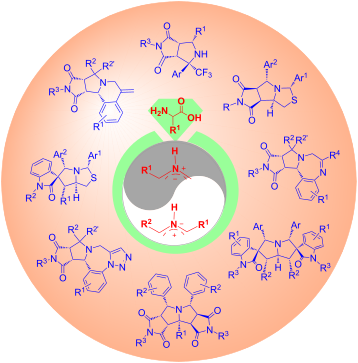
- Xiaofeng Zhang Xiaoming Ma Wei Zhang Center for Green Chemistry and Department of Chemistry, University of Massachusetts Boston, 100 Morrissey Boulevard, Boston, MA 02125, USA Department of Medicinal Chemistry, Cerevel Therapeutics, 222 Jacobs St Suite 200, Cambridge, MA 02141, USA School of
- , and the Centre for Green Chemistry at the University of Massachusetts Boston.


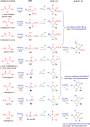


Synthesis of 5-arylidenerhodanines in L-proline-based deep eutectic solvent
Beilstein J. Org. Chem. 2023, 19, 1537–1544, doi:10.3762/bjoc.19.110

- , volatile solvents, hard conditions, and/or difficult purifications. However, green chemistry has become a crucial sub-discipline in the field of chemistry and the chemical industry is giving major priority to sustainable processes. Since a few years, deep eutectic solvents (DES) are considered as a
- derivative synthesis. In accordance with the principles of green chemistry, we envisaged a procedure with temperatures not too high and reaction times not too long. We also wanted to isolate pure compounds by a simple filtration after precipitation in aqueous media without the need for extraction or





