


Search results
Search for "isolation" in Full Text gives 1002 result(s) in Beilstein Journal of Organic Chemistry. Showing first 200.
Total synthesis of asperdinones B, C, D, E and terezine D
Beilstein J. Org. Chem. 2025, 21, 2730–2738, doi:10.3762/bjoc.21.210
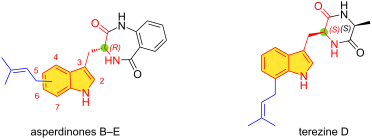
- activity [20]. A related metabolite lacking the C7 prenyl group had been isolated from the cultures of Aspergillus chevalieri in 1976 [21]. The structure and absolute stereochemistry were confirmed by synthesis from tryptophan and ʟ-alanine [22]. The isolation of terezine D (6) and more recently, the (3R


Recent advancements in the synthesis of Veratrum alkaloids
Beilstein J. Org. Chem. 2025, 21, 2657–2693, doi:10.3762/bjoc.21.206
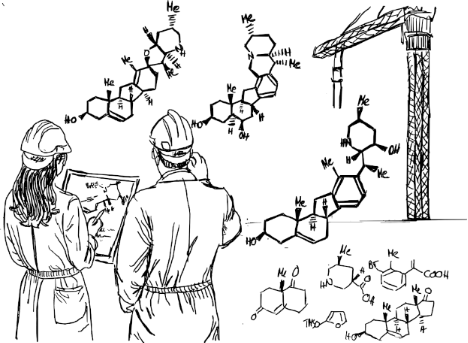
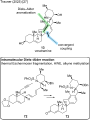
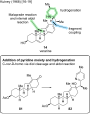
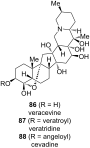
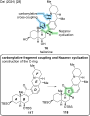
- subclass The cevanine-type alkaloids constitute the largest of the three subgroups of Veratrum alkaloids. However, they have long withstood the efforts of total synthesis endeavors, perhaps owing to their typically densely functionalized hexacyclic framework. To date, the isolation of at least 80 different
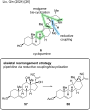
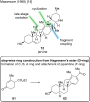
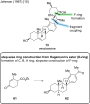
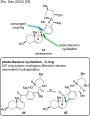
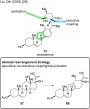
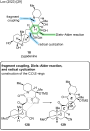
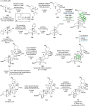
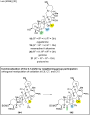
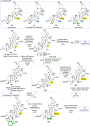
- isolation of heilonine was reported in 1989 by Kaneko et al. from Fritillaria ussuriensis. It is believed to be a constituent of “beimu", a traditional Chinese medicine that is used as a sedative, antitussive, and expectorant [52]. The nine stereocenters reside in two different regions of the molecule
















Thiazolidinones: novel insights from microwave synthesis, computational studies, and potentially bioactive hybrids
Beilstein J. Org. Chem. 2025, 21, 2618–2636, doi:10.3762/bjoc.21.203
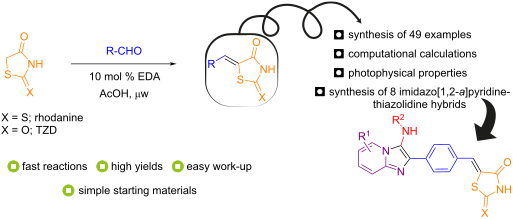
- ), delivers excellent yields (up to 99%), and requires a low catalyst loading (10 mol %). The reactions are fast and can be applied to a wide range of aromatic and heteroaromatic aldehydes, with product isolation achieved by the simple addition of an aqueous HCl solution. This methodology was successfully






Efficient solid-phase synthesis and structural characterization of segetalins A–H, J and K
Beilstein J. Org. Chem. 2025, 21, 2612–2617, doi:10.3762/bjoc.21.202

- , culminating in cyclization mediated by N,N'-dicyclohexylcarbodiimide (DCC)/N-methylmorpholine (NMM) at 0 °C for 7 days [18]. This method, however, is lengthy, operationally complex, difficult for product isolation, and carries a significant risk of racemization. Wong and Jolliffe synthesized segetalins B (2


Recent advances in total synthesis of illisimonin A
Beilstein J. Org. Chem. 2025, 21, 2571–2583, doi:10.3762/bjoc.21.199
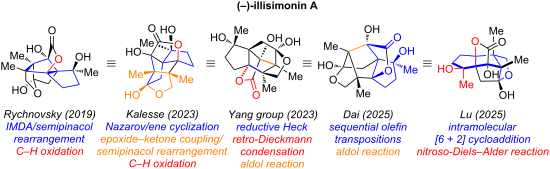
- embellished by additional bridging via a γ-lactone and a γ-lactol ring, resulting in a caged pentacyclic scaffold with a 5/5/5/5/5 ring arrangement. The compound demonstrates neuroprotective activity by mitigating oxygen-glucose deprivation-induced cell injury in SH-SY5Y cells. Since its isolation in 2017
- , illisimonin A has garnered significant interest from the synthetic chemistry community. To date, five research groups have accomplished the total synthesis of illisimonin A. This review offers a comprehensive overview of its isolation, proposed biosynthetic pathway and the synthetic strategies employed in its
- have been isolated from this genus, among which Illicium sesquiterpenes represent a prominent group. Since the first isolation of anisatin in 1952 [1], more than 100 Illicium sesquiterpenes have been isolated from over 40 species of Illicium [2]. Based on their carbon skeletons, they can be classified






Total syntheses of highly oxidative Ryania diterpenoids facilitated by innovations in synthetic strategies
Beilstein J. Org. Chem. 2025, 21, 2553–2570, doi:10.3762/bjoc.21.198
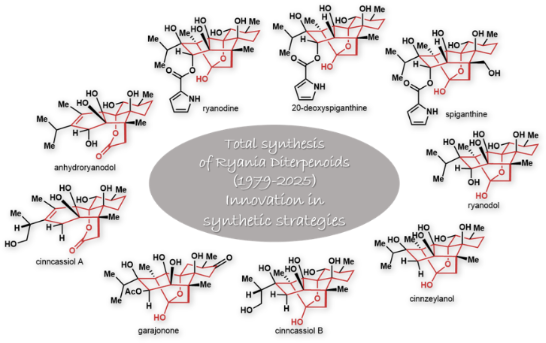
- ]. Research on these compounds dates back to 1943 when the American pharmaceutical company Merck developed a novel insecticide, Ryanex, from the stems and leaves of the plant. In 1948, Folkers and colleagues reported the isolation of the first bioactive member of this family – ryanodine (1) [8]. Due to
- scaffold yet exhibit diverse oxidation patterns and stereochemical configurations, with ryanodine (1) representing a landmark example (Table 1). This review has highlighted synthetic investigations of Ryania diterpenoids by various research groups, encompassing brief discussions of their isolation






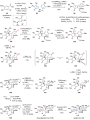

Assembly strategy for thieno[3,2-b]thiophenes via a disulfide intermediate derived from 3-nitrothiophene-2,5-dicarboxylate
Beilstein J. Org. Chem. 2025, 21, 2489–2497, doi:10.3762/bjoc.21.191
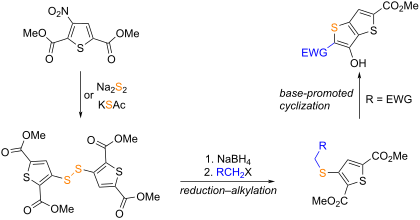
- isolation of compounds 2 and 3 in analytically pure form allowed their structure to be established thanks to elemental analysis and HRMS. It was found that compounds 2 and 3 are dimeric derivatives of the starting thiophene, linked by sulfur bridges located at the C-3 position instead of the nitro group


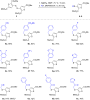

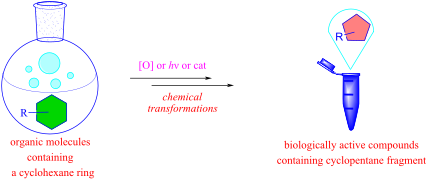
Transformation of the cyclohexane ring to the cyclopentane fragment of biologically active compounds
Beilstein J. Org. Chem. 2025, 21, 2416–2446, doi:10.3762/bjoc.21.185
- KMnO4 in EtOH at 0 °C afforded vicinal diol 20 with a yield of 58%. The periodate cleavage of the latter under the action of NaIO4 led to the formation of a labile dialdehyde, which was treated with t-BuOK in THF without isolation. As a result of intramolecular aldol condensation, accompanied by the
- led to the isolation of alcohol 138 with a yield of 52%. The Wolff rearrangement was carried out upon irradiation of a solution of mesylate 139 in THF at 25 °C with a medium-pressure Hg lamp for 1 hour. The ring contraction proceeded diastereoselectively and the desired acid 140 was obtained as a
- 10 μg/mL). Sequential interaction of indole 219 with pyridinium p-toluenesulfonate (PPTS) and excess of Davis’ oxaziridine 222, an effective oxidizing agent for synthesis of spirooxindole alkaloids, led to epoxide 220. Labile oxirane 220, without isolation, was subjected to a semipinacol


The high potential of methyl laurate as a recyclable competitor to conventional toxic solvents in [3 + 2] cycloaddition reactions
Beilstein J. Org. Chem. 2025, 21, 2389–2415, doi:10.3762/bjoc.21.184
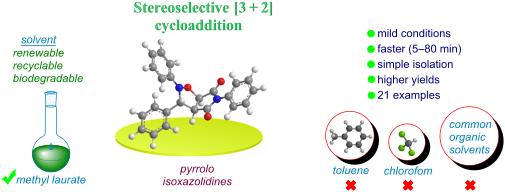
- solvent medium for the reaction, and the related compounds were obtained through straightforward isolation techniques in a relatively short time frame (5–80 minutes). A comprehensive investigation was conducted utilizing various web platforms, encompassing ecological and environmental risk assessments
- a promising biocompatible solvent alternative in numerous chemical transformations, there are several challenges associated with product isolation that must be addressed [23]. Consequently, it is evident that the endeavor to identify an optimal green solvent for both industrial and academic
- in the isolation of the cycloadduct through precipitation, given that castor oil is insoluble in hexane. The solvent dissolves the product together with castor oil, causing it to pass to the filtrate phase and thereby reducing the amount present. In order to remain faithful to the principles of Green






Rotaxanes with integrated photoswitches: design principles, functional behavior, and emerging applications
Beilstein J. Org. Chem. 2025, 21, 2345–2366, doi:10.3762/bjoc.21.179
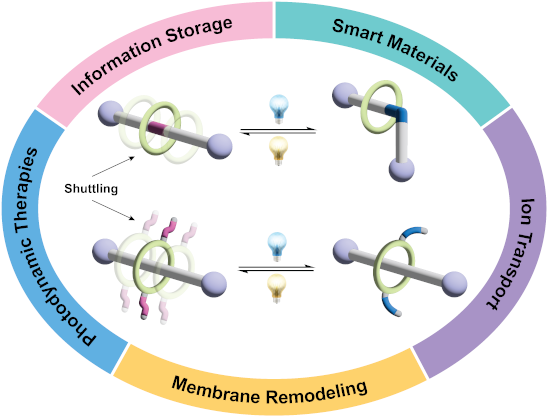
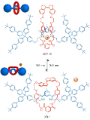
- property, in addition to facilitating their study and isolation, is advantageous for various applications. The first stiff-stilbene-based rotaxane was reported in 2018 [79]. This [1]rotaxane used stiff-stilbene as one of the stoppers, and its photoisomerization produced the translation of a pillar[5]arene





Comparative analysis of complanadine A total syntheses
Beilstein J. Org. Chem. 2025, 21, 2334–2344, doi:10.3762/bjoc.21.178
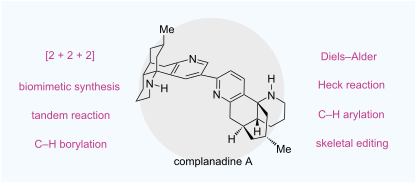
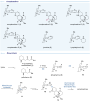
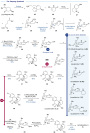
- produce 11, which could be further converted to 12 and 13 for an intermolecular Mannich-type dimerization to form the C2–C3’ linkage [13]. Further oxidation state adjustment would give complanadines A, B, D, and E. Since their isolation, the complanadines, especially complanadine A, have attracted a



Recent advances in Norrish–Yang cyclization and dicarbonyl photoredox reactions for natural product synthesis
Beilstein J. Org. Chem. 2025, 21, 2315–2333, doi:10.3762/bjoc.21.177
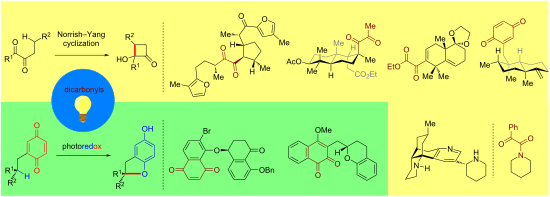
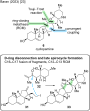
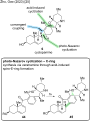
- economy of "one precursor for multiple targets", and provides a valuable scheme for building structurally diverse natural product libraries. 1.4 Gracilisoids A–I In 2025, Li's group exemplified the “Isolation-Synthesis-Functionality” research concept for a new class of sesterterpenoids, namely







Pathway economy in cyclization of 1,n-enynes
Beilstein J. Org. Chem. 2025, 21, 2260–2282, doi:10.3762/bjoc.21.173
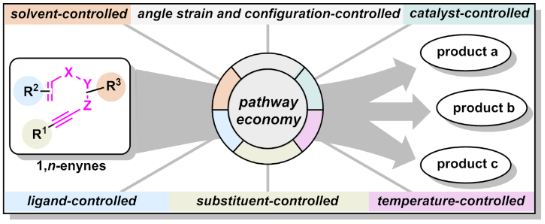
- 88, enabling its stable isolation and subsequent affordance of the spirocyclic indole-derived imine product 92 (Scheme 19, path b). The suppression of Wagner–Meerwein rearrangement was attributed to the lower Lewis acidity of PPh₃ relative to NFSI, which emerged as the critical determinant in this


Pd-catalyzed dehydrogenative arylation of arylhydrazines to access non-symmetric azobenzenes, including tetra-ortho derivatives
Beilstein J. Org. Chem. 2025, 21, 2234–2242, doi:10.3762/bjoc.21.170
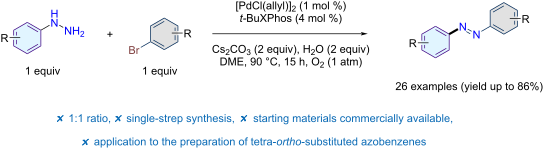
- %, surpassing the performance of traditional approaches in similar contexts. Similarly, tri-ortho-substituted azobenzenes 5b and 5c were prepared in 42% and 47% yields, respectively. However, the isolation of these compounds in pure form remains challenging due to contamination with biphenyl side-products


C2 to C6 biobased carbonyl platforms for fine chemistry
Beilstein J. Org. Chem. 2025, 21, 2103–2172, doi:10.3762/bjoc.21.165
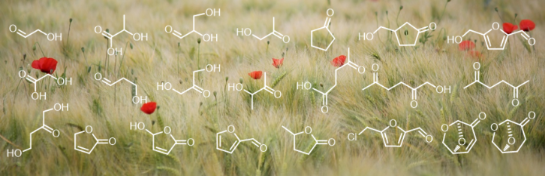
- oxidation without isolation) produce 5,5'-oxybis(furan-2(5H)-one) and 5,5 '-(oxybis(methylene))bis-2-furfural [127][128][129] (Scheme 42, path a). The antimicrobial agent 5-chloro-2(5H)-furanone was synthesized by reaction of HFO with thionyl chloride in 30% yield [130], or with phosphorus chloride in 70


The application of desymmetric enantioselective reduction of cyclic 1,3-dicarbonyl compounds in the total synthesis of terpenoid and alkaloid natural products
Beilstein J. Org. Chem. 2025, 21, 2085–2102, doi:10.3762/bjoc.21.164
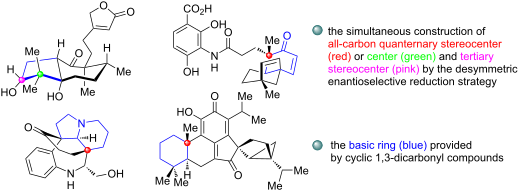
- Hamigera tarangaensis, and show cytotoxicity against various tumor cells. Notably, compound 11 exhibits 100% inhibition against herpes and polio viruses without significant host cell cytotoxicity [38]. Since their isolation, the synthesis of 11 and 12 have been reported by many groups [39][40][41][42][43


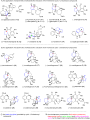


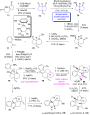

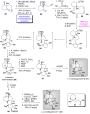


Further elaboration of the stereodivergent approach to chaetominine-type alkaloids: synthesis of the reported structures of aspera chaetominines A and B and revised structure of aspera chaetominine B
Beilstein J. Org. Chem. 2025, 21, 2072–2081, doi:10.3762/bjoc.21.162
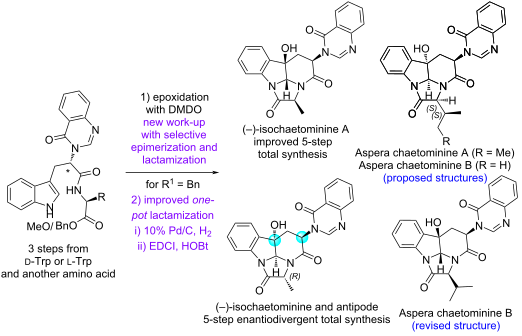
- fungus Aspergillus versicolour SCSIO XWS04 F52 [32]. All these alkaloids distinguish each other only by alkyl substituent at C11 and by relative stereochemistries at C2, C3, C11, and C14. Soon after the report of the isolation, structural elucidation, and bioactivity of (–)-chaetominine by Tan and co
- structures of aspera chaetominines A and B and revision of stereochemistry of aspera chaetominine B Several years after we have had accomplished the abovementioned investigations, Liu and co-workers reported the isolation and structural elucidation of two new alkaloids, aspera chaetominines A (12) and B (13


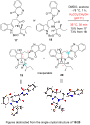
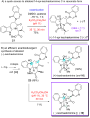

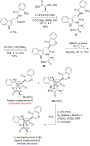
Bioinspired total syntheses of natural products: a personal adventure
Beilstein J. Org. Chem. 2025, 21, 2048–2061, doi:10.3762/bjoc.21.160
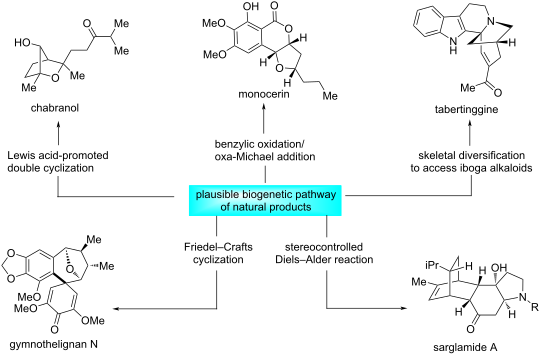
- propose the biosynthetic pathway, which has not yet been reported in Duh’s isolation report (Scheme 1a). In our proposal, the linear sesquiterpenoid trans-nerolidol (1) with a chiral tertiary alcohol undergoes dihydroxylation to generate triol 2, which further proceeds a C–C bond cleavage to afford
- rearrangement under the conditions of H2SO4/MeOH, since their isolation of the natural products [32]. However, other critical bioinspired transformations have not yet been explored, which prompted us to initiate this study. Guided by this biogenetic proposal, we conducted a series of reactions to probe the



Switchable pathways of multicomponent heterocyclizations of 5-amino-1,2,4-triazoles with salicylaldehydes and pyruvic acid
Beilstein J. Org. Chem. 2025, 21, 2030–2035, doi:10.3762/bjoc.21.158
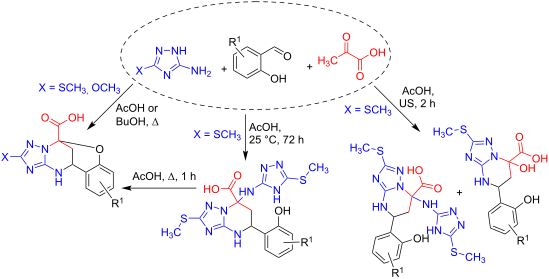
- also was described in several other publications [13][14][15]. On the other hand, three-component reactions of aminoazoles, salicylaldehyde, and esters (or amides) of acetoacetic acid with isolation of other types of heterocylic compounds were described in some papers [16][17]. Our early works were


α-Ketoglutaric acid in Ugi reactions and Ugi/aza-Wittig tandem reactions
Beilstein J. Org. Chem. 2025, 21, 2021–2029, doi:10.3762/bjoc.21.157
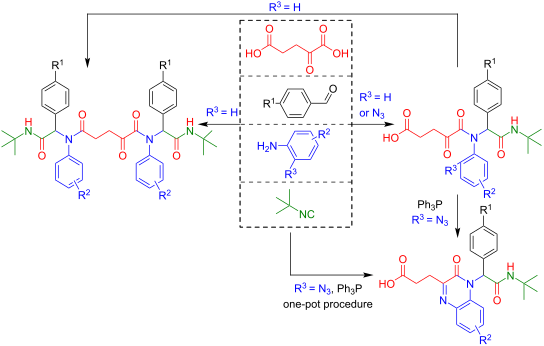
- substituted 3-(3-oxo-3,4-dihydroquinoxalin-2-yl)propanoic acids containing a pharmacophore quinoxalinone moiety. The tandem Ugi/aza-Wittig combination was also carried out in a one-pot procedure without isolation of the intermediate. Keywords: α-ketoglutaric acid; aza-Wittig reaction; multicomponent reaction
- sufficiently electrophilic carbonyl carbon atom with the elimination of triphenylphosphine oxide via the aza-Wittig reaction. It should be noted that the best method for the isolation of quinoxalinones 9 was column chromatography using an elution gradient of hexane/ethyl acetate 3:1 to hexane/ethyl acetate 1:2
- with the addition of 0.1% formic acid. The use of other eluents such as acetonitrile and different ratios of hexane/ethyl acetate, dichloromethane/methanol as well as the application of methods for the isolation of triphenylphosphine oxide by complexation with calcium and magnesium salts [54][55] or


Photochemical reduction of acylimidazolium salts
Beilstein J. Org. Chem. 2025, 21, 1973–1983, doi:10.3762/bjoc.21.153
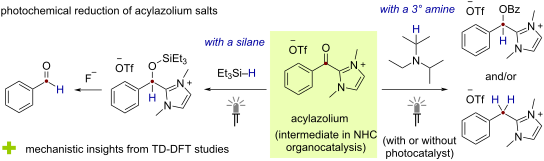
- higher reduction potential of this comparatively electron-rich compound. Purification of the crude reaction mixture from 1 by column chromatography allowed for the isolation of pure product 5 as a colorless oil in 59% yield. A control reaction performed under the same conditions in the dark resulted only


Chiral phosphoric acid-catalyzed asymmetric synthesis of helically chiral, planarly chiral and inherently chiral molecules
Beilstein J. Org. Chem. 2025, 21, 1864–1889, doi:10.3762/bjoc.21.145
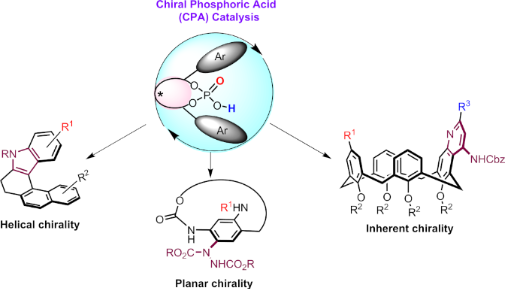
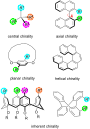
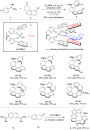
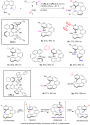
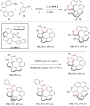
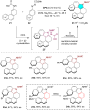
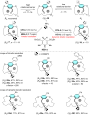
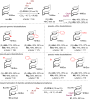
- soluble racemic products, which resulted in the isolation of chiral products with exceptional enantiopurity. Moreover, this method accommodated [1,1'-biphenyl]-2,2'-diamines 62 with ortho-substitutions, which underwent either dynamic kinetic resolution or kinetic resolution to produce chiral substituted










Fe-catalyzed efficient synthesis of 2,4- and 4-substituted quinolines via C(sp2)–C(sp2) bond scission of styrenes
Beilstein J. Org. Chem. 2025, 21, 1799–1807, doi:10.3762/bjoc.21.142
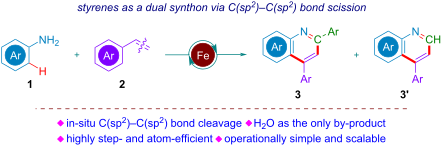
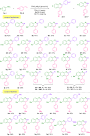
- , -Br, and -F (1f–h), were next evaluated using the optimized conditions, resulting in the isolation of the corresponding quinolines 3f–h and their 4-substituted analogs 3f′–h′ with satisfactory yields ranging from 73% to 86%. ortho-Substituted arylamines 1i and 1j showed sensitivity, likely due to




Convenient alternative synthesis of the Malassezia-derived virulence factor malassezione and related compounds
Beilstein J. Org. Chem. 2025, 21, 1730–1736, doi:10.3762/bjoc.21.135

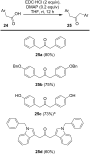
- nitrogen source followed by thin-layer chromatography and reversed-phase (RP)-HPLC to isolate and purify the compound from a complex mixture of indole alkaloids [11], (ii) prepared by aerobic incubation of indole-3-pyruvic acid at pH 7.4, 37 °C for 24 h followed by isolation and purification using RP-HPLC


Approaches to stereoselective 1,1'-glycosylation
Beilstein J. Org. Chem. 2025, 21, 1700–1718, doi:10.3762/bjoc.21.133
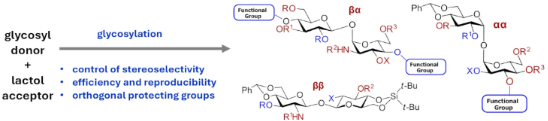
- ][19][20][21][22][23][24][25]. The availability of complex biomolecules containing nonreducing disaccharides is limited, as their isolation from natural sources is challenging and often fails to ensure the homogeneity of the isolates or the integrity of biomolecules bearing labile functional groups





