Search for "antioxidant" in Full Text gives 117 result(s) in Beilstein Journal of Organic Chemistry.
Beilstein J. Org. Chem. 2025, 21, 2618–2636, doi:10.3762/bjoc.21.203
Graphical Abstract
Figure 1: Structure of thiazolidinone derivatives.
Figure 2: Selected examples of commercial drugs containing the thiazolidinone core.
Scheme 1: Multicomponent reaction of benzaldehyde, rhodanine, and piperidine in ethanol leading directly to a...
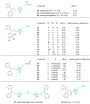
Scheme 2: Substrate scope of the EDA-catalyzed Knoevenagel condensation reactions using a range of aromatic/h...
Scheme 3: Limitations of the EDA-catalyzed Knoevenagel reactions for the synthesis of rhodanine or thiazolidi...
Scheme 4: Plausible reaction mechanism for the EDA-catalyzed Knoevenagel condensation reactions.
Scheme 5: Substrate scope of the HPW-catalyzed GBB reactions.
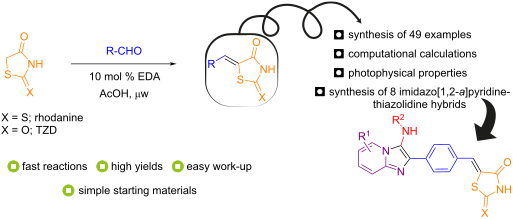
Scheme 6: Synthesis of imidazo[1,2-a]pyridine-thiazolidinone hybrids by EDA-catalyzed Knoevenagel condensatio...
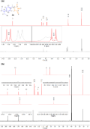
Figure 3: Overlay of predicted (red) and experimental (black) NMR spectra for compound 3n: a) 1H NMR spectra ...
Figure 4: a) Molecular structure of 3n with crystallographic labeling (50% probability displacement). b) Pers...
Scheme 7: a) Tautomeric forms of thiazolidinones and b) resonance structures for compounds 3n and 4n.
Figure 5: Molecular energy as a function of the torsion angle obtained from a relaxed dihedral scan at the M0...
Figure 6: Identification of the carbon atoms used in the theoretical study of chemical shifts. In red, easily...
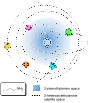
Figure 7: a) Visual impressions of the solvatochromic study in various solvents (10−5 M) after excitation wit...
Scheme 8: Proposed ICT-type mechanism for the fluorescence process, adapted from ref. [89].
Figure 8: Photophysical study in aqueous solution under different pH values for compound 3n (10−5 M) at room ...
Scheme 9: Two equilibria of compound 3n in aqueous solutions, adapted from ref. [92,93].
Figure 9: Molecular fragments associated with intramolecular charge transfer states.
Figure 10: Frontier molecular orbitals of compounds 3n and 4n in three different states: protonated, deprotona...
Beilstein J. Org. Chem. 2025, 21, 2416–2446, doi:10.3762/bjoc.21.185
Graphical Abstract
Scheme 1: Ozonolysis–cyclization sequence in the synthesis of echinopine A (3).
Scheme 2: Ozonolysis–cyclization sequence in the synthesis of taiwaniaquinoids 7–12.
Figure 1: Iridoid skeleton.
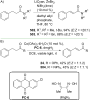
Scheme 3: Ozonolysis–cyclization sequence in the synthesis of compounds 17a,b, 18 and 19 with iridoid topolog...
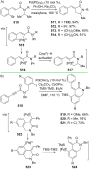
Scheme 4: Oxidation–aldol condensation sequence in the synthesis of compounds 21 and 23 with iridoid topology....
Scheme 5: Oxidation–aldol condensation sequence in the synthesis of compounds 29 and 30 with iridoid topology....
Scheme 6: Method for ring contraction in the absence of a double bond in a six-membered ring of triterpenoids....
Scheme 7: Oxidation–Dieckmann cyclization sequence in the synthesis of a new nortriterpenoid 39.
Scheme 8: Oxidation–Dieckmann cyclization sequence in the synthesis of 18,19-di-nor-cholesterol (40).
Scheme 9: Oxidation–cyclization sequence in the synthesis of 3-ethyl-substituted betulinic acid derivatives 49...
Scheme 10: Benzilic acid-type rearrangement in the synthesis of 4β-acetoxyprobotryane-9β,15α-diol (52).
Scheme 11: Benzilic acid-type rearrangement in the synthesis of (−)-taiwaniaquinone H (11).
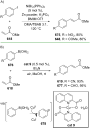
Scheme 12: Benzilic acid-type rearrangement in the synthesis of dactylicapnosines A (63) and B (64).
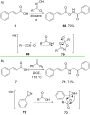
Scheme 13: Aza-benzilic acid-type rearrangement in the synthesis of (+)-stephadiamine (71).
Scheme 14: α-Ketol rearrangement in the synthesis of saffloneoside (73).
Scheme 15: Conversion of (−)-preaustinoid A (80) to (−)-preaustinoid B (81) via α-ketol rearrangement.
Scheme 16: α-Ketol rearrangement in the synthesis of 2,8-oxymethano-bridged diquinane 90.
Scheme 17: Oxidative ring contraction during the synthesis of (+)-cuparene (91) and (+)-tochuinylacetate (92).
Scheme 18: Semipinacol rearrangement in the synthesis of diterpenoids 97–100.
Scheme 19: Co-catalyzed homoallyl-type rearrangement in the syntheses of meroterpenes 106–109.
Scheme 20: Ring contraction reaction promoted by TTN·3H2O and HTIB in the synthesis of indanes.
Scheme 21: Rearrangement involving a hypervalent iodine compound in the synthesis of derivative 120.
Scheme 22: Wolff rearrangement in the synthesis of taiwaniaquinones A (7), F (8), taiwaniaquinols B (10), D (1...
Scheme 23: Wolff rearrangement in the synthesis of cheloviolene C (128), seconorrisolide B (129), and seconorr...
Scheme 24: Wolff rearrangement in the synthesis of (−)-pavidolide B (134).
Scheme 25: Wolff rearrangement in the synthesis of presilphiperfolan-8-ol (141).
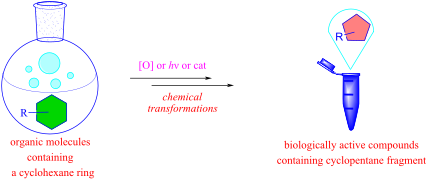
Scheme 26: Photochemical rearrangement in the synthesis of cyclopentane derivatives 147a,b.
Scheme 27: Synthesis of cyclopentane derivatives 147a and 151.
Scheme 28: Photochemical rearrangement in the synthesis of cyclopentane derivative 153.
Scheme 29: Photochemical rearrangement in the synthesis of tricyclic ketones 155, 156.
Scheme 30: Photochemical rearrangement in the synthesis of cis/trans salts 160.
Figure 2: Scope of the photoinduced carboborative ring contraction of steroids. Reaction conditions: steroid ...
Scheme 31: Photoinduced carboborative ring contraction in the synthesis of artalbic acid (180).
Scheme 32: Synthetic versatility of the photoinduced carboborative ring contraction.
Scheme 33: Methods of disclosure of epoxide 189.
Scheme 34: Methods of disclosure of epoxide 190.
Scheme 35: Rearrangement of α,β-epoxy ketone 197.
Scheme 36: Acid-induced rearrangement in the synthesis of perhydrindane ketones 202 and 205.
Scheme 37: Rearrangement of epoxyketone 208 in the synthesis of huperzine Q (206).
Scheme 38: Rearrangement of epoxide 212 under the action of Grignard reagent.
Scheme 39: Semipinacol rearrangement of epoxide 220 in the synthesis of (−)-citrinadin A (217) and (+)-citrina...
Scheme 40: Semipinacol rearrangement of epoxide 225 in the synthesis of hamigeran G (223).
Scheme 41: Semipinacol rearrangement of epoxide 231 in the synthesis of (−)-spirochensilide A (228).
Scheme 42: Wagner–Meerwein rearrangement in the synthesis of compound 234 with iridoid topology.
Scheme 43: Wagner–Meerwein rearrangement in the synthesis of compound 238 with iridoid topology.
Scheme 44: Wagner–Meerwein rearrangement in the synthesis of compound 241 with iridoid topology.
Scheme 45: Wagner–Meerwein rearrangement in the synthesis of lupane derivatives 245, 246, 248, and 249.
Scheme 46: Wagner–Meerwein rearrangement in the synthesis of weisaconitine D (252) and cardiopetaline (255).
Scheme 47: Wagner–Meerwein rearrangement in the synthesis of cardiopetaline (255).
Beilstein J. Org. Chem. 2025, 21, 1031–1086, doi:10.3762/bjoc.21.85
Graphical Abstract
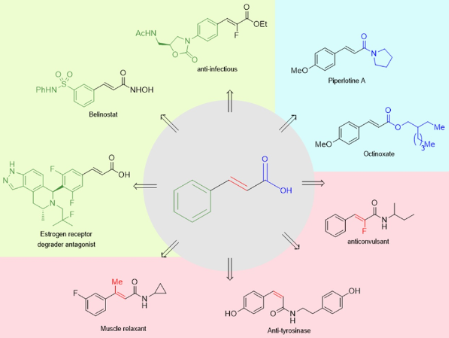
Figure 1: Biologically active cinnamic acid derivatives.
Scheme 1: General synthetic strategies for cinnamic acid derivatizations.
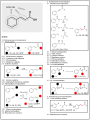
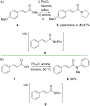
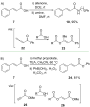
Scheme 2: Cinnamic acid coupling via isobutyl anhydride formation.
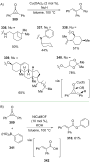
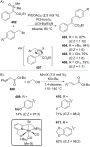
Scheme 3: Amidation reaction via O/N-pivaloyl activation.
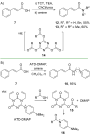
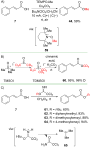
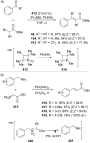
Scheme 4: Cinnamic acid amidation using TCCA/PPh3 reagent.
Scheme 5: Cinnamic acid amidation using triazine-based reagents.
Scheme 6: Cinnamic acid amidation using continuous flow mechanochemistry.
Scheme 7: Cinnamic acid amidation using COMU as coupling reagent.
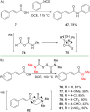
Scheme 8: Cinnamic acid amidation using allenone coupling reagent.
Scheme 9: Cinnamic acid amidation using 4-acetamidophenyl triflimide as reagent.
Scheme 10: Cinnamic acid amidation using methyltrimethoxysilane (MTM).
Scheme 11: Cinnamic acid amidation utilizing amine–borane reagent.
Scheme 12: Cinnamic acid amidation using TCCA/PPh3 reagent.
Scheme 13: Cinnamic acid amidation using PPh3/I2 reagent.
Scheme 14: Cinnamic acid amidation using PCl3 reagent.
Scheme 15: Cinnamic acid amidation utilizing pentafluoropyridine (PFP) as reagent.
Scheme 16: Cinnamic acid amidation using hypervalent iodine(III).
Scheme 17: Mechanochemical amidation using 1,1,2,2-tetrafluoroethyl-N,N-dimethylamine (TFEDMA) reagent.
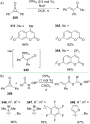
Scheme 18: Methyl ester preparation using tris(2,4,6-trimethoxyphenyl)phosphine (TMPP).
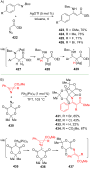
Scheme 19: N-Trifluoromethyl amide preparation using isothiocyanate and AgF.
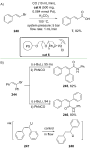
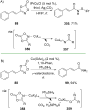
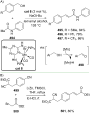
Scheme 20: POCl3-mediated amide coupling of carboxylic acid and DMF.
Scheme 21: O-Alkylation of cinnamic acid using alkylating agents.
Scheme 22: Glycoside preparation via Mitsunobu reaction.
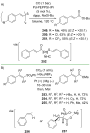
Scheme 23: O/N-Acylation via rearrangement reactions.
Scheme 24: Amidation reactions using sulfur-based alkylating agents.
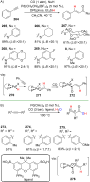
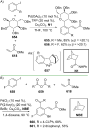
Scheme 25: Amidation reaction catalyzed by Pd0 via C–N cleavage.
Scheme 26: Amidation reaction catalyzed by CuCl/PPh3.
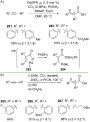
Scheme 27: Cu(II) triflate-catalyzed N-difluoroethylimide synthesis.
Scheme 28: Cu/Selectfluor-catalyzed transamidation reaction.
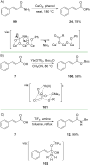
Scheme 29: CuO–CaCO3-catalyzed amidation reaction.
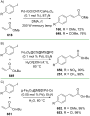
Scheme 30: Ni-catalyzed reductive amidation.
Scheme 31: Lewis acidic transition-metal-catalyzed O/N-acylations.
Scheme 32: Visible-light-promoted amidation of cinnamic acid.
Scheme 33: Sunlight/LED-promoted amidation of cinnamic acid.
Scheme 34: Organophotocatalyst-promoted N–O cleavage of Weinreb amides to synthesize primary amides.
Scheme 35: Cinnamamide synthesis through [Ir] photocatalyst-promoted C–N-bond cleavage of tertiary amines.
Scheme 36: Blue LED-promoted FeCl3-catalyzed reductive transamidation.
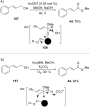
Scheme 37: FPyr/TCT-catalyzed amidation of cinnamic acid derivative 121.
Scheme 38: Cs2CO3/DMAP-mediated esterification.
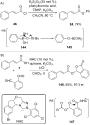
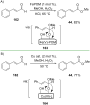
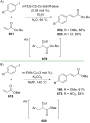
Scheme 39: HBTM organocatalyzed atroposelective N-acylation.
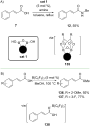
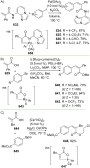
Scheme 40: BH3-catalyzed N-acylation reactions.
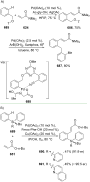
Scheme 41: Borane-catalyzed N-acylation reactions.
Scheme 42: Catalytic N-acylation reactions via H/F bonding activation.
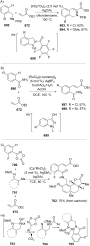
Scheme 43: Brønsted base-catalyzed synthesis of cinnamic acid esters.
Scheme 44: DABCO/Fe3O4-catalyzed N-methyl amidation of cinnamic acid 122.
Scheme 45: Catalytic oxidation reactions of acylating agents.
Scheme 46: Preparation of cinnamamide-substituted benzocyclooctene using I(I)/I(III) catalysis.
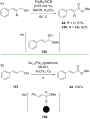
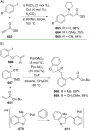
Scheme 47: Pd-colloids-catalyzed oxidative esterification of cinnamyl alcohol.
Scheme 48: Graphene-supported Pd/Au alloy-catalyzed oxidative esterification via hemiacetal intermediate.
Scheme 49: Au-supported on A) carbon nanotubes (CNT) and B) on porous boron nitride (pBN) as catalyst for the ...
Scheme 50: Cr-based catalyzed oxidative esterification of cinnamyl alcohols with H2O2 as the oxidant.
Scheme 51: Co-based catalysts used for oxidative esterification of cinnamyl alcohol.
Scheme 52: Iron (A) and copper (B)-catalyzed oxidative esterification of cinnamaldehyde.
Scheme 53: NiHPMA-catalyzed oxidative esterification of cinnamaldehyde.
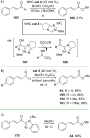
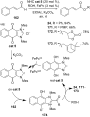
Scheme 54: Synthesis of cinammic acid esters through NHC-catalyzed oxidative esterification via intermolecular...
Scheme 55: Redox-active NHC-catalyzed esterification via intramolecular oxidation.
Scheme 56: Electrochemical conversion of cinnamaldehyde to methyl cinnamate.
Scheme 57: Bu4NI/TBHP-catalyzed synthesis of bisamides from cinnamalaldehyde N-tosylhydrazone.
Scheme 58: Zn/NC-950-catalyzed oxidative esterification of ketone 182.
Scheme 59: Ru-catalyzed oxidative carboxylation of terminal alkenes.
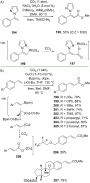
Scheme 60: Direct carboxylation of alkenes using CO2.
Scheme 61: Carboxylation of alkenylboronic acid/ester.
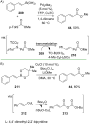
Scheme 62: Carboxylation of gem-difluoroalkenes with CO2.
Scheme 63: Photoredox-catalyzed carboxylation of difluoroalkenes.
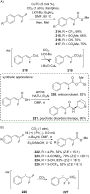
Scheme 64: Ru-catalyzed carboxylation of alkenyl halide.
Scheme 65: Carboxylation of alkenyl halides under flow conditions.
Scheme 66: Cinnamic acid ester syntheses through carboxylation of alkenyl sulfides/sulfones.
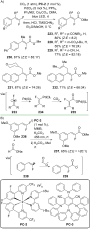
Scheme 67: Cinnamic acid derivatives synthesis through a Ag-catalyzed decarboxylative cross-coupling proceedin...
Scheme 68: Pd-catalyzed alkyne hydrocarbonylation.
Scheme 69: Fe-catalyzed alkyne hydrocarbonylation.
Scheme 70: Alkyne hydrocarboxylation using CO2.
Scheme 71: Alkyne hydrocarboxylation using HCO2H as CO surrogate.
Scheme 72: Co/AlMe3-catalyzed alkyne hydrocarboxylation using DMF.
Scheme 73: Au-catalyzed oxidation of Au–allenylidenes.
Scheme 74: Pd-catalyzed C–C-bond activation of cyclopropenones to synthesize unsaturated esters and amides.
Scheme 75: Ag-catalyzed C–C-bond activation of diphenylcyclopropenone.
Scheme 76: Cu-catalyzed C–C bond activation of diphenylcyclopropenone.
Scheme 77: PPh3-catalyzed C–C-bond activation of diphenylcyclopropenone.
Scheme 78: Catalyst-free C–C-bond activation of diphenylcyclopropenone.
Scheme 79: Cu-catalyzed dioxolane cleavage.
Scheme 80: Multicomponent coupling reactions.
Scheme 81: Pd-catalyzed partial hydrogenation of electrophilic alkynes.
Scheme 82: Nickel and cobalt as earth-abundant transition metals used as catalysts for the partial hydrogenati...
Scheme 83: Metal-free-catalyzed partial hydrogenation of conjugated alkynes.
Scheme 84: Horner–Wadsworth–Emmons reaction between triethyl 2-fluoro-2-phosphonoacetate and aldehydes with ei...
Scheme 85: Preparation of E/Z-cinnamates using thiouronium ylides.
Scheme 86: Transition-metal-catalyzed ylide reactions.
Scheme 87: Redox-driven ylide reactions.
Scheme 88: Noble transition-metal-catalyzed olefination via carbenoid species.
Scheme 89: TrBF4-catalyzed olefination via carbene species.
Scheme 90: Grubbs catalyst (cat 7)/photocatalyst-mediated metathesis reactions.
Scheme 91: Elemental I2-catalyzed carbonyl-olefin metathesis.
Scheme 92: Cu-photocatalyzed E-to-Z isomerization of cinnamic acid derivatives.
Scheme 93: Ni-catalyzed E-to-Z isomerization.
Scheme 94: Dehydration of β-hydroxy esters via an E1cB mechanism to access (E)-cinnamic acid esters.
Scheme 95: Domino ring-opening reaction induced by a base.
Scheme 96: Dehydroamination of α-aminoester derivatives.
Scheme 97: Accessing methyl cinnamate (44) via metal-free deamination or decarboxylation.
Scheme 98: The core–shell magnetic nanosupport-catalyzed condensation reaction.
Scheme 99: Accessing cinnamic acid derivatives from acetic acid esters/amides through α-olefination.
Scheme 100: Accessing cinnamic acid derivatives via acceptorless α,β-dehydrogenation.
Scheme 101: Cu-catalyzed formal [3 + 2] cycloaddition.
Scheme 102: Pd-catalyzed C–C bond formation via 1,4-Pd-shift.
Scheme 103: NHC-catalyzed Rauhut–Currier reactions.
Scheme 104: Heck-type reaction for Cα arylation.
Scheme 105: Cu-catalyzed trifluoromethylation of cinnamamide.
Scheme 106: Ru-catalyzed alkenylation of arenes using directing groups.
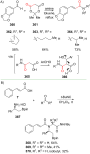
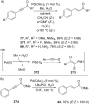
Scheme 107: Earth-abundant transition-metal-catalyzed hydroarylation of α,β-alkynyl ester 374.
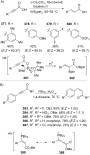
Scheme 108: Precious transition-metal-catalyzed β-arylation of cinnamic acid amide/ester.
Scheme 109: Pd-catalyzed β-amination of cinnamamide.
Scheme 110: S8-mediated β-amination of methyl cinnamate (44).
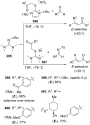
Scheme 111: Pd-catalyzed cross-coupling reaction of alkynyl esters with phenylsilanes.
Scheme 112: Pd-catalyzed β-cyanation of alkynyl amide/ester.
Scheme 113: Au-catalyzed β-amination of alkynyl ester 374.
Scheme 114: Metal-free-catalyzed Cβ-functionalizations of alkynyl esters.
Scheme 115: Heck-type reactions.
Scheme 116: Mizoroki–Heck coupling reactions using unconventional functionalized arenes.
Scheme 117: Functional group-directed Mizoroki–Heck coupling reactions.
Scheme 118: Pd nanoparticles-catalyzed Mizoroki–Heck coupling reactions.
Scheme 119: Catellani-type reactions to access methyl cinnamate with multifunctionalized arene.
Scheme 120: Multicomponent coupling reactions.
Scheme 121: Single atom Pt-catalyzed Heck coupling reaction.
Scheme 122: Earth-abundant transition metal-catalyzed Heck coupling reactions.
Scheme 123: Polymer-coated earth-abundant transition metals-catalyzed Heck coupling reactions.
Scheme 124: Earth-abundant transition-metal-based nanoparticles as catalysts for Heck coupling reactions.
Scheme 125: CN- and Si-based directing groups to access o-selective cinnamic acid derivatives.
Scheme 126: Amide-based directing group to access o-selective cinnamic acid derivatives.
Scheme 127: Carbonyl-based directing group to access o-selective cinnamic acid derivatives.
Scheme 128: Stereoselective preparation of atropisomers via o-selective C(sp2)–H functionalization.
Scheme 129: meta-Selective C(sp2)–H functionalization using directing group-tethered arenes.
Scheme 130: para-Selective C(sp2)–H functionalization using directing group-tethered arenes.
Scheme 131: Non-directed C(sp2)–H functionalization via electrooxidative Fujiwara–Moritani reaction.
Scheme 132: Interconversion of functional groups attached to cinnamic acid.
Scheme 133: meta-Selective C(sp2)–H functionalization of cinnamate ester.
Scheme 134: C(sp2)–F arylation using Grignard reagents.
Scheme 135: Truce–Smiles rearrangement of N-aryl metacrylamides.
Scheme 136: Phosphine-catalyzed cyclization of γ-vinyl allenoate with enamino esters.
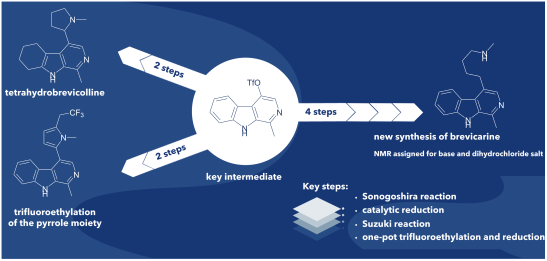
Beilstein J. Org. Chem. 2025, 21, 955–963, doi:10.3762/bjoc.21.79
Graphical Abstract
Figure 1: The structure of brevicolline ((S)-1) and brevicarine (2).
Scheme 1: Synthesis of racemic brevicolline ((±)-1) starting from 1-methyl-9H-β-carbolin-4-yl trifluoromethan...
Scheme 2: Synthesis of brevicarine (2) from brevicolline ((S)-1).
Scheme 3: First total synthesis of brevicarine (2).
Scheme 4: Multistep synthesis of brevicarine (2) starting from nitrovinylindole 19.
Scheme 5: New synthesis variants for the preparation of brevicarine alkaloid (2) and its synthetic derivative ...
Scheme 6: Preparation of carbamate 28 and subsequent reduction with LiAlH4.
Scheme 7: Experiments for the synthesis of racemic brevicolline ((±)-1), and formation of unexpected products....
Figure 2: X-ray structure of compound 31.
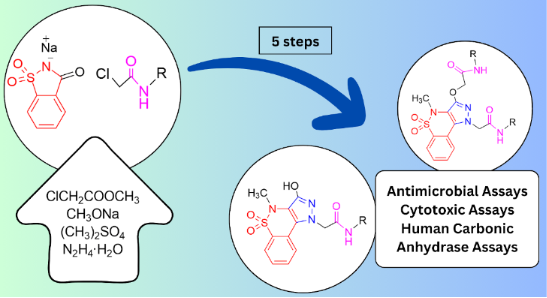
Beilstein J. Org. Chem. 2025, 21, 348–357, doi:10.3762/bjoc.21.25
Graphical Abstract
Figure 1: An overview of previously synthesized 1,2-benzothiazines [36-39].
Scheme 1: General scheme for the synthesis of pyrazolo-1,2-benzothiazine-N-aryl/benzyl/cyclohexylacetamide.
Figure 2: An example of contrasting 1H NMR signals for monoalkylated (7a) and dialkylated (7l) derivatives, (...
Beilstein J. Org. Chem. 2024, 20, 3151–3173, doi:10.3762/bjoc.20.261
Graphical Abstract
Figure 1: Classical MCRs.
Figure 2: Different scaffolds that can be formed with the Ugi adduct.
Scheme 1: Oxoindole-β-lactam core produced in a U4C-3CR.
Figure 3: Most active oxoindole-β-lactam compounds developed by Brãndao et al. [33].
Scheme 2: Ugi-azide synthesis of benzofuran, pyrazole and tetrazole hybrids.
Figure 4: The most promising hybrids synthesized via the Ugi-azide multicomponent reaction reported by Kushwa...
Scheme 3: Four-component Ugi reaction for the synthesis of novel antioxidant compounds.
Figure 5: Most potent antioxidant compounds obtained through the Ugi four-component reaction developed by Pac...
Scheme 4: Four-component Ugi reaction to synthesize β-amiloyd aggregation inhibitors.
Figure 6: The most potential β-amiloyd aggregation inhibitors generated by Galante et al. [37].
Scheme 5: Four-component Ugi reaction to obtain FATH hybrids and the best candidate synthesized.
Scheme 6: Four-component Ugi reaction for the synthesis of FATMH hybrids and the best candidate synthesized.
Scheme 7: Petasis multicomponent reaction to produce pyrazine-based MTDLs.
Figure 7: Best pyrazine-based MTDLs synthesized by Madhav et al. [40].
Scheme 8: Synthesis of BCPOs employing a Knoevenagel-based multicomponent reaction and the best candidate syn...
Scheme 9: Hantzsch multicomponent reaction for the synthesis of DHPs as novel MTDLs.
Figure 8: Most active 1,4-dihydropyridines developed by Malek et al. [43].
Scheme 10: Chromone–donepezil hybrid MTDLs obtained via the Passerini reaction.
Figure 9: Best CDH-based MTDLs as AChE inhibitors synthesized by Malek et al. [46].
Scheme 11: Replacement of the nitrogen in lactams 11 with an oxygen in 12 to influence hydrogen-bond donating ...
Scheme 12: MCR 3 + 2 reaction to develop spirooxindole, spiroacenaphthylene, and bisbenzo[b]pyran compounds.
Figure 10: SIRT2 activity of best derivatives obtained by Hasaninejad et al. [49].
Scheme 13: Synthesis of ML192 analogs using the Gewald multicomponent reaction and the best candidate synthesi...
Scheme 14: Development of 1,5-benzodiazepines via Ugi/deprotection/cyclization (UDC) approach by Xu et al. [59].
Scheme 15: Synthesis of polysubstituted 1,4-benzodiazepin-3-ones using UDC strategy.
Scheme 16: Synthetic procedure to obtain 3-carboxamide-1,4-benzodiazepin-5-ones employing Ugi–reduction–cycliz...
Scheme 17: Ugi cross-coupling (U-4CRs) to synthesize triazolobenzodiazepines.
Scheme 18: Azido-Ugi four component reaction cyclization to obtain imidazotetrazolodiazepinones.
Scheme 19: Synthesis of oxazolo- and thiazolo[1,4]benzodiazepine-2,5-diones via Ugi/deprotection/cyclization a...
Scheme 20: General synthesis of 2,3-dichlorophenylpiperazine-derived compounds by the Ugi reaction and Ugi/dep...
Figure 11: Best DRD2 compounds synthesized using a multicomponent strategy.
Scheme 21: Bucherer–Bergs multicomponent reaction to obtain a key intermediate in the synthesis of pomaglumeta...
Scheme 22: Ugi reaction to synthesize racetam derivatives and example of two racetams synthesized by Cioc et a...
Beilstein J. Org. Chem. 2024, 20, 3077–3084, doi:10.3762/bjoc.20.256
Graphical Abstract
Scheme 1: Synthetic approaches to obtain the 1,5-disubstituted tetrazole-indole system and our synthetic appr...
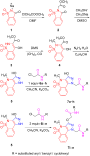
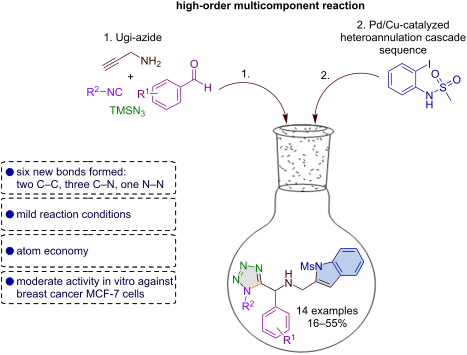
Scheme 2: High-order multicomponent reaction for the synthesis of 1,5-disubstituted tetrazol-methanesulfonyli...
Scheme 3: Plausible reaction mechanism for the synthesis of target molecules 18a–n.
Figure 1: Differential effect of the 1,5-disubstituted tetrazole-indole hybrid compounds 18a–j on proliferati...
Beilstein J. Org. Chem. 2024, 20, 2655–2667, doi:10.3762/bjoc.20.223
Graphical Abstract
Figure 1: Some 2-hydroxybenzophenone derivatives with varied activities.
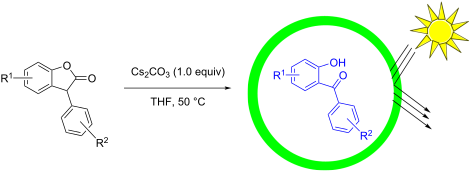
Figure 2: Decarbonylation–oxidation of lactones.
Scheme 1: Synthesis of 3-arylbenzofuran-2(3H)-ones.
Scheme 2: Synthesis of 2-hydroxybenzophenones.
Figure 3: The ORTEP view of the compounds 4ja, 4fb, and 4ma.
Scheme 3: Gram-scale experiment.
Scheme 4: Control experiments.
Figure 4: Partial 1H NMR spectra of the aliquots (taken at different time intervals) from the reaction mixtur...
Figure 5: Plausible mechanism for the transition-metal-free decarbonylation–oxidation.
Figure 6: UV–vis absorption spectra of selected synthesized compounds 4aa, 4cb, 4eb, and 4fb from 225–500 nm.
Beilstein J. Org. Chem. 2024, 20, 2599–2607, doi:10.3762/bjoc.20.219
Graphical Abstract
Figure 1: Derivatives of 6-methyluracil and 2-hydroxypyridine demonstrating pharmacological activity: 5-hydro...
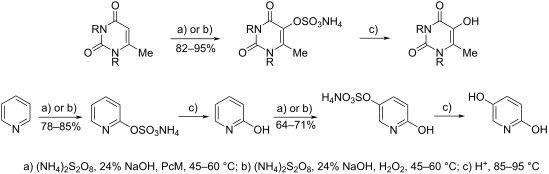
Scheme 1: Peroxydisulfate oxidation of 6-methyluracil and 1,3,6-trimethyluracil. Сonditions: a) (NH4)2S2O8, 2...
Scheme 2: Peroxydisulfate oxidation of pyridine and 2-hydroxypyridine. Сonditions: a) (NH4)2S2O8, 24% NaOH, 4...
Scheme 3: Potential mechanism of peroxydisulfate oxidation of 6-methyluracil and 1,3,6-trimethyluracil.
Beilstein J. Org. Chem. 2024, 20, 2378–2391, doi:10.3762/bjoc.20.202
Graphical Abstract
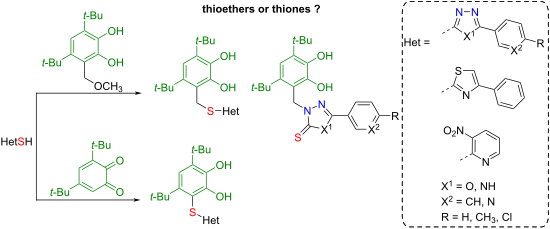
Scheme 1: Synthesis of catechol-containing compounds 1–9.
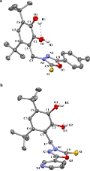
Figure 1: The X-ray structure of catechol 5 (the thermal ellipsoids of 50% probability). The hydrogen atoms e...
Figure 2: The X-ray structures of catechols 6 (a) and 8 (b) (the thermal ellipsoids of 50% probability). The ...
Figure 3: Fragment of the pack of catechol 5 in crystal (the H-bonds and π–π interactions are shown as dotted...
Figure 4: The interactions in pair of independent molecules A and B of 6 in crystal 6·0.5CH3CN (the H-bonds a...
Figure 5: Fragment of the pack of catechol 8 in crystal (the H-bonds and π–π interactions are shown as dotted...
Scheme 2: Electrochemical transformations of compounds 1–3.
Figure 6: The CV curve of 2 at the potential range from −0.50 to 1.60 V (CH3CN, GC electrode, Ag/AgCl/KCl(sat...
Figure 7: The CV curves of 3 at the potential ranges from –0.5 to 1.2 V (curve 1); from –0.5 to 2.0 V (curve ...
Figure 8: The CV curves of 7 at the potential ranges from –0.5 to 1.3 V (curve 1); from –0.5 to 1.8 V (curve ...
Scheme 3: Proposed mechanism of an electrooxidation of compounds 6–8.
Figure 9: The level of TBARS in rat liver homogenates in vitro, in the presence of compounds 1–9, Trolox, and...
Beilstein J. Org. Chem. 2024, 20, 2171–2207, doi:10.3762/bjoc.20.187
Graphical Abstract
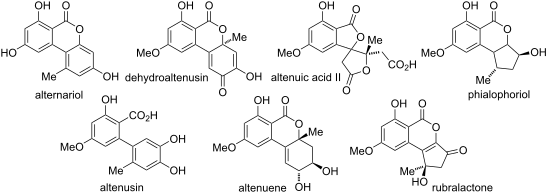
Figure 1: Examples of compounds covered in this review categorized in six sub-classes (see text).
Figure 2: Examples of compounds not covered in this review.
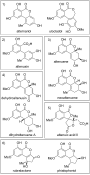
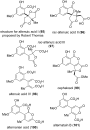
Figure 3: Wrongly assigned and thus obsolete structures (details will be discussed in the respective chapters...
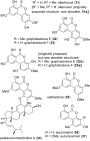
Figure 4: Alternariol with the correct IUPAC numbering and an occasionally used numbering based on the biphen...
Figure 5: Alternariol O-methyl ethers.
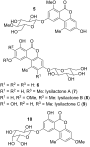
Figure 6: Alternariol O-glycosides.
Figure 7: Alternariol O-acetates and O-sulfates.
Figure 8: 2-Hydroxy- and 4-hydroxy-substituted alternariol and its O-methyl ethers.
Figure 9: Chloro- and amino-substituted alternariol and its O-methyl ethers.
Figure 10: Presumed alternariol derivatives with non-canonical substitution pattern.
Figure 11: Alternariol derivatives with the 1-methyl group hydroxylated.
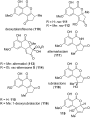
Figure 12: Verrulactones: pseudo-dimeric derivatives of altertenuol and related compounds.
Figure 13: Biaryls formed by reductive lactone opening and/or by decarboxylation.
Figure 14: Altenuene and its diastereomers.
Figure 15: 9-O-Demethylated altenuene diastereomers.
Figure 16: Acetylated and methylated altenuene diastereomers.
Figure 17: Altenuene diastereomers modified with lactic acid, pyruvic acid, or acetone.
Figure 18: Neoaltenuene and related compounds.
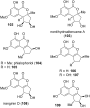
Figure 19: Dehydroaltenusin and its derivatives.
Scheme 1: Equilibrium of dehydroaltenusin in polar solvents [278].
Figure 20: Further quinoid derivatives.
Figure 21: Dehydroaltenuenes.
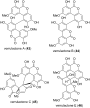
Figure 22: Complex aggregates containing dehydroaltenuene substructures and related compounds.
Figure 23: Dihydroaltenuenes.
Figure 24: Altenuic acids and related compounds.
Figure 25: Cyclopentane- and cyclopentene-fused derivatives.
Figure 26: Cyclopentenone-fused derivatives.
Figure 27: Spiro-fused derivatives and a related ring-opened derivative.
Figure 28: Lactones-fused and lactone-substituted derivatives.
Scheme 2: Biosynthesis of alternariol [324].
Scheme 3: Biosynthesis of alternariol and its immediate successors with the genes involved in the respective ...
Scheme 4: Presumed formation of altenuene and its diastereomers and of botrallin.
Scheme 5: Presumed formation of altenuic acids and related compounds.
Scheme 6: A selection of plausible biosynthetic paths to cyclopenta-fused metabolites. (No stereochemistry is...
Scheme 7: Biomimetic synthesis of alternariol (1) by Harris and Hay [66].
Scheme 8: Total synthesis of alternariol (1) by Subba Rao et al. using a Diels–Alder approach [34].
Scheme 9: Total synthesis of alternariol (1) using a Suzuki strategy by Koch and Podlech [62], improved by Kim et...
Scheme 10: Total synthesis of alternariol (1) using an intramolecular biaryl coupling by Abe et al. [63].
Scheme 11: Total synthesis of altenuene (54) and isoaltenuene (55) by Podlech et al. [249].
Scheme 12: Total synthesis of neoaltenuene (69) by Podlech et al. [35].
Scheme 13: Total synthesis of TMC-264 (79) by Tatsuta et al. [185].
Scheme 14: Total synthesis of cephalosol (99) by Koert et al. [304].
Beilstein J. Org. Chem. 2024, 20, 2143–2151, doi:10.3762/bjoc.20.184
Graphical Abstract
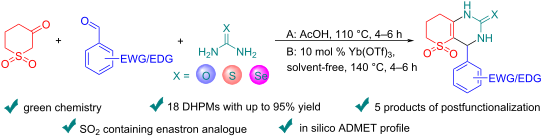
Scheme 1: The general Biginelli reaction (A) and examples of DHMP (B) and thiopyran-1,1-dioxide (C) containin...
Figure 1: Number of aryl-substituted Biginelli-type products and publications as analyzed by Reaxys database....
Scheme 2: Scope of the obtained Biginelli products 2a–q.
Scheme 3: Synthesis of SO2-containing enastron analogue 2r.
Scheme 4: Postmodification of the Biginelli product 2a.
Figure 2: Distribution of compounds 2a–r, 3–7 (log P (y)–MW (x)) through LLAMA software. The chemical structu...
Beilstein J. Org. Chem. 2024, 20, 1880–1893, doi:10.3762/bjoc.20.163
Graphical Abstract
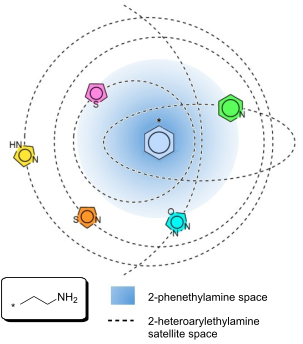
Scheme 1: Description of the 2-heteroarylethylamine scope of the present review featuring appropriate heteroa...
Scheme 2: 2-Aminoethylpyridine derivatives with therapeutic activity.
Scheme 3: 2-Aminoethylfuran derivatives with therapeutic activity.
Scheme 4: 2-Aminoethylthiophene derivatives with therapeutic activity, part 1.
Scheme 5: 2-Aminoethylthiophene derivatives with therapeutic activity, part 2.
Scheme 6: 2-Aminoethylthiophene derivatives with therapeutic activity, part 3.
Scheme 7: 2-Aminoethylpyrrole derivatives with therapeutic activity.
Scheme 8: Histamine metabolic pathway.
Scheme 9: 2-Aminoethylimidazole derivatives with therapeutic activity, part 1. Krel is referred as histamine ...
Scheme 10: Conformationally restricted 2-aminoethylimidazole derivatives with therapeutic activity, part 2.
Scheme 11: 2-Aminoethylimidazole derivatives with therapeutic activity, part 3.
Scheme 12: 2-Aminoethylimidazole derivatives with therapeutic activity, part 4.
Scheme 13: 2-Aminoethylpyrazole derivatives with therapeutic activity.
Scheme 14: 2-Aminoethylisoxazole derivatives with therapeutic activity.
Scheme 15: 2-Aminoethylthiazole derivatives with therapeutic activity.
Scheme 16: 2-Aminoethyloxadiazole derivatives with therapeutic activity.
Scheme 17: 2-Aminoethyltriazole derivatives with therapeutic activity.
Scheme 18: 2-Aminoethyloxadiazole derivatives with therapeutic activity.
Beilstein J. Org. Chem. 2024, 20, 1635–1651, doi:10.3762/bjoc.20.146
Graphical Abstract
Figure 1: Oceanic distribution and marine holobiont sources of Microbulbifer strains described in the literat...
Figure 2: The chemical structure of agarose with the key β-1,4 linkage denoted.
Figure 3: The chemical structure of the biopolymer alginate.
Figure 4: The chemical structure of chitin.
Figure 5: Chemical structures of sulfated polysaccharides κ-, ι-, and λ-carrageenans.
Figure 6: Chemical structures of 4HBA (1) and parabens (2–14) isolated from Microbulbifer strains, and synthe...
Figure 7: Chemical structures of nucleosides 18–20 isolated from Microbulbifer strains.
Figure 8: Chemical structures of alkaloids 21–24 isolated from Microbulbifer strains.
Figure 9: Chemical structures of (2Z,4E)-3-methyl-2,4-decadienoic acid (25) and 4-BP (26) natural products is...
Figure 10: Chemical structures of bulbiferamides 27–30 and pseudobulbiferamides 31–35.
Figure 11: Proposed NRPS assembly lines for the biosynthesis of (A) bulbiferamide A (27) and (B) pseudobulbife...
Figure 12: Chemical structures of 2-heptyl-1H-quinolin-4-one (36, HHQ), 2-heptyl-1-hydroxyquinolin-4-one (37, ...
Beilstein J. Org. Chem. 2024, 20, 1468–1475, doi:10.3762/bjoc.20.130
Graphical Abstract
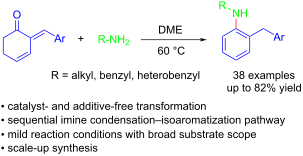
Scheme 1: Synthesis of aniline derivatives from 2-cyclohexenones or derivatives thereof.
Scheme 2: Synthesis of (E)-2-arylidene-3-cyclohexenones 2.
Scheme 3: Substrate scope of (E)-2-arylidene-3-cyclohexenones 2. Conditions: reactions were conducted with 2a...
Scheme 4: Substrate scope of primary amines 3. Conditions: reactions conducted with 2 (0.2 mmol) and 3b–y (2....
Scheme 5: Gram-scale reaction and successive one-pot synthesis.
Scheme 6: Synthetic manipulation.
Beilstein J. Org. Chem. 2024, 20, 1453–1461, doi:10.3762/bjoc.20.128
Graphical Abstract
Figure 1: Representative pyrazoles with pharmacological activities and S/Se-containing pharmaceutical molecul...
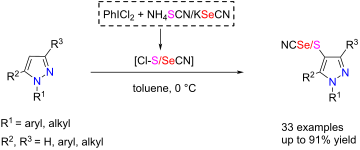
Scheme 1: Approaches for thio/selenocyanation of the pyrazole skeleton.
Scheme 2: PhICl2/NH4SCN-mediated thiocyanation of pyrazoles. Reaction conditions: under N2 atmosphere, a mixt...
Scheme 3: PhICl2/KSeCN-mediated selenocyanation of pyrazoles. Reaction conditions: under N2 atmosphere, a mix...
Scheme 4: Gram-scale synthesis of compounds 2a and 3a and their derivatization.
Scheme 5: Plausible reaction mechanism.
Beilstein J. Org. Chem. 2024, 20, 741–752, doi:10.3762/bjoc.20.68
Graphical Abstract
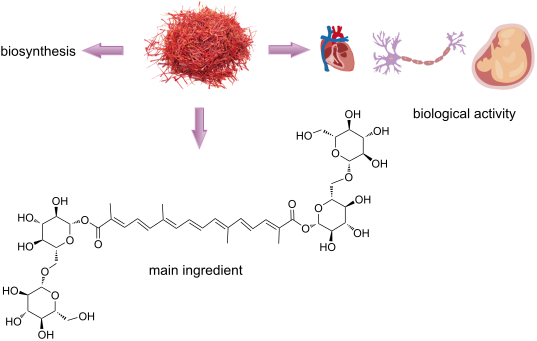
Figure 1: Principal structure of crocin and crocetin derivatives, including common substituents of the crocet...
Figure 2: The pharmacological activity and mechanisms of action of crocins.
Figure 3: Crocin biosynthetic pathways in C. sativus and G. jasminoides. Enzyme abbreviations are as follows:...
Beilstein J. Org. Chem. 2024, 20, 597–606, doi:10.3762/bjoc.20.52
Graphical Abstract
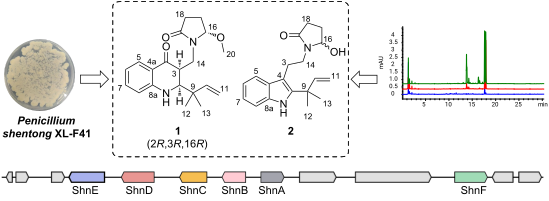
Figure 1: HPLC analysis of small-scale fermentation with different media. More details of media, XISR I and X...
Figure 2: Chemical structures of compounds 1–12.
Figure 3: Key 2D NMR correlations of compounds 1–3.
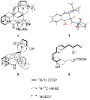
Figure 4: Experimental and calculated ECD spectra at the CAM-B3LYP/6-311G(d,p) level of theory for compound 1....
Figure 5: Biosynthetic exploration of compounds 1 and 2. A: The schematic presents the biosynthetic gene clus...
Beilstein J. Org. Chem. 2024, 20, 497–503, doi:10.3762/bjoc.20.44
Graphical Abstract
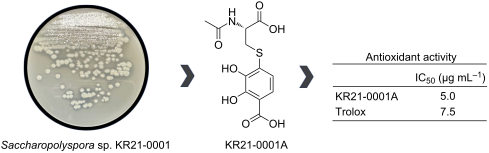
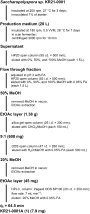
Figure 1: Neighbor-joining tree based on 16S rRNA gene sequences between KR21-0001 and members of the genus S...
Scheme 1: Fermentation of Saccharopolyspora sp. KR21-0001 and isolation procedure of KR21-0001A (1).
Figure 2: Structure of KR21-0001A (1). (a) 1H,1H COSY and HMBC correlations and (b) absolute configuration.
Beilstein J. Org. Chem. 2023, 19, 1537–1544, doi:10.3762/bjoc.19.110
Graphical Abstract
Figure 1: Examples of rhodanines and related five-membered heterocycles with interesting biological activitie...
Scheme 1: Synthesis of 5-benzylidenerhodanine derivatives. Conditions: areaction performed for 3 h at 60 °C. b...
Beilstein J. Org. Chem. 2023, 19, 1511–1524, doi:10.3762/bjoc.19.108
Graphical Abstract
Figure 1: Zones of inhibition for 1 mg of evaporated methanolic (MeOH) extracts from various parts of the A. ...
Scheme 1: General route to berberine variants, displaying the numbering system for the berberine ring.
Scheme 2: Synthesis of new berberine variants. Reductive amination to a secondary amine was followed by cycli...
Figure 2: X-ray crystal structures of the oxidation byproducts a) B4 (CCDC 2271457) and b) B6 (CCDC 2271458; ...
Scheme 3: Direct modification of the original berberine structure.
Scheme 4: Preparation of non-cyclic charged variants of B1.
Scheme 5: Partial reduction of compound B1 to B14.
Figure 3: Kirby–Bauer zones of inhibition for all variants B1–B14 compared to original berberine (B). Mean zo...
Scheme 6: Synthesis of the substituted 2-bromoaminonaphthalenes 9 and 10.
Scheme 7: Completion of the synthesis of variants C1–C4.
Figure 4: Kirby–Bauer zones of inhibition for variants C1–C4 compared to original chelerythrine (C). Mean zon...
Figure 5: Effects of original berberine and all variants against T84 human colon cancer cells. Cells were tre...
Figure 6: Effects of original chelerythrine and all variants against T84 human colon cancer. Cells were treat...
Beilstein J. Org. Chem. 2023, 19, 1299–1369, doi:10.3762/bjoc.19.96
Graphical Abstract
Figure 1: Chemical structure of some natural ether lipids (ELs).
Figure 2: Synthesis of lyso-PAF and PAF from 1-O-alkylglycerol [64].
Figure 3: Synthesis of lyso-PAF from 1,3-benzylideneglycerol 3.1 [69].
Figure 4: A) Synthesis of the two enantiomers of octadecylglycerol (4.6 and 4.10) from ᴅ-mannitol (4.1); B) s...
Figure 5: Four-step synthesis of PAF 5.6 from (S)-glycidol [73].
Figure 6: Synthesis of 1-O-alkylglycerol A) from solketal, B) from ᴅ- or ʟ-tartaric acid and the intermediate ...
Figure 7: Synthesis of EL building blocks starting from substituted glycidol 7.1a–c [82].
Figure 8: Synthesis of PAF 8.5 by using phosphoramidite 8.2 [86].
Figure 9: Synthesis of oleyl-PAF 9.7 from ʟ-serine [88].
Figure 10: Synthesis of racemic analogues of lyso-PAF 10.8 and PAF 10.9 featuring a phenyl group between the g...
Figure 11: Synthesis of racemic deoxy-lyso-PAF 11.7 and deoxy-PAF 11.8 [91].
Figure 12: Synthesis of racemic thio-PAF 12.8 [93].
Figure 13: Racemic synthesis of 13.6 to illustrate the modification of the glycerol backbone by adding a methy...
Figure 14: Racemic synthesis of 14.5 as an illustration of the introduction of methyl substituents on the glyc...
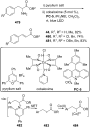
Figure 15: Synthesis of functionalized sn-2-acyl chains of PC-EL; A) Steglich esterification or acylation reac...
Figure 16: Synthesis of racemic mc-PAF (16.3), a carbamate analogue of PAF [102].
Figure 17: A) Synthesis of (R)-17.2 and (S)-17.6 starting from (S)-solketal (17.1); B) synthesis of N3-PAF (17...
Figure 18: Modification of the phosphocholine polar head to produce PAF analogues [81].
Figure 19: Racemic PAF analogues 19.3 and 19.5 characterized by the absence of the phosphate group [107].
Figure 20: Synthesis of PIP3-PAF (20.7) [108].
Figure 21: Large-scale synthesis of C18-edelfosine (21.8) [116].
Figure 22: Synthesis of C16-edelfosine (22.10) starting from isopropylidene-ʟ-glyceric acid methyl ester (22.1...
Figure 23: Phosphocholine moiety installation by the use of chlorophosphite 23.2 as key reagent [119].
Figure 24: Synthesis of rac-1-alkyl-2-O-methylglycerol (AMG) [120].
Figure 25: Synthesis of stereocontrolled 1-alkyl-2-O-methyl glycerol 25.9 (AMG) from dimethyl ᴅ-tartrate [81].
Figure 26: A) Racemic synthesis of thioether 26.4 [129,130], B) structure of sulfone analogue 26.5 [129].
Figure 27: Stereocontrolled synthesis of C18-edelfosine thioether analogue 27.8 [118].
Figure 28: Synthesis of thioether 28.4 that include a thiophosphate function [134].
Figure 29: Synthesis of ammonium thioether 29.4 and 29.6 [135].
Figure 30: Synthesis of the N-methylamino analogue of edelfosine 30.6 (BN52211) [138].
Figure 31: Synthesis of 1-desoxy analogues of edelfosine; A) with a saturated alkyl chain; B) synthesis of the...
Figure 32: Stereocontrolled synthesis of edelfosine analogue (S)-32.8 featuring a C18:1 lipid chain [142].
Figure 33: Synthesis of edelfosine analogues with modulation of the lipid chain; A) illustration with the synt...
Figure 34: Synthesis of phospholipid featuring a carbamate function to link the lipid chain to the glycerol un...
Figure 35: Synthesis of sesquiterpene conjugates of phospho glycero ether lipids [148].
Figure 36: Racemic synthesis of methyl-substituted glycerol analogues 36.7 and 36.10: A) synthesis of diether ...
Figure 37: Racemic synthesis of ilmofosine (37.6) [155,156].
Figure 38: A) Stereoselective synthesis of 38.5 via a stereoselective hydroboration reaction; B) synthesis of ...
Figure 39: Racemic synthesis of SRI62-834 (39.6) featuring a spiro-tetrahydrofurane heterocycle in position 2 ...
Figure 40: Racemic synthesis of edelfosine analogue 40.5 featuring an imidazole moiety in sn-2 position [160].
Figure 41: Racemic synthesis of fluorine-functionalized EL: A) Synthesis of 41.6 and B) synthesis of 41.8 [161-163].
Figure 42: A) Synthesis of the β-keto-ester 42.6 that also features a decyl linker between the phosphate and t...
Figure 43: Synthesis of phosphonate-based ether lipids; A) edelfosine phosphonate analogue 43.7 and B) thioeth...
Figure 44: Enantioselective synthesis of phosphonates 44.3 and 44.4 [171].
Figure 45: Racemic synthesis of phosphinate-based ether lipid 45.10 [172].
Figure 46: Racemic synthesis of edelfosine arsonium analogue 46.5 [173].
Figure 47: Synthesis of edelfosine dimethylammonium analogue 47.2 [118].
Figure 48: Synthesis of rac-C18-edelfosine methylammonium analogue 48.4 [176].
Figure 49: A) Synthesis of edelfosine N-methylpyrrolidinium analogue 49.2 or N-methylmorpholinium analogue 49.3...
Figure 50: A) Synthesis of edelfosine’s analogue 50.4 with a PE polar group; B) illustration of a pyridinium d...
Figure 51: A) Synthesis of 51.4 featuring a thiazolium cationic moiety; B) synthesis of thiazolium-based EL 51...
Figure 52: Synthesis of cationic ether lipids 52.3, 52.4 and 52.6 [135,183].
Figure 53: Synthesis of cationic carbamate ether lipid 53.5 [184].
Figure 54: Synthesis of cationic sulfonamide 54.5 [185].
Figure 55: Chemical structure of ONO-6240 (55.1) and SRI-63-119 (55.2).
Figure 56: Synthesis of non-ionic ether lipids 56.2–56.9 [188].
Figure 57: Synthesis of ether lipid conjugated to foscarnet 57.6 [189].
Figure 58: A) Synthesis of ether lipid conjugated to arabinofuranosylcytosine; B) synthesis of AZT conjugated ...
Figure 59: Synthesis of quercetin conjugate to edelfosine [191].
Figure 60: Synthesis of 60.8 (Glc-PAF) [194].
Figure 61: A) Synthesis of amino ether lipid 61.7 functionalized with a rhamnose unit and its amide analogue 6...
Figure 62: A) Synthesis of glucose ether lipid 62.4; B) structure of ether lipid 62.5 possessing a maltose uni...
Figure 63: A) Synthesis of glucuronic methyl ester 63.8; B) structure of cellobiose 63.9 and maltose 63.10 ana...
Figure 64: A) Synthesis of maltosyl glycerolipid 64.7; B) structure of lactose analogue 64.8 prepared followin...
Figure 65: A) Asymmetric synthesis of the aglycone moiety starting from allyl 4-methoxyphenyl ether; B) glycos...
Figure 66: A) Synthesis of ohmline possessing a lactose moiety. B) Structure of other glyco glycero lipids pre...
Figure 67: A) Synthesis of lactose-glycerol ether lipid 67.5; B) analogues possessing a maltose (67.6) or meli...
Figure 68: Synthesis of digalactosyl EL 68.6, A) by using trityl, benzyl and acetyl protecting groups, B) by u...
Figure 69: A) Synthesis of α-ohmline; B) structure of disaccharide ether lipids prepared by using similar meth...
Figure 70: Synthesis of lactose ether lipid 70.3 and its analogue 70.6 featuring a carbamate function as linke...
Figure 71: Synthesis of rhamnopyranoside diether 71.4 [196].
Figure 72: Synthesis of 1-O-hexadecyl-2-O-methyl-3-S-(α-ᴅ-1'-thioglucopyranosyl)-sn-glycerol (72.5) [225].
Figure 73: A) Preparation of lipid intermediate 73.4; B) synthesis of 2-desoxy-C-glycoside 73.10 [226].
Figure 74: Synthesis of galactose-pyridinium salt 74.3 [228].
Figure 75: Synthesis of myo-inositol derivative Ino-C2-PAF (75.10) [230].
Figure 76: A) Synthesis of myo-inositol phosphate building block 76.7; B) synthesis of myo-inositolphosphate d...
Figure 77: A) Synthesis of phosphatidyl-3-desoxy-inositol 77.4; B) synthesis of phosphono-3-desoxyinositol 77.9...
Figure 78: A) Structure of diether phosphatidyl-myo-inositol-3,4-diphosphate 78.1; B) synthesis of phosphatidy...
Figure 79: A) Synthesis of diether-phosphatidyl derivative 79.4 featuring a hydroxymethyl group in place of a ...
Figure 80: Synthesis of Glc-amine-PAF [78].
Figure 81: Synthesis of glucosamine ether lipid 81.4 and its analogues functionalized in position 3 of the ami...
Figure 82: Synthesis of fully deprotected aminoglucoside ether lipid 82.5 [246].
Figure 83: Synthesis of C-aminoglycoside 83.12 using Ramberg–Bäcklund rearrangement as a key step [250].
Figure 84: A) List of the most important glyco lipids and amino glyco lipids included in the study of Arthur a...
Figure 85: Synthesis of mannosamine ether lipid 85.6 [254].
Figure 86: A) Synthesis of glucosamine ether lipids with a non-natural ʟ-glucosamine moiety; B) synthesis of e...
Figure 87: A) Structure of the most efficient anticancer agents 87.1–87.4 featuring a diamino glyco ether lipi...
Figure 88: A) Synthesis of diamino glyco ether lipid 87.4; B) synthesis of bis-glycosylated ether lipid 88.10 [256]....
Figure 89: Synthesis of triamino ether lipid 89.4 [260].
Figure 90: Synthesis of chlorambucil conjugate 90.7 [261].
Figure 91: Three main methods for the preparation of glycerol ether lipid 91.3; A) from solketal and via a tri...
Figure 92: Four different methods for the installation of the phosphocholine polar head group; A) method using...
Figure 93: Illustration of two methods for the installation of saccharides or aminosaccharides; A) O-glycosyla...
Beilstein J. Org. Chem. 2023, 19, 1259–1288, doi:10.3762/bjoc.19.94
Graphical Abstract
Scheme 1: Research progress of coupling reactions and active compounds containing α-C(sp3)-functionalized eth...
Scheme 2: Transition-metal-catalyzed CDC pathways.
Scheme 3: CDC of active methylene compounds in the α-C(sp3) position of ethers.
Scheme 4: InCl3/Cu(OTf)2/NHPI co-catalyzed CDC reaction.
Scheme 5: CDC of cyclic benzyl ethers with aldehydes.
Scheme 6: Cu-catalyzed CDC of (a) unactivated C(sp3)–H ethers with simple ketones and (b) double C(sp3)−H fun...
Scheme 7: Cu-catalyzed CDC of C(sp3)–H/C(sp3)–H bonds.
Scheme 8: Cu-catalyzed synthesis of chiral 2-substituted tetrahydropyrans.
Scheme 9: CDC of thiazole with cyclic ethers.
Scheme 10: Cu(I)-catalyzed oxidative alkenylation of simple ethers.
Scheme 11: Cross-dehydrogenation coupling of isochroman C(sp3)–H bonds with anisole C(sp2)–H bonds.
Scheme 12: Pd(OAc)2/Cu(OTf)2-catalyzed arylation of α-C(sp3)–H bonds of ethers.
Scheme 13: Cu-catalyzed C(sp3)–H/C(sp2)–H activation strategies to construct C(sp3)–C(sp2) bonds.
Scheme 14: Cu(I)-catalyzed C(sp2)–H alkylation.
Scheme 15: Cu-catalyzed C(sp3)–H/C(sp)–H activation to construct C(sp3)–C(sp) bonds (H2BIP: 2,6-bis(benzimidaz...
Scheme 16: Fe-catalyzed CDC reaction pathways.
Scheme 17: Fe2(CO)9-catalyzed functionalization of C–H bonds.
Scheme 18: Ligand-promoted Fe-catalyzed CDC reaction of N-methylaniline with ethers.
Scheme 19: Fe-catalyzed CDC of C(sp3)–H/C(sp3)–H bonds.
Scheme 20: Fe-catalyzed hydroalkylation of α,β-unsaturated ketones with ethers.
Scheme 21: Solvent-free Fe(NO3)3-catalyzed CDC of C(sp3)–H/C(sp2)–H bonds.
Scheme 22: Alkylation of disulfide compounds to afford tetrasubstituted alkenes.
Scheme 23: Fe-catalyzed formation of 1,1-bis-indolylmethane derivatives.
Scheme 24: Alkylation of coumarins and flavonoids.
Scheme 25: Direct CDC α-arylation of azoles with ethers.
Scheme 26: CDC of terminal alkynes with C(sp3)–H bonds adjacent to oxygen, sulfur or nitrogen atoms.
Scheme 27: Alkylation of terminal alkynes.
Scheme 28: Co-catalyzed functionalization of glycine esters.
Scheme 29: Co-catalyzed construction of C(sp2)–C(sp3) bonds.
Scheme 30: Co-catalyzed CDC of imidazo[1,2-a]pyridines with isochroman.
Scheme 31: Co-catalyzed C–H alkylation of (benz)oxazoles with ethers.
Scheme 32: Cobalt-catalyzed CDC between unactivated C(sp2)–H and C(sp3)–H bonds.
Scheme 33: MnO2-catalyzed CDC of the inactive C(sp3)-H.
Scheme 34: Oxidative cross-coupling of ethers with enamides.
Scheme 35: Ni(II)-catalyzed CDC of indoles with 1,4-dioxane.
Scheme 36: Chemo- and regioselective ortho- or para-alkylation of pyridines.
Scheme 37: Asymmetric CDC of 3,6-dihydro-2H-pyrans with aldehydes.
Scheme 38: CDC of heterocyclic aromatics with ethers.
Scheme 39: Indium-catalyzed alkylation of DHPs with 1,3-dicarbonyl compounds.
Scheme 40: Rare earth-metal-catalyzed CDC reaction.
Scheme 41: Visible-light-driven CDC of cycloalkanes with benzazoles.
Scheme 42: Photoinduced alkylation of quinoline with cyclic ethers.
Scheme 43: Photocatalyzed CDC reactions between α-C(sp3)–H bonds of ethers and C(sp2)–H bonds of aromatics.
Beilstein J. Org. Chem. 2023, 19, 998–1007, doi:10.3762/bjoc.19.75
Graphical Abstract
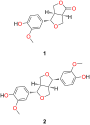
Figure 1: Structures of compounds 1–10.
Figure 2: Key 1H,1H-COSY and HMBC correlations for 1–5.
Figure 3: Key ROESY correlations for 2–5.
Figure 4: The calculated and experimental ECD spectra of 1–5.
Beilstein J. Org. Chem. 2023, 19, 928–955, doi:10.3762/bjoc.19.71
Graphical Abstract
Figure 1: Various pyrrole containing molecules.
Scheme 1: Various synthestic protocols for the synthesis of pyrroles.
Figure 2: A tree-diagram showing various conventional and green protocols for Clauson-Kaas pyrrole synthesis.
Scheme 2: A general reaction of Clauson–Kaas pyrrole synthesis and proposed mechanism.
Scheme 3: AcOH-catalyzed synthesis of pyrroles 5 and 7.
Scheme 4: Synthesis of N-substituted pyrroles 9.
Scheme 5: P2O5-catalyzed synthesis of N-substituted pyrroles 11.
Scheme 6: p-Chloropyridine hydrochloride-catalyzed synthesis of pyrroles 13.
Scheme 7: TfOH-catalyzed synthesis of N-sulfonylpyrroles 15, N-sulfonylindole 16, N-sulfonylcarbazole 17.
Scheme 8: Scandium triflate-catalyzed synthesis of N-substituted pyrroles 19.
Scheme 9: MgI2 etherate-catalyzed synthesis and proposed mechanism of N-arylpyrrole derivatives 21.
Scheme 10: Nicotinamide catalyzed synthesis of pyrroles 23.
Scheme 11: ZrOCl2∙8H2O catalyzed synthesis and proposed mechanism of pyrrole derivatives 25.
Scheme 12: AcONa catalyzed synthesis of N-substituted pyrroles 27.
Scheme 13: Squaric acid-catalyzed synthesis and proposed mechanism of N-substituted pyrroles 29.
Figure 3: Reusability of catalyst γ-Fe2O3@SiO2-Sb-IL in six cycles.
Scheme 14: Magnetic nanoparticle-supported antimony catalyst used in the synthesis of N-substituted pyrroles 31...
Scheme 15: Iron(III) chloride-catalyzed synthesis of N-substituted pyrroles 33.
Scheme 16: Copper-catalyzed Clauson–Kaas synthesis and mechanism of pyrroles 35.
Scheme 17: β-CD-SO3H-catalyzed synthesis and proposed mechanism of pyrroles 37.
Figure 4: Recyclability of β-cyclodextrin-SO3H.
Scheme 18: Solvent-free and catalyst-free synthesis and plausible mechanism of N-substituted pyrroles 39.
Scheme 19: Nano-sulfated TiO2-catalyzed synthesis of N-substituted pyrroles 41.
Figure 5: Plausible mechanism for the formation of N-substituted pyrroles catalyzed by nano-sulfated TiO2 cat...
Scheme 20: Copper nitrate-catalyzed Clauson–Kaas synthesis and mechanism of N-substituted pyrroles 43.
Scheme 21: Synthesis of N-substituted pyrroles 45 by using Co catalyst Co/NGr-C@SiO2-L.
Scheme 22: Zinc-catalyzed synthesis of N-arylpyrroles 47.
Scheme 23: Silica sulfuric acid-catalyzed synthesis of pyrrole derivatives 49.
Scheme 24: Bismuth nitrate-catalyzed synthesis of pyrroles 51.
Scheme 25: L-(+)-tartaric acid-choline chloride-catalyzed Clauson–Kaas synthesis and plausible mechanism of py...
Scheme 26: Microwave-assisted synthesis of N-substituted pyrroles 55 in AcOH or water.
Scheme 27: Synthesis of pyrrole derivatives 57 using a nano-organocatalyst.
Figure 6: Nano-ferric supported glutathione organocatalyst.
Scheme 28: Microwave-assisted synthesis of N-substituted pyrroles 59 in water.
Scheme 29: Iodine-catalyzed synthesis and proposed mechanism of pyrroles 61.
Scheme 30: H3PW12O40/SiO2-catalyzed synthesis of N-substituted pyrroles 63.
Scheme 31: Fe3O4@-γ-Fe2O3-SO3H-catalyzed synthesis of pyrroles 65.
Scheme 32: Mn(NO3)2·4H2O-catalyzed synthesis and proposed mechanism of pyrroles 67.
Scheme 33: p-TsOH∙H2O-catalyzed (method 1) and MW-assisted (method 2) synthesis of N-sulfonylpyrroles 69.
Scheme 34: ([hmim][HSO4]-catalyzed Clauson–Kaas synthesis of pyrroles 71.
Scheme 35: Synthesis of N-substituted pyrroles 73 using K-10 montmorillonite catalyst.
Scheme 36: CeCl3∙7H2O-catalyzed Clauson–Kaas synthesis of pyrroles 75.
Scheme 37: Synthesis of N-substituted pyrroles 77 using Bi(NO3)3∙5H2O.
Scheme 38: Oxone-catalyzed synthesis and proposed mechanism of N-substituted pyrroles 79.