Search results
Search for "atropisomers" in Full Text gives 33 result(s) in Beilstein Journal of Organic Chemistry.
Recent advances in the stereoselective synthesis of distal biaxially chiral molecules
Beilstein J. Org. Chem. 2026, 22, 461–479, doi:10.3762/bjoc.22.34
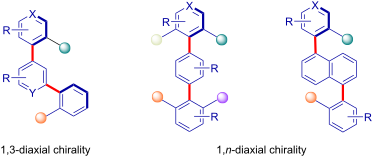
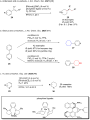
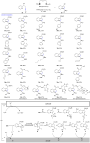
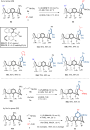
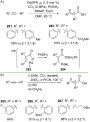
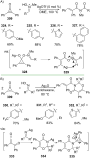
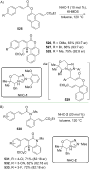
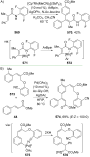
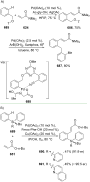
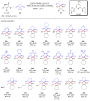
- a related development, our group reported an iridium-catalyzed asymmetric alkylation for the efficient construction of distal biaxial molecules 32 incorporating both C–C and C–N chiral axes (Scheme 8) [49]. The method delivered atropisomers in high yield and stereoselectivity. Moreover
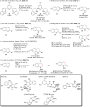
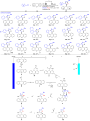
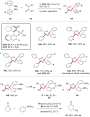
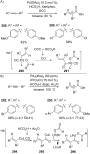
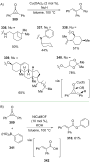
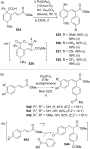
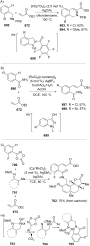
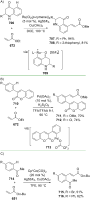
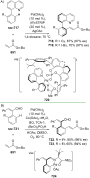
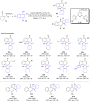
- axially chiral bridged teraryl molecules 34 (Scheme 9) [50]. This method provided access to biaxial bridged eight-membered terphenyl atropisomers with broad substrate scope, high yields, and operational simplicity under air. In parallel, Shi’s group developed a cobalt-catalyzed asymmetric synthesis of
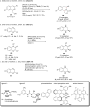
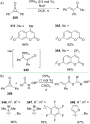
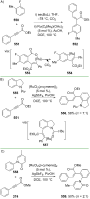
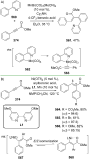
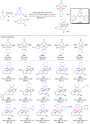
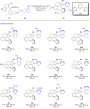
- biaxial terphenyl atropisomers with chlorinated and brominated variants to achieve high diastereo- and enantioselectivity. The process takes place via a two-step kinetic resolution. In 2021, Shi and co-workers reported a highly trans-selective synthesis of axially chiral styrenes 76 containing a


Spirobarbiturates with a pyrrolizidine moiety: synthesis, structure and biological evaluation
Beilstein J. Org. Chem. 2026, 22, 274–288, doi:10.3762/bjoc.22.20
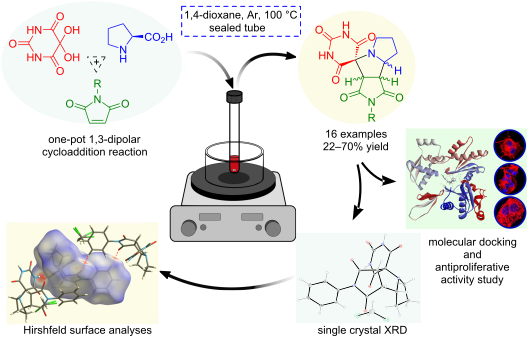
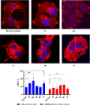
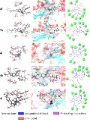
- spectrum of product 4p exhibited three doublet signals corresponding to the methine proton in a five-membered ring formed during cycloaddition. This observation indicated the formation of atropisomers in the 1,3-dipolar cycloaddition of N-(2-methoxyphenyl)maleimide (3p) which was previously reported by
- shifts as in the endo-isomers 4a–e. The CH4–CH6 protons of diastereomers 4f–p resonate as distinct separate signals. The formation of atropisomers 4p is evidenced by three distinct doublets in the 1H NMR spectrum at δ 4.29 ppm (J = 8.8 Hz), 4.49 ppm (J = 10.3 Hz), and 4.58 ppm (J = 10.3 Hz), assigned to




Total synthesis of natural products based on hydrogenation of aromatic rings
Beilstein J. Org. Chem. 2026, 22, 88–122, doi:10.3762/bjoc.22.4
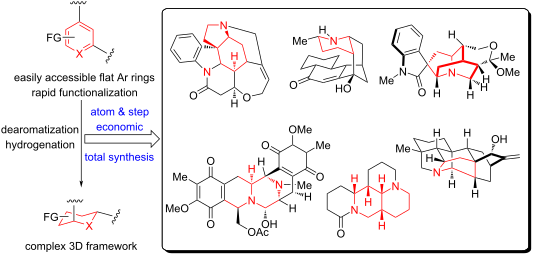
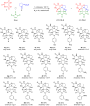
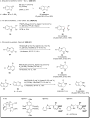
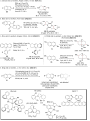
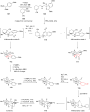
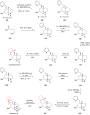
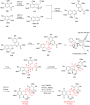
- atropisomers, which inspired a new strategy for achieving asymmetric hydrogenation. The authors proposed that the two atropisomers exhibit different reactivity and selectivity under catalytic conditions, enabling a process of kinetic resolution. More importantly, they envisioned that this inherent resolution










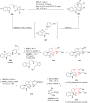

Catalytic enantioselective synthesis of selenium-containing atropisomers via C–Se bond formations
Beilstein J. Org. Chem. 2025, 21, 2447–2455, doi:10.3762/bjoc.21.186
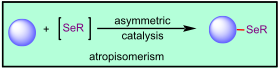
- Atropisomers are not only prevalent in biologically active natural products and pharmaceuticals, but they have also garnered increasing attention for their effectiveness as ligands and catalysts in the field of catalytic asymmetric synthesis. Asymmetric catalysis serves as a key strategy for the
- enantioselective synthesis of atropisomers, and significant progress has been made in recent years. However, selenium-containing atropisomers have long remained underexplored as synthetic targets, and only in recent years have they begun to attract increasing attention from the community. Recently, several
- synthetic approaches for constructing selenium-containing atropisomers have been reported, such as C–H selenylation of arenes, selenosulfonylation of vinylidene o-quinone methides (VQM), and hydroselenation of alkynes. Nevertheless, a comprehensive review that systematically summarizes these advances is


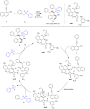
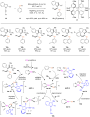
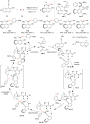
Electrochemical cyclization of alkynes to construct five-membered nitrogen-heterocyclic rings
Beilstein J. Org. Chem. 2025, 21, 2173–2201, doi:10.3762/bjoc.21.166
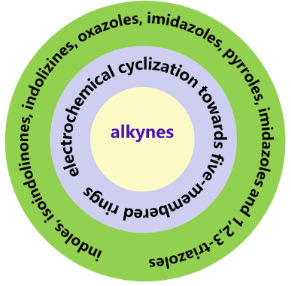
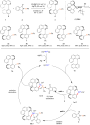
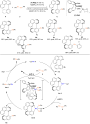
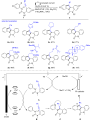
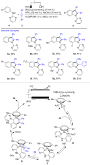
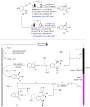
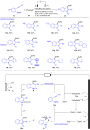
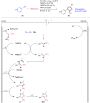
- , oxidant, and base-free conditions. An electrochemical enantioselective tandem C–H indolization of 2-alkynylanilines with 3-functionalized indoles towards 2,3′-biindolyl atropisomers was achieved by Zeng in 2025 (Scheme 7) [204]. After screening the reaction carefully, the optimal conditions were gained as
- , this protocol was an efficient and sustainable approach to synthesize 2,3′-biindolyl atropisomers and could be potentially applied in manufacture of functional materials, bioactive molecules and chiral ligands. Construction of isoindolinones and indolizines An electrochemical and copper-catalyzed








Chiral phosphoric acid-catalyzed asymmetric synthesis of helically chiral, planarly chiral and inherently chiral molecules
Beilstein J. Org. Chem. 2025, 21, 1864–1889, doi:10.3762/bjoc.21.145
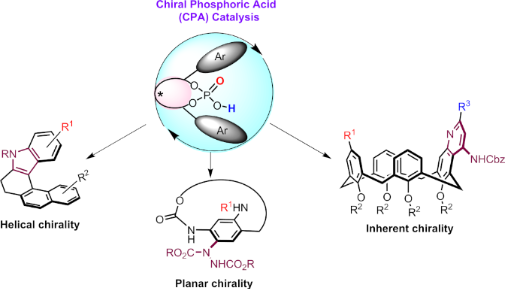
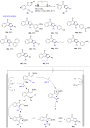
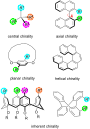
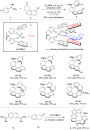
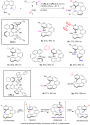
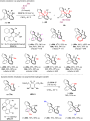
- asymmetric synthesis of planarly chiral macrocyclic paracyclophane 47 from the corresponding hydroxy-substituted carboxylic acid substrate 46. Notably, the authors also demonstrated the application of this method in the enantioselective synthesis of axially chiral C–N and N–N atropisomers, highlighting the










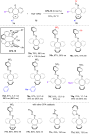
Unique halogen–π association detected in single crystals of C–N atropisomeric N-(2-halophenyl)quinolin-2-one derivatives and the thione analogue
Beilstein J. Org. Chem. 2025, 21, 1748–1756, doi:10.3762/bjoc.21.138
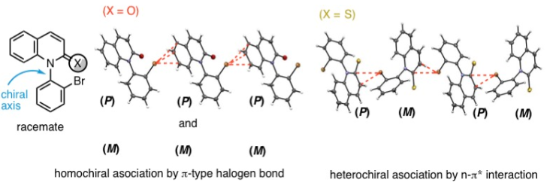
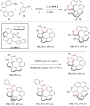
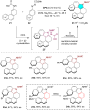
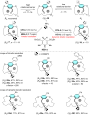
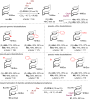
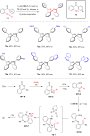
- N-(2-bromo- or 2-chlorophenyl)quinolin-2-ones, homochiral layered polymers, which consist of (P)- or (M)-atropisomers, were formed through intermolecular halogen–π association. The halogen–π association in the racemates is due to a halogen bond (C–X···π) between a σ-hole on the halogen atom and a π
- )quinoline-2-thione, heterochiral layered polymers, in which (P)- and (M)-atropisomers were alternately connected, were formed through an n–π* interaction between a lone electron pair on the bromine atom and a π* orbital of the quinoline-2-thione. Keywords: atropisomers; C–N bond; halogen bond; quinolinones
- ; single crystals; thiones; Introduction In the past several years, C–N atropisomers (C–N axially chiral compounds) owing to the rotational restriction around a C–N single bond have received great attention as new target molecules for catalytic asymmetric reactions. Highly enantioselective syntheses of


Catalytic asymmetric reactions of isocyanides for constructing non-central chirality
Beilstein J. Org. Chem. 2025, 21, 1648–1660, doi:10.3762/bjoc.21.129

- eight-membered lactones 53 in 42–67% yield with excellent retention of enantiopurity via an overall lactonization process. In addition to C–C axial chirality, we have demonstrated that our Ag-catalyzed DKR protocol could be applied for the generation of C–N atropisomers by using N-arylindole lactams 54





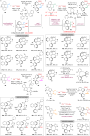
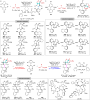
pH-Controlled isomerization kinetics of ortho-disubstituted benzamidines: E/Z isomerism and axial chirality
Beilstein J. Org. Chem. 2025, 21, 1568–1576, doi:10.3762/bjoc.21.120
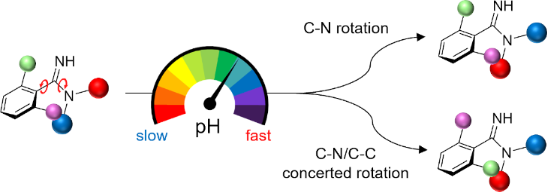
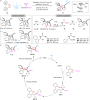
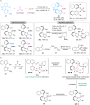
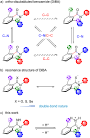
- advances require expanding the range of pH-responsive systems and discovering new molecular architectures. Here, we investigate the pH-responsive behavior of ortho-disubstituted benzamidine, which generates atropisomers and E/Z isomers. The amidine moiety allows modulation of the C–N and C–N/C–C rotational
- from the amidine C–N bond and atropisomers generated from the constrained C–C axis. Both C–N rotation and C–N/C–C rotation are suppressed by the protonation of the amidine moiety, and the rate of the isomerization can be controlled by the basicity of the amidine moiety. Results and Discussion To the
- peaks corresponding to the atropisomers arising from the C–C axis. Each atropisomer could be separated by chiral HPLC, and the isomer eluting earlier was used for the following kinetic analysis. The effect of pH on the kinetics of the racemization was investigated. The isomer was heated in the buffer

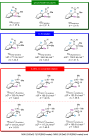


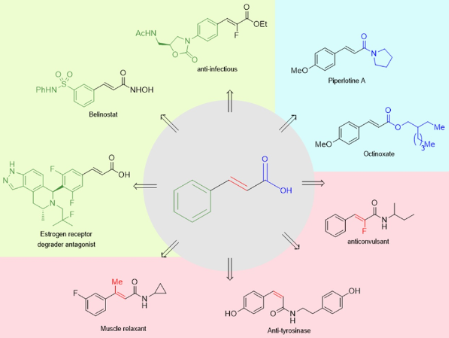
Recent advances in synthetic approaches for bioactive cinnamic acid derivatives
Beilstein J. Org. Chem. 2025, 21, 1031–1086, doi:10.3762/bjoc.21.85


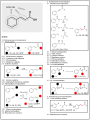

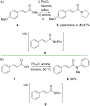

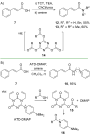


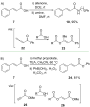


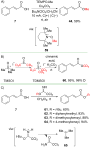

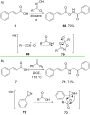
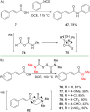


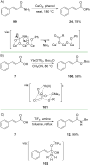


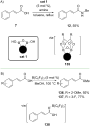


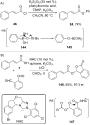


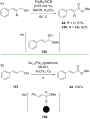
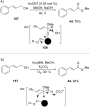


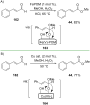

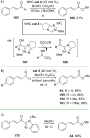
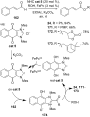


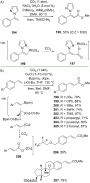
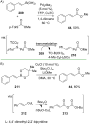
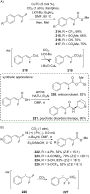
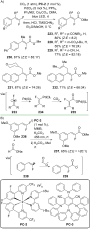

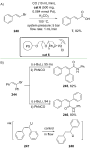
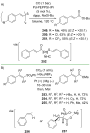

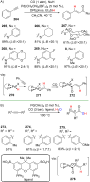


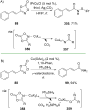
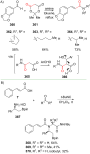
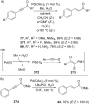

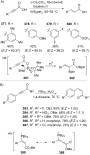



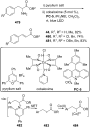


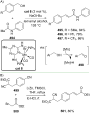
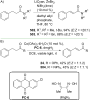




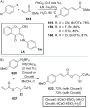
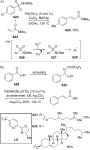
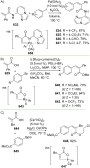
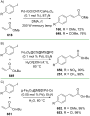
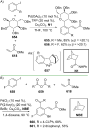
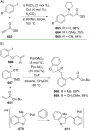

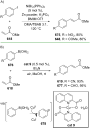
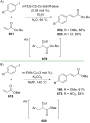

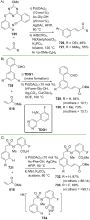


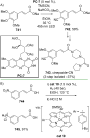


Synthesis of fluorinated acid-functionalized, electron-rich nickel porphyrins
Beilstein J. Org. Chem. 2024, 20, 2954–2958, doi:10.3762/bjoc.20.248
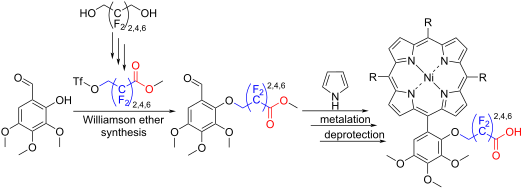
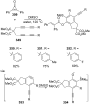
- -substituted Ni porphyrins 29 (78%), 30 (97%), and 31 (57%). The latter were treated with LiOH and HCl to give the free acids 32 (94%), 33 (39%), and 34 (45%). The HPLC–ESIMS analysis of 32, 33, and 34 revealed that two major atropisomers of each porphyrin had formed. In 32 both atropisomers exhibit a roughly


C–C Coupling in sterically demanding porphyrin environments
Beilstein J. Org. Chem. 2024, 20, 2784–2798, doi:10.3762/bjoc.20.234
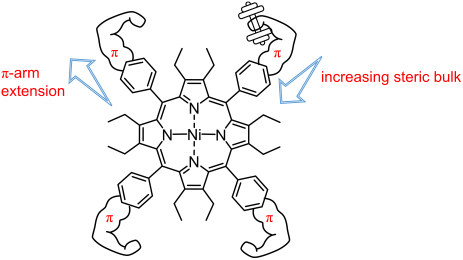
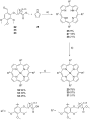
- explored, or further changes in the pH of the solution. Enrichment to the αβαβ-atropisomer may also be favorable [50], as to alleviate the steric hindrance caused by the short distances (4.3–4.4 Å) between bromines in the α2β2-atropisomers (cf., Figure 5). Borylation and further coupling of
- previously, enrichment to the αβαβ, isomer may be necessary to remove the impact of opposing bromine atoms on the coupling reaction. Separation of the four individual atropisomers (αβαβ, α2β2, α3β, α4) has been accomplished before in dodecasubstituted porphyrins through Ni(II) metalation [15]. The core
- metalation effect prevents inner core N–H tautomerism [64] and thus increases the structural symmetry of the macrocycle [65][66], leading to more facile atropisomeric separation. However, in the case of compound 11 the atropisomers could not be separated due to low rotational barriers and similar polarities


Copper-catalyzed yne-allylic substitutions: concept and recent developments
Beilstein J. Org. Chem. 2024, 20, 2739–2775, doi:10.3762/bjoc.20.232
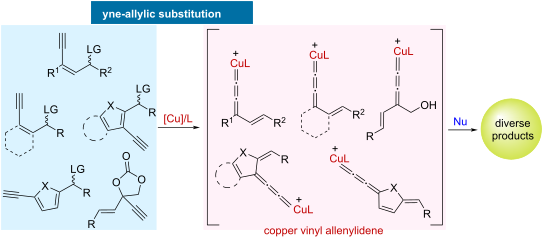
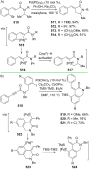
- . Through control experiment, they have proposed a reaction mechanism where the formation of copper vinyl allenylidene and Conia-ene reaction are pivotal steps in the process (Scheme 48). Crafting atropisomers, particularly for those with 1,2-diaxes, poses a formidable task owing to the intricate interplay













Computation-guided scaffold exploration of 2E,6E-1,10-trans/cis-eunicellanes
Beilstein J. Org. Chem. 2024, 20, 1320–1326, doi:10.3762/bjoc.20.115

- easily undergoes Cope rearrangement at 90 °C to generate the stereospecific 6/6-bicyclic product 10 in 96% yield (Figure 3A) [10]. This Cope rearrangement product was found as two inseparable atropisomers (10a/10b) at room temperature, which coalesced into a single conformer at 130 °C [10]. We
- identified what appeared to be an oxy-Cope product (13a/13b), which would logically originate from a 5-hydroxyalbireticulene analog (11, Figure 3A). Because this product was isolated directly from the producing bacterium as inseparable atropisomers (i.e., no heat was applied), we speculated that a lower
- ]. In regard to the atropisomerism of 10a/10b, the two atropisomers are approximately equivalent in energy (0.5 kcal mol−1 difference) and require at least 17.4 kcal mol−1 to undergo conversion (Figure 3C). Interestingly, rotation in different directions requires barriers that differ by 2 kcal mol−1


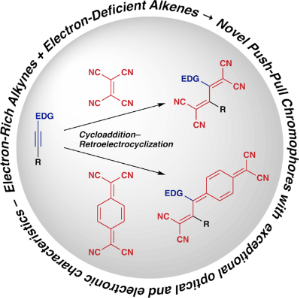
Perspectives on push–pull chromophores derived from click-type [2 + 2] cycloaddition–retroelectrocyclization reactions of electron-rich alkynes and electron-deficient alkenes
Beilstein J. Org. Chem. 2024, 20, 125–154, doi:10.3762/bjoc.20.13
- determined the absolute configurations of these atropisomers through the X-ray crystallographic analyses of (Sa)-59 and (Ra)-60. Surprisingly, heating the enantiomers of 69 and 60 at 80 °C for 3 h resulted in negligible thermally induced racemization. Meanwhile, in O2-free toluene solution under illumination


Unexpected chiral vicinal tetrasubstituted diamines via borylcopper-mediated homocoupling of isatin imines
Beilstein J. Org. Chem. 2022, 18, 303–308, doi:10.3762/bjoc.18.34
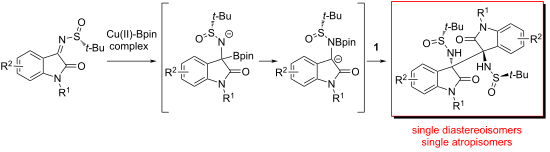
- diffraction analysis and proved to be single diastereoisomers and atropisomers. A plausible mechanism for the one-pot Cu(II)-catalyzed Bpin addition to the isatin-derived ketimine substrate and subsequent homocoupling is described. Keywords: atropoisomer; bis(pinacolato)diboron; 3,3′-bisoxindole; N-tert


Peptide stapling by late-stage Suzuki–Miyaura cross-coupling
Beilstein J. Org. Chem. 2022, 18, 1–12, doi:10.3762/bjoc.18.1
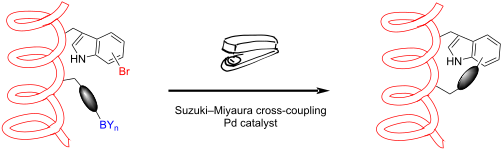
- diastereomers, i.e. cis/trans isomers or conformers with a high interconversion barrier. For complestatin-based macrocyclic peptides, the existence of biaryl atropisomers caused by the indole of tryptophan has been reported [82]. Recently, the occurrence of isomers was also observed in our group for SMC
- cyclised RGD peptides. It could be proven that an isomerisation is not caused by the cross-coupling but by the presence of stable isomers/conformers. Molecular dynamics (MD) simulations verified the appearance of stable, distinct conformers or atropisomers, which were in accordance with the experimental


Recent advances in the asymmetric phosphoric acid-catalyzed synthesis of axially chiral compounds
Beilstein J. Org. Chem. 2021, 17, 2729–2764, doi:10.3762/bjoc.17.185
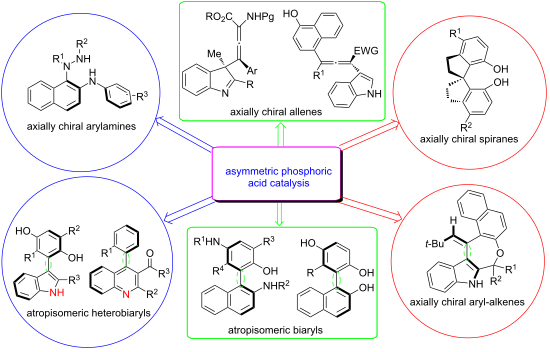
- (Brønsted acidity/basicity, hydrogen-bonding units, and counter-anions toward metals) [48][49]. In 2019, Shi, Lin, and co-workers achieved an enantioselective synthesis of axially chiral quinoline-derived biaryl atropisomers via Pd-catalyzed C–H olefination of 8-phenylquinoline (11) using a novel chiral
- of axially chiral N-arylindole atropisomers from azonaphthalene 54 and indole substrates 59 in the presence of chiral phosphoric acid CPA 17. The atropisomeric adducts were obtained in moderate to good yields (up to 93%) with good to excellent enantioselectivity (up to >99% ee, Scheme 20b). Therefore
- restricted rotation around an N–C single bond. There are few strategies for the catalytic atroposelective construction of N–C nonbiaryl atropisomers, which mainly consist of enantioselective cyclization [35], N-functionalization [93], and desymmetrization [94] of the existing achiral N–C bond. In this












A cyclopeptide and three oligomycin-class polyketides produced by an underexplored actinomycete of the genus Pseudosporangium
Beilstein J. Org. Chem. 2020, 16, 1100–1110, doi:10.3762/bjoc.16.97
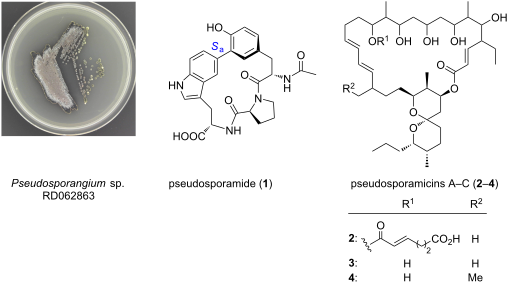
- comparison of experimental and simulated ECD spectra [26][27]. Quite interestingly, the DFT calculation suggested that 1a and 1b would possess the opposite axial chirality around the biaryl bond between C-6 and C-7'': Ra for 1a and Sa for 1b as dominant atropisomers (Figure 4). This conformational difference


Arylisoquinoline-derived organoboron dyes with a triaryl skeleton show dual fluorescence
Beilstein J. Org. Chem. 2019, 15, 2612–2622, doi:10.3762/bjoc.15.254
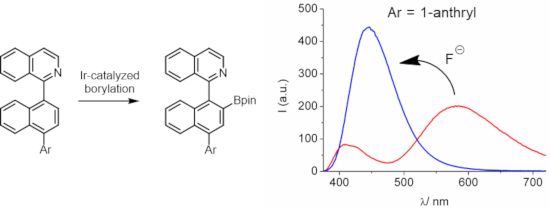
- the syn and anti atropisomers because of the slow rotation around the chiral axis at this temperature. Free rotation around the C–C bond was observed at 80 °C and hence, variable-temperature 1H NMR studies showed coalescence of the signals to give an average spectrum (see Supporting Information File 1
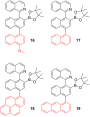
- (toluene/EtOAc 7:1), 16 was obtained as a light-yellow foam (70 mg, 62% yield). NMR spectra recorded at 25 °C showed a ca. 0.45:0.55 diastereomeric mixture of atropisomers. To simplify the spectra the measurements were undertaken at 80 °C. 1H NMR (400 MHz, C6D6, 80 °C) δ 8.80 (d, J = 5.6 Hz, 0.5H), 8.78 (d
- borylation starting from 13 (95 mg, 0.25 mmol) and after flash chromatography on silica gel (n-hexane/EtOAc 4:1), 17 was obtained as light-yellow foam (105 mg, 83% yield). NMR spectra recorded at 25 °C showed a ca. 0.45:0.55 diastereomeric mixture of atropisomers. To simplify the spectra the measurements



Self-assembled coordination thioether silver(I) macrocyclic complexes for homogeneous catalysis
Beilstein J. Org. Chem. 2019, 15, 2465–2472, doi:10.3762/bjoc.15.239
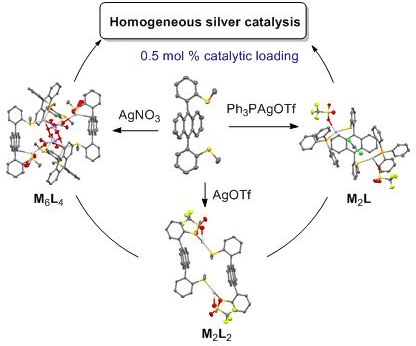
- bis-alkylaryl thioether ligand to control the directionality and spatial orientation of its coordination to silver(I). Besides, 9,10-diphenylanthracenes (DPA) with ortho-substituted 9- and 10-aryl groups can exist as syn- or anti-atropisomers whose rotational barrier [46][47] ranges from 21 (ortho-H
- ) to 25–29 kcal/mol (ortho-CH3). A few ortho-substituted DPA atropisomers have been described as potent molecular switches [48][49], building-blocks for self-assembled capsules [50][51] or optical materials [52][53][54]. However, due to their partially frozen structure, syn-isomers of DPA are ideal


Catalytic asymmetric oxo-Diels–Alder reactions with chiral atropisomeric biphenyl diols
Beilstein J. Org. Chem. 2019, 15, 955–962, doi:10.3762/bjoc.15.92
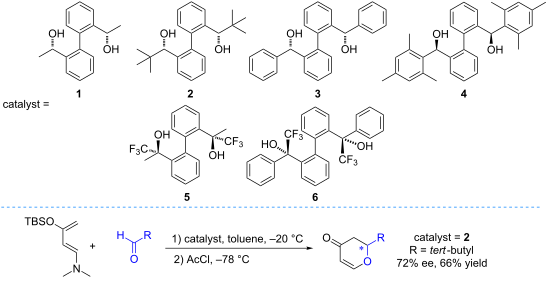
- highest reactivity and enantioselectivity with trimethylacetaldehyde as a substrate. Opposite absolute configurations of the catalytic products of benzaldehyde from atropisomers of 5 showed that axial chirality contributes significantly to high enantioselectivities. Further works on organocatalyst


Some mechanistic aspects regarding the Suzuki–Miyaura reaction between selected ortho-substituted phenylboronic acids and 3,4,5-tribromo-2,6-dimethylpyridine
Beilstein J. Org. Chem. 2018, 14, 2384–2393, doi:10.3762/bjoc.14.214
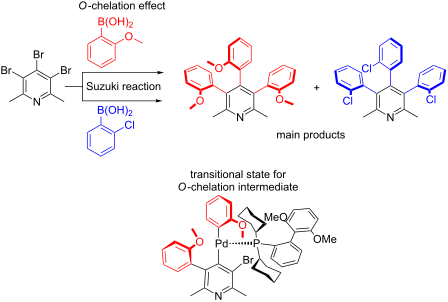
- , Poland 10.3762/bjoc.14.214 Abstract Background: Atropisomers are very interesting stereoisomers having axial chirality resulting from restricted rotation around single bonds and are found in various classes of compounds. ortho-Substituted arylpyridines are an important group of them. A regio- and
- conclusions about the order of substitution. Also, the observed selectivity in the case of ortho-methoxyphenylboronic acid suggested an additional metal O-chelation effect in the transition state, apparently not present in the ortho-chloro analogues. The rotational barrier in selected atropisomers was
- determined on the basis of HT NMR and thermal epimerisation experiments. The structure of most presented atropisomeric derivatives of 2,6-dimethylpyridine was confirmed by single-crystal X-ray analysis. Racemic chiral, differently substituted atropisomers were also examined by 1H NMR spectroscopy in the


Conjugate addition–enantioselective protonation reactions
Beilstein J. Org. Chem. 2016, 12, 1203–1228, doi:10.3762/bjoc.12.116
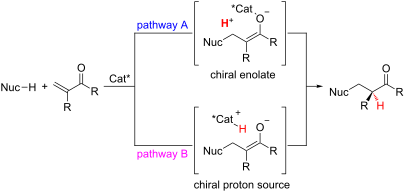
- er) (Scheme 23b) [46]. This enantioselective addition process could be applied to a racemic mixture of axially chiral N-(2-tert-butylphenyl)itaconimide (98), furnishing atropisomers 99a and 99b as a stable and separable 1:1 mixture. A higher enantioselectivity was observed for the anti-diastereomer




A convenient route to symmetrically and unsymmetrically substituted 3,5-diaryl-2,4,6-trimethylpyridines via Suzuki–Miyaura cross-coupling reaction
Beilstein J. Org. Chem. 2016, 12, 835–845, doi:10.3762/bjoc.12.82
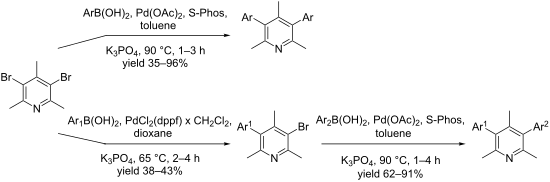
- the phenyl rings (or naphthalene ring for 26) with three methyl groups of the pyridine ring. Consequently, the inhibited rotation of the phenyl rings led to the formation of stable diastereomeric atropisomers which could be detected in NMR spectroscopy. The interconversion barrier is probably
- remarkably high in 3,5-bis(2-trifluromethylphenyl)-2,4,6-trimethylpyridine [79], since both atropisomers of this compound could be observed during GC–MS analysis as a pair of well-separated Gaussian peaks at the temperature of elution approaching 290 °C. A similar phenomenon was observed for pyridine 8 and
- efficient techniques (preparative HPLC). The library of synthesized compounds will be used as a reference standard during our study on impurity markers in illegally produced amphetamine analogues. In several cases of ortho-aryl-substituted pyridines, stable atropisomers were observed and this phenomenon