


Search results
Search for "dehydration" in Full Text gives 276 result(s) in Beilstein Journal of Organic Chemistry. Showing first 200.
Recent advances in the stereoselective synthesis of distal biaxially chiral molecules
- Fanxing Zhou,
- Chen Zhang,
- Lingyu Sun,
- Yiyun Fang,
- Siming Zheng,
- Lina Hu,
- Mengyang Shen,
- Zhen Zhao,
- Wei Xu,
- Yunqiang Sun and
- Zi-Qiang Rong
Beilstein J. Org. Chem. 2026, 22, 461–479, doi:10.3762/bjoc.22.34
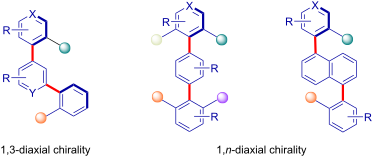
- ]. This method successfully employed a Ni(II)-catalyzed Diels-Alder reaction between 1,3-biaryl-isobenzofurans and α,β-unsaturated N-acyl pyrazoles, followed by a TfOH-promoted dehydration aromatization step. These atropisomeric compounds, which contain multiple stereogenic axes, show broad application

Graphical Abstract

Figure 1: Natural products with various stereogenic axes.

Scheme 1: Iridium complex-catalyzed asymmetrical synthesis of axially chiral (a) teraryl compounds 3 [40] and (b)...

Scheme 2: Rhodium-catalyzed enantio- and diastereoselective cycloaddition of 1,2-bis(arylpropiolyl)benzenes w...

Scheme 3: Synthesis of remote double axially chiral phosphoric acids.

Scheme 4: Construction of chiral biaxial diphosphine ligand.

Scheme 5: Atroposelective synthesis of biaxially chiral 1,4-distyryl-2,3-naphthalene diols.

Scheme 6: H-Bond-enabled enantioselective synthesis of remote biaxially chiral amides mediated by the counter...

Scheme 7: Enantioselective synthesis of biaryl products with twofold chiral axes.

Scheme 8: Iridium-catalyzed C–H alkylation to obtain the distal biaxial atropisomers.

Scheme 9: Co/SPDO-catalyzed biaxial bridged terphenyl compounds.

Scheme 10: Atroposelective Co-catalyzed synthesis of pyridoindolones with two distinct C–N axes.

Scheme 11: NHC organocatalytic synthesis of fused 1,4-biaxial uracils with C–C and C–N chiral axes.

Scheme 12: Synthesis of the first biaxially chiral compound reported by Ito and co-workers [35].

Scheme 13: Synthesis of chiral homoaryl compounds by Suzuki–Miyaura coupling.

Scheme 14: Structurally complex APIs with multiple chiral axes.

Scheme 15: Synthesis of helicenes containing stereogenic axes.

Scheme 16: Chiral NHC–Pd complex-catalyzed Suzuki–Miyaura cross-coupling reaction for the synthesis of block-t...

Scheme 17: Highly enantioselective C–H arylation of heteroarenes.

Scheme 18: Synthesis of novel axially chiral N-arylcarbazole skeletons by the assembly of azidonaphthalenes an...

Scheme 19: Catalytic enantioselective synthesis of axially chiral polycyclic aromatic hydrocarbons.

Scheme 20: Catalytic synthesis of biaxial triphenylene block-transfer isomers.

Scheme 21: A Pd(II)-catalyzed trans-selective C–H alkenylation strategy through thioether-directed olefination....

Scheme 22: Synthesis of N-arylphthalimides from prochiral maleimides and NHC-activated dienolides.

Scheme 23: Ni-catalyzed synthesis of triaxially chiral polysubstituted naphthalene scaffolds.

Scheme 24: Enantioselective Ni-catalyzed Suzuki–Miyaura cross-coupling reaction.

Scheme 25: The stereoselective synthesis of axial chiral indole–quinoline systems.

Scheme 26: The synthesis of bisbenzofuran atropisomeric oligoarenes containing two distal C–C stereogenic axes....
Synthesis of diaryl phosphates using phytic acid as a phosphorus source
- Kazuya Asao,
- Seika Matsumoto,
- Haruka Mori,
- Riku Yoshimura,
- Takeshi Sasaki,
- Naoya Hirata,
- Yasuyuki Hayakawa and
- Shin-ichi Kawaguchi
Beilstein J. Org. Chem. 2026, 22, 213–223, doi:10.3762/bjoc.22.15
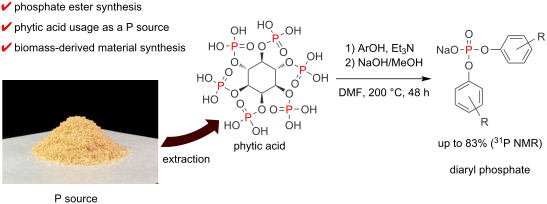
- elimination of H2O. Then, two MPP molecules undergo a dehydration condensation reaction to form DPpyP [56]. Finally, the phenoxy anion undergoes a nucleophilic attack on the phosphorus atom of DPpyP, and DPP is formed through the elimination of MPP. In the absence of triethylamine, the esterification reaction

Graphical Abstract

Scheme 1: Structure of phytic acid.

Figure 1: Structures of representative phosphate esters.
Figure 2: Synthetic methods for phosphorus compounds bypassing white phosphorus or phosphorus chloride.

Figure 3: Conditions for the syntheses of diaryl phosphates using phytic acid as a phosphorus source and scop...

Scheme 2: Phosphoric acid diesterification reaction conducted in a previous study.

Scheme 3: Scale-up reaction conducted for the time-course analysis of phosphate esterification. The reaction ...

Figure 4: Time-course analysis plots of the diphenylphosphate formation from phytic acid and 1a. The beginnin...

Figure 5: A possible reaction pathway for the formation of phosphate ester using phytic acid as the phosphoru...

Figure 6: 31P NMR spectrum of phytic acid extracted from rice bran.

Scheme 4: Esterification reaction conditions using the extracted phytic acid. The yield refers to the isolate...
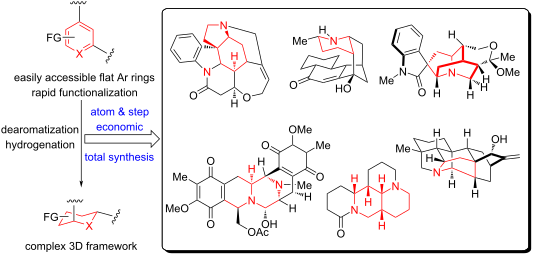
Total synthesis of natural products based on hydrogenation of aromatic rings
- Haoxiang Wu and
- Xiangbing Qi
Beilstein J. Org. Chem. 2026, 22, 88–122, doi:10.3762/bjoc.22.4
- the cyano group to an amide (162) under acidic conditions, which then allowed successful Pd/C-mediated hydrogenation to 163. Subsequent dehydration with POCl3 and chiral resolution using ᴅ-DBTA provided the optically enriched compound 165 (Scheme 22). While this approach rendered catalytic

Graphical Abstract

Scheme 1: The association between dearomatization and natural product synthesis.

Scheme 2: Key challenges in hydrogenation of aromatic rings.
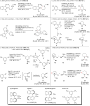
Scheme 3: Hydrogenation of heterocyclic aromatic rings.
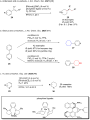
Scheme 4: Hydrogenation of the carbocyclic aromatic rings.
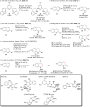
Scheme 5: Hydrogenation of the heterocycle part in bicyclic aromatic rings.
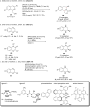
Scheme 6: Hydrogenation of the heterocycle part in bicyclic aromatic rings.
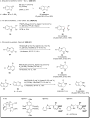
Scheme 7: Hydrogenation of benzofuran, indole, and their analogues.
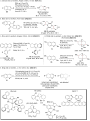
Scheme 8: Hydrogenation of benzofuran, indole, and their analogues.

Scheme 9: Total synthesis of (±)-keramaphidin B by Baldwin and co-workers.

Scheme 10: Total synthesis of (±)-LSD by Vollhardt and co-workers.

Scheme 11: Total synthesis of (±)-dihydrolysergic acid by Boger and co-workers.

Scheme 12: Total synthesis of (±)-lysergic acid by Smith and co-workers.

Scheme 13: Hydrogenation of (−)-tabersonine to (−)-decahydrotabersonine by Catherine Dacquet and co-workers.

Scheme 14: Total synthesis of (±)-nominine by Natsume and co-workers.
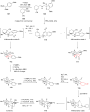
Scheme 15: Total synthesis of (+)-nominine by Gin and co-workers.

Scheme 16: Total synthesis of (±)-lemonomycinone and (±)-renieramycin by Magnus.

Scheme 17: Total synthesis of GB13 by Sarpong and co-workers.

Scheme 18: Total synthesis of GB13 by Shenvi and co-workers.

Scheme 19: Total synthesis of (±)-corynoxine and (±)-corynoxine B by Xia and co-workers.
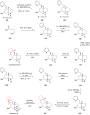
Scheme 20: Total synthesis of (+)-serratezomine E and the putative structure of huperzine N by Bonjoch and co-...

Scheme 21: Total synthesis of (±)-serralongamine A and the revised structure of huperzine N and N-epi-huperzin...

Scheme 22: Early attempts to indenopiperidine core.

Scheme 23: Homogeneous hydrogenation and completion of the synthesis.
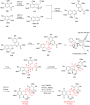
Scheme 24: Total synthesis of jorunnamycin A and jorumycin by Stoltz and co-workers.

Scheme 25: Early attempt towards (−)-finerenone by Aggarwal and co-workers.

Scheme 26: Enantioselective synthesis towards (−)-finerenone.

Scheme 27: Total synthesis of (+)-N-methylaspidospermidine by Smith, Grigolo and co-workers.

Scheme 28: Dearomatization approach towards matrine-type alkaloids.

Scheme 29: Asymmetric total synthesis to (−)-senepodine F via an asymmetric hydrogenation of pyridine.

Scheme 30: Selective hydrogenation of indole derivatives and application.
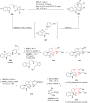
Scheme 31: Synthetic approaches to the oxindole alkaloids by Qi and co-workers.

Scheme 32: Total synthesis of annotinolide B by Smith and co-workers.
Advances in Zr-mediated radical transformations and applications to total synthesis
- Hiroshige Ogawa and
- Hugh Nakamura
Beilstein J. Org. Chem. 2026, 22, 71–87, doi:10.3762/bjoc.22.3
- . Heating these precursors under flash vacuum pyrolysis conditions at 230 °C led to the removal of the Boc group and intramolecular dehydration–condensation, thereby constructing the diketopiperazine core and enabling the total syntheses of ditryptophenaline (70), dibrevianamide F (71), and tetratryptomycin

Graphical Abstract

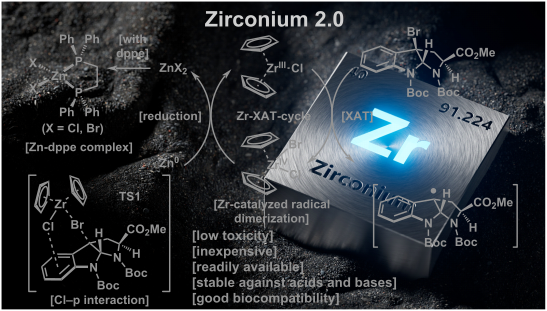
Figure 1: Historical background of zirconium and its physical properties. Image depicted in the background of ...

Scheme 1: Zr-mediated radical cyclization.
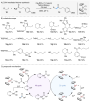
Scheme 2: Ni/Zr-mediated one-pot ketone synthesis.

Scheme 3: Zirconocene-catalyzed alkylative dimerization of 2-methylene-1,3-dithiane.

Scheme 4: Zirconium complexes as a photoredox catalyst.
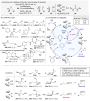
Scheme 5: Zr-catalyzed reductive ring opening of epoxides.

Scheme 6: Zr-catalyzed reductive ring opening of oxetanes. a10 mol % of Cp2Zr(OTf)2·THF was used. bPhCF3 was ...
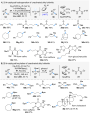
Scheme 7: Zr-catalyzed halogen atom transfer of alkyl chlorides.
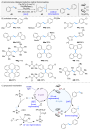
Scheme 8: Zr-catalyzed radical homo coupling of alkyl chlorides.

Scheme 9: Zr-catalyzed fluorine atom transfer.

Scheme 10: Zr-catalyzed C–O bond cleavage. aYield without the use of P(OEt)3.
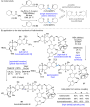
Scheme 11: Application to the total synthesis of halichondrins.
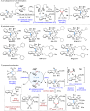
Scheme 12: Zr-catalyzed C3 dimerization of 3-bromotryptophan derivatives. aCp2ZrCl2 was used.

Scheme 13: Mechanistic studies.
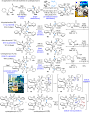
Scheme 14: Application to the total synthesis of cyctetryptomycins. A photo of compound 61b was taken by the a...
One-pot synthesis of ethylmaltol from maltol
- Immanuel Plangger,
- Marcel Jenny,
- Gregor Plangger and
- Thomas Magauer
Beilstein J. Org. Chem. 2025, 21, 2755–2760, doi:10.3762/bjoc.21.212

- from corncob to access pyromeconic acid [6]. The second group of synthetic strategies takes advantage of furfural (4), which originates from the acid-catalyzed dehydration of agricultural biomass. It is then converted with an ethyl Grignard compound to alcohol 5 [7]. From alcohol 5, oxidation state

Graphical Abstract
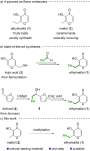
Scheme 1: Importance and synthetic approaches to ethylmaltol (1). (a) Ethylmaltol (1) is widely used as a fla...

Scheme 2: Optimized one-pot procedure to access ethylmaltol (1) via a transient protecting group strategy.
Total synthesis of asperdinones B, C, D, E and terezine D
- Ravi Devarajappa and
- Stephen Hanessian
Beilstein J. Org. Chem. 2025, 21, 2730–2738, doi:10.3762/bjoc.21.210
- product 11 in 37% yield (Scheme 2). Despite the modest yield, product 11 was transformed to the corresponding tertiary alcohol 12. Removal of the N-Piv group and dehydration with the Burgess reagent [35] led to an inseparable mixture of olefins slightly in favor of the exo-olefin isomer. Dehydration in

Graphical Abstract

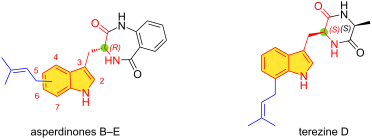
Figure 1: Structures of prenylindole alkaloids derived from tryptophan.

Figure 2: Representative retrosynthetic considerations for 7-prenyl- and 7-allyltryptophan.

Scheme 1: C-7 Functionalization of 7-iodo-Nα-Boc-tryptophan methyl ester.

Scheme 2: C-7 Prenylation via C–H activation.

Figure 3: Negishi cross-coupling of allyl- and prenyl(iodo)indoles.

Scheme 3: Synthesis of prenyl- and allylindoles.

Scheme 4: Markovnikov hydrochlorination and hydrotrifluoroacetylation.

Scheme 5: Synthesis of asperdinones B–E 1–4.

Scheme 6: Control experiment.

Scheme 7: Control experiment of the Negishi cross-coupling reaction.

Scheme 8: Synthesis of terezine D and ent-asperdinone E.
Ex-situ generation of gaseous nitriles in two-chamber glassware for facile haloacetimidate synthesis
- Nikolai B. Akselvoll,
- Jonas T. Larsen and
- Christian M. Pedersen
Beilstein J. Org. Chem. 2025, 21, 2465–2469, doi:10.3762/bjoc.21.188
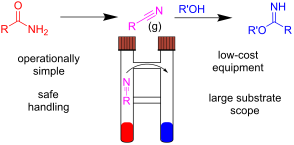
- danger of working with this toxic gas, restricts its use in laboratory scale synthesis. Consequently, when used in organic synthesis, trifluoroacetonitrile is typically synthesized on demand. The most common method is by dehydration of trifluoroacetamide using Gilman’s method with phosphorous pentoxide
- trifluoroacetonitrile from trifluoroacetamide through dehydration with trifluoroacetic anhydride. The usual procedure would be to synthesize the gas in a different reaction vessel and use it directly via transfer as a gas or in solution. Alternatively, it can be stored in a cold trap (trifluoroacetonitrile boiling
- dehydration of the corresponding haloacetamide. Chamber B: reaction between the generated haloacetonitrile and an O-nucleophile resulting in a haloacetimidate. Supporting Information Supporting Information File 4: Experimental section.

Graphical Abstract

Figure 1: Examples of methods for the synthesis of trifluoroacetonitrile and our set-up using a two-chamber r...

Scheme 1: Reactions in chambers A and B. Chamber A: generation of the haloacetonitrile by dehydration of the ...

Figure 2: Glycosyl haloacetimidates synthesized using the two-chamber method.

Figure 3: Synthesis of arylmethylene fluoroacetimidates using the two-chamber method.
Transformation of the cyclohexane ring to the cyclopentane fragment of biologically active compounds
- Natalya Akhmetdinova,
- Ilgiz Biktagirov and
- Liliya Kh. Faizullina
Beilstein J. Org. Chem. 2025, 21, 2416–2446, doi:10.3762/bjoc.21.185
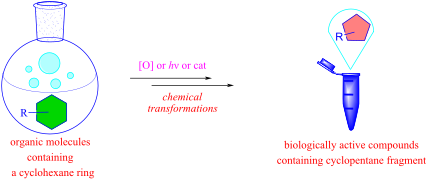
- was the product of the double dehydration of carbocations B and C. The regioisomer of alcohol 192, a tertiary alcohol 196, was formed as a result of the elimination of a proton from the C15 atom. It is noteworthy that the reaction of 1,2-oxirane 190 with InCl3, ZnBr2, TfOH, or Bi(OTf)3 resulted in the

Graphical Abstract

Scheme 1: Ozonolysis–cyclization sequence in the synthesis of echinopine A (3).

Scheme 2: Ozonolysis–cyclization sequence in the synthesis of taiwaniaquinoids 7–12.

Figure 1: Iridoid skeleton.

Scheme 3: Ozonolysis–cyclization sequence in the synthesis of compounds 17a,b, 18 and 19 with iridoid topolog...

Scheme 4: Oxidation–aldol condensation sequence in the synthesis of compounds 21 and 23 with iridoid topology....

Scheme 5: Oxidation–aldol condensation sequence in the synthesis of compounds 29 and 30 with iridoid topology....

Scheme 6: Method for ring contraction in the absence of a double bond in a six-membered ring of triterpenoids....

Scheme 7: Oxidation–Dieckmann cyclization sequence in the synthesis of a new nortriterpenoid 39.

Scheme 8: Oxidation–Dieckmann cyclization sequence in the synthesis of 18,19-di-nor-cholesterol (40).

Scheme 9: Oxidation–cyclization sequence in the synthesis of 3-ethyl-substituted betulinic acid derivatives 49...

Scheme 10: Benzilic acid-type rearrangement in the synthesis of 4β-acetoxyprobotryane-9β,15α-diol (52).

Scheme 11: Benzilic acid-type rearrangement in the synthesis of (−)-taiwaniaquinone H (11).

Scheme 12: Benzilic acid-type rearrangement in the synthesis of dactylicapnosines A (63) and B (64).

Scheme 13: Aza-benzilic acid-type rearrangement in the synthesis of (+)-stephadiamine (71).

Scheme 14: α-Ketol rearrangement in the synthesis of saffloneoside (73).

Scheme 15: Conversion of (−)-preaustinoid A (80) to (−)-preaustinoid B (81) via α-ketol rearrangement.

Scheme 16: α-Ketol rearrangement in the synthesis of 2,8-oxymethano-bridged diquinane 90.

Scheme 17: Oxidative ring contraction during the synthesis of (+)-cuparene (91) and (+)-tochuinylacetate (92).

Scheme 18: Semipinacol rearrangement in the synthesis of diterpenoids 97–100.

Scheme 19: Co-catalyzed homoallyl-type rearrangement in the syntheses of meroterpenes 106–109.

Scheme 20: Ring contraction reaction promoted by TTN·3H2O and HTIB in the synthesis of indanes.

Scheme 21: Rearrangement involving a hypervalent iodine compound in the synthesis of derivative 120.

Scheme 22: Wolff rearrangement in the synthesis of taiwaniaquinones A (7), F (8), taiwaniaquinols B (10), D (1...

Scheme 23: Wolff rearrangement in the synthesis of cheloviolene C (128), seconorrisolide B (129), and seconorr...

Scheme 24: Wolff rearrangement in the synthesis of (−)-pavidolide B (134).

Scheme 25: Wolff rearrangement in the synthesis of presilphiperfolan-8-ol (141).

Scheme 26: Photochemical rearrangement in the synthesis of cyclopentane derivatives 147a,b.

Scheme 27: Synthesis of cyclopentane derivatives 147a and 151.

Scheme 28: Photochemical rearrangement in the synthesis of cyclopentane derivative 153.

Scheme 29: Photochemical rearrangement in the synthesis of tricyclic ketones 155, 156.

Scheme 30: Photochemical rearrangement in the synthesis of cis/trans salts 160.

Figure 2: Scope of the photoinduced carboborative ring contraction of steroids. Reaction conditions: steroid ...

Scheme 31: Photoinduced carboborative ring contraction in the synthesis of artalbic acid (180).

Scheme 32: Synthetic versatility of the photoinduced carboborative ring contraction.

Scheme 33: Methods of disclosure of epoxide 189.

Scheme 34: Methods of disclosure of epoxide 190.

Scheme 35: Rearrangement of α,β-epoxy ketone 197.

Scheme 36: Acid-induced rearrangement in the synthesis of perhydrindane ketones 202 and 205.

Scheme 37: Rearrangement of epoxyketone 208 in the synthesis of huperzine Q (206).

Scheme 38: Rearrangement of epoxide 212 under the action of Grignard reagent.

Scheme 39: Semipinacol rearrangement of epoxide 220 in the synthesis of (−)-citrinadin A (217) and (+)-citrina...

Scheme 40: Semipinacol rearrangement of epoxide 225 in the synthesis of hamigeran G (223).

Scheme 41: Semipinacol rearrangement of epoxide 231 in the synthesis of (−)-spirochensilide A (228).

Scheme 42: Wagner–Meerwein rearrangement in the synthesis of compound 234 with iridoid topology.

Scheme 43: Wagner–Meerwein rearrangement in the synthesis of compound 238 with iridoid topology.

Scheme 44: Wagner–Meerwein rearrangement in the synthesis of compound 241 with iridoid topology.

Scheme 45: Wagner–Meerwein rearrangement in the synthesis of lupane derivatives 245, 246, 248, and 249.

Scheme 46: Wagner–Meerwein rearrangement in the synthesis of weisaconitine D (252) and cardiopetaline (255).

Scheme 47: Wagner–Meerwein rearrangement in the synthesis of cardiopetaline (255).
C2 to C6 biobased carbonyl platforms for fine chemistry
- Jingjing Jiang,
- Muhammad Noman Haider Tariq,
- Florence Popowycz,
- Yanlong Gu and
- Yves Queneau
Beilstein J. Org. Chem. 2025, 21, 2103–2172, doi:10.3762/bjoc.21.165
- ) [71]. The Bobleter and Feather groups investigated the reaction mechanism of the conversion of these C3 compounds. The acid-catalyzed equilibrium between 1,3-dihydroxy-2-propane and 2,3-dihydroxypropanal involves an ene-triol intermediate which leads to methylglyoxal by a dehydration reaction at
- dehydration over mesoporous solid acids and the second one is a metal-catalyzed hydrogenation. HFO was obtained in 85% yield and its conversion rate to GBL was about 97%. Different bifunctional Pt-based solid acids were used. An overall GBL yield of 82.7% from furfural was obtained (Scheme 33). Gollnick and
- from lignocelluloses [163]. The hydrolysis and dehydration process of hemicellulose can be accomplished in water or in aqueous-based biphasic systems in the presence of mineral acids (such as H2SO4, HCl) and organic acids (such as HCOOH, CH3SO3H). The acid catalysts used for furfural production range

Graphical Abstract

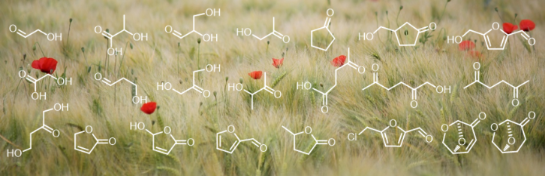
Figure 1: C2–C6 biobased carbonyl building blocks.

Scheme 1: Proposed (2 + 2) route to glycolaldehyde and glycolic acid from erythritol by Cu/AC catalyst (AC = ...

Scheme 2: Reductive amination of GCA.

Scheme 3: N-Formylation of secondary amines by reaction with GCA.

Scheme 4: Synthesis and conversion of hydroxy acetals to cyclic acetals.

Scheme 5: Synthesis of 3-(indol-3-yl)-2,3-dihydrofurans via three-component reaction of glycolaldehyde, indol...

Scheme 6: BiCl3-catalyzed synthesis of benzo[a]carbazoles from 2-arylindoles and α-bromoacetaldehyde ethylene...

Scheme 7: Cu/NCNSs-based conversion of glycerol to glycolic acid and other short biobased acids.

Scheme 8: E. coli-based biotransformation of C1 source molecules (CH4, CO2 and CO) towards C2 glycolic acid.

Scheme 9: N-Formylation of amines with C2 (a) or C3 (b) biomass-based feedstocks.

Scheme 10: Methods for the formation of propanoic acid (PA) from lactic acid (LA).

Scheme 11: Co-polymerization of biobased lactic acid and glycolic acid via a bicatalytic process.

Scheme 12: Oxidation of α-hydroxy acids by tetrachloroaurate(III) in acetic acid–sodium acetate buffer medium.

Figure 2: Selective catalytic pathways for the conversion of lactic acid (LA).

Scheme 13: Synthesis of 1,3-PDO via cross-aldol reaction between formaldehyde and acetaldehyde to 3-hydroxypro...

Scheme 14: Hydrothermal conversion of 1,3-dihydroxy-2-propane and 2,3-dihydroxypropanal to methylglyoxal.

Scheme 15: FLS-catalyzed formose reaction to synthesize GA and DHA.

Scheme 16: GCA and DHA oxidation products of glycerol and isomerization of GCA to DHA under flow conditions us...

Scheme 17: Acid-catalyzed reactions of DHA with alcohols.

Scheme 18: Synthesis of dihydroxyacetone phosphate from dihydroxyacetone.

Scheme 19: Bifunctional acid–base catalyst DHA conversion into lactic acid via pyruvaldehyde or fructose forma...

Scheme 20: Catalytic one-pot synthesis of GA and co-synthesis of formamides and formates from DHA.

Scheme 21: (a) Synthesis of furan derivatives and (b) synthesis of thiophene derivative by cascade [3 + 2] ann...

Scheme 22: Brønsted acidic ionic liquid catalyzed synthesis of benzo[a]carbazole from renewable acetol and 2-p...

Scheme 23: Asymmetric hydrogenation of α-hydroxy ketones to 1,2-diols.

Scheme 24: Synthesis of novel 6-(substituted benzylidene)-2-methylthiazolo [2,3-b]oxazol-5(6H)-one from 1-hydr...

Scheme 25: ʟ-Proline-catalyzed synthesis of anti-diols from hydroxyacetone and aldehydes.

Scheme 26: C–C-bond-formation reactions of a biomass-based feedstock aromatic aldehyde (C5) and hydroxyacetone...

Scheme 27: Ethanol upgrading to C4 bulk chemicals via the thiamine (VB1)-catalyzed acetoin condensation.

Scheme 28: One-pot sequential chemoenzymatic synthesis of 2-aminobutane-1,4-diol and 1,2,4-butanetriol via 1,4...

Scheme 29: Synthesis of 1,4-dihydroxybutan-2-one by microbial transformation.

Scheme 30: Conversion of polyols by [neocuproine)Pd(OAc)]2(OTf)2] to α-hydroxy ketones.

Scheme 31: Chemoselective oxidation of alcohols with chiral palladium-based catalyst 2.

Scheme 32: Electrochemical transformation of furfural to 5-hydroxy-2(5H)-furanone (HFO).

Scheme 33: Selective hydrodeoxygenation of HFO and oxidation to γ-butyrolactone (GBL).

Scheme 34: Photosensitized oxygenation of furan towards HFO via ozonide intermediates.

Scheme 35: Conversion of furfural to HFO and MAN by using mesoporous carbon nitride (SGCN) as photocatalyst.

Scheme 36: Synthesis of HFO from furan derivatives.

Scheme 37: Photooxidation of furfural to 5-hydroxy-2(5H)-furanone (HFO).

Scheme 38: Synthesis of Friedel–Crafts indole adduct from HFO.

Scheme 39: Conversion of HFO to α,γ-substituted chiral γ-lactones.

Scheme 40: Tautomeric transformation of HFO to formylacrylic acid.

Scheme 41: Hydrolysis of HFO to succinic acid in aqueous solution.

Scheme 42: Substitution and condensation reactions of 5-hydroxy-2(5H)-furanone (HFO).

Scheme 43: (a) Conversion of HFO towards valuable C4 chemicals and (b) anodic oxidation of 5-hydroxy-2(5H)-fur...

Figure 3: Conversion of HFO towards other natural and synthetic substances.

Scheme 44: Conversion of furfural to maleic anhydride (reaction a: VOx/Al2O3; reaction b: VPO).

Scheme 45: Conversion of furfural into succinic acid.

Scheme 46: Electro‑, photo‑, and biocatalysis for one-pot selective conversions of furfural into C4 chemicals.

Scheme 47: Production route of furfural from hemicellulose.

Scheme 48: Mechanism for xylose dehydration to furfural through a choline xyloside intermediate.

Scheme 49: Conversion of furfural to furfuryl alcohol and its derivatives.

Scheme 50: Conversion of furfural to furfuryl alcohol and 3-(2-furyl)acrolein.

Scheme 51: The aerobic oxidative condensation of biomass-derived furfural and linear alcohols.

Scheme 52: The single-step synthesis of 2-pentanone from furfural.

Scheme 53: Electrocatalytic coupling reaction of furfural and levulinic acid.

Scheme 54: Conversion of furfural to m-xylylenediamine.

Scheme 55: Conversion of furfural to tetrahydrofuran-derived amines.

Scheme 56: Formation of trans-4,5-diamino-cyclopent-2-enones from furfural.

Scheme 57: Production of pyrrole and proline from furfural.

Scheme 58: Synthesis of 1‑(trifluoromethyl)-8-oxabicyclo[3.2.1]oct-3-en-2-ones from furfural.

Scheme 59: Conversion of furfural to furfural-derived diacids.

Scheme 60: A telescope protocol derived from furfural and glycerol.

Scheme 61: A tandem cyclization of furfural and 5,5-dimethyl-1,3-cyclohexanedione.

Scheme 62: A Ugi four-component reaction to construct furfural-based polyamides.

Scheme 63: One-pot synthesis of γ-acyloxy-Cy7 from furfural.

Scheme 64: Dimerization–Piancatelli sequence toward humins precursors from furfural.

Scheme 65: Conversion of furfural to CPN.

Scheme 66: Synthesis of jet fuels range cycloalkanes from CPN and lignin-derived vanillin.

Scheme 67: Solar-energy-driven synthesis of high-density biofuels from CPN.

Scheme 68: Reductive amination of CPN to cyclopentylamine.

Scheme 69: Asymmetric hydrogenation of C=O bonds of exocyclic α,β-unsaturated cyclopentanones.

Scheme 70: Preparation of levulinic acid via the C5 route (route a) or C6 route (routes b1 and b2).

Scheme 71: Mechanism of the rehydration of HMF to levulinic acid and formic acid.

Scheme 72: Important levulinic acid-derived chemicals.

Scheme 73: Direct conversion of levulinic acid to pentanoic acid.

Scheme 74: Catalytic aerobic oxidation of levulinic acid to citramalic acid.

Scheme 75: Conversion of levulinic acid to 1,4-pentanediol (a) see ref. [236]; b) see ref. [237]; c) see ref. [238]; d) see r...

Scheme 76: Selective production of 2-butanol through hydrogenolysis of levulinic acid.

Scheme 77: General reaction pathways proposed for the formation of 5MPs from levulinic acid.

Scheme 78: Selective reductive amination of levulinic acid to N-substituted pyrroles.

Scheme 79: Reductive amination of levulinic acid to chiral pyrrolidinone.

Scheme 80: Reductive amination of levulinic acid to non-natural chiral γ-amino acid.

Scheme 81: Nitrogen-containing chemicals derived from levulinic acid.

Scheme 82: Preparation of GVL from levulinic acid by dehydration and hydrogenation.

Scheme 83: Ruthenium-catalyzed levulinic acid to chiral γ-valerolactone.

Scheme 84: Catalytic asymmetric hydrogenation of levulinic acid to chiral GVL.

Scheme 85: Three steps synthesis of ε-caprolactam from GVL.

Scheme 86: Multistep synthesis of nylon 6,6 from GVL.

Scheme 87: Preparation of MeGVL by α-alkylation of GVL.

Scheme 88: Ring-opening polymerization of five-membered lactones.

Scheme 89: Synthesis of GVL-based ionic liquids.

Scheme 90: Preparation of butene isomers from GVL under Lewis acid conditions.

Scheme 91: Construction of C5–C12 fuels from GVL over nano-HZSM-5 catalysts.

Scheme 92: Preparation of alkyl valerate from GVL via ring opening/reduction/esterification sequence.

Scheme 93: Construction of 4-acyloxypentanoic acids from GVL.

Scheme 94: Synthesis of 1,4-pentanediol (PDO) from GVL.

Scheme 95: Construction of novel cyclic hemiketal platforms via self-Claisen condensation of GVL.

Scheme 96: Copper-catalyzed lactamization of GVL.

Figure 4: Main scaffolds obtained from HMF.

Scheme 97: Biginelli reactions towards HMF-containing dihydropyrimidinones.

Scheme 98: Hantzsch dihydropyridine synthesis involving HMF.

Scheme 99: The Kabachnik–Fields reaction involving HMF.

Scheme 100: Construction of oxazolidinone from HMF.

Scheme 101: Construction of rhodamine-furan hybrids from HMF.

Scheme 102: A Groebke–Blackburn–Bienaymé reaction involving HMF.

Scheme 103: HMF-containing benzodiazepines by [4 + 2 + 1] cycloadditions.

Scheme 104: Synthesis of fluorinated analogues of α-aryl ketones.

Scheme 105: Synthesis of HMF derived disubstituted γ-butyrolactone.

Scheme 106: Functionalized aromatics from furfural and HMF.

Scheme 107: Diels–Alder adducts from HMF or furfural with N-methylmaleimide.

Scheme 108: Pathway of the one-pot conversion of HMF into phthalic anhydride.

Scheme 109: Photocatalyzed preparation of humins (L-H) from HMF mixed with spoiled HMF residues (LMW-H) and fur...

Scheme 110: Asymmetric dipolar cycloadditions on HMF.

Scheme 111: Dipolar cycloadditions of HMF based nitrones to 3,4- and 3,5-substituted isoxazolidines.

Scheme 112: Production of δ-lactone-fused cyclopenten-2-ones from HMF.

Scheme 113: Aza-Piancatelli access to aza-spirocycles from HMF-derived intermediates.

Scheme 114: Cross-condensation of furfural, acetone and HMF into C13, C14 and C15 products.

Scheme 115: Base-catalyzed aldol condensation/dehydration sequences from HMF.

Scheme 116: Condensation of HMF and active methylene nitrile.

Scheme 117: MBH reactions involving HMF.

Scheme 118: Synthesis of HMF-derived ionic liquids.

Scheme 119: Reductive amination/enzymatic acylation sequence towards HMF-based surfactants.

Scheme 120: The formation of 5-chloromethylfurfural (CMF).

Scheme 121: Conversion of CMF to HMF, levulinic acid, and alkyl levulinates.

Scheme 122: Conversion of CMF to CMFCC and FDCC.

Scheme 123: Conversion of CMF to BHMF.

Scheme 124: Conversion of CMF to DMF.

Scheme 125: CMF chlorine atom substitutions toward HMF ethers and esters.

Scheme 126: Introduction of carbon nucleophiles in CMF.

Scheme 127: NHC-catalyzed remote enantioselective Mannich-type reactions of CMF.

Scheme 128: Conversion of CMF to promising biomass-derived dyes.

Scheme 129: Radical transformation of CMF with styrenes.

Scheme 130: Synthesis of natural herbicide δ-aminolevulinic acid from CMF.

Scheme 131: Four step synthesis of the drug ranitidine from CMF.

Scheme 132: Pd/CO2 cooperative catalysis for the production of HHD and HXD.

Scheme 133: Different ruthenium (Ru) catalysts for the ring-opening of 5-HMF to HHD.

Scheme 134: Proposed pathways for preparing HXD from HMF.

Scheme 135: MCP formation and uses.

Scheme 136: Cu(I)-catalyzed highly selective oxidation of HHD to 2,5-dioxohexanal.

Scheme 137: Synthesis of N‑substituted 3‑hydroxypyridinium salts from 2,5-dioxohexanal.

Scheme 138: Ru catalyzed hydrogenations of HHD to 1,2,5-hexanetriol (a) see ref. [396]; b) see ref. [397]).

Scheme 139: Aviation fuel range quadricyclanes produced by HXD.

Scheme 140: Synthesis of HDGK from HXD and glycerol as a chain extender.

Scheme 141: Synthesis of serinol pyrrole from HXD and serinol.

Scheme 142: Synthesis of pyrroles from HXD and nitroarenes.

Scheme 143: Two-step production of PX from cellulose via HXD.

Scheme 144: Preparation of HCPN from HMF via hydrogenation and ring rearrangement.

Scheme 145: Suggested pathways from HMF to HCPN.

Scheme 146: α-Alkylation of HCPN with ethylene gas.

Scheme 147: Synthesis of 3-(hydroxymethyl)cyclopentylamine from HMF via reductive amination of HCPN.

Scheme 148: Production of LGO and Cyrene® from biomass.

Scheme 149: Synthesis of HBO from LGO and other applications.

Scheme 150: Construction of m-Cyrene® homopolymer.

Scheme 151: Conversion of Cyrene® to THFDM and 1,6-hexanediol.

Scheme 152: RAFT co-polymerization of LGO and butadienes.

Scheme 153: Polycondensation of HO-LGOL and diols with dimethyl adipate.

Scheme 154: Self-condensation of Cyrene® and Claisen–Schmidt reactions.

Scheme 155: Synthesis of 5-amino-2-(hydroxymethyl)tetrahydropyran from Cyrene®.
The application of desymmetric enantioselective reduction of cyclic 1,3-dicarbonyl compounds in the total synthesis of terpenoid and alkaloid natural products
- Dong-Xing Tan and
- Fu-She Han
Beilstein J. Org. Chem. 2025, 21, 2085–2102, doi:10.3762/bjoc.21.164
- and aldehyde 37, which was prepared with 9 steps from commercially available (+)-citronellol, underwent a Reformatsky-type radical addition under the conditions of Et3B/air/Bu3SnH to deliver aldol product [16]. Dehydration of the secondary alcohol gave (E)-38. The HAT radical cyclization [17] of 38 in
- underwent dehydration with Martin′s sulfurane to afford the known intermediate 115 [83] and terminal alkene 116 (C12–C13 bond-cleaved byproduct). Thus, the formal total synthesis of (−)-platencin (24) was achieved. On the other hand, epoxidation of 113 followed by acid-mediated regioselective ring-opening
- could be acquired in 60% yield with 93% ee. Subsequently, the Grignard addition of the ketone in 120 provided diene intermediate, which was converted to bicyclic secondary alcohol 121 via RCM reaction/hydrogenation and dehydration/hydrogenation. Oxidation states adjustment and functional group

Graphical Abstract

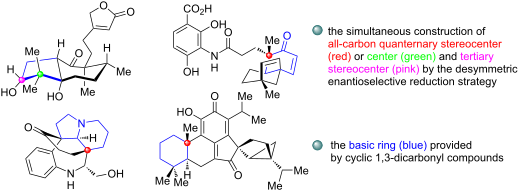
Figure 1: Several representative terpenoid and alkaloid natural products synthesized by applying desymmetric ...
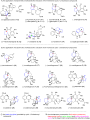
Figure 2: Selected terpenoid and alkaloid natural products synthesized by applying desymmetric enantioselecti...

Scheme 1: The total synthesis of (+)-aplysiasecosterol A (6) by Li [14].

Scheme 2: The total synthesis of (−)-cyrneine A by Han [31].

Scheme 3: The total syntheses of three cyrneine diterpenoids by Han [31,32].

Scheme 4: The total synthesis of (−)-hamigeran B and (−)-4-bromohamigeran B by Han [51].

Scheme 5: The total synthesis of (+)-randainin D by Baudoin [53].
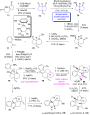
Scheme 6: The total synthesis of (−)-hunterine A and (−)-aspidospermidine by Stoltz [58].

Scheme 7: The total synthesis of (+)-toxicodenane A by Han [65,66].
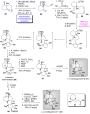
Scheme 8: The formal total synthesis of (−)-conidiogeone B and total synthesis of (−)-conidiogeone F by Lee a...

Scheme 9: The total syntheses of four conidiogenones natural products by Lee and Han [72].

Scheme 10: The total synthesis of (−)-platensilin by Lou and Xu [82].

Scheme 11: The total synthesis of (−)-platencin and (−)-platensimycin by Lou and Xu [82].

Scheme 12: The total synthesis of (+)-isochamaecydin and (+)-chamaecydin by Han [86].
Bioinspired total syntheses of natural products: a personal adventure
- Zhengyi Qin,
- Yuting Yang,
- Nuran Yan,
- Xinyu Liang,
- Zhiyu Zhang,
- Yaxuan Duan,
- Huilin Li and
- Xuegong She
Beilstein J. Org. Chem. 2025, 21, 2048–2061, doi:10.3762/bjoc.21.160
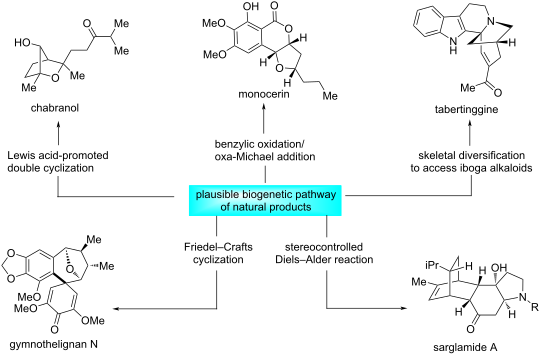
- 4a), Kam proposed that tabertinggine might be biosynthetically generated from an ibogamine precursor keto-ibogamine through an indole oxidation and C21–N bond cleavage process to give intermediate 25, which further undergoes a cyclization to form the C16–N bond and dehydration to generate the enone
- might undergo benzylic oxidations and intramolecular dehydration to access a diaryltetrahydrofuran (THF) skeleton. Then, oxidation of one aryl group through phenol oxidation would generate a putative cyclohexadienone intermediate to be further captured by the other phenol to access eupodienone through a
- using chiral compound 40 with an acid-sensitive protecting group MEM on the alcohol as the precursor, the simple Brønsted acid TsOH successfully promoted the deprotection and dehydration to generate oxa-carbenium 41, which subsequently proceeded the Friedel–Crafts cyclization to furnish

Graphical Abstract

Figure 1: Representative natural products with biomimetic total synthesis.

Scheme 1: Bioinspired total synthesis of chabranol (2010).

Scheme 2: Proposed biosynthetic pathway of monocerin-family natural products.
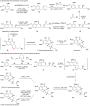
Scheme 3: Bioinspired total synthesis of monocerin-family molecules (2013).
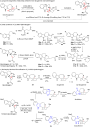
Scheme 4: Bioinspired skeletal diversification of (12-MeO-)tabertinggine (2016).
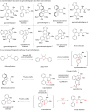
Scheme 5: Structures and our proposed biosynthetic pathway of gymnothelignans.

Scheme 6: Bioinspired total synthesis of gymnothelignans (2014–2025).
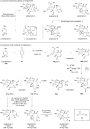
Scheme 7: Bioinspired total synthesis of sarglamides (2025).
Asymmetric total synthesis of tricyclic prostaglandin D2 metabolite methyl ester via oxidative radical cyclization
- Miao Xiao,
- Liuyang Pu,
- Qiaoli Shang,
- Lei Zhu and
- Jun Huang
Beilstein J. Org. Chem. 2025, 21, 1964–1972, doi:10.3762/bjoc.21.152
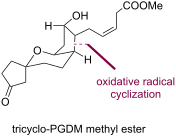
- synthetically challenging because of the tricyclic ring system, spiroketal moiety (B, C-ring), and instability arising from dehydration of the hydroxy groups. Prior approaches to (±)-4 have shown the feasibility of accessing this target molecule. Blair [7] and Sulikowski [8] reported the total synthesis of

Graphical Abstract
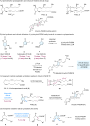
Scheme 1: Representative prostaglandins and general synthetic strategy toward PGDM methyl ester 4.

Scheme 2: Retrosynthetic analysis for the first generation synthesis of PGDM methyl ester 4.

Scheme 3: Synthesis of bicyclic ketal 25.

Scheme 4: Retrosynthetic analysis for the second-generation synthesis of tricyclic PGDM methyl ester 4.
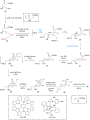
Scheme 5: Asymmetric total synthesis of tricyclic-PGDM methyl ester 4.
Continuous-flow-enabled intensification in nitration processes: a review of technological developments and practical applications over the past decade
- Feng Zhou,
- Chuansong Duanmu,
- Yanxing Li,
- Jin Li,
- Haiqing Xu,
- Pan Wang and
- Kai Zhu
Beilstein J. Org. Chem. 2025, 21, 1678–1699, doi:10.3762/bjoc.21.132
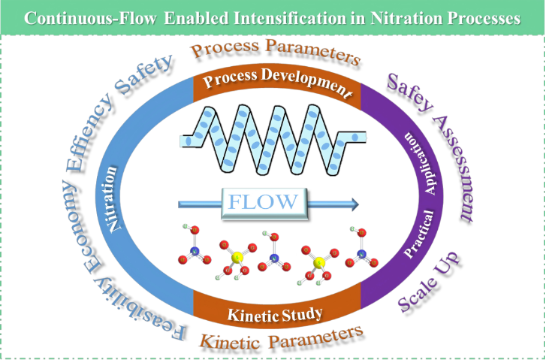
- dehydration. This electrophilic species subsequently engages in an aromatic electrophilic substitution, with reaction kinetics heavily influenced by the electronic nature of substituents and acid strength. Table 2 analyzes studies in the literature that utilize the flow-chemistry technology to investigate the

Graphical Abstract

Figure 1: Three key dimensions of a complete nitration process.

Figure 2: A typical continuous-flow nitration reaction system.

Figure 3: Corrosion characteristics of common wetted materials used in continuous-flow nitration system. Note...

Figure 4: Analysis of the literature on continuous-flow nitration reaction over the past decade.

Scheme 1: Model reaction for the homogeneous nitration by nitric acid/mixed acid.

Figure 5: Safety assessment criteria for nitration reactions. Notes: apressure-independent; bno hazards arisi...
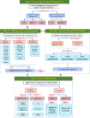
Figure 6: Guide for the investigation of continuous-flow nitration processes.
N-Salicyl-amino acid derivatives with antiparasitic activity from Pseudomonas sp. UIAU-6B
- Joy E. Rajakulendran,
- Emmanuel Tope Oluwabusola,
- Michela Cerone,
- Terry K. Smith,
- Olusoji O. Adebisi,
- Adefolalu Adedotun,
- Gagan Preet,
- Sylvia Soldatou,
- Hai Deng,
- Rainer Ebel and
- Marcel Jaspars
Beilstein J. Org. Chem. 2025, 21, 1388–1396, doi:10.3762/bjoc.21.103
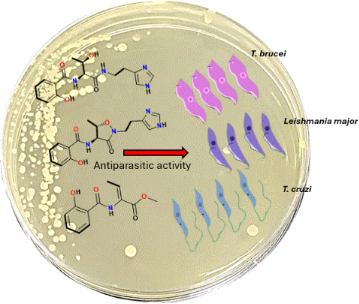
- ) with 7 degrees of unsaturation was deduced based on negative mode HRESIMS data (see Supporting Information File 1, Figure S11) which indicated a deprotonated anion at m/z 220.0616. The 1H NMR spectrum of 3 displayed slightly similar signal patterns to that of 1 but differs due to dehydration of the
- ]. The biosynthetic route of compound 1 leads to the amide-bond formation step between the PmsG-tethered threonine and salicylic acyl group leading to intramolecular dehydration. The decarboxylated product of histidine, histamine serves as a nucleophilic substrate to release the corresponding uncyclised
- condensation product, compound 2. Compound 1 is proposed to further undergo a dehydration reaction by the elimination of the α-proton and β-hydroxy group of the threonine residue to form compound 3. Compound 4 is a product of methylation of 3 carboxyl functionality (see Figure 4). These compounds are possibly

Graphical Abstract

Figure 1: Structures of the pseudomonins D–G (1–4), pseudomonine (5), pseudomonin B (6) and salicylic acid (7...

Figure 2: Key HMBC, 1H-1H COSY and NOE correlations.

Figure 3: Extracted ion chromatogram and corresponding mass spectrum of compound 4 in the crude extract.

Figure 4: Proposed biosynthetic scheme for the formation of compounds (1–4).
Oxetanes: formation, reactivity and total syntheses of natural products
- Peter Gabko,
- Martin Kalník and
- Maroš Bella
Beilstein J. Org. Chem. 2025, 21, 1324–1373, doi:10.3762/bjoc.21.101
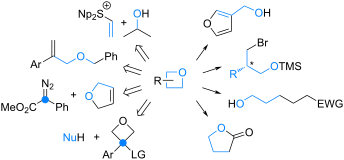
- oxygen and a subsequent proton transfer affords the aromatic heterocycle. The authors also devised a modification to this procedure for olefin precursors which were difficult to prepare: this alternative uses cross-aldol adducts 180 between 3-oxetanone and a ketone, and the ring opening and dehydration

Graphical Abstract

Figure 1: Bond lengths and bond angles in oxetane at 140 K [2].

Figure 2: Analogy of 3-substituted oxetanes to carbonyl and gem-dimethyl groups [12].

Figure 3: Use of oxetanes in drug design – selected examples.

Figure 4: Examples of oxetane-containing natural products.

Scheme 1: Synthetic strategies towards construction of the oxetane ring.

Scheme 2: Overview of intramolecular Williamson etherification and competing Grob fragmentation.

Scheme 3: Synthesis of spiro-oxetanes via 1,4-C–H insertion and Williamson etherification.

Scheme 4: Use of phenyl vinyl selenone in the synthesis of spirooxindole oxetanes.

Scheme 5: Synthesis of bicyclic 3,5-anhydrofuranoses via double epoxide opening/etherification.

Scheme 6: Preparation of spirooxetanes by cycloisomerisation via MHAT/RPC.

Scheme 7: Oxetane synthesis via alcohol C–H functionalisation.

Scheme 8: Access to oxetanes 38 from α-acetyloxy iodides.

Scheme 9: The kilogram-scale synthesis of oxetane intermediate 41.

Scheme 10: Overview of the intramolecular opening of 3-membered rings.

Scheme 11: Synthesis of 4,7-dioxatricyclo[3.2.1.03,6]octane skeletons.

Scheme 12: Silicon-directed electrophilic cyclisation of homoallylic alcohols.

Scheme 13: Hydrosilylation–iodocyclisation of homopropargylic alcohols.

Scheme 14: Cu-catalysed intramolecular O-vinylation of γ-bromohomoallylic alcohols.

Scheme 15: Cu-catalysed intramolecular cross-coupling of hydroxyvinylstannanes.

Scheme 16: Isomerisation of oxiranyl ethers containing weakly carbanion-stabilising groups.

Scheme 17: Cyclisation of diethyl haloalkoxymalonates.

Scheme 18: Synthesis of oxetanes through a 1,5-HAT/radical recombination sequence.

Scheme 19: General approach to oxetanes via [2 + 2] cycloadditions.

Scheme 20: Synthesis of tricyclic 4:4:4 oxetanes through a photochemical triple cascade reaction.

Scheme 21: Iridium-catalysed Paternò–Büchi reaction between α-ketoesters and simple alkenes.

Scheme 22: Three-step synthesis of spirocyclic oxetanes 83 via Paternò–Büchi reaction, nucleophilic ring openi...

Scheme 23: Enantioselective Paternò–Büchi reaction catalysed by a chiral iridium photocatalyst.

Scheme 24: Synthesis of polysubstituted oxetanes 92 via Cu(II)-mediated formal [2 + 2] cycloadditions.
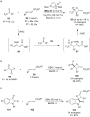
Scheme 25: Synthesis of alkylideneoxetanes via NHC- and DBU-mediated formal [2 + 2] cycloadditions.

Scheme 26: Use of sulphur-stabilised carbanions in ring expansions.

Scheme 27: Synthesis of α,α-difluoro(arylthio)methyl oxetanes.

Scheme 28: Ring expansion in an industrial synthesis of PF-06878031.

Scheme 29: Ring contraction of triflated 2-hydroxy-γ-lactones.

Scheme 30: Ring contraction in an industrial synthesis of PF-06878031.

Scheme 31: Photochemical ring contraction of 2,5-dihydrofurans by aryldiazoacetic acid esters.

Scheme 32: Synthesis of 3-oxetanones via O-H insertion of carbenes.

Scheme 33: Synthesis of phosphonate oxetanones via gold-mediated alkyne oxidation/O–H insertion.

Scheme 34: Syntheses and common derivatisations of 3-oxetanone.

Scheme 35: SN1 substitution of 3-aryloxetan-3-ols by thiols and alcohols.

Scheme 36: Fe–Ni dual-catalytic olefin hydroarylation towards 3-alkyl-3-(hetero)aryloxetanes.

Scheme 37: Synthesis of 3-aryloxetan-3-carboxylic acids.

Scheme 38: Decarboxylative alkylation of 3-aryloxetan-3-carboxylic acids.

Scheme 39: Synthesis of 3-amino-3-aryloxetanes via photoredox/nickel cross-coupling catalysis.
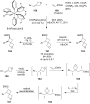
Scheme 40: Intermolecular cross-selective [2 + 2] photocycloaddition towards spirooxetanes.

Scheme 41: Synthesis of 3-aryl-3-aminooxetanes via defluorosulphonylative coupling.

Scheme 42: Two-step synthesis of amide bioisosteres via benzotriazolyl Mannich adducts 170.

Scheme 43: Functionalisation of oxetanyl trichloroacetimidates 172.

Scheme 44: Synthesis of oxetane-amino esters 176.

Scheme 45: Tandem Friedel–Crafts alkylation/intramolecular ring opening of 3-aryloxetan-3-ols.

Scheme 46: Synthesis of polysubstituted furans and pyrroles.

Scheme 47: Synthesis of oxazolines and bisoxazolines.

Scheme 48: Tandem, one-pot syntheses of various polycyclic heterocycles.

Scheme 49: Synthesis of 1,2-dihydroquinolines via skeletal reorganisation of oxetanes.

Scheme 50: Synthesis of benzoindolines and 2,3-dihydrobenzofurans and their derivatisations.

Scheme 51: Synthesis of polysubstituted 1,4-dioxanes.

Scheme 52: Preparation of various lactones via ring opening of oxetane-carboxylic acids 219.

Scheme 53: Tsuji-Trost allylation/ring opening of 3-aminooxetanes.

Scheme 54: Arylative skeletal rearrangement of 3-vinyloxetan-3-ols to 2,5-dihydrofurans.

Scheme 55: Reductive opening of oxetanes using catalytic Mg–H species.

Scheme 56: Opening of oxetanes by silyl ketene acetals.

Scheme 57: Rhodium-catalysed hydroacylation of oxetanes.

Scheme 58: Generation of radicals from oxetanes mediated by a vitamin B12-derived cobalt catalyst.

Scheme 59: Reductive opening of oxetanes by B–Si frustrated Lewis pairs.
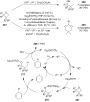
Scheme 60: Zirconocene-mediated reductive opening of oxetanes.

Scheme 61: Enantioselective syntheses of small and medium-size rings using chiral phosphoric acids.

Scheme 62: Asymmetric synthesis of 2,3-dihydrobenzo[b]oxepines catalysed by a chiral scandium complex.

Scheme 63: Enantioselective synthesis of 1,3-bromohydrins under a chiral squaramide catalysis.

Scheme 64: Enantioselective opening of 2-aryl-2-ethynyloxetanes by anilines.

Scheme 65: Ru-catalysed insertion of diazocarbonyls into oxetanes.

Scheme 66: Ring expansion of oxetanes by stabilised carbenes generated under blue light irradiation.

Scheme 67: Expansion of oxetanes via nickel-catalysed insertion of alkynyltrifluoroborates.

Scheme 68: Nickel-catalysed expansion of oxetanes into ε-caprolactones.

Scheme 69: Expansion of oxetanes via cobalt-catalysed carbonyl insertion.

Scheme 70: Gold-catalysed intramolecular 1,1-carboalkoxylation of oxetane-ynamides.

Scheme 71: Expansion of oxetanes by stabilised sulphoxonium ylides.

Scheme 72: Cu-catalysed ring expansion of 2-vinyloxetanes by diazoesters.

Scheme 73: Total synthesis of (+)-oxetin.

Scheme 74: Total synthesis of racemic oxetanocin A.

Scheme 75: Total synthesis of (−)-merrilactone A.
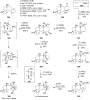
Scheme 76: Total synthesis of (+)-dictyoxetane.

Scheme 77: Total synthesis of ent-dichrocephone B.

Scheme 78: Total synthesis of (−)-mitrephorone A.
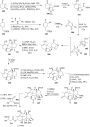
Scheme 79: Total synthesis of (−)-taxol.
Recent advances and future challenges in the bottom-up synthesis of azulene-embedded nanographenes
- Bartłomiej Pigulski
Beilstein J. Org. Chem. 2025, 21, 1272–1305, doi:10.3762/bjoc.21.99
- azulene-embedded dione 59 in 39% yield. Finally, NaBH4 reduction followed by SnCl2/AcOH dehydration gave target non-alternant isomer of hexacene 60 in 43% yield. Interestingly, for the same number of rings, azulene-embedded acene isomers isomers exhibit greater stability than their fully benzenoid acene
- resulting 1,4-dienone with metal acetylides and dehydration is a commonly used tool for the synthesis of (hetero)acenes [101]. Jiang and co-workers applied this approach to azulene-embedded isomers of pentacene, hexacene and heptacene (Scheme 21) [102]. First, the carbon scaffolds of the target acenes were

Graphical Abstract

Figure 1: a) Stone–Wales (red) and azulene (blue) defects in graphene; b) azulene and its selected resonance ...

Figure 2: Examples of azulene-embedded 2D allotropic forms of carbon: a) phagraphene and b) TPH-graphene.

Scheme 1: Synthesis of non-alternant isomers of pyrene (2 and 6) using dehydrogenation.

Scheme 2: Synthesis of non-alternant isomer 9 of benzo[a]pyrene and 14 of benzo[a]perylene using dehydrogenat...

Scheme 3: Synthesis of azulene-embedded isomers of benzo[a]pyrene (18 and 22) inspired by Ziegler–Hafner azul...

Figure 3: General strategies leading to azulene-embedded nanographenes: a) construction of azulene moiety in ...

Scheme 4: Synthesis of biradical PAHs possessing significant biradical character using oxidation of partially...

Scheme 5: Synthesis of dicyclohepta[ijkl,uvwx]rubicene (29) and its further modifications.

Scheme 6: Synthesis of warped PAHs with one embedded azulene subunit using Scholl-type oxidation.

Scheme 7: Synthesis of warped PAHs with two embedded azulene subunits using Scholl oxidation.

Scheme 8: Synthesis of azulene-embedded PAHs using [3 + 2] annulation accompanied by ring expansion.

Scheme 9: Synthesis of azulene-embedded isomers of linear acenes using [3 + 2] annulation accompanied by ring...

Scheme 10: Synthesis of azulene-embedded PAHs using intramolecular C–H arylation.

Scheme 11: Synthesis of azulene-embedded isomers of acenes using intramolecular C–H arylation.

Scheme 12: Synthesis of azulene-embedded PAHs using intramolecular condensations.

Scheme 13: Synthesis of azulene-embedded PAH 89 using palladium-catalysed [5 + 2] annulation.
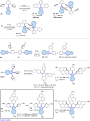
Scheme 14: Synthesis of azulene-embedded PAHs using oxidation of substituents around the azulene core.
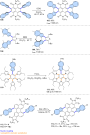
Scheme 15: Synthesis of azulene-embedded PAHs using the oxidation of reactive positions 1 and 3 of azulene sub...

Scheme 16: Synthesis of azulene-embedded PAHs using intramolecular C–H arylation.

Scheme 17: Synthesis of an azulene-embedded isomer of terylenebisimide using tandem Suzuki coupling and C–H ar...

Scheme 18: Synthesis of azulene embedded PAHs using a bismuth-catalyzed cyclization of alkenes.
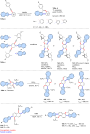
Scheme 19: Synthesis of azulene-embedded nanographenes using intramolecular cyclization of alkynes.

Scheme 20: Synthesis of azulene-embedded graphene nanoribbons and azulene-embedded helicenes using annulation ...

Scheme 21: Synthesis of azulene-fused acenes.

Scheme 22: Synthesis of non-alternant isomer of perylene 172 using Yamamoto-type homocoupling.

Scheme 23: Synthesis of N- and BN-nanographenes with embedded azulene unit(s).
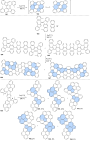
Scheme 24: On-surface synthesis of azulene-embedded nanographenes from benzenoid precursors via dehydrogenatio...
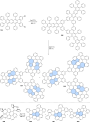
Scheme 25: On-surface synthesis of azulene-embedded nanographenes from benzenoid precursors.
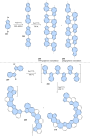
Scheme 26: On-surface synthesis of azulene-embedded nanoribbons.
A multicomponent reaction-initiated synthesis of imidazopyridine-fused isoquinolinones
- Ashutosh Nath,
- John Mark Awad and
- Wei Zhang
Beilstein J. Org. Chem. 2025, 21, 1161–1169, doi:10.3762/bjoc.21.92
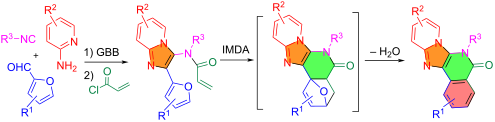
- thiophene to reduce the diene's reactivity or altering the electrophilicity of the dienophile. Based on the computational analysis of the transition states, reaction mechanisms for the IMDA and the dehydration re-aromatization process are proposed in Scheme 5. In the IMDA reaction for the preparation of
- preparation of imidazo[1,2-a]pyridines 6. Substrate scope for IMDA and dehydrative aromatization in making 8. Reaction conditions: 6 and AlCl3 (10 mol %) in 1,2-dichlorobenzene at 180 °C for 4 h. Using thiophene-2-carbaldehyde for the synthesis of 8t. Proposed mechanisms for IMDA reaction and dehydration re

Graphical Abstract

Figure 1: Bioactive compounds bearing imidazopyridine (red) and isoquinolinone-kind (blue) rings.

Scheme 1: GBB-initiated synthesis of imidazopyridine-fused isoquinolinones.

Scheme 2: GBB reaction and N-acylation for the preparation of imidazo[1,2-a]pyridines 6.
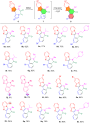
Scheme 3: Substrate scope for IMDA and dehydrative aromatization in making 8. Reaction conditions: 6 and AlCl3...
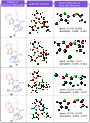
Figure 2: Transition state analysis of IMDA reactions for 6a, 6j, 6h and 6r.

Figure 3: Relative energy diagram for the synthesis of 8a from 6a.

Scheme 4: Using thiophene-2-carbaldehyde for the synthesis of 8t.

Scheme 5: Proposed mechanisms for IMDA reaction and dehydration re-aromatization.
Synthetic approach to borrelidin fragments: focus on key intermediates
- Yudhi Dwi Kurniawan,
- Zetryana Puteri Tachrim,
- Teni Ernawati,
- Faris Hermawan,
- Ima Nurasiyah and
- Muhammad Alfin Sulmantara
Beilstein J. Org. Chem. 2025, 21, 1135–1160, doi:10.3762/bjoc.21.91
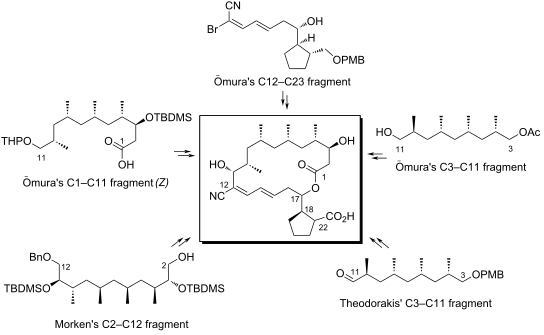
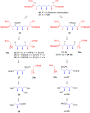
- compound 84 through a series of sequential steps, including chemoenzymatic (ω-1)-hydroxylation, regioselective dehydration of the resulting alcohol to form a terminal alkene, ozonolysis of the alkene to yield an aldehyde, reduction of the aldehyde product to a primary alcohol, and protection of the alcohol

Graphical Abstract

Figure 1: Chemical structure of borrelidin (1).
Scheme 1: Synthetic strategy for Morken’s C2–C12 intermediate 20 as reported by Uguen et al. [41].
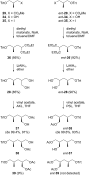
Scheme 2: Preparation of monoacetates 37 and ent-38 by Uguen et al. [41].
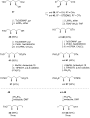
Scheme 3: Preparation of sulfones 27 and ent-27 by Uguen et al. [41].

Scheme 4: Attempts to couple sulfones 27 and ent-27 with epoxides 23a–c reported by Uguen et al. [41].

Scheme 5: Modified synthetic plan for Morken’s C2–C12 intermediate by Uguen [41].
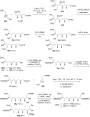
Scheme 6: Revised synthetic strategy for Morken’s C2–C12 intermediate 20 by Uguen [41].

Scheme 7: Iterative synthesis of polydeoxypropionates developed by Zhou et al. [40].

Scheme 8: Application of iterative synthesis of polydeoxypropionate to construct the C3–C11 fragment 60 of bo...

Scheme 9: Retrosynthetic analysis of borrelidin by Yadav et al. [39].

Scheme 10: Two-carbon homologation of precursor 66 in the synthesize C1–C11 fragment 61 of borrelidin [39].

Scheme 11: Synthesis of the C1–C11 fragment 61 of borrelidin from monoalcohol 65 [39].

Scheme 12: Synthetic plan for Theodorakis’ C3–C11 fragment 82 of borrelidin by Laschat et al. [38].

Scheme 13: Synthesis of Theodorakis’ C3–C11 fragment 82 from compound 88 [38].

Scheme 14: Retrosynthesis of 61 and 62b by Minnaard and Madduri [37].

Scheme 15: Synthesis of intermediate 98 by Minnaard and Madduri [37].

Scheme 16: Synthesis of Ōmura’s C1–C11 fragment 61 by Minnaard and Madduri [37].

Scheme 17: Synthesis of fragment 62b of borrelidin as proposed by Minnaard and Madduri [37].

Scheme 18: Iterative directed allylation for the synthesis of deoxypropionates by Herber and Breit [33].
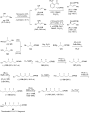
Scheme 19: Iterative copper-mediated directed allyl substitution for the synthesis of Theodorakis’ C3–C11 frag...

Scheme 20: Retrosynthesis of the C3–C17 fragment of borrelidin by Iqbal and co-workers [35].

Scheme 21: Synthesis of key intermediates 137 and 147 for the synthesis of the C3–C17 fragment of borrelidin.

Scheme 22: Synthesis of the C3–C17 fragment 150a,b of borrelidin.

Scheme 23: Synthesis of the C11–C15 fragment 155a of borrelidin.

Scheme 24: Macrocyclization of borrelidin model compounds 155a and 155b using ring-closing metathesis.
Recent advances in synthetic approaches for bioactive cinnamic acid derivatives
- Betty A. Kustiana,
- Galuh Widiyarti and
- Teni Ernawati
Beilstein J. Org. Chem. 2025, 21, 1031–1086, doi:10.3762/bjoc.21.85

Graphical Abstract

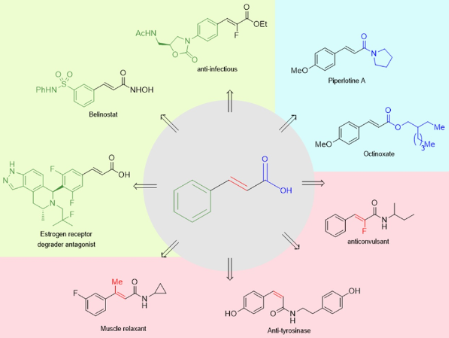
Figure 1: Biologically active cinnamic acid derivatives.
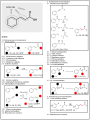
Scheme 1: General synthetic strategies for cinnamic acid derivatizations.

Scheme 2: Cinnamic acid coupling via isobutyl anhydride formation.
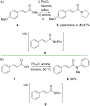
Scheme 3: Amidation reaction via O/N-pivaloyl activation.

Scheme 4: Cinnamic acid amidation using TCCA/PPh3 reagent.
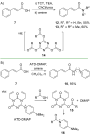
Scheme 5: Cinnamic acid amidation using triazine-based reagents.

Scheme 6: Cinnamic acid amidation using continuous flow mechanochemistry.

Scheme 7: Cinnamic acid amidation using COMU as coupling reagent.
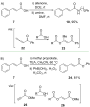
Scheme 8: Cinnamic acid amidation using allenone coupling reagent.

Scheme 9: Cinnamic acid amidation using 4-acetamidophenyl triflimide as reagent.

Scheme 10: Cinnamic acid amidation using methyltrimethoxysilane (MTM).

Scheme 11: Cinnamic acid amidation utilizing amine–borane reagent.

Scheme 12: Cinnamic acid amidation using TCCA/PPh3 reagent.

Scheme 13: Cinnamic acid amidation using PPh3/I2 reagent.

Scheme 14: Cinnamic acid amidation using PCl3 reagent.

Scheme 15: Cinnamic acid amidation utilizing pentafluoropyridine (PFP) as reagent.

Scheme 16: Cinnamic acid amidation using hypervalent iodine(III).

Scheme 17: Mechanochemical amidation using 1,1,2,2-tetrafluoroethyl-N,N-dimethylamine (TFEDMA) reagent.

Scheme 18: Methyl ester preparation using tris(2,4,6-trimethoxyphenyl)phosphine (TMPP).

Scheme 19: N-Trifluoromethyl amide preparation using isothiocyanate and AgF.

Scheme 20: POCl3-mediated amide coupling of carboxylic acid and DMF.
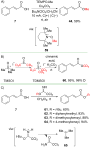
Scheme 21: O-Alkylation of cinnamic acid using alkylating agents.

Scheme 22: Glycoside preparation via Mitsunobu reaction.
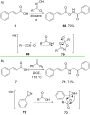
Scheme 23: O/N-Acylation via rearrangement reactions.
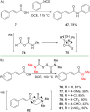
Scheme 24: Amidation reactions using sulfur-based alkylating agents.

Scheme 25: Amidation reaction catalyzed by Pd0 via C–N cleavage.

Scheme 26: Amidation reaction catalyzed by CuCl/PPh3.

Scheme 27: Cu(II) triflate-catalyzed N-difluoroethylimide synthesis.

Scheme 28: Cu/Selectfluor-catalyzed transamidation reaction.

Scheme 29: CuO–CaCO3-catalyzed amidation reaction.

Scheme 30: Ni-catalyzed reductive amidation.
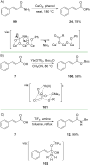
Scheme 31: Lewis acidic transition-metal-catalyzed O/N-acylations.

Scheme 32: Visible-light-promoted amidation of cinnamic acid.

Scheme 33: Sunlight/LED-promoted amidation of cinnamic acid.

Scheme 34: Organophotocatalyst-promoted N–O cleavage of Weinreb amides to synthesize primary amides.

Scheme 35: Cinnamamide synthesis through [Ir] photocatalyst-promoted C–N-bond cleavage of tertiary amines.

Scheme 36: Blue LED-promoted FeCl3-catalyzed reductive transamidation.

Scheme 37: FPyr/TCT-catalyzed amidation of cinnamic acid derivative 121.

Scheme 38: Cs2CO3/DMAP-mediated esterification.

Scheme 39: HBTM organocatalyzed atroposelective N-acylation.

Scheme 40: BH3-catalyzed N-acylation reactions.
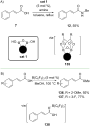
Scheme 41: Borane-catalyzed N-acylation reactions.

Scheme 42: Catalytic N-acylation reactions via H/F bonding activation.

Scheme 43: Brønsted base-catalyzed synthesis of cinnamic acid esters.

Scheme 44: DABCO/Fe3O4-catalyzed N-methyl amidation of cinnamic acid 122.
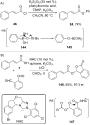
Scheme 45: Catalytic oxidation reactions of acylating agents.

Scheme 46: Preparation of cinnamamide-substituted benzocyclooctene using I(I)/I(III) catalysis.

Scheme 47: Pd-colloids-catalyzed oxidative esterification of cinnamyl alcohol.
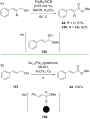
Scheme 48: Graphene-supported Pd/Au alloy-catalyzed oxidative esterification via hemiacetal intermediate.
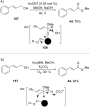
Scheme 49: Au-supported on A) carbon nanotubes (CNT) and B) on porous boron nitride (pBN) as catalyst for the ...

Scheme 50: Cr-based catalyzed oxidative esterification of cinnamyl alcohols with H2O2 as the oxidant.

Scheme 51: Co-based catalysts used for oxidative esterification of cinnamyl alcohol.
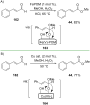
Scheme 52: Iron (A) and copper (B)-catalyzed oxidative esterification of cinnamaldehyde.

Scheme 53: NiHPMA-catalyzed oxidative esterification of cinnamaldehyde.
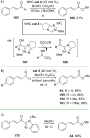
Scheme 54: Synthesis of cinammic acid esters through NHC-catalyzed oxidative esterification via intermolecular...
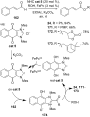
Scheme 55: Redox-active NHC-catalyzed esterification via intramolecular oxidation.

Scheme 56: Electrochemical conversion of cinnamaldehyde to methyl cinnamate.

Scheme 57: Bu4NI/TBHP-catalyzed synthesis of bisamides from cinnamalaldehyde N-tosylhydrazone.

Scheme 58: Zn/NC-950-catalyzed oxidative esterification of ketone 182.

Scheme 59: Ru-catalyzed oxidative carboxylation of terminal alkenes.
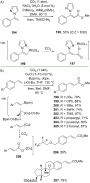
Scheme 60: Direct carboxylation of alkenes using CO2.
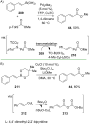
Scheme 61: Carboxylation of alkenylboronic acid/ester.
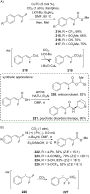
Scheme 62: Carboxylation of gem-difluoroalkenes with CO2.
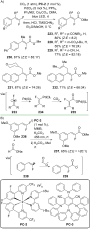
Scheme 63: Photoredox-catalyzed carboxylation of difluoroalkenes.

Scheme 64: Ru-catalyzed carboxylation of alkenyl halide.
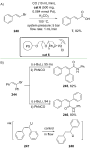
Scheme 65: Carboxylation of alkenyl halides under flow conditions.
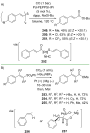
Scheme 66: Cinnamic acid ester syntheses through carboxylation of alkenyl sulfides/sulfones.

Scheme 67: Cinnamic acid derivatives synthesis through a Ag-catalyzed decarboxylative cross-coupling proceedin...
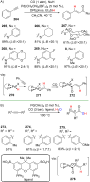
Scheme 68: Pd-catalyzed alkyne hydrocarbonylation.

Scheme 69: Fe-catalyzed alkyne hydrocarbonylation.
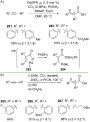
Scheme 70: Alkyne hydrocarboxylation using CO2.
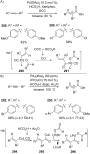
Scheme 71: Alkyne hydrocarboxylation using HCO2H as CO surrogate.

Scheme 72: Co/AlMe3-catalyzed alkyne hydrocarboxylation using DMF.
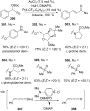
Scheme 73: Au-catalyzed oxidation of Au–allenylidenes.
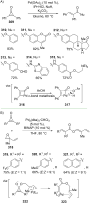
Scheme 74: Pd-catalyzed C–C-bond activation of cyclopropenones to synthesize unsaturated esters and amides.
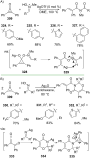
Scheme 75: Ag-catalyzed C–C-bond activation of diphenylcyclopropenone.
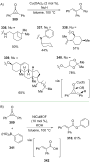
Scheme 76: Cu-catalyzed C–C bond activation of diphenylcyclopropenone.
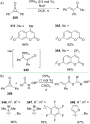
Scheme 77: PPh3-catalyzed C–C-bond activation of diphenylcyclopropenone.
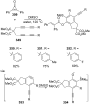
Scheme 78: Catalyst-free C–C-bond activation of diphenylcyclopropenone.
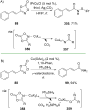
Scheme 79: Cu-catalyzed dioxolane cleavage.
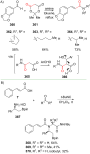
Scheme 80: Multicomponent coupling reactions.
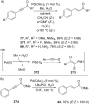
Scheme 81: Pd-catalyzed partial hydrogenation of electrophilic alkynes.

Scheme 82: Nickel and cobalt as earth-abundant transition metals used as catalysts for the partial hydrogenati...
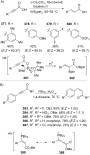
Scheme 83: Metal-free-catalyzed partial hydrogenation of conjugated alkynes.

Scheme 84: Horner–Wadsworth–Emmons reaction between triethyl 2-fluoro-2-phosphonoacetate and aldehydes with ei...
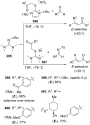
Scheme 85: Preparation of E/Z-cinnamates using thiouronium ylides.
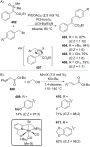
Scheme 86: Transition-metal-catalyzed ylide reactions.
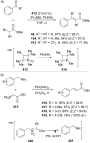
Scheme 87: Redox-driven ylide reactions.
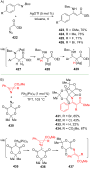
Scheme 88: Noble transition-metal-catalyzed olefination via carbenoid species.

Scheme 89: TrBF4-catalyzed olefination via carbene species.

Scheme 90: Grubbs catalyst (cat 7)/photocatalyst-mediated metathesis reactions.

Scheme 91: Elemental I2-catalyzed carbonyl-olefin metathesis.

Scheme 92: Cu-photocatalyzed E-to-Z isomerization of cinnamic acid derivatives.

Scheme 93: Ni-catalyzed E-to-Z isomerization.

Scheme 94: Dehydration of β-hydroxy esters via an E1cB mechanism to access (E)-cinnamic acid esters.

Scheme 95: Domino ring-opening reaction induced by a base.
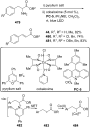
Scheme 96: Dehydroamination of α-aminoester derivatives.

Scheme 97: Accessing methyl cinnamate (44) via metal-free deamination or decarboxylation.

Scheme 98: The core–shell magnetic nanosupport-catalyzed condensation reaction.
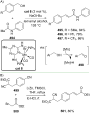
Scheme 99: Accessing cinnamic acid derivatives from acetic acid esters/amides through α-olefination.
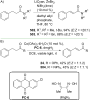
Scheme 100: Accessing cinnamic acid derivatives via acceptorless α,β-dehydrogenation.

Scheme 101: Cu-catalyzed formal [3 + 2] cycloaddition.
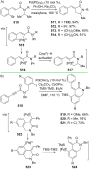
Scheme 102: Pd-catalyzed C–C bond formation via 1,4-Pd-shift.
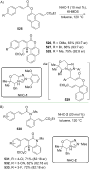
Scheme 103: NHC-catalyzed Rauhut–Currier reactions.
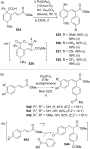
Scheme 104: Heck-type reaction for Cα arylation.

Scheme 105: Cu-catalyzed trifluoromethylation of cinnamamide.
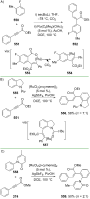
Scheme 106: Ru-catalyzed alkenylation of arenes using directing groups.
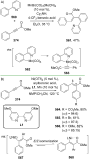
Scheme 107: Earth-abundant transition-metal-catalyzed hydroarylation of α,β-alkynyl ester 374.
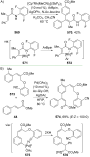
Scheme 108: Precious transition-metal-catalyzed β-arylation of cinnamic acid amide/ester.

Scheme 109: Pd-catalyzed β-amination of cinnamamide.

Scheme 110: S8-mediated β-amination of methyl cinnamate (44).

Scheme 111: Pd-catalyzed cross-coupling reaction of alkynyl esters with phenylsilanes.
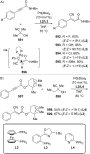
Scheme 112: Pd-catalyzed β-cyanation of alkynyl amide/ester.
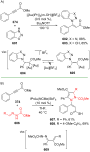
Scheme 113: Au-catalyzed β-amination of alkynyl ester 374.
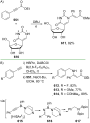
Scheme 114: Metal-free-catalyzed Cβ-functionalizations of alkynyl esters.
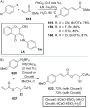
Scheme 115: Heck-type reactions.
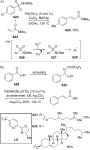
Scheme 116: Mizoroki–Heck coupling reactions using unconventional functionalized arenes.
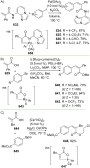
Scheme 117: Functional group-directed Mizoroki–Heck coupling reactions.
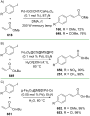
Scheme 118: Pd nanoparticles-catalyzed Mizoroki–Heck coupling reactions.
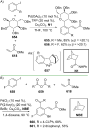
Scheme 119: Catellani-type reactions to access methyl cinnamate with multifunctionalized arene.
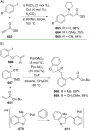
Scheme 120: Multicomponent coupling reactions.

Scheme 121: Single atom Pt-catalyzed Heck coupling reaction.
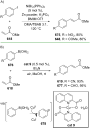
Scheme 122: Earth-abundant transition metal-catalyzed Heck coupling reactions.
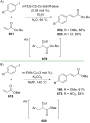
Scheme 123: Polymer-coated earth-abundant transition metals-catalyzed Heck coupling reactions.

Scheme 124: Earth-abundant transition-metal-based nanoparticles as catalysts for Heck coupling reactions.
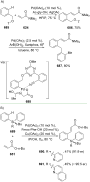
Scheme 125: CN- and Si-based directing groups to access o-selective cinnamic acid derivatives.
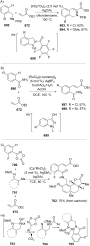
Scheme 126: Amide-based directing group to access o-selective cinnamic acid derivatives.
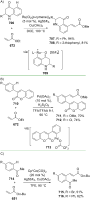
Scheme 127: Carbonyl-based directing group to access o-selective cinnamic acid derivatives.
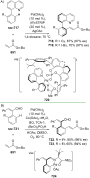
Scheme 128: Stereoselective preparation of atropisomers via o-selective C(sp2)–H functionalization.
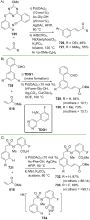
Scheme 129: meta-Selective C(sp2)–H functionalization using directing group-tethered arenes.

Scheme 130: para-Selective C(sp2)–H functionalization using directing group-tethered arenes.

Scheme 131: Non-directed C(sp2)–H functionalization via electrooxidative Fujiwara–Moritani reaction.
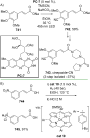
Scheme 132: Interconversion of functional groups attached to cinnamic acid.

Scheme 133: meta-Selective C(sp2)–H functionalization of cinnamate ester.

Scheme 134: C(sp2)–F arylation using Grignard reagents.

Scheme 135: Truce–Smiles rearrangement of N-aryl metacrylamides.

Scheme 136: Phosphine-catalyzed cyclization of γ-vinyl allenoate with enamino esters.
A convergent synthetic approach to the tetracyclic core framework of khayanolide-type limonoids
- Zhiyang Zhang,
- Jialei Hu,
- Hanfeng Ding,
- Li Zhang and
- Peirong Rao
Beilstein J. Org. Chem. 2025, 21, 926–934, doi:10.3762/bjoc.21.75
- 11 in the presence of AcOH by exposure to UV-light at 254 nm occurred exclusively to provide an inseparable mixture of 32 and 33 (Table 1, entry 5). Subsequent dehydration of the resultant mixture with SOCl2 and pyridine yielded separable enones 34 (51%) and 10 (9%) over two steps. The structure of

Graphical Abstract

Figure 1: Representative limonoid triterpenes.
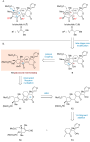
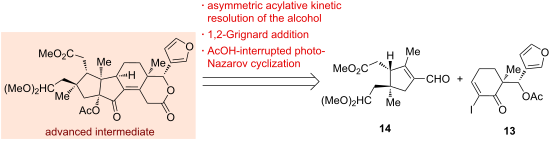
Scheme 1: Structures and retrosynthetic analysis of krishnolides A (7) and C (8).

Scheme 2: Construction of α-iodoenone 13.

Scheme 3: Construction of aldehyde 14.
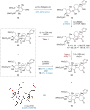
Scheme 4: Synthesis of the advanced intermediate 10 (in the X ray structure of 10 solvent molecule is omitted...
Recent advances in controllable/divergent synthesis
- Jilei Cao,
- Leiyang Bai and
- Xuefeng Jiang
Beilstein J. Org. Chem. 2025, 21, 890–914, doi:10.3762/bjoc.21.73
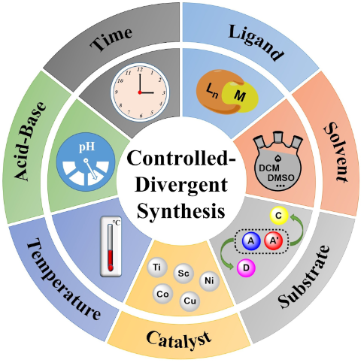
- radical anion, followed by cyclization and dehydration to yield bicyclic product 76. Substrate control Substrate control has emerged as a powerful strategy in organic synthesis, enabling precise manipulation of reaction pathways and stereochemical outcomes through the intrinsic structural and electronic

Graphical Abstract

Scheme 1: Ligand-controlled regiodivergent C1 insertion into arynes [19].

Scheme 2: Ligand effect in homogenous gold catalysis enabling regiodivergent π-bond-activated cyclization [20].

Scheme 3: Ligand-controlled palladium(II)-catalyzed regiodivergent carbonylation of alkynes [21].
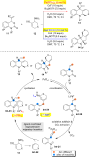
Scheme 4: Catalyst-controlled annulations of strained cyclic allenes with π-allyl palladium complexes and pro...

Scheme 5: Ring expansion of benzosilacyclobutenes with alkynes [23].
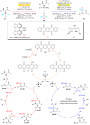
Scheme 6: Photoinduced regiodivergent and enantioselective cross-coupling [24].

Scheme 7: Catalyst-controlled regiodivergent and enantioselective formal hydroamination of N,N-disubstituted ...

Scheme 8: Catalyst-tuned regio- and enantioselective C(sp3)–C(sp3) coupling [31].

Scheme 9: Catalyst-controlled annulations of bicyclo[1.1.0]butanes with vinyl azides [32].

Scheme 10: Solvent-driven reversible macrocycle-to-macrocycle interconversion [39].

Scheme 11: Unexpected solvent-dependent reactivity of cyclic diazo imides and mechanism [40].

Scheme 12: Palladium-catalyzed annulation of prochiral N-arylphosphonamides with aromatic iodides [41].

Scheme 13: Time-dependent enantiodivergent synthesis [42].

Scheme 14: Time-controlled palladium-catalyzed divergent synthesis of silacycles via C–H activation [43].
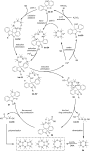
Scheme 15: Proposed mechanism for the time-controlled palladium-catalyzed divergent synthesis of silacycles [43].

Scheme 16: Metal-free temperature-controlled regiodivergent borylative cyclizations of enynes [45].

Scheme 17: Nickel-catalyzed switchable site-selective alkene hydroalkylation by temperature regulation [46].

Scheme 18: Copper-catalyzed decarboxylative amination/hydroamination sequence [48].

Scheme 19: Proposed mechanism of copper-catalyzed decarboxylative amination/hydroamination sequence [48].

Scheme 20: Enantioselective chemodivergent three-component radical tandem reactions [49].

Scheme 21: Substrate-controlled synthesis of indoles and 3H-indoles [52].

Scheme 22: Controlled mono- and double methylene insertions into nitrogen–boron bonds [53].

Scheme 23: Copper-catalyzed substrate-controlled carbonylative synthesis of α-keto amides and amides [54].

Scheme 24: Divergent sulfur(VI) fluoride exchange linkage of sulfonimidoyl fluorides and alkynes [55].

Scheme 25: Modular and divergent syntheses of protoberberine and protonitidine alkaloids [56].
Semisynthetic derivatives of massarilactone D with cytotoxic and nematicidal activities
- Rémy B. Teponno,
- Sara R. Noumeur and
- Marc Stadler
Beilstein J. Org. Chem. 2025, 21, 607–615, doi:10.3762/bjoc.21.48
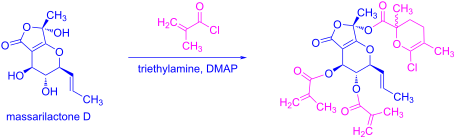
- , Ha-11) and 5.23 (d, J = 3.0 Hz, Hb-11) characteristic of exo-methylene protons as in massarilactone H [13][21], suggesting an exo-dehydration of the C-7 hydroxy group. This was further supported by resonances depicted at δC 148.8 (C-7) and 94.3 (C-11). Since compound 3 is massarilactone H 3,4-di-O

Graphical Abstract

Scheme 1: Preparation of massarilactone D derivatives 2–8. Reagents and reactions conditions: a) (CH3CH2)3N/D...
Study of the interaction of 2H-furo[3,2-b]pyran-2-ones with nitrogen-containing nucleophiles
- Constantine V. Milyutin,
- Andrey N. Komogortsev and
- Boris V. Lichitsky
Beilstein J. Org. Chem. 2025, 21, 556–563, doi:10.3762/bjoc.21.44
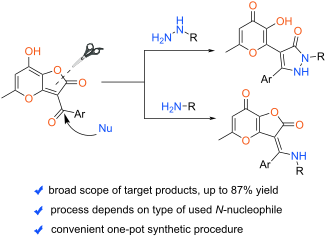
- fragment leads to hemiaminal A. Then, enamine 4 is formed via dehydration of intermediate B. In the case of amines 2 the reaction stops at this stage while for other substrates the further recyclization proceeds. So, the additional NH or OH fragment attacks the lactone moiety leading to intermediate C. The

Graphical Abstract

Scheme 1: Various examples of transformations of furanones.

Scheme 2: Interaction of starting 2H-furo[3,2-b]pyran-2-ones with diverse amines.

Scheme 3: Synthesis of enamines 4. Reaction conditions: 1a (1 mmol, 0.38 g), amine 2 (1.2 mmol), AcOH (3 mL).

Scheme 4: Synthesis of pyrazol-3-ones 8. Reaction conditions: 1 (1 mmol), hydrazine 7 (1.1 mmol), EtOH (5 mL)....

Scheme 5: Synthesis of pyrazol-3-one 10a.

Scheme 6: Synthesis of unsubstituted pyrazol-3-ones 10. Reaction conditions: 1 (1 mmol), hydrazine hydrate (2...

Scheme 7: Synthesis of isoxazolone 11. Reaction conditions: 1c (1 mmol, 0.30 g), hydroxylamine hydrochloride ...

Scheme 8: Proposed reaction mechanism.

Scheme 9: Synthesis of product 13. Reaction conditions: 8o (1 mmol, 0.37 g), pivaloyl chloride (3 mmol, 0.36 ...
Vinylogous functionalization of 4-alkylidene-5-aminopyrazoles with methyl trifluoropyruvates
- Judit Hostalet-Romero,
- Laura Carceller-Ferrer,
- Gonzalo Blay,
- Amparo Sanz-Marco,
- José R. Pedro and
- Carlos Vila
Beilstein J. Org. Chem. 2025, 21, 533–540, doi:10.3762/bjoc.21.41
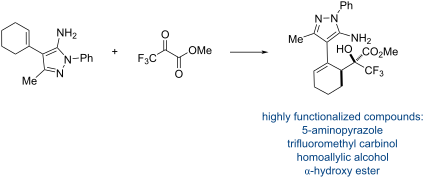
- yield decreased, possibly due to the formation of imine B, which might be favored by the dehydration effect of the molecular sieves. Conclusion In summary, a regioselective and diastereoselective vinylogous addition reaction of 4-alkenyl-5-aminopyrazoles to alkyl trifluoropyruvate has been studied

Graphical Abstract

Figure 1: Biologically active compounds featuring a trifluoromethyl carbinol motif.

Figure 2: Nucleophilic sites of 5-aminopyrazoles and 4-alkenyl-5-aminopyrazoles. Stereoselective synthesis of...

Scheme 1: Synthesis of the starting materials 3.
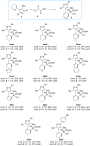
Scheme 2: Scope of the reaction. Reaction conditions A: 3 (0.2 mmol) and 4 (0.6 mmol) in 2 mL of toluene at 7...

Scheme 3: Plausible mechanism and X-ray structure of compound 5aca.
Cu(OTf)2-catalyzed multicomponent reactions
- Sara Colombo,
- Camilla Loro,
- Egle M. Beccalli,
- Gianluigi Broggini and
- Marta Papis
Beilstein J. Org. Chem. 2025, 21, 122–145, doi:10.3762/bjoc.21.7

- is plausible to assume as the key step for ring formation an aza-Diels–Alder reaction between the alkyne and the imine generated by dehydration between the aldehyde and aniline. The catalyst promotes the formation of the imine XI, while the high regioselectivity is ascribable to the favored
- Michael-type addition of 5-aminoindazole to afford the first coupling product XXXVIII. The subsequent intramolecular amination and dehydration then leads to the final product (Scheme 31) [50]. Polycyclic spiroindoline-3,4’-pyrano[3,2-b]pyran-4-ones 43 were synthesized exploiting the three-component

Graphical Abstract

Figure 1: Plausible general catalytic activation for ionic or radical mechanisms.

Scheme 1: Synthesis of α-aminonitriles 1.

Scheme 2: Synthesis of β-amino ketone or β-amino ester derivatives 3.

Scheme 3: Synthesis of 1-(α-aminoalkyl)-2-naphthol derivatives 4.

Scheme 4: Synthesis of thioaminals 5.
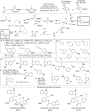
Scheme 5: Synthesis of aryl- or amine-containing alkanes 6 and 7.
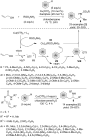
Scheme 6: Synthesis of 1-aryl-2-sulfonamidopropanes 8.

Scheme 7: Synthesis of α-substituted propargylamines 10.

Scheme 8: Synthesis of N-propargylcarbamates 11.

Scheme 9: Synthesis of (E)-vinyl sulfones 12.

Scheme 10: Synthesis of o-halo-substituted aryl chalcogenides 13.

Scheme 11: Synthesis of α-aminophosphonates 14.

Scheme 12: Synthesis of unsaturated furanones and pyranones 15–17.
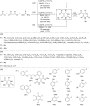
Scheme 13: Synthesis of substituted dihydropyrimidines 18.

Scheme 14: Regioselective synthesis of 1,4-dihydropyridines 20.

Scheme 15: Synthesis of tetrahydropyridines 21.

Scheme 16: Synthesis of furoquinoxalines 22.

Scheme 17: Synthesis of 2,4-substituted quinolines 23.
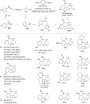
Scheme 18: Synthesis of cyclic ether-fused tetrahydroquinolines 24.

Scheme 19: Practical route for 1,2-dihydroisoquinolines 25.

Scheme 20: Synthesis of 2,3-dihydroquinazolin-4(1H)-one derivatives 26.

Scheme 21: Synthesis of polysubstituted pyrroles 27.

Scheme 22: Enantioselective synthesis of polysubstituted pyrrolidines 30 directed by the copper complex 29.

Scheme 23: Synthesis of 4,5-dihydropyrazoles 31.
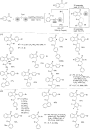
Scheme 24: Synthesis of 2 arylisoindolinones 32.
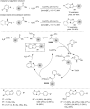
Scheme 25: Synthesis of imidazo[1,2-a]pyridines 33.

Scheme 26: Synthesis of isoxazole-linked imidazo[1,2-a]azines 35.

Scheme 27: Synthesis of 2,3-dihydro-1,2,4-triazoles 36.

Scheme 28: Synthesis of naphthopyrans 37.

Scheme 29: Synthesis of benzo[g]chromene derivatives 38.

Scheme 30: Synthesis of naphthalene annulated 2-aminothiazoles 39, piperazinyl-thiazoloquinolines 40 and thiaz...

Scheme 31: Synthesis of furo[3,4-b]pyrazolo[4,3-f]quinolinones 42.

Scheme 32: Synthesis of spiroindoline-3,4’-pyrano[3,2-b]pyran-4-ones 43.

Scheme 33: Synthesis of N-(α-alkoxy)alkyl-1,2,3-triazoles 44.

Scheme 34: Synthesis of 4-(α-tetrasubstituted)alkyl-1,2,3-triazoles 45.



