Search results
Search for "imaging" in Full Text gives 244 result(s) in Beilstein Journal of Organic Chemistry. Showing first 200.
Synthesis of sterically shielded piperidine nitroxides via acid-catalyzed heterocyclization of β-aminoketone derivatives with ketones
Beilstein J. Org. Chem. 2026, 22, 948–954, doi:10.3762/bjoc.22.74
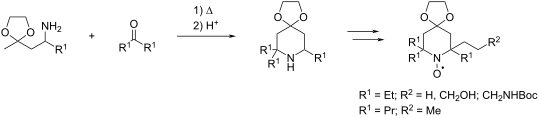
- proteins by the PELDOR method at room temperature [2]. Piperidine nitroxyl biradicals form the basis of the most efficient commercial agents for dynamic nuclear polarization (DNP) in NMR studies of biomolecules and solid samples [3]. They are also employed as contrast agents for magnetic resonance imaging


A practical CO2-mediated synthesis of 5,6-carboxylated silicon-rhodamines for targeted probe development
Beilstein J. Org. Chem. 2026, 22, 915–924, doi:10.3762/bjoc.22.72
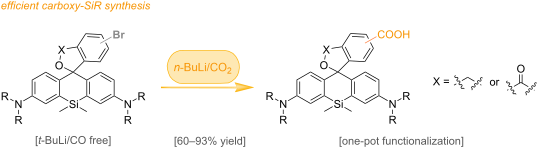
- .22.72 Abstract Silicon-rhodamine (SiR) dyes are among the most important fluorophores for super-resolution imaging owing to their far-red emission, high photostability, and tunable lactone–zwitterion equilibrium. However, their broader application in targeted probe development has been limited by the
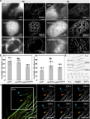
- one-pot access to HaloTag-targeted SiR probes. The resulting probes were successfully applied to long-term live-cell super-resolution imaging, allowing visualization of filopodial dynamics and mitochondrial remodeling. This work establishes a concise and efficient route to functionalized SiR dyes and
- facilitates the rapid development of targeted SiR probes. Keywords: carboxylation; CO2; fluorescent probes; silicon-rhodamine; super-resolution imaging; Introduction Rhodamine dyes, which enable fluorescence imaging in living cells – a powerful technique for studying biological systems in vivo [1][2] – have



Site-specific labelling of native peptides and proteins: chemical and enzymatic strategies
Beilstein J. Org. Chem. 2026, 22, 857–881, doi:10.3762/bjoc.22.67
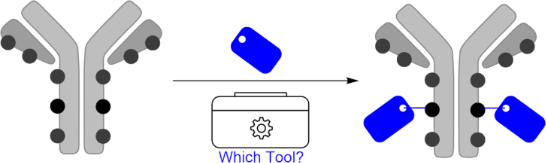
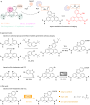
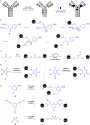
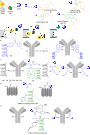
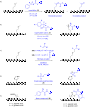
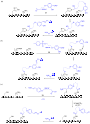
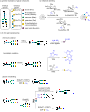
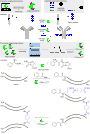
- , with applications in ADC development, radiolabelling and ROS/Ca2+ imaging (Scheme 9a) [86][87][88][89][90][91]. Methionine can also be modified via sulfonium conjugates using hypervalent iodine (23, Scheme 9b) [92] or photoredox approaches (24a/b, Scheme 9c) [93]. Histidine has been targeted using








Anti-invasive and cytotoxic evaluation of a (+)-pinoresinol-based semisynthetic library against glioblastoma
Beilstein J. Org. Chem. 2026, 22, 691–704, doi:10.3762/bjoc.22.54
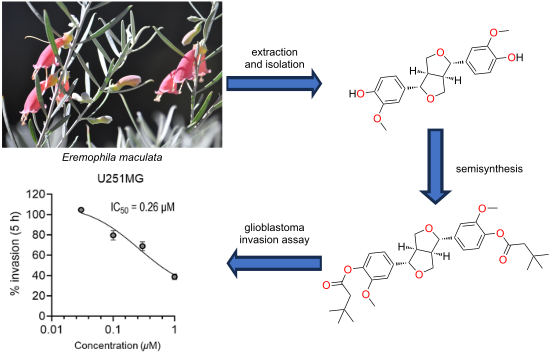
- times to remove excess stain. The inside of the inserts was cleaned with cotton-tipped applicators to remove excess water and stain, and the inserts were placed upside down to dry overnight in a biosafety cabinet. Cell imaging and counting A Leica DMi1 microscope camera with a 10× objective was used to



Synthesis of tricyclic fused pyrrolidine nitroxides from 2-alkynylpyrrolidine-1-oxyls
Beilstein J. Org. Chem. 2026, 22, 344–351, doi:10.3762/bjoc.22.22

- , Novosibirsk, 630090, Russia 10.3762/bjoc.22.22 Abstract Rotational correlation time is a key parameter for organic radical contrast agents (ORCA) for magnetic resonance imaging (MRI). Design of polycyclic systems with incorporated nitroxide moieties in which rotation of the radical separately from the
- components of many high-tech materials, such as energy storage and organoelectronics devices [1][2][3][4][5][6][7][8], catalysts [9][10], bioactive coatings and nanoparticles [11][12], organic radical contrast agents (ORCAs) for magnetic resonance imaging (MRI) [13][14], etc. For these applications, numerous


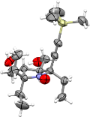


Configuration–packing synergy enabling integrated crystalline-state RTP and amorphous-state TADF
Beilstein J. Org. Chem. 2026, 22, 224–236, doi:10.3762/bjoc.22.16
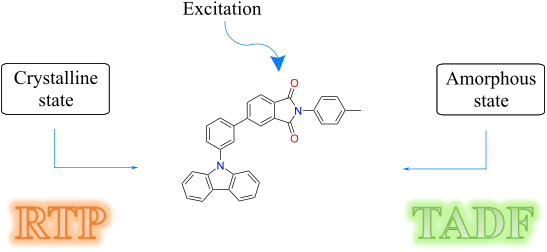
- -resolved biological imaging [6], chemical and biological sensing [7], as well as energy transfer and upconversion processes [8]. The unique characteristics of organic materials, including their solubility, ease of processing, molecular structure programmability, and the tunability of their emission color


Synthesis of new tetra- and pentacyclic, methylenedioxy- and ethylenedioxy-substituted derivatives of the dibenzo[c,f][1,2]thiazepine ring system
Beilstein J. Org. Chem. 2025, 21, 2645–2656, doi:10.3762/bjoc.21.205
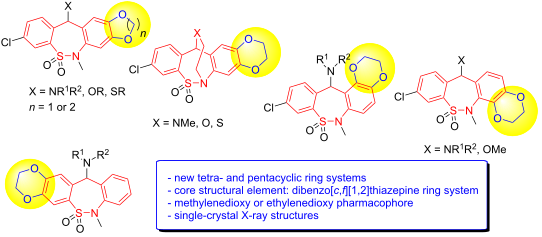
- -crystal X-ray diffraction (SC-XRD) measurements were carried out on a Rigaku R-Axis Spider diffractometer with an imaging plate area detector using graphite monochromatic Cu Kα radiation. Single crystal X-ray structures were deposited at the Cambridge Crystallographic Data Centre under the following


Effect of a photoswitchable rotaxane on membrane permeabilization across lipid compositions
Beilstein J. Org. Chem. 2025, 21, 2498–2512, doi:10.3762/bjoc.21.192
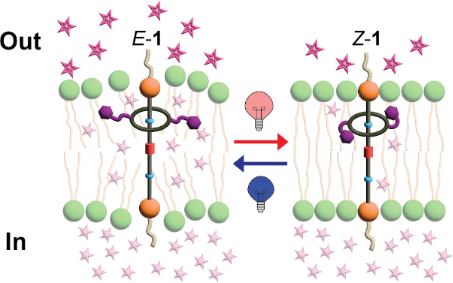
- first irradiation cycle due to efficient azobenzene photoisomerization, whereas axle 3 requires multiple cycles before a sudden release occurs (Figure 7a), indicating a less efficient and irreversible process. Moreover, microscopy imaging shows reversible changes to membrane tension in response to




Assembly strategy for thieno[3,2-b]thiophenes via a disulfide intermediate derived from 3-nitrothiophene-2,5-dicarboxylate
Beilstein J. Org. Chem. 2025, 21, 2489–2497, doi:10.3762/bjoc.21.191
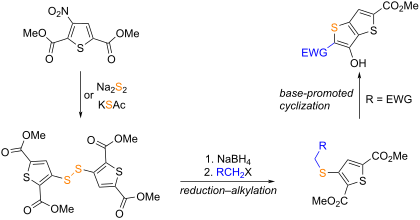
- developed for photothermal and photodynamic therapy, where their π-conjugated frameworks contribute to both imaging and therapeutic functions [19]. Some other TT-based compounds have been reported to inhibit specific carbonic anhydrase isoforms [20], protein tyrosine phosphatase 1B [21], as well as to act



Thiadiazino-indole, thiadiazino-carbazole and benzothiadiazino-carbazole dioxides: synthesis, physicochemical and early ADME characterization of representatives of new tri-, tetra- and pentacyclic ring systems and their intermediates
Beilstein J. Org. Chem. 2025, 21, 2220–2233, doi:10.3762/bjoc.21.169
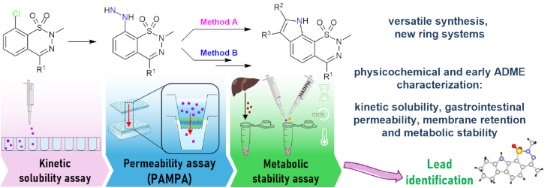
- diffractometer with an imaging plate area detector using graphite monochromatic Cu Kα radiation. Single crystal X-ray structures were deposited at the Cambridge Crystallographic Data Centre under the following numbers: CCDC 2447633 (3b), CCDC 2447638 (3d), CCDC 2447632 (3e), CCDC 2447636 (3g), CCDC 2447639 (3h


C2 to C6 biobased carbonyl platforms for fine chemistry
Beilstein J. Org. Chem. 2025, 21, 2103–2172, doi:10.3762/bjoc.21.165
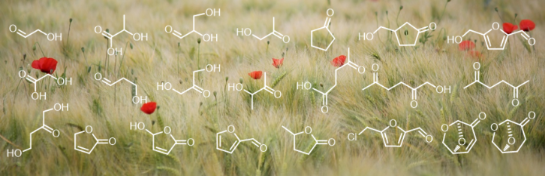
- ). Partial γ-acyloxy-Cy7 possesses a high fluorescence quantum yield and high photothermal conversion efficiency in PBS, two pivotal parameters in fluorescence imaging and image-guided photothermal therapy [196]. A dimerization of furfural has been found to occur at the early stage of formation of humins


Solar thermal fuels: azobenzene as a cyclic photon–heat transduction platform
Beilstein J. Org. Chem. 2025, 21, 2036–2047, doi:10.3762/bjoc.21.159
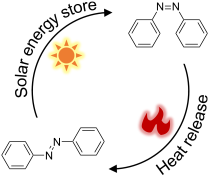
- irradiation (550 nm). Figure 7a was reprinted with permission from [74] Copyright © 2020 American Chemical Society. This content is not subject to CC BY 4.0. (b) Real-time infrared thermal imaging images of a charged self-heating wristband under blue light irradiation (450 nm). Figure 7b was reprinted from





Research progress on calixarene/pillararene-based controlled drug release systems
Beilstein J. Org. Chem. 2025, 21, 1757–1785, doi:10.3762/bjoc.21.139
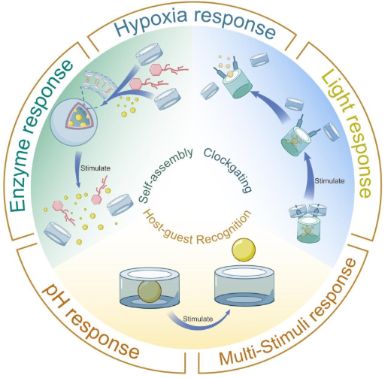
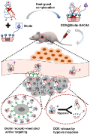
- a chemotherapeutic agent (pyridinium camptothecin, CPT-Py). This platform was designed for imaging-guided phototherapy to alleviate hypoxia. They created a new supramolecular amphiphile that enabled rapid drug release and efficient cellular internalization, potentially providing a robust platform






Azobenzene protonation as a tool for temperature sensing
Beilstein J. Org. Chem. 2025, 21, 1528–1534, doi:10.3762/bjoc.21.115
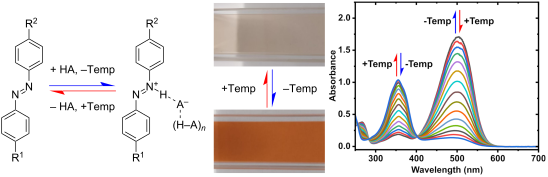
- emerged as staple building blocks in smart materials, from light-responsive norbornadienes in molecular solar thermal energy storage [2] to pH-sensitive spiropyrans in cell imaging [3], and redox-active viologens in memory junctions [4]. Among the different molecular switches azobenzenes stand out due to


Highly distinguishable isomeric states of a tripodal arylazopyrazole derivative on graphite through electron/hole-induced switching at ambient conditions
Beilstein J. Org. Chem. 2025, 21, 1496–1507, doi:10.3762/bjoc.21.112
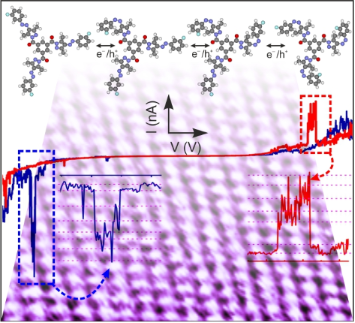
- tapping mode and an ATM300 from RHK Technology, respectively. Aluminum-coated silicon cantilevers from Nanosensors (PPP-NCHR) were used as AFM probes. The force constant and resonance frequency of the cantilevers during the imaging were 30–34 N/m and ≈300 kHz, respectively. A Pt/Ir (80:20) tip was
- mechanically prepared and used as a probe for STM imaging. The XY and Z scales of STM images are calibrated using the graphite lattice. All the AFM and STM images are post-processed using WSxM from Nanotec [46]. Mesh averaging implemented in WSxM [46] is used for enhancing the contrast of STM images. Current
- green dashed lines. Two resonances are rotated by ≈120° and correspond to the major orientations of the domains in the 1D phase. Constant current STM topographs (300 pA, 0.3 V) of the FNAAP adlayer on HOPG (a, b) deposited from the corresponding ethanolic solution. Imaging is performed at the HOPG–air



Advances in nitrogen-containing helicenes: synthesis, chiroptical properties, and optoelectronic applications
Beilstein J. Org. Chem. 2025, 21, 1422–1453, doi:10.3762/bjoc.21.106
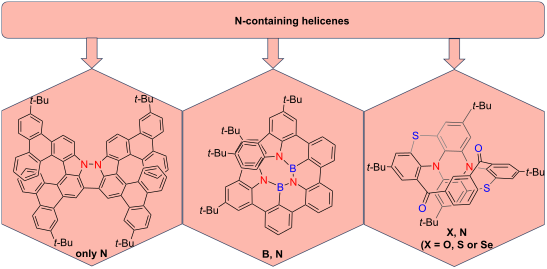
- solvents, highlighting their potential for NIR bio-imaging applications. In parallel, Církva’s group synthesized a series of aza[n]helicenes 14a–d via photocyclodehydrochlorination [27]. These compounds exhibited dual fluorescence bands, with emission red-shifting progressively with increasing helical

On the photoluminescence in triarylmethyl-centered mono-, di-, and multiradicals
Beilstein J. Org. Chem. 2025, 21, 964–998, doi:10.3762/bjoc.21.80









Synthesis of HBC fluorophores with an electrophilic handle for covalent attachment to Pepper RNA
Beilstein J. Org. Chem. 2025, 21, 727–735, doi:10.3762/bjoc.21.56
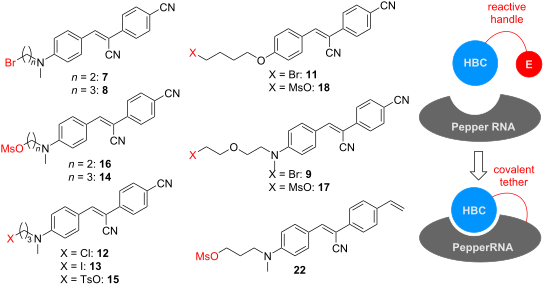
- with an electrophilic handle for the covalent attachment of the surrogate to the RNA. The resulting irreversibly tethered dye–RNA complexes have opened up new avenues for RNA imaging in live cells. Here, we report the syntheses of such modified HBC530 ((4-((2-hydroxyethyl)(methyl)amino)benzylidene
- )cyanophenylacetonitrile) fluorophores for easy access, which will contribute to the rapid dissemination of the RNA imaging approaches associated therewith. Keywords: covalent RNA labeling; FLAP; fluorophore synthesis; HBC530; self-alkylating ribozymes; Introduction The discovery of fluorescent reporters, such as green
- , however, there was no complementary RNA-based tool with comparable live-cell-imaging properties. Based on the autocatalytically generated fluorophore 4-(p-hydroxybenzylidene)imidazolidin-5-one (HBI) in GFP, in vitro selection on derivatives of HBI led to the discovery of the first fluorogen-activating



Origami with small molecules: exploiting the C–F bond as a conformational tool
Beilstein J. Org. Chem. 2025, 21, 680–716, doi:10.3762/bjoc.21.54
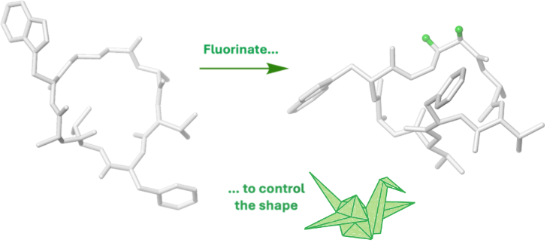
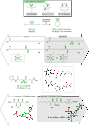
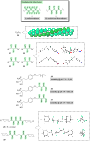
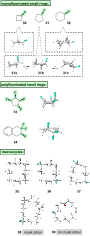
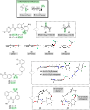
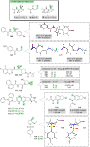
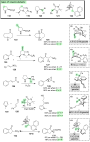
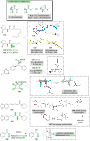
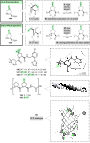
- effects, too, e.g., modulating lipophilicity [44][113][114][115], enabling target-binding interactions to be elucidated [116][117], or providing the opportunity for 19F and 18F imaging. Other reviews have covered many of these aspects [118][119], but here we will focus exclusively on the conformational



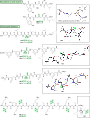
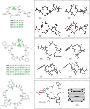
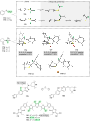
Photocatalyzed elaboration of antibody-based bioconjugates
Beilstein J. Org. Chem. 2025, 21, 616–629, doi:10.3762/bjoc.21.49
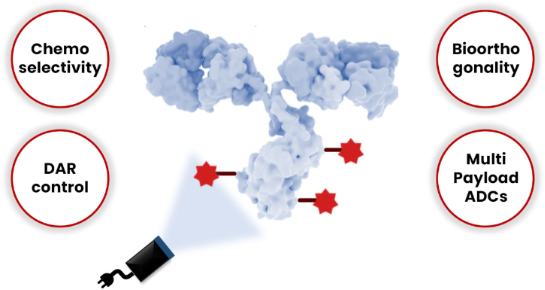
- specifically recognizes and binds to surface antigens present on tumor or other targeted cells. (2) Linker: the linker connects the antibody to the payload. The nature of the moiety linking the drug/radiolabel/imaging agent to the antibody plays a crucial role in the pharmacokinetic properties [4][5
- trodelvy, used in a treatment for patients with triple-negative breast cancer, the linker may release the drug prior to internalization. (3) Payload: The payload may be a subunit used in cellular tracking, imaging, or most commonly toxic drug therapeutics. The overall goal of ADCs is to deliver the payload
- directly to target cells via the antibody without affecting normal, healthy tissue. Importantly, the use of antibodies in modern medicine is not restricted solely to ADCs and cancer therapy. For example, mABs now find routine use in the context of radionuclide (PET) imaging agents, informing therapeutic


Cyclodextrin-based rotaxanes for polymer materials: challenge on simultaneous realization of inexpensive production and defined structures
Beilstein J. Org. Chem. 2024, 20, 3026–3049, doi:10.3762/bjoc.20.252
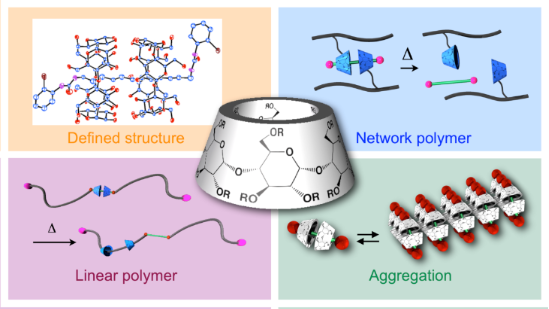
- method [52][53][54][55]. For example, a CD-based [3]rotaxane framework was found to be an effective motif for organ imaging by combining it with a metal complex owing to the densely placed hydroxy groups [52]. As described above, the synthesis methods for CD-based (poly)rotaxane species have been






Tunable full-color dual-state (solution and solid) emission of push–pull molecules containing the 1-pyrindane moiety
Beilstein J. Org. Chem. 2024, 20, 3016–3025, doi:10.3762/bjoc.20.251
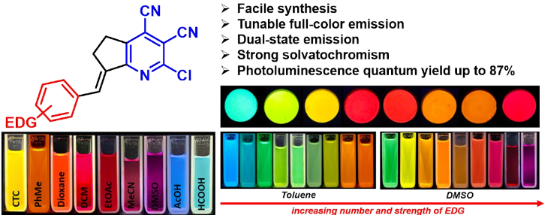
- ], positron emission tomography (PET) imaging [24], fluorescent probes and labels [25][26][27] detecting H2S in foodstuff, water, and living cells [28], Fe3+ ions [29], Hg2+ ions [30], and cyanide anions [31], for acid–base vapor sensing [32], and as candidate material for photonics devices, optical switches


Synthesis of pyrrole-fused dibenzoxazepine/dibenzothiazepine/triazolobenzodiazepine derivatives via isocyanide-based multicomponent reactions
Beilstein J. Org. Chem. 2024, 20, 2870–2882, doi:10.3762/bjoc.20.241
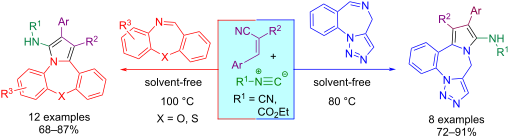
- general, a significant increase in the yield of the products was observed compared to the submillimole state. Physical properties The compounds such as benzoxazepines, benzothiazepines, benzodiazepines, and pyrrole have shown promising applications in optoelectronics, biophotonics, and cell imaging due to
- numerous reports, quantum yield is one of the most important photophysical parameters for describing luminescent molecules and materials since high quantum efficiency is important for a wide range of applications, including displays, lasers, bio-imaging, solar cells, and accurate measurement of the quantum





Applications of microscopy and small angle scattering techniques for the characterisation of supramolecular gels
Beilstein J. Org. Chem. 2024, 20, 2608–2634, doi:10.3762/bjoc.20.220
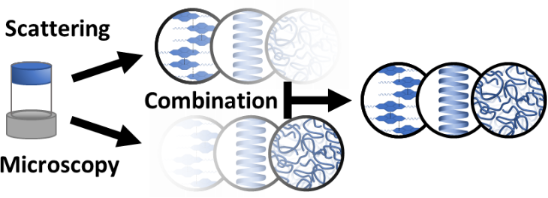
- small angle scattering (SAS) and imaging. Scattering giving us indirect information about the systems, whereas imaging is often looking at the material directly. In this review, we discuss the benefits, caveats and power of using both these techniques separately and together for the characterisation of
- from being achieved. In this review, we aim to highlight and discuss a number of strengths and limitations provided by these techniques and will show how using these characterisation methods to complement each other can provide a much better understanding of self-assembling systems. Review Imaging
- techniques Imaging is the most widely used and accessible technique for characterising these gel materials. Researchers are looking for the presence of fibrous structures, coils, entanglements, spherulites and other such features that can give them some insight into how the gel is formed in the network via


A review of recent advances in electrochemical and photoelectrochemical late-stage functionalization classified by anodic oxidation, cathodic reduction, and paired electrolysis
Beilstein J. Org. Chem. 2024, 20, 2500–2566, doi:10.3762/bjoc.20.214
- Nian Li Ruzal Sitdikov Ajit Prabhakar Kale Joost Steverlynck Bo Li Magnus Rueping KAUST Catalysis Center (KCC), King Abdullah University Science and Technology (KAUST), Thuwal 23955-6900, Saudi Arabia Institute for Experimental Molecular Imaging, RWTH Aachen University, Forckenbeckstrasse 55