Search results
Search for "synthesis" in Full Text gives 3820 result(s) in Beilstein Journal of Organic Chemistry. Showing first 200.
Thiadiazino-indole, thiadiazino-carbazole and benzothiadiazino-carbazole dioxides: synthesis, physicochemical and early ADME characterization of representatives of new tri-, tetra- and pentacyclic ring systems and their intermediates
Beilstein J. Org. Chem. 2025, 21, 2220–2233, doi:10.3762/bjoc.21.169
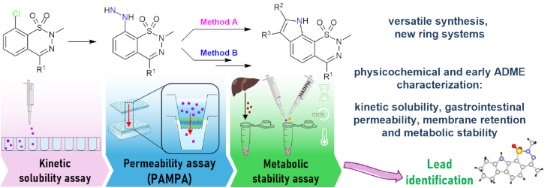
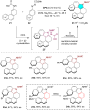
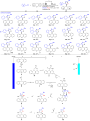
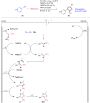
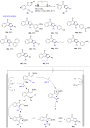
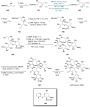
- pharmacological activity of phthalazin-1(2H)-ones 1 (Figure 1) [1][2][3][4][5], we have devoted significant effort to the synthesis and pharmacological investigation of structurally related 1,2,3-benzothiadiazine 1,1-dioxides 2 over the last decade [6][7][8][9][10][11]. As 4-methyl-2H-1,2,3-benzothiadiazine 1,1
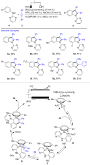
- exhibit diverse biological activities and have found application for the treatment of psychiatric disorders and neurodegenerative diseases [13][14][15][16][17]. Therefore, we now report our results in the synthesis and characterization of compounds 3 containing a 2,9-dihydro[1,2,3]thiadiazino[5,6-g]indole
- synthesis [18][19][20][21]. Sudhakara et al. described the advantages of using bismuth nitrate as catalyst in the synthesis of hydrazones and in the one-pot Fischer synthesis of indoles from ketones and hydrazines [22][23]. Adopting this method, hydrazone intermediates 7a–j were obtained by treatment of


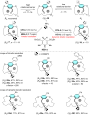
A m-quaterphenyl probe for absolute configurational assignments of primary and secondary amines
Beilstein J. Org. Chem. 2025, 21, 2211–2219, doi:10.3762/bjoc.21.168
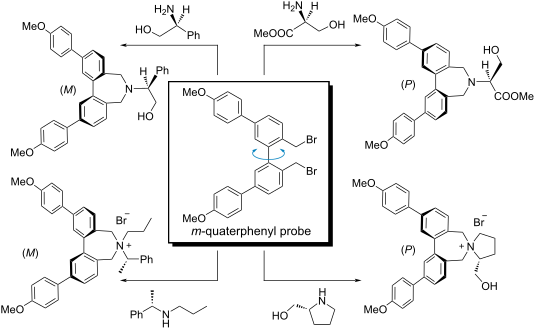
- structure analysis was performed on a Bruker SMART diffractometer equipped with a CCD area detector at 120 K. Silica gel 60 F254 precoated plates on glass from Merck Ltd. were used for thin-layer chromatography (TLC). General procedure for the synthesis of conjugates 2a–h (S)-2-[2,10-Bis(4-methoxyphenyl


Synthesis of triazolo- and tetrazolo-fused 1,4-benzodiazepines via one-pot Ugi–azide and Cu-free click reactions
Beilstein J. Org. Chem. 2025, 21, 2202–2210, doi:10.3762/bjoc.21.167
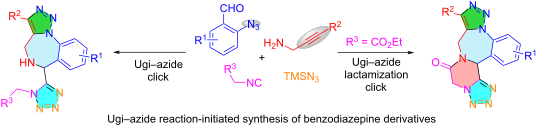
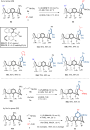
- methods for the synthesis of tetrazoles [25][26][27][28], the Ugi–azide reaction is a good approach for constructing 1,5-disubstituted-tetrazoles (1,5-DS-T) [29][30][31]. This scaffold can be subsequently linked to 1,2,3-triazole [32], 4H-chromen-4-one [33], pyrrolo[3,4-b]indolizine [34], and other
- heterocyclic scaffolds to obtain biologically interesting compounds (Scheme 1) [35][36][37][38][39][40][41]. The development of methods for the synthesis of triazole, tetrazole, piperazinone, and 1,4-benzodiazepine motifs are attractive from both synthetic and medicinal chemistry considerations [42][43][44][45
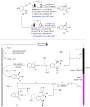
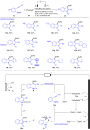
- ]. We herein propose a one-pot synthesis involving an Ugi–azide 4-component (4-CR) reaction followed by lactamization and azide–alkyne cycloaddition for assembling triazole-fused and tetrazole-tethered 1,4-benzodiazepines 7 and triazole-, tetrazole-, and piperazinone-fused 1,4-benzodiazepines 8 (Scheme


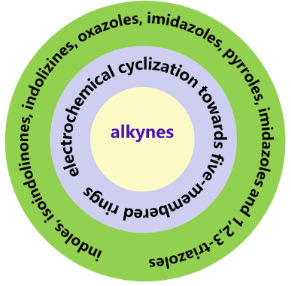
Electrochemical cyclization of alkynes to construct five-membered nitrogen-heterocyclic rings
Beilstein J. Org. Chem. 2025, 21, 2173–2201, doi:10.3762/bjoc.21.166
- Science and Technology, Xiangtan, Hunan 411201, P. R. China School of Science and Engineering, Shenzhen Key Laboratory of Innovative Drug Synthesis, The Chinese University of Hong Kong, Shenzhen, Shenzhen 518172, P. R. China Hunan Norchem Pharmaceutical Company, Ltd., Changsha 410000, P. R. China College
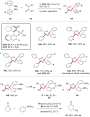
- of Chemistry and Chemical Engineering, Hunan University, Changsha 410082, P. R. China 10.3762/bjoc.21.166 Abstract Organic five-membered rings have shown significant applications in the fields of organic synthesis, natural products, organic materials and pharmaceuticals for their unique
- organic synthesis [1][2][3][4][5][6][7][8][9][10][11][12][13][14] but also are critical moieties in natural products [15][16][17][18], organic materials [19] and pharmaceuticals [20][21][22][23][24] due to their unique chemical, electrical, optical, pharmacological and biological properties. Gracilioether








C2 to C6 biobased carbonyl platforms for fine chemistry
Beilstein J. Org. Chem. 2025, 21, 2103–2172, doi:10.3762/bjoc.21.165
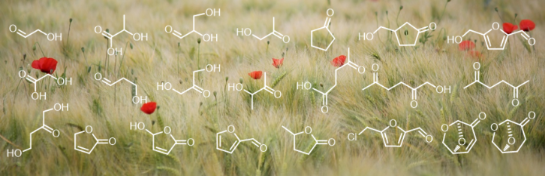
- of Science and Technology, 1037 Luoyu road, Wuhan 430074, China 10.3762/bjoc.21.165 Abstract The carbonyl group is central in organic synthesis, thanks to its ability to undergo a vast range of different chemical transformations on its carbon center or at the neighboring positions. Due to the high
- organic synthesis. Therefore, synthetic chemists can base strategies on the existing reactivity of carbonyl compounds for defining novel routes converting biobased platform molecules containing carbonyl groups to prepare fine organic chemicals [21][22]. Following this approach, researchers can obtain
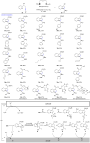
- for the synthesis of GA and GCA using activated carbon deposited Cu catalysts and different biomass-derived polyols as feedstock with exceptionally high atom utilization ≈93% and up to 90% yield (Scheme 1) [28]. Glycolaldehyde (GCA), the smallest sugar molecule, was used by Sels et al. for the


The application of desymmetric enantioselective reduction of cyclic 1,3-dicarbonyl compounds in the total synthesis of terpenoid and alkaloid natural products
Beilstein J. Org. Chem. 2025, 21, 2085–2102, doi:10.3762/bjoc.21.164
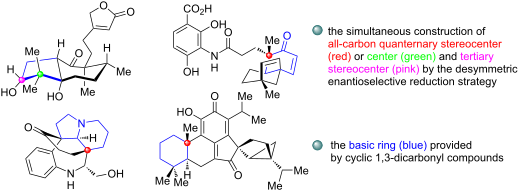
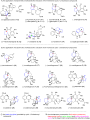
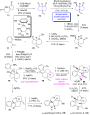
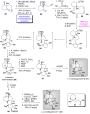
- The desymmetric enantioselective reduction of cyclic 1,3-dicarbonyl compounds is a powerful tool for the construction of ring systems bearing multiple stereocenters including all-carbon quaternary stereocenters, which are widely useful chiral building blocks for the total synthesis of structurally
- synthesis of complex terpenoid and alkaloid natural products by strategically applying desymmetric enantioselective reduction. Advance before 2016 in this area has been overviewed in an elegant review article. Since then, a series of more challenging terpenoid and alkaloid natural products have been
- synthesized utilizing a desymmetric enantioselective reduction strategy of cyclic 1,3-dicarbonyl compounds as a key transformation. This review will summarize the application of this strategy in the total synthesis of terpenoid and alkaloid natural products from the year 2016 to 2025. We first focus on the







Multicomponent reactions IV
Beilstein J. Org. Chem. 2025, 21, 2082–2084, doi:10.3762/bjoc.21.163

- National Academy of Sciences of Ukraine, Nauky Av. 60, 61072 Kharkiv, Ukraine, Faculty of Chemistry, V. N. Karazin Kharkiv National University, Svobody Sq. 4, 61077 Kharkiv, Ukraine 10.3762/bjoc.21.163 Keywords: multicomponent reactions; The synthesis of complex molecules is a cornerstone of modern
- a strong emphasis on heterocycle synthesis. Beyond traditional condensation-based approaches, mechanistically innovative crossovers – linking metal catalysis with radical chemistry and, more recently, with photo(redox) catalysis – are opening entirely new avenues for MCR development. Finally, seven
- focused Reviews on heterocycles, reactivity patterns, and the role of MCRs as enabling tools at the interface with biosciences underscore the timeliness and enduring elegance of this powerful and concise concept in molecular synthesis. As the guest editors of this thematic issue, we would like to thank
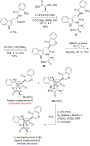
Further elaboration of the stereodivergent approach to chaetominine-type alkaloids: synthesis of the reported structures of aspera chaetominines A and B and revised structure of aspera chaetominine B
Beilstein J. Org. Chem. 2025, 21, 2072–2081, doi:10.3762/bjoc.21.162
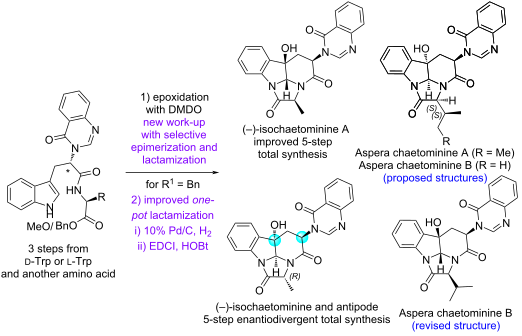
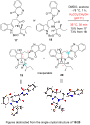
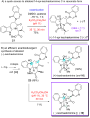
- synthesis of (–)-isochaetominine A was increased from 25.4% to 30.8% over five steps. Secondly, a new protocol featuring the use of an aged solution of K2CO3/MeOH to quench the DMDO epoxidation-triggered cascade reaction was developed, which allowed the in situ selective mono- or double epimerization at C11
- /C14 as shown by the diastereodivergent synthesis of a pair of diastereomers of versiquinazoline H from its tripeptide precursor. This double epimerization at the last-step allowed the enantiodivergent synthesis of two enantiomers in either racemate form or two pure enantiomers from the same precursor
- . The former was demonstrated by the synthesis of alkaloid 14-epi-isochaetominine C that was used to determine the enantiomeric excess of the synthesized natural product (98.7% ee), while the latter was illustrated by the synthesis of both enantiomers of the alkaloid isochaetominine. Additionally, the



Discovery of cytotoxic indolo[1,2-c]quinazoline derivatives through scaffold-based design
Beilstein J. Org. Chem. 2025, 21, 2062–2071, doi:10.3762/bjoc.21.161
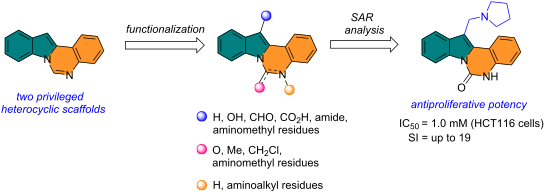
- Street, Moscow 11991, Russia 10.3762/bjoc.21.161 Abstract Indolo[1,2-c]quinazoline derivatives have emerged as promising chemotype in drug discovery due to their versatile biological activities, including antimicrobial and antiviral properties. In this study, we report the design, synthesis, and
- structural fusion of indole and quinazoline pharmacophores offers exceptional opportunities for designing new therapeutic agents, combining the proven bioactivities of both privileged scaffolds. Chemical ways for the synthesis of indolo[1,2-c]quinazolines (Figure 1, top) are numerous and cover different
- facilitates exploration of SAR study related to the position and nature of the aminoalkyl substituent. Shifting the aminoalkyl substituent from position 12 to position 6 enables a comparative assessment of biological activity across the series. In this context, the synthesis of 6-(chloromethyl)indolo[1,2-c


Bioinspired total syntheses of natural products: a personal adventure
Beilstein J. Org. Chem. 2025, 21, 2048–2061, doi:10.3762/bjoc.21.160
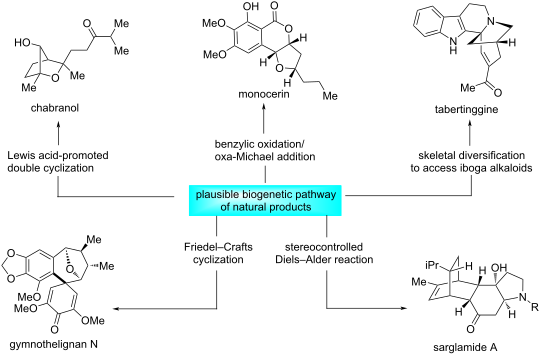
- , Guiyang 550025, P. R. China 10.3762/bjoc.21.160 Abstract Bioinspired total synthesis represents an important concept to guide the designing of powerful synthetic strategies. Our group has a long-time interest and experience in designing synthetic strategies through analyzing the biosynthetic pathway of
- natural products. Recently, we have achieved an array of bioinspired total syntheses, which showed the great power of this approach in natural product synthesis. Documented herein is a review of these achievements which include the detailed process of how we develop these strategies. Specifically
- , bioinspired total synthesis of three types of natural products, namely diterpenoids (chabranol, and monocerin), alkaloids (indole, hydroquinoline, and monoterpenoid−indolidinoid hybrid), and gymnothelignans are discussed. Based on these achievements on bioinspired total synthesis, we provide some information



Solar thermal fuels: azobenzene as a cyclic photon–heat transduction platform
Beilstein J. Org. Chem. 2025, 21, 2036–2047, doi:10.3762/bjoc.21.159
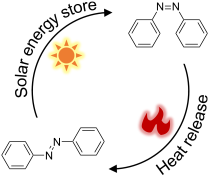
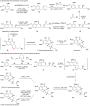
- [35][36][37][38][39][40][41]. Notably, the utilization of azobenzene-based materials in solar thermal storage applications is gaining considerable attention due to their advantages in low synthesis cost, facile molecular design, exceptional cycling stability, and superior fatigue resistance [6][8
- ]. Since Olmsted’s pioneering exploration of azobenzene compounds as solar thermal fuels in 1983 [42], significant breakthroughs have been achieved through interdisciplinary integration of organic synthesis, functional materials engineering, photophysical mechanism analysis, and computational chemistry. So
- visible light under sunlight irradiation [59], achieving a solar efficiency of 0.4% and a solid-state isomerization efficiency of 72.7% (Figure 5b). Feng and co-workers reported the synthesis of three azopyridine polymers (ortho-, meta-, and para-) [60], with the m-azopyridine polymer exhibiting a





Switchable pathways of multicomponent heterocyclizations of 5-amino-1,2,4-triazoles with salicylaldehydes and pyruvic acid
Beilstein J. Org. Chem. 2025, 21, 2030–2035, doi:10.3762/bjoc.21.158
- formation of heterocyclic systems in a minimal number of steps and offer several ways to vary substituents and they are widely used in drug discovery and development, as well as in diversity-oriented synthesis [1][2][3][4]. In addition, the application of condition-based divergence strategy [5] and the
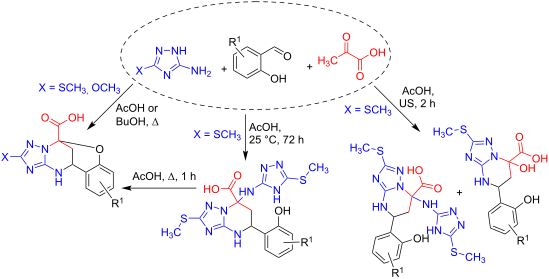
- depending on the conditions, can either be limited to a Biginelli condensation with the formation of hydroxytetrahydropyrimidines or proceed with further post-cyclization to form oxygen-bridged triazolobenzoxadiazocine derivatives. Furthermore, a multicomponent synthesis of oxygen-bridged pyrimidine systems
- -amino-5-methylthio-1,2,4-triazole (1a), salicylaldehydes 2a–c,f, and pyruvic acid (3) under different conditions. Synthesis of compounds 4a–j. Synthesis of compounds 5a–c. Supporting Information Supporting Information File 34: Experimental procedures, product characterization, and copies of NMR spectra


α-Ketoglutaric acid in Ugi reactions and Ugi/aza-Wittig tandem reactions
Beilstein J. Org. Chem. 2025, 21, 2021–2029, doi:10.3762/bjoc.21.157
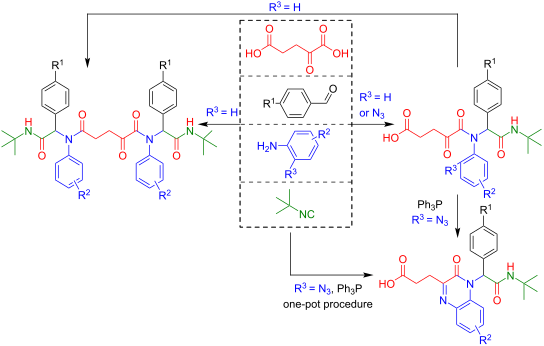
- ; quinoxalinone derivative; Ugi reaction; Introduction Multicomponent reactions are powerful tools in organic chemistry that enable the synthesis of structurally complex and multifunctional compounds from three or more starting materials in a single synthetic step. They are widely used in drug discovery because
- , unlike conventional linear synthesis strategies, they enable the preparation of libraries of organic compounds in higher yields and with significantly less time, resources, and chemical waste [1][2][3][4][5]. The Ugi reaction, discovered in 1959 by Ivar Karl Ugi [6], is one of the classic multicomponent
- reactions, widely used as a green alternative for the synthesis of active pharmaceutical ingredients [7] and opens up the possibility of creating new compounds from the class of peptidomimetics [8][9][10], which often exhibit diverse biological effects [11] including antidiabetic [12], antiviral [13


Understanding the origin of stereoselectivity in the photochemical denitrogenation of 2,3-diazabicyclo[2.2.1]heptene and its derivatives with non-adiabatic molecular dynamics
Beilstein J. Org. Chem. 2025, 21, 2007–2020, doi:10.3762/bjoc.21.156
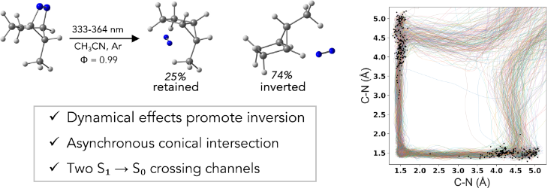
- producing energy-dense compounds [2][3]. One promising strategy to access strained compounds involves gas-evolution (e.g., CO or N2) because of the associated entropic driving force; this approach has had wide utility in photomedicine and organic synthesis. For example, photochemical decarboxylation has
- synthesis of strained compounds such as bicyclo[1.1.0]butane (BCB) and bicyclo[2.1.0]pentane (housane). The energy stored in strained σCC bonds of BCB and housane makes them important building blocks in the synthesis of complex molecular structures. BCBs have been employed in ring-opening reactions with
- nucleophiles [7][8][9][10][11], radicals [12][13][14][15] and electrophiles [16][17][18] to give cyclobutanes and cyclobutenes [19][20], which are building blocks in regio- and stereoselective synthesis [21][22][23][24][25][26][27] (Scheme 1a). Additionally, BCB has been used in bioconjugation due to its high


Measuring the stereogenic remoteness in non-central chirality: a stereocontrol connectivity index for asymmetric reactions
Beilstein J. Org. Chem. 2025, 21, 1995–2006, doi:10.3762/bjoc.21.155
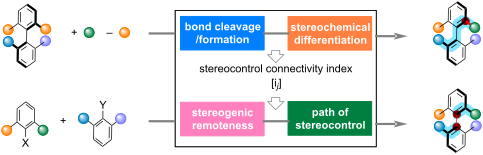
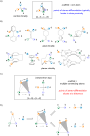
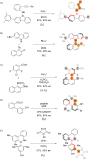
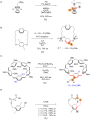
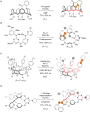
- Ivan Keng Wee On Yu Kun Choo Sambhav Baid Ye Zhu Department of Chemistry, Faculty of Science, National University of Singapore, 3 Science Drive 2, Singapore 117543 10.3762/bjoc.21.155 Abstract Despite the rapid development of asymmetric synthesis, judging the remoteness of stereocontrol has
- chiral molecules. Keywords: asymmetric reactions; axial chirality; catalysis; planar chirality; stereocontrol; Introduction Chirality is a ubiquitous and fundamental phenomenon in nature and thus holds an irreplaceable position in organic synthesis. At its most rudimental definition, chirality in a
- among these scaffolds, the various types of chirality are permutations of substituents on diverse stereogenic elements (Scheme 1C). Although this analysis offers a unified view of chirality, the realization of these chiral systems through asymmetric synthesis is far from trivial. Stereogenic compounds



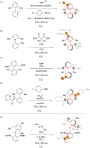

Aryl iodane-induced cascade arylation–1,2-silyl shift–heterocyclization of propargylsilanes under copper catalysis
Beilstein J. Org. Chem. 2025, 21, 1984–1994, doi:10.3762/bjoc.21.154
- Rasma Kronkalne Rudolfs Belaunieks Armands Sebris Anatoly Mishnev Maris Turks Institute of Chemistry and Chemical Technology, Faculty of Natural Sciences and Technology, Riga Technical University, P. Valdena str. 3, LV-1048, Riga, Latvia Latvian Institute of Organic Synthesis, Aizkraukles str. 21
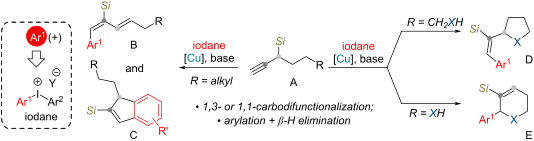
- unidentified impurities. However, it turned out to be the key to achieving the best diene/indene ratio 10a/11a = 98:2. With the optimized conditions for aryldiene synthesis (Table 1, entries 16 and 17) we proceeded to explore the substrate scope (Table 2). Arylations employing aryl groups with electron
- in the context of 1,2-silyl shift and potential cyclization. Competing mechanistic pathways for diene 10 and indene 11 formation. Reaction scope for the synthesis of arylated tetrahydrofurans 8. Conditions: All reactions were performed on a 0.47 mmol scale. aStarting material 7d concentration: 0.1


Photochemical reduction of acylimidazolium salts
Beilstein J. Org. Chem. 2025, 21, 1973–1983, doi:10.3762/bjoc.21.153
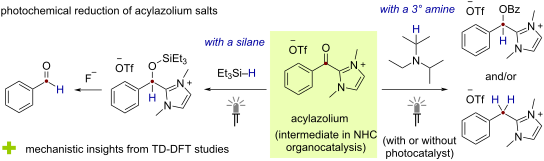
- carboxylic acid derivatives involving hydrogen-atom transfer have not been reported despite the fundamental importance of carbonyl reduction processes in organic synthesis [46]. Here, we report the results of our investigation into such reactions using an acylazolium salt derived from benzoic acid as a model
- synthesis with complete reduction to the alcohol followed by partial re-oxidation often being conducted. Conclusion In conclusion, we have developed novel light-driven methodologies for the reduction of acylazolium salts using benzoylimidazolium triflate as a model substrate. In the presence of a
- . Given the importance of carboxyl reduction reactions in organic synthesis and the recent explosion in interest in light-mediated NHC-catalyzed coupling reactions, we believe this work will be of value to the community and further studies on these systems, including on the development of catalytic


Asymmetric total synthesis of tricyclic prostaglandin D2 metabolite methyl ester via oxidative radical cyclization
Beilstein J. Org. Chem. 2025, 21, 1964–1972, doi:10.3762/bjoc.21.152
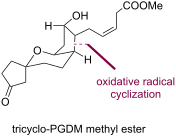
- available has prevented its practical use, and synthesis methods for tricyclic-PGDM methyl ester are required. Based on the utilization of oxidative radical cyclization for the stereoselective construction of the cyclopentanol subunit with three consecutive stereocenters, we describe an asymmetric total
- synthesis of tricyclic-PGDM methyl ester in 9 steps and 8% overall yield. Keywords: asymmetric total synthesis; oxidative radical cyclization; tricyclic prostaglandin D2 metabolite methyl ester; Introduction Prostaglandins (PGs), a family of hormone-like lipid compounds, are ubiquitous natural products
- effective tool in clinical applications [6]. However, the scarcity of metabolite 4 has prevented it from being used more widely, and thus synthesis methods for 4 are required. Compound 4 contains a cyclopentanol scaffold with stereogenicity at C8, C9, C11, and C12 (Scheme 1A). In addition, 4 is



Enantioselective desymmetrization strategy of prochiral 1,3-diols in natural product synthesis
Beilstein J. Org. Chem. 2025, 21, 1932–1963, doi:10.3762/bjoc.21.151

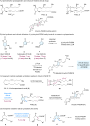
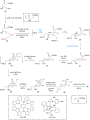
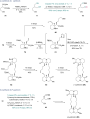
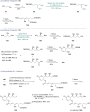
- functionalization of one hydroxy group, offers beneficial procedures for accessing diverse structural motifs. In this review, we highlight a curated compilation of publications, focusing on the applications of enantioselective desymmetrization of prochiral 1,3-diols in the synthesis of natural products and
- biologically active molecules. Based on the reaction types, three strategies are discussed: enzymatic acylation, transition-metal-catalyzed acylation, and local desymmetrization. Keywords: asymmetric synthesis; desymmetrization; 1,3-diols; natural product; total synthesis; Introduction Natural products
- isolated from organisms are often asymmetric in their spatial structures, and these unique spatial structures are precisely what lead to their diverse biological activities [1][2][3][4]. For the synthesis of these natural products or bioactive molecules, chemists usually need to consider how to carry out












Rhodium-catalysed connective synthesis of diverse reactive probes bearing S(VI) electrophilic warheads
Beilstein J. Org. Chem. 2025, 21, 1924–1931, doi:10.3762/bjoc.21.150
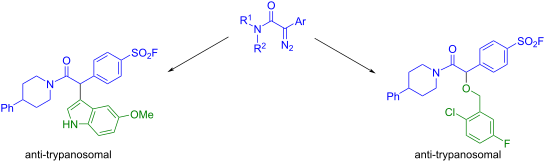
- may be enabled by screening diverse sets of reactive probes. Most existing sets of reactive probes are armed with cysteine-directed warheads, a limitation that we sought to address. A connective synthesis was developed in which α-diazoamide substrates, armed with a S(VI) warhead, were reacted with
- . Remarkably, the synthetic approach was compatible with building blocks bearing three different S(VI) warheads, enabling the direct connective synthesis of diverse reactive probes armed with non-cysteine-directed warheads. Reactive probes that are synthetically accessible using our approach may be of value in
- the synthesis of structurally diverse reactive probes bearing S(VI) electrophiles. Proteome-wide screens have shown that S(VI) electrophiles predominantly target lysine and tyrosine [12], although other residues (e.g. serine) may also be targeted within enzyme active sites [13]. It was envisaged that


Synthesis of N-doped chiral macrocycles by regioselective palladium-catalyzed arylation
Beilstein J. Org. Chem. 2025, 21, 1917–1923, doi:10.3762/bjoc.21.149
- Shuhai Qiu Junzhi Liu Department of Chemistry, The University of Hong Kong, Pokfulam Road, Hong Kong, China State Key Laboratory of Synthetic Chemistry, HKU-CAS Joint Laboratory on New Materials and Shanghai-Hong Kong Joint Laboratory on Chemical Synthesis, The University of Hong Kong, Pokfulam
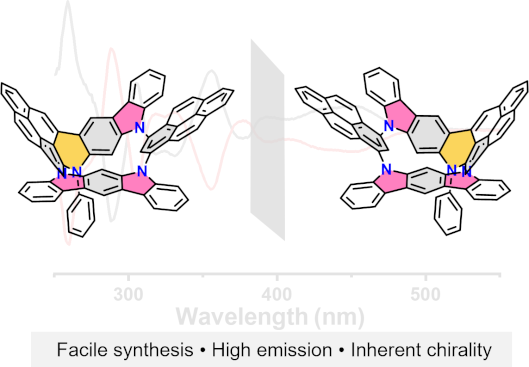
- chiral macrocycles, have been reported [17][25], highlighting a critical gap in the design of chiral macrocycles with tailored electronic landscapes. Herein, we reported the synthesis, characterizations and photophysical properties of inherent chiral N-doped macrocycles (Figure 1b) via regioselective
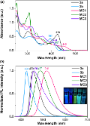
- demonstrated the synthesis and characterizations of N-doped macrocycles MC1–3 by palladium-catalyzed arylations. The molecular structures of the macrocyclic precursors and targets were unambiguously revealed by X-ray crystallographic characterization. These macrocycles exhibit strong fluorescence with ΦF




Synthesis, biological and electrochemical evaluation of glycidyl esters of phosphorus acids as potential anticancer drugs
Beilstein J. Org. Chem. 2025, 21, 1909–1916, doi:10.3762/bjoc.21.148

- . These findings provide important insights into the synthesis, cytotoxic activity, and biochemical reactivity of glycidyl esters of phosphorus acids, underscoring their potential as lead structures for further development in anticancer drug discovery and pharmaceutical research. Keywords: alkylating
- to a wide array of molecular targets [14][15][16]. The importance of phosphorus-containing drugs extends beyond their therapeutic applications; they also play a pivotal role in addressing specific medical conditions such as chronic kidney disease (CKD) [17][18]. The synthesis of organophosphorus
- encountered in the literature. In this paper, we report the synthesis, biological activity, and electrochemical evaluation of glycidyl esters of phosphorus acids. Results and Discussion Synthesis of glycidyl esters of phosphorus acids 1–3 Glycidyl esters of phosphorus acids 1–3 were obtained by condensation


Stereoselective electrochemical intramolecular imino-pinacol reaction: a straightforward entry to enantiopure piperazines
Beilstein J. Org. Chem. 2025, 21, 1897–1908, doi:10.3762/bjoc.21.147
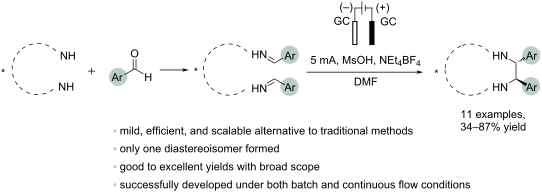
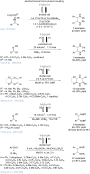
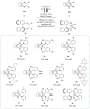
- diimines of aromatic aldehydes with trans-1,2-diaminocyclohexane for the synthesis of enantiopure tetrasubstituted piperazines has been investigated by an electrochemical approach. The methodology was successfully developed under both batch and continuous flow conditions, and afforded enantiomerically pure
- conditions, the continuous process afforded higher productivities and space-time yields than the batch reactions due to a short residence time. This work provides a mild, efficient, and scalable alternative to traditional methods for the synthesis of tetrasubstituted enantiopure piperazines, with potential
- products, agrochemicals, and pharmacologically active compounds. Enantiomerically pure 1,2-diamines and their derivatives are also increasingly used in stereoselective synthesis, particularly as chiral auxiliaries or as ligands for metal complexes in asymmetric catalysis [1]. Metal-based reductants





Preparation of spirocyclic oxindoles by cyclisation of an oxime to a nitrone and dipolar cycloaddition
Beilstein J. Org. Chem. 2025, 21, 1890–1896, doi:10.3762/bjoc.21.146
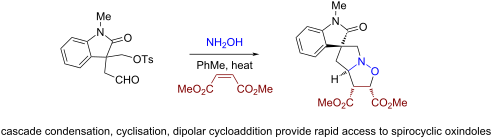
- -containing compounds makes use of intramolecular 1,3-dipolar cycloaddition reactions [15], including examples with nitrone ylides [16][17][18][19][20][21][22]. Our research group has exploited this approach for the synthesis of alkaloids such as myrioxazine A and aspidospermidine [23][24]. With a nitrone 1,3
- ) are quoted to the nearest 0.5 Hz with values in hertz (Hz). 13C NMR spectra were recorded on the above instrument at 100 MHz. Low- and high-resolution (accurate mass) mass spectra were recorded on a Walters LCT instrument using electrospray ionisation (ESI). Synthesis of the aldehyde 4 Sc(OTf)3 (0.63


Chiral phosphoric acid-catalyzed asymmetric synthesis of helically chiral, planarly chiral and inherently chiral molecules
Beilstein J. Org. Chem. 2025, 21, 1864–1889, doi:10.3762/bjoc.21.145
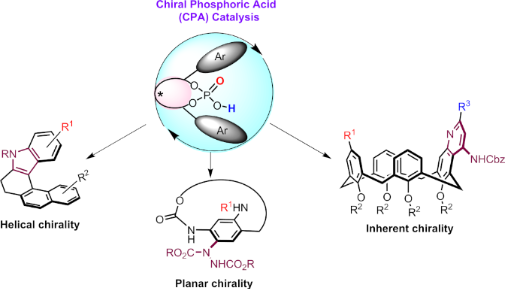
- molecular chirality has been investigated comparatively less. This Review provides a comprehensive overview of the recent emerging advancements in asymmetric synthesis of planarly chiral, helically chiral and inherently chiral molecules using CPA catalysis, while offering insights into future developments
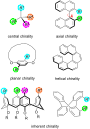
- pharmaceutical, agrochemical and asymmetric synthesis as well as materials science, to name a few examples. Molecular chirality is typically classified into four types of chiral elements: central (point) chirality, axial chirality, planar chirality and helical chirality (Figure 2). Moreover, unique forms of
- chirality originating from the rigid conformation of molecules lacking symmetry, which do not fit into the aforementioned four categories, are termed inherent chirality. Notable examples include inherently chiral calix[4]arenes and saddle-shaped medium-sized cyclic compounds. Catalytic asymmetric synthesis