


Search results
Search for "C-" in Full Text gives 4063 result(s) in Beilstein Journal of Organic Chemistry. Showing first 200.
Synthesis of chiral cyclohexane-linked bisimidazolines
Beilstein J. Org. Chem. 2025, 21, 1786–1790, doi:10.3762/bjoc.21.140
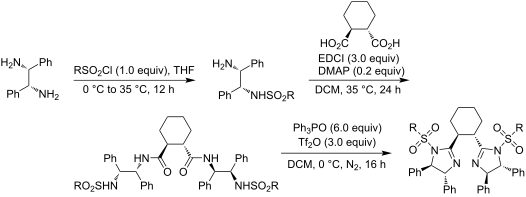
- nucleophilically attacks the phosphonium in A to generate intermediate B by loss of triphenylphosphine oxide and triflic acid. The nucleophilic sulfonamide in B intramolecularily attacks the generated imine moiety in B to form intermediate C, in which triflic acid may protonate the imine moiety in B to assist the
- nucleophilic attack. Intermediate C further transforms to imidazoline product 5 by loss of triphenylphosphine oxide and triflic acid. Conclusion Both chiral bisoxazolines and bisimidazolines are efficient and widely applied chiral ligands in metal-catalyzed asymmetric organic reactions. Several chiral


Research progress on calixarene/pillararene-based controlled drug release systems
Beilstein J. Org. Chem. 2025, 21, 1757–1785, doi:10.3762/bjoc.21.139
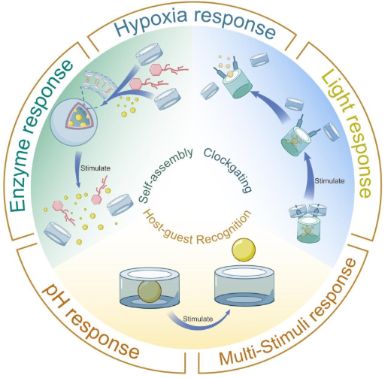
- 30 minutes at a pH of 5.5, which simulates the lysosomal environment at 37 °C. Both CAs and PAs are effective supramolecular platforms for the controlled release of DOX, demonstrating significant potential for various applications. In 2013, Wang and others reported [93] that WP6 and hydrophobic






Unique halogen–π association detected in single crystals of C–N atropisomeric N-(2-halophenyl)quinolin-2-one derivatives and the thione analogue
Beilstein J. Org. Chem. 2025, 21, 1748–1756, doi:10.3762/bjoc.21.138
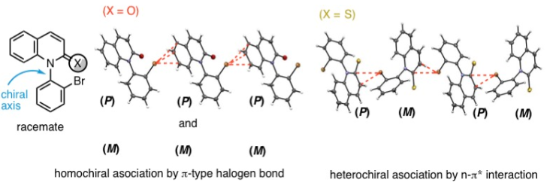
- , Shibaura Institute of Technology, 307 Fukasaku, Minuma-ku, Saitama 337-8570, Japan 10.3762/bjoc.21.138 Abstract In single crystals of C–N atropisomeric N-(2-halophenyl)quinolin-2-one and the thione analogue, a unique association based on a halogen–π interaction was detected. In racemic and optically pure
- N-(2-bromo- or 2-chlorophenyl)quinolin-2-ones, homochiral layered polymers, which consist of (P)- or (M)-atropisomers, were formed through intermolecular halogen–π association. The halogen–π association in the racemates is due to a halogen bond (C–X···π) between a σ-hole on the halogen atom and a π
- )quinoline-2-thione, heterochiral layered polymers, in which (P)- and (M)-atropisomers were alternately connected, were formed through an n–π* interaction between a lone electron pair on the bromine atom and a π* orbital of the quinoline-2-thione. Keywords: atropisomers; C–N bond; halogen bond; quinolinones


Thermodynamics and polarity-driven properties of fluorinated cyclopropanes
Beilstein J. Org. Chem. 2025, 21, 1742–1747, doi:10.3762/bjoc.21.137
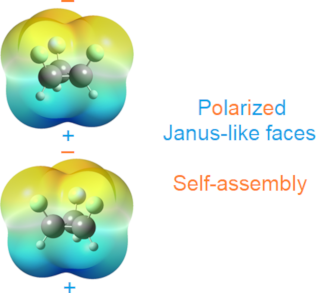
- to modulate properties that enhance the performance of pharmaceuticals and materials. This quantum-chemical study explores the energetic implications of fluorinating cyclopropane, providing insights into molecular characteristics arising from the polar C–F bond. Isodesmic reactions revealed that the
- . Generally, cis-C–F bonds are less favored than their trans counterparts, not primarily because of steric repulsion, but due to reduced stabilizing electron-delocalization interactions. Among the series, 1.2.3-c.c. stands out as the most polar compound, enabling unique stacking interactions between its
- advanced materials, particularly those whose properties rely on the polarity and spatial arrangement of C–F bonds within a cyclopropane framework. Keywords: cyclopropane; fluorination; polarity; theoretical calculations; Introduction Cyclopropane, the smallest cycloalkane, has a rigid structure that


Preparation of a furfural-derived enantioenriched vinyloxazoline building block and exploring its reactivity
Beilstein J. Org. Chem. 2025, 21, 1737–1741, doi:10.3762/bjoc.21.136

- reactions. Out of these, the aza-Diels–Alder reaction with TsNCO was successful, leading to a highly diastereoselective formation of an oxazolo[3,2-c]pyrimidine derivative. Keywords: aza-Diels–Alder reaction; electrosynthesis; furfural; valinol; vinyloxazoline; Introduction The utilization of biomass as
- applications to functional materials, pharmaceutically relevant compounds, and agrochemicals [8][9][10][11][12][13][14][15][16][17]. In our recent work, we have developed a Torii-type electrosynthesis of unsaturated esters 3a–c starting from furfural (1) and amino alcohol conjugates 2a–c [18]. The process
- involves an electrooxidative dialkoxylation of the furan ring providing spirocycles 4a–c which undergo a further electrooxidative fragmentation to products 3a–c. However, the further transformation of products 3a–c was hampered by the problematic removal of the protecting groups (Ts, Boc, Ac) under the


Convenient alternative synthesis of the Malassezia-derived virulence factor malassezione and related compounds
Beilstein J. Org. Chem. 2025, 21, 1730–1736, doi:10.3762/bjoc.21.135

- nitrogen source followed by thin-layer chromatography and reversed-phase (RP)-HPLC to isolate and purify the compound from a complex mixture of indole alkaloids [11], (ii) prepared by aerobic incubation of indole-3-pyruvic acid at pH 7.4, 37 °C for 24 h followed by isolation and purification using RP-HPLC
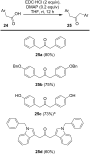
- ) ketone, which could be converted to the corresponding bis(4-hydroxybenzyl) ketone (25c) by heating at 200 °C for 15 min to 3 h in the presence of pyridinium chloride [22][24]. Herein, we also show that the EDC-mediated coupling of 4-(benzyloxy)phenylacetic acid readily yields 25b, which may be
- are uncorrected. tert-Butyl 3-(2-methoxy-2-oxoethyl)-1H-indole-1-carboxylate (21). A solution of indol-3-yl acetic acid (20, 5.1 g, 29.0 mmol, 1.0 equiv) in dry MeOH (200 mL) was cooled to 0 °C, and SOCl2 (10.5 mL, 145 mmol, 5.0 equiv) was added slowly. After stirring for 12 h at room temperature, the


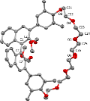
3,3'-Linked BINOL macrocycles: optimized synthesis of crown ethers featuring one or two BINOL units
Beilstein J. Org. Chem. 2025, 21, 1719–1729, doi:10.3762/bjoc.21.134

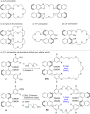
- ]. However, under the same coupling conditions (Pd2(dba)3, P(o-Tol)3, n-Bu4N+OH−, toluene/H2O, 90 °C), the reaction of diiodide 1 with bisboronic acids 75/6/7/8 gave only low yields of the desired macrocycles Me-M1 (7/32/22/21% for Me-M15/6/7/8). Thus, the macrocyclization via two-fold Suzuki coupling was
- coupling (vide supra). To this end, Me-2 was reacted with the bistosylated ethylene glycols 85/6/7/8 in the presence of Cs2CO3 as a base (CH3CN, 80 °C). To our delight, we could isolate the macrocyles Me-M15/6/7/8 in significantly higher yields of 21/54/75/38%. Cesium carbonate was chosen as the base
- chloroalcohol 106 in the presence of Cs2CO3 (CH3CN, 80 °C), which gave the desired bisglycolated products Me/H/iPr-5 (Supporting Information File 1). Subsequent reaction with tosyl chloride in the presence of triethylamine and DMAP (CH2Cl2, 25 °C) gave the desired BINOL bistosylates Me/H/iPr-36 in good yields





Approaches to stereoselective 1,1'-glycosylation
Beilstein J. Org. Chem. 2025, 21, 1700–1718, doi:10.3762/bjoc.21.133
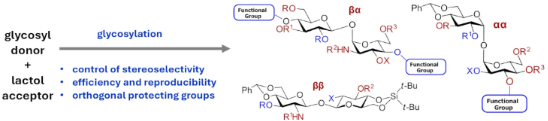
- synthesis of neotrehalosamines related to the sugar moiety of the nucleoside antibiotic tunicamycin was performed using benzoylated 2-(benzoyloxyimino)-protected GlcN bromide donor 5, which enabled 1,2-cis stereochemical control through the non-participating C-2 benzoyloxyimino group, leading to the
- formation of an α-glycoside on the donor side [54]. On the acceptor side, the β-configuration was favored due to steric hindrance from the C-2 phthalimido group in the triacetylated GalN-lactol acceptors 6 or 3,4-di-O-benzylated acceptors 8, resulting in kinetically controlled formation of β,α-1,1
- diminish the reactivity of N-Troc-protected GlcN-derived donors [72]. Indeed, the presence of an electron-withdrawing group at position 3 of the GlcN-derived donor 70 merely required an elevated reaction temperature (0 °C), in contrast to the conditions used for the 3-O-Nap-protected GalN-based donor 68


Continuous-flow-enabled intensification in nitration processes: a review of technological developments and practical applications over the past decade
Beilstein J. Org. Chem. 2025, 21, 1678–1699, doi:10.3762/bjoc.21.132
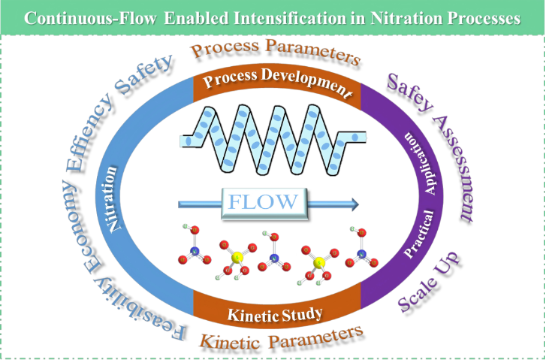
- higher kinetic feasibility than aliphatic C-nitration in saturated carbon frameworks [3]. Following determination of substrate–nitrating agent combinations, reactor system specification emerges as the critical engineering decision. Nitration reactor selection – encompassing batch, semi-batch, continuous
- selective mono- or di-nitration and facilitates late-stage C–H nitration of biorelevant molecules, with DFT/mechanistic studies revealing synergistic 'nitro effect' and 'methyl effect' underlying the reactivity [7]. Jia et al. developed dinitro-5,5-dimethylhydantoin (DNDMH) as an efficient arene nitration
- frequently exhibit significant flow rate deviations between programmed and actual delivery rates under high-flow conditions. This flow instability can be mitigated through a strategic thermal management of reagents (30–60 °C) or implementing back-pressure regulation (0.5–2 bar) via inert gas pressurization



Structural analysis of stereoselective galactose pyruvylation toward the synthesis of bacterial capsular polysaccharides
Beilstein J. Org. Chem. 2025, 21, 1671–1677, doi:10.3762/bjoc.21.131

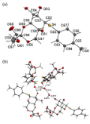
- a = 16.1017(4) Å, b = 7.7608(2) Å, c = 28.8344(8) Å, and β = 93.3680(10)°. Additionally, the presence of lattice water greatly influenced the molecular packing. The hydrogen bond (H–O–H) lengths in this lattice water ranged from 1.923 to 2.204 Å (Figure 2b). The pyruvylated galactose 6 was utilized
- position. Additionally, THF was used as a solvent to enhance the α-selectivity of the reaction [41][42][43]. Next, while both compounds 8 and 9 can act as acceptors, compound 9, a primary alcohol, exhibits greater nucleophilicity. Using the TolSCl/AgOTf promoter system at −70 °C, the β-linked disaccharide


Influence of the cation in hypophosphite-mediated catalyst-free reductive amination
Beilstein J. Org. Chem. 2025, 21, 1661–1670, doi:10.3762/bjoc.21.130

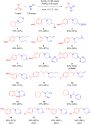
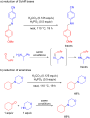
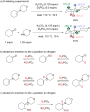
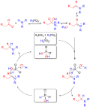
- an important role in medicinal and pharmaceutical chemistry [23][24][25] (Scheme 1a). Sodium hypophosphite exhibited good chemoselectivity – it selectively reduced imines while leaving other functional groups intact, e.g., nitro (NO₂), cyano (CN), alkene (C=C), and benzyloxy (OBn) groups. In contrast
- , usage of classical reducing agents – H2 on Pd/C or NaBH4 did not show similar chemoselectivity [26]. Additionally, the NaH2PO2 usability is engaging due to fine green chemistry metrics, e.g., an E-factor less than 1 was reached, moreover the main wastes of this process were safe and useful as
- synthesis of esters of phosphonous or alkylphosphinic acids [33][34][35]. Only a single application of cesium hypophosphite was shown in the literature. CsH2PO2 was prepared in situ and used for formation C–P bond by radical addition to unsaturated carboxylic acids [36 ]To summarize the above, it is crucial


Catalytic asymmetric reactions of isocyanides for constructing non-central chirality
Beilstein J. Org. Chem. 2025, 21, 1648–1660, doi:10.3762/bjoc.21.129

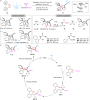
- and manifests in diverse forms (Figure 1a). While central chirality based on stereogenic centers (e.g., C, P, S, etc.) is the most conventional type, non-central chirality, such as axial [1][2][3][4], planar [5][6][7], helical [8][9][10], and inherent chirality [11][12], has gained increasing
- iodides (Scheme 1a) [27]. This transformation proceeded via two key steps, isocyanide insertion and desymmetric C(sp2)–H bond activation. By using phosphoramidite L1 as the chiral ligand, planar chiral pyridoferrocenes 2 were obtained in 61–99% yield with 72–99% ee. In addition, this catalytic system
- ) and aryl iodide 6a as the reactants, diastereomeric products 9a and 9b, each containing two distinct stereogenic axes (C–C and C–N), were obtained in 93% and 89% ee, respectively. Very recently, Luo and co-workers implemented an efficient palladium-catalyzed atroposelective C(sp2)–H imidoylative



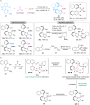


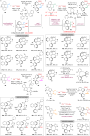
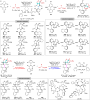
Formal synthesis of a selective estrogen receptor modulator with tetrahydrofluorenone structure using [3 + 2 + 1] cycloaddition of yne-vinylcyclopropanes and CO
Beilstein J. Org. Chem. 2025, 21, 1639–1644, doi:10.3762/bjoc.21.127
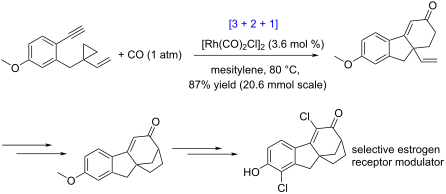
- annulation to construct the C ring (cyclohexenone ring), and an intramolecular SN2 reaction to build the D ring (five-membered ring) [15][16][17][18]. In 2013, Wallace and co-workers disclosed the second route for this molecule (Scheme 2B) [19], in which the five-membered ring B was formed by utilizing
- not known). A hydrogenation reaction to reduce the C=C bond in 11 was then successfully applied, delivering product 12 in 80% yield (5 mol % RhCl(PPh3)3 catalyst and 1 atm hydrogen atmosphere were used). Next, we tested whether Krapcho decarboxylation reaction can convert 12 into 1 in one step


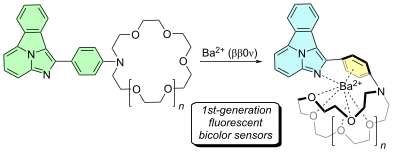
On the aromaticity and photophysics of 1-arylbenzo[a]imidazo[5,1,2-cd]indolizines as bicolor fluorescent molecules for barium tagging in the study of double-beta decay of 136Xe
Beilstein J. Org. Chem. 2025, 21, 1627–1638, doi:10.3762/bjoc.21.126
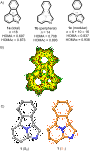
- -phenylene moiety in the tetracyclic structure. Combination of reactions A and B in the form yields an average value of ⟨ΔEAB⟩ = −22.6 kcal/mol. A similar treatment of the separate components as outlined in reactions C and D shows a much lower stabilization energy for imidazo[1,2-a]pyridine 8 and a higher
- optimal CC or CN distances associated with aromatic structures, represents the corresponding bond distance gathered in Figure 3B, and αk is a parametric term defined as where is the standard single bond distance of the k-pair of atoms (C–C, C–N) and is the same paremeter but referred to the
- corresponding double bonds (C=C, C=N). We computed the HOMA values associated with the total, peripheral and modular patterns using the standard parameters and a more recent set based on computational parameters that take into account antiaromaticity, denoted as HOMAc [23]. According to our results, formal





Transition-state aromaticity and its relationship with reactivity in pericyclic reactions
Beilstein J. Org. Chem. 2025, 21, 1613–1626, doi:10.3762/bjoc.21.125

- deformed reactants along the reaction coordinate, defined in this case by the shortest C···C bond-forming distance. From the data in Figure 2a, which shows the computed activation strain diagrams (ASDs) for the uncatalyzed and AlCl3-catalyzed reactions from the beginning of the process up to the respective
- repulsion between the deformed reactants (Figure 2b). The less destabilizing Pauli repulsion computed for the catalyzed cycloaddition directly originates from the reduction of the electron density at the reactive C–C double bond of the dienophile, which translates into a lower <π(diene)|π(dienophile
- )> molecular orbital overlap (S = 0.13 vs S = 0.07 for the uncatalyzed and catalyzed reactions, respectively). In other words, there occurs a significant polarization of the conjugated π-system away from the C–C double bond when the LA binds the carbonylic oxygen of methyl acrylate, which results in a less


Synthesis of optically active folded cyclic dimers and trimers
Beilstein J. Org. Chem. 2025, 21, 1603–1612, doi:10.3762/bjoc.21.124

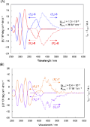
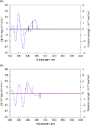
- lifetime measurement was performed on a Hamamatsu Photonics Quantaurus-Tau fluorescence lifetime spectrometer system. Specific rotations ([α]Dt) were measured with a HORIBA SEPA-500 polarimeter: concentration “c” is g/dL. Circular dichroism (CD) spectra were recorded on a JASCO J-1500 spectropolarimeter
- , 93.81, 95.72, 105.99, 125.16, 125.33, 125.42, 125.91, 128.07, 128.27, 131.99, 133.24, 134.65, 135.30, 141.30, 142.58 ppm: HRMS (APCI+) (m/z): [M + H]+ calcd. for C56H62Si2, 791.4463; found, 791.4472; [α]D25 –203.25 (c 0.04, CHCH3). (Rp)-3 was obtained by the same procedure of (Sp)-3. HRMS (APCI+) (m/z
- ): [M + H]+ calcd. for C56H62Si2, 791.4463; found, 791.4442; [α]D25 = +199.73 (c 0.04, CHCH3). Synthesis of (Sp)-4 (Sp)-3 (43.0 mg, 0.054 mmol) was dissolved in THF (2 mL), followed by the addition of Bu4NF (1.0 M in THF solution, 0.11 mL). The reaction was carried out at room temperature for 30 min


3-Aryl-2H-azirines as annulation reagents in the Ni(II)-catalyzed synthesis of 1H-benzo[4,5]thieno[3,2-b]pyrroles
Beilstein J. Org. Chem. 2025, 21, 1595–1602, doi:10.3762/bjoc.21.123

- method for the synthesis of 3-arylbenzo[4,5]thieno[3,2-b]pyrroles has been developed via pyrrole ring annulation to the aromatic benzo[b]thiophene system, using 3-arylazirines as a N‒C=C synthon. The reaction is catalyzed by Ni(hfacac)2 and proceeds through the azirine ring opening across the N=C3 bond
- unique ability of these compounds to undergo selective opening of the three-membered ring at either of the two nitrogen–carbon bonds under certain conditions and to be incorporated into the target molecule as a N‒C‒C synthon is successfully used to obtain a variety of heterocyclic and acyclic nitrogen
- -dicarbonyl tautomeric form. Initially, it was shown that compound 1 does not react with 3-(p-tolyl)-2H-azirine (2a) when heated at 100 °C in methanol (Table 1, entry 1). No reaction was observed either in the presence of Rh(I), Mn(III), Fe(II), and Cu(II) compounds (Table 1, entries 2‒5). The Cu(I) compounds



Chemical synthesis of glycan motifs from the antitumor agent PI-88 through an orthogonal one-pot glycosylation strategy
Beilstein J. Org. Chem. 2025, 21, 1587–1594, doi:10.3762/bjoc.21.122

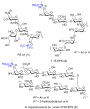
- in mannosyl PVB 8 (1.0 equiv) in the presence of TMSOTf as catalyst proceeded smoothly at 0 °C to room temperature, affording the α-Man-(1→3)-Man PVB disaccharide. The further coupling of the above PVB disaccharide with the poorly reactive 2-OH in mannoside 9 (0.9 equiv) under activation with NIS and
- TMSOTf at 0 °C to room temperature, successfully furnished the desired α-Man-(1→3)-α-Man-(1→3)-α-Man trisaccharide 10 in 87% yield in a one pot manner. Removal of TBDPS group in 10 with 70% HF·pyridine and subsequent phosphitylation of the resulting free alcohol with phosphoramidite 11 provided the
- desired phosphite, which was further oxidized by 3-chloroperoxybenzoic aicd (mCPBA) at −78 °C to 0 °C, producing the desired phosphorylated fully protected trisaccharide 12 in 79% overall yield over three steps. Removal of all protecting groups in trisaccharide 12 is a challenging task due to the presence



Thermodynamic equilibrium between locally excited and charge transfer states in perylene–phenothiazine dyads
Beilstein J. Org. Chem. 2025, 21, 1577–1586, doi:10.3762/bjoc.21.121
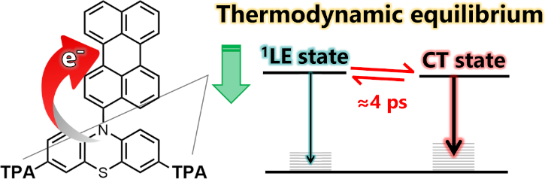
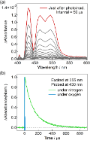
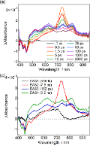
- ). (c) Simulated absorption spectra of these compounds (B3LYP/6-31+G(d,p)//B3LYP/6-31+G(d,p) level of theory), and (d) molecular orbitals mainly contributing to the optical transitions indicated by arrows. Emission decay curves of Pe–PTZ(TPA)2 in benzene excited at 403 nm and probed at 460 and 632 nm
- (a, c) 350 nm (20 nJ/pulse) and (b, d) 420 nm (6 nJ/pulse) at room temperature. (a) Femtosecond-to-nanosecond transient absorption spectra and (b) evolution-associated spectra (EAS) of Pe–Ph–PTZ(TPA)2 in benzene excited at 350 nm (20 nJ/pulse) at room temperature. Summarized photophysical process of




pH-Controlled isomerization kinetics of ortho-disubstituted benzamidines: E/Z isomerism and axial chirality
Beilstein J. Org. Chem. 2025, 21, 1568–1576, doi:10.3762/bjoc.21.120
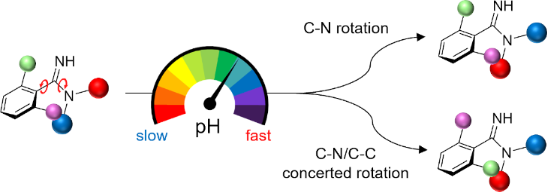
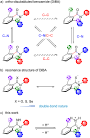
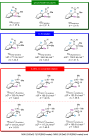
- advances require expanding the range of pH-responsive systems and discovering new molecular architectures. Here, we investigate the pH-responsive behavior of ortho-disubstituted benzamidine, which generates atropisomers and E/Z isomers. The amidine moiety allows modulation of the C–N and C–N/C–C rotational
- barriers by protonation, providing a novel approach to control the kinetics of isomerization via pH adjustment. The results showed that protonation of the amidine moiety significantly suppresses both C–N bond rotation and C–N/C–C concerted rotation, demonstrating the potential of ortho-disubstituted
- switches [19]. For example, hydrazone-based molecular switches undergo reversible E/Z isomerization around the C=N bond [1][2][3][4][5][6][7], with protonation significantly shifting the equilibrium. Beyond double-bond isomerization, pH stimuli have also been employed to modulate rotational barriers in



Synthesis of an aza[5]helicene-incorporated macrocyclic heteroarene via oxidation of an o-phenylene-pyrrole-thiophene icosamer
Beilstein J. Org. Chem. 2025, 21, 1561–1567, doi:10.3762/bjoc.21.119
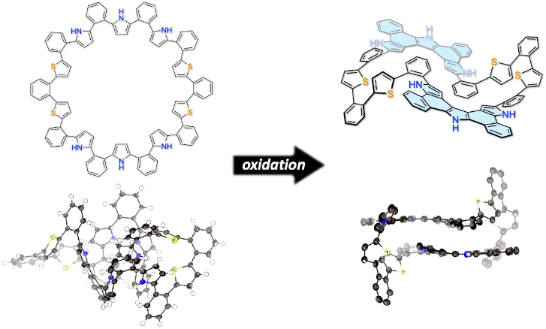
- , respectively [19][20]. Recently, our group established an efficient synthetic strategy for strained macrocyclic polyarenes, such as compound C, in which o-phenylene units preorganize adjacent heteroaromatics into close proximity, thereby facilitating oxidative ring-closure reactions [21]. Among these, the
- macrocycle whose structure has been confirmed by X-ray diffraction analysis. Next, oxidation of 4 was attempted using [bis(trifluoroacetoxy)iodo]benzene (PIFA) in CH2Cl2 at −78 °C (Scheme 2). These reaction conditions had previously proven effective for the oxidation of 3 and other o-phenylene-bridged
- acyclic heteroaromatics [26][27]. Thus, to a solution of 4 in CH2Cl2 was added 15 equivalents of PIFA at −78 °C and stirred for 3 h. The mixture was then allowed to warm to room temperature to give a dark solution. The system was worked-up with NaBH4/MeOH for 10 minutes followed by extraction with CH2Cl2


Facile synthesis of hydantoin/1,2,4-oxadiazoline spiro-compounds via 1,3-dipolar cycloaddition of nitrile oxides to 5-iminohydantoins
Beilstein J. Org. Chem. 2025, 21, 1552–1560, doi:10.3762/bjoc.21.118

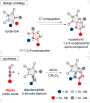
- Federation, 115478, Moscow, Russian Federation 10.3762/bjoc.21.118 Abstract The cycloaddition of 1,3-dipoles at C=N bonds is a relatively rare process, in contrast to the widespread cycloaddition reactions at C=C, C≡C, and C=S bonds. In this study, we present the syntheses of novel hydantoin/1,2,4
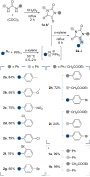
- -oxadiazoline spiro-compounds using a 1,3-dipolar cycloaddition of nitrile oxides to C=N bonds of 5-iminohydantoins. The efficiency of the approach was demonstrated by varying the substituents at four positions of the resulting spirocyclic molecules. Cytotoxicity of the target hydantoin/1,2,4-oxadiazolines was
- of double and triple bonds, most of the described reactions are related to dipolarophiles with C=C, C≡C or C=S bonds [7]. However, the [3 + 2]-cycloaddition of nitrile oxides to exocyclic C=N bonds, is a much less explored area. There are few known reactions of these dipoles with imino derivatives of



Azide–alkyne cycloaddition (click) reaction in biomass-derived solvent CyreneTM under one-pot conditions
Beilstein J. Org. Chem. 2025, 21, 1544–1551, doi:10.3762/bjoc.21.117
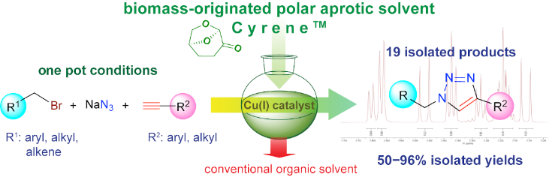
- it is negative in the Ames test [25]. Recently, we determined key physicochemical properties of CyreneTM and showed that it has a negligible vapor pressure (<9.6 kPa) and low viscosity (<6.8 mPa·s) at typical transition-metal-catalyzed reaction temperatures (30–140 °C) [26]. CyreneTM has been
- , a wide range of organic reactions, e.g., urea and amide formation [32][33], amide coupling [34], aldol condensation [35], C–H difluoromethylation [36], aromatic substitution [37], and MOFs synthesis [38] were demonstrated in CyreneTM. Very recently, Fasano and Citarella first reported a CuAAC
- ) were tested in the conversion of 1.15 mmol benzyl azide (1a) and 1 mmol phenylacetylene (2a) in 2.5 mL CyreneTM at 30 °C. All the selected Cu salts catalyzed the cycloaddition; however, Cu chlorides and oxides resulted in unexpectedly low product yields after 0.5 h. The solubility of Cu oxides was


General method for the synthesis of enaminones via photocatalysis
Beilstein J. Org. Chem. 2025, 21, 1535–1543, doi:10.3762/bjoc.21.116
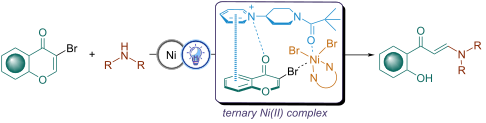
- -dimethylformamide (DMF) at 20 °C afforded the best results, giving the desired product 9a in 70% isolated yield (Table 1, entry 1). Changing NiBr2·diglyme to other nickel salts, such as Ni(OTf)2 and NiCl2·diglyme led to lower yields (Table 1, entries 2 and 3). Similarly, changing the ligand for dtbbpy or
- . Simultaneously, acridinium photocatalyst PC1 absorbed energy and transitioned from the ground state to excited state under visible-light irradiation. This excited state PC1* is quenched by the amine, generating the amine radical cation and PC1 radical via a single-electron transfer (SET) process. Then, the C−Br
- bond of I is cleaved by PC1•, generating a C-centered radical II, which can be further reduced to give an enolate III, that ultimately evolves to the more stable anion IV and undergoes protonation to afford the final enaminone product 9a. Conclusion In summary, a simple and effective nickel-assisted




Azobenzene protonation as a tool for temperature sensing
Beilstein J. Org. Chem. 2025, 21, 1528–1534, doi:10.3762/bjoc.21.115
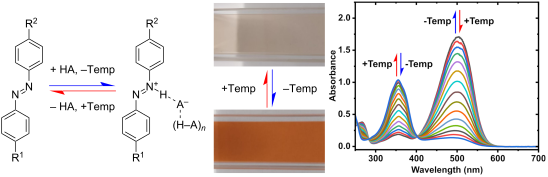
- is assumed. Stronger electron donation gives rise to larger red-shift, and hence more pronounced color changes, upon protonation, as illustrated in Figure 1C. Figure 1D illustrates the shift in protonation equilibrium with increasing acidity when MSA is added to DCE solution of 3 at 25 °C. Due to the
- with 1.44 mM MSA over a 10–80 °C temperature range. Comparing the maximum absorbances at the neutral and protonated peaks provides a measure of sensitivity and optimal working range. Figure 2B presents this comparison for 1–3 in MSA/DCE solutions, calculated as the ratio between neutral and protonated
- , the rate of change should be both high and systematic. For example, in Figure 2B, the optimal range for 3 appears to be between 30 and 80 °C, where the rate of change is fastest and follows a clean, exponential trend. All three compounds show similar sensitivity in DCE, while the sensitivity of 3 is





