


Search results
Search for "carboxylic acid" in Full Text gives 628 result(s) in Beilstein Journal of Organic Chemistry. Showing first 200.
Construction of CF2 moieties in FDA-approved drugs (2016–2025): industrial routes, mechanisms, and scale-up considerations
Beilstein J. Org. Chem. 2026, 22, 1122–1150, doi:10.3762/bjoc.22.91
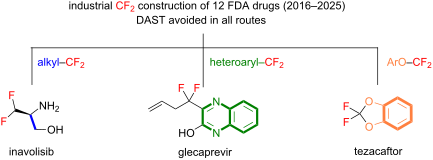
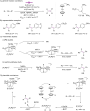
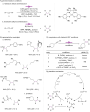
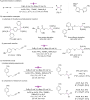
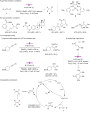
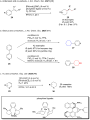
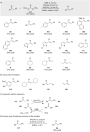
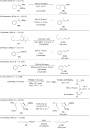
- elevated temperatures. Routes c, d, and e all use 3-oxocyclobutane-1-carboxylic acid (39) as the starting material and prepare the key intermediate via two strategies. Routes c and d follow the sequence of fluorination followed by Curtius rearrangement, with the carboxylic acid group requiring prior
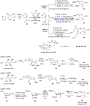
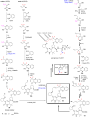
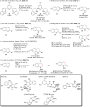
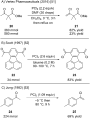
- production. 1.3.2 Difamilast (2021): As shown in Figure 13, the synthesis of the key intermediate of difamilast (6) mainly involves the assembly of three functional groups: the difluoromethyl group, the isopropyl ether, and the carboxylic acid group. Route a (reported in 2017) [68] uses a DMF solution of
- group to carboxylic acid 134 via the Pinnick oxidation gave a two-step yield of 86% on a 10 g scale. Route b selectively difluoromethylates the phenolic hydroxy group of 132 using a method similar to route a, achieving a yield of 54% (reported in 2017) [69], followed by isopropyl etherification to






Synthesis and acaricidal activity against Varroa destructor of α- and γ-costic acid dimers
Beilstein J. Org. Chem. 2026, 22, 1088–1096, doi:10.3762/bjoc.22.87
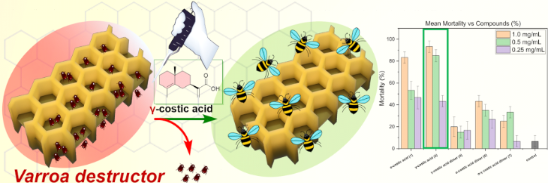
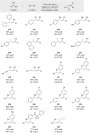
- carboxylic acid group and of an α,β-unsaturated carboxyl moiety. In fact, moving from α-costic acid (1) to its methyl ester 10 [14] a marked decrease in activity from 83% to 10% is observed and, as reported above, the transformation of costic acids 1 and 3 to diesters 4, 6, 7 led to a decrease in acaricidal


Amino acid-based surfactants: sustainable synthesis and antimicrobial mechanisms
Beilstein J. Org. Chem. 2026, 22, 1067–1085, doi:10.3762/bjoc.22.85
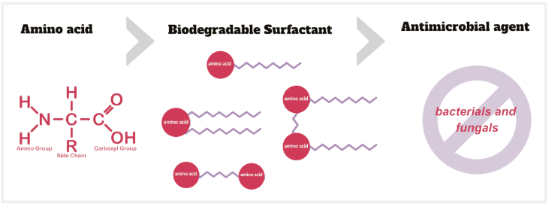
- conditions [36]. Carboxylic acid activation and amide bond formation are commonly performed using acyl chlorides in Schotten–Baumann-type reactions or carbodiimide-mediated coupling agents such as DCC or EDC, providing high conversions under relatively mild conditions [3][6]. Reported yields generally range


Synthesis of functionalized, 13-alkyl-substituted coralyne derivatives and investigation of their interactions with duplex and abasic site-containing DNA
Beilstein J. Org. Chem. 2026, 22, 1057–1066, doi:10.3762/bjoc.22.84
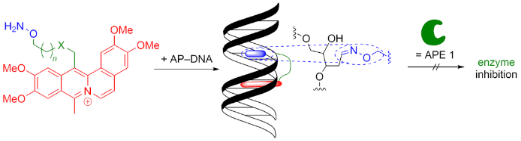
- ). Subsequent nucleophilic substitution of 3b with KCN furnished the nitrile-functionalized papaverine 3d in 56% yield. However, attempts to hydrolyze the nitrile 3d to the corresponding carboxylic acid failed both under mild and harsh alkaline conditions as well as under acidic conditions, as TLC and 1H NMR
- hydrolysis to give the coralyne carboxylic acid derivative 2d in 93% yield (Scheme 3). The novel compounds 2c and 2d were identified and characterized by NMR spectroscopy (1H, 13C, COSY, HSQC, HMBC), mass spectrometry, and elemental analysis. For the synthesis of a reference compound without alkoxyamine unit
- , the carboxylic acid unit of coralyne 2d was esterified by the reaction with ethyl 4-aminobutanoate hydrochloride [46] and PyBOP as coupling reagent (Scheme 4). The structure of the resulting coralyne was confirmed by NMR spectroscopy (1H, 13C, 19F) and mass spectrometry, but the analysis also revealed


Semisynthesis, characterisation, and antibacterial evaluation of a novel lecanoric acid-derived amide library
Beilstein J. Org. Chem. 2026, 22, 1023–1032, doi:10.3762/bjoc.22.81
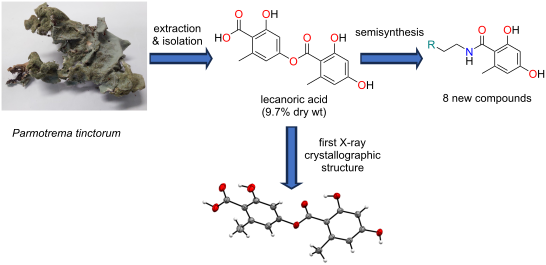
- carboxylic acid moieties, which could all potentially serve as chemical handles for structural modifications via medicinal chemistry. Herein, we detail the large-scale extraction and purification of the targeted lichen natural product, lecanoric acid, along with the subsequent semisynthesis and


Electrochemical reduction of unsaturated carbon–carbon bonds via 3d transition-metal catalysis
Beilstein J. Org. Chem. 2026, 22, 955–981, doi:10.3762/bjoc.22.75
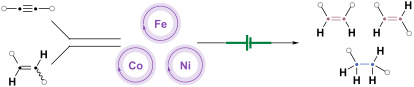
- ) species. In the presence of the in situ generated silane, a Ni–H species is proposed to form, although its involvement remains to be fully established [90]. Substrate scope studies demonstrated that not only terminal alkenes bearing free carboxylic acid or hydroxy groups, but also substrates containing








A practical CO2-mediated synthesis of 5,6-carboxylated silicon-rhodamines for targeted probe development
Beilstein J. Org. Chem. 2026, 22, 915–924, doi:10.3762/bjoc.22.72
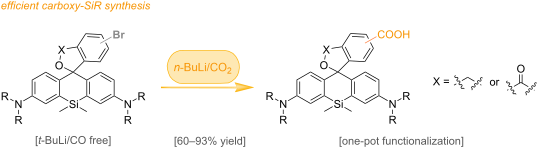
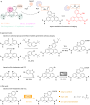
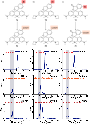
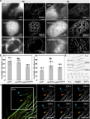
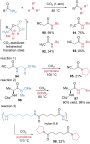
- carboxylation strategy using CO2 as an inexpensive, readily available, and non-toxic C1 source. In principle, CO2 can serve as a carbonyl source through nucleophilic addition followed by protonation to furnish the corresponding carboxylic acid. On the basis of this design (Figure 2a), brominated SiR precursors



Design, synthesis, and biological evaluation of FXR/ASK1 dual-target modulators
Beilstein J. Org. Chem. 2026, 22, 771–781, doi:10.3762/bjoc.22.59
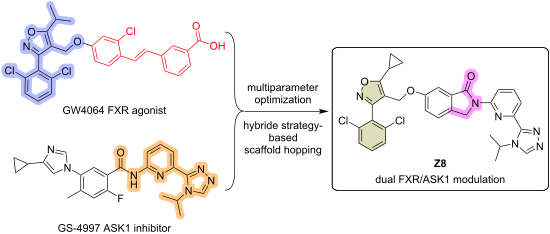
- of the minimal pharmacophores of the selective FXR agonist GW4064 and the selective ASK1 inhibitor selonsertib (GS-4997) [35][36][37]. Published structure–activity relationship (SAR) studies have identified the isoxazole moiety and terminal carboxylic acid of GW4064 [38], along with the 4


Preparation of 3-(alkylamino)imidazo[1,2-a]pyridine-2-carbaldehydes via Kornblum oxidation and unexpected ring-opening reactions of the corresponding alcohols under oxidative conditions
Beilstein J. Org. Chem. 2026, 22, 763–770, doi:10.3762/bjoc.22.58
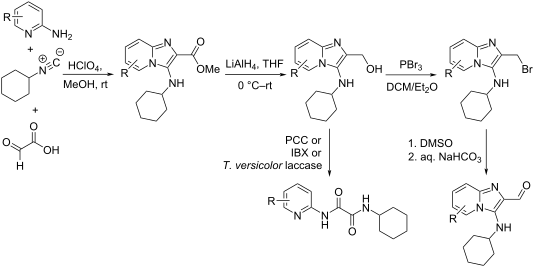
- -chloroaniline, followed by reduction; ii) reaction of the corresponding carboxylic acid with 2-chloroaniline under peptide-coupling conditions followed by reduction; and iii) reduction of the ester to the aldehyde, followed by reductive amination to give compounds 8. Initial attempts at direct conversion of
- ester 13b into the corresponding amide using AlCl3 were not promising and therefore the hydrolysis of this ester to corresponding carboxylic acid 14 was tested. Using KOH in MeOH at 35–40 °C for the ester hydrolysis reaction resulted in decarboxylated compound 12b being isolated as the sole product in
- 60% yield (Scheme 2). Interestingly, there appears to be only one report, in the patent literature [27], of a compound (15) containing both 2-carboxylic acid and 3-alkylamino substituents (Figure 3). The unsubstituted 3-aminoimidazo[1,2-a]pyridine-2-carboxylic acid (16) has also been reported [28


Synthesis of heterocycles based on azomethine ylides from α-amino acids (or amines) and carbonyl compounds
Beilstein J. Org. Chem. 2026, 22, 705–741, doi:10.3762/bjoc.22.55
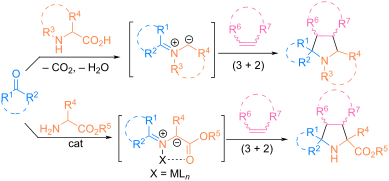
- acrylate, 60 and 93% ee, respectively. In 2003, Schreiber et al. reported an efficient silver(I) acetate/QUINAP (L2) catalytic system for the (3 + 2) cycloaddition of azomethine ylides to unsaturated carboxylic acid esters [37]. The reaction with tert-butyl acrylate showed excellent levels of
- , pipecolic acid, or 1,2,3,4-tetrahydroisoquinoline-3-carboxylic acid) 99 (100) to N-propargylmaleimide (98) was described. The reaction yielded a mixture of endo- and exo-diastereomers 101 and 102 in overall yields of up to 69% (Scheme 37). In [83], Dhara and co-workers developed a simple strategy for the
- azetidine-2-carboxylic acid 149, with various maleimides 63 and itaconimides 150 (Scheme 50). DFT calculations showed that the 1,3-dipolar cycloaddition of azomethine ylide, obtained from isatin and azetidine-2-carboxylic acid, to maleimides and itaconimides occurs via a concerted mechanism. The formation


Synthesis and uranyl(VI) extraction performance of a calix[4]pyrrole–tetrahydroxamic acid receptor
Beilstein J. Org. Chem. 2026, 22, 486–494, doi:10.3762/bjoc.22.36
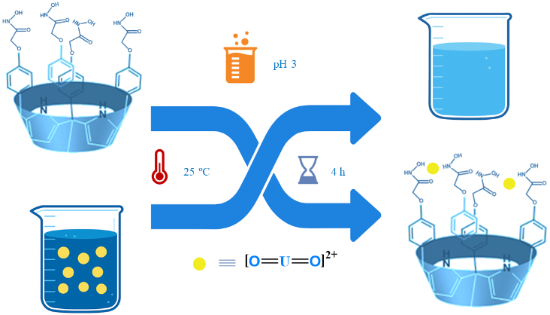
- carboxylic acid derivatives such as esters, acyl chlorides and anhydrides with hydroxylamine salts [41]. A variety of coupling or activating agents were also employed in case of simple addition of hydroxylamine to carboxylic acid compounds [42][43][44]. In addition, alternative methods starting from
- amount of solid KCN in aqueous hydroxylamine has been reported for the solution-phase hydroxylamination of esters previously described by Ho et al. [52]. This study demonstrated that the extent of ester conversion and the formation of carboxylic acid by-products vary markedly with the structure of the
- ). This finding agrees with earlier methodologies demonstrating that the generation of free hydroxylamine [55] and consequently hydroxamic acid formation occurs efficiently only in alkaline media [48][56]. Moreover, to prevent the formation of carboxylic acid by-products, methanol was used as the solvent


Recent advances in the stereoselective synthesis of distal biaxially chiral molecules
Beilstein J. Org. Chem. 2026, 22, 461–479, doi:10.3762/bjoc.22.34
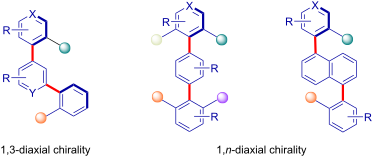
- carboxylic acid derivatives (Scheme 2b) [43]. They revealed that ortho-alkoxy substitution on the benzene-derived alkyne markedly enhanced both reactivity and enantioselectivity, while incorporation of a naphthyl substituent into the diyne enabled access to remote biaxially chiral molecules. Subsequent


Recent advances in the cleavage of non-activated amides
Beilstein J. Org. Chem. 2026, 22, 352–369, doi:10.3762/bjoc.22.23
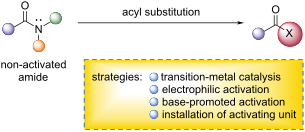
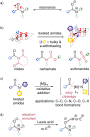
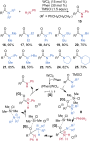
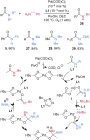
- of conventional, non-activated amides remains far more difficult. This review summarizes recent advances over the past decade in the activation and cleavage of non-activated amide C–N bonds for their conversion into diverse carboxylic acid derivatives. Key strategies covered include transition-metal
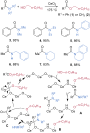
- intermediate E, the carboxylic acid is formed, regenerating the acidic and basic surface sites of the Nb2O5 catalyst. In 2020, Mashima et al. reported an intriguing accelerating effect of potassium alkoxides on the manganese-catalyzed esterification of tertiary amides (Scheme 4) [48]. They found that potassium
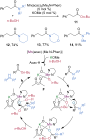
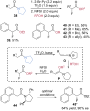
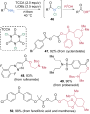
- intermediate 121. The amide product is then formed by acyl substitution of the acyl iodide with the amine nucleophile. Since the amidation proceeds through acyl iodide intermediates, a wide range of carboxylic acid derivatives can be generated simply by varying the nucleophile. For example, replacing the amine










Ring contraction and ring expansion reactions in terpenoid biosynthesis and their application to total synthesis
Beilstein J. Org. Chem. 2026, 22, 289–343, doi:10.3762/bjoc.22.21
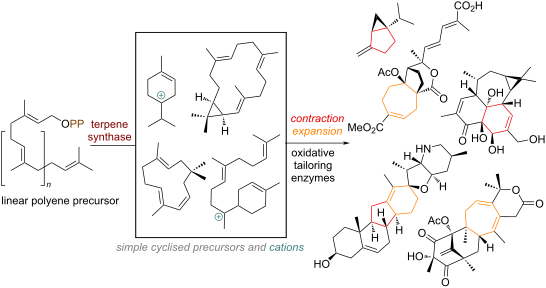
- the activation of the diphosphate group and ionisation) [25][37] and Class II (ionisation by olefin or epoxide protonation via a carboxylic acid in the active site) [26][38][39] and their reactions thus are mediated by carbocations and olefins, through careful preorganisation of the linear substrate






Spirobarbiturates with a pyrrolizidine moiety: synthesis, structure and biological evaluation
Beilstein J. Org. Chem. 2026, 22, 274–288, doi:10.3762/bjoc.22.20
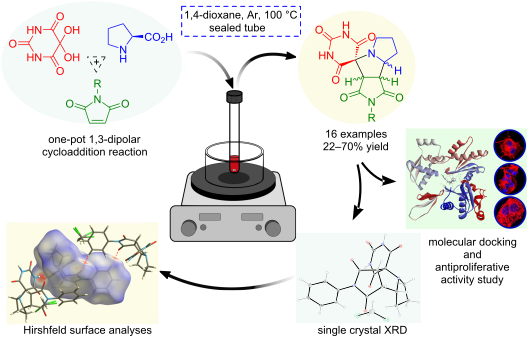
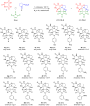
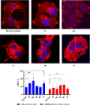
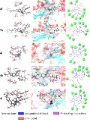
- -carboxylic acid, thiazolidinecarboxylic acid, and pipecolic acid, in combination with alloxan (1) and maleimides 3, did not lead to the formation of the corresponding cycloadducts. In this work, we also used other dipolarophiles. Under the standard reaction conditions (1,4-dioxane, heating with alloxan and ʟ




A mild and atom-efficient four-component cascade strategy for the construction of biologically relevant 4-hydroxyquinolin-2(1H)-one derivatives
Beilstein J. Org. Chem. 2026, 22, 244–256, doi:10.3762/bjoc.22.18
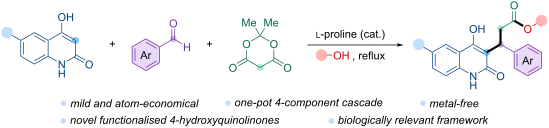
- ) and cyclized (lactone) forms [35]. The γ-position of the propanoic acid side chain was further modified with a 3,4-dimethoxyphenyl group, inspired by earlier reports [36]. The carboxylic acid functionality was either retained or converted into methyl, ethyl, isopropyl, or cyclohexyl esters to evaluate


Base-promoted deacylation of 2-acetyl-2,5-dihydrothiophenes and their oxygen-mediated hydroxylation
Beilstein J. Org. Chem. 2026, 22, 192–204, doi:10.3762/bjoc.22.13
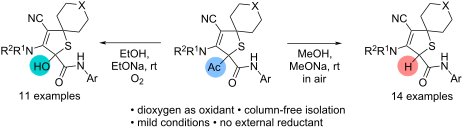
- ] and more complex molecules [11]. Rearrangements of the oxidized compounds are equally important transformations [12]. Oxidation of compounds containing a carbonyl group into carboxylic acid derivatives can be divided into two large groups: direct oxidation and oxidative rearrangements. Direct




Total synthesis of natural products based on hydrogenation of aromatic rings
Beilstein J. Org. Chem. 2026, 22, 88–122, doi:10.3762/bjoc.22.4
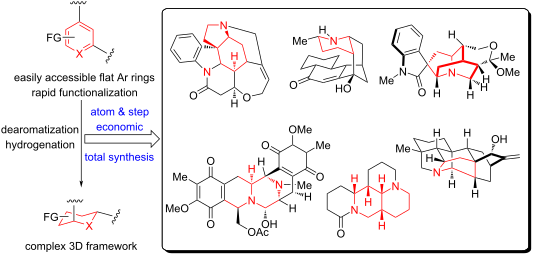
- processes frequently inspire new synthetic methodologies and retrosynthetic strategies. Simple indole derivatives – such as indole-3-acetic acid, tryptophan, and indole-2-carboxylic acid – are accessible on a large scale via biological routes. Nevertheless, for arenes containing both a benzene ring and a











Advances in Zr-mediated radical transformations and applications to total synthesis
Beilstein J. Org. Chem. 2026, 22, 71–87, doi:10.3762/bjoc.22.3
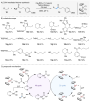
- iodide 10n failed to give the desired products. In substrate 10o containing both iodide and bromide, selective activation of the alkyl iodide was observed, affording the coupled product in 96% yield. Furthermore, the reaction proceeded smoothly in the presence of alcohols 10p–q and carboxylic acid 10r








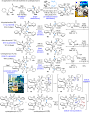
Synthesis and applications of alkenyl chlorides (vinyl chlorides): a review
Beilstein J. Org. Chem. 2026, 22, 1–63, doi:10.3762/bjoc.22.1
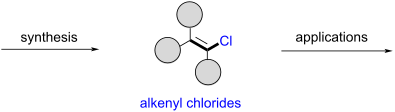
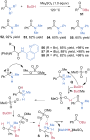
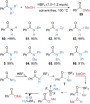
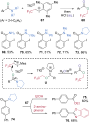
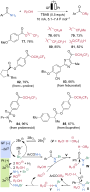
- also be applied to hydroxy- or carboxylic acid-containing olefins by adding 1.1 equivalents of HB(pin) to perform traceless protection of these functional groups, which are otherwise incompatible with molybdenum metathesis catalysts. The in situ-generated boronic ester is conveniently cleaved by silica





















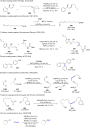


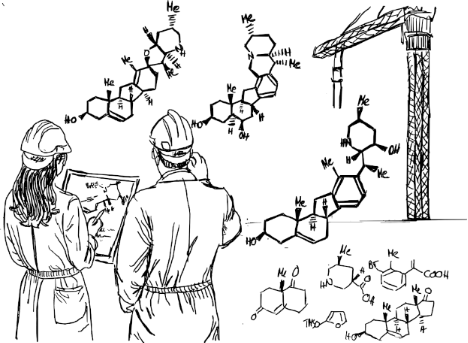
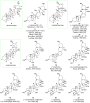
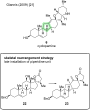
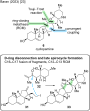
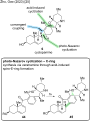
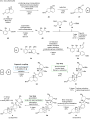
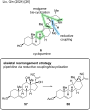
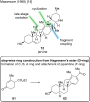
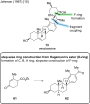
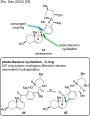
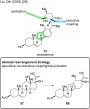
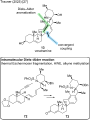
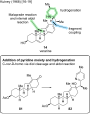
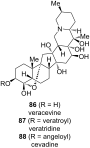
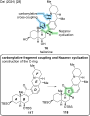
Recent advancements in the synthesis of Veratrum alkaloids
Beilstein J. Org. Chem. 2025, 21, 2657–2693, doi:10.3762/bjoc.21.206
















Silica gel with covalently attached bambusuril macrocycle for dicyanoaurate sorption from water
Beilstein J. Org. Chem. 2025, 21, 2604–2611, doi:10.3762/bjoc.21.201
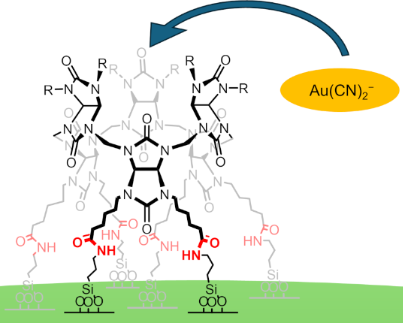
- . Additionally, a new absorption band at 1558 cm−1 was observed in the spectra of SG-NHCO-BU1 further confirming covalent attachment of BU1 through an amide bond. In the case of SG-BU1, a C=O vibrational band is observed at 1705 cm−1, which corresponds to the vibration of the C=O of BU1 carboxylic acid groups


Recent advances in total synthesis of illisimonin A
Beilstein J. Org. Chem. 2025, 21, 2571–2583, doi:10.3762/bjoc.21.199
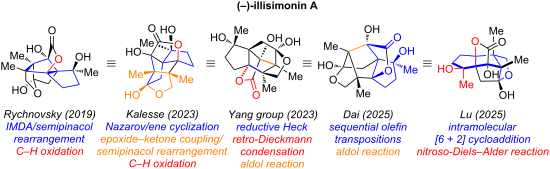
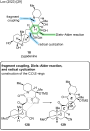
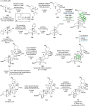
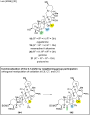
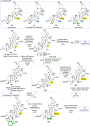
- rearrangement of 28 enabled the rearrangement of cis-pentalene to trans-pentalene, delivering intermediate 29, which possesses the same carbon skeleton as the natural product. Further oxidation of the primary alcohol to a carboxylic acid, accompanied by TBS deprotection, afforded hemiketal 30. Finally, a White
- protected prior to the RCM step. Oxidative cleavage of the cyclopentene followed by Pinnick oxidation of the resulting aldehyde to the carboxylic acid and esterification yielded ketoester 56. Dieckmann condensation of 56, esterification of the resulting enolate with 57, and subsequent one-pot partial
- , generating an allylic alcohol that was acetylated in situ to provide 74. An Ireland–Claisen rearrangement facilitated the third olefin transposition, concurrently forming an all-carbon quaternary center at C9 and affording carboxylic acid 75. The fourth olefin transposition was achieved via a palladium




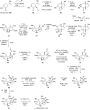


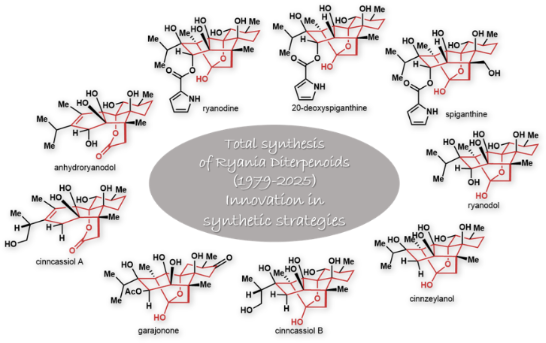
Total syntheses of highly oxidative Ryania diterpenoids facilitated by innovations in synthetic strategies
Beilstein J. Org. Chem. 2025, 21, 2553–2570, doi:10.3762/bjoc.21.198
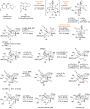
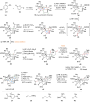
- deprotection and ester hydrolysis produced carboxylic acid 101, which upon oxidative dearomatization yielded dienone 102, thus completing the D-ring. Regioselective epoxidation to 103 and reduction (using Adams' catalyst) through intermediate 104 gave lactone 105. A retro-oxa-Michael/intramolecular
- , provided carboxylic acid 113 in a single operation. Subsequent activation of 113 with acetic anhydride, relactonization, and organoselenium-mediated regioselective epoxide opening yielded mono-enone 114, successfully installing the key C9 and C10 chiral centers with the required oxidation states. Notably







Isoorotamide-based peptide nucleic acid nucleobases with extended linkers aimed at distal base recognition of adenosine in double helical RNA
Beilstein J. Org. Chem. 2025, 21, 2513–2523, doi:10.3762/bjoc.21.193
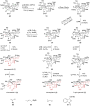
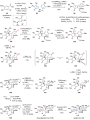
- incomplete conversion resulted in Boc protected beta-alanine that was challenging to separate from the desired product (3). Carboxylic acid 3 then underwent a peptide coupling reaction with allyl-protected PNA backbone 4 to afford nitrobenzene 5 in 69% yield. Nitrobenzene 5 was then reduced to the
- synthesis of aniline 10 and carboxylic acid 13. To access 10, the isoorotic acid derivative 6 was treated with oxalyl chloride to form the corresponding acyl chloride in situ which was then slowly added to a solution of m-phenylenediamine (9) to afford the target aniline in 62% yield (Scheme 2). Slow
- addition of the acyl chloride to excess 9 was important to avoid forming bis-acylation of the phenylenediamine. The carboxylic acid 13 was formed using a microwave-promoted ring opening of glutaric anhydride (11) and benzyl-protected PNA backbone 12 [38]. A series of optimizations was performed in a





