


Search results
Search for "IR" in Full Text gives 1117 result(s) in Beilstein Journal of Organic Chemistry. Showing first 200.
Rhodopyran, a carboxylated hexahydrocyclopenta[b]pyran from Rhodococcus
Beilstein J. Org. Chem. 2026, 22, 1107–1113, doi:10.3762/bjoc.22.89
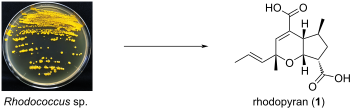
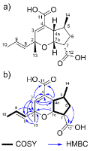
- 0.01, MeOH)). The molecular formula of 1 was determined to be C15H20O5 based on HRESIQTOFMS data in the negative-ion mode: m/z 279.1237 [M − H]− (calcd for C15H19O5−, 279.1238; Δ −0.4 ppm). The IR spectrum showed a strong band at 1688 cm−1, consistent with carboxyl carbonyl groups. The 1H NMR spectrum
- , Kyoto, Japan). IR spectra were measured by a spectrum 100 spectrometer (PerkinElmer, MA, USA). NMR spectra were obtained on an AVANCE NEO 500 spectrometer (Bruker, MA, USA) in CD3OD and referenced to the residual solvent signals (δH 3.31, δC 49.0). HRESIQTOFMS spectra were recorded on a compact QTOF
- conditions of 30% aqueous MeCN containing 0.1% HCO2H at 4 mL/min, yielding rhodopyran (1, 22.7 mg) with a retention time of 11.2 min. Rhodopyran (1): colorless amorphous powder; [α]D25 −69 (c 0.01, MeOH); UV (MeOH) λmax (log ε) 217 nm (3.93); IR (ATR) νmax 2965, 2928, 1688, 1640, 1421 cm−1; 1H and 13C NMR


Synthesis of functionalized, 13-alkyl-substituted coralyne derivatives and investigation of their interactions with duplex and abasic site-containing DNA
Beilstein J. Org. Chem. 2026, 22, 1057–1066, doi:10.3762/bjoc.22.84
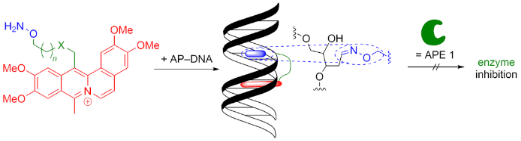
- the hydroxyalkyl-substituted product 3f in 45% yield (over the two reaction steps). All novel compounds were identified and characterized by 1H and 13C NMR spectroscopy (2D, COSY, HSQC, HMBC), mass spectrometry, and elemental analysis (if necessary as hydrochloride salts). Additionally, IR


Synthesis of novel 1,2,4-oxadiazole-isoxazoline hybrids and their in silico potential with adenosine receptors
Beilstein J. Org. Chem. 2026, 22, 1033–1047, doi:10.3762/bjoc.22.82
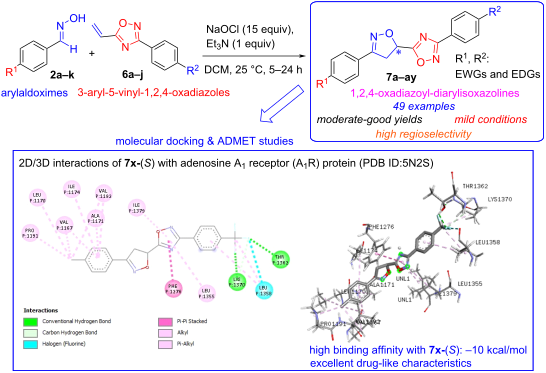
- –97%) and fully characterized by IR, NMR, and HRMS analyses. The reactions exhibited high regioselectivity, exclusively affording 5-isoxazoline derivatives, while substituent effects played a decisive role in modulating reaction efficiency. In silico studies revealed that all hybrids 7a–ay display
- , may also contribute to reduced yields for compounds 6a–j. The structures of benzaldoximes 2a–k were simply characterized by IR stretching peaks corresponding to O–H, C=N, aromatic C=C, aromatic C–H, oxime C–H, and N–O groups (approximately 3250, 1600, 1500, 3040, and 1005 cm−1) (see Experimental
- section). Similarly, the structures of p-substituted phenyl vinyl 1,2,4-oxadiazoles 6a–j were established primarily through IR absorptions attributed to C=N, C–O, and N–O stretching vibrations (approximately 1646, 1250, and 830 cm−1). Structural confirmation was further supported by the observation of


Semisynthesis, characterisation, and antibacterial evaluation of a novel lecanoric acid-derived amide library
Beilstein J. Org. Chem. 2026, 22, 1023–1032, doi:10.3762/bjoc.22.81
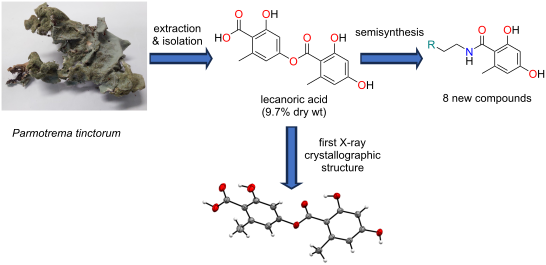
- using semipreparative C18 RP-HPLC (MeOH/H2O/0.1% TFA) with yields ranging from 12% to 53% and purities exceeding 95% (determined by 1D/2D NMR and UHPLC–MS analysis). All structures were fully confirmed and characterised using 1D/2D NMR, UV and IR spectroscopy, LRESIMS, and HRESIMS. An overview of the
- ) λmax, nm (log ε): 221 (3.58), 270 (3.40), 306 (3.16); UV (MeOH + 1 drop of 1 M NaOH) λmax , nm (log ε): 220 (3.76), 240 (3.30), 311 (3.65); IR (UATR) νmax: 3180, 2937, 1661, 1600, 1460, 1414, 1347, 1297, 1266, 1203, 1139, 1069, 901, 820, 692 cm−1; see Supporting Information File 1, pp S5–S12 for 1D/2D
- 13%); UV (MeOH) λmax, nm (log ε): 220 (3.38), 246 (2.99), 282 (2.76); UV (MeOH + 1 drop of 1 M NaOH) λmax, nm (log ε): 230 (3.60), 278 (3.34), 310 (3.24); IR (UATR) νmax: 3292, 2960, 1606, 1544, 1270, 1170, 1024, 845, 724 cm−1; see Supporting Information File 1, pp S25–S32 for 1D/2D NMR data in DMSO


Synthesis of sterically shielded piperidine nitroxides via acid-catalyzed heterocyclization of β-aminoketone derivatives with ketones
Beilstein J. Org. Chem. 2026, 22, 948–954, doi:10.3762/bjoc.22.74
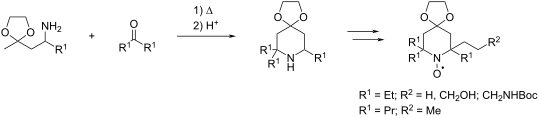
- investigation. In a separate set of experiments, aqueous hydrochloric acid was added to the reaction mixtures after the hydrogenation of 7a,d was complete. Under these conditions the dioxolane protecting group was removed and nitroxides 9a,d were isolated in 58% and 67% yield, respectively (Scheme 5). The IR
- spectrum of the nitroxide 9a (TEEPONE) was identical to that reported in the literature [21], and the IR spectrum of 9d was similar, with a strong absorption band at 1716 cm−1, characteristic of the carbonyl (C=O) stretching vibrations. The 1H NMR spectra of the reduced derivatives of 9a,d showed no
- . Acknowledgements The authors thank the personnel of the Multi-Access Chemical Research Centre SB RAS for having recorded IR, UV, NMR and HRMS spectra, and for having carried out the elemental analysis. Funding This work has been supported by the grants the Russian Science Foundation within Project No. 24-73-00087


Cascade transformation of 2-(diazoacetyl)-2H-azirines to 2-aroyl-3-hydroxy-1H-pyrroles via condensation with aromatic aldehydes
Beilstein J. Org. Chem. 2026, 22, 897–904, doi:10.3762/bjoc.22.70
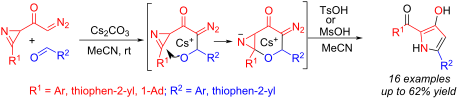
- -methoxyphenyl)-2H-azirine 1b with 4-iodobenzaldehyde (2b) turned out to be well crystallized and precipitated from the reaction medium as a solid (Scheme 2). Although it was also unstable, it was possible to record 1H,1H 2D NOESY and 13C NMR spectra, an IR spectrum in KBr as well as to obtain the accurate mass
- of the molecular ion by HRMS for this crude product. The IR spectrum of the compound contains a band of the diazo group at 2087 cm−1. According to the 1H NMR spectrum, the product consists of more than 90% of one diastereoisomer, the spatial structure of which was established using a 2D NOESY


Unsymmetrical sulfoxides with sterically hindered catechol fragment: synthesis, structure, electrochemical properties, and antiradical activity
Beilstein J. Org. Chem. 2026, 22, 828–837, doi:10.3762/bjoc.22.65
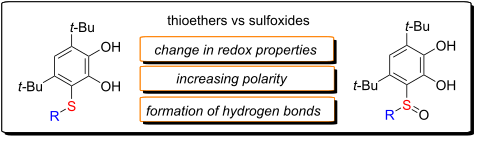
- catechol moiety were detected. The yields of the target sulfoxides ranged from 42% to 89%. Compounds 3–6 were prepared and characterized as described previously (3, 4, and 6 [23], 5 [42]). The structures of new thioethers 1, 2, 7 and sulfoxides 1a–7a were confirmed by the spectral methods IR-, 1H NMR, 13C
- shifted downfield (δ 54.4 ppm) compared to the analogous carbon atom in thioether 1 (δ 41.9 ppm). These results indicate a pronounced electron-withdrawing effect of the sulfinyl group, as well as the presence of strong intra- and intermolecular O–H···O=S bonds, which is consistent with the IR
- spectroscopic data. In the IR spectra of the sulfoxides, bands corresponding to the stretching vibrations of hydrogen-bonded OH groups are observed. For compounds 2a–4a, 6a, and 7a, a single broad band appears in the region of 3223–3465 cm−1, whereas for 1a and 5a, two bands are fixed at 3418/3368 cm−1 and 3276


Synthesis and structural elucidation of a novel bis-spirooxindole from isatin and ethylenediamine
Beilstein J. Org. Chem. 2026, 22, 813–820, doi:10.3762/bjoc.22.63

- :1 isatin-to-diamine ratio provides the diiminoisatin, whereas a 1:2 ratio leads to the formation of a highly symmetric bis-spirooxindole scaffold. The new spirocyclic product was fully characterized by HRMS, IR and extensive 1D/2D NMR analysis, and its structure was unequivocally established by
- aromatic pattern of the isatin core. The IR spectrum showed a strong imine C=N band at 1610 cm−1, and the absence of the C-3 carbonyl stretching band confirmed complete condensation. The 13C NMR spectrum revealed multiple sets of closely related signals, consistent with the presence of three C=N
- and HMBC experiments were used for signal assignment. Chemical shifts (δ) are expressed in ppm and coupling constants (J) in hertz (Hz). Chemical shifts are reported using CD3OD or DMSO-d6 as internal reference. IR spectra were recorded with a Bruker Alpha spectrometer using a single reflection ATR


Synthesis and biological evaluation of new brassinosteroid analogs with C-22 benzoate function
Beilstein J. Org. Chem. 2026, 22, 753–762, doi:10.3762/bjoc.22.57
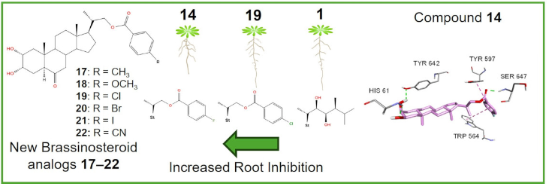
- be possible to evaluate the contribution of different functions attached to ring A. Thus, herein the synthesis of analogs 17–22, starting from the precursor 16, is described. All compounds have been fully characterized by spectroscopic techniques (IR, 1D, 2D NMR and HRMS). The biological activities
- %). All compounds have been characterized by IR, NMR (1D and 2D) and HRMS spectroscopy techniques (see Supporting Information File 1, Figures S1–S30). Thus, in the 1H NMR spectrum of compound 23, the presence of signals at δ = 7.91 ppm (2H, d, J = 8.1 Hz) and 7.21 ppm (2H, d, J = 8.1 Hz) are assigned to


Photoorganocatalytic trifluoromethylation of (het)arenes in green conditions
Beilstein J. Org. Chem. 2026, 22, 662–671, doi:10.3762/bjoc.22.50
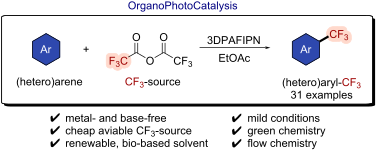
- trifluoromethyl-substituted compounds. Over the past decade, numerous photocatalytic protocols for the trifluoromethylation of arenes and heteroarenes have been developed, including approaches employing microflow techniques [6]. These transformations utilize a broad spectrum of catalysts, ranging from Ru- and Ir
- approaches can be regarded as among the most environmentally sustainable methods for trifluoromethylation. MacMillan and co-workers reported the photochemical trifluoromethylation of arenes and heteroarenes using Ru- and Ir-based photocatalysts together with trifluoromethanesulfonyl chloride (TfCl) in the
- for the photochemical trifluoromethylation of (hetero)arenes using an Ir-based photocatalyst under blue-light irradiation (Scheme 1c) [16]. Although these approaches employed inexpensive CF3 sources, they relied on costly noble-metal catalysts with loadings of up to 3 mol %. Moreover, all of these




Hydrogen production from formic acid catalyzed by NHC–Cu complexes
Beilstein J. Org. Chem. 2026, 22, 620–627, doi:10.3762/bjoc.22.48
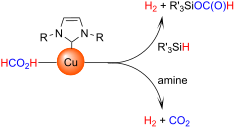
- from its dehydrogenation could be recycled by hydrogenation to methanol or formic acid [8][9][10]. The catalytic FA dehydrogenation has been mediated using several transition metals [11][12][13][14]. In this context, noble metals such as Ru [15][16][17][18][19][20][21][22][23], Ir [24][25][26][27][28
- [46]. Nevertheless, these systems still show inferior performance compared to Fe [33], Ru [15], and Ir [28], allowing for TOFs of up to 105 h−1. Conclusion The production of hydrogen from formic acid catalyzed by NHC–Cu complexes was investigated. The reaction in the presence of PhSiH3 led to the



Experimental and DFT studies on the regioselective methanolysis of 5-azido-9-oxabicyclo[6.1.0]nonan-4-yl 4-nitrobenzoate isomers
Beilstein J. Org. Chem. 2026, 22, 547–556, doi:10.3762/bjoc.22.40
- to design pharmacological tools in the future. Experimental General information Melting points are uncorrected. Infrared spectra were obtained from solution in 0.1 mm cells or KBr pellets on an FT-IR Mattson 1000 instrument. The 1H and 13C NMR spectra were recorded on 400 (100) MHz Varian or 400 (100
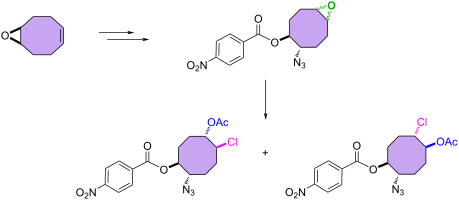
- , 30.7, 30.3, 23.8, 23.3; IR (cm−1): 3013, 2940, 2621, 2515, 2099, 1725, 1527, 1272, 1117, 1103; HRESIMS (m/z): [M+ + Na] calcd for C15H16N4O4, 339.1069; found, 339.1063. Epoxidation of the azidobenzoate 8 with m-CPBA The azidobenzoate 8 (1.00 g, 3.16 mmol) was dissolved in CH2Cl2 (70 mL) and cooled to
- , 21.2; IR: 2951, 2621, 2102, 1772, 1727, 1528, 1272, 1237, 1020, 719; HRESIMS (m/z): [M+ + Na] calcd for C17H19ClN4O6, 433.0891; found, 433.0884. (1S*,2S*,5S*,6S*)-5-Acetoxy-2-azido-6-chlorocyclooctyl 4-nitrobenzoate (11): 1H NMR (400 MHz, CDCl3) δ 8.36–8.24 (m, 4H, aromatic), 5.23–5.09 (m, 1H, H-1 and


Get a better glimpse on sequential photoreactions of trisnorbornadienes with 19F NMR spectroscopy
Beilstein J. Org. Chem. 2026, 22, 527–534, doi:10.3762/bjoc.22.38
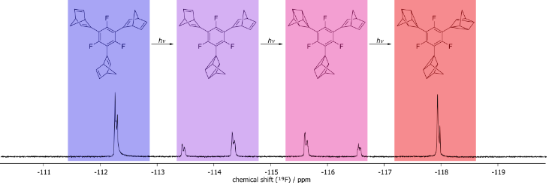
- showed that the quadricyclane 2f0,3 was formed almost quantitatively as the photoproduct (>95%) (see Supporting Information File 1, Figure S11). The photosensitized reaction in the presence of Ir(ppy)3 also afforded quadricyclane 2f0,3 in almost quantitative yield (>95%), as shown by 1H NMR spectroscopy
- (see Supporting Information File 1, Figure S10). The photosensitized reaction in the presence of Ir(ppy)3 or 1-butyl-7,8-dimethoxy-3-methylalloxazin (4) as an alternative catalyst [44][45] with λex = 405 nm (LED) was investigated by in situ 1H NMR spectroscopy. In both cases, the photoreaction was
- ]. According to the results of the photosensitized reaction, the triplet state energy of the norbornadiene 1f is higher than that of norbornadiene 1b (2.08 eV) [50], as the sensitized photocycloaddition only took place with the photocatalyst Ir(ppy)3 (2.52 eV) [51] and with flavine (2.28 eV) [52]. In contrast


Design, synthesis and biological evaluation of 2,5-diaryloxazolo[4,5-d]pyrimidin-7-ylamines as selective cytotoxic agents against HeLa cells
Beilstein J. Org. Chem. 2026, 22, 390–398, doi:10.3762/bjoc.22.27

- Analytique, Université d’Orléans, Pôle de chimierue de Chartres, BP 6759, 45067 Orléans Cedex 2, France 10.3762/bjoc.22.27 Abstract Nine novel functionalized 2,5-diaryloxazolo[4,5-d]pyrimidin-7-ylamines were designed, synthesized and characterized using 1H, 13C NMR, IR spectroscopy, elemental analysis, and
- cyclocondensation products – [1,3]oxazolo[4,5-d]pyrimidines. Subsequent reaction with phosphoryl chloride in the presence of N,N-dimethylaniline converted these intermediates into 2,5-diaryl-7-chloro[1,3]oxazolo[4,5-d]pyrimidines II. The structures of compounds 1–9 were proven and confirmed by 1H and 13C NMR, IR
- spectroscopy, LC–MS and elemental analysis (Supporting Information File 1, Figures S1–S36). The IR spectra of compounds 1–5 showed the presence of NH absorption bands in the range 3381–2936 cm−1, OH at 3396 cm−1 (compound 9), and C=O at 1601–1610 cm−1 (compounds 6-8). Cytotoxic potency of the compounds 1–9


Synthesis of tricyclic fused pyrrolidine nitroxides from 2-alkynylpyrrolidine-1-oxyls
Beilstein J. Org. Chem. 2026, 22, 344–351, doi:10.3762/bjoc.22.22

- presence of DIPEA in chloroform under reflux (Scheme 2). These conditions ensured complete conversion in 30 minutes. The IR spectra of nitroxides 3a–f exhibit intense absorption bands in the ranges of 1354–1358 cm−1 and 1174–1178 cm−1, corresponding to the asymmetric and symmetric vibrations of the
- isolated from the reaction mixtures in each case. The IR spectra of the isolated compounds 4a–f showed characteristic absorption bands to the azido group vibrations at 2100–2116 cm−1. Absorption bands in the ranges of 1410–1420 cm−1 and 1170–1190 cm−1 were also observed, which can be assigned to the out-of
- catalytic system comprising PPh3, CuI, and Pd(PPh3)2Cl2. This procedure afforded alkynones 6a,b in the yields of 75% and 44%, respectively (Scheme 3). In the IR spectra of 6a,b intense bands were observed at 2212–2214 and 1645–1647 cm−1, assigned to vibrations of the triple bond, and the conjugated carbonyl




Streptoquinolines A and B, new antibacterial meroterpenoids produced by Streptomyces sp. TMPU-A0679
Beilstein J. Org. Chem. 2026, 22, 185–191, doi:10.3762/bjoc.22.12
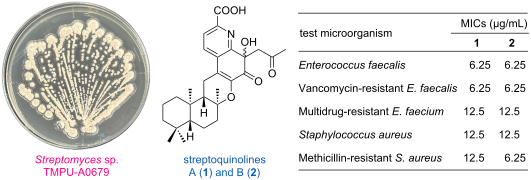
- preparative HPLC, yielding streptoquinolines A (1, 7.50 mg) and B (2, 8.05 mg). The physicochemical properties of 1 and 2 are summarized in Table 1. Compounds 1 and 2 showed characteristic absorption maxima at 200–202, 214, 231–234, 312, and 349–350 nm in UV spectra. Common IR absorption bands at 3414–3427


Design and synthesis of an axially chiral platinum(II) complex and its CPL properties in PMMA matrix
Beilstein J. Org. Chem. 2026, 22, 143–150, doi:10.3762/bjoc.22.7
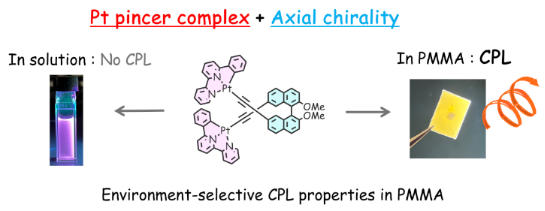
- 4b). The dissymmetry factor is defined as follows: glum = 2ΔI/I = 2(IL – IR)/(IL + IR), where IL and IR denote the luminescence intensities of left- and right-handed circularly polarized luminescence, respectively. The measured dissymmetry factor |glum| was 0.4 × 10⁻³ (at 558 nm), which is within the
- , Exactive Plus Orbitrap mass spectrometer for electrospray ionization (ESI). IR spectra were measured using a FT/IR-4600 spectrometer with KBr pellets. UV–vis absorption spectra of CH2Cl2 solutions (1.0 × 10⁻⁵ M) were recorded with a JASCO V-560 UV–vis spectrometer. Photoluminescence spectra of CH2Cl2
- Hz, 2H), 7.45 (d, J = 8.8 Hz, 2H), 7.36 (dd, J = 1.6, 8.4 Hz, 2H), 7.202–7.198 (m, 2H), 3.74 (s, 6H), 0.17 (s, 18H); 13C NMR (100 MHz, CDCl3) δ 155.5, 133.7, 129.4, 128.9, 128.7, 128, 126.7, 121, 119.1, 114.7, 106.1, 94.2, 56.6, 0.05; IR (KBr) νmax: 3058, 1774, 1409, 1191, 1152, 969, 698, 553, 431 cm


Highly electrophilic, gem- and spiro-activated trichloromethylnitrocyclopropanes: synthesis and structure
Beilstein J. Org. Chem. 2026, 22, 123–130, doi:10.3762/bjoc.22.5
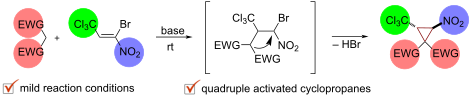
- conditions. The reaction is carried out either in tetrahydrofuran in the presence of triethylamine or in methanol in the presence of fused potassium acetate. The structures of the isolated individual products were characterized by 1H and 13C NMR, IR spectroscopy, mass spectrometry, and confirmed by single
- (1H), 100.53 MHz (13C) in CDCl3 using residual signals of the nondeuterated solvent (δH 7.26, δC 77.16) as the references. The vibrational spectra were measured on a Shimadzu IR-Prestige-21 Fourier-transform IR spectrometer in KBr pellets over 400–4000 cm−1 range (resolution was 2 cm−1). Mass spectra
- the structure are shown in Table S1 in Supporting Information File 1. Supporting Information File 14: General synthetic procedures, characterization data and copies of IR spectra, 1H-13C{1H}, 1H-1H dqfCOSY, 1H-1H NOESY, 1H-13C HMQC, 1H-13C HMBC NMR spectra of all synthesized compounds, and


Total synthesis of natural products based on hydrogenation of aromatic rings
Beilstein J. Org. Chem. 2026, 22, 88–122, doi:10.3762/bjoc.22.4
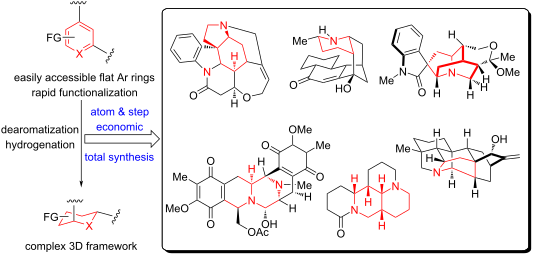
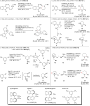
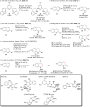
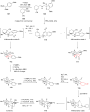
- in the presence of metal catalysts including Pd or Ir and different ligands. In 2021 and 2022, Wang and co-workers reported two impressive hydroboration–hydrogenation reactions catalyzed by FLP (triarylphenylborane) that reduced pyridine compounds 11 or 15 to dihydropyridine compounds 12 or chiral
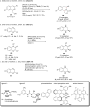
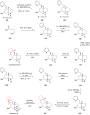
- stereoselective synthesis of 157, which strategically combined a Pd-catalyzed pyridine C–H acylation and an Ir-catalyzed asymmetric hydrogenation of the aromatic core [92]. The synthesis began with the coupling of trisubstituted benzene 158 and 2-substituted pyridine 159, furnishing the bicyclic intermediate 160











Advances in Zr-mediated radical transformations and applications to total synthesis
Beilstein J. Org. Chem. 2026, 22, 71–87, doi:10.3762/bjoc.22.3
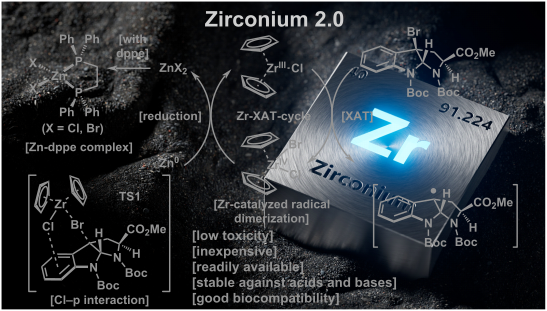
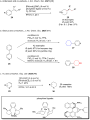
- hydrogen atom from 1,4-cyclohexadiene to furnish the alcohol product. The active species Cp2ZrIII(OTf) is then regenerated via single-electron transfer (SET) from the Ir photocatalyst. Notably, the addition of thiourea 26 significantly improved the regioselectivity in this reaction. According to NMR
- regioselectivity. In a related study, Ota and Yamaguchi et al. reported the regioselective ring-opening of oxetanes using zirconocene catalysis (Scheme 6) [21]. Treatment of oxetane 27 with zirconocene in the presence of an Ir-photoredox catalyst led to ring opening via the less substituted radical intermediate
- the strong affinity of zirconium for halogens, they developed a catalytic system to address this issue. Treatment of alkyl chloride 34 with zirconocene bistosylate in the presence of an Ir-photoredox catalyst promoted halogen atom transfer to generate alkyl radical 35. This radical then abstracted a








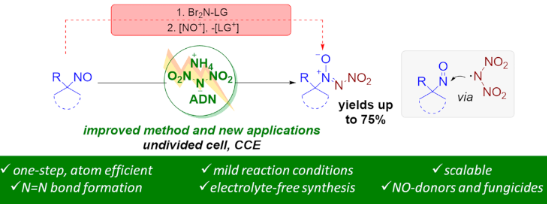
Sustainable electrochemical synthesis of aliphatic nitro-NNO-azoxy compounds employing ammonium dinitramide and their in vitro evaluation as potential nitric oxide donors and fungicides
Beilstein J. Org. Chem. 2025, 21, 2739–2754, doi:10.3762/bjoc.21.211
- delta (δ) units, parts per million (ppm) downfield from internal TMS (1H, 13C) or external CH3NO2 (14N negative values of δN correspond to upfield shifts). The IR spectra were recorded with a Bruker ALPHA-T spectrometer in the range of 400–4000 cm−1 (resolution 2 cm−1) as pellets with KBr or as a thin
- washed with CH2Cl2 (3 × 20 mL). The combined organic phase was washed with H2O (20 mL) and brine (20 mL), dried over Na2SO4, and the solvent was removed in vacuo. The yields of 2a were determined with the use of 1H NMR spectroscopy using 1,1,2,2-tetrachloroethane as an internal standard. NMR and IR





Competitive cyclization of ethyl trifluoroacetoacetate and methyl ketones with 1,3-diamino-2-propanol into hydrogenated oxazolo- and pyrimido-condensed pyridones
Beilstein J. Org. Chem. 2025, 21, 2716–2729, doi:10.3762/bjoc.21.209
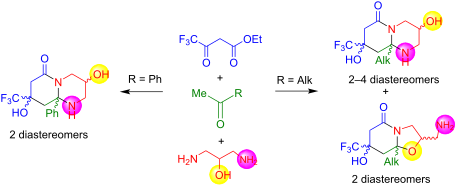
- octahydropyrido[1,2-a]pyrimidinones 4a–d and hexahydrooxazolo[3,2-a]pyridones 5a–c was determined by IR, 1H, 19F, 13C NMR spectroscopy, two-dimensional NMR experiments, and X-ray diffraction analysis (XRD). The IR spectra of octahydropyrido[1,2-a]pyrimidinones 4a–d are characterized by reduced vibrational
- frequencies of the carbonyl function (ν 1633–1593 cm−1) and N–H, O–H groups (ν 3435–3126 cm−1), which indicates their participation in the hydrogen bond formation [67]. On the other hand, the IR spectra of hexahydrooxazolo[3,2-a]pyridones 5a–c contain intense absorption bands of the C=O function at ν 1652
- . Supporting Information Supporting Information File 16: General synthetic procedures, characterization data, XRD analysis data and copies of 1H, 19F, 13C NMR spectra, IR spectra, HRMS spectra of all synthesized compounds. Acknowledgements Analytical studies were carried out using the equipment of the Center


Tandem hydrothiocyanation/cyclization of CF3-iminopropargyl alcohols with NaSCN in the presence of AcOH
Beilstein J. Org. Chem. 2025, 21, 2694–2702, doi:10.3762/bjoc.21.207
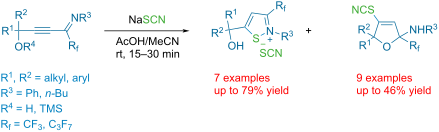
- . Results and Discussion We commenced our investigation using CF3-subsituted iminopropargyl alcohol 1a and NaSCN as model substrates. The completion of the reaction was monitored using IR spectroscopy to observe the disappearance of the band at 2219 cm−1 (–C≡C–). It was found that CF3-iminopropargyl alcohol
- internal reference at 20–25 °C. IR spectra were measured on a Bruker Vertex-70 instrument in thin layer, films or KВr pellets. Microanalyses were performed on a Flash 2000 elemental analyzer. Melting points were determined using a Kofler micro hot stage. Mass spectra were recorded on a GCMSQP5050A
- available starting materials were used without further purification. CF3/n-C3F7-substituted iminopropargyl alcohols 1 were prepared according to published methods [31][32]. The structures of synthesized products have been proven by 1H, 13C and 2D (1Н,13С HMBC) NMR, 19F NMR techniques, as well as IR spectra



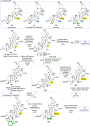
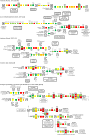
Recent advancements in the synthesis of Veratrum alkaloids
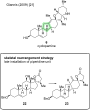
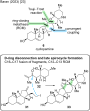
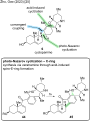
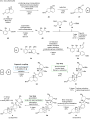
Beilstein J. Org. Chem. 2025, 21, 2657–2693, doi:10.3762/bjoc.21.206




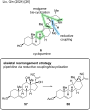

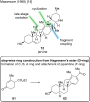


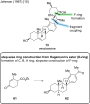

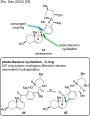

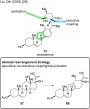

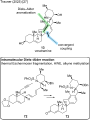

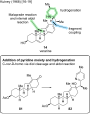


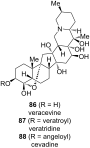


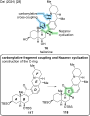

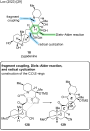
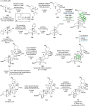
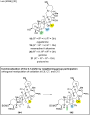
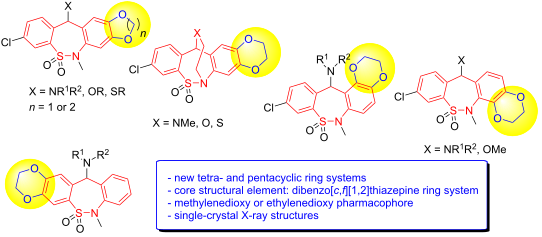
Synthesis of new tetra- and pentacyclic, methylenedioxy- and ethylenedioxy-substituted derivatives of the dibenzo[c,f][1,2]thiazepine ring system
Beilstein J. Org. Chem. 2025, 21, 2645–2656, doi:10.3762/bjoc.21.205
- standard open 40 μL aluminum pan under 50 mL/min nitrogen atmosphere. IR spectra were obtained on a Bruker ALPHA FT-IR spectrometer in KBr pellets or in neat. NMR spectra were recorded at 295 K on a Bruker Avance III HD 600 (600 and 150 MHz for 1H and 13C NMR spectra, respectively) spectrometer equipped
- (thickness of the stationary phase: 30 mm, eluent: DCM). After evaporation of the solvent, the residue was triturated with Et2O (50 mL) to give pure 7 (25.30 g, 84%) as colorless crystals. Mp 223‒225 °C (CH3CN/EtOH 1:1 (v/v)); IR (KBr): 1638, 1604, 1574, 1501, 1354, 1300, 1175, 1063, 854 cm−1; 1H NMR (600
- chromatography (short aluminum oxide column, eluent: heptane/DCM 1:1, DCM) and isomer 8 (0.62 g, 2%) was isolated as pale yellow crystals. Mp 254‒256 °C (CH3CN); IR (KBr): 1665, 1485, 1344, 1111, 1061, 859 cm−1; 1H NMR (500 MHz, CDCl3): 7.96 (d, 4J = 2.0 Hz, 1H), 7.94 (d, 3J = 8.6 Hz, 1H), 7.63 (dd, 4J = 2.1 Hz





