


Search results
Search for "analogues" in Full Text gives 929 result(s) in Beilstein Journal of Organic Chemistry. Showing first 200.
Amino acid-based surfactants: sustainable synthesis and antimicrobial mechanisms
Beilstein J. Org. Chem. 2026, 22, 1067–1085, doi:10.3762/bjoc.22.85
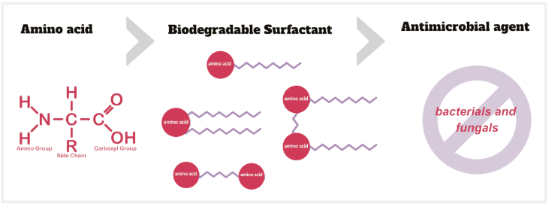
- single-chain analogues, lowering the critical micelle concentration (CMC) and improving interfacial stability properties critical for the formation of stable micelles and bilayers [46]. This effect is illustrated by the LANHC series (Table 1, entries 3–6), which exhibits CMC values between 0.032 and 0.16
- with amphotericin B [19]. Chain length-dependent activity and CMC relationships A comparative analysis of the CMCs and minimum inhibitory concentrations (MICs) of cationic surfactant analogues derived from ʟ-phenylalanine (C1–C20) and ʟ-tyrosine (C8–C14) esters against various bacterial strains


Semisynthesis, characterisation, and antibacterial evaluation of a novel lecanoric acid-derived amide library
Beilstein J. Org. Chem. 2026, 22, 1023–1032, doi:10.3762/bjoc.22.81
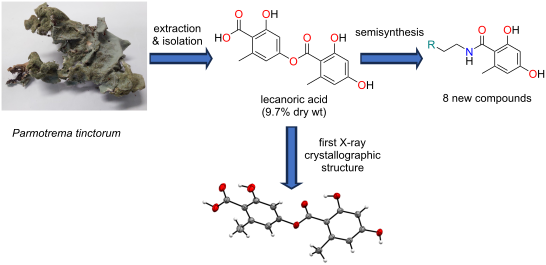
- depside diffractaic acid yielded analogues with increased activity against a colorectal cancer stem cell [9]. Collectively, these promising results have inspired drug discovery researchers from around the world to pursue extraction, purification, characterisation, and bioactivity testing of lichen natural
- biological testing encouraged us to complete the synthesis of the desired amide series. A further seven new amide analogues 7–13 were ultimately synthesised (Figure 3). These amidation reactions were all performed using 20 mg of 1, with excess primary amine (500 µL) at rt and 1 h. Analogues were all purified
- to most antibiotics has triggered drug discovery efforts to identify more effective compounds [29][30]. Hence, cell growth was monitored, and a resazurin metabolic assay was performed to determine the effect of both the natural products 1–5 and the new semisynthetic amide analogues 6–13 on biofilm


Diastereodivergent electrophilic trapping of α-boryl lithium derivatives
Beilstein J. Org. Chem. 2026, 22, 882–887, doi:10.3762/bjoc.22.68
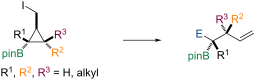
- range of electrophiles to give boronic esters bearing vicinal tri- and tetrasubstituted stereocenters in good yields and high diastereoselectivities. Notably, substrates bearing alkyl substituents display the opposite sense of diastereoselectivity to previously studied aryl-substituted analogues. The
- derivative (see Supporting Information File 1). As noted above, the diastereoselectivity observed for substrates bearing alkyl substituents at R2/R3 is opposite to that previously reported for aryl-substituted analogues (Scheme 4). The solvent-coordinated lithium alkylidene model used to rationalize the aryl




Site-specific labelling of native peptides and proteins: chemical and enzymatic strategies
Beilstein J. Org. Chem. 2026, 22, 857–881, doi:10.3762/bjoc.22.67
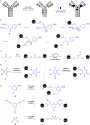
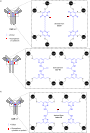
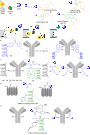
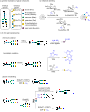
- branches: metabolic and in vitro glycoengineering. Metabolic glycoengineering introduces a non-natural sugar precursor, such as Ac4GlcNAz (34), Ac4ManNAz (35) and Ac4GalNAz (36, Scheme 12b) into living cells. These analogues enter the cellular glycosylation pathway, thereby incorporating azide motifs into
- of azido-carrying nucleotide sugar analogues (UDP-GalNAz), thereby introducing the bioorthogonal handle on the glycan [131][132]. Similarly, sialyltransferases, featuring remarkable substrate promiscuity, have also been exploited to install non-natural sugars on glycans [115][116][117][118][119








The trans-influence in gold chemistry from a catalytic perspective
Beilstein J. Org. Chem. 2026, 22, 838–856, doi:10.3762/bjoc.22.66
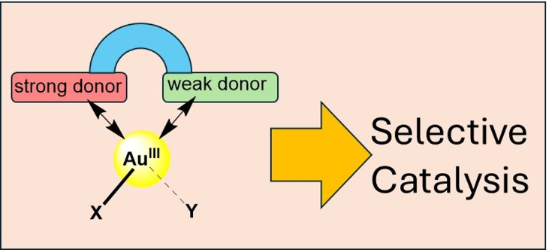
- norbornadiene) are thermally stable and could be crystallographically characterised, while [Me2Au(1,5-COD)]+ decomposes >0 °C [38]. The total binding enthalpies in the [(C^C)AuL2]+ fragments closely resemble those of Me2PtL2, and are significantly lower than those of the Me2Au+ analogues (L = OH2, OMe2, HC≡CH


Total synthesis of the capsular polysaccharide repeating unit towards the development of a glycoconjugate vaccine against Klebsiella pneumoniae ST512
Beilstein J. Org. Chem. 2026, 22, 821–827, doi:10.3762/bjoc.22.64
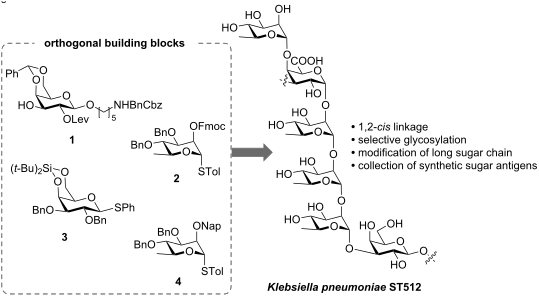
- emerging multidrug-resistant pathogen whose capsular polysaccharide represents a prime target for vaccine development. Here, we report the first total synthesis of the branched hexasaccharide repeating unit of the K. pneumoniae ST512 CPS, together with four structurally related oligosaccharide analogues
- -throughput screening, a series of analogues including di-, tri-, tetra-, and pentasaccharides were synthesized (Scheme 3). We utilized the intermediate products from the assembly of the hexasaccharide repeating unit 20. The protecting groups of disaccharide 13 were removed by treatment with sodium methoxide
- followed by catalytic hydrogenation over palladium on carbon, affording disaccharide 21 in 47% yield over two steps. Similarly, trisaccharide 22, tetrasaccharide 23, and pentasaccharide 24 were prepared from intermediates 14, 15, and 17, respectively. The analogues 21–24, together with the repeating unit


Halogenated azobenzene acrylates: from efficient solution photoswitching to stable solid-state photochromic materials
Beilstein J. Org. Chem. 2026, 22, 782–794, doi:10.3762/bjoc.22.60
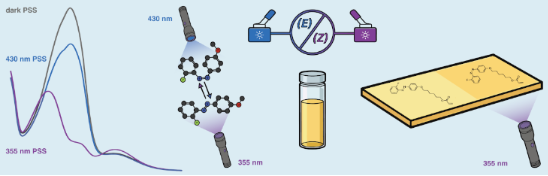
- a very useful tool to tune the thermal and optical properties, light-induced switching in particular. Monohalogen derivatives exhibited up to 93% E → Z photoconversion efficiency in solution, whereas the efficiency of dihalogen analogues is lower by 20%, which is ascribed to their nonplanar
- falls within the range of 221–229 °C. The derivative 1b bearing the smallest fluorine atoms proved to be the most thermally stable but the differences in Td values are rather minor. When comparing the Ti values, a slightly higher liquid-phase volatility is seen for the disubstituted analogues (compare
- correlating differences between the mono- and dihalogen analogues (e.g., 1a vs 1b) obtained by UV–vis absorption and 1H NMR spectroscopies (see Supporting Information File 1, Figure S36), while Figure S37 correlates the decreasing values (F > Cl > Br) within the dihalogen subseries. Compared to the UV–vis


Anti-invasive and cytotoxic evaluation of a (+)-pinoresinol-based semisynthetic library against glioblastoma
Beilstein J. Org. Chem. 2026, 22, 691–704, doi:10.3762/bjoc.22.54
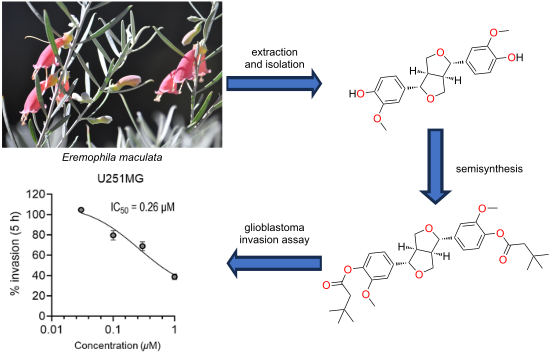
- (+)-pinoresinol and its high abundance from the seeds of E. maculata, we synthesized five analogues for biological evaluations. Preliminary cytotoxicity evaluations of the semisynthetic pinoresinol-based library against two human glioblastoma cell lines, U251MG and KNS42, showed (+)-4,4'-di(3,3-dimethylbutanoyl
- ranging from 1.56−25 µM with a reduction of up to 65% invasion in comparison to the control [22]. Owing to the interesting biological activity of 2 and its moderate abundance in the seeds of E. maculata, we decided to generate five semisynthetic analogues 3−7 (Figure 2) and evaluate these compounds for in
- vitro cytotoxicity and anti-invasive properties using two glioblastoma cancer cell lines [23][24]. During our semisynthetic studies, several reactions including methylations, halogenations, and acylations were performed, leading to the generation of five analogues in varying yield (10−81%) and high



Synthesis of depressin, cryptomeridiol and 4-epi-cryptomeridiol enabled by a terpenoid chiral pool-producing platform
Beilstein J. Org. Chem. 2026, 22, 683–690, doi:10.3762/bjoc.22.53
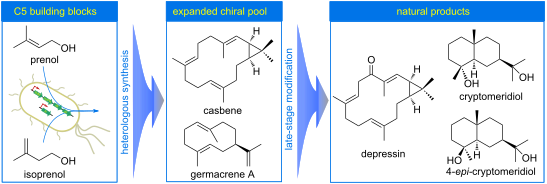
- . With the ability to facilely obtain the terpene skeletons such as casbene and germacrene A by this heterologous terpene-producing platform, accessing other casbane- and germacrene-type of natural products and their analogues becomes possible if suitable chemical and enzymatic methods are available for


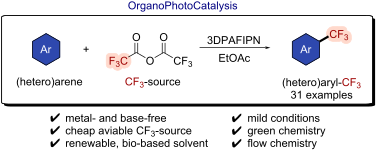
Photoorganocatalytic trifluoromethylation of (het)arenes in green conditions
Beilstein J. Org. Chem. 2026, 22, 662–671, doi:10.3762/bjoc.22.50
- and their synthetic analogues” (grant number FSWR-2024-0002).




Hydrogen production from formic acid catalyzed by NHC–Cu complexes
Beilstein J. Org. Chem. 2026, 22, 620–627, doi:10.3762/bjoc.22.48
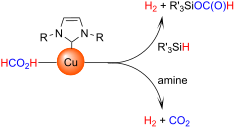
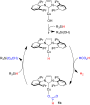
- decomposition of its corresponding hydride species with respect to the IPr-based analogues. Remarkably, catalyst loadings as low as 1 mol % with complex 1a proved to promote the reaction, albeit at a slower rate (Figure 2d). Finally, at 40 °C and with only 0.1 mol % of 1a and 1 equivalent of PhSiH3 (Figure 2e



Towards the targeted protein degradation of CK2: design and synthesis of CAM4066-based PROTACs
Beilstein J. Org. Chem. 2026, 22, 611–619, doi:10.3762/bjoc.22.47
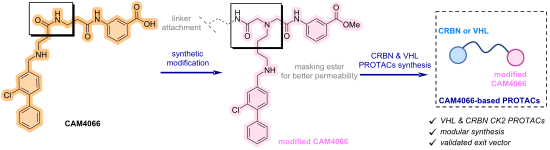
- conjugating a CAM4066-derived warhead to CRBN or VHL ligands, four VHL-recruiting PROTACs, were prepared using PEG and alkyl linkers, alongside two CRBN-recruiting analogues featuring constrained linkers. A ligand–linker analogue in which a linker is projected from the solvent-exposed region of CK2α retained
- conjugated CAM4066-derived ligands to both CRBN or VHL E3-ligase recruiters. We created VHL-recruiting PROTACs for CK2 using PEG and alkyl linkers, while the CRBN-recruiting analogues featured more constrained linkers. A ligand–linker analogue bearing a linker projected from the solvent-exposed region of the

Synthesis and anti-cancer activity of naphthalimide–organylselanyl conjugates
Beilstein J. Org. Chem. 2026, 22, 416–435, doi:10.3762/bjoc.22.29
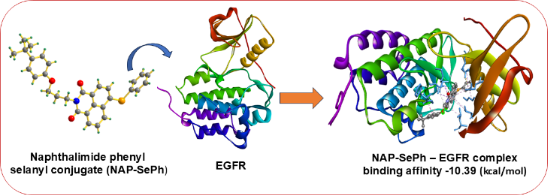
- derivatives, N-(n-octyl) substitution at the 6-position exhibits a more pronounced effect as compared to octyl substitutions linked to the imide nitrogen of the naphthalimide ring [44]. Furthermore, comparative studies between sulfur- and selenium-containing naphthalimide analogues revealed that the selenium


Design, synthesis and biological evaluation of 2,5-diaryloxazolo[4,5-d]pyrimidin-7-ylamines as selective cytotoxic agents against HeLa cells
Beilstein J. Org. Chem. 2026, 22, 390–398, doi:10.3762/bjoc.22.27

- -mimicking scaffolds are a proven strategy in the design of anticancer drugs. Many cancer-related proteins (e.g., kinases, ATPases, DNA/RNA polymerases) have binding pockets designed for purine nucleotides (ATP, GTP). Oxazolopyrimidines can compete with purines or their analogues, inhibiting enzymatic


Electrosynthetic access to unsymmetrical oxaza[8]helicenes with high chiral stability and strong circularly polarized luminescence (CPL)
Beilstein J. Org. Chem. 2026, 22, 372–382, doi:10.3762/bjoc.22.25
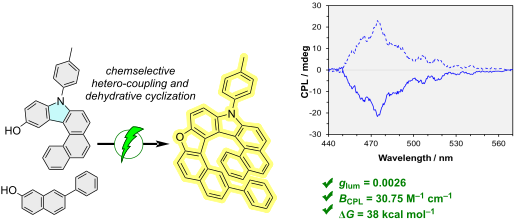
- ) relative to their oxaza[7]helicene analogues (<25 kcal/mol). After chiral HPLC separation, the enantiomers display mirror-image CD and strong solution CPL, with |glum| up to 2.6 × 10⁻³ and fluorescence brightness up to 30.75 M−1 cm−1. Keywords: chemoselectivity; chiroptical; circular dichroism
- shortest route reported to any unsymmetrical hetero[8]helicene. We then investigated the structural, photophysical and chiroptical properties of these new oxaza[8]helicenes and benchmarked their behavior against their corresponding oxaza[7]helicene analogues. Results and Discussion Electrosynthesis of
- progressive increase in aromaticity upon helical elongation compared with the corresponding oxaza[7] analogues (see Supporting Information File 1) [49], as evidenced by NICS(1)zz values of −26.97 and −21.17 for rings E and H in 5a, and −28.86 and −31.74 for rings E′ and H′ in 5b. This enhancement can be




Arene activation via π-bond localization: concepts and opportunities
Beilstein J. Org. Chem. 2026, 22, 257–273, doi:10.3762/bjoc.22.19
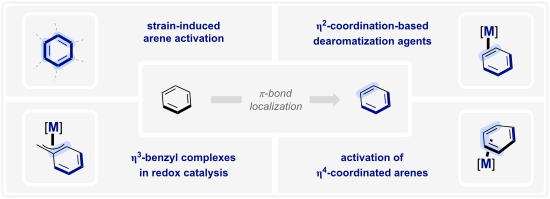
- ) systems [56][57][58]. Beyond the conceptual advance, the Mo(0) manifold offers practical benefits in terms of scalability and recyclability [59]. However, the preparation of enantioenriched η2-arene complexes presented unique challenges. In contrast to the Re(I) and W(0) analogues, where resolution of the
- transformation of allyl chloride-substituted naphthalenes and phenanthrenes in the selective coupling with allylstannanes to deliver the corresponding ortho-allylated products [84]. Subsequently, Bao and co-workers extended this concept to encompass allenylstannanes, thereby accessing the propargylated analogues




A mild and atom-efficient four-component cascade strategy for the construction of biologically relevant 4-hydroxyquinolin-2(1H)-one derivatives
Beilstein J. Org. Chem. 2026, 22, 244–256, doi:10.3762/bjoc.22.18
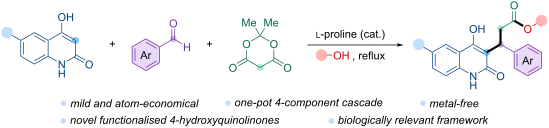
- conditions. Subsequent transformations afford isopropyl and cyclohexyl analogues via hydrolysis–esterification. A preliminary biological evaluation revealed low cytotoxicity and modest antibacterial activity against Escherichia coli ΔtolC strains. This sustainable synthetic approach constitutes the first


Configuration–packing synergy enabling integrated crystalline-state RTP and amorphous-state TADF
Beilstein J. Org. Chem. 2026, 22, 224–236, doi:10.3762/bjoc.22.16
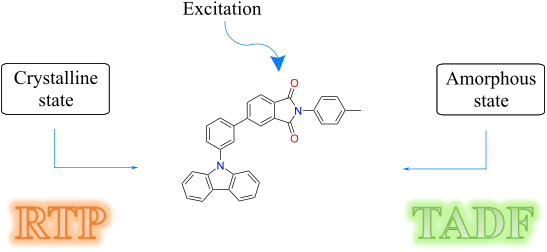
- intermolecular interactions strongly influence the balance between charge-transfer character and local excited states, and thus the propensity for TADF or RTP [37][38][39]. In comparison with representative reported phthalimides–carbazole analogues that primarily focus on TADF performance in amorphous/doped


A new synthesis of Tyrian purple (6,6’-dibromoindigo) and its corresponding sulfonate salts
Beilstein J. Org. Chem. 2026, 22, 167–174, doi:10.3762/bjoc.22.10
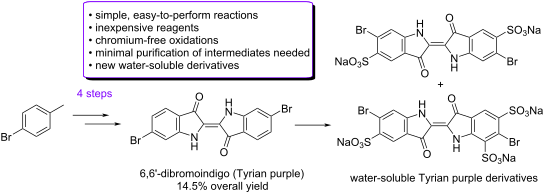
- similar analogues, using 3 as a key intermediate. Furthermore, we were interested in producing a water-soluble derivative of 1, much like indigo carmine was developed as a water-soluble derivative of indigo. Several syntheses of 3 have been reported, but the most common method involves the selective


Asymmetric Mannich reaction of aromatic imines with malonates in the presence of multifunctional catalysts
Beilstein J. Org. Chem. 2026, 22, 151–157, doi:10.3762/bjoc.22.8
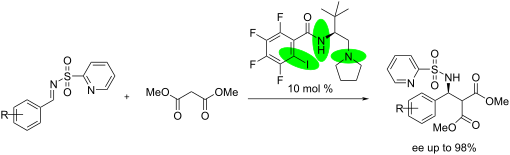
- between the catalyst and the reagents. The chirality of the catalysts is derived from either amino acid or amino alcohols (including cinchona alkaloid derivatives). There are three exceptional structures: catalysts A-H and E-H, which are the hydrogen analogues of the corresponding iodine-containing


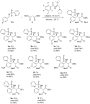
Highly electrophilic, gem- and spiro-activated trichloromethylnitrocyclopropanes: synthesis and structure
Beilstein J. Org. Chem. 2026, 22, 123–130, doi:10.3762/bjoc.22.5
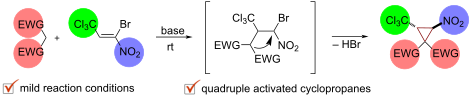
- –acceptor cyclopropanes (DACs), the chemistry of which has been studied particularly intensively in recent years [27][28][29][30]. It is worth noting that vicinal trichloromethylnitrocyclopropanes have not been previously described. Their analogues, vic-trifluoromethylnitrocyclopropanes, have been obtained


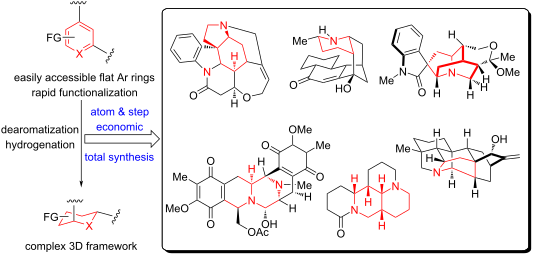
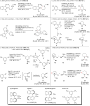
Total synthesis of natural products based on hydrogenation of aromatic rings
Beilstein J. Org. Chem. 2026, 22, 88–122, doi:10.3762/bjoc.22.4


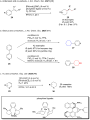
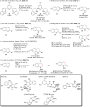
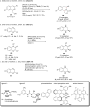
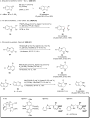
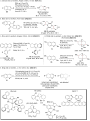


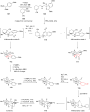


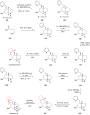


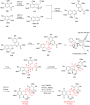



Reactivity umpolung of the cycloheptatriene core in hexa(methoxycarbonyl)cycloheptatriene
Beilstein J. Org. Chem. 2026, 22, 64–70, doi:10.3762/bjoc.22.2
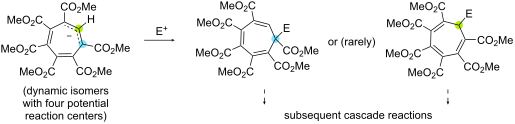
- norcaradiene product in the case of benzylation, unlike in the close analogues, is due to a steric repulsion. The structure of norcaradiene 6f was confirmed through single crystal X-ray analysis (CCDC 2495985). Allylation of anion 2 was followed by intramolecular [4 + 2]-cycloaddition in norcaradiene 6g to


Synthesis and applications of alkenyl chlorides (vinyl chlorides): a review
Beilstein J. Org. Chem. 2026, 22, 1–63, doi:10.3762/bjoc.22.1
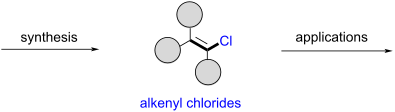
- important and versatile functional group. Keywords: alkenyl chloride; chloroalkenes; chloro olefins; vinyl chlorides; Introduction Alkenyl chlorides, while less extensively investigated than their brominated analogues, constitute a synthetically valuable class of organohalides with distinct reactivity















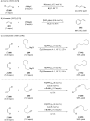


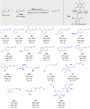
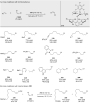
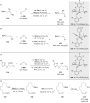






Competitive cyclization of ethyl trifluoroacetoacetate and methyl ketones with 1,3-diamino-2-propanol into hydrogenated oxazolo- and pyrimido-condensed pyridones
Beilstein J. Org. Chem. 2025, 21, 2716–2729, doi:10.3762/bjoc.21.209
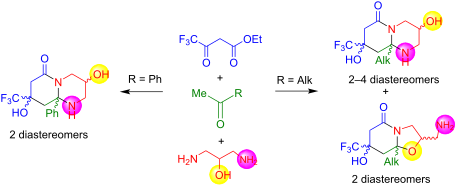
- -aminoazoles into the Biginelli reaction allows azolo[1,5-a]pyrimidines [10][11][12][13][14][15][16] to be synthesized, in general, the range of products obtained in these syntheses is predictable and limited. Ethyl trifluoroacetoacetate and its polyfluoroalkyl-containing analogues are also used widely as
- , respectively. The introduction of cycloketones has resulted in the same types of heterocyclic systems, yet they are now carboannelated, which are synthetic analogues of alkaloids [26]. Moreover, it has been shown that acetaldehyde is capable of reacting in a similar manner with ethyl trifluoroacetoacetate and
- in the piperidone ring shows upfield shifts (δF 79.50–79.61 ppm) compared with the cis-analogues 4a–dcc, 4a–dct (δF 79.92–80.09 ppm). The configurations of diastereomers 5ctc and 5ctt were established using XRD (Figure 3). Figure 5 shows a fragment of the 1H NMR spectra of hexahydrooxazolo[3,2-a





