Search results
Search for "isolation" in Full Text gives 1002 result(s) in Beilstein Journal of Organic Chemistry. Showing first 200.
One-pot four-component sequential synthesis of S-alkyl dithiocarbamates using lipase as a biocatalyst
Beilstein J. Org. Chem. 2026, 22, 1048–1056, doi:10.3762/bjoc.22.83
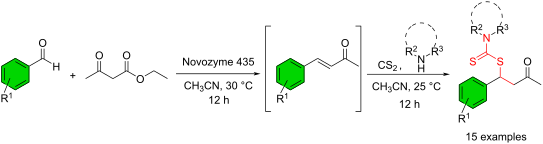
- generate the Michael acceptor in situ, which subsequently reacts with a dithiocarbamate nucleophile formed in situ from an amine and carbon disulfide, without isolation of intermediates. This sequential one-pot four-component strategy combines the advantages of biocatalysis, multicomponent synthesis, and
- formed from an amine and carbon disulfide, without isolation of intermediates. Under mild reaction conditions, 15 derivatives were obtained in good to excellent yields. Beyond the preparation of the target compounds, this study highlights the potential of lipase catalytic promiscuity in sequential


Semisynthesis, characterisation, and antibacterial evaluation of a novel lecanoric acid-derived amide library
Beilstein J. Org. Chem. 2026, 22, 1023–1032, doi:10.3762/bjoc.22.81
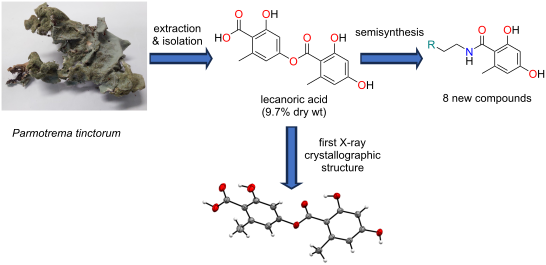
- identified as a scaffold of interest for the generation of a unique semisynthetic biodiscovery screening library. Large-scale extraction and isolation on the Australian-sourced lichen Parmotrema tinctorum resulted in the purification of ≈1 g of the desired scaffold 1, along with other known lichen
- ]. Spectroscopic and spectrometric literature values were compared with our data in order to identify the five known lichen compounds [17][18][19][20][21][22][23]. Crystalline lecanoric acid (1) was fortuitously obtained during our isolation studies, permitting the first X-ray crystallographic structure of this
- private property in Holland Park, Queensland, Australia on the 5th of April 2023. Patrick McCarthy and Jack Elix performed the taxonomic identification of the lichen. The freshly collected lichen was air-dried at room temperature for one month prior to the extraction and isolation chemistry. A voucher


Rh(III)-catalyzed chelation-assisted C–H activation/annulation of 2-arylimidazolines with cyclic diazo-1,3-dicarbonyl compounds: a novel approach to tetracyclic annulated derivatives of 2,3-dihydroimidazo[2,1-a]isoquinoline
Beilstein J. Org. Chem. 2026, 22, 997–1003, doi:10.3762/bjoc.22.78
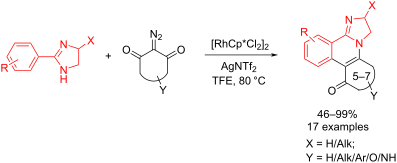
- ). Reducing the amount of silver triflimide also proved less effective (Table 1, entry 6), and, without the additive, the target product was observed in trace amounts insufficient for isolation (Table 1, entry 7). This suggests that the [RhCp*Cl2]2 complex cannot catalyze the reaction itself. Shortening the
- more types of tetracyclic imidazoline-based systems, represented by compounds 4m, 4p, 4o, 4n. Isolation of compounds 4m and 4p is a rare example of involving derivatives of 2-diazocyclohexane-1,3-dione with additional endocyclic heteroatoms (compounds 3g and 3h) in Rh(III)-catalyzed chelation-assisted
- performed a reaction of substrate 2a with an equimolar amount of rhodium catalyst, which allowed isolation of compound 5 (intermediate B) in 35% yield (Figure 3b). Conclusion In conclusion, we have successfully extended the strategy of Rh(III)-catalyzed chelation-assisted C–H activation/annulation with


Electrochemical reduction of unsaturated carbon–carbon bonds via 3d transition-metal catalysis
Beilstein J. Org. Chem. 2026, 22, 955–981, doi:10.3762/bjoc.22.75
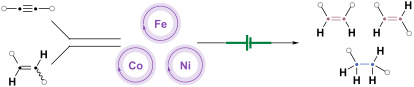
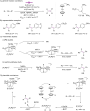
- to afford the Z-selective alkene product. In their subsequent study in 2023, isolation of this key intermediate provided direct experimental support for the proposed reaction pathway [120]. Also, a series of control experiments revealed that complex 23 is a markedly more competent electrocatalyst








Cascade transformation of 2-(diazoacetyl)-2H-azirines to 2-aroyl-3-hydroxy-1H-pyrroles via condensation with aromatic aldehydes
Beilstein J. Org. Chem. 2026, 22, 897–904, doi:10.3762/bjoc.22.70
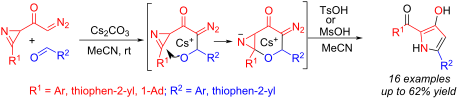
- uncontrolled decomposition upon chromatographic isolation. Although theoretically, the reaction of azirine 1 and aldehyde 2 can form four racemic diastereoisomers, in reality in the case of the bicyclic (3,6) system 2-oxa-7-azabicyclo[4.1.0]heptane, only two racemic diastereoisomers can form due to the


Site-specific labelling of native peptides and proteins: chemical and enzymatic strategies
Beilstein J. Org. Chem. 2026, 22, 857–881, doi:10.3762/bjoc.22.67
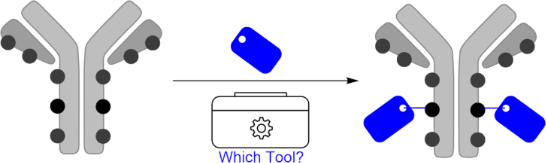
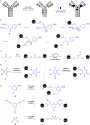
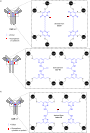
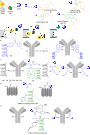
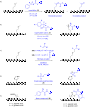
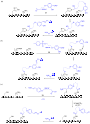
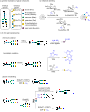
- variants and N-terminal polyglycine tags were fused to yeast surface proteins AGA-1 and -2, respectively, while peptides carrying GG alternative motifs and reporter tags were introduced as substrates. Active variants covalently attached the reporter to the yeast surface, allowing isolation via FACS (Scheme








The trans-influence in gold chemistry from a catalytic perspective
Beilstein J. Org. Chem. 2026, 22, 838–856, doi:10.3762/bjoc.22.66
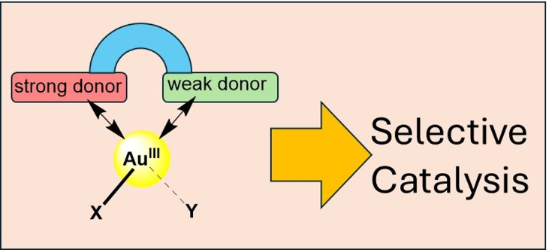
- reactivity and thermal stability. Tridentate C^N^C ligands have been particularly successful in allowing the isolation of species that have often been postulated in catalytic cycles but have remained elusive until recently. These include the first gold(III) ethylene complex, some 180 years after its platinum


Total synthesis of the capsular polysaccharide repeating unit towards the development of a glycoconjugate vaccine against Klebsiella pneumoniae ST512
Beilstein J. Org. Chem. 2026, 22, 821–827, doi:10.3762/bjoc.22.64
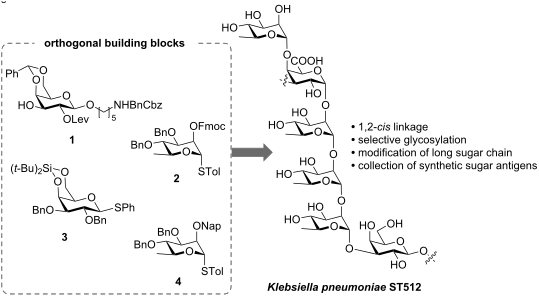
- isolation of hypervirulent strains has severely limited available therapeutic options, underscoring the urgent need for alternative prophylactic strategies. Particularly, the K. pneumoniae sequence type 512 (ST512), a dominant carbapenem-resistant clone closely related to the notorious ST258, has become a


Preparation of 3-(alkylamino)imidazo[1,2-a]pyridine-2-carbaldehydes via Kornblum oxidation and unexpected ring-opening reactions of the corresponding alcohols under oxidative conditions
Beilstein J. Org. Chem. 2026, 22, 763–770, doi:10.3762/bjoc.22.58
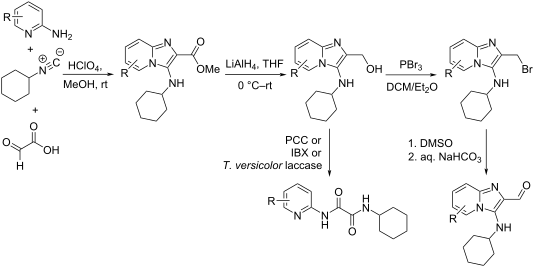
- ), using conditions described by Gladysz et al. [24]. Reaction with glyoxylic acid as the aldehyde component has previously been reported to yield the 2-unsubstituted product as a result of in situ decarboxylation [25]. Unexpectedly, on product isolation we discovered that compounds 13a–d, the methyl


Rongalite addition to dienones: diastereoselectivity in cyclic sulfone synthesis; stereochemical rationalization and prospects as a general conjugate nucleophile
Beilstein J. Org. Chem. 2026, 22, 742–752, doi:10.3762/bjoc.22.56

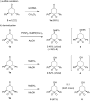
- 1b was provided by derivatization of both molecules in ways that confirmed their relative stereochemistry by taking advantage of the different symmetry elements present in each case. Thus, both reductive amination and hydride reduction of C2-symmetric 1a led to the isolation of the only possible




Anti-invasive and cytotoxic evaluation of a (+)-pinoresinol-based semisynthetic library against glioblastoma
Beilstein J. Org. Chem. 2026, 22, 691–704, doi:10.3762/bjoc.22.54
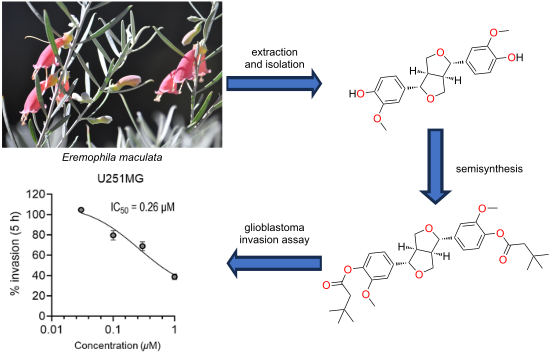
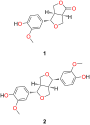
- reported. In this study, we chemically investigated the seeds of Eremophila maculata for the first time, which led to the isolation and characterization of two known plant metabolites, (+)-salicifoliol and (+)-pinoresinol. Due to the reported biological properties of the lignan natural product
- difficulties in collecting sufficient quantities of this plant part. Owing to access to Griffith University’s NatureBank biota repository, which contains 45 locally collected Eremophila samples, we were able to obtain more than 20 g of E. maculata seeds. Large-scale extraction and isolation studies on this
- biota library housed at the Institute for Biomedicine and Glycomics, Griffith University, Australia. This seed sample was collected on December 3, 1993 at Mount Crosby, Queensland, Australia. A voucher specimen (AQ600324) has been deposited with the Queensland Herbarium. Extraction and isolation The air



Towards the targeted protein degradation of CK2: design and synthesis of CAM4066-based PROTACs
Beilstein J. Org. Chem. 2026, 22, 611–619, doi:10.3762/bjoc.22.47
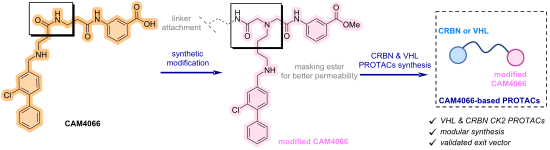
- construction. The synthesis of the ATP-site binder began with the alkylation of commercially available methyl 3-aminobenzoate (3) using bromoacetyl bromide. Although initial purification via silica gel chromatography led to substantial product loss, isolation by simple aqueous workup afforded the intermediate

Melifoliox B, a novel phloroglucin derivative isolated from Melicope barbigera (Rutaceae) and synthesis of new oxidation products from melifoliones A and B
Beilstein J. Org. Chem. 2026, 22, 535–546, doi:10.3762/bjoc.22.39
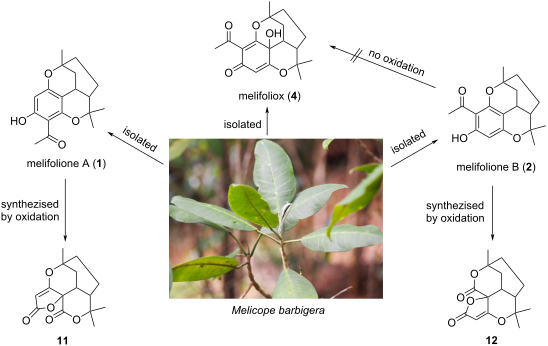
- from mixtures of melifoliones 1 and 2 using the applied chemical methods. Thus, it is clearly proven, that 4 cannot be built as an artifact during the isolation. Therefore, it is likely that the biosynthesis of the quinol 4 occurs via enzymatically catalysed oxidation in the leaves of Melicope
- reagents were of analytical grade. Melting points were determined on a Büchi SMP 20. Microwave experiments were performed in sealed tubes on a CEM, model DISCOVER, power 300 Watt apparatus with a special temperature programme. Isolation of compound 4 Compound 4 was isolated from the VLC-fraction MB-IX-5-P1


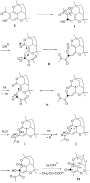

Modern synthetic pathways towards eribulin and its subunits
Beilstein J. Org. Chem. 2026, 22, 495–526, doi:10.3762/bjoc.22.37
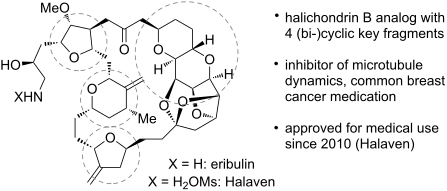
- within their isolation study on halichondrin B, in 1986, Hirata and Uemura showed its promising activity against murine cancer cells [6], which led to a great interest in the pharmaceutical society [7][8][9][10][11][12][13][14][15][16][17][18][19][20]. Only 6 years later, Kishi and co-workers first
- of 1, its rapid development from first total synthesis to large scale production also highlights advances in the realm of synthetic chemistry. This progress was indispensable to ensure today`s broad accessibility, since only smallest quantities would be obtainable through isolation form its natural








Dialkylaminoalkylation of β-ketosulfones via ring-opening of 3-sulfonylpyrrolidines
Beilstein J. Org. Chem. 2026, 22, 383–389, doi:10.3762/bjoc.22.26
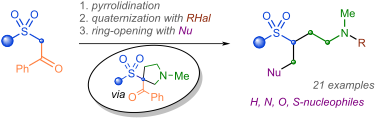
- by adding the alkyl halide directly to the cooled reaction mixture of the formed pyrrolidine without its isolation and purification, that provided higher yields of the quaternary compounds 3 rather than step by step approach. Further, we focused our attention on the search for the reaction conditions
- -amine (5) in 77% yield (Scheme 4). This observation prompted us to examine methoxy and morpholine adducts 4a and 4o in the same process that resulted in the isolation of sulfonylamine 5 in 69 and 48%, respectively. The literature search revealed that previously Langler and co-authors observed the




Ring contraction and ring expansion reactions in terpenoid biosynthesis and their application to total synthesis
Beilstein J. Org. Chem. 2026, 22, 289–343, doi:10.3762/bjoc.22.21
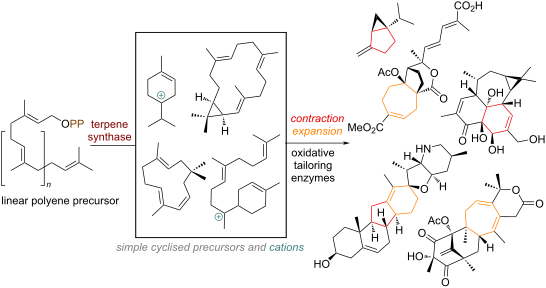
- editing; terpenoids; total synthesis; Introduction The vast richness of structural diversity in terpenoid natural products has fascinated organic chemists for more than a century now [1][2][3][4][5]. With more sophisticated techniques for isolation and characterisation emerging over the decades
- , thousands of closely related compounds could be identified. Among these, the more structurally interesting, rearranged or highly oxidised members can often only be vaguely traced back to their biogenetic origin based on co-isolation and biochemical intuition. Synthetic approaches can sometimes help to solve
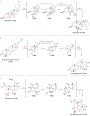
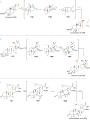
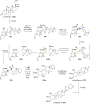
- crokonoid B (67) by oxidation, carbocation formation and 1,2-alkyl shift in a semi-pinacol rearrangement [127]. The authors of the isolation report proposed an epoxide 67a as initiating species, but a diol could also serve in this function (see Scheme 21B). Upon formation of the secondary carbocation 67b, a






Spirobarbiturates with a pyrrolizidine moiety: synthesis, structure and biological evaluation
Beilstein J. Org. Chem. 2026, 22, 274–288, doi:10.3762/bjoc.22.20
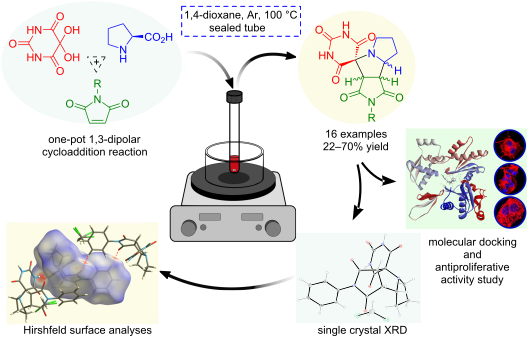
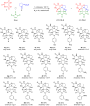
- mixture by preparative TLC or column chromatography. Notably, compounds 4a, 4e, and 4k were purified by crystallization. Detailed synthetic and isolation procedures for all compounds are provided in Supporting Information File 1. We regret to state that when forming a mixture of diastereomers, we were




Arene activation via π-bond localization: concepts and opportunities
Beilstein J. Org. Chem. 2026, 22, 257–273, doi:10.3762/bjoc.22.19
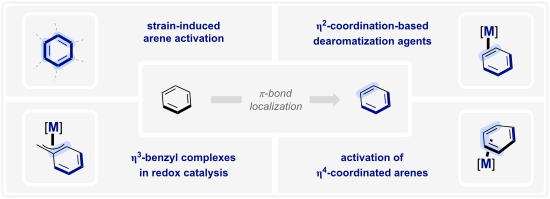
- ; Introduction Aromaticity has intrigued chemists since Michael Faraday’s isolation of benzene in 1825, marking the beginning of a concept that has shaped much of modern chemical thinking [1][2]. Despite its fundamental importance, aromaticity remains an abstract notion [3]. It is central to understanding
- Taube reported the now famous pentaammineosmium(II) η2-benzene complex: the first system to yield kinetically stable η2-arene complexes that resist ligand exchange at room temperature in solution (Figure 5) [48]. This breakthrough opened the door to the isolation of such complexes and their subsequent




A mild and atom-efficient four-component cascade strategy for the construction of biologically relevant 4-hydroxyquinolin-2(1H)-one derivatives
Beilstein J. Org. Chem. 2026, 22, 244–256, doi:10.3762/bjoc.22.18
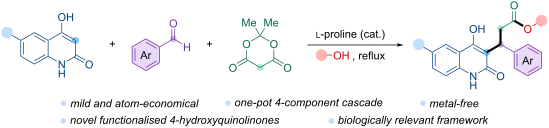
- quantitatively. Although the two-step sequence generally performed well, isolation of malonamides 1a–c was associated with significant material loss, impacting the overall yield. To address this, a one-pot synthesis directly from anilines was developed, avoiding isolation of intermediates. After approximately 4
- esterification of acids 11a–c afforded the isopropyl esters 12a–c in 71–98% yields. Similar attempts were made using cyclohexyl alcohol both as reagent and solvent in Fischer–Speier esterification; however, difficulties in purifying the reaction mixtures due to the large excess of alcohol prevented isolation of
- efficient reaction progress and facile isolation of pure products, with yields ranging from 65 to 81%. Pyranoquinolines 14a–c can be prepared from acids 11a–c via Fischer–Speier esterification, Steglich esterification, or intramolecular acylation through in situ formation of acyl chlorides. The cyclic


Synthesis of diaryl phosphates using phytic acid as a phosphorus source
Beilstein J. Org. Chem. 2026, 22, 213–223, doi:10.3762/bjoc.22.15
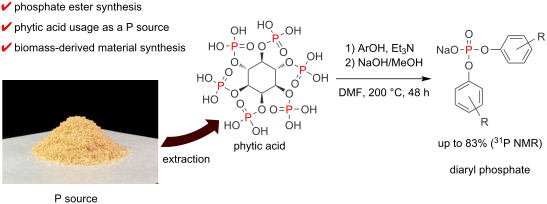
- would be difficult. Furthermore, when 1-naphthol (1k) and 2-naphthol (1l) were used as substrates, the 31P NMR yields of the produced diesters were 45% (2k) and 29% (2l), respectively, and their isolation was difficult because of the presence of large amounts of naphthol-derived by-products. When the
- diaryl phosphate was isolated as a sodium salt, and the isolated yields are listed below. The yields in parentheses represent 31P nuclear magnetic resonance (NMR) yields defined based on a calibration curve using triphenylphosphine oxide as an internal standard. The isolation of 2c and 2j was not




Streptoquinolines A and B, new antibacterial meroterpenoids produced by Streptomyces sp. TMPU-A0679
Beilstein J. Org. Chem. 2026, 22, 185–191, doi:10.3762/bjoc.22.12
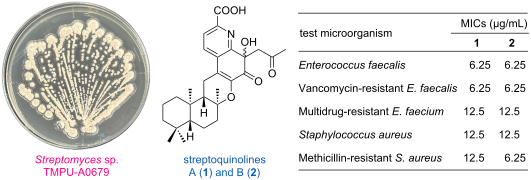
- B (2) (Figure 1). Compounds 1 and 2 possessed a unique skeleton consisting of a drimane-type sesquiterpene fused with a quinoline moiety and both exhibited potent antibacterial activity against Gram-positive bacteria. This study describes the production, isolation, structural elucidation, and
- (Iwashiya Bio Science, Tokyo, Japan) at 180 rpm at 27 °C for 7 days. Isolation of compounds 1 and 2 The culture broth (6.0 L) was centrifuged to separate the mycelia and supernatant. Collected mycelia were treated with acetone (1.0 L) for 60 minutes. After suction filtration, the acetone solution was


Highly electrophilic, gem- and spiro-activated trichloromethylnitrocyclopropanes: synthesis and structure
Beilstein J. Org. Chem. 2026, 22, 123–130, doi:10.3762/bjoc.22.5
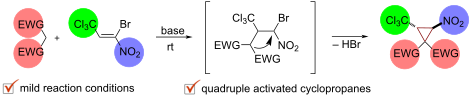
- were obtained using a MaXis mass spectrometer (Bruker Daltonik GmbH) equipped with an electrospray ionization source (4.5 eV) and a quadrupole time-of-flight analyzer (ESI–QTOF) in the positive ions detection mode, with methanol (0.1% FA [formic acid]) as solvent. Isolation of individual diastereomers


Total synthesis of natural products based on hydrogenation of aromatic rings
Beilstein J. Org. Chem. 2026, 22, 88–122, doi:10.3762/bjoc.22.4
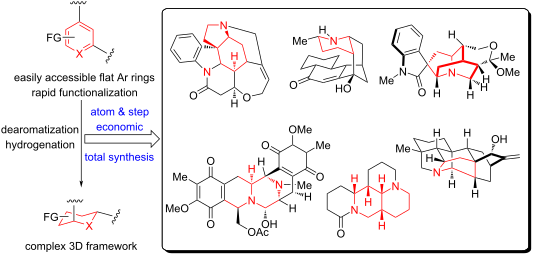
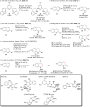
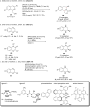
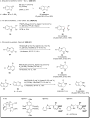
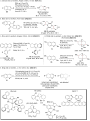
- functional group manipulations, including a pivotal intramolecular SN2 cyclization, ultimately completing the total synthesis of (−)-senepodine F. Notably, this work also led to the structural revision of the originally assigned natural product, as reported in earlier isolation studies. Hydrogenation











Synthesis and applications of alkenyl chlorides (vinyl chlorides): a review
Beilstein J. Org. Chem. 2026, 22, 1–63, doi:10.3762/bjoc.22.1
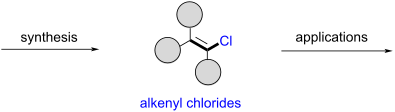

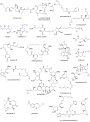

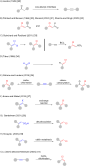


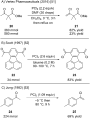



















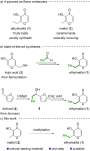
One-pot synthesis of ethylmaltol from maltol
Beilstein J. Org. Chem. 2025, 21, 2755–2760, doi:10.3762/bjoc.21.212

- , needles, and bark of certain trees. In particular, the bark of larch trees contains 0.1–2 wt % maltol (2) and economic isolation methods using for example aqueous tannin liquors with extraction efficiencies of >90% have been developed [22][23][24]. Owing to the natural availability of maltol (2