


Search results
Search for "light" in Full Text gives 1413 result(s) in Beilstein Journal of Organic Chemistry. Showing first 200.
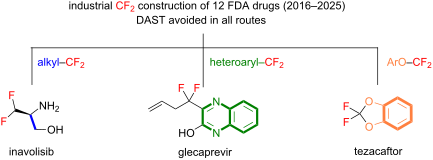
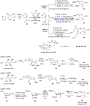
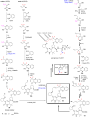
Construction of CF2 moieties in FDA-approved drugs (2016–2025): industrial routes, mechanisms, and scale-up considerations
Beilstein J. Org. Chem. 2026, 22, 1122–1150, doi:10.3762/bjoc.22.91
- hydrogenation, leading to conversion to a methylene group [19]. Therefore, for drugs containing similar difluoromethylene structural units, attention must be paid to the influence of light exposure during both synthesis and storage. 1.1.3 Cedazuridine (2020): As shown in Figure 4, the key intermediates for the
- ] reported a chromium-catalyzed asymmetric Reformatsky reaction, finding that both BrCF2COOEt (46) and ClCF2COOEt can react with aliphatic or aromatic aldehydes under this reaction system to afford chiral alcohols in moderate to high yields with high stereoselectivity. Notably, BrCF2COOEt requires blue light
- time. It should be noted that silver fluoride requires activation, dehydration, and grinding under light-protected conditions. Route c (reported in 2020) starts from bromocatechol 125 and employs a strategy similar to route b, sequentially affording 126 (61% yield) and 127 (78% yield) [66]. In addition






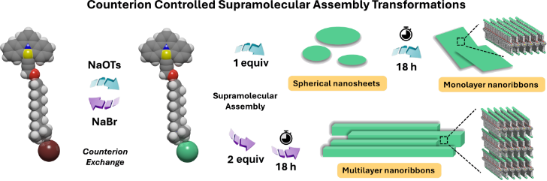
Controlled supramolecular assemblies of luminescent tridentate cyclometalated alkynylgold(III) amphiphiles in aqueous media
Beilstein J. Org. Chem. 2026, 22, 1097–1106, doi:10.3762/bjoc.22.88
- various stimuli-responsive molecular motifs, amphiphiles can respond to external stimuli, such as light, pH, and heat [4][6][10][11][12][13][14][15][16][17][18][19][20][21][22][23][24][25][26][27][28][29][30][31][32][33], allowing them to be used in biomedical applications, such as, drug delivery and
- %) was annealed at 50.0 °C for 5 min and cooled to room temperature as the stock solution. The stock solution of GA was subsequently diluted into a range of concentrations from 0.01 to 1.0 mM, in estimating the critical aggregation concentration (CAC) by static light scattering measurements (SLS). The
- performed with Macherey-Nagel Silica gel 60 UV254 aluminum plates and visualization was accomplished by UV light (254 nm) or staining with phosphomolybdic acid (PMA) followed by heating. Flash column chromatography was performed using Macherey-Nagel Silica gel 60 (230–400 mesh). Deuterated solvents were


Synthesis of novel 1,2,4-oxadiazole-isoxazoline hybrids and their in silico potential with adenosine receptors
Beilstein J. Org. Chem. 2026, 22, 1033–1047, doi:10.3762/bjoc.22.82
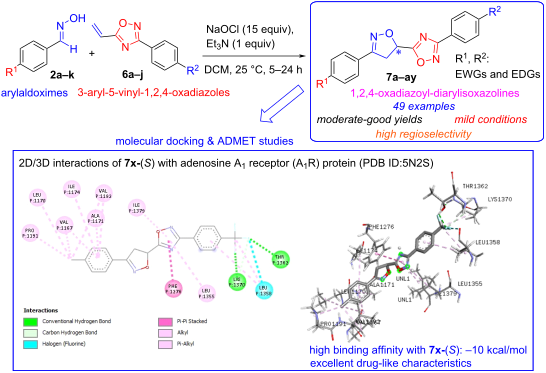
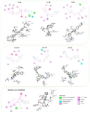
- compounds (7x-(S), 7x-(R), 7j-(S), 7aw-(S), 7aw-(R), 7ah-(S)) and reference (co-crystallized) ligand with A1 adenosine receptor. Green arrows: conventional hydrogen bonds; pink region: alkyl connections; light pink region: pi-alkyl connections; blue region: halogen interactions; light green region: carbon


Semisynthesis, characterisation, and antibacterial evaluation of a novel lecanoric acid-derived amide library
Beilstein J. Org. Chem. 2026, 22, 1023–1032, doi:10.3762/bjoc.22.81
- under UV light at 254 nm. The raw lichen material was extracted with solvents at 200 rpm using an IKA™ KS 125 Basic® orbital shaker operating at room temperature. Solvents were removed from lichen-derived crude extracts with a Büchi R-300 rotary evaporator. A GeneVac HT-4X centrifugal evaporator was


Recent advances in copper-catalyzed direct hydroamination of alkenes with (hetero)aromatic amines
Beilstein J. Org. Chem. 2026, 22, 925–947, doi:10.3762/bjoc.22.73
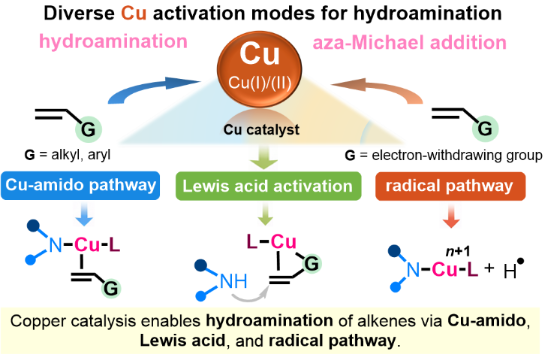
- processes. Recent studies have demonstrated that copper catalysts promote hydroamination via photoinduced radical pathways. In 2019, Zhang and Xiong reported the visible light-induced intermolecular hydroamination of alkenes using simple aryl- and heteroarylamines (Scheme 19) [64]. Cu(CH3CN)4PF6 (10 mol
- amine generated the copper–amido species II. This complex subsequently coordinated with the alkene to form the copper–amine–alkene complex III. Upon visible-light irradiation, complex III was photoexcited to yield the excited copper complex IV. Subsequently, the excited complex IV underwent a single
- intramolecular hydroamination through aminocupration followed by radical processes. Visible-light-induced copper-catalyzed hydroamination of styrenes. Lewis acid-catalyzed radical hydroamination of styrenes with isatins. Funding This research was supported by the Basic Science Research Program through the


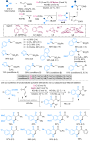


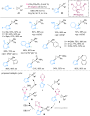


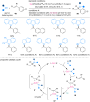

Cascade transformation of 2-(diazoacetyl)-2H-azirines to 2-aroyl-3-hydroxy-1H-pyrroles via condensation with aromatic aldehydes
Beilstein J. Org. Chem. 2026, 22, 897–904, doi:10.3762/bjoc.22.70
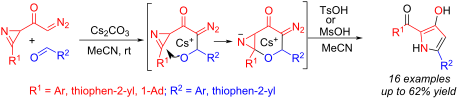
- formed (≈90%), while the minor one, based on the arguments presented above, is apparently the (1RR,3RR,6RR)-isomer. To shed light on the mechanism and stereoselectivity of the reaction, DFT calculations were performed at the B3LYP-D3/6-311+G(d,p)/LANL2DZ(Cs) level of theory with a SMD solvent model (for


Site-specific labelling of native peptides and proteins: chemical and enzymatic strategies
Beilstein J. Org. Chem. 2026, 22, 857–881, doi:10.3762/bjoc.22.67
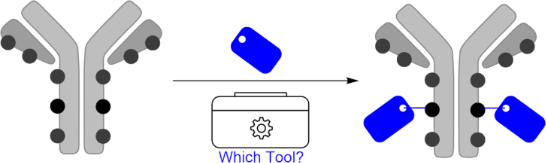
- has led to the development of labelling techniques, wherein the C-terminal carboxylate can be functionalized via visible-light photoredox decarboxylative catalysis (Scheme 2d) [23]. Similarly, decarboxylative alkylation has been applied to complex proteomes to enable proteome-wide C-terminal profiling
- (19) was later adapted for modification of an asparagine (Asn) residue in the Fc domain of trastuzumab [61]. Rhodium has also been used in visible-light-triggered single-electron transfer (SET) reactions, enabling labelling under mild conditions with spatiotemporal control. Another strategy employs a
- (T156S/D170E/D176E) with enhanced labelling activity were isolated. Although this system offers switchable activity by removing calcium ions from the buffer, it achieves only moderate site-specificity; labelling was found in K5, K123, K135, K292, and K441 on the heavy chain and K207 on the light chain of








The trans-influence in gold chemistry from a catalytic perspective
Beilstein J. Org. Chem. 2026, 22, 838–856, doi:10.3762/bjoc.22.66
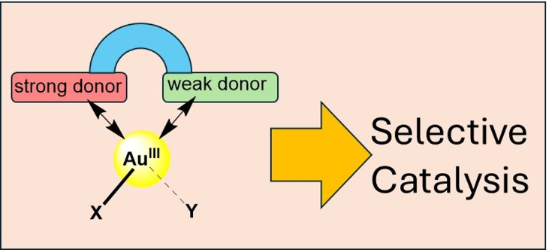
- the 1H δ scale, while strong σ-donors like the CH3− or BH2− anions are strongly deshielding and have the opposite effect (“heavy atom effect on the light-atom shielding”, HALA). For a series of hypothetical complexes [LAuH]q this means the 1H NMR chemical shifts cover the range from +10 ppm for NO3
- complexes of type 8 can react with acetylenes slowly, in a possibly light-induced radical reaction [49]. The addition of radical initiators such as azobis(isobutyronitrile) (AIBN) reduced the reaction times from days to minutes, with quantitative and completely stereoselective formation of Z-vinyl gold


Knoevenagel condensation of 4,5- and 1,8-diazafluorenes
Beilstein J. Org. Chem. 2026, 22, 803–812, doi:10.3762/bjoc.22.62
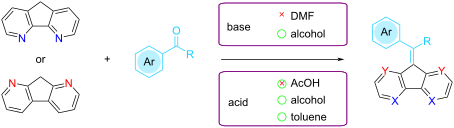
- be applied as antitumor agents [1][2][3], emitters and sensors [4][5]. They have also been extensively used as ligands yielding a wide library of transition-metal complexes [6][7][8], catalysts [9][10], light-driven molecular motors [11][12], nonlinear optical chromophores [13], and electrochromic




Halogenated azobenzene acrylates: from efficient solution photoswitching to stable solid-state photochromic materials
Beilstein J. Org. Chem. 2026, 22, 782–794, doi:10.3762/bjoc.22.60
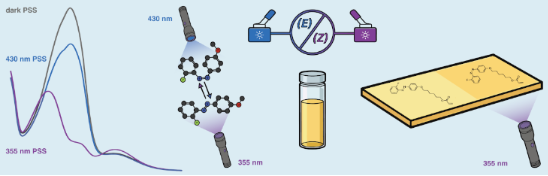
- a very useful tool to tune the thermal and optical properties, light-induced switching in particular. Monohalogen derivatives exhibited up to 93% E → Z photoconversion efficiency in solution, whereas the efficiency of dihalogen analogues is lower by 20%, which is ascribed to their nonplanar
- for over 90 days. These findings demonstrate that ortho-halogenation is a powerful tool for tuning the properties of photoresponsive materials for potential applications in colorimetric thermal sensing and light-controlled functional systems. Keywords: azobenzene; E/Z isomerization; halogen
- solid-state E/Z isomerization [8][9]. Azobenzene was also incorporated into the structure of liquid crystal elastomers (LCEs) [10][11], where UV-light curing increases thermally induced LCE film actuation or even locks the film in a specific shape during flipping [10]. The phenomenon of photoactuation


Design, synthesis, and biological evaluation of FXR/ASK1 dual-target modulators
Beilstein J. Org. Chem. 2026, 22, 771–781, doi:10.3762/bjoc.22.59
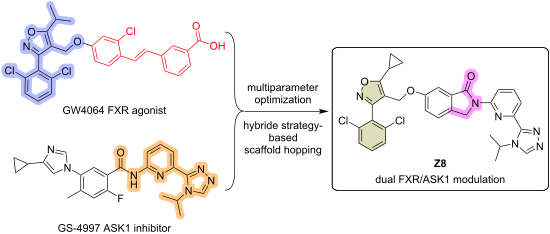
- of the designed dual-target modulators identified 17 compounds that inhibited ASK1 (Figure 2). Among the compounds examined, Z8 demonstrated the greatest potency, exhibiting an inhibition rate of 84.59% at a concentration of 10 μM. Lipid-modifying activity In light of the prevalence of the reduction


Rongalite addition to dienones: diastereoselectivity in cyclic sulfone synthesis; stereochemical rationalization and prospects as a general conjugate nucleophile
Beilstein J. Org. Chem. 2026, 22, 742–752, doi:10.3762/bjoc.22.56

- molecules are desirable, particularly in the light of the general need for more sustainable chemical synthesis. Recently, there has been significant progress in the use of SO2 equivalents and bulk inorganic high oxidation state sulfur compounds for the direct incorporation of sulfones [2][3]. Despite these




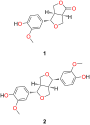
Anti-invasive and cytotoxic evaluation of a (+)-pinoresinol-based semisynthetic library against glioblastoma
Beilstein J. Org. Chem. 2026, 22, 691–704, doi:10.3762/bjoc.22.54
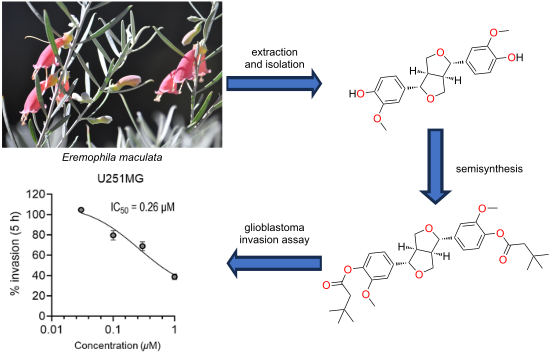
- plates were used for TLC and analyzed under UV light at 254 and 365 nm. For large-scale studies, the plant material was extracted at room temperature using an Edwards Instrument Company Bio-line orbital shaker set to 200 rpm. All chemical reagents used throughout the experiments were purchased from Sigma
- DMEM containing 2% FBS and 100 U/mL Pen-Strep. The flask was placed at 37 °C and 5% CO2 for 24 h of starvation. Insert preparation 40 µL of Matrigel (1:40 dilution) was added to each insert, followed by fixing for 5 min under UV light in a biosafety cabinet. The inserts were left to dry overnight in



Harnessing light energy with molecules
Beilstein J. Org. Chem. 2026, 22, 680–682, doi:10.3762/bjoc.22.52
- therapies using molecular light harnessing. So-called molecular solar thermal (MOST) energy storage systems are one type of photoresponsive systems [1][2][3]. These have attracted increasing interest in the past decade for the storage of solar energy by photoisomerization of a molecular photoswitch
- , recently coined as a “mostophore” [3]. Such energy storage systems have also been referred to as solar thermal fuels or solar thermal batteries. After light harnessing, photoisomerization generates a metastable compound of higher energy. Thermal back-reaction results in the release of the energy again as
- approaches of optimization with regard to their light harnessing efficiency, energy storage capacity, and storage time. Structural modifications and studies of the norbornadiene/quadricyclane (NBD/QC) photo-/thermoswitch couple are covered in several articles. In a publication by Kerzig, Ihmels, and co
Photoorganocatalytic trifluoromethylation of (het)arenes in green conditions
Beilstein J. Org. Chem. 2026, 22, 662–671, doi:10.3762/bjoc.22.50
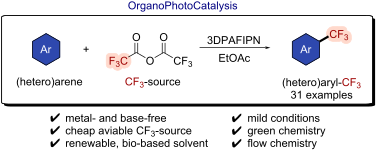
- conditions using an inexpensive and atom-efficient CF3 source, trifluoroacetic anhydride, in ethyl acetate as a green solvent. An organic cyanoarene photocatalyst enables efficient CF3 radical generation under blue-light irradiation, providing a broad range of trifluoromethylated arenes and heteroarenes. The
- for the photochemical trifluoromethylation of (hetero)arenes using an Ir-based photocatalyst under blue-light irradiation (Scheme 1c) [16]. Although these approaches employed inexpensive CF3 sources, they relied on costly noble-metal catalysts with loadings of up to 3 mol %. Moreover, all of these
- ) under blue-light irradiation in acetonitrile (Scheme 1d) [17]. Also, photoelectrochemical trifluoromethylation procedures using trifluoroacetic acid or its salt were published recently [18][19]. Inspired by these methodologies, we sought to combine their advantages to develop a metal- and base-free




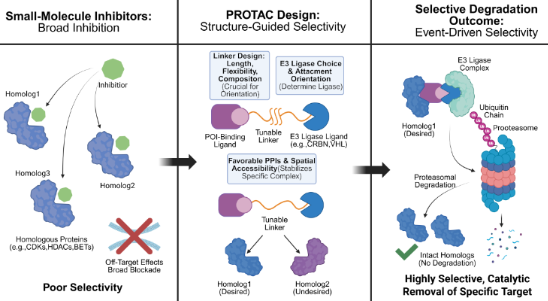
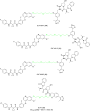
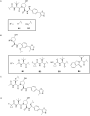
Advantages of PROTACs in achieving selective degradation of homologous protein families
Beilstein J. Org. Chem. 2026, 22, 628–661, doi:10.3762/bjoc.22.49









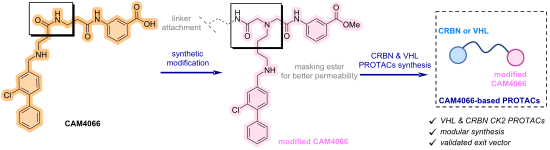
Towards the targeted protein degradation of CK2: design and synthesis of CAM4066-based PROTACs
Beilstein J. Org. Chem. 2026, 22, 611–619, doi:10.3762/bjoc.22.47
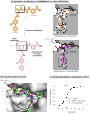
- Biophysical and X-ray crystallographic facilities at the Department of Biochemistry for access to instrumentation. We thank Diamond Light Source for access to beamline (proposal ID mx25402). Funding S. Day-Riley is grateful AstraZeneca Cambridge for a studentship and financial support. S. Krajcovicova is

Computational prediction of C–H hydricities and their use in predicting the regioselectivity of electron-rich C–H functionalisation reactions
Beilstein J. Org. Chem. 2026, 22, 603–610, doi:10.3762/bjoc.22.46
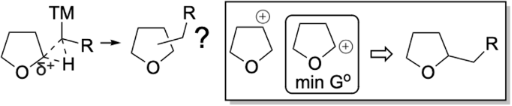
- photoredox activation, followed by anion-binding-catalysed functionalisation to form β-amino esters. Here, the reacting atom is the one with the lowest hydricity and BDE. Compounds 8–10 Schmidt et al. [44] reported the visible light-catalysed bromination of compound 8, Kamon et al. [45] reported the light


![[Graphic 6]](/bjoc/content/inline/1860-5397-22-46-i8.svg?max-width=637&scale=1.18182)


Kinetic resolution of racemic planar-chiral vinylcymantrenes by molybdenum-catalyzed asymmetric metathesis dimerization
Beilstein J. Org. Chem. 2026, 22, 568–574, doi:10.3762/bjoc.22.42
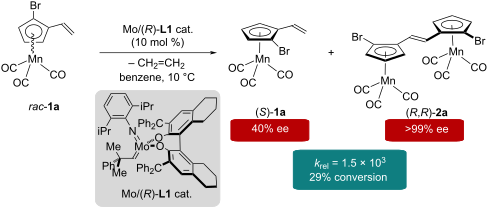
- configuration of (–)-2b Levorotatory AMD/KR product (–)-2b, which was obtained as in entry 8, Table 1 using Mo/(R)-L1 precatalyst, was recrystallized by slow diffusion of pentane into the concentrated diethyl ether solution. Crystals of (–)-2b were grown as light-yellow blocks. The X-ray crystallography


Molecular tweezer–peptide conjugates disrupt the protein–protein interaction between survivin and histone H3 essential in mitosis
Beilstein J. Org. Chem. 2026, 22, 557–567, doi:10.3762/bjoc.22.41
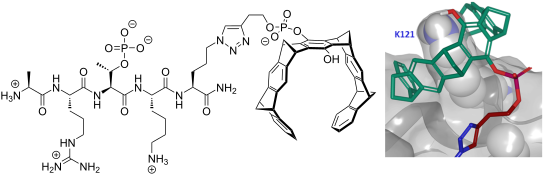
- lysines in the C-terminal helix of survivin (positively charged blue area). Crystal structure of the survivin dimer with complexed tweezer H3 conjugate 2a. To distinguish both survivin molecules their surfaces (light grey) have been presented with a different degree of transparency. Lysines in the




Experimental and DFT studies on the regioselective methanolysis of 5-azido-9-oxabicyclo[6.1.0]nonan-4-yl 4-nitrobenzoate isomers
Beilstein J. Org. Chem. 2026, 22, 547–556, doi:10.3762/bjoc.22.40
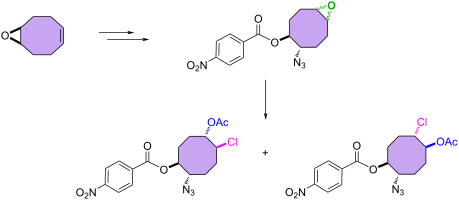
- combined organic extracts were washed with saturated aqueous NaCl (20 mL) and then dried (Na2SO4). Evaporation of solvent gave the mixture of azidobenzoate epoxides 9a and 9b (1.02 g, 3.07 mmol, 97%), as light brown solid. The formation and ratio of these isomers was determined by NMR spectroscopy, in a 63


Melifoliox B, a novel phloroglucin derivative isolated from Melicope barbigera (Rutaceae) and synthesis of new oxidation products from melifoliones A and B
Beilstein J. Org. Chem. 2026, 22, 535–546, doi:10.3762/bjoc.22.39
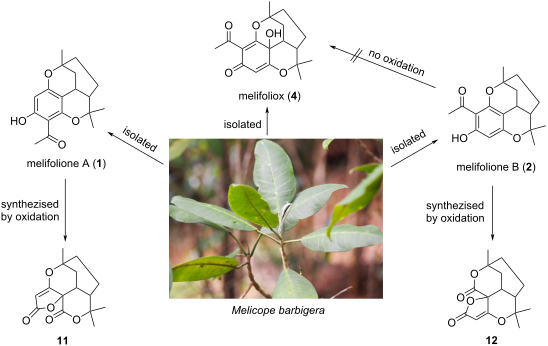
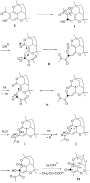
- -toluenesulfonic acid at 80 °C in toluene afforded benzoxocin (7) as the only product. On the other hand, melifolione A (1) was completely decomposed under these conditions. Irradiation of 5 in methanol with UV-light (300 nm) for 3 days at room temperature gave melifolione B (2) with traces of melifolione A (1



Get a better glimpse on sequential photoreactions of trisnorbornadienes with 19F NMR spectroscopy
Beilstein J. Org. Chem. 2026, 22, 527–534, doi:10.3762/bjoc.22.38
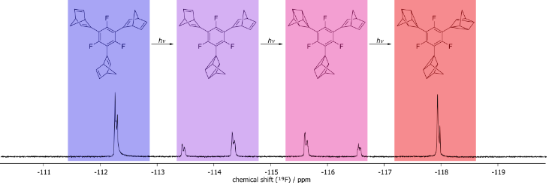
- controlled by light [1][2][3][4]. To add to that, the photochromic reaction allows to convert the energy of the applied light into chemical energy, which can thus be stored and eventually released on demand as heat in the back reaction. Therefore, photochromic reactions constitute the centerpiece of the
- ][31][32][33]. Furthermore, to shift the absorption towards lower-energy light in such compounds – and for that matter to the solar spectrum – push–pull systems [29][31], enlarged π systems [30][33], and heteroaromatic chromophores [32][34][35] have been introduced (Figure 1). Although this structural
- the physicochemical parameters of the light energy storage and release, the thermally induced cycloreversion of 2f0,3 was investigated. Analysis of the cycloreversion at different temperatures revealed a half-life, t1/2, of 55 d at 25 °C, an activation enthalpy ΔH = 99.4 kJ/kg, and an activation


Modern synthetic pathways towards eribulin and its subunits
Beilstein J. Org. Chem. 2026, 22, 495–526, doi:10.3762/bjoc.22.37
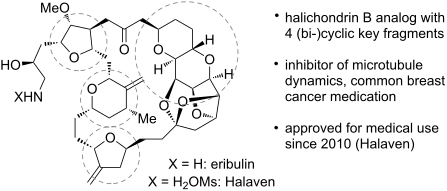
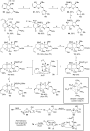
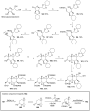
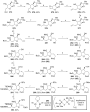
- aldehyde 200. Another optimization was achieved during the formation of the central ketal motif of 186 (Scheme 22). Here, the diastereomeric mixture of 183 (see Scheme 19) was exposed to light-mediated DDQ-oxidation within a continuous flow setup, which yielded epimers (R)-184 and (S)-184. This mixture was








Synthesis and uranyl(VI) extraction performance of a calix[4]pyrrole–tetrahydroxamic acid receptor
Beilstein J. Org. Chem. 2026, 22, 486–494, doi:10.3762/bjoc.22.36
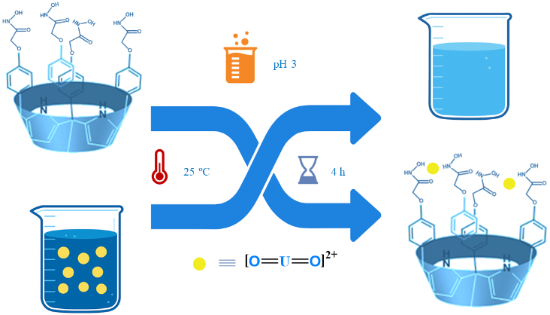
- for supramolecular platforms like calixarenes for actinides and lanthanides extraction [36][37]. In light of this background, we report here the incorporation of hydroxamic acid into phenoxycalix[4]pyrrole and examine its effectiveness in extracting uranyl from aqueous solution using gamma





