


Search results
Search for "step economy" in Full Text gives 39 result(s) in Beilstein Journal of Organic Chemistry.
Recent advances in copper-catalyzed direct hydroamination of alkenes with (hetero)aromatic amines
- Hyejeong Lee and
- Yunmi Lee
Beilstein J. Org. Chem. 2026, 22, 925–947, doi:10.3762/bjoc.22.73
- remains a primary objective of modern organic synthesis [5][6]. Among the diverse strategies available for C–N bond formation, the direct addition of an N–H bond across a C–C double bond, known as hydroamination, is an ideal transformation considering atom and step economy [7][8][9][10][11][12

Graphical Abstract

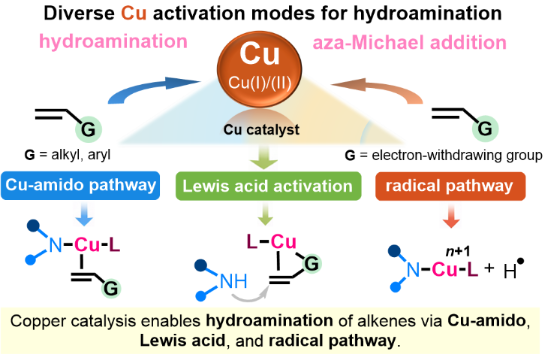
Scheme 1: Mechanistic pathways in copper-catalyzed hydroamination.

Scheme 2: Synthesis of copper–amido complexes.

Scheme 3: Cu–amido catalysts studied for the aza-Michael addition of aniline to electron-deficient olefins.
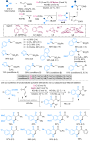
Scheme 4: Copper-catalyzed aza-Michael addition of (hetero)aromatic amines to α,β-unsaturated alkenes.

Scheme 5: Copper-catalyzed 1,6-conjugate addition of aza-heterocycles to sulfonyl dienes.

Scheme 6: Cu-catalyzed aza-Michael addition of arylamines to allylic sulfones.

Scheme 7: Cyclic(alkyl)(amino)carbene-copper-catalyzed aza-Michael addition.

Scheme 8: Aza-Michael addition enabled by Lewis acidic copper catalyst. a20 mol % bpy, 50 mol % Na2CO3.

Scheme 9: One-pot cyclization via aza-Michael addition enabled by Lewis acidic copper catalyst.

Scheme 10: Lewis acidic Cu-catalyzed tandem reaction via aza-Michael addition.

Scheme 11: Copper nanomaterials-catalyzed aza-Michael addition via Lewis acid activation and radical pathways.

Scheme 12: Copper–amido-mediated hydroamination of aniline with vinylarenes.

Scheme 13: Copper-catalyzed anti-Markovnikov hydroamination of (hetero)aromatic N–H with vinylarenes.

Scheme 14: Hydroamination of oxa- and azabenzonorbornadienes with pyrazoles.
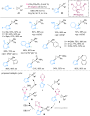
Scheme 15: Copper-catalyzed enantioselective hydroamination of cyclopropenes with pyrazoles.

Scheme 16: Copper/Brønsted acid system for hydroamination of strained alkenes.

Scheme 17: Hydroamination of allenes enabled by Lewis acidic copper catalyst.

Scheme 18: Enantioselective intramolecular hydroamination through aminocupration followed by radical processes....
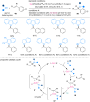
Scheme 19: Visible-light-induced copper-catalyzed hydroamination of styrenes.

Scheme 20: Lewis acid-catalyzed radical hydroamination of styrenes with isatins.
Modern synthetic pathways towards eribulin and its subunits
- Sebastian Dominik Graf
Beilstein J. Org. Chem. 2026, 22, 495–526, doi:10.3762/bjoc.22.37
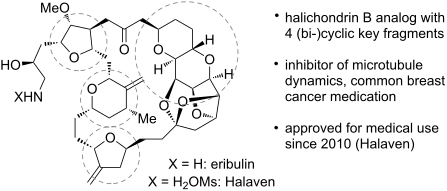
- , use of cheap and readily available substrates and reagents, application of mild reaction conditions, and improving step economy and scalability of the process. Moreover, 3 new completed total syntheses were developed by Lee, Nicolaou and Kim, which show improvements in terms of overall yield or enable

Graphical Abstract

Figure 1: Eribulin with common synthetic precursor fragments and halichondrin B.

Scheme 1: Overview of the industrial process pathway for the large-scale production of the mesylate salt of 1...

Scheme 2: Synthesis of 22. (a) i. 2,2-dimethoxypropane, p-TsOH, MeOH, 65 °C; ii. NaBH4, MeOH, rt; (b) i. NaH,...

Scheme 3: Synthesis of 27. (a) i. NaH, BnBr, THF, rt; ii. iodobenzoic acid, MeCN, 80 °C; iii. (EtO)2POCH2COOE...

Scheme 4: Synthesis of 31 and 33. (a) i. MMTrCl, iPr2NEt, DCM, rt; ii. K2CO3, MeOH, DCM, rt; iii. TBDMSCl, im...

Scheme 5: Synthesis of 1. (a) CrCl2, 37, 38, 39 (proton sponge), LiCl, Mn, ZrCp2Cl2, MeCN, EtOAc; (b) SrCO3, t...

Scheme 6: Synthesis of 45. Above: Reaction conditions: (a) methoxyacetic acid, BF3·OEt2, DCM, −30 °C; (b) Pd(...

Scheme 7: Synthesis of 64. Reaction conditions: (a) i. acetone, I2, rt; ii. vinylmagnesium bromide, THF, −20 ...
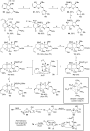
Scheme 8: Synthesis of 79. Above: Reaction conditions: (a) i. K2CO3, MeOH, 60 °C; ii. 2,2-dimethoxypropane, H2...

Scheme 9: Synthesis of 92. Reaction conditions: (a) TESCl, imidazole, DCM, 0 °C to rt; (b) i. oxalyl chloride...
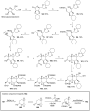
Scheme 10: Synthesis of 104. Above: Reaction conditions: (a) cyclohexanone, p-TsOH, toluene, 110 °C, crystalli...

Scheme 11: Synthesis of 117. (a) i. acetone, CuSO4, rt; ii. H2O2, K2CO3, H2O, rt; iii. EtI, MeCN, 70 °C; (b) i...

Scheme 12: Synthesis of 121. Reaction conditions: (a) i. TBDPSCl, imidazole, DMF, rt; ii. O3, DCM, −78 °C; iii...

Scheme 13: Synthesis of 131. (a) i. 2,2-dimethoxypropane, p-TsOH, MeOH, 60 °C; ii. LiAlH4, THF, 0 °C to rt; (b...

Scheme 14: Synthesis of 143. (a) i. I2, PPh3, imidazole, DCM; ii. HMPA, CuI, vinylmagnesium bromide, THF, −20 ...

Scheme 15: Modified synthesis of 104. Reaction conditions: (a) (EtO)2POCH2COOEt, KOt-Bu, THF, 15 °C; (b) TBAF,...

Scheme 16: Synthesis of 161. Reaction conditions: (a) crotyl bromide, Sn, TBAI, NaI, DMF/H2O, rt; (b) NaH, BnB...

Scheme 17: Synthesis of 169. Reaction conditions: (a) i. Co2(CO)8, BF3·Et2O, DCM, 23 °C; ii. CAN, acetone, 0 °...

Scheme 18: Synthesis of 181. Reaction conditions: (a) i. Co2(CO)8, BF3·Et2O, DCM, 23 °C; ii. (NH4)2Ce(NO3)6, a...

Scheme 19: Synthesis of 186. Reaction conditions: (a) NEt3, LiCl, MeCN, 0–23 °C; (b) HF·pyridine, MeCN, 23 °C;...

Scheme 20: Modified synthesis of 181. Reaction conditions: (a) i. Ni(cod)2, P(n-Bu)3, Et3SiH, THF, 23 °C; ii. ...

Scheme 21: Synthesis of 200. Reaction conditions: (a) i. Co2(CO)8, DCM, 23 °C; ii. BF3·Et2O, 0 °C; iii. (NH4)2...

Scheme 22: Modified synthesis of 186. Reaction conditions: (a) DDQ, 2,6-di-t-Bu-4-hydroxytoluene, hv, MeCN, 23...

Scheme 23: Synthesis of 1. Reaction conditions: (a) i. CrCl2, NiCl2, 206, NEt3, THF, 23 °C; ii. DBU, toluene, ...

Scheme 24: Synthesis of 217. Above: Reaction conditions: (a) TBDPSCl, imidazole, DCM, 0–5 °C. (b) m-CPBA, DCM,...

Scheme 25: Synthesis of 231. Reaction conditions: (a) i. AcCl, MeOH, 0 °C to rt; ii. TrCl, pyridine, 50 °C; (b...

Scheme 26: Synthesis of 239. Reaction conditions: (a) i. Boc2O, K2CO3, THF, rt; ii. Ru(acac)3, NaBrO3, EtOAc, H...

Scheme 27: Synthesis of 247. Reaction conditions: (a) NCS, 248, MeCN, 0 °C to rt; (b) LDA, 249, THF, −78 °C; (...

Scheme 28: Synthesis of 255. Reaction conditions: (a) i. LiHMDS, THF, −78 °C to rt; ii. m-CPBA, DCM, −78 °C to...

Scheme 29: Synthesis of 261. Reaction conditions: (a) allyltrimethylsilane, TiCl4, DCM −78 °C; (b) LiBH4, EtOH...

Scheme 30: Synthesis of 265. Reaction conditions: (a) (R,R)-Ru-cat (0.2 mol %), DCM, NEt3, HCOOH, rt; (b) TBAF...

Scheme 31: Synthesis of 272. Reaction conditions: (a) LDA, THF, −78 °C; (b) DMP, NaHCO3, DCM, 0 °C to rt; (c) (...
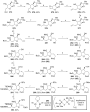
Scheme 32: Synthesis of 292. Reaction conditions: (a) TsCl, NEt3, DCM, rt; (b) K2CO3, MeOH, 45 °C; (c) vinylma...

Scheme 33: Synthesis of 296. Reaction conditions: (a) 171 (see Scheme 17), Cr-cat, CoPc (see Scheme 17), Mn, NEt3·HCl, LiCl, TMS...

Scheme 34: Synthesis of 299. Reaction conditions: (a) 172 (see Scheme 17), CrCl2, NEt3, NiCl2, THF, rt; (b) KHMDS, THF,...

Scheme 35: Synthesis of 305. Reaction conditions: (a) i. p-TsOH, MeOH, 40 °C; ii. MeLi, LiBr, THF, −25 °C; (b)...
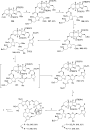
Scheme 36: Synthesis of 1. Reaction conditions: (a) i. 41 (see Scheme 6), LDA, THF, −78 °C; ii. DMP, NaHCO3, DCM, rt; ...

Scheme 37: Synthesis of 324. Reaction conditions: (a) i. acetone, CuSO4, rt; ii. H2O2 (30%), K2CO3, rt; iii. E...
Total synthesis of natural products based on hydrogenation of aromatic rings
- Haoxiang Wu and
- Xiangbing Qi
Beilstein J. Org. Chem. 2026, 22, 88–122, doi:10.3762/bjoc.22.4
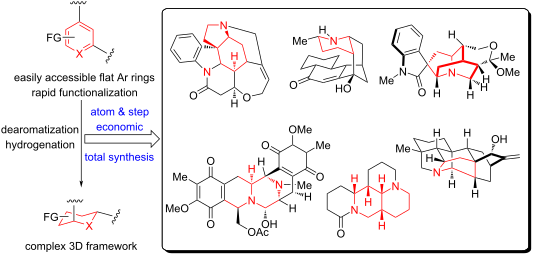
- access these saturated frameworks, catalytic hydrogenation of unsaturated arenes stands out as the most efficient one: it directly transforms planar sp2 systems into three-dimensional sp3-rich scaffolds via the shortest possible synthetic route, embodying both step economy and atom economy (Scheme 1) [25

Graphical Abstract

Scheme 1: The association between dearomatization and natural product synthesis.

Scheme 2: Key challenges in hydrogenation of aromatic rings.
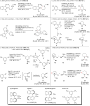
Scheme 3: Hydrogenation of heterocyclic aromatic rings.
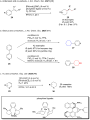
Scheme 4: Hydrogenation of the carbocyclic aromatic rings.
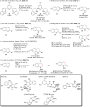
Scheme 5: Hydrogenation of the heterocycle part in bicyclic aromatic rings.
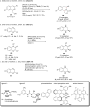
Scheme 6: Hydrogenation of the heterocycle part in bicyclic aromatic rings.
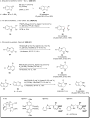
Scheme 7: Hydrogenation of benzofuran, indole, and their analogues.
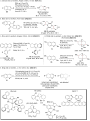
Scheme 8: Hydrogenation of benzofuran, indole, and their analogues.

Scheme 9: Total synthesis of (±)-keramaphidin B by Baldwin and co-workers.

Scheme 10: Total synthesis of (±)-LSD by Vollhardt and co-workers.

Scheme 11: Total synthesis of (±)-dihydrolysergic acid by Boger and co-workers.

Scheme 12: Total synthesis of (±)-lysergic acid by Smith and co-workers.

Scheme 13: Hydrogenation of (−)-tabersonine to (−)-decahydrotabersonine by Catherine Dacquet and co-workers.

Scheme 14: Total synthesis of (±)-nominine by Natsume and co-workers.
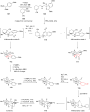
Scheme 15: Total synthesis of (+)-nominine by Gin and co-workers.

Scheme 16: Total synthesis of (±)-lemonomycinone and (±)-renieramycin by Magnus.

Scheme 17: Total synthesis of GB13 by Sarpong and co-workers.

Scheme 18: Total synthesis of GB13 by Shenvi and co-workers.

Scheme 19: Total synthesis of (±)-corynoxine and (±)-corynoxine B by Xia and co-workers.
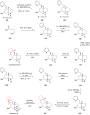
Scheme 20: Total synthesis of (+)-serratezomine E and the putative structure of huperzine N by Bonjoch and co-...

Scheme 21: Total synthesis of (±)-serralongamine A and the revised structure of huperzine N and N-epi-huperzin...

Scheme 22: Early attempts to indenopiperidine core.

Scheme 23: Homogeneous hydrogenation and completion of the synthesis.
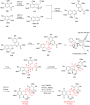
Scheme 24: Total synthesis of jorunnamycin A and jorumycin by Stoltz and co-workers.

Scheme 25: Early attempt towards (−)-finerenone by Aggarwal and co-workers.

Scheme 26: Enantioselective synthesis towards (−)-finerenone.

Scheme 27: Total synthesis of (+)-N-methylaspidospermidine by Smith, Grigolo and co-workers.

Scheme 28: Dearomatization approach towards matrine-type alkaloids.

Scheme 29: Asymmetric total synthesis to (−)-senepodine F via an asymmetric hydrogenation of pyridine.

Scheme 30: Selective hydrogenation of indole derivatives and application.
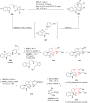
Scheme 31: Synthetic approaches to the oxindole alkaloids by Qi and co-workers.

Scheme 32: Total synthesis of annotinolide B by Smith and co-workers.
Advances in Zr-mediated radical transformations and applications to total synthesis
- Hiroshige Ogawa and
- Hugh Nakamura
Beilstein J. Org. Chem. 2026, 22, 71–87, doi:10.3762/bjoc.22.3
- conditions required. As an alternative, dithiane-based ketone synthesis has long been used, but it suffers from drawbacks in terms of step economy [10][11]. To address these limitations, the authors developed a radical-based one-pot ketone synthesis that proceeds under mild conditions. When thioester 11 and

Graphical Abstract

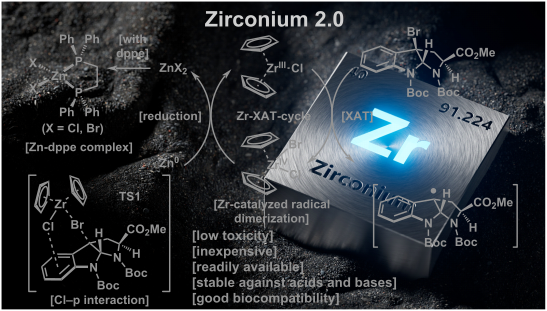
Figure 1: Historical background of zirconium and its physical properties. Image depicted in the background of ...

Scheme 1: Zr-mediated radical cyclization.
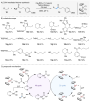
Scheme 2: Ni/Zr-mediated one-pot ketone synthesis.

Scheme 3: Zirconocene-catalyzed alkylative dimerization of 2-methylene-1,3-dithiane.

Scheme 4: Zirconium complexes as a photoredox catalyst.
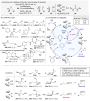
Scheme 5: Zr-catalyzed reductive ring opening of epoxides.

Scheme 6: Zr-catalyzed reductive ring opening of oxetanes. a10 mol % of Cp2Zr(OTf)2·THF was used. bPhCF3 was ...
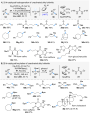
Scheme 7: Zr-catalyzed halogen atom transfer of alkyl chlorides.
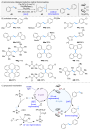
Scheme 8: Zr-catalyzed radical homo coupling of alkyl chlorides.

Scheme 9: Zr-catalyzed fluorine atom transfer.

Scheme 10: Zr-catalyzed C–O bond cleavage. aYield without the use of P(OEt)3.
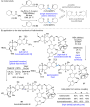
Scheme 11: Application to the total synthesis of halichondrins.
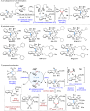
Scheme 12: Zr-catalyzed C3 dimerization of 3-bromotryptophan derivatives. aCp2ZrCl2 was used.

Scheme 13: Mechanistic studies.
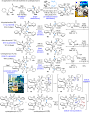
Scheme 14: Application to the total synthesis of cyctetryptomycins. A photo of compound 61b was taken by the a...
Chemoenzymatic synthesis of the cardenolide rhodexin A and its aglycone sarmentogenin
- Fuzhen Song,
- Mengmeng Zheng,
- Dongkai Wang,
- Xudong Qu and
- Qianghui Zhou
Beilstein J. Org. Chem. 2025, 21, 2637–2644, doi:10.3762/bjoc.21.204
- -electron demand Diels–Alder (IEDDA) reaction was utilized to successfully construct the BCD tricyclic structure with the correct configuration of the four contiguous stereocenters in just one step. However, the requirement of a series of protecting group manipulations undermined the step-economy and

Graphical Abstract

Figure 1: Representative CGs with promising biological activities.

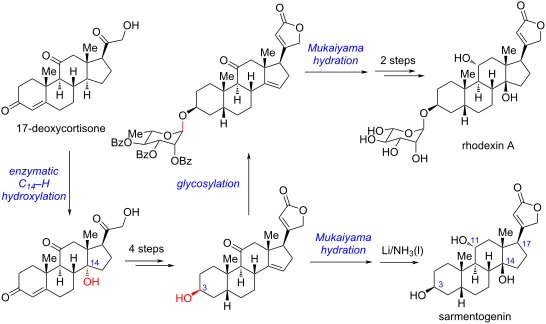
Scheme 1: Retrosynthetic analysis of rhodexin A and sarmentogenin.
Scheme 2: Chemoenzymatic synthesis of sarmentogenin (2).

Scheme 3: Synthesis of rhodexin A.
Total syntheses of highly oxidative Ryania diterpenoids facilitated by innovations in synthetic strategies
- Zhi-Qi Cao,
- Jin-Bao Qiao and
- Yu-Ming Zhao
Beilstein J. Org. Chem. 2025, 21, 2553–2570, doi:10.3762/bjoc.21.198
- ) studies. Conversely, the “biomimetic synthesis” strategy mimics nature’s enzyme-catalyzed pathways to construct target molecules in the laboratory, offering milder reaction conditions and more concise synthetic steps, while demonstrating excellent atom economy and step economy [5][6][7]. These powerful

Graphical Abstract

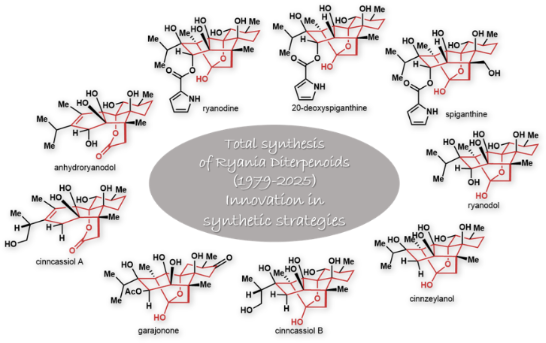
Scheme 1: Representative Ryania diterpenoids and their derivatives.
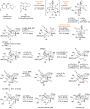
Scheme 2: Deslongchamps’s total synthesis of ryanodol (4).

Scheme 3: Deslongchamps’s total synthesis of 3-epi-ryanodol (5).
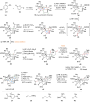
Scheme 4: Inoue’s total synthesis of ryanodol (4).

Scheme 5: Inoue’s total synthesis of ryanodine (1) from ryanodol (4).
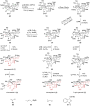
Scheme 6: Inoue’s total synthesis of cinncassiol A (9), cinncassiol B (7), cinnzeylanol (6), and 3-epi-ryanod...

Scheme 7: Reisman’s total synthesis of (+)-ryanodol (4).

Scheme 8: Reisman’s total synthesis of (+)-ryanodine (1) and (+)-20-deoxyspiganthine (2).

Scheme 9: Micalizio’s formal total synthesis of ryanodol (4).
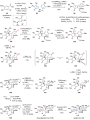
Scheme 10: Zhao’s total synthesis of garajonone (8).

Scheme 11: Zhao’s formal total synthesis of ryanodol (4) and ryanodine (1).
Comparative analysis of complanadine A total syntheses
- Reem Al-Ahmad and
- Mingji Dai
Beilstein J. Org. Chem. 2025, 21, 2334–2344, doi:10.3762/bjoc.21.178
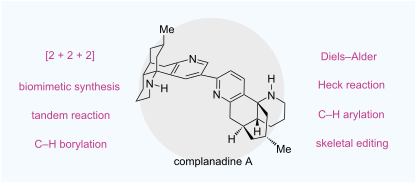
- efficiency and step-economy of natural product total synthesis. This symbiotic relationship has also helped to accelerate natural product biological evaluation and the subsequent biomedical development [1]. Lycopodium alkaloids are one of the largest families of natural products [2], from which famous

Graphical Abstract
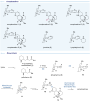
Scheme 1: Complanadine natural products and their plausible biosynthesis.

Scheme 2: The Siegel total synthesis of complanadine A enabled by [2 + 2 + 2] cycloadditions.
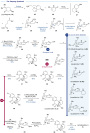
Scheme 3: The Sarpong total synthesis of complanadine A enabled by a biomimetic strategy and C–H activation.
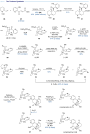
Scheme 4: The Tsukano total synthesis of complanadine A enabled by Diels–Alder cycloaddition, Heck cyclizatio...
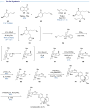
Scheme 5: The Dai total synthesis of complanadine A using single-atom skeletal editing.

Scheme 6: Comparative summary of the four complanadine A total syntheses.
Pathway economy in cyclization of 1,n-enynes
- Hezhen Han,
- Wenjie Mao,
- Bin Lin,
- Maosheng Cheng,
- Lu Yang and
- Yongxiang Liu
Beilstein J. Org. Chem. 2025, 21, 2260–2282, doi:10.3762/bjoc.21.173
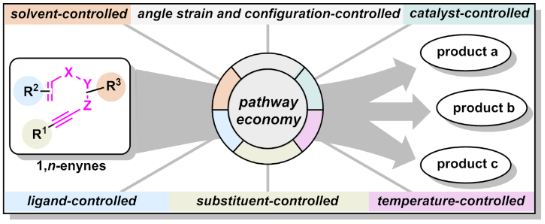
- enabling more efficient utilization of limited raw materials [1][2]. Two years later, Wender proposed “step economy” advocating optimized synthetic routes and strategies to minimize the number of steps required for constructing target molecules [3][4]. In 2008, “redox economy” was introduced by Baran [5
- circumvents cumbersome late-stage functional group manipulations and perfectly aligns with the principles of step economy, time economy, and redox economy. Over the past few decades, chemists have rapidly directed this efficient synthetic paradigm toward diverse targets by skillfully regulating reaction

Graphical Abstract

Scheme 1: Economical synthesis and pathway economy.

Scheme 2: Au(I)-catalyzed cascade cyclization paths of 1,5-enynes.

Scheme 3: Au(I)-catalyzed cyclization paths of 1,7-enynes.

Scheme 4: I2/TBHP-mediated radical cycloisomerization paths of 1,n-enyne.

Scheme 5: Au(I)-catalyzed cycloisomerization paths of 3-allyloxy-1,6-diynes.

Scheme 6: Pd(II)-catalyzed cycloisomerization paths of 2-alkynylbenzoate-cyclohexadienone.

Scheme 7: Stereoselective cyclization of 1,5-enynes.

Scheme 8: Substituent-controlled cycloisomerization of propargyl vinyl ethers.

Scheme 9: Au(I)-catalyzed pathway-controlled domino cyclization of 1,2-diphenylethynes.

Scheme 10: Au(I)-catalyzed tandem cyclo-isomerization of tryptamine-N-ethynylpropiolamide.

Scheme 11: Au(I)-catalyzed tunable cyclization of 1,6-cyclohexenylalkyne.

Scheme 12: Substituent-controlled 7-exo- and 8-endo-dig-selective cyclization of 2-propargylaminobiphenyl deri...

Scheme 13: BiCl3-catalyzed cycloisomerization of tryptamine-ynamide derivatives.

Scheme 14: Au(I)-mediated substituent-controlled cycloisomerization of 1,6-enynes.

Scheme 15: Ligand-controlled regioselective cyclization of 1,6-enynes.

Scheme 16: Ligand-dependent cycloisomerization of 1,7-enyne esters.

Scheme 17: Ligand-controlled cycloisomerization of 1,5-enynes.

Scheme 18: Ligand-controlled cyclization strategy of alkynylamide tethered alkylidenecyclopropanes.

Scheme 19: Ag(I)-mediated pathway-controlled cycloisomerization of tryptamine-ynamides.

Scheme 20: Gold-catalyzed cycloisomerization of indoles with alkynes.

Scheme 21: Catalyst-dependent cycloisomerization of dienol silyl ethers.

Scheme 22: Cycloisomerization of aromatic enynes governed by catalyst.

Scheme 23: Catalyst-dependent 1,2-migration in cyclization of 1-(indol-2-yl)-3-alkyn-1-ols.

Scheme 24: Gold-catalyzed cycloisomerization of N-propargyl-N-vinyl sulfonamides.

Scheme 25: Gold(I)-mediated enantioselective cycloisomerizations of ortho-(alkynyl)styrenes.

Scheme 26: Catalyst-controlled intramolecular cyclization of 1,7-enynes.

Scheme 27: Brønsted acid-catalyzed cycloisomerizations of tryptamine ynamides.

Scheme 28: Catalyst-controlled cyclization of indolyl homopropargyl amides.

Scheme 29: Angle strain-dominated 6-endo-trig cyclization of propargyl vinyl ethers.

Scheme 30: Angle strain-controlled cycloisomerization of alkyn-tethered indoles.

Scheme 31: Geometrical isomeration-dependent cycloisomerization of 1,3-dien-5-ynes.

Scheme 32: Temperature-controlled cyclization of 1,7-enynes.

Scheme 33: Cycloisomerizations of n-(o-ethynylaryl)acrylamides through temperature modulation.

Scheme 34: Temperature-controlled boracyclization of biphenyl-embedded 1,3,5-trien-7-ynes.
Fe-catalyzed efficient synthesis of 2,4- and 4-substituted quinolines via C(sp2)–C(sp2) bond scission of styrenes
- Prafull A. Jagtap,
- Manish M. Petkar,
- Vaishnavi R. Sawant and
- Bhalchandra M. Bhanage
Beilstein J. Org. Chem. 2025, 21, 1799–1807, doi:10.3762/bjoc.21.142
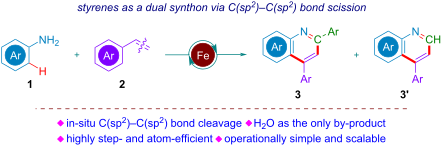
- features of this protocol include the use of O2 as an ideal, green oxidant, operational simplicity and scalability, high atom- and step-economy, and cost-effectiveness, collectively enabling the single-step synthesis of two medicinally relevant N-heterocycles in excellent combined yields. Keywords: C–C

Graphical Abstract

Figure 1: Representative examples of bioactive quinolines.

Scheme 1: C(sp2)–C(sp2) bond-cleavage strategies for quinoline synthesis.
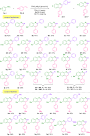
Scheme 2: Substrate scope of various arylamines and styrenes.

Scheme 3: Scale-up studies for the synthesis of antifungal agents.

Scheme 4: Mechanistic investigations.

Scheme 5: Plausible reaction mechanism.
Recent advances in amidyl radical-mediated photocatalytic direct intermolecular hydrogen atom transfer
- Hao-Sen Wang,
- Lin Li,
- Xin Chen,
- Jian-Li Wu,
- Kai Sun,
- Xiao-Lan Chen,
- Ling-Bo Qu and
- Bing Yu
Beilstein J. Org. Chem. 2025, 21, 1306–1323, doi:10.3762/bjoc.21.100
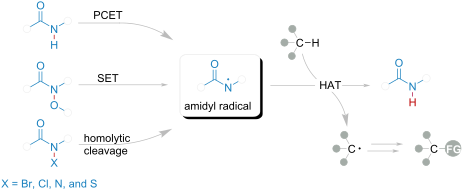
- C–C or C–heteroatom bonds. The incorporation of HAT strategies into the functionalization of C–H bonds represents a significant advancement in synthetic organic chemistry for their high atom economy and step economy. HAT reagents (HR), including alkoxyl, acyloxyl, halogen radicals, and amidyl

Graphical Abstract

Figure 1: (a) BDE of C–H. (b) Direct functionalization of C–H catalyzed by transition-metal. (c) Direct funct...
Figure 2: (a) Amidyl radical-enabled hydrogen atom transfer. (b) Substituent effects to amidyl radical proper...

Figure 3: Representative photocatalysts discussed in this review.

Scheme 1: Alkylation of C(sp3)–H catalyzed by amidyl radical under visible light.

Scheme 2: Direct heteroarylation of C(sp3)–H catalyzed by amidyl radical under visible light.

Scheme 3: Alkylation of C(sp3)–H catalyzed by amidyl radical and metal-free photocatalyst under visible light....

Scheme 4: Alkylation of C(sp3)–H, Si–H, and Ge–H catalyzed by amidyl radical under visible light.

Scheme 5: Direct heteroarylation of C(sp3)–H catalyzed by synergistic promotion of amidyl radical and photoca...

Scheme 6: Direct B–H functionalization of icosahedral carboranes catalyzed by amidyl radical under visible li...

Scheme 7: Nucleophilic amination of C(sp3)–H enabled by amidyl radical under visible light.
Scheme 8: Direct heteroarylation of C(sp3)–H and C(sp3)–H without the presence of strong bases, acids, or oxi...

Scheme 9: Xanthylation of C(sp3)–H addressed by amidyl radical under visible light.

Scheme 10: Xanthylation of C(sp3)–H in polyolefins addressed by amidyl radical under visible light.

Scheme 11: Site-selective C(sp3)–H bromination implemented by amidyl radical under visible light.

Scheme 12: Site-selective chlorination of C(sp3)–H in natural products implemented by amidyl radical under vis...
Scheme 13: Alkylation of C(sp3)–H catalyzed by amidyl radical photocatalyst under visible light.
New tandem Ugi/intramolecular Diels–Alder reaction based on vinylfuran and 1,3-butadienylfuran derivatives
- Yuriy I. Horak,
- Roman Z. Lytvyn,
- Andrii R. Vakhula,
- Yuriy V. Homza,
- Nazariy T. Pokhodylo and
- Mykola D. Obushak
Beilstein J. Org. Chem. 2025, 21, 444–450, doi:10.3762/bjoc.21.31
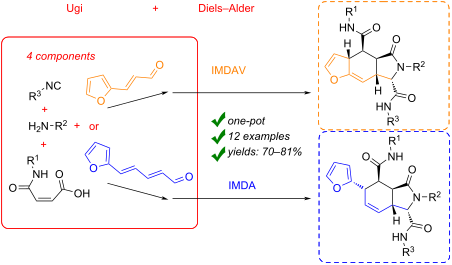
- and step-economy, making them promising for future commercial applications. Partly hydrogenated isoindoles and their derivatives exhibit broad biological activities and are considered privileged motifs in medicinal chemistry [20][21]. These compounds, when condensed with aromatics or heterocycles

Graphical Abstract

Figure 1: State of the art of Ugi/Diels–Alder reaction based on furan.
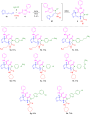
Scheme 1: Preparation of 4,4a,5,6,7,7a-hexahydro-3aH-furo[2,3-f]isoindoles via Ugi/IMDAV tandem reaction.

Scheme 2: Kinetic product 5 does not transform into thermodynamic product 6.

Scheme 3: Synthesis of compounds 6a.

Scheme 4: Synthesis of compound 7.

Scheme 5: Synthesis of compounds 9.
Cu(OTf)2-catalyzed multicomponent reactions
- Sara Colombo,
- Camilla Loro,
- Egle M. Beccalli,
- Gianluigi Broggini and
- Marta Papis
Beilstein J. Org. Chem. 2025, 21, 122–145, doi:10.3762/bjoc.21.7

- insights were outlined as well as cycloaddition and aza-Diels–Alder reactions were included. These strategies have gained attention due to their highly atom- and step-economy, one-step multi-bond forming, mild reaction conditions, low cost and easy handling. Keywords: cascade process; copper catalysis
- toxicity [3][4][5][6][7]. Multicomponent reactions are one of the most effective methods to assemble multiple reagents, thus facilitating access to the target molecules more quickly, due to atom/step economy, short reaction times, and eco-friendly benefits. Combining multicomponent reactions with

Graphical Abstract

Figure 1: Plausible general catalytic activation for ionic or radical mechanisms.

Scheme 1: Synthesis of α-aminonitriles 1.

Scheme 2: Synthesis of β-amino ketone or β-amino ester derivatives 3.

Scheme 3: Synthesis of 1-(α-aminoalkyl)-2-naphthol derivatives 4.

Scheme 4: Synthesis of thioaminals 5.
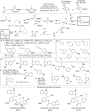
Scheme 5: Synthesis of aryl- or amine-containing alkanes 6 and 7.
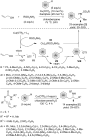
Scheme 6: Synthesis of 1-aryl-2-sulfonamidopropanes 8.

Scheme 7: Synthesis of α-substituted propargylamines 10.

Scheme 8: Synthesis of N-propargylcarbamates 11.

Scheme 9: Synthesis of (E)-vinyl sulfones 12.

Scheme 10: Synthesis of o-halo-substituted aryl chalcogenides 13.

Scheme 11: Synthesis of α-aminophosphonates 14.

Scheme 12: Synthesis of unsaturated furanones and pyranones 15–17.
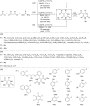
Scheme 13: Synthesis of substituted dihydropyrimidines 18.

Scheme 14: Regioselective synthesis of 1,4-dihydropyridines 20.

Scheme 15: Synthesis of tetrahydropyridines 21.

Scheme 16: Synthesis of furoquinoxalines 22.

Scheme 17: Synthesis of 2,4-substituted quinolines 23.
Scheme 18: Synthesis of cyclic ether-fused tetrahydroquinolines 24.

Scheme 19: Practical route for 1,2-dihydroisoquinolines 25.

Scheme 20: Synthesis of 2,3-dihydroquinazolin-4(1H)-one derivatives 26.

Scheme 21: Synthesis of polysubstituted pyrroles 27.

Scheme 22: Enantioselective synthesis of polysubstituted pyrrolidines 30 directed by the copper complex 29.

Scheme 23: Synthesis of 4,5-dihydropyrazoles 31.
Scheme 24: Synthesis of 2 arylisoindolinones 32.
Scheme 25: Synthesis of imidazo[1,2-a]pyridines 33.

Scheme 26: Synthesis of isoxazole-linked imidazo[1,2-a]azines 35.

Scheme 27: Synthesis of 2,3-dihydro-1,2,4-triazoles 36.

Scheme 28: Synthesis of naphthopyrans 37.

Scheme 29: Synthesis of benzo[g]chromene derivatives 38.

Scheme 30: Synthesis of naphthalene annulated 2-aminothiazoles 39, piperazinyl-thiazoloquinolines 40 and thiaz...

Scheme 31: Synthesis of furo[3,4-b]pyrazolo[4,3-f]quinolinones 42.

Scheme 32: Synthesis of spiroindoline-3,4’-pyrano[3,2-b]pyran-4-ones 43.

Scheme 33: Synthesis of N-(α-alkoxy)alkyl-1,2,3-triazoles 44.

Scheme 34: Synthesis of 4-(α-tetrasubstituted)alkyl-1,2,3-triazoles 45.
Enantioselective regiospecific addition of propargyltrichlorosilane to aldehydes catalyzed by biisoquinoline N,N’-dioxide
- Noble Brako,
- Sreerag Moorkkannur Narayanan,
- Amber Burns,
- Layla Auter,
- Valentino Cesiliano,
- Rajeev Prabhakar and
- Norito Takenaka
Beilstein J. Org. Chem. 2024, 20, 3069–3076, doi:10.3762/bjoc.20.255
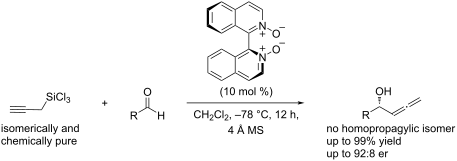
- -difunctionalization of borylenynes by catalytic conjugative cross-coupling [42]. Allenylation reagents that require regio-controlling auxiliaries such as a trimethylsilyl group (Scheme 2a) add steps before and/or after the reaction, thus they are less efficient in terms of atom- and step-economy [21][22][23][24][33

Graphical Abstract

Scheme 1: Metallotropic rearrangement and regioselectivity issues.

Scheme 2: Asymmetric catalytic allenylation of aldehydes.

Scheme 3: Selective preparation of propargyltrichlorosilane.

Scheme 4: Evaluation of C2-symmetric catalysts with benzaldehyde (1a) as a model aldehyde. Reaction condition...

Scheme 5: Evaluation of the extent to which (S)-8 catalyzed the allenylation reaction. Reaction conditions: a...

Figure 1: A potential energy surface (PES) for the proposed mechanism for (a) isomerization of propargyltrich...
One-pot Ugi-azide and Heck reactions for the synthesis of heterocyclic systems containing tetrazole and 1,2,3,4-tetrahydroisoquinoline
- Jiawei Niu,
- Yuhui Wang,
- Shenghu Yan,
- Yue Zhang,
- Xiaoming Ma,
- Qiang Zhang and
- Wei Zhang
Beilstein J. Org. Chem. 2024, 20, 912–920, doi:10.3762/bjoc.20.81
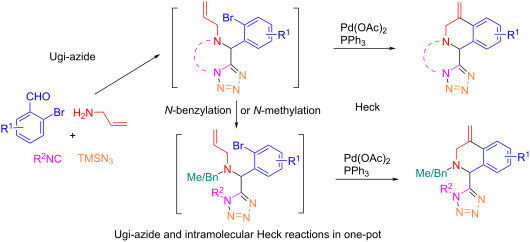
- and Heck cyclization reactions. The integration of the multicomponent and post-condensation reactions in one-pot maximizes the pot-, atom-, and step-economy (PASE). Keywords: Heck reaction; one-pot; tetrahydroisoquinoline; tetrazolo-pyrazino[2,1-a]isoquinolin-6(5H)-ones; tetrazole; Ugi-azide reaction
- strategy to develop high pot, atom and step economy (PASE) syntheses [54][55][56][57][58]. We then made the effort to integrate the Ugi and Heck reactions in one-pot for making tetrazolyl-1,2,3,4-tetrahydroisoquinolines 6. Thus, a mixture of 2-bromobenzaldehyde (1a, 1 mmol), allylamine hydrochloride (2, 1

Graphical Abstract

Figure 1: Representative bioactive tetrazole- and tetrahydroisoquinoline-containing compounds.

Scheme 1: The Ugi and Ugi-azide reactions.

Scheme 2: Ugi-azide and post-condensation reactions for the synthesis of various heterocyclic scaffolds.

Scheme 3: One-pot synthesis of tetrazolyl-1,2,3,4-tetrahydroisoquinoline.

Scheme 4: One-pot synthesis of tetrazolo-pyrazino[2,1-a]isoquinolin-6(5H)-ones 6.

Scheme 5: One-pot synthesis for tetrazolyl-1,2,3,4-tetrahydroisoquinolines 8.

Scheme 6: Gram-scale two-step one-pot synthesis of 6c.

Figure 2: ORTEP diagrams of compound 6d (left) [CCDC: 2164364] and 8c (right) [CCDC: 2321622].
Palladium-catalyzed three-component radical-polar crossover carboamination of 1,3-dienes or allenes with diazo esters and amines
- Geng-Xin Liu,
- Xiao-Ting Jie,
- Ge-Jun Niu,
- Li-Sheng Yang,
- Xing-Lin Li,
- Jian Luo and
- Wen-Hao Hu
Beilstein J. Org. Chem. 2024, 20, 661–671, doi:10.3762/bjoc.20.59
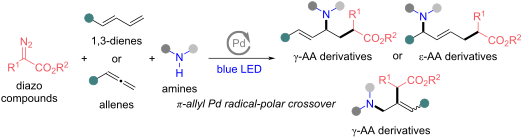
- alkene followed by a nucleophilic addition, is unknown (Scheme 1b, bottom). The radical-polar crossover strategy has been steadily emerging in synthetic organic chemistry during the last few years [43][44][45][46]. This strategy allows complex chemicals to be assembled with high step economy that would

Graphical Abstract
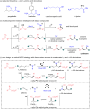
Scheme 1: Background (a and b) and proposed carboamination MCR with diazo esters (c). a) Selected bioactive γ...
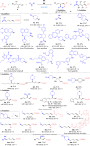
Scheme 2: Substrate scope of diazo compounds, 1,3-dienes and amines. aReactions (1/2/3/Pd(OAc)2/Xantphos = 0....
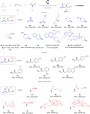
Scheme 3: Substrate scope of diazo compounds, allenes and amines. aReactions (1/5/3/Pd(OAc)2/Xantphos = 0.3.0...
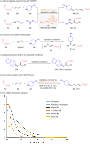
Scheme 4: Mechanistic experiments. a) Radical trapping experiments with TEMPO. b) Exclusion of possible inter...

Scheme 5: Proposed mechanisms for the carboamination of 1,3-dienes or allenes with diazo esters and amines.

Scheme 6: Scale-up reactions and synthetic transformations. Reaction conditions: a) LiAlH4, THF, 0 °C; b) MeM...
Decarboxylative 1,3-dipolar cycloaddition of amino acids for the synthesis of heterocyclic compounds
- Xiaofeng Zhang,
- Xiaoming Ma and
- Wei Zhang
Beilstein J. Org. Chem. 2023, 19, 1677–1693, doi:10.3762/bjoc.19.123
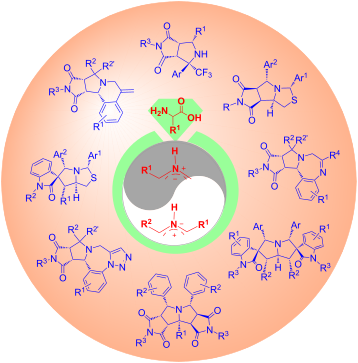
- -pot, and multistep reactions in the synthesis of heterocyclic compounds. The methods have advantages of using readily available starting materials, performing streamlined reactions, producing diverse product structures, and having high pot, atom, and step economy (PASE) [79][80][81] for the diversity

Graphical Abstract

Figure 1: Classification of AMYs.
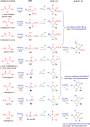
Scheme 1: Aminoester- and amino acid-based AMYs for single and double [3+2] cycloadditions.

Scheme 2: Formation of semi-stabilized AMYs B1 from pyrrolidines.

Scheme 3: Cyclic amine-based AMYs A3 and B1 for [3 + 2] cycloadditions.

Scheme 4: Proposed double cycloaddition reactions involving semi-stabilized AMYs.

Scheme 5: [3 + 2] Cycloaddition for the synthesis of trifluoromethylated pyrrolidines 9.

Figure 2: Biologically interesting pyrrolizidines.

Scheme 6: Double cycloadditions with glycine for the synthesis of products 10 (dr > 9:1).

Scheme 7: Double cycloadditions with α-substituted amino acids leading to products 11 (≈8.5:1 dr).

Scheme 8: Stereochemistry for the formation of products 10 or 11.

Scheme 9: One-pot and stepwise double cycloadditions. Conditions: i) MeCN (0.02 M), 90 °C, 6 h; ii) then AcOH...

Figure 3: Biologically interesting spirooxindole-pyrrolizidines.

Scheme 10: Double cycloadditions for the synthesis of bis[spirooxindole-pyrrolizidine]s.

Scheme 11: Mechanism for the diastereoselective synthesis of bis[spirooxindole-pyrrolizidine]s.

Scheme 12: Stepwise synthesis of triazolobenzodiazepine 21a.

Scheme 13: One-pot synthesis of triazolobenzodiazepines.

Figure 4: Bioactive triazolobenzodiazepine derivatives.

Scheme 14: One-pot synthesis of tetrahydropyrroloquinazolines.

Scheme 15: One-pot synthesis of tetrahydropyrrolobenzodiazepines.

Figure 5: Bioactive pyrroloquinazolines and pyrrolobenzodiazepines.

Scheme 16: Stepwise synthesis of pyrrolo[2,1-a]isoquinolines.

Figure 6: Bioactive pyrrolo[2,1-a]isoquinolines and hexahydropyrrolo[2,1-a]isoquinolines.

Figure 7: Bioactive tetrahydropyrrolothiazoles.

Scheme 17: Pseudo-four-component reaction for the synthesis of tetrahydropyrrolothiazoles 29 and 30 (>4:1 dr).

Scheme 18: One-pot two-step synthesis of spirooxindole-pyrrolothiazoles 31 (>4:1 dr).
Non-noble metal-catalyzed cross-dehydrogenation coupling (CDC) involving ether α-C(sp3)–H to construct C–C bonds
- Hui Yu and
- Feng Xu
Beilstein J. Org. Chem. 2023, 19, 1259–1288, doi:10.3762/bjoc.19.94
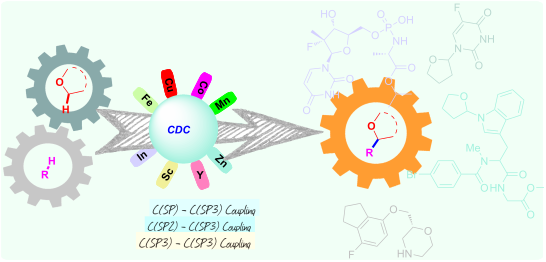
- are widespread as essential building blocks in various drugs, natural products, agrochemicals, and materials. Modern economy requires developing green strategies with improved efficiency and reduction of waste. Due to its atom and step-economy, the cross-dehydrogenative coupling (CDC) reaction has

Graphical Abstract
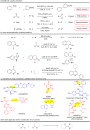
Scheme 1: Research progress of coupling reactions and active compounds containing α-C(sp3)-functionalized eth...

Scheme 2: Transition-metal-catalyzed CDC pathways.

Scheme 3: CDC of active methylene compounds in the α-C(sp3) position of ethers.

Scheme 4: InCl3/Cu(OTf)2/NHPI co-catalyzed CDC reaction.

Scheme 5: CDC of cyclic benzyl ethers with aldehydes.
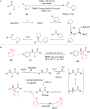
Scheme 6: Cu-catalyzed CDC of (a) unactivated C(sp3)–H ethers with simple ketones and (b) double C(sp3)−H fun...
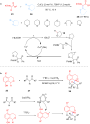
Scheme 7: Cu-catalyzed CDC of C(sp3)–H/C(sp3)–H bonds.

Scheme 8: Cu-catalyzed synthesis of chiral 2-substituted tetrahydropyrans.

Scheme 9: CDC of thiazole with cyclic ethers.

Scheme 10: Cu(I)-catalyzed oxidative alkenylation of simple ethers.

Scheme 11: Cross-dehydrogenation coupling of isochroman C(sp3)–H bonds with anisole C(sp2)–H bonds.

Scheme 12: Pd(OAc)2/Cu(OTf)2-catalyzed arylation of α-C(sp3)–H bonds of ethers.
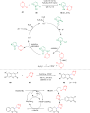
Scheme 13: Cu-catalyzed C(sp3)–H/C(sp2)–H activation strategies to construct C(sp3)–C(sp2) bonds.

Scheme 14: Cu(I)-catalyzed C(sp2)–H alkylation.
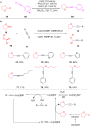
Scheme 15: Cu-catalyzed C(sp3)–H/C(sp)–H activation to construct C(sp3)–C(sp) bonds (H2BIP: 2,6-bis(benzimidaz...

Scheme 16: Fe-catalyzed CDC reaction pathways.

Scheme 17: Fe2(CO)9-catalyzed functionalization of C–H bonds.

Scheme 18: Ligand-promoted Fe-catalyzed CDC reaction of N-methylaniline with ethers.

Scheme 19: Fe-catalyzed CDC of C(sp3)–H/C(sp3)–H bonds.

Scheme 20: Fe-catalyzed hydroalkylation of α,β-unsaturated ketones with ethers.

Scheme 21: Solvent-free Fe(NO3)3-catalyzed CDC of C(sp3)–H/C(sp2)–H bonds.

Scheme 22: Alkylation of disulfide compounds to afford tetrasubstituted alkenes.

Scheme 23: Fe-catalyzed formation of 1,1-bis-indolylmethane derivatives.

Scheme 24: Alkylation of coumarins and flavonoids.

Scheme 25: Direct CDC α-arylation of azoles with ethers.

Scheme 26: CDC of terminal alkynes with C(sp3)–H bonds adjacent to oxygen, sulfur or nitrogen atoms.

Scheme 27: Alkylation of terminal alkynes.

Scheme 28: Co-catalyzed functionalization of glycine esters.
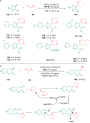
Scheme 29: Co-catalyzed construction of C(sp2)–C(sp3) bonds.

Scheme 30: Co-catalyzed CDC of imidazo[1,2-a]pyridines with isochroman.

Scheme 31: Co-catalyzed C–H alkylation of (benz)oxazoles with ethers.

Scheme 32: Cobalt-catalyzed CDC between unactivated C(sp2)–H and C(sp3)–H bonds.

Scheme 33: MnO2-catalyzed CDC of the inactive C(sp3)-H.

Scheme 34: Oxidative cross-coupling of ethers with enamides.

Scheme 35: Ni(II)-catalyzed CDC of indoles with 1,4-dioxane.

Scheme 36: Chemo- and regioselective ortho- or para-alkylation of pyridines.

Scheme 37: Asymmetric CDC of 3,6-dihydro-2H-pyrans with aldehydes.

Scheme 38: CDC of heterocyclic aromatics with ethers.

Scheme 39: Indium-catalyzed alkylation of DHPs with 1,3-dicarbonyl compounds.

Scheme 40: Rare earth-metal-catalyzed CDC reaction.

Scheme 41: Visible-light-driven CDC of cycloalkanes with benzazoles.

Scheme 42: Photoinduced alkylation of quinoline with cyclic ethers.

Scheme 43: Photocatalyzed CDC reactions between α-C(sp3)–H bonds of ethers and C(sp2)–H bonds of aromatics.
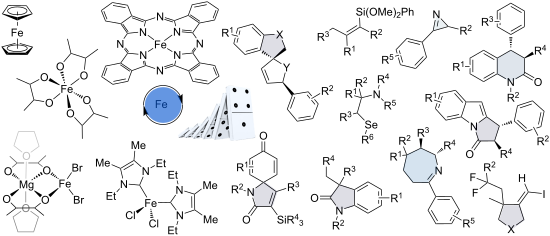
Iron-catalyzed domino coupling reactions of π-systems
- Austin Pounder and
- William Tam
Beilstein J. Org. Chem. 2021, 17, 2848–2893, doi:10.3762/bjoc.17.196
- chemists [79]. Such coupling eliminates the need for prefunctionalization of the substrate, thus making synthetic schemes shorter and more efficient improving the atom and step-economy of the reaction. Other than the clear economic benefits CDC offers, it’s also a facile method for the coupling of sp3 C–H

Graphical Abstract

Figure 1: Price comparison among iron and other transition metals used in catalysis.

Scheme 1: Typical modes of C–C bond formation.

Scheme 2: The components of an iron-catalyzed domino reaction.
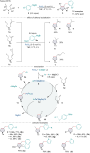
Scheme 3: Iron-catalyzed tandem cyclization and cross-coupling reactions of iodoalkanes 1 with aryl Grignard ...
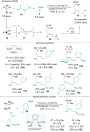
Scheme 4: Three component iron-catalyzed dicarbofunctionalization of vinyl cyclopropanes 14.
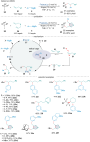
Scheme 5: Three-component iron-catalyzed dicarbofunctionalization of alkenes 21.

Scheme 6: Double carbomagnesiation of internal alkynes 31 with alkyl Grignard reagents 32.

Scheme 7: Iron-catalyzed cycloisomerization/cross-coupling of enyne derivatives 35 with alkyl Grignard reagen...
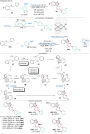
Scheme 8: Iron-catalyzed spirocyclization/cross-coupling cascade.
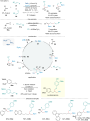
Scheme 9: Iron-catalyzed alkenylboration of alkenes 50.
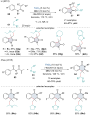
Scheme 10: N-Alkyl–N-aryl acrylamide 60 CDC cyclization with C(sp3)–H bonds adjacent to a heteroatom.

Scheme 11: 1,2-Carboacylation of activated alkenes 60 with aldehydes 65 and alcohols 67.
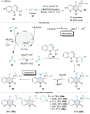
Scheme 12: Iron-catalyzed dicarbonylation of activated alkenes 68 with alcohols 67.
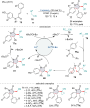
Scheme 13: Iron-catalyzed cyanoalkylation/radical dearomatization of acrylamides 75.

Scheme 14: Synergistic photoredox/iron-catalyzed 1,2-dialkylation of alkenes 82 with common alkanes 83 and 1,3...

Scheme 15: Iron-catalyzed oxidative coupling/cyclization of phenol derivatives 86 and alkenes 87.

Scheme 16: Iron-catalyzed carbosulfonylation of activated alkenes 60.

Scheme 17: Iron-catalyzed oxidative spirocyclization of N-arylpropiolamides 91 with silanes 92 and tert-butyl ...

Scheme 18: Iron-catalyzed free radical cascade difunctionalization of unsaturated benzamides 94 with silanes 92...

Scheme 19: Iron-catalyzed cyclization of olefinic dicarbonyl compounds 97 and 100 with C(sp3)–H bonds.

Scheme 20: Radical difunctionalization of o-vinylanilides 102 with ketones and esters 103.

Scheme 21: Dehydrogenative 1,2-carboamination of alkenes 82 with alkyl nitriles 76 and amines 105.

Scheme 22: Iron-catalyzed intermolecular 1,2-difunctionalization of conjugated alkenes 107 with silanes 92 and...

Scheme 23: Four-component radical difunctionalization of chemically distinct alkenes 114/115 with aldehydes 65...

Scheme 24: Iron-catalyzed carbocarbonylation of activated alkenes 60 with carbazates 117.
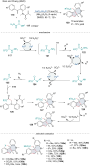
Scheme 25: Iron-catalyzed radical 6-endo cyclization of dienes 119 with carbazates 117.

Scheme 26: Iron-catalyzed decarboxylative synthesis of functionalized oxindoles 130 with tert-butyl peresters ...
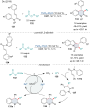
Scheme 27: Iron‑catalyzed decarboxylative alkylation/cyclization of cinnamamides 131/134.

Scheme 28: Iron-catalyzed carbochloromethylation of activated alkenes 60.

Scheme 29: Iron-catalyzed trifluoromethylation of dienes 142.

Scheme 30: Iron-catalyzed, silver-mediated arylalkylation of conjugated alkenes 115.

Scheme 31: Iron-catalyzed three-component carboazidation of conjugated alkenes 115 with alkanes 101/139b and t...

Scheme 32: Iron-catalyzed carboazidation of alkenes 82 and alkynes 160 with iodoalkanes 20 and trimethylsilyl ...

Scheme 33: Iron-catalyzed asymmetric carboazidation of styrene derivatives 115.

Scheme 34: Iron-catalyzed carboamination of conjugated alkenes 115 with alkyl diacyl peroxides 163 and acetoni...

Scheme 35: Iron-catalyzed carboamination using oxime esters 165 and arenes 166.

Scheme 36: Iron-catalyzed iminyl radical-triggered [5 + 2] and [5 + 1] annulation reactions with oxime esters ...

Scheme 37: Iron-catalyzed decarboxylative alkyl etherification of alkenes 108 with alcohols 67 and aliphatic a...

Scheme 38: Iron-catalyzed inter-/intramolecular alkylative cyclization of carboxylic acid and alcohol-tethered...

Scheme 39: Iron-catalyzed intermolecular trifluoromethyl-acyloxylation of styrene derivatives 115.

Scheme 40: Iron-catalyzed carboiodination of terminal alkenes and alkynes 180.

Scheme 41: Copper/iron-cocatalyzed cascade perfluoroalkylation/cyclization of 1,6-enynes 183/185.

Scheme 42: Iron-catalyzed stereoselective carbosilylation of internal alkynes 187.

Scheme 43: Synergistic photoredox/iron catalyzed difluoroalkylation–thiolation of alkenes 82.

Scheme 44: Iron-catalyzed three-component aminoazidation of alkenes 82.

Scheme 45: Iron-catalyzed intra-/intermolecular aminoazidation of alkenes 194.

Scheme 46: Stereoselective iron-catalyzed oxyazidation of enamides 196 using hypervalent iodine reagents 197.
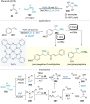
Scheme 47: Iron-catalyzed aminooxygenation for the synthesis of unprotected amino alcohols 200.

Scheme 48: Iron-catalyzed intramolecular aminofluorination of alkenes 209.
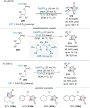
Scheme 49: Iron-catalyzed intramolecular aminochlorination and aminobromination of alkenes 209.

Scheme 50: Iron-catalyzed intermolecular aminofluorination of alkenes 82.

Scheme 51: Iron-catalyzed aminochlorination of alkenes 82.

Scheme 52: Iron-catalyzed phosphinoylazidation of alkenes 108.
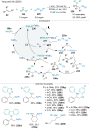
Scheme 53: Synergistic photoredox/iron-catalyzed three-component aminoselenation of trisubstituted alkenes 82.
Me3Al-mediated domino nucleophilic addition/intramolecular cyclisation of 2-(2-oxo-2-phenylethyl)benzonitriles with amines; a convenient approach for the synthesis of substituted 1-aminoisoquinolines
- Krishna M. S. Adusumalli,
- Lakshmi N. S. Konidena,
- Hima B. Gandham,
- Krishnaiah Kumari,
- Krishna R. Valluru,
- Satya K. R. Nidasanametla,
- Venkateswara R. Battula and
- Hari K. Namballa
Beilstein J. Org. Chem. 2021, 17, 2765–2772, doi:10.3762/bjoc.17.186
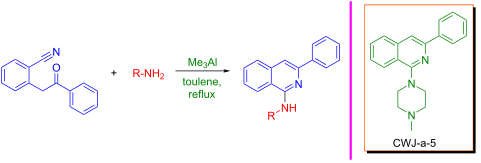
- the nitrogen atom of the cyano group into heterocyclic products is still challenging for the synthetic community. In an effort to develop a synthetic strategy for 1-aminoisoquinolines with increased selectivity and step economy by minimizing the generation of byproducts, we hypothesized that if

Graphical Abstract

Figure 1: Biologically active 1-aminoisoquinolines.
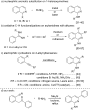
Scheme 1: Comparison of our work with the previous approaches for the synthesis of 1-aminoisoquinolines.
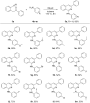
Scheme 2: Substrate scope of anilines for the synthesis of 1-aminoisoquinolines (5a–m). Reaction conditions: 3...

Scheme 3: Substrate scope of 2-(2-oxo-2-phenylethyl)benzonitrile (3b–e) for the synthesis of 1-aminoisoquinol...

Scheme 4: Substrate scope of aliphatic amines for the synthesis of 1-aminoisoquinolines (5v–x), gram-scale sy...

Scheme 5: Proposed mechanism for the synthesis of 1-aminoisoquinoline 5a.
Microwave-assisted multicomponent reactions in heterocyclic chemistry and mechanistic aspects
- Shivani Gulati,
- Stephy Elza John and
- Nagula Shankaraiah
Beilstein J. Org. Chem. 2021, 17, 819–865, doi:10.3762/bjoc.17.71
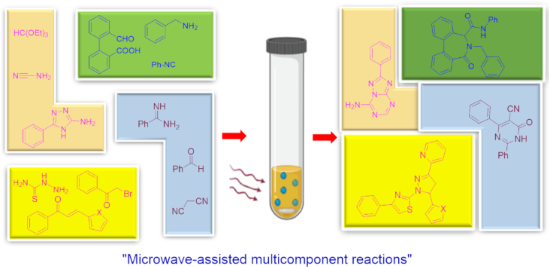
- as reduction in waste generation, step-economy, minimum use of solvents, along with atom and bond-forming economy. In addition, MCRs are eco-friendly with simple purification procedures, faster reactions favoring chemo- and regioselectivity in some cases [5][6][7]. The multicomponent strategy has

Graphical Abstract

Figure 1: Marketed drugs with acridine moiety.

Scheme 1: Synthesis of 4-arylacridinediones.

Scheme 2: Proposed mechanism for acridinedione synthesis.

Scheme 3: Synthesis of tetrahydrodibenzoacridinones.

Scheme 4: Synthesis of naphthoacridines.

Scheme 5: Plausible mechanism for naphthoacridines.
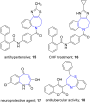
Figure 2: Benzoazepines based potent molecules.

Scheme 6: Synthesis of azepinone.

Scheme 7: Proposed mechanism for azepinone formation.

Scheme 8: Synthesis of benzoazulenen-1-one derivatives.

Scheme 9: Proposed mechanism for benzoazulene-1-one synthesis.

Figure 3: Indole-containing pharmacologically active molecules.

Scheme 10: Synthesis of functionalized indoles.

Scheme 11: Plausible mechanism for the synthesis of functionalized indoles.

Scheme 12: Synthesis of spirooxindoles.

Scheme 13: Synthesis of substituted spirooxindoles.

Scheme 14: Plausible mechanism for the synthesis of substituted spirooxindoles.

Scheme 15: Synthesis of pyrrolidinyl spirooxindoles.

Scheme 16: Proposed mechanism for pyrrolidinyl spirooxindoles.

Figure 4: Pyran-containing biologically active molecules.

Scheme 17: Synthesis of functionalized benzopyrans.

Scheme 18: Plausible mechanism for synthesis of benzopyran.

Scheme 19: Synthesis of indoline-spiro-fused pyran derivatives.

Scheme 20: Proposed mechanism for indoline-spiro-fused pyran.

Scheme 21: Synthesis of substituted naphthopyrans.

Figure 5: Marketed drugs with pyrrole ring.

Scheme 22: Synthesis of tetra-substituted pyrroles.

Scheme 23: Mechanism for silica-supported PPA-SiO2-catalyzed pyrrole synthesis.

Scheme 24: Synthesis of pyrrolo[1,10]-phenanthrolines.

Scheme 25: Proposed mechanism for pyrrolo[1,10]-phenanthrolines.

Figure 6: Marketed drugs and molecules containing pyrimidine and pyrimidinones skeletons.

Scheme 26: MWA-MCR pyrimidinone synthesis.

Scheme 27: Two proposed mechanisms for pyrimidinone synthesis.

Scheme 28: MWA multicomponent synthesis of dihydropyrimidinones.

Scheme 29: Proposed mechanism for dihydropyrimidinones.

Figure 7: Biologically active fused pyrimidines.

Scheme 30: MWA- MCR for the synthesis of pyrrolo[2,3-d]pyrimidines.

Scheme 31: Proposed mechanism for pyrrolo[2,3-d]pyrimidines.

Scheme 32: Synthesis of substituted pyrrolo[2,3-d]pyrimidine-2,4-diones.

Scheme 33: Probable pathway for pyrrolo[2,3-d]pyrimidine-2,4-diones.

Scheme 34: Synthesis of pyridopyrimidines.

Scheme 35: Plausible mechanism for the synthesis of pyridopyrimidines.

Scheme 36: Synthesis of dihydropyridopyrimidine and dihydropyrazolopyridine.

Scheme 37: Proposed mechanism for the formation of dihydropyridopyrimidine.

Scheme 38: Synthesis of thiopyrano[4,3-d]pyrimidines.

Scheme 39: Plausible mechanism for the synthesis of thiopyrano[4,3-d]pyrimidines.

Scheme 40: Synthesis of decorated imidazopyrimidines.

Scheme 41: Proposed mechanism for imidazopyrimidine synthesis.

Figure 8: Pharmacologically active molecules containing purine bases.

Scheme 42: Synthesis of aza-adenines.

Scheme 43: Synthesis of 5-aza-7-deazapurines.
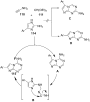
Scheme 44: Proposed mechanism for deazapurines synthesis.

Figure 9: Biologically active molecules containing pyridine moiety.

Scheme 45: Synthesis of steroidal pyridines.

Scheme 46: Proposed mechanism for steroidal pyridine.

Scheme 47: Synthesis of N-alkylated 2-pyridones.

Scheme 48: Two possible mechanisms for pyridone synthesis.

Scheme 49: Synthesis of pyridone derivatives.

Scheme 50: Postulated mechanism for synthesis of pyridone.

Figure 10: Biologically active fused pyridines.

Scheme 51: Benzimidazole-imidazo[1,2-a]pyridines synthesis.

Scheme 52: Mechanism for the synthesis of benzimidazole-imidazo[1,2-a]pyridines.

Scheme 53: Synthesis of pyrazolo[3,4-b]pyridine-5-spirocycloalkanedione derivatives.

Scheme 54: Proposed mechanism for spiro-pyridines.

Scheme 55: Functionalized macrocyclane-fused pyrazolo[3,4-b]pyridine derivatives.

Scheme 56: Mechanism postulated for macrocyclane-fused pyrazolo[3,4-b]pyridine.

Scheme 57: Generation of pyrazolo[3,4-b]pyridines.

Scheme 58: Proposed mechanism for the synthesis of pyrazolo[3,4-b]pyridines.

Scheme 59: Proposed mechanism for the synthesis of azepinoindole.

Figure 11: Pharmaceutically important molecules with quinoline moiety.

Scheme 60: Povarov-mediated quinoline synthesis.

Scheme 61: Proposed mechanism for Povarov reaction.

Scheme 62: Synthesis of pyrazoloquinoline.

Scheme 63: Plausible mechanism for pyrazoloquinoline synthesis.

Figure 12: Quinazolinones as pharmacologically significant scaffolds.

Scheme 64: Four-component reaction for dihydroquinazolinone.

Scheme 65: Proposed mechanism for dihydroquinazolinones.

Scheme 66: Synthesis purine quinazolinone and PI3K-δ inhibitor.

Scheme 67: Synthesis of fused benzothiazolo/benzoimidazoloquinazolinones.

Scheme 68: Proposed mechanism for fused benzothiazolo/benzoimidazoloquinazolinones.

Scheme 69: On-water reaction for synthesis of thiazoloquinazolinone.

Scheme 70: Proposed mechanism for the thiazoloquinazolinone synthesis.

Scheme 71: β-Cyclodextrin-mediated synthesis of indoloquinazolinediones.

Scheme 72: Proposed mechanism for synthesis of indoloquinazolinediones.

Figure 13: Triazoles-containing marketted drugs and pharmacologically active molecules.

Scheme 73: Cu(I) DAPTA-catalyzed 1,2,3-triazole formation.

Scheme 74: Mechanism for Cu(I) DAPTA-catalyzed triazole formation.

Scheme 75: Synthesis of β-hydroxy-1,2,3-triazole.

Scheme 76: Proposed mechanism for synthesis of β-hydroxy-1,2,3-triazoles.

Scheme 77: Synthesis of bis-1,2,4-triazoles.

Scheme 78: Proposed mechanism for bis-1,2,4-triazoles synthesis.

Figure 14: Thiazole containing drugs.

Scheme 79: Synthesis of a substituted thiazole ring.

Scheme 80: Synthesis of pyrazolothiazoles.

Figure 15: Chromene containing drugs.

Scheme 81: Magnetic nanocatalyst-mediated aminochromene synthesis.

Scheme 82: Proposed mechanism for the synthesis of chromenes.
Pentannulation of N-heterocycles by a tandem gold-catalyzed [3,3]-rearrangement/Nazarov reaction of propargyl ester derivatives: a computational study on the crucial role of the nitrogen atom
- Giovanna Zanella,
- Martina Petrović,
- Dina Scarpi,
- Ernesto G. Occhiato and
- Enrique Gómez-Bengoa
Beilstein J. Org. Chem. 2020, 16, 3059–3068, doi:10.3762/bjoc.16.255
- substrates. Keywords: DFT calculations; gold catalysis; Nazarov reaction; N-heterocycles; Introduction In the development of new and effective catalysts, step economy is surely one of the major goals. A reduction of the number of steps in the synthesis of complex compounds can be attained by cascade

Graphical Abstract

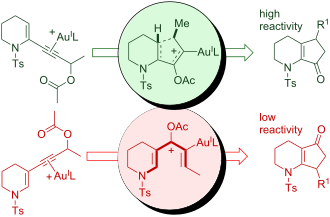
Figure 1: Tandem acetate rearrangement/Nazarov cyclization of different substrates.

Figure 2: DFT-computed energy profile of the tandem Au(I)-catalyzed [3,3]-rearrangement/Nazarov reaction of 3...

Figure 3: DFT-computed energy profile of the tandem Au(I)-catalyzed [3,3]-rearrangement/Nazarov reaction of 2...

Figure 4: Computed comparison of the NBO charges of 2- and 3-substituted substrates.

Figure 5: Single-step transformation of IV to IX.

Figure 6: Triflate-promoted hydrogen abstraction and protodeauration with HOTf.

Figure 7: Triflate-mediated abstraction of the hydrogen atom Ha and protodeauration.

Scheme 1: Synthesis of the enynyl acetate starting material 14.

Scheme 2: Synthesis and cyclization of enynyl acetate 20.
Synthesis of pyrrolidinedione-fused hexahydropyrrolo[2,1-a]isoquinolines via three-component [3 + 2] cycloaddition followed by one-pot N-allylation and intramolecular Heck reactions
- Xiaoming Ma,
- Suzhi Meng,
- Xiaofeng Zhang,
- Qiang Zhang,
- Shenghu Yan,
- Yue Zhang and
- Wei Zhang
Beilstein J. Org. Chem. 2020, 16, 1225–1233, doi:10.3762/bjoc.16.106
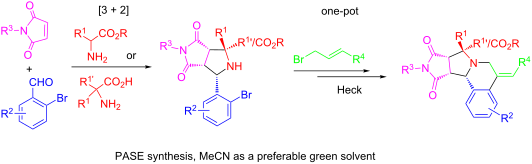
- ]isoquinolines. The multicomponent reaction was combined with one-pot reactions to make a synthetic method with good pot, atom and step economy. MeCN was used as a preferable green solvent for the reactions. Keywords: [3 + 2] cycloaddition; Heck reaction; hexahydropyrrolo[2,1-a]isoquinoline; one-pot reactions
- reactions to make it a green synthetic method with pot, atom and step economy (PASE) [55][56]. Results and Discussion Following the reported procedures for amino ester- and amino acid-based [3 + 2] cycloaddition reactions, pyrrolidine adducts 5 and 6 were synthesized by a three-component reaction of 1 or 2

Graphical Abstract

Figure 1: Bioactive pyrrolo[2,1-a]isoquinolines and hexahydropyrrolo[2,1-a]isoquinolines.

Scheme 1: [3 + 2] Cycloaddition with amino esters or amino acids.

Scheme 2: Scaffolds derived from the initial [3 + 2] adducts.

Scheme 3: [3 + 2] Cycloaddition with amino esters or amino acids. Conditions: 1:3:4 (1.2:1:1.1), Et3N (1.5 eq...

Scheme 4: Synthesis of pyrrolo[2,1-a]isoquinolines 9. Reaction conditions: 5 (0.5 mmol, 1 equiv), 7 (3 equiv)...

Scheme 5: Synthesis of pyrrolo[2,1-a]isoquinolines 11. Reaction conditions: 6 (0.5 mmol, 1 equiv), 7 (3 equiv...

Scheme 6: Synthesis of pyrrolo[2,1-a]isoquinolines 12. Reaction conditions: 5 or 6 (0.5 mmol, 1 equiv), cinna...

Scheme 7: Plausible mechanism for the synthesis of 9a.
Bipyrrole boomerangs via Pd-mediated tandem cyclization–oxygenation. Controlling reaction selectivity and electronic properties
- Liliia Moshniaha,
- Marika Żyła-Karwowska,
- Joanna Cybińska,
- Piotr J. Chmielewski,
- Ludovic Favereau and
- Marcin Stępień
Beilstein J. Org. Chem. 2020, 16, 895–903, doi:10.3762/bjoc.16.81
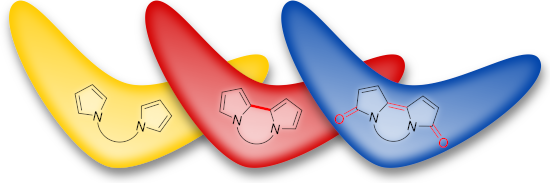
- reductive Ullmann-type chemistry [15], catalytic direct arylations [11][14][16][17], photoinduced cyclodehydrochlorinations [18][19], or nucleophilic oxidative couplings [20], which may offer milder reaction conditions and superior regioselectivities, at the expense of atom and step economy [21]. The latter

Graphical Abstract

Scheme 1: The previously reported family of the boomerang bipyrroles obtained by Pd-induced double C–H bond a...
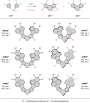
Scheme 2: Synthesis and structures of α-free and α-oxygenated bipyrrole boomerangs. Reagents and conditions: ...

Figure 1: DFT-Optimized structures (B3LYP/6-31G(d,p)) of cNDA2O and cNMI3H.

Figure 2: Absorption and emission spectra of cNMI2H (top) and cNMI3H (bottom) measured in toluene, dichlorome...
Room-temperature Pd/Ag direct arylation enabled by a radical pathway
- Amy L. Mayhugh and
- Christine K. Luscombe
Beilstein J. Org. Chem. 2020, 16, 384–390, doi:10.3762/bjoc.16.36
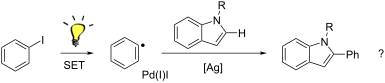
- growth are the expensive, toxic, and energy-intensive methods in which these materials are typically prepared [1]. Direct arylation is one solution to these problems, which allows improved atom and step economy in polymer synthesis. Traditional coupling methods form a new C–C bond using a reactive C–M

Graphical Abstract

Scheme 1: A high yielding, highly selective room-temperature direct arylation reaction between indole and iod...

Figure 1: 1H NMR (500 MHz, CDCl3) of (a) 5-iodo-1-octylindole monomer (b) PIn prepared according to condition...
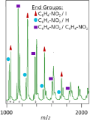
Figure 2: MALDI–TOF MS of PIn, indicating octylindole repeat units with three different types of end groups. ...

Scheme 2: Commonly discussed mechanisms for C2 selective direct arylation, none containing radical intermedia...

Scheme 3: Proposed mechanism for palladium radical involved reaction between indole and iodobenzene.

Scheme 4: Radical trap effects on literature methods for the direct arylation at room temperature. A) From re...
A review of asymmetric synthetic organic electrochemistry and electrocatalysis: concepts, applications, recent developments and future directions
- Munmun Ghosh,
- Valmik S. Shinde and
- Magnus Rueping
Beilstein J. Org. Chem. 2019, 15, 2710–2746, doi:10.3762/bjoc.15.264
- renaissance by virtue of its greenness, sustainability, atom economy, step economy and inherent safety. Achieving stereocontrol in such organic electrochemical reactions remains a major synthetic challenge and hence demands great expertise. This review provides a comprehensive discussion of the details of
- organic chemists towards reaching targets selectively from readily available starting materials using low cost, nontoxic reagents and solvents while maintaining high atom and step economy and minimizing waste production with respect to safety standards, electroorganic chemistry (EOC) stands out as a

Graphical Abstract

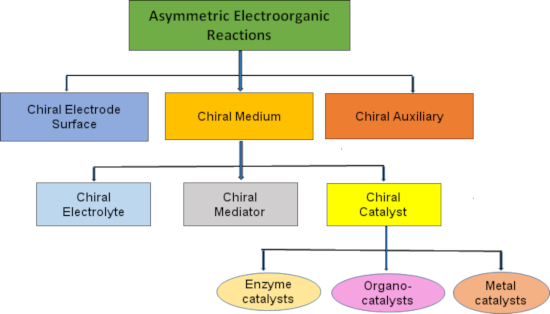
Figure 1: General classification of asymmetric electroorganic reactions.

Scheme 1: Asymmetric reduction of 4-acetylpyridine using a modified graphite cathode.

Scheme 2: Asymmetric hydrogenation of ketones using Raney nickel powder electrodes modified with optically ac...

Scheme 3: Asymmetric reduction of prochiral activated olefins with a poly-ʟ-valine-coated graphite cathode.

Scheme 4: Asymmetric reduction of prochiral carbonyl compounds, oximes and gem-dibromides on a poly-ʟ-valine-...

Scheme 5: Asymmetric hydrogenation of prochiral ketones with poly[RuIII(L)2Cl2]+-modified carbon felt cathode...

Scheme 6: Asymmetric hydrogenation of α-keto esters using chiral polypyrrole film-coated cathode incorporated...

Scheme 7: Quinidine and cinchonidine alkaloid-induced asymmetric electroreduction of acetophenone.

Scheme 8: Asymmetric electroreduction of 4- and 2-acetylpyridines at a mercury cathode in the presence of a c...

Scheme 9: Enantioselective reduction of 4-methylcoumarin in the presence of catalytic yohimbine.

Scheme 10: Cinchonine-induced asymmetric electrocarboxylation of 4-methylpropiophenone.

Scheme 11: Enantioselective hydrogenation of methyl benzoylformate using an alkaloid entrapped silver cathode.

Scheme 12: Alkaloid-induced enantioselective hydrogenation using a Cu nanoparticle cathode.

Scheme 13: Alkaloid-induced enantioselective hydrogenation of aromatic ketones using a bimetallic Pt@Cu cathod...

Scheme 14: Enantioselective reduction of ketones at mercury cathode using N,N'-dimethylquininium tetrafluorobo...

Scheme 15: Asymmetric synthesis of an amino acid using an electrode modified with amino acid oxidase and elect...

Scheme 16: Asymmetric oxidation of p-tolyl methyl sulfide using chemically modified graphite anode.

Scheme 17: Asymmetric oxidation of unsymmetric sulfides using poly(amino acid)-coated electrodes.

Scheme 18: Enantioselective, electocatalytic oxidative coupling on TEMPO-modified graphite felt electrode in t...

Scheme 19: Asymmetric electrocatalytic oxidation of racemic alcohols on a TEMPO-modified graphite felt electro...

Scheme 20: Asymmetric electrocatalytic lactonization of diols on TEMPO-modified graphite felt electrodes.

Scheme 21: Asymmetric electrochemical pinacolization in a chiral solvent.

Scheme 22: Asymmetric electroreduction using a chiral supporting electrolyte.

Scheme 23: Asymmetric anodic oxidation of enol acetates using chiral supporting electrolytes.

Scheme 24: Kinetic resolution of primary amines using a chiral N-oxyl radical mediator.

Scheme 25: Chiral N-oxyl-radical-mediated kinetic resolution of secondary alcohols via electrochemical oxidati...

Scheme 26: Chiral iodoarene-mediated asymmetric electrochemical lactonization.

Scheme 27: Os-catalyzed electrochemical asymmetric dihydroxylation of olefins using the Sharpless ligand and i...

Scheme 28: Asymmetric electrochemical epoxidation of olefins catalyzed by a chiral Mn-salen complex.

Scheme 29: Asymmetric electrooxidation of 1,2-diols, and amino alcohols using a chiral copper catalyst.

Scheme 30: Mechanism of asymmetric electrooxidation of 1,2-diols, and amino alcohols using a chiral copper cat...

Scheme 31: Enantioselective electrocarboxylation catalyzed by an electrogenerated chiral [CoI(salen)]− complex....

Scheme 32: Asymmetric oxidative cross coupling of 2-acylimidazoles with silyl enol ethers.

Scheme 33: Ni-catalyzed asymmetric electroreductive cleavage of allylic β-keto ester 89.

Scheme 34: Asymmetric alkylation using a combination of electrosynthesis and a chiral Ni catalyst.

Scheme 35: Mechanism of asymmetric alkylation using a combination of electrosynthesis and a chiral Ni catalyst....

Scheme 36: Asymmetric epoxidation by electrogenerated percarbonate and persulfate ions in the presence of chir...

Scheme 37: α-Oxyamination of aldehydes via anodic oxidation catalyzed by chiral secondary amines.

Scheme 38: The α-alkylation of aldehydes via anodic oxidation catalyzed by chiral secondary amines.
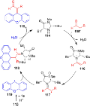
Scheme 39: Mechanism of α-alkylation of aldehydes via anodic oxidation catalyzed by chiral secondary amines.

Scheme 40: Electrochemical chiral secondary amine-catalyzed intermolecular α-arylation of aldehydes.

Scheme 41: Mechanism of electrochemical chiral secondary amine-catalyzed intermolecular α-arylation of aldehyd...

Scheme 42: Asymmetric cross-dehydrogenative coupling of tertiary amines with simple ketones via an electrochem...

Scheme 43: Electroenzymatic asymmetric reduction using enoate reductase.

Scheme 44: Assymetric reduction using alcohol dehydrogenase as the electrocatalyst.

Scheme 45: Asymmetric electroreduction catalyzed by thermophilic NAD-dependent alcohol dehydrogenase.

Scheme 46: Asymmetric epoxidation of styrene by electrochemical regeneration of flavin-dependent monooxygenase....

Scheme 47: Asymmetric electroreduction using a chloroperoxidase catalyst.

Scheme 48: Asymmetric electrochemical transformation mediated by hydrophobic vitamin B12.

Scheme 49: Diastereoselective cathodic reduction of phenylglyoxalic acids substituted with amines as chiral au...

Scheme 50: Ni-catalyzed asymmetric electroreductive cross coupling of aryl halides with α-chloropropanoic acid...

Scheme 51: Electrochemical Mannich addition of silyloxyfuran to in situ-generated N-acyliminium ions.

Scheme 52: Stereoselective electroreductive homodimerization of cinnamates attached to a camphor-derived chira...
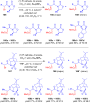
Scheme 53: Diastereoselective electrochemical carboxylation of chiral α-bromocarboxylic acid derivatives.

Scheme 54: Electrocatalytic stereoselective conjugate addition of chiral β-dicarbonyl compounds to methyl viny...

Scheme 55: Stereoselective electrochemical carboxylation of chiral cinnamic acid derivatives under a CO2 atmos...

Scheme 56: Electrochemical diastereoselective α-alkylation of pyrrolidines attached with phosphorus-derived ch...

Scheme 57: Electrogenerated cyanomethyl anion-induced synthesis of chiral cis-β-lactams from amides bearing ch...

Scheme 58: Diastereoselective anodic oxidation followed by intramolecular cyclization of ω-hydroxyl amides bea...

Scheme 59: Electrochemical deprotonation of Ni(II) glycinate containing (S)-BPB as a chiral auxiliary: diaster...

Scheme 60: Enantioselective electroreductive coupling of diaryl ketones with α,β-unsaturated carbonyl compound...

Scheme 61: Asymmetric total synthesis of ropivacaine and its analogues using a electroorganic reaction as a ke...

Scheme 62: Asymmetric total synthesis of (−)-crispine A and its natural enantiomer via anodic cyanation of tet...

Scheme 63: Asymmetric oxidative electrodimerization of cinnamic acid derivatives as key step for the synthesis...



