Search results
Search for "polycyclic" in Full Text gives 299 result(s) in Beilstein Journal of Organic Chemistry. Showing first 200.
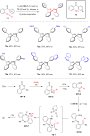
Preparation of spirocyclic oxindoles by cyclisation of an oxime to a nitrone and dipolar cycloaddition
Beilstein J. Org. Chem. 2025, 21, 1890–1896, doi:10.3762/bjoc.21.146
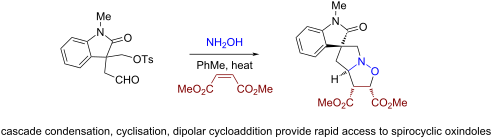
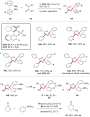
- the formation of two new rings and a complex polycyclic product from relatively simple starting materials. To test the scope of the chemistry, we screened several other dipolarophiles for this transformation. As expected, the related N-phenylmaleimide resulted in the formation of the analogous N


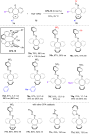
Chiral phosphoric acid-catalyzed asymmetric synthesis of helically chiral, planarly chiral and inherently chiral molecules
Beilstein J. Org. Chem. 2025, 21, 1864–1889, doi:10.3762/bjoc.21.145
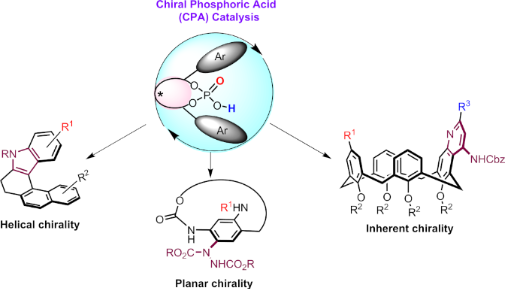
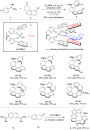
- reaction mechanisms and applications of the chiral products for selected examples. Review Helical chirality Helicenes are a group of rigid polycyclic aromatic compounds composed of ortho-fused aromatic (hetero)cyclic rings, with their helically twisted conformation enforced by steric hindrance between
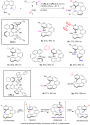
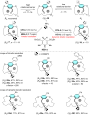
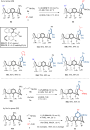
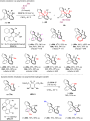
- and polycyclic ketone 2, they achieved the efficient asymmetric synthesis of various helically chiral azahelicenes 3 (Scheme 1). To address the inherent length-scale challenges of molecular helicene frameworks, the authors designed and synthesized novel CPAs bearing extended π-substituents at the
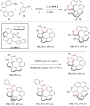
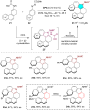
- aromatization process, in 2023 our group reported the asymmetric synthesis of various azahelicenes 8 from polycyclic arylamines 5, dienamides 6 and aldehydes 7 (Scheme 2) [13]. This methodology demonstrates a broad substrate scope, enabling the efficient asymmetric synthesis of diverse aza[5]helicenes 8a–d and











On the aromaticity and photophysics of 1-arylbenzo[a]imidazo[5,1,2-cd]indolizines as bicolor fluorescent molecules for barium tagging in the study of double-beta decay of 136Xe
Beilstein J. Org. Chem. 2025, 21, 1627–1638, doi:10.3762/bjoc.21.126
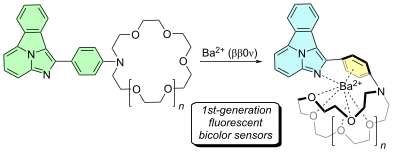
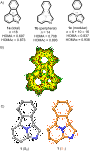
- concluded that the aromatic character of the fluorophore is better described as the combination of two aromatic subunits integrated in the polycyclic system. Different DFT functional are used to analyze the photochemical behavior of this family of sensors. It is concluded that PBE0 and M06 functionals
- decoupling between the para-phenylene and benzo[a]imidazo[5,1,2-cd]indolizine components that results in a blue shift upon Ba2+ coordination. Keywords: aromaticity; DFT-TDDFT calculations; double-beta decay; fluorescent sensors; polycyclic arenes; Introduction Double beta-decay [1] is a radioactive decay
- the molecular plane [25][26] since diatropic ring currents are observed over the centers of the four ring points of electron density. However, the issues associated with magnetic criteria to describe the aromaticity of polycyclic systems must be taken into account. Thus, a recent study [27] emphasizes





Synthesis of an aza[5]helicene-incorporated macrocyclic heteroarene via oxidation of an o-phenylene-pyrrole-thiophene icosamer
Beilstein J. Org. Chem. 2025, 21, 1561–1567, doi:10.3762/bjoc.21.119
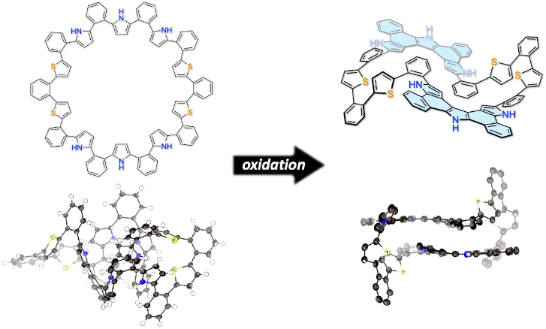
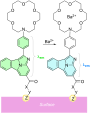
- , Japan 10.3762/bjoc.21.119 Abstract The intramolecular oxidative fusion reaction of macrocyclic heteroaromatic arrays has provided strained polycyclic heteroaromatic macrocycles as promising functional molecules. In this study, we prepared an ortho-phenylene-pyrrole-thiophene hybrid icosamer, as the
- 1) [6][7][8][9][10][11][12]. Nevertheless, partially fused macrocyclic intermediates are also important as they exhibit structural strain associated with both the polycyclic segments and the inherent strain stemming from the macrocyclic structure. For instance, cyclic chrysenylenes [13][14][15][16


Advances in nitrogen-containing helicenes: synthesis, chiroptical properties, and optoelectronic applications
Beilstein J. Org. Chem. 2025, 21, 1422–1453, doi:10.3762/bjoc.21.106
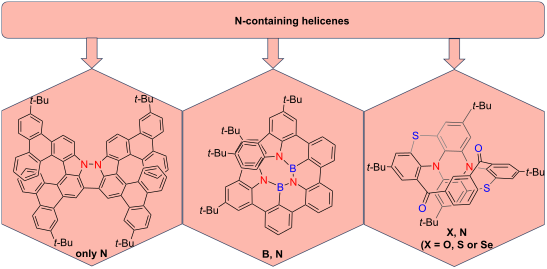
- Meng Qiu Jing Du Nai-Te Yao Xin-Yue Wang Han-Yuan Gong College of Chemistry, Beijing Normal University, Xinjiekouwaidajie 19, Beijing, 100875, China 10.3762/bjoc.21.106 Abstract Helicenes, a class of non-planar polycyclic aromatic hydrocarbons composed of ortho-fused aromatic rings forming
- ; optoelectronic applications; Introduction Helicenes, a class of non-planar polycyclic aromatic hydrocarbons characterized by ortho-fused aromatic rings forming a helical framework, have attracted significant attention due to their inherent chirality, unique optoelectronic properties, and wide-ranging
- synthesizing azahelicenes and diaza[8]circulenes 65a–d [24] (Table 22). These molecules exhibited distinct Cotton effects and CPL, with |glum| reaching up to 1.6 × 10⁻³. This approach offers a generalizable route to structurally diverse chiral polycyclic aromatic hydrocarbons (PAHs) with strong chiroptical

Oxetanes: formation, reactivity and total syntheses of natural products
Beilstein J. Org. Chem. 2025, 21, 1324–1373, doi:10.3762/bjoc.21.101
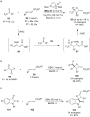
- –2021, Kuduk and co-workers published three different tandem, one-pot methodologies towards complex polycyclic heterocycles [100][101][102]. All of them are two-step reactions consisting of an intermolecular coupling followed by an intramolecular, base-induced oxetane opening (Scheme 48). The first one
- utilised a HATU-promoted amide formation involving 3-(methylamino)oxetane (192) in the first step and the resulting bi- and tricyclic products 193 and 194 containing 6- and 7-membered rings were obtained in high yields (Scheme 48a). The second methodology generated similar polycyclic systems but used a










Recent advances and future challenges in the bottom-up synthesis of azulene-embedded nanographenes
Beilstein J. Org. Chem. 2025, 21, 1272–1305, doi:10.3762/bjoc.21.99
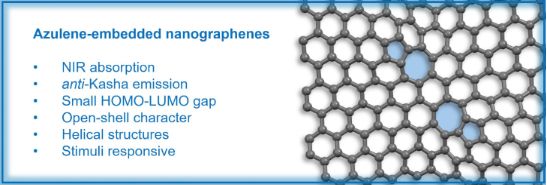
- design beyond all-hexagon polycyclic aromatic hydrocarbons (PAHs). Among these, π-conjugated scaffolds featuring embedded azulene units have gained considerable attention due to their unique optical and electronic properties. This review provides an overview of representative azulene-embedded
- nanographenes, with a particular focus on the synthetic strategies. Additionally, it explores selected aspects of aromaticity and spectroscopic properties. Keywords: azulene; nanographenes; non-alternant; non-benzenoid; polycyclic aromatic hydrocarbons; Introduction The discovery of graphene and fullerenes
- benzenoid nanographenes, also known as polycyclic aromatic hydrocarbons (PAHs) [8][9]. PAHs can be considered molecular models of bulk graphene, offering invaluable insights into structure–property relationships in graphene and graphene-based materials. Structural defects appear to be inevitable in real






Recent advances in oxidative radical difunctionalization of N-arylacrylamides enabled by carbon radical reagents
Beilstein J. Org. Chem. 2025, 21, 1207–1271, doi:10.3762/bjoc.21.98
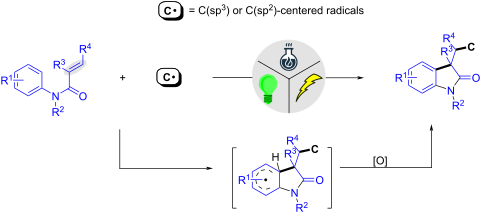
- as the photocatalyst (Scheme 27). The reaction was carried out under blue LED irradiation in DMSO as the solvent, yielding valuable polycyclic quinazolinones in satisfactory yields. Furthermore, a variety of substituents on the phenyl ring of N-cyanamide alkenes, as well as a series of difluorinated














Salen–scandium(III) complex-catalyzed asymmetric (3 + 2) annulation of aziridines and aldehydes
Beilstein J. Org. Chem. 2025, 21, 1087–1094, doi:10.3762/bjoc.21.86
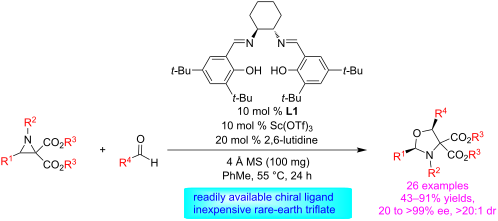
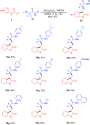
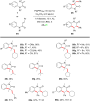
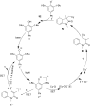
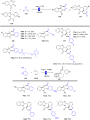
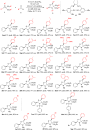
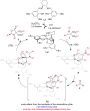
- desired products 3bc, 3bd, 3bi, and 3bk in relatively low yields and enantioselectivities. The strongly electron-deficient 4-nitrobenzaldehyde (2l) showed the highest enantioselectivity, affording the desired product 3bl in 63% yield and >99% ee. Polycyclic fused naphthalene-1-carbaldehyde (2m) and



Synthesis of pyrrolo[3,2-d]pyrimidine-2,4(3H)-diones by domino C–N coupling/hydroamination reactions
Beilstein J. Org. Chem. 2025, 21, 1010–1017, doi:10.3762/bjoc.21.82
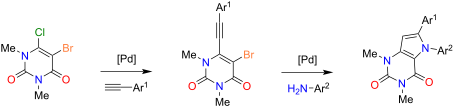
- . Electron-donating N,N-dimethylaminophenyl substituents led to bathochromically shifted absorption and emission spectra accompanied by strongly elevated fluorescence quantum yields (up to 83%). Further studies will be devoted to the synthesis of novel polycyclic uracil derivatives with potential biological


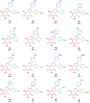

A convergent synthetic approach to the tetracyclic core framework of khayanolide-type limonoids
Beilstein J. Org. Chem. 2025, 21, 926–934, doi:10.3762/bjoc.21.75
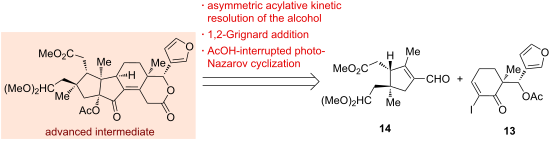
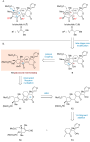
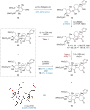
- . A preliminary investigation revealed that krishnolide A (7) exhibited unique anti-human immunodeficiency virus (HIV) activity, representing the first report of anti-HIV activity in khayanolide-type limonoids. However, the highly oxygenated and polycyclic scaffolds pose substantial challenges toward




Recent advances in controllable/divergent synthesis
Beilstein J. Org. Chem. 2025, 21, 890–914, doi:10.3762/bjoc.21.73
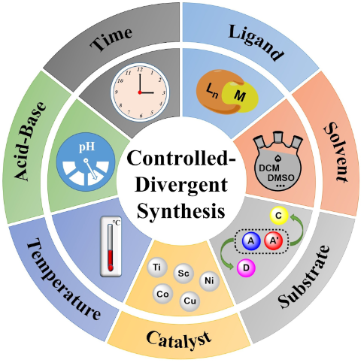
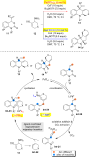
- utilizing in situ-generated π-allylpalladium complexes to capture strained cyclic allene intermediates (Scheme 4) [22]. By modulating the ligands in the reaction system, two distinct polycyclic scaffolds, 13 or 14, could be synthesized with high selectivity. Mechanistically, the Pd(0) catalyst coordinates
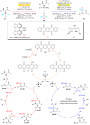
- -García and Fernández-Rodríguez reported on the practicality of metal-free BCl3-catalyzed borylation cyclization reactions in synthesis (Scheme 16) [45]. Biphenyl-embedded 1,3,5-trienes-7-yne compounds 58 react with BCl3 under catalyst-free and additive-free conditions to form novel polycyclic boronated







Recent advances in the electrochemical synthesis of organophosphorus compounds
Beilstein J. Org. Chem. 2025, 21, 770–797, doi:10.3762/bjoc.21.61
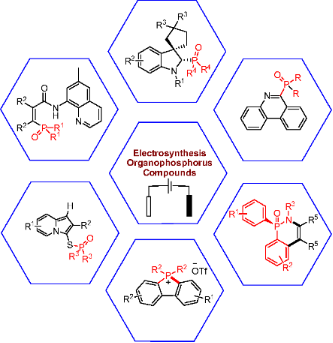
- electron-donating and electron-withdrawing groups produced products with yields ranging from 71% to 91%, and they were found to be effective in forming the corresponding polycyclic products (Scheme 15). Through cyclic voltammetry experiments, the researchers confirmed that since the oxidation potential of


Acyclic cucurbit[n]uril bearing alkyl sulfate ionic groups
Beilstein J. Org. Chem. 2025, 21, 717–726, doi:10.3762/bjoc.21.55
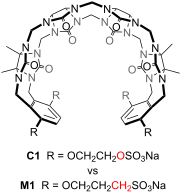
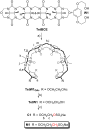
- acyclic CB[n] are not macrocycles, they are preorganized into a C-shaped geometry by virtue of their polycyclic chemical structure and display binding affinities approaching those of macrocyclic CB[n]. M1 and analogues display outstanding biocompatibility and have been used for a number of in vivo




Photochemically assisted synthesis of phenacenes fluorinated at the terminal benzene rings and their electronic spectra
Beilstein J. Org. Chem. 2025, 21, 670–679, doi:10.3762/bjoc.21.53
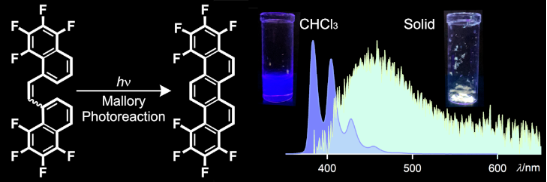
- , most likely due to different crystalline packing motifs. Keywords: fluorescence; fluorinated aromatics; phenacene; photoreaction; Introduction Polycyclic aromatic hydrocarbons (PAHs) have been subject of continuous interest not only from aspects of fundamental synthetic, structural, and physical
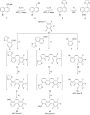
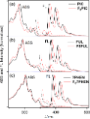
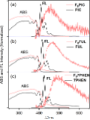
- the manipulation of the solid-state optoelectronic nature of polycyclic aromatic molecules to develop future functional materials in organic electronics. Chemical structures of phenacenes studied in this work. UV–vis and fluorescence spectra of F8PIC (a), F8FUL (b), and F87PHEN (c) (red lines) and the





Synthesis of new condensed naphthoquinone, pyran and pyrimidine furancarboxylates
Beilstein J. Org. Chem. 2025, 21, 340–347, doi:10.3762/bjoc.21.24
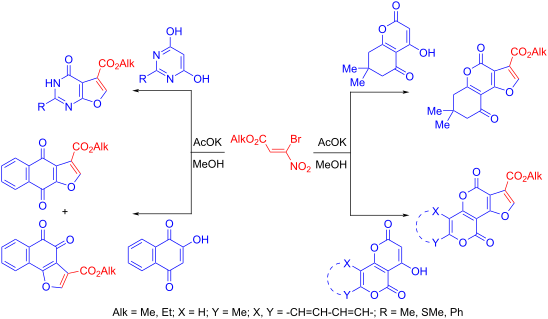
- ). Polycyclic furan-3-carboxylates – alkyl 7-methyl-4,9-dioxo-4H,9H-furo[2,3-d]pyran[4,3-b]pyran-3-carboxylates 6a,b or alkyl 4,11-dioxo-4H,11H-furo[2',3':4,5]pyran[3,2-c]chromene-1-carboxylates 6c,d were obtained by reacting bromonitroacrylates 1a,b with 4-hydroxy-7-methyl-2H,5H-pyrano[4,3-b]pyran-2,5-dione


Molecular diversity of the reactions of MBH carbonates of isatins and various nucleophiles
Beilstein J. Org. Chem. 2025, 21, 286–295, doi:10.3762/bjoc.21.21
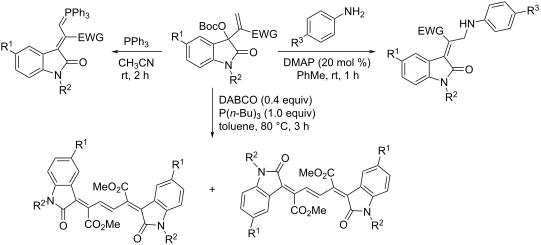
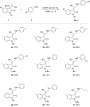
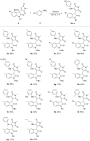
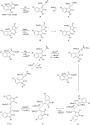
- diastereomeric ratios. The relative configurations of the various polycyclic compounds were clearly elucidated by determination of several single crystal structures. Keywords: allylic SN2 reaction; dimerization; isatin; MBH carbonate; 3-methyleneoxindole; Introduction Isatins (indoline-2,3-diones) possessing
- synthetic methodologies and in continuation of our aim to develop domino reactions based on MBH carbonates of isatins for efficient construction of diverse polycyclic spiroindolinones [42][43][44][45][46][47][48][49][50][51][52], herein, we wish to report the nucleophilic substitution reactions of various N



Oxidation of [3]naphthylenes to cations and dications converts local paratropicity into global diatropicity
Beilstein J. Org. Chem. 2025, 21, 277–285, doi:10.3762/bjoc.21.20
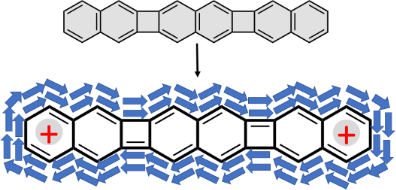
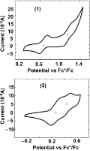
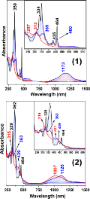
- , National University of Singapore, 3 Science Drive 3, Singapore, Singapore 10.3762/bjoc.21.20 Abstract Oxidized states of polycyclic aromatic hydrocarbons are of importance as they represent charged conductive species in organic semiconductor substrates. In this work, we investigated the properties of
- systems in which charge defects are responsible for conductivity in their corresponding conducting polymers. Acenes are the archetypal structure of small polycyclic aromatic hydrocarbons with a π-electron structure expanded over a sequence of linearly fused benzenes [4]. Whereas acenes, up to substituted
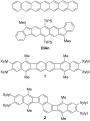
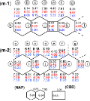
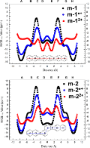
- ], including [3]naphthylenes 1 and 2 in Figure 1 [18]. They are endowed by three aromatic naphthalenoid (NAP) moieties, fused by two antiaromatic CBD ones in two different topologies. Structurally, these polycyclic π-conjugated hydrocarbons consist of eight fused rings and thirty π-electrons. In this work, we


Synthesis and characterizations of highly luminescent 5-isopropoxybenzo[rst]pentaphene
Beilstein J. Org. Chem. 2025, 21, 270–276, doi:10.3762/bjoc.21.19
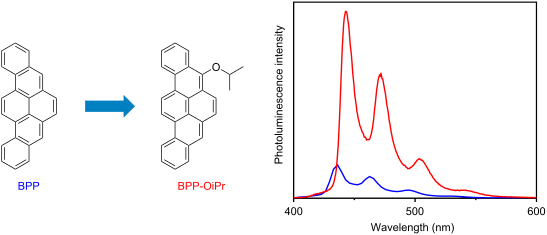
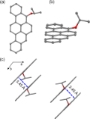
- by scanning electron microscopy. The intriguing optical properties of BPP and its derivatives may lead to their application as fluorophores. Keywords: benzo[rst]pentaphene; intramolecular charge transfer; nanocrystals; photoluminescence; polycyclic aromatic hydrocarbon; Introduction Polycyclic




Visible-light-promoted radical cyclisation of unactivated alkenes in benzimidazoles: synthesis of difluoromethyl- and aryldifluoromethyl-substituted polycyclic imidazoles
Beilstein J. Org. Chem. 2025, 21, 234–241, doi:10.3762/bjoc.21.15
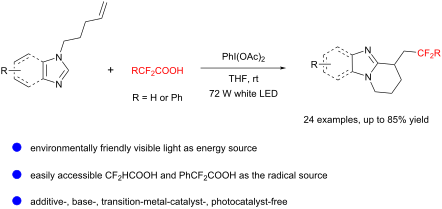
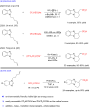
- , Palestine 10.3762/bjoc.21.15 Abstract An efficient and eco-friendly approach for synthesizing difluoromethyl- and aryldifluoromethyl-substituted polycyclic imidazoles was established via a visible-light-promoted radical cyclization reaction. This method employed the readily accessible and inexpensive
- target products in good to excellent yields. Mechanistic studies revealed that the reaction proceeds via a radical pathway. Keywords: cyclization; difluoromethylation; hypervalent iodine; polycyclic imidazole; visible light; Introduction Organofluorine compounds continue to play important roles in
- abstraction to yield the hydrodifluoromethylation product. Building upon this work, we hypothesized that if the newly formed alkyl radical could undergo intramolecular cyclization with an aromatic ring, instead of hydrogen abstraction, it could enable the construction of polycyclic structures. Thus, as part


Dioxazolones as electrophilic amide sources in copper-catalyzed and -mediated transformations
Beilstein J. Org. Chem. 2025, 21, 200–216, doi:10.3762/bjoc.21.12
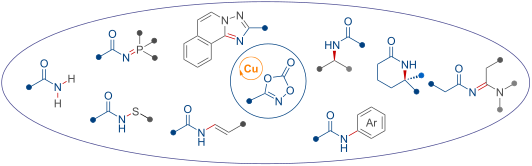
- amidation Recently, Cao and co-workers reported the copper-catalyzed synthesis of 1,2,4-triazole derivatives via an N-acyl nitrene intermediate [76]. As illustrated in Scheme 3, dioxazolones 4 and N-iminoquinolinium ylides 5 served as reactive substrates, leading to the formation of various polycyclic 1,2,4


Cu(OTf)2-catalyzed multicomponent reactions
Beilstein J. Org. Chem. 2025, 21, 122–145, doi:10.3762/bjoc.21.7

- Michael-type addition of 5-aminoindazole to afford the first coupling product XXXVIII. The subsequent intramolecular amination and dehydration then leads to the final product (Scheme 31) [50]. Polycyclic spiroindoline-3,4’-pyrano[3,2-b]pyran-4-ones 43 were synthesized exploiting the three-component








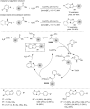


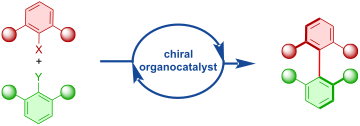
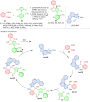
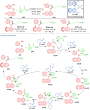
Recent advances in organocatalytic atroposelective reactions
Beilstein J. Org. Chem. 2025, 21, 55–121, doi:10.3762/bjoc.21.6











Synthesis, structure and π-expansion of tris(4,5-dehydro-2,3:6,7-dibenzotropone)
Beilstein J. Org. Chem. 2025, 21, 1–7, doi:10.3762/bjoc.21.1
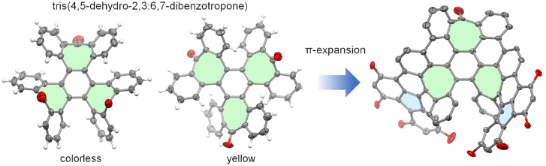
- Abstract The polycyclic skeleton of tris(4,5-dehydro-2,3:6,7-dibenzotropone) is a key structural fragment in carbon schwarzites, a theoretical form of negatively curved carbon allotrope. This report presents a new synthesis of this compound using a Ni-mediated Yamamoto coupling reaction and structural
- , expanding its π-skeleton through the Barton–Kellogg and Scholl reactions led to the successful synthesis of a curved polycyclic arene containing three heptagons and two pentagons. Keywords: carbon schwarzites; polycyclic arenes; Scholl reaction; seven-membered carbocycle; Yamamoto coupling; Introduction
- -tropone” in literature [1][2], although it should be named as 9H,18H,27H-hexabenzo[c,c′,c′′,f,f′,f′′]benzo[1,2-a:3,4-a′:5,6-a′′]triscycloheptene-9,18,27-trione according to the IUPAC nomenclature. We became interested in compound 1 because its polycyclic skeleton presents a key structural unit in carbon


Synthesis of acenaphthylene-fused heteroarenes and polyoxygenated benzo[j]fluoranthenes via a Pd-catalyzed Suzuki–Miyaura/C–H arylation cascade
Beilstein J. Org. Chem. 2024, 20, 3290–3298, doi:10.3762/bjoc.20.273
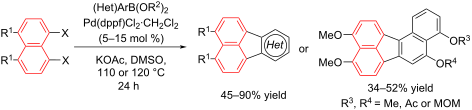
- total synthesis of the fungal natural product bulgarein. Keywords: acenaphthylene-fused heteroarenes; benzo[j]fluoranthenes; C–H arylation; fluoranthenes; heterocycles; Introduction An important subclass of polycyclic aromatic hydrocarbons (PAHs) [1] is comprised of fluoranthenes, which have been the