Search results
Search for "transformations" in Full Text gives 1190 result(s) in Beilstein Journal of Organic Chemistry. Showing first 200.
Transition-state aromaticity and its relationship with reactivity in pericyclic reactions
Beilstein J. Org. Chem. 2025, 21, 1613–1626, doi:10.3762/bjoc.21.125

- concerted mechanisms has not been considered. For instance, very little is known about the influence of TS-aromaticity (if any) on the barrier heights of catalyzed pericyclic reactions and related transformations. Our group has been focused on this aspect in recent years by exploring the interplay between
- the aromaticity of the transition state and the activation barriers of different pericyclic reactions spanning from the parent Diels–Alder reactions to higher-order cycloadditions or even transition-metal-mediated transformations [22][23][24][25][26][27][28][29]. By selecting illustrative examples, in
- reactions [74][75] constitute representative DGTRs. In general, concerted DGRTs are thermally allowed [σ2s + σ2s + π2s] transformations according to the Woodward–Hoffmann rules [15], and therefore proceed through a highly synchronous six-membered transition state. Not surprisingly and similar to the ene


3-Aryl-2H-azirines as annulation reagents in the Ni(II)-catalyzed synthesis of 1H-benzo[4,5]thieno[3,2-b]pyrroles
Beilstein J. Org. Chem. 2025, 21, 1595–1602, doi:10.3762/bjoc.21.123

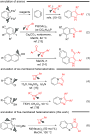
- methanol. The driving force of this process is the formation of an aromatic thiophene system. To demonstrate the practicability and synthetic utility of this method for the synthesis of benzo[4,5]thieno[3,2-b]pyrrole derivatives, several transformations of compound 3b were carried out (Scheme 4



Azide–alkyne cycloaddition (click) reaction in biomass-derived solvent CyreneTM under one-pot conditions
Beilstein J. Org. Chem. 2025, 21, 1544–1551, doi:10.3762/bjoc.21.117
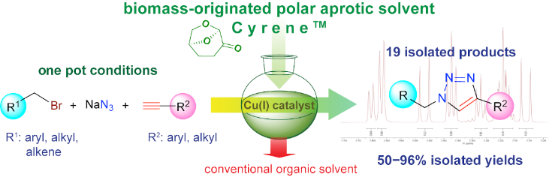
- been characterized as an ideal solvent for click reactions, the limited solubility of most organic substrates could limit its application. Thus, the transformations of either water-insoluble or solid compounds require a solvent to establish high reaction performance, i.e. homogeneous solutions with low


General method for the synthesis of enaminones via photocatalysis
Beilstein J. Org. Chem. 2025, 21, 1535–1543, doi:10.3762/bjoc.21.116
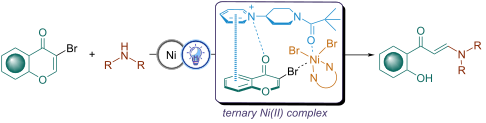
- ]. Thus, the use of visible light as an energy source provides more efficient chemical transformations and minimize the use of harmful reagents, the generation of waste and the consumption of energy, fulfilling several principles of Green Chemistry and promoting greener opportunities for organic synthesis
- moieties, respectively, since they could enable further chemical transformations. Unfortunately, when 2-methyl-3-bromochromone was employed as the substrate, the process failed to afford the desired enaminone product, which was possibly caused by a combination of increased steric hindrance and decreased




Azobenzene protonation as a tool for temperature sensing
Beilstein J. Org. Chem. 2025, 21, 1528–1534, doi:10.3762/bjoc.21.115
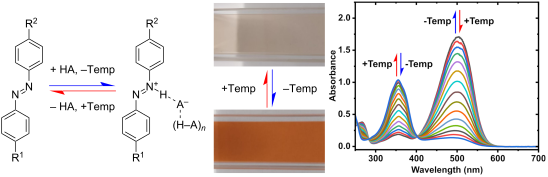
- other transformations that can offer useful functionalities. These include ionization via protonation of one of the nitrogens forming the azo bond [12][13], azo–hydrazone tautomerization [14][15], and binding of analytes to side groups [16]. Such transformations depend on the azobenzene structure but


Heterologous biosynthesis of cotylenol and concise synthesis of fusicoccane diterpenoids
Beilstein J. Org. Chem. 2025, 21, 1489–1495, doi:10.3762/bjoc.21.111
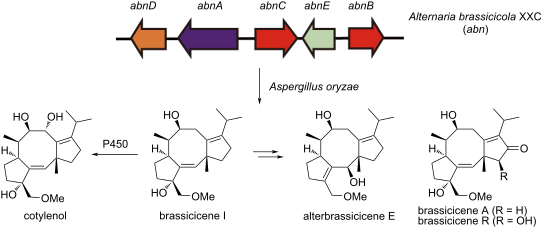
- with limited chemical transformations is highly desirable and should enable the discovery of new fusicoccane derivatives with improved biological activity. Inspired by the biosynthetic machinery of terpenoids, we have reported a hybrid synthetic strategy for accessing bioactive terpenoids by combining
- enzymatic terpene cyclization and chemical synthesis [30][31][32][33]. Briefly, the carbon scaffolds are forged by terpene cyclases, followed by concise chemical transformations to yield the desired natural products. Here, we describe heterologous biosynthesis of cotylenol by engineering the biosynthetic


Photoredox-catalyzed arylation of isonitriles by diaryliodonium salts towards benzamides
Beilstein J. Org. Chem. 2025, 21, 1480–1488, doi:10.3762/bjoc.21.110
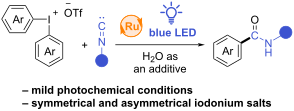
- of benzamides (Scheme 1A) [6]. Over the years, the basic reaction has been modified to imply various metal-containing catalysts [7][8][9][10][11][12][13][14][15][16][17][18], metal-free transformations that employ heteroarenes under harsh conditions [19], or using diazonium salts as arylating agents
- [20][21]. However, diazonium salts are distinguished by their inherent instability complicating their use in such transformations. Moreover, among the various arylation strategies, photochemical methods remain relatively underexplored, with only a few examples reported [22][23]. These methods often


Copper catalysis: a constantly evolving field
Beilstein J. Org. Chem. 2025, 21, 1477–1479, doi:10.3762/bjoc.21.109

- one of the most dynamic and versatile areas of contemporary chemical research. Once viewed primarily as a cost-effective alternative to noble metals, copper has emerged as a powerful and versatile catalyst, capable of mediating a wide array of chemical transformations through both two-electron and
- single-electron pathways. This duality has enabled access to previously elusive molecular transformations, positioning copper at the center of modern synthetic strategy. This thematic issue captures the dynamic nature of the field, featuring five insightful Review articles and five original research
- straightforward reactions. Complementarily, the Review article by Jang and Kim provides a deep understanding of recent advances in the combination of electrochemistry and copper catalysis for various organic transformations [3]. Their contribution elaborates various C–H functionalizations, olefin additions
Reactions of acryl thioamides with iminoiodinanes as a one-step synthesis of N-sulfonyl-2,3-dihydro-1,2-thiazoles
Beilstein J. Org. Chem. 2025, 21, 1397–1403, doi:10.3762/bjoc.21.104
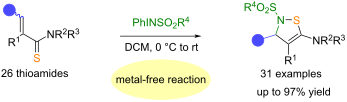
- ]. These data [1][2][3][4][5] inspired researchers to expand the chemistry of these compounds and to search for new synthetic methods and chemical transformations [14][15]. Unlike the aromatic congeners, the chemistry of non-aromatic dihydro-1,2-thiazoles is less represented in the literature [16][17][18



Oxetanes: formation, reactivity and total syntheses of natural products
Beilstein J. Org. Chem. 2025, 21, 1324–1373, doi:10.3762/bjoc.21.101
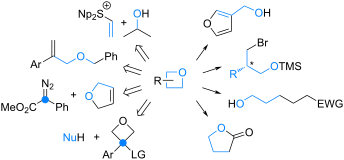
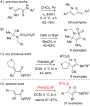
- additions and hydrolyses (in case of esters and amides), as well as epimerisations at the α-carbons, oxetanes are stable to such chemical transformations. In case of the gem-dimethyl group, which is commonly used to block metabolically labile sites at the expense of raising lipophilicity, bridging the two
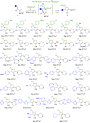
- transformations of 3-oxetanone leading to advanced oxetane building blocks. In chapter 3, we review the reactivity of oxetanes with regards to ring openings and ring expansions including both symmetric and enantioselective variants. Finally, chapter 4 covers isolations, biological activities and total syntheses
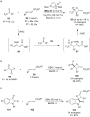
- -, particularly 2-methylideneoxetanes have become valuable intermediates in oxetane chemistry as they readily undergo a variety of chemical transformations, including ring-opening reactions with nucleophiles, epoxidations, cyclopropanations and [3 + 2] cycloadditions with nitrile oxides [51][52]. In addition










Recent advances in amidyl radical-mediated photocatalytic direct intermolecular hydrogen atom transfer
Beilstein J. Org. Chem. 2025, 21, 1306–1323, doi:10.3762/bjoc.21.100
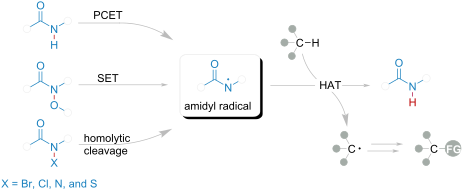
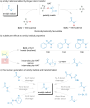
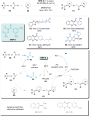
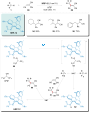
- across diverse bond activation challenges, particularly in C(sp³)–H, C(sp²)–H, S–H, Ge–H, and B–H bond transformations. The proposed system architecture emphasizes synergistic reagent cooperation rather than isolated component performance, representing a paradigm shift in photoredox catalysis design






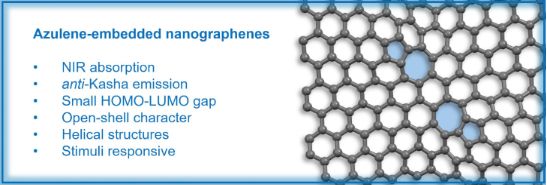
Recent advances and future challenges in the bottom-up synthesis of azulene-embedded nanographenes
Beilstein J. Org. Chem. 2025, 21, 1272–1305, doi:10.3762/bjoc.21.99
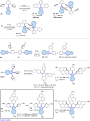
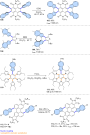
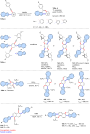
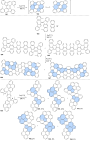
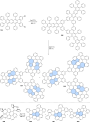
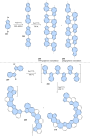
- achieved using Suzuki and Sonogashira cross-coupling reactions. One of the first examples was the synthesis of diazuleno[1,2,3-cd:10,20,30-fg]pyrene, which was later subjected to on-surface transformations [94]. More recently, a more general approach was reported by Langer and co-workers, who described the






Recent advances in oxidative radical difunctionalization of N-arylacrylamides enabled by carbon radical reagents
Beilstein J. Org. Chem. 2025, 21, 1207–1271, doi:10.3762/bjoc.21.98
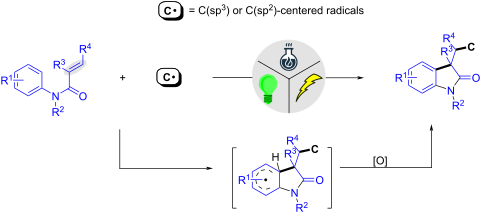
- rapid construction of complex molecular architectures. This review aims to summarize the diverse strategies for inducing intramolecular transformations of N-arylacrylamides using various carbon radical reagents, including methods initiated by photonic, thermal, or electrochemical processes, which have
- been extensively investigated by researchers. Keywords: carbon radical reagents; intramolecular transformations; N-arylacrylamides; oxidative difunctionalization; radical reactions; Introduction Alkenes, as abundant and versatile feedstocks, have been widely employed in organic synthesis
- transformations, (4) electrochemical approaches, and (5) metal-free or electron donor–acceptor (EDA)-driven systems. The substrate scope, limitations, and mechanistic aspects of these radical cascade cyclization strategies are critically examined. Review N-Arylalkenes: alkyl C(sp3)–H radicals Early investigations














Synthesis of β-ketophosphonates through aerobic copper(II)-mediated phosphorylation of enol acetates
Beilstein J. Org. Chem. 2025, 21, 1192–1200, doi:10.3762/bjoc.21.96
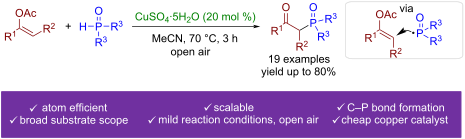
- various synthetically useful transformations, including alkene synthesis via Horner–Wadsworth–Emmons reaction [14][15], heterocycle construction [16][17], and the synthesis of chiral β-amino and β-hydroxy phosphonic acids [18][19]. Furthermore, they exhibit metal-complexing abilities [20], and anti
- efficiency, strong basic or acidic conditions, and excess of organohalides as starting materials. Recent years have witnessed the upsurge of free-radical oxidative phosphorylation transformations that became a reliable strategy for the construction of C–P bonds in organophosphorus chemistry [2][32][33][34


Enhancing chemical synthesis planning: automated quantum mechanics-based regioselectivity prediction for C–H activation with directing groups
Beilstein J. Org. Chem. 2025, 21, 1171–1182, doi:10.3762/bjoc.21.94
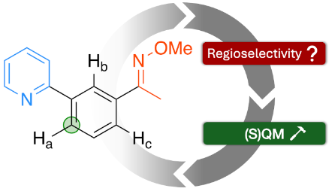
- activation, transforming these inert bonds into reactive carbon–transition metal (C–M) bonds. Subsequent transformations of these complexes enable the formation of an array of new functional groups, such as carbon–carbon and carbon–heteroatom bonds, underpinning a plethora of synthetic applications


Synthetic approach to borrelidin fragments: focus on key intermediates
Beilstein J. Org. Chem. 2025, 21, 1135–1160, doi:10.3762/bjoc.21.91
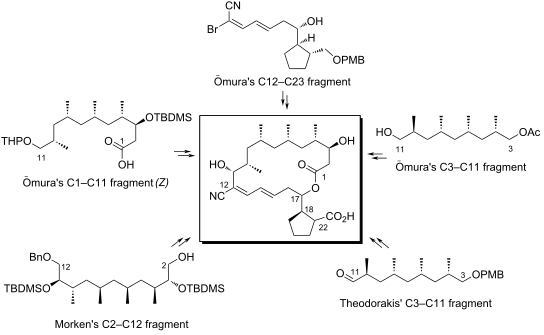
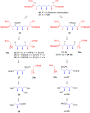
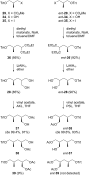
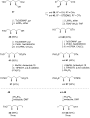
- and deprotection steps, functional group transformations, stereocontrolled allylation, cross-metathesis, and Horner–Wadsworth–Emmons (HWE) olefination. This method highlights the power of catalytic stereocontrol, achieving the complex architecture of borrelidin fragments with efficiency and precision








Salen–scandium(III) complex-catalyzed asymmetric (3 + 2) annulation of aziridines and aldehydes
Beilstein J. Org. Chem. 2025, 21, 1087–1094, doi:10.3762/bjoc.21.86
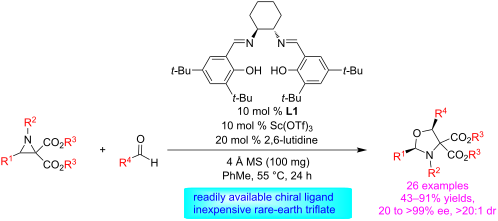
- [5] and the FDA-approved antibiotic linezolid [6] (Figure 1). Both chiral oxazolidines [7][8] and oxazolidinones [9][10] have been utilized as chiral auxiliary groups in many asymmetric organic transformations. Oxazolidine derivatives have been prepared mainly from condensation of vicinal amino


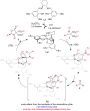

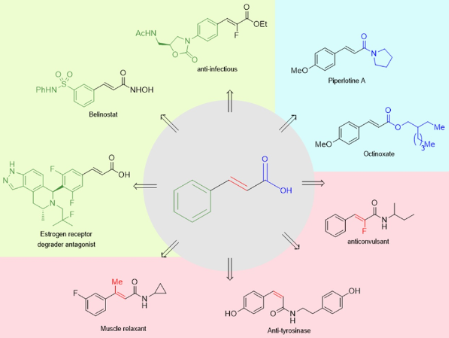
Recent advances in synthetic approaches for bioactive cinnamic acid derivatives
Beilstein J. Org. Chem. 2025, 21, 1031–1086, doi:10.3762/bjoc.21.85
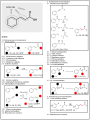
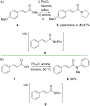
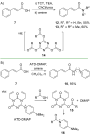
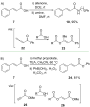
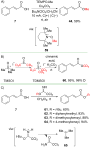
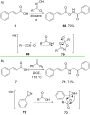
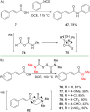
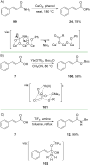
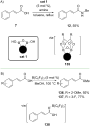
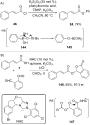
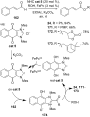
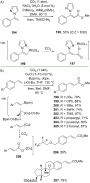
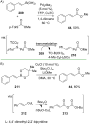
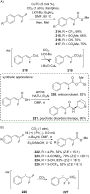
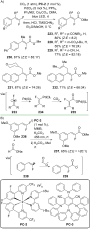
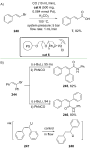
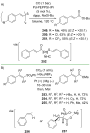
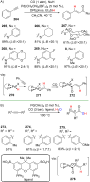
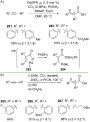
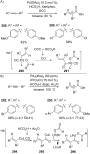
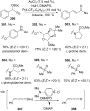
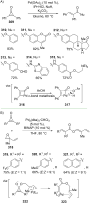
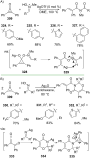
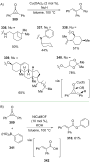
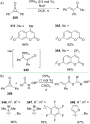
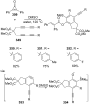
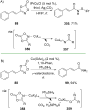
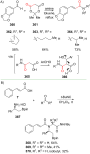
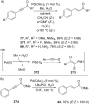
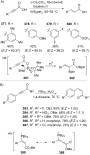
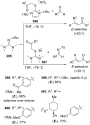
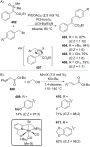
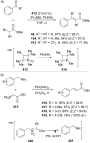
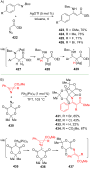
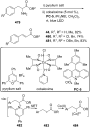
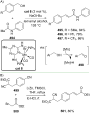
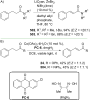
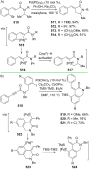
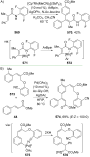
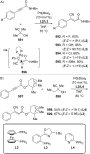
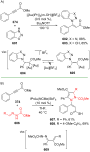
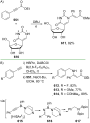
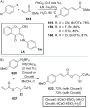
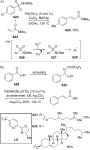
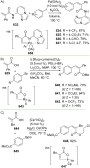
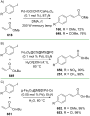
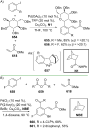
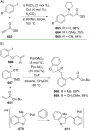
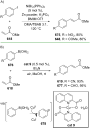
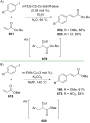
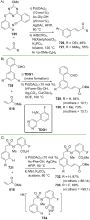
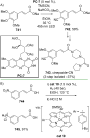
- relatively new prima donna of functional groups explored in drug design, were smoothly prepared. 2.4 Miscellaneous reactions Cyclopropenone, the smallest Hückel aromatic system, has been subjected to the ring opening reactions, driven by the release of ring strain. Numerous transformations of cyclopropenone

































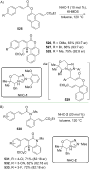
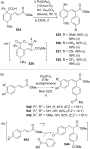

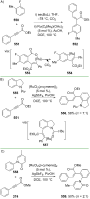
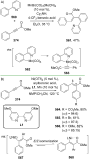




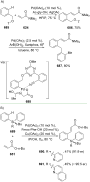
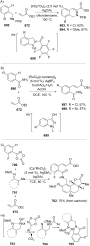
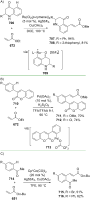
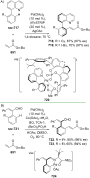




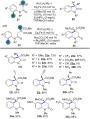
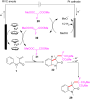
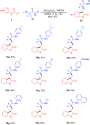
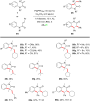
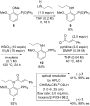
Pd-Catalyzed asymmetric allylic amination with isatin using a P,olefin-type chiral ligand with C–N bond axial chirality
Beilstein J. Org. Chem. 2025, 21, 1018–1023, doi:10.3762/bjoc.21.83
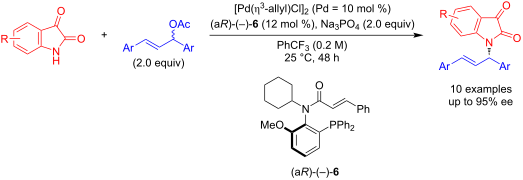
- Isatin is a well-known natural indole derivative. Due to the broad biological activities of its derivatives, extensive research has been conducted on their synthesis. Furthermore, the isatin framework is a versatile starting material for various transformations, including multicomponent reactions and the




Synthesis of pyrrolo[3,2-d]pyrimidine-2,4(3H)-diones by domino C–N coupling/hydroamination reactions
Beilstein J. Org. Chem. 2025, 21, 1010–1017, doi:10.3762/bjoc.21.82
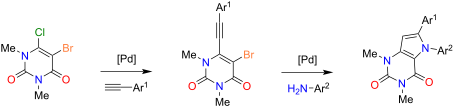
- efficient for related transformations [28][29]. However, only a yield of 15% of the desired product 4a was obtained after stirring for 15 hours, due to low conversion of the starting material. Subsequently, different mono- and bidentate ligands were tested. DPEphos was found to be the most potent ligand



Harnessing tethered nitreniums for diastereoselective amino-sulfonoxylation of alkenes
Beilstein J. Org. Chem. 2025, 21, 947–954, doi:10.3762/bjoc.21.78

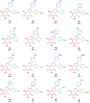
- are operationally very simple and only use commercial I(III) reagents and sulfonic acids, amounting to a metal-free protocol for alkene amino-oxygenation. No special precautions need be taken to exclude air or ambient moisture, and the products are amenable to further transformations. Keywords
- trace of amino-alcohol product [34][35]. These transformations are likely difficult or even impossible in a single step with the products from our previously reported amino-trifluoroacetoxylation reaction, highlighting the utility of the present transformation. Conclusion In summary, we have developed a
- and only used commercial I(III) reagents and sulfonic acids. The products were quite stable in the reaction conditions and withstood standard purification protocols. No special precautions were taken to exclude air or ambient moisture, and the products were amenable to further transformations. We


Study of tribenzo[b,d,f]azepine as donor in D–A photocatalysts
Beilstein J. Org. Chem. 2025, 21, 935–944, doi:10.3762/bjoc.21.76
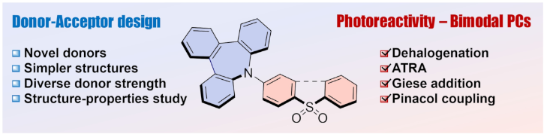
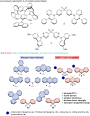
- power (E*red up to 1.5 V) can be classified as a bimodal photocatalyst. This type of molecule is capable of driving both oxidative and reductive reactions, thereby offering significant versatility to achieve photocatalytic transformations. To our delight, molecule 5a possesses a promising E*ox =−1.89 V



Silver(I) triflate-catalyzed post-Ugi synthesis of pyrazolodiazepines
Beilstein J. Org. Chem. 2025, 21, 915–925, doi:10.3762/bjoc.21.74
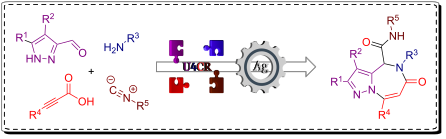
- isocyanides, followed by a silver(I) triflate-catalyzed intramolecular heteroannulation of the resulting pyrazole-tethered propargylamides occurring in a 7-endo-dig fashion. The approach is scalable and tolerates a diverse range of substitution patterns. Keywords: heterocycles; post-MCR transformations
- heterocyclic peptidomimetics through various post-MCR transformations [28][29][30][31][32]. The construction of benzodiazepine cores has also been extensively explored through various post-Ugi transformations. In 2009, Torroba and co-workers developed a strategy towards β-turn mimetic benzo[e][1,4]diazepines 6
- heteroannulation leading to the pyrazolo[1,5-a][1,4]diazepine scaffold. Our initial choice was to investigate the use of silver(I) triflate (AgOTf) as a catalyst in toluene, given its previously demonstrated efficiency in various transformations involving the activation of triple bonds towards nucleophilic attack




Recent advances in controllable/divergent synthesis
Beilstein J. Org. Chem. 2025, 21, 890–914, doi:10.3762/bjoc.21.73
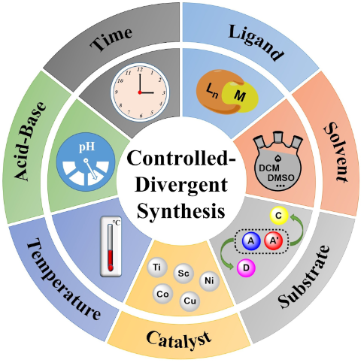
- control The precise regulation of product selectivity represents a fundamental challenge in transition-metal-catalyzed organic transformations, with significant implications for complex molecule synthesis. In this context, ligand-modulated divergent catalysis has emerged as a paradigm-shifting strategy
- enantiocontrol. Metal control Over the past decade, the relentless pursuit of precision in natural products and pharmaceutical synthesis has driven remarkable advances in catalytic methodologies, particularly in the realm of catalyst-controlled chemoselective transformations [11][25][26][27][28][29]. In 2023
- the critical role of reaction medium polarity in modulating reactive intermediates, offering a strategic lever to toggle between C–H functionalization and reductive manifolds in photochemical transformations. In 2024, the Cheng group developed a palladium/chiral norbornene (NBE)-catalyzed cyclization







Light-enabled intramolecular [2 + 2] cycloaddition via photoactivation of simple alkenylboronic esters
Beilstein J. Org. Chem. 2025, 21, 854–863, doi:10.3762/bjoc.21.69
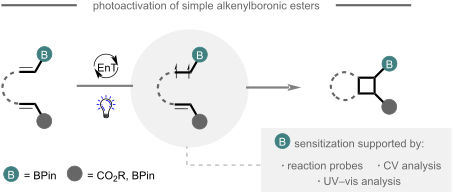
- facilitated landmark organic transformations, such as the venerable Paternò–Büchi [6][7][8], Norrish–Yang [9][10][11], and enone–alkene cycloadditions [12][13][14], that proceed via the generation of a singlet or triplet diradical through the activation of an unsaturated bond [2][14]. While these seminal
- ). Pioneering studies have leveraged this platform with great effect, typically invoking π→π* transitions of conjugated alkenes to lower the bond order and generate a triplet diradical, primed for further reactivity. This key intermediate is pivotal in a plenum of synthetic transformations including geometric
- process (Figure 2B) [19]. In a bid to translate sensitization reaction probes to meaningful synthetic transformations, conventional intermolecular [2 + 2] cycloaddition reactions were initially trialled (Figure 3A). Preliminary reactions using styrene or methyl acrylate were unsuccessful, with no [2 + 2