


Search results
Search for "intramolecular cyclization" in Full Text gives 287 result(s) in Beilstein Journal of Organic Chemistry. Showing first 200.
Recent advances in copper-catalyzed direct hydroamination of alkenes with (hetero)aromatic amines
Beilstein J. Org. Chem. 2026, 22, 925–947, doi:10.3762/bjoc.22.73
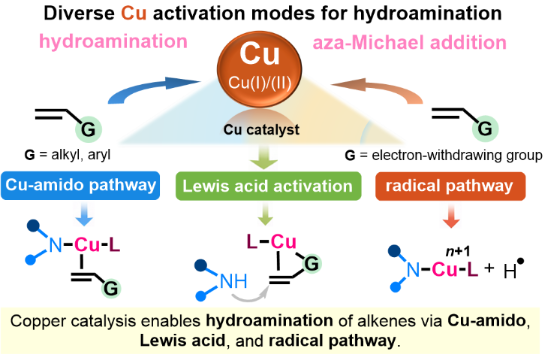
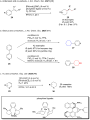
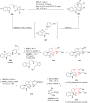
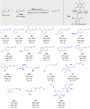
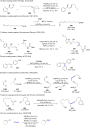
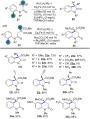
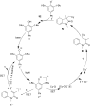
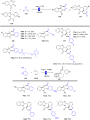
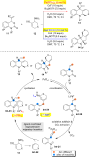
- carbonyl compounds 5 to form the β-amino ketone intermediates, which subsequently underwent base-mediated intramolecular cyclization using KOt-Bu and air oxidation of the resulting 2,3-dihydro-4(1H)-quinolinone intermediates 7 in the presence of HCl to yield functionalized quinolin-4(1H)-one derivatives 6
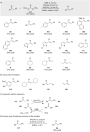
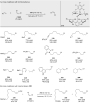
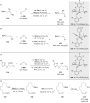
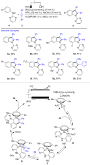
- generating and activating Michael acceptors within a single catalytic manifold. Building upon the simple Lewis acid-catalyzed aza-Michael additions described in Scheme 8, copper-catalysis has been successfully extended to cascade processes, where the initial conjugate addition is followed by intramolecular
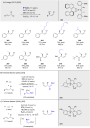
- cyclization. Scheme 9 summarizes representative examples in which copper acts as a Lewis acid to promote the aza-Michael addition and subsequently enables annulation to construct diverse N-heterocycles. As shown in Scheme 9a, Singh et al. reported that a Pybox-diPh–Cu catalytic system enables the one-pot


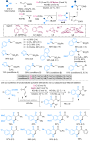


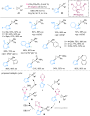


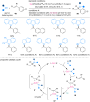

Cascade transformation of 2-(diazoacetyl)-2H-azirines to 2-aroyl-3-hydroxy-1H-pyrroles via condensation with aromatic aldehydes
Beilstein J. Org. Chem. 2026, 22, 897–904, doi:10.3762/bjoc.22.70
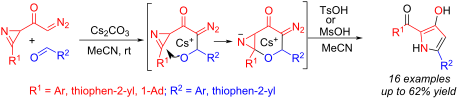
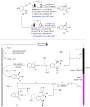
- with aromatic aldehydes does not result in the formation of an azirinyl-substituted β-hydroxy-α-diazocarbonyl compound, but is accompanied by a tandem intramolecular cyclization involving the hydroxy group and the C=N bond of the azirine to form a bicyclic intermediate, a 4-diazo-2-oxa-7-azabicyclo
- reaction of 2-(diazoacetyl)-2H-azirines 1 with aromatic aldehydes 2, which does not terminate in condensation to form an azirinyl-substituted β-hydroxy-α-diazocarbonyl compound 3, but is accompanied by a tandem intramolecular cyclization involving the hydroxy group and the azirine C=N bond to form a
- proceeds via an azirinyl-substituted β-hydroxy-α-diazocarbonyl compound, which undergoes intramolecular cyclization involving the hydroxy group and the C=N bond of azirine, leading to the formation of a bicyclic intermediate, a 4-diazo-2-oxa-7-azabicyclo[4.1.0]heptan-5-one derivative. Acid-catalyzed


Synthesis of heterocycles based on azomethine ylides from α-amino acids (or amines) and carbonyl compounds
Beilstein J. Org. Chem. 2026, 22, 705–741, doi:10.3762/bjoc.22.55


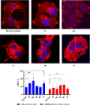
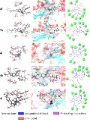
Spirobarbiturates with a pyrrolizidine moiety: synthesis, structure and biological evaluation
Beilstein J. Org. Chem. 2026, 22, 274–288, doi:10.3762/bjoc.22.20
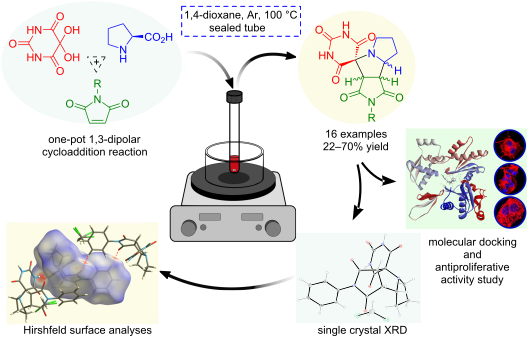
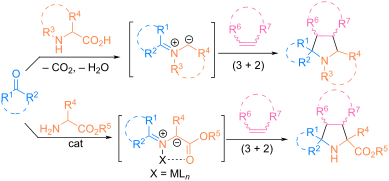
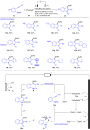
- by intramolecular cyclization to yield a lactone, which undergoes decarboxylation to produce the corresponding azomethine ylide. In our system, we propose this generated ylide reacts with N-substituted maleimides 3a–p such that the transformation predominantly proceeds via the endo-TS, leading to




Total synthesis of natural products based on hydrogenation of aromatic rings
Beilstein J. Org. Chem. 2026, 22, 88–122, doi:10.3762/bjoc.22.4
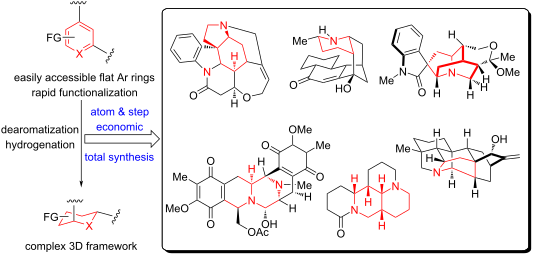
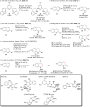
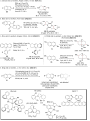
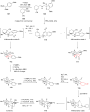
- addition to indirectly reduce the heteroaromatic ring of the isoquinoline to yield compound 118. This was followed by desilylation with TBAF and spontaneous intramolecular cyclization to yield the tricyclic 119. With 119 in hand, the double bond was diastereoselectively hydrogenated using Et3SiH and TFA
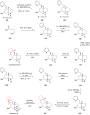
- mechanistic hypothesis. Based on this stereochemical control, the Stoltz team successfully obtained the asymmetric hydrogenation product 176, which spontaneously underwent intramolecular cyclization to furnish the bridged cyclic compound 177. With compound 177 in hand, a series of three transformations
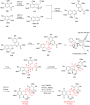
- through sequential nucleophilic attack and intramolecular cyclization. (+)-Isomatrine was subsequently synthesized through catalytic hydrogenation via Rh/C, LAH reduction, and tertiary amine oxidation (Scheme 28). After synthesizing (+)-isomatrine, the effects of catalyst type, loading, temperature, and











Synthesis and applications of alkenyl chlorides (vinyl chlorides): a review
Beilstein J. Org. Chem. 2026, 22, 1–63, doi:10.3762/bjoc.22.1
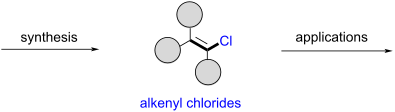
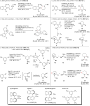
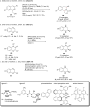
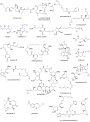
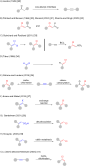
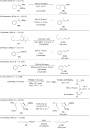
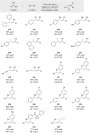
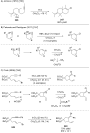
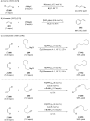
- systems, with no successful extension to other ring sizes. The proposed mechanism involves initial generation of a tertiary or benzylic carbocation, followed by intramolecular cyclization with a pendant alkyne to furnish a vinyl cation intermediate. This species is postulated to be trapped by the solvent























Competitive cyclization of ethyl trifluoroacetoacetate and methyl ketones with 1,3-diamino-2-propanol into hydrogenated oxazolo- and pyrimido-condensed pyridones
Beilstein J. Org. Chem. 2025, 21, 2716–2729, doi:10.3762/bjoc.21.209
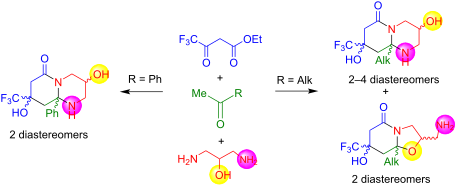
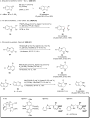
- compositions of antitumor antibiotics of the kigamycin family include the oxazolo[3,2-a]pyridine skeleton [55][56]. To obtain oxazolopyridones containing trifluoromethyl substituents, the syntheses have been proposed, which are based on the intramolecular cyclization of 1-phenyl-2-(4-(trifluoromethyl)piperidin
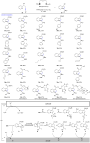
- at the acyl moiety with the amino group of diamino alcohol 3 to generate a three-component intermediate B (Scheme 4). The latter undergoes intramolecular cyclization involving the C=N bond in two equally probable directions: by adding a free amino group to form a hexahydropyrimidine ring of
- intermediate C (path a), or by adding an OH group to generate an oxazolidine ring of intermediate D (path b). The subsequent intramolecular cyclization of intermediates C and D involving a secondary NH group and an ester substituent yields the bicycles 4 and 5, respectively (Scheme 4). In the reactions with


Tandem hydrothiocyanation/cyclization of CF3-iminopropargyl alcohols with NaSCN in the presence of AcOH
Beilstein J. Org. Chem. 2025, 21, 2694–2702, doi:10.3762/bjoc.21.207
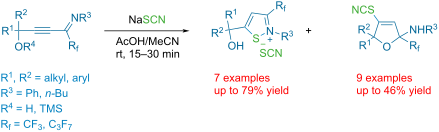
- , thioethers, disulfides, phosphonothioates, and trifluoromethyl sulfides. Additionally, due to the presence of two electrophilic sites (the sulfur atom and the carbon of the nitrile function), thiocyanates can readily undergo domino-type intramolecular cyclization reactions to form heterocycles. So, if a
- dihydrofurans 3d,e remained comparable to those of 3a,b. Perhaps the yields of salts 2d,e were affected by steric factors hindering the intramolecular cyclization or their stability under the reaction conditions. Using TMS-protected secondary and primary iminopropargyl alcohols 1f,g (due to their instability

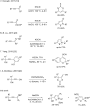


An Fe(II)-catalyzed synthesis of spiro[indoline-3,2'-pyrrolidine] derivatives
Beilstein J. Org. Chem. 2025, 21, 2383–2388, doi:10.3762/bjoc.21.183
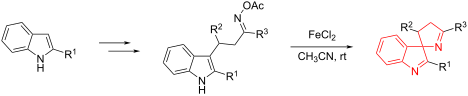
- bond cleavage to generate an N-imidoyl radical intermediate that undergoes intramolecular cyclization to yield the spirocyclic product (Scheme 1, path g) [14]. Notably, iron is known to exhibit similar behavior in single-electron transfer (SET) processes [15][16][17]. In fact, we previously




Comparative analysis of complanadine A total syntheses
Beilstein J. Org. Chem. 2025, 21, 2334–2344, doi:10.3762/bjoc.21.178
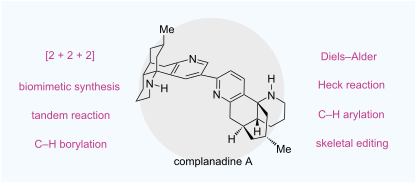
- intramolecular cyclization to afford alkyne–nitrile 19 for the first [2 + 2 + 2] cycloaddition with bis(trimethylsilyl)butadiyne (20). This transformation proceeded smoothly under thermal conditions with CpCo(CO)2 to afford 21 as the major regioisomer (rr = 25:1) [22]. Removal of the two TMS groups and



Enantioselective radical chemistry: a bright future ahead
Beilstein J. Org. Chem. 2025, 21, 2283–2296, doi:10.3762/bjoc.21.174
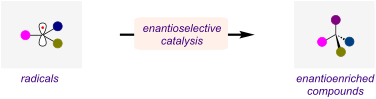
- radical reaction and can occur either intermolecularly or as an intramolecular cyclization reaction. Radical coupling or combination is a possible transformation that is more feasible when one of the radicals is relatively stabilized (a persistent radical). Trapping a radical with a transition metal is


Pathway economy in cyclization of 1,n-enynes
Beilstein J. Org. Chem. 2025, 21, 2260–2282, doi:10.3762/bjoc.21.173
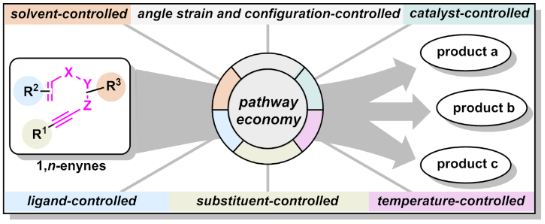
- /AgSbF6 system, ultimately resulting in the formation of dihydrobenzo[a]fluorenes 123 via Friedel–Crafts alkylation (Scheme 25, path b). In 2018, the Shi research group developed an innovative intramolecular cyclization strategy using 1,6-enynes as substrates for the synthesis of 1,2-dihydroquinoline
- -catalyzed cyclization strategy for the synthesis of 1,2- and 2,3-fused quinazolinones, which was controlled by the angle strain of a key carbon atom in the substrate (Scheme 30) [43]. Experimental results showed intramolecular cyclization depended on the hybridization state of the carbon adjacent to
- intramolecular cyclization of 1,7-enynes. Brønsted acid-catalyzed cycloisomerizations of tryptamine ynamides. Catalyst-controlled cyclization of indolyl homopropargyl amides. Angle strain-dominated 6-endo-trig cyclization of propargyl vinyl ethers. Angle strain-controlled cycloisomerization of alkyn-tethered


Synthesis of triazolo- and tetrazolo-fused 1,4-benzodiazepines via one-pot Ugi–azide and Cu-free click reactions
Beilstein J. Org. Chem. 2025, 21, 2202–2210, doi:10.3762/bjoc.21.167
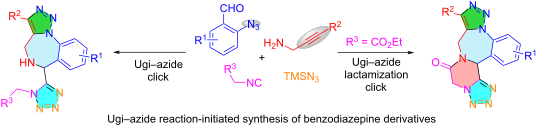
- . After evaporation of the solvent MeOH, the residue was redissolved in 2 mL of MeCN and heated at 130 °C for 2 h in a sealed vial to give product 7a in 90% yield after purification via Cu-free intramolecular click reaction (Scheme 3C) [46]. This Cu-free intramolecular cyclization provides key practical


Electrochemical cyclization of alkynes to construct five-membered nitrogen-heterocyclic rings
Beilstein J. Org. Chem. 2025, 21, 2173–2201, doi:10.3762/bjoc.21.166
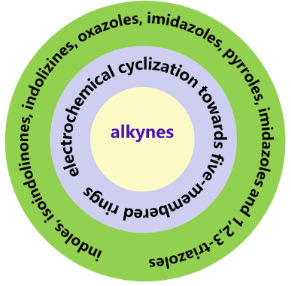
- radical cation G [232]. The following intramolecular cyclization/anode oxidation produced intermediate I that was then deprotonated to yield the target 33a. Compared to the previous reported methods [233][234][235][236][237][238][239][240][241][242][243][244][245][246][247][248][249][250][251][252][253
- experiments and previous works [260][261][262][263][264][265], a proposed mechanism was also presented. Initially, I− was oxidized to I• at the anode. A vinyl radical intermediate A was produced through reaction of I• with 39a. The following intramolecular cyclization formed the species B, which was oxidized
- electricity as a sustainable and green oxidant, noble metal catalyst (Rh) was required to achieve reasonable yields. An electrochemical synthesis of imidazoles through tandem Michael addition/azidation/intramolecular cyclization of alkynes, amines and azides was realized by Chen in 2022 (Scheme 17) [267








α-Ketoglutaric acid in Ugi reactions and Ugi/aza-Wittig tandem reactions
Beilstein J. Org. Chem. 2025, 21, 2021–2029, doi:10.3762/bjoc.21.157
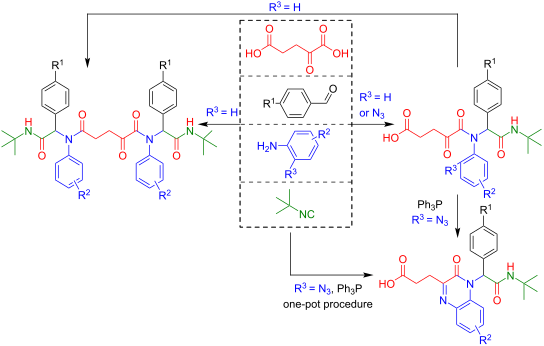
- in 33–93% yields (Scheme 3; Table 3). According to the literature [31][53], this reaction proceeds through the formation of an iminophosphorane intermediate (Scheme 3), the product of a Staudinger reaction, which, however, was not isolated because it easily undergoes intramolecular cyclization on a


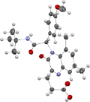
Aryl iodane-induced cascade arylation–1,2-silyl shift–heterocyclization of propargylsilanes under copper catalysis
Beilstein J. Org. Chem. 2025, 21, 1984–1994, doi:10.3762/bjoc.21.154
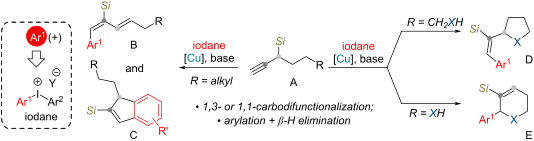
- likely formed via the allylic cation intermediate Int-1 (Scheme 2), from where on two competing mechanistic pathways are possible. Deprotonation of the β-H and reductive elimination affords diene 10. Alternatively, an intramolecular cyclization leads to silylindenes 11. We were interested to see whether


Enantioselective desymmetrization strategy of prochiral 1,3-diols in natural product synthesis
Beilstein J. Org. Chem. 2025, 21, 1932–1963, doi:10.3762/bjoc.21.151

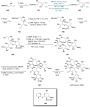
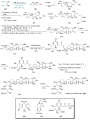
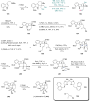
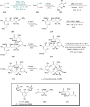
- intramolecular cyclization of 16 generated benzofuran 17 in 83% yield. After protecting the phenolic hydroxy group of 17, cross-metathesis (CM) with allylic alcohol 18 catalyzed by 13 furnished intermediate 19. Desilylation of 19 produced heliannuol G (20) and heliannuol H (21), with the structure of 21
- . Epoxidation of 131 followed by methylation generated epoxide 132. Construction of the lactone moiety commenced with the oxidative cleavage of the double bond, and the resulting carboxylic acid underwent intramolecular cyclization in the presence of BF3·Et2O to give lactone 133. Subsequent hydride reduction
- synthesis of (−)-12-methoxy-Nb-methylvoachalotine (Scheme 31a) [78], (+)-12-methoxy-Na-methylvellosimine (252) was first prepared in ten steps from aniline 251, including a Larock indolization, Pictet–Spengler reaction, and Pd-catalyzed intramolecular cyclization. Tollens reaction of 252 gave diol 253












Fe-catalyzed efficient synthesis of 2,4- and 4-substituted quinolines via C(sp2)–C(sp2) bond scission of styrenes
Beilstein J. Org. Chem. 2025, 21, 1799–1807, doi:10.3762/bjoc.21.142
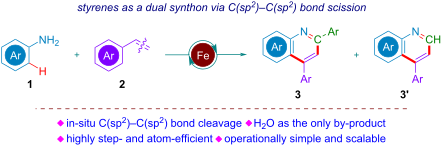
- cycloaddition, tandem annulation, intramolecular cyclization, and cross-coupling reactions are commonly employed under thermal conditions, utilizing metal catalysts based on Pd, Ru, Au, Cu, and Fe to access a wide array of substituted quinoline frameworks [29][30][31][32][33][34][35][36][37][38]. Conversely, in




Catalytic asymmetric reactions of isocyanides for constructing non-central chirality
Beilstein J. Org. Chem. 2025, 21, 1648–1660, doi:10.3762/bjoc.21.129

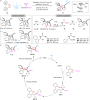
- condensation between 27 and the aldehyde afforded INT-A, which was activated by the CPA catalyst through hydrogen bonding interaction. The nucleophilic addition of isocyanide to Int-A produced INT-B bearing a stereogenic center. Subsequently, INT-B underwent intramolecular cyclization to generate axially





Synthesis of optically active folded cyclic dimers and trimers
Beilstein J. Org. Chem. 2025, 21, 1603–1612, doi:10.3762/bjoc.21.124
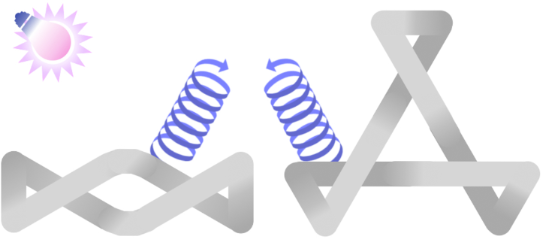
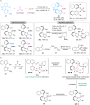
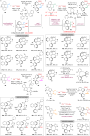
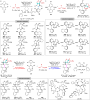
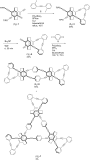
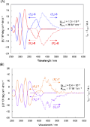
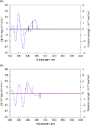
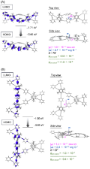
- ]paracyclophanes via Wurtz-type intramolecular cyclization [3]. [2.2]Paracyclophane has a molecular structure in which two benzene rings are stacked face-to-face with ethylene chains at the para positions. Various studies have been conducted on their reactivities and physical properties derived from their unique


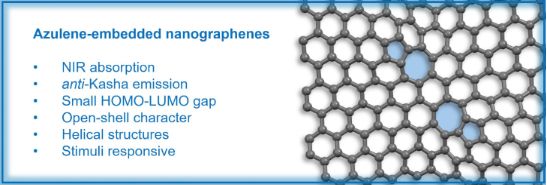
Recent advances and future challenges in the bottom-up synthesis of azulene-embedded nanographenes
Beilstein J. Org. Chem. 2025, 21, 1272–1305, doi:10.3762/bjoc.21.99
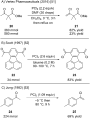
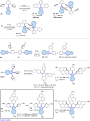
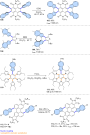
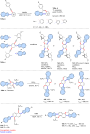
- [52]. With the appropriate choice of substrates, this approach can also be used for the synthesis of π-extended azulenes. For example, Tobe and co-workers conducted the intramolecular cyclization of 1,4,5,8-tetrakis(mesitylethynyl)naphthalene 50 using I2 in CH2Cl2 (Scheme 8) [53]. In the reaction






Recent advances in oxidative radical difunctionalization of N-arylacrylamides enabled by carbon radical reagents
Beilstein J. Org. Chem. 2025, 21, 1207–1271, doi:10.3762/bjoc.21.98
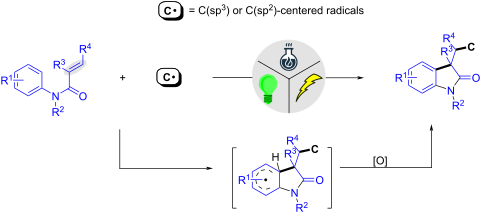
- intramolecular cyclization to form a benzene ring radical intermediate D. Finally, hydrogen abstraction from the radical intermediate by Fe3+(OH) leads to the formation of oxindole compounds 5. A similar reaction was reported by Liang’s group in the same year, as shown in Scheme 4. The study introduced a metal
- subsequently adds to the activated alkene of N-arylacrylamide, followed by intramolecular cyclization, ultimately leading to the formation of the hydroxy-containing oxindole via the loss of a hydrogen radical. In 2016, Han and colleagues developed a novel methodology in which TBHP served dual roles as both
- intermediate 12. Subsequent intramolecular cyclization and oxidative aromatization lead to the final isoxazoline-featured oxindole 9. In 2017, Li’s group reported an oxidative divergent bicyclization of 1,n-enynes through α-C(sp3)–H functionalization of alkyl nitriles using a Sc(OTf)3 and Ag2O system (Scheme 7














Enhancing chemical synthesis planning: automated quantum mechanics-based regioselectivity prediction for C–H activation with directing groups
Beilstein J. Org. Chem. 2025, 21, 1171–1182, doi:10.3762/bjoc.21.94
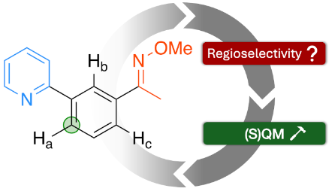
- Chen et al. [4]. We are excluding cyclization reactions for which the regioselectivity is not only determined by the activation energy to form the palladacycle intermediate but also by which site is accessible for the intramolecular cyclization. Using the previously described workflow, we were able to
- with the experimentally observed reaction site in green and the predicted reaction site marked by a blue circle. For molecule 1, we can see in the original paper from Yeung et al. [26] that the reaction preceding the C–H activation is an intramolecular cyclization between the C atom marked in green and
- the C atom marked by a blue circle. This reaction was originally not labelled as a cyclization reaction, which is why we did not remove it from the dataset. Nevertheless, upon inspection, our QM workflow correctly predicts the reaction site(s) of the intramolecular cyclization as it predicts one of


Recent advances in controllable/divergent synthesis
Beilstein J. Org. Chem. 2025, 21, 890–914, doi:10.3762/bjoc.21.73
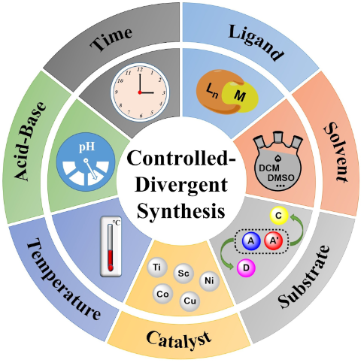
- undergoes intramolecular cyclization into a proximal C(sp2)–H bond (ΔG‡ = +19.7 kcal·mol−1) to form Int-46, which reacts with 4-MePhSH (ΔG‡ = +14.9 kcal·mol−1) to yield radical intermediate Int-47 and a thiyl radical (4-MePhS·). Sequential thiol-assisted hydrogen shifts produce Int-48, followed by







Cu–Bpin-mediated dimerization of 4,4-dichloro-2-butenoic acid derivatives enables the synthesis of densely functionalized cyclopropanes
Beilstein J. Org. Chem. 2025, 21, 877–883, doi:10.3762/bjoc.21.71
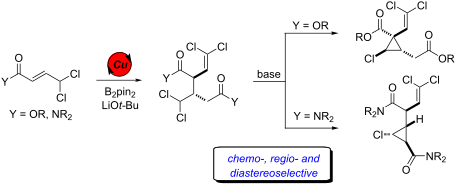
- mechanism for the Cu-catalyzed dimerization of 4,4-dichoro-2-butenoic acid derivatives. a) KOt-Bu-mediated intramolecular cyclization of 9. b) Direct formation of cyclopropane 20 from gem-dichloride 5 using KOt-Bu as base. Optimization studies. Synthesis of densely functionalized (2,2-dichlorovinyl
- )cyclopropanes by base-promoted intramolecular cyclization. Supporting Information Supporting Information File 2: Experimental procedures, characterization data and copies of NMR spectra. Funding Financial support from the AEI (PID2020-118237RB-I00), European Research Council (863914), Xunta de Galicia (ED431C





