


Search results
Search for "neat" in Full Text gives 331 result(s) in Beilstein Journal of Organic Chemistry. Showing first 200.
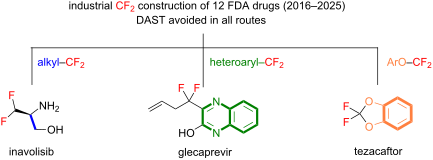
Construction of CF2 moieties in FDA-approved drugs (2016–2025): industrial routes, mechanisms, and scale-up considerations
- Wenyan Yao,
- Huanhuan Zhang,
- Xiaolong Yang and
- Feng Liu
Beilstein J. Org. Chem. 2026, 22, 1122–1150, doi:10.3762/bjoc.22.91
- toluene as solvent under reflux conditions afforded product 78 in 18% yield associated with significant decomposition to hydrogen fluoride (route b), reaction under neat conditions (route c) or using ethanol as solvent (route d) gave product 80 in 42% (solvent-free) or 91% yield (in ethanol), respectively

Graphical Abstract

Figure 1: FDA-approved drugs containing CF2 groups (2016–2025). a) For tezacaftor (4), the 2018 approval year...

Figure 2: Synthesis of the alkyl–CF2 side chain in glecaprevir (1) and voxilaprevir (2).

Figure 3: Synthesis of the difluorinated intermediate 38 for ivosidenib (3).
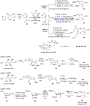
Figure 4: Synthesis of the difluorinated intermediate for cedazuridine (5).

Figure 5: Synthesis of the difluorinated intermediate for omaveloxolone (10).

Figure 6: Synthesis of the difluorinated intermediate for 1-(perfluorohexyl)octane (11).

Figure 7: Synthetic routes towards difluorinated intermediates for the synthesis of inavolisib.
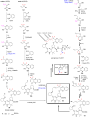
Figure 8: Synthesis of the difluorinated intermediate for glecaprevir.

Figure 9: Synthesis of the difluorinated intermediate for voxilaprevir.

Figure 10: Synthesis of the difluorinated intermediate for lenacapavir.

Figure 11: Synthesis of the difluorinated intermediate for oteseconazole.

Figure 12: Synthesis of the difluorinated intermediate for tezacaftor.

Figure 13: Synthesis of the difluorinated intermediate for difamilas (6).

Figure 14: Synthesis of the difluorinated intermediate for asciminib.

Figure 15: Mechanism of the deoxyfluorination of carbonyl groups using DAST.

Figure 16: Mechanism of the deoxyfluorination of carbonyl groups using SF4.

Figure 17: Mechanism of the fluorination of dithioketals using Olah’s reagent.

Figure 18: Mechanism of the fluorination of xanthates using AgF.

Figure 19: Mechanism of electrophilic fluorination using NFSI.

Figure 20: Mechanism of the Ni-catalyzed conversion of Ar–X to Ar–CF2H using Hu’s reagent.

Figure 21: Mechanism of the (Me3Si)3SiH-mediated intermolecular perfluoroalkylation of alkenes in water.

Figure 22: Mechanism of the formation of ArO–CF2H from ClF2COONa and ArOH.

Figure 23: Mechanism of the formation of ArO–CF2X from TMSCF2X and ArOH.
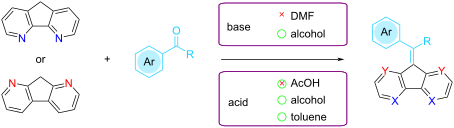
Knoevenagel condensation of 4,5- and 1,8-diazafluorenes
- Darya S. Cheshkina,
- Christina S. Becker,
- Alina A. Sonina and
- Maxim S. Kazantsev
Beilstein J. Org. Chem. 2026, 22, 803–812, doi:10.3762/bjoc.22.62
- . LUMO energies were estimated using the onset red/ox potentials according to the equation: Elumo= −(Eredonset + 4.8) (eV) X-ray study. Neat compounds were crystallized by a slow vapor diffusion method from the CHCl3/hexane (4,5-DPDAF) and toluene/iPrOH (1,8-DPDAF) systems. The crystal growth time was

Graphical Abstract

Scheme 1: Knoevenagel reaction of 1 and 2 under basic conditions.
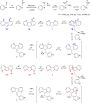
Scheme 2: Knoevenagel reaction of 1 and 2 under acidic conditions. Proposed mechanism of condensation and com...

Scheme 3: A proposed mechanism for the 4-to-2 degradation process.

Scheme 4: Condensation of 4,5- (1) and 1,8-diazafluorene (2) with di(pyrid-2-yl)ketone. Reaction yields are g...

Figure 1: a) Cyclic voltammograms of compounds 4,5-DPDAF and 1,8-DPDAF in CH2Cl2 solution and b) optical abso...

Figure 2: Molecular structure, atom and cycle numbering of 4,5-DPDAF (a) and Zn-4,5-DPDAF (d) with anisotropi...
Cone p-aminocalix[4]arenes enriched with ‘clickable’ alkyne or azide functionalities
- Ilia Korniltsev,
- Vasily Bazhenov,
- Alexander Gorbunov,
- Dmitry Cheshkov,
- Stanislav Bezzubov,
- Vladimir Kovalev and
- Ivan Vatsouro
Beilstein J. Org. Chem. 2026, 22, 399–415, doi:10.3762/bjoc.22.28
- 1H NMR spectra of monomers 47 and 48 could be detected upon addition of the salt. Attempts to conduct the experiment using solid–liquid extraction in neat CDCl3 were also unsuccessful, since no changes in the 1H NMR spectrum of capsule 472 were detected upon the addition of excess solid Zn(ClO4)2

Graphical Abstract

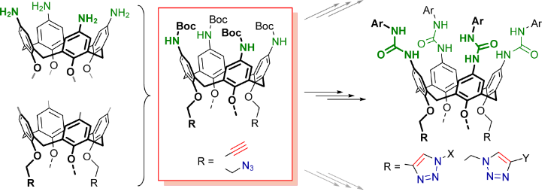
Figure 1: General concept of building multifunctional calix[4]arenes by joining propargyl/2-azidoethyl and p-...
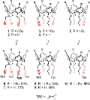
Scheme 1: Silylation of the calixarene propargyl ethers. Conditions: i) LiHMDS (HMDS + n-BuLi), TBSCl, THF, −...
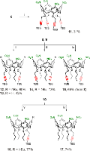
Scheme 2: Nitration of calixarenes 6, 8–10. Conditions: i) HNO3 (fuming, 10 equiv per calixarene aromatic uni...
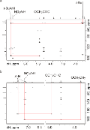
Figure 2: Parts of 1H,13C HMBC spectra of calixarenes 12 (a) and 13 (b) recorded in CDCl3 solutions at 600 MH...

Figure 3: Molecular structures of partially nitrated calixarene 16 (a) and exhaustively nitrated calixarene 15...

Scheme 3: Reduction of calixarenes 11, 15 and 17. Conditions: i) SnCl2·2H2O, HCl, EtOH, H2O, 70 °C, then KOH,...

Scheme 4: Protecting group replacement in propargylated p-aminocalix[4]arenes. Conditions: i) Boc2O, Et3N, di...

Scheme 5: Synthesis of 2-azidoethylated p-aminocalix[4]arenes. Conditions: i) HNO3 (fuming, 10 equiv per cali...

Scheme 6: Synthesis of triazolated p-aminocalix[4]arenes 37–39 from the propargylated calixarene precursors 24...

Scheme 7: Synthesis of triazolated p-aminocalix[4]arenes 40 and 41 from the 2-azidoethylated calixarene precu...

Scheme 8: Removal of Boc protection in calixarenes 37–41; (i) CF3CO2H, dichloromethane, rt, then NaHCO3/H2O.

Scheme 9: Synthesis of triazolated tetraureacalix[4]arenes 47–51. Conditions: (i) p-tolyl isocyanate, toluene...

Figure 4: Planar and energy-minimized structures (with CHCl3 molecule included and triazole groups highlighte...

Figure 5: Planar structures of homodimers 482, 512, and heterodimer 48·52 (a); fragment of the 1H NMR spectru...

Figure 6: Planar structures of homodimers 472, 502, and heterodimer 47·52 (a); fragment of the 1H NMR spectru...
Recent advances in the cleavage of non-activated amides
- Eun-Sol Choi and
- Hyo-Jun Lee
Beilstein J. Org. Chem. 2026, 22, 352–369, doi:10.3762/bjoc.22.23
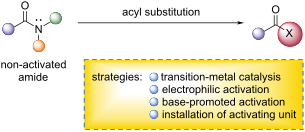
- intermediate AE, and loss of dimethylamine affords the transamidated products. One year later, Gu et al. developed a related transamidation protocol mediated by sodium tert-butoxide (NaOt-Bu) under neat conditions [72]. In 2019, Szostak et al. reported an elegant and chemoselective transamidation of

Graphical Abstract
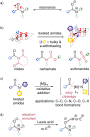
Scheme 1: a) Resonance structure of amide. b) Concept of twisted amides. c) Transition-metal-catalyzed activa...
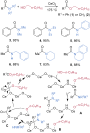
Scheme 2: Esterification of amides catalyzed by CeO2.

Scheme 3: Hydrolysis of amides catalyzed by Nb2O5.
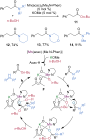
Scheme 4: Manganese-catalyzed esterification of tertiary amides.
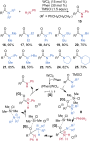
Scheme 5: Tungsten-catalyzed transamidation of hindered tertiary amides.
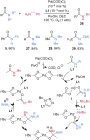
Scheme 6: Palladium-catalyzed transamidation of amides.

Scheme 7: Synthesis of benzyl esters via electrophilic activation of amides using DPT-BM.

Scheme 8: Esterification of amides promoted by SO2F2.
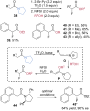
Scheme 9: α-Fluorinative cleavage of pyrrolidine-based tertiary amides via double electrophilic activation wi...
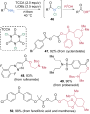
Scheme 10: Esterification of primary amides using TCCA via the generation of RCONCl2.
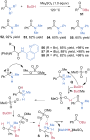
Scheme 11: Esterification of amides via electrophilic activation with Me2SO4.
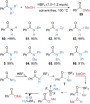
Scheme 12: HBF4-mediated esterification of amides.
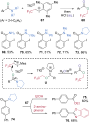
Scheme 13: Synthesis of 2,2,2-trifluoroethyl esters via electrophilic esterification of amide promoted by 67.
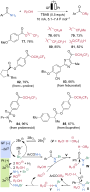
Scheme 14: Electrochemical activation of C–N bonds for esterification.

Scheme 15: Catalyst- and reagent-free transamidation of amide using aniline hydrochloride salt.
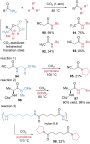
Scheme 16: CO2-catalyzed transamidation of amides.
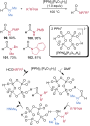
Scheme 17: Transamidation of formamides using cyclic dihydrogen tetrametaphosphate.

Scheme 18: BF3·OEt2-mediated transamidation of primary amides.

Scheme 19: Acyl iodide intermediate 121 generation from amides for the transamidation using HOTf and KI.
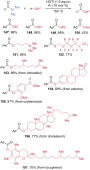
Scheme 20: Esterification of N,N-dimethyl amides via electrophilic generation of acyl iodide intermediates.

Scheme 21: Transamidation of DMAc promoted by KOt-Bu.
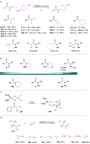
Scheme 22: a) LiHMDS-mediated transamidation of tertiary amides. b) Computed reactivities of selected amides. ...

Scheme 23: Zn-catalyzed chemoselective cleavage of amides directed by tert-butyl nicotinate.

Scheme 24: Chemoselective cleavage of N-PMB anilide for transamidation via acyl fluoride 194 generation. a) Cu...
Synthesis and applications of alkenyl chlorides (vinyl chlorides): a review
- Daniel S. Müller
Beilstein J. Org. Chem. 2026, 22, 1–63, doi:10.3762/bjoc.22.1
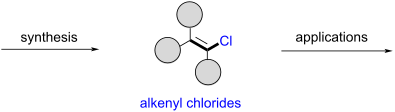
- vary widely across the literature, with solvents ranging from neat conditions to cyclohexane, hexanes, toluene, benzene, carbon tetrachloride, dichloromethane, and diethyl ether. Reaction temperatures span from −10 °C to 100 °C. The first detailed investigation of this transformation was reported by
- high-yielding synthesis of 23 by heating diketone 22 with PCl5 for several hours in toluene (Scheme 6B) [52]. Similarly, Jung obtained 25 in 69% yield after heating neat ketone and PCl5 (Scheme 6C) [53]. The high yield of 25 is somewhat surprising, considering the limited stability thereof. In our
- -rich acetophenone derivatives, such as the p-methoxy-substituted example 34 afforded only low yields. It is noteworthy that performing the synthesis of 26 under neat conditions with an excess of PCl5 afforded substantial amounts of dichloride 41 (Scheme 8A) [57]. Engler showed that the use of a large

Graphical Abstract
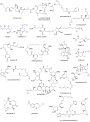
Figure 1: Representative alkenyl chloride motifs in natural products. References: Pinnaic acid [8], haterumalide ...

Figure 2: Representative alkenyl chloride motifs in pharmaceuticals and pesticides. References: clomifene [25], e...
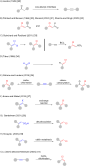
Figure 3: Graphical overview of previously published reviews addressing the synthesis of alkenyl chlorides.

Figure 4: Classification of synthetic approaches to alkenyl chlorides.

Scheme 1: Early works by Friedel, Henry, and Favorsky.

Scheme 2: Product distribution obtained by H NMR integration of crude compound as observed by Kagan and co-wo...

Scheme 3: Side reactions observed for the reaction of 14 with PCl5.

Scheme 4: Only compounds 15 and 18 were observed in the presence of Hünig’s base.

Scheme 5: Efficient synthesis of dichloride 15 at low temperatures.
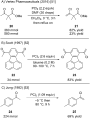
Scheme 6: Various syntheses of alkenyl chlorides on larger scale.

Scheme 7: Scope of the reaction of ketones with PCl5 in boiling cyclohexane.

Scheme 8: Side reactions occur when using excess amounts of PCl5.

Scheme 9: Formation of versatile β-chlorovinyl ketones.

Scheme 10: Mixture of PCl5 and PCl3 used for the synthesis of 49.

Scheme 11: Catechol–PCl3 reagents for the synthesis of alkenyl chlorides.

Scheme 12: (PhO)3P–halogen-based reagents for the synthesis of alkenyl halides.

Scheme 13: Preparation of alkenyl chlorides from alkenyl phosphates.

Scheme 14: Preparation of alkenyl chlorides by treatment of ketones with the Vilsmeier reagent.

Scheme 15: Preparation of electron-rich alkenyl chlorides by treatment of ketones with the Vilsmeier reagent.

Scheme 16: Cu-promoted synthesis of alkenyl chlorides from ketones and POCl3.

Figure 5: GC yield of 9 depending on time and reaction temperature.

Figure 6: Broken reaction flask after attempts to clean the polymerized residue.

Figure 7: GC yield of 9 depending on the amount of CuCl and time.

Scheme 17: Treatment of 4-chromanones with PCl3.

Scheme 18: Synthesis of alkenyl chlorides from the reaction of ketones with acyl chlorides.

Scheme 19: ZnCl2-promoted alkenyl chloride synthesis.
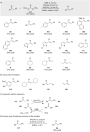
Scheme 20: Regeneration of acid chlorides by triphosgene.

Scheme 21: Alkenyl chlorides from ketones and triphosgene.
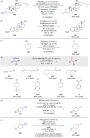
Scheme 22: Various substitution reactions.

Scheme 23: Vinylic Finkelstein reactions reported by Evano and co-workers.

Scheme 24: Challenge of selective monohydrochlorination of alkynes.

Scheme 25: Sterically encumbered internal alkynes furnish the hydrochlorination products in high yield.

Scheme 26: Recent work by Kropp with HCl absorbed on alumina.

Scheme 27: High selectivities for monhydrochlorination with nitromethane/acetic acid as solvent.

Figure 8: Functionalized alkynes which typically afford the monhydrochlorinated products.
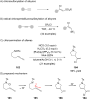
Scheme 28: Related chorosulfonylation and chloroamination reactions.
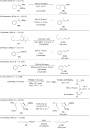
Scheme 29: Reaction of organometallic reagents with chlorine electrophiles.

Scheme 30: Elimination reactions of dichlorides to furnish alkenyl chlorides.

Scheme 31: Elimination reactions of allyl chloride 182 to furnish alkenyl chloride 183.

Scheme 32: Detailed studies by Schlosser on the elimination of dichloro compounds.

Scheme 33: Stereoselective variation caused by change of solvent.

Scheme 34: Elimination of gem-dichloride 189 to afford alkene 190.

Scheme 35: Oxidation of enones to dichlorides and in situ elimination thereof.

Scheme 36: Oxidation of allylic alcohols to dichlorides and in situ elimination thereof.

Scheme 37: Chlorination of styrenes with SOCl2 and elimination thereof.

Scheme 38: Chlorination of styrenes with SOCl2 and elimination thereof.

Scheme 39: Fluorine–chlorine exchange followed by elimination.

Scheme 40: Intercepting cations with alkynes and trapping of the alkenyl cation intermediate with chloride.

Scheme 41: Investigations by Mayr and co-workers.

Scheme 42: In situ activation of benzyl alcohol 230 with BCl3.

Scheme 43: In situ activation of benzylic alcohols with TiCl4.
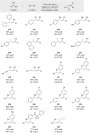
Scheme 44: In situ activation of benzylic alcohols with FeCl3.

Scheme 45: In situ activation of benzylic alcohols with FeCl3.

Scheme 46: In situ activation of aliphatic chlorides and alcohols with ZnCl2, InCl3, and FeCl3.

Scheme 47: In situ generation of benzylic cations and trapping thereof with alkynes.
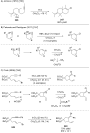
Scheme 48: Intramolecular trapping reactions affording alkenyl halides.

Scheme 49: Intramolecular trapping reactions affording alkenyl chlorides.

Scheme 50: Intramolecular trapping reactions of oxonium and iminium ions affording alkenyl chlorides.
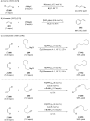
Scheme 51: Palladium and nickel-catalyzed coupling reactions to afford alkenyl chlorides.

Scheme 52: Rhodium-catalyzed couplings of 1,2-trans-dichloroethene with arylboronic esters.

Scheme 53: First report on monoselective coupling reactions for 1,1-dichloroalkenes.

Scheme 54: Negishi’s and Barluenga’s contributions.

Scheme 55: First mechanistic investigation by Johnson and co-workers.

Scheme 56: First successful cross-metathesis with choroalkene 260.

Scheme 57: Subsequent studies by Johnson.
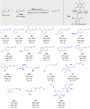
Scheme 58: Hoveyda and Schrock’s work on stereoretentive cross-metathesis with molybdenum-based catalysts.
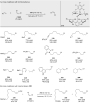
Scheme 59: Related work with (Z)-dichloroethene.
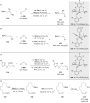
Scheme 60: Further ligand refinement and traceless protection of functional groups with HBpin.

Scheme 61: Alkenyl chloride synthesis by Wittig reaction.

Scheme 62: Alkenyl chloride synthesis by Julia olefination.

Scheme 63: Alkenyl chloride synthesis by reaction of ketones with Mg/TiCl4 mixture.

Scheme 64: Frequently used allylic substitution reactions which lead to alkenyl chlorides.
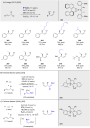
Scheme 65: Enantioselective allylic substitutions.

Scheme 66: Synthesis of alkenyl chlorides bearing an electron-withdrawing group.

Scheme 67: Synthesis of α-nitroalkenyl chlorides from aldehydes.

Scheme 68: Synthesis of alkenyl chlorides via elimination of an in situ generated geminal dihalide.

Scheme 69: Carbenoid approach reported by Pace.

Scheme 70: Carbenoid approach reported by Pace.

Scheme 71: Ring opening of cyclopropenes in the presence of MgCl2.

Scheme 72: Electrophilic chlorination of alkenyl MIDA boronates to Z- or E-alkenyl chlorides.

Scheme 73: Hydroalumination and hydroboration of alkynyl chlorides.

Scheme 74: Carbolithiation of chloroalkynes.

Scheme 75: Chlorination of enamine 420.

Scheme 76: Alkyne synthesis by elimination of alkenyl chlorides.

Scheme 77: Reductive lithiation of akenyl chlorides.

Scheme 78: Reactions of alkenyl chlorides with organolithium reagents.

Scheme 79: Reactions of alkenyl chlorides with organolithium reagents.

Scheme 80: Addition–elimination reaction of alkenyl chloride 9 with organolithium reagents.

Scheme 81: C–H insertions of lithiumcarbenoids.
Scheme 82: Pd-catalyzed coupling reactions with alkenyl chlorides as coupling partner.

Scheme 83: Ni-catalyzed coupling of alkenylcopper reagent with alkenyl chloride 183.

Scheme 84: Ni-catalyzed coupling of heterocycle 472 with alkenyl chloride 473.

Scheme 85: Synthesis of α-chloroketones by oxidation of alkenyl chlorides.

Scheme 86: Tetrahalogenoferrate(III)-promoted oxidation of alkenyl chlorides.

Scheme 87: Chlorine–deuterium exchange promoted by a palladium catalyst.

Scheme 88: Reaction of alkenyl chlorides with thiols in the presence of AIBN (azobisisobutyronitrile).

Scheme 89: Chloroalkene annulation.
Synthesis of new tetra- and pentacyclic, methylenedioxy- and ethylenedioxy-substituted derivatives of the dibenzo[c,f][1,2]thiazepine ring system
- Gábor Berecz,
- András Dancsó,
- Mária Tóthné Lauritz,
- Loránd Kiss,
- Gyula Simig and
- Balázs Volk
Beilstein J. Org. Chem. 2025, 21, 2645–2656, doi:10.3762/bjoc.21.205
- standard open 40 μL aluminum pan under 50 mL/min nitrogen atmosphere. IR spectra were obtained on a Bruker ALPHA FT-IR spectrometer in KBr pellets or in neat. NMR spectra were recorded at 295 K on a Bruker Avance III HD 600 (600 and 150 MHz for 1H and 13C NMR spectra, respectively) spectrometer equipped

Graphical Abstract

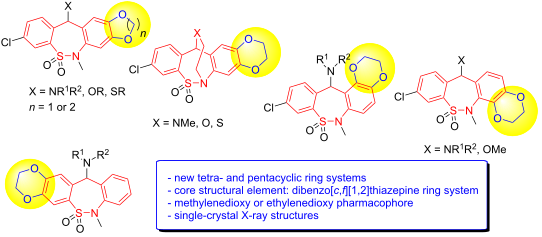
Figure 1: Reported ring systems incorporating the dibenzo[c,f][1,2]thiazepine (1) skeleton.

Figure 2: Drugs exhibiting a 1,3-benzodioxole or 1,4-benzodioxane structural unit marketed or in development.

Scheme 1: Synthesis of tetracyclic key intermediates 6 and 7. Conditions: i) 1,3-benzodioxol-5-amine (n = 1)/...

Scheme 2: Synthesis of tetracyclic compounds 20 and 21. Conditions: i) NaBH4, DMF, EtOH, rt, 4.5 h/23 h, 95%/...

Figure 3: X-ray structures of compounds 20e and 21g.

Scheme 3: Synthesis of tianeptine analogues 20b and 21b. Conditions: 20b: NaOH, EtOH/H2O, rt, 25 h, 80%; 21b:...

Scheme 4: Synthesis of tetracyclic ethers 23 and thioether 24. Conditions: i) ROH, MeCN, rt, 2–3 h, 38–84%; i...

Figure 4: X-ray structure of compound 23a.

Scheme 5: Synthesis of pentacyclic compounds 25–27. Conditions: i) Py·HCl, 180 °C, 27 h, 51%; ii) Br(CH2)2Br,...

Figure 5: X-ray structures of compounds 25, 26, and 27.

Scheme 6: Synthesis of tetracyclic compounds 38. Conditions: i) NaBH4, DMF/EtOH, rt, 3 h, 89%; ii) SOCl2, DCM...

Scheme 7: Synthesis of tetracyclic compounds 45 and 46. Conditions: i) 2,3-dihydro-1,4-benzodioxin-5-amine, P...

Scheme 8: Synthesis of tetracyclic compounds 54. Conditions: i) methyl anthranilate, pyridine, 0–5 °C, 4 h, r...
Recent advances in Norrish–Yang cyclization and dicarbonyl photoredox reactions for natural product synthesis
- Peng-Xi Luo,
- Jin-Xuan Yang,
- Shao-Min Fu and
- Bo Liu
Beilstein J. Org. Chem. 2025, 21, 2315–2333, doi:10.3762/bjoc.21.177
- stereoretentive coupling at C2 with aryl bromide 86, yielding 88 as a single diastereomer. Manipulation of the protecting group of 88 arrived at lycoplatyrine A (89). Notably, 87 and related α-hydroxy-β-lactams were obtained via Norrish–Yang cyclization of the corresponding neat α-keto amides in the solid state

Graphical Abstract

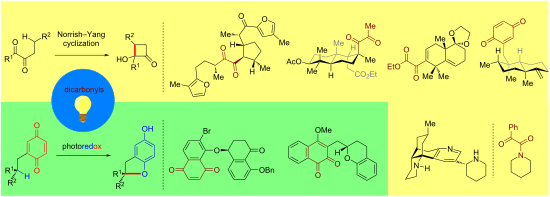
Scheme 1: a) The mechanism of Norrish type II reaction and Norrish–Yang cyclization; b) The mechanism of the ...

Scheme 2: Total synthesis of (+)-cyclobutastellettolide B.

Scheme 3: Norrish–Yang cyclization and 1,2-methyl migration.

Scheme 4: Synthetic study toward phainanoids.

Scheme 5: a) Mitsunobu reaction of the C9 ketal; b) Norrish–Yang cyclization of the saturated C5–C6; c) calcu...
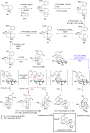
Scheme 6: Total synthesis of avarane-type meroterpenoids.

Scheme 7: Total synthesis of gracilisoid A.
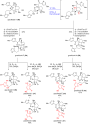
Scheme 8: Divergent total synthesis of gracilisoids B–I.

Scheme 9: Mechanism of the late-stage biomimetic photooxidation.
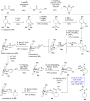
Scheme 10: Asymmetric total synthesis of lycoplatyrine A.

Scheme 11: Photoreaction of pyrrolidine-derived phenyl keto amide.

Scheme 12: Photoredox reactions of naphthoquinones.
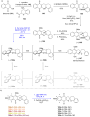
Scheme 13: Synthetic study toward γ-rubromycin.

Scheme 14: Substituent-dependent conformational preferences.
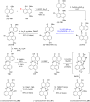
Scheme 15: Total synthesis of preussomerins EG1, EG2, and EG3.
Systematic pore lipophilization to enhance the efficiency of an amine-based MOF catalyst in the solvent-free Knoevenagel reaction
- Pricilla Matseketsa,
- Margret Kumbirayi Ruwimbo Pagare and
- Tendai Gadzikwa
Beilstein J. Org. Chem. 2025, 21, 1854–1863, doi:10.3762/bjoc.21.144
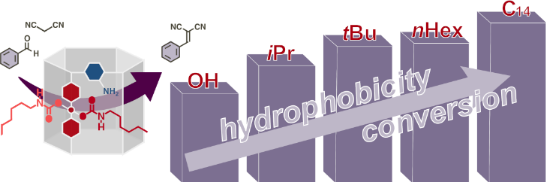
- variable and rely solely on MOF modification to create a lipophilic environment in the pores. However, because solvents improve the solubility of the reactants and products, making it easier for the reagents to reach the active sites, we were concerned that performing the reaction under neat conditions
- reaction mixture. To address both concerns of performing the neat Knoevenagel reaction – product precipitation and the incomplete submersion of the MOF catalyst – we reduced the catalyst amount to 1.5 mol %. Surprisingly, the reaction conversions were higher than those in toluene with 12 mol % catalyst
- with the increasing lipophilicity of the alkyl chains, which is a result of the increase in surface area of the alkyl groups [51]. Of further interest are the results of the catalysis under the same neat conditions using the dimethyl ester of our catalytically active linker, Me2-BDC-NH2 (Table S3

Graphical Abstract

Figure 1: Schematic representation of the modulation of MOF pore environments. A) de novo synthesis of severa...

Figure 2: A) Schematic representation of the reaction of KSU-1 with aliphatic isocyanates and the estimated c...

Scheme 1: Probable mechanisms for the Knoevenegel condensation reaction between benzaldehyde and malononitril...

Figure 3: A) Schematic representation of the reaction between benzaldehyde and malononitrile to form benzylid...

Figure 4: Graphical representation of the Knoevenagel catalysis results. A) Comparison of the reaction in tol...

Figure 5: Left: comparison of BMN and HPMM protons in 1H NMR spectra. Note that the peaks corresponding to HP...
Photoswitches beyond azobenzene: a beginner’s guide
- Michela Marcon,
- Christoph Haag and
- Burkhard König
Beilstein J. Org. Chem. 2025, 21, 1808–1853, doi:10.3762/bjoc.21.143
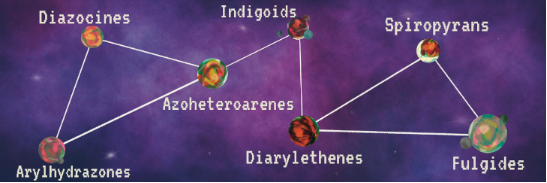
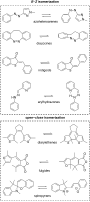
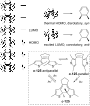
- molybdenum catalyst allows partial conversion of the recovered by-product to the final product 35b, while for the S-heterodiazocine lead was used for the reduction in neat conditions (Scheme 14) [53]. N-Heterodiazocines (Scheme 15) can be synthesised by coupling of monoprotected diamine 55 with benzyl

Graphical Abstract

Figure 1: Energy diagram of a two-state photoswitch. Figure 1 was redrawn from [2].

Figure 2: Example of the absorption spectra of the isomers of a photoswitch with most efficient irradiation w...
Scheme 1: Photoswitch classes described in this review.

Figure 3: Azoheteroarenes.

Scheme 2: E–Z Isomerisation (top) and mechanisms of thermal Z–E isomerisation (bottom).

Scheme 3: Rotation mechanism favoured by the electron displacement in push–pull systems. Selected examples of...

Figure 4: A) T-shaped and twisted Z-isomers determine the thermal stability and the Z–E-PSS (selected example...

Figure 5: Effect of di-ortho-substitution on thermal half-life and PSS.

Figure 6: Selected thermal lifetimes of azoindoles in different solvents and concentrations. aConcentration o...

Figure 7: Aryliminopyrazoles: N-pyrazoles (top) and N-phenyl (bottom).

Scheme 4: Synthesis of symmetrical heteroarenes through oxidation (A), reduction (B), and the Bayer–Mills rea...

Scheme 5: Synthesis of diazonium salt (A); different strategies of azo-coupling: with a nucleophilic ring (B)...

Scheme 6: Synthesis of arylazothiazoles 25 (A) and heteroaryltriazoles 28 (B).

Scheme 7: Synthesis of heteroarylimines 31a,b [36-38].

Figure 8: Push–pull non-ionic azo dye developed by Velasco and co-workers [45].

Scheme 8: Azopyridine reported by Herges and co-workers [46].

Scheme 9: Photoinduced phase transitioning azobispyrazoles [47].

Figure 9: Diazocines.

Scheme 10: Isomers, conformers and enantiomers of diazocine.

Scheme 11: Partial overlap of the ππ* band with electron-donating substituents and effect on the PSS. Scheme 11 was ada...

Figure 10: Main properties of diazocines with different bridges. aMeasured in n-hexane [56]. bMeasured in THF. cMe...

Scheme 12: Synthesis of symmetric diazocines.

Scheme 13: Synthesis of asymmetric diazocines.

Scheme 14: Synthesis of O- and S-heterodiazocines.

Scheme 15: Synthesis of N-heterodiazocines.

Scheme 16: Puromycin diazocine photoswitch [60].

Figure 11: Indigoids.

Figure 12: The main representatives of the indigoid photoswitch class.

Scheme 17: Deactivation process that prevents Z-isomerisation of indigo.

Figure 13: Stable Z-indigo derivative synthesised by Wyman and Zenhäusern [67].

Figure 14: Selected examples of indigos with aliphatic and aromatic substituents [68]. Dashed box: proposed π–π in...

Scheme 18: Resonance structures of indigo and thioindigo involving the phenyl ring.

Scheme 19: Possible deactivation mechanism for 4,4'-dihydroxythioindigo [76].

Scheme 20: Effect of different heteroaryl rings on the stability and the photophysical properties of hemiindig...

Figure 15: Thermal half-lives of red-shifted hemithioindigos in toluene [79]. aMeasured in toluene-d8.

Scheme 21: Structures of pyrrole [81] and imidazole hemithioindigo [64].

Figure 16: Examples of fully substituted double bond hemithioindigo (left), oxidised hemithioindigos (centre),...

Scheme 22: Structure of iminothioindoxyl 72 (top) and acylated phenyliminoindolinone photoswitch 73 (bottom). ...

Scheme 23: (top) Transition states of iminothioindoxyl 72. The planar transition state is associated with a lo...

Scheme 24: Baeyer–Drewsen synthesis of indigo (top) and N-functionalisation strategies (bottom).

Scheme 25: Synthesis of hemiindigo.

Scheme 26: Synthesis of hemithioindigo and iminothioindoxyl.

Scheme 27: Synthesis of double-bond-substituted hemithioindigos.

Scheme 28: Synthesis of phenyliminoindolinone.

Scheme 29: Hemithioindigo molecular motor [85].

Figure 17: Arylhydrazones.

Scheme 30: Switching of arylhydrazones. Note: The definitions of stator and rotor are arbitrary.

Scheme 31: Photo- and acidochromism of pyridine-based phenylhydrazones.

Scheme 32: A) E–Z thermal inversion of a thermally stable push–pull hydrazone [109]. B) Rotation mechanism favoured...

Scheme 33: Effect of planarisation on the half-life.

Scheme 34: The longest thermally stable hydrazone switches reported so far (left). Modulation of thermal half-...

Figure 18: Dependency of t1/2 on concentration and hypothesised aggregation-induced isomerisation.

Figure 19: Structure–property relationship of acylhydrazones.

Scheme 35: Synthesis of arylhydrazones.

Scheme 36: Synthesis of acylhydrazones.

Scheme 37: Photoswitchable fluorophore by Aprahamian et al. [115].

Scheme 38: The four-state photoswitch synthesised by the Cigáň group [116].

Figure 20: Diarylethenes.

Scheme 39: Isomerisation and oxidation pathway of E-stilbene to phenanthrene.

Scheme 40: Strategies adapted to avoid E–Z isomerisation and oxidation.
Scheme 41: Molecular orbitals and mechanism of electrocyclisation for a 6π system.

Figure 21: Aromatic stabilisation energy correlated with the thermal stability of the diarylethenes [127,129].

Figure 22: Half-lives of diarylethenes with increasing electron-withdrawing groups [128,129].

Scheme 42: Photochemical degradation pathway promoted by electron-donating groups [130].

Figure 23: The diarylethenes studied by Hanazawa et al. [134]. Increased rigidity leads to bathochromic shift.

Scheme 43: The dithienylethene synthesised by Nakatani's group [135].

Scheme 44: Synthesis of perfluoroalkylated diarylethenes.

Scheme 45: Synthesis of 139 and 142 via McMurry coupling.

Scheme 46: Synthesis of symmetrical derivatives 145 via Suzuki–Miyaura coupling.

Scheme 47: Synthesis of acyclic 148, malonic anhydride 149, and maleimide derivatives 154.

Figure 24: Gramicidin S (top left) and two of the modified diarylethene derivatives: first generation (bottom ...

Scheme 48: Pyridoxal 5'-phosphate and its reaction with an amino acid (top). The analogous dithienylethene der...

Figure 25: Fulgides.

Scheme 49: The three isomers of fulgides.

Scheme 50: Thermal and photochemical side products of unsubstituted fulgide [150].

Figure 26: Maximum absorption λc of the closed isomer compared with the nature of the aromatic ring and the su...

Scheme 51: Possible rearrangement of the excited state of 5-dimethylaminoindolylfulgide [153].

Figure 27: Quantum yields of ring closure (ΦE→C) and E–Z isomerisation (ΦE→Z) correlated with the increasing s...

Scheme 52: Active (Eα) and inactive (Eβ) conformers (left) and the bicyclic sterically blocked fulgide 169 (ri...

Scheme 53: Quantum yield of ring-opening (ΦC→E) and E–Z isomerisation (ΦE→Z) for different substitution patter...

Scheme 54: Stobbe condensation pathway for the synthesis of fulgides 179, fulgimides 181 and fulgenates 178.

Scheme 55: Alternative synthesis of fulgides through Pd-catalysed carbonylation.

Scheme 56: Optimised synthesis of fulgimides [166].

Scheme 57: Photoswitchable FRET with a fulgimide photoswitch [167].

Scheme 58: Three-state fulgimide strategy by Slanina's group.

Figure 28: Spiropyrans.

Scheme 59: Photochemical (left) and thermal (right) ring-opening mechanisms for an exemplary spiropyran with a...

Figure 29: Eight possible isomers of the open merocyanine according to the E/Z configurations of the bonds hig...

Scheme 60: pH-Controlled photoisomerisation between the closed spiropyran 191-SP and the open E-merocyanine 19...

Scheme 61: Behaviour of spiropyran in water buffer according to Andréasson and co-workers [180]. 192-SP in an aqueo...

Scheme 62: (left box) Proposed mechanism of basic hydrolysis of MC [184]. (right box) Introduction of electron-dona...

Scheme 63: Photochemical interconversion of naphthopyran 194 (top) and spirooxazine 195 (bottom) photoswitches...

Scheme 64: Synthesis of spiropyrans and spirooxazines 198 and the dicondensation by-product 199.

Scheme 65: Alternative synthesis of spiropyrans and spirooxazines with indolenylium salt 200.

Scheme 66: Synthesis of 4’-substituted spiropyrans 203 by condensation of an acylated methylene indoline 201 w...

Scheme 67: Synthesis of spironaphthopyrans 210 by acid-catalysed condensation of naphthols and diarylpropargyl...

Scheme 68: Photoswitchable surface wettability [194].

Figure 30: Some guiding principles for the choice of the most suitable photoswitch. Note that this guide is ve...
Influence of the cation in hypophosphite-mediated catalyst-free reductive amination
- Natalia Lebedeva,
- Fedor Kliuev,
- Olesya Zvereva,
- Klim Biriukov,
- Evgeniya Podyacheva,
- Maria Godovikova,
- Oleg I. Afanasyev and
- Denis Chusov
Beilstein J. Org. Chem. 2025, 21, 1661–1670, doi:10.3762/bjoc.21.130

- synthesis of imines and enamines [36][37]. In our reducing system H3PO2 could act as an effective reductant due to its high solubility in neat conditions (Table 1, line 1) (in form of morpholinium hypophosphite). Nonetheless reductive potential of hypophosphite is pH-dependent (−1.65 V at pH 14 vs −0.5 V at
- experiments were carried out. During the substrate screening we noted that reaction between aldehydes and primary amines resulted in only traces of the product of reductive amination. In these reaction mixtures, exclusively Schiff bases were detected since they precipitated under neat conditions and left the
- ), K2CO3 (0.181 mmol, 0.125 equiv), H3PO2 (0.725 mmol, 0.5 equiv.), neat, 110 °C. Yield was determined by NMR, isolated yield in parentheses. a48 h. Reaction profile and DFT energies of intermediates and transition states. M062X functional with the basis set 6-311+G(d,p) on the model reaction between

Graphical Abstract

Scheme 1: Rationale of the current study: a) Our previous work [20]; b) this work.

Scheme 2: Comparison of KH2PO2 and NaH2PO2 under the optimal conditions.
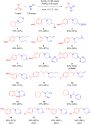
Figure 1: Substrate scope. Reaction conditions: carbonyl compound (1.45 mmol, 1 equiv), amine (1.81 mmol, 1.2...
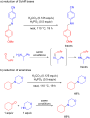
Scheme 3: Control experiments.
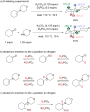
Scheme 4: Experiments with D3PO2.
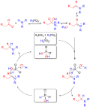
Scheme 5: Principal steps of the mechanism of the reductive amination with K2CO3/H3PO2 reducing system.
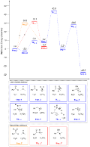
Figure 2: Reaction profile and DFT energies of intermediates and transition states. M062X functional with the...
High-pressure activation for the solvent- and catalyst-free syntheses of heterocycles, pharmaceuticals and esters
- Kelsey Plasse,
- Valerie Wright,
- Guoshu Xie,
- R. Bernadett Vlocskó,
- Alexander Lazarev and
- Béla Török
Beilstein J. Org. Chem. 2025, 21, 1374–1387, doi:10.3762/bjoc.21.102
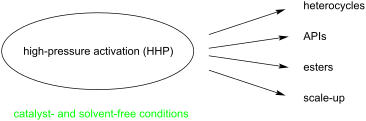
- benefits, such as (i) improved reactions rates and yields in catalyst and solvent-free reactions, which enables easy isolation, and simplified work-up procedure; (ii) the neat reactions of the substrates eliminates solvents and thus reduces environmental and hazard impact; (iii) the HHP conditions enable

Graphical Abstract

Figure 1: Simplified schematic rendering of a high hydrostatic pressure reactor.

Scheme 1: High pressure-initiated synthesis of 1,3-dihydrobenzimidazoles 3a–d. The yields are GC yields and t...

Figure 2: Illustration of the cyclization reaction between chalcone (4) and 3-(trifluoromethyl)phenylhydrazin...

Scheme 2: High pressure-initiated catalyst- and solvent-free synthesis of pyrazoles 6a–c from chalcone (4) an...

Figure 3: Schematic representation of the cycling experiments: the major variables are the applied pressure, ...

Scheme 3: High pressure-initiated synthesis of the active pharmaceutical ingredients in Tylenol® and Aspirin®...

Scheme 4: High pressure-initiated esterification of alcohols 12a–g in a catalyst- and additional solvent-free...

Scheme 5: High pressure-initiated large scale syntheses of N-aryl- and N-alkylpyrroles at about 100 g scale.
Investigations of amination reactions on an antimalarial 1,2,4-triazolo[4,3-a]pyrazine scaffold
- Henry S. T. Smith,
- Ben Giuliani,
- Kanchana Wijesekera,
- Kah Yean Lum,
- Sandra Duffy,
- Aaron Lock,
- Jonathan M. White,
- Vicky M. Avery and
- Rohan A. Davis
Beilstein J. Org. Chem. 2025, 21, 1126–1134, doi:10.3762/bjoc.21.90
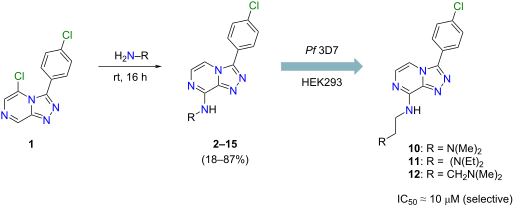
- ]triazolo[4,3-a]pyrazine (compound 1; Scheme 1) according to the approach previously described by Korsik et al. [10] was performed, but without reflux, in order to compare the yield obtained for the aminated product under our further modified conditions (neat phenethylamine only, room temperature; Scheme 1

Graphical Abstract

Figure 1: (A) Position numbering on the pyrazine ring of 1,2,4-triazolo[4,3-a]pyrazine. (B) Illustration of i...

Scheme 1: Treatment of 1 with phenethylamine (PEA) under two different reaction conditions, (i) or (ii), gave ...

Figure 2: Key COSY (–), HMBC (→) and ROESY (↔) correlations for compound 2.
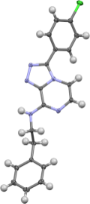
Figure 3: Thermal ellipsoid plot of compound 2.

Scheme 2: Chemical structures, reagents and conditions used to synthesise the new aminated triazolopyrazines 2...

Figure 4: Thermal ellipsoid plots for compounds 7 (A), 10 (B) and 15 (C).
Asymmetric synthesis of fluorinated derivatives of aromatic and γ-branched amino acids via a chiral Ni(II) complex
- Maurizio Iannuzzi,
- Thomas Hohmann,
- Michael Dyrks,
- Kilian Haoues,
- Katarzyna Salamon-Krokosz and
- Beate Koksch
Beilstein J. Org. Chem. 2025, 21, 659–669, doi:10.3762/bjoc.21.52
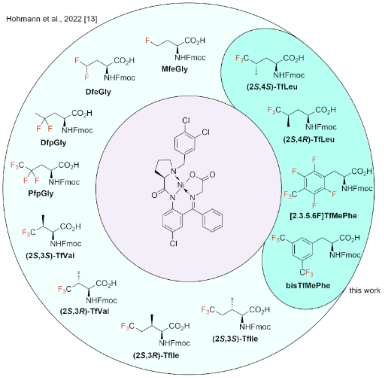
- , CDCl3) δ −56.23 (t, J = 20.7 Hz), −140.45 (dq, J = 28.6, 11.9, 11.1 Hz); ATR-FTIR (neat): 3587, 2975, 2868, 1634, 1500, 1333, 1249, 1137, 870, 820, 709 cm−1; HRMS (ESI-TOF) m/z: [M + Na]+ calcd for C35H23Cl3F7N3NiO3, 853.9916; found, 853.9958. Ni(II)-Schiff base complex of bisTfMePhe 7: Under inert
- , 121.5, 71.2, 70.9, 63.3, 58.6, 40.7, 30.8, 23.7; 19F NMR (565 MHz, CDCl3) δ −62.57 (s); ATR-FTIR (neat): 3062, 2982, 2868, 1638, 1463, 1278, 1133, 894, 820, 705 cm−1; HRMS (ESI-TOF) m/z: [M + Na]+ calcd for C36H26Cl3F6N3NiO3, 850.0167; found, 850.0181. Ni(II)-Schiff base complexes of (2S,4R)-TfLeu 11a
- ), 146.2 (2C), 145.1 (2C), 142.6 (2C), 128.8 (2C), 128.1 (2C), 126.1 (2C), 123.3, 120.9 (3C), 108.9, 68.2, 54.1, 48.2, 26.9; 19F NMR (565 MHz, CDCl3) δ −57.00 (t), −141.58 (td), −142.21 to −144.04 (m); ATR-FTIR (neat): 3313, 3066, 2945, 1698, 1492, 1263, 1146, 966, 738 cm−1; HRMS (ESI-TOF) m/z: [M − H

Graphical Abstract

Scheme 1: Previous work for obtaining different fluorinated amino acids and target fluorinated amino acids de...

Scheme 2: Synthesis of fluorinated aromatic amino acids 2 and 3.

Scheme 3: a) Gram-scale synthesis of fluorinated alkyl iodide precursor 10; b) Synthesis of trifluorinated le...
Formaldehyde surrogates in multicomponent reactions
- Cecilia I. Attorresi,
- Javier A. Ramírez and
- Bernhard Westermann
Beilstein J. Org. Chem. 2025, 21, 564–595, doi:10.3762/bjoc.21.45
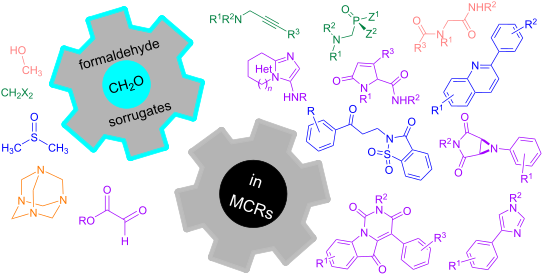
- ], DMSO [64], water, and even neat conditions [62]. In some cases, the same dihalomethane can be used as both the reactant and solvent. For example, Aguilar et al., proved that when using CH2Cl2 as both a solvent and a C1 source, they could obtain propargylamines 29 with good yields from secondary amines

Graphical Abstract

Scheme 1: Features of the ideal reaction (redrawn from P. A. Wender et al. [1]).

Scheme 2: Some of the most popular MCRs with formaldehyde as the carbonyl component.

Scheme 3: Ugi reaction under a catalyzed electro-oxidation process using TEMPO (2,2,6,6-tetramethyl-1-piperid...

Scheme 4: Examples of different products obtained by MCRs in which DMSO serves as -SCH3 source.

Scheme 5: Mechanism of the decomposition of DMSO under acidic or thermal conditions. a) In situ generation of...

Scheme 6: Povarov multicomponent reaction to quinolines.

Scheme 7: Example of the Povarov reaction with formaldehyde with a julolidine derivative as main product.

Scheme 8: Povarov multicomponent reaction to quinoline derivatives I and II using DMSO as formaldehyde surrog...

Scheme 9: Example of a Povarov three-component reaction with change of catalyst, yielding regioisomer III. In...

Scheme 10: The Povarov three-component reactions carried out under acidic catalysis to afford quinoline regios...

Scheme 11: Different MCR routes involving DMSO to synthesize complex heterocycles such as diarylpyridines and ...

Scheme 12: Pyrazole synthesis by a three-component reaction using DMSO as a source of a C-1 unit.

Scheme 13: Three-component reactions for the synthesis of aliphatic heterocycles 13 and 14 using DMSO as a for...

Scheme 14: Proposed mechanism for the 3CR between homoallylic amines, disulfides, and DMSO.

Scheme 15: Mannich-type reaction using DMSO as formaldehyde surrogate.

Scheme 16: Mechanism for the 3CR-Mannich-type reaction between aryl ketone 18, saccharine (19), and DMSO. The ...

Scheme 17: Mannich-type reaction using DMSO as formaldehyde surrogate and under oxidative activation.

Scheme 18: Three-component reaction between an indazole, a carboxylic acid, and DMSO.

Scheme 19: Amine–aldehyde–alkyne (AAA) coupling reaction and plausible mechanism.

Scheme 20: AHA coupling for the synthesis of propargylamines using dihalomethanes as C1 building blocks.

Scheme 21: AHA coupling using CH2Cl2 as both solvent and methylene source.

Scheme 22: Examples of propargylamines synthesized under catalytic AHA protocols.

Scheme 23: Proposed mechanism for the synthesis of propargylamines using dichloromethane as a C1 source.

Scheme 24: Mechanism proposed for the generation of the aminal intermediate E by Buckley et al. [68].

Scheme 25: Pudovic and Kabachnik–Fields reactions for the synthesis of α-aminophosphonates.

Scheme 26: a) Abramov side reaction that generates α-hydroxy phosphonate as a byproduct during the Kabachnik-F...

Scheme 27: Catalyst-free three component reaction to afford α-amino phosphorus product 35 using 1,1-dihaloalka...

Scheme 28: a) Proposed mechanism for the three-component reaction of dichloromethane, amine and phosphorus com...

Scheme 29: Ugi-ammonia strategy using HMTA as a formaldehyde surrogate.

Scheme 30: Glyoxylate and its derivatives as C1 building blocks.

Scheme 31: The Groebke–Blackburn–Bienaymé multicomponent reaction (GBB) and its mechanism.

Scheme 32: a) Byproducts in the GBB multicomponent reaction (GBB) when formaldehyde is used as the carbonyl co...

Scheme 33: Possible regioisomers in the GBB multicomponent reaction when formaldehyde is used as the carbonyl ...

Scheme 34: The multicomponent GBB reaction yields 2-unsubstituted 3-aminoimidazo heterocycles 42a using MP-gly...

Scheme 35: GBB multicomponent reaction to 2-unsubstituted 3-amino imidazo heterocycles 42a using glyoxylic aci...

Scheme 36: GBB reaction using glyoxylic acid immobilized on silica as formaldehyde surrogate.

Scheme 37: Bioactive products synthesized by the GBB reaction using glyoxylic acid.

Scheme 38: van Leusen three-component reaction to imidazoles.

Scheme 39: Side reaction during the synthesis of imidazoles with formaldehyde as the carbonyl compound.

Scheme 40: Optimization of the van Leusen three component reaction to 1,4-disubstituted imidazoles 43 using gl...

Scheme 41: Application of the Sisko strategy [96] for the synthesis of CB1 receptor antagonist compounds [97].

Scheme 42: Side reaction, when NH4OH is used as amine component.

Scheme 43: Ugi-type adducts with the ester moiety and the acidic CH to be used for post-cyclization sequences.

Scheme 44: Ugi/cycloisomerization process to pyrrolones 51, butenolides 52, and pyrroline 53.

Scheme 45: Radical cyclization reactions from Ugi adducts promoted by TEMPO.

Scheme 46: Hydrolysis and decarboxylation reactions to products with incorporation of a C1 unit of ethyl glyox...

Scheme 47: One-step synthetic route to pyrrolones 60 using phenylglyoxal.

Scheme 48: Ugi-pseudo-Knoevenagel-pseudo-Dieckmann cascade sequence for the synthesis of fused heterocycles.

Scheme 49: Ugi-pseudo-Knoevenagel reaction from ethyl glyoxylate.
Unprecedented visible light-initiated topochemical [2 + 2] cycloaddition in a functionalized bimane dye
- Metodej Dvoracek,
- Brendan Twamley,
- Mathias O. Senge and
- Mikhail A. Filatov
Beilstein J. Org. Chem. 2025, 21, 500–509, doi:10.3762/bjoc.21.37
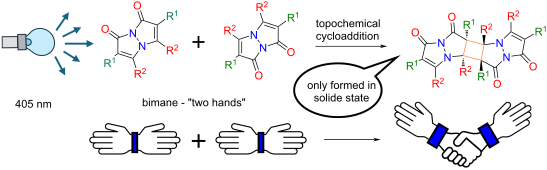
- chlorine gas, with the reaction conducted by stirring the pyrazolinone with TCICA in DCM for 18 hours. Bimanes can be purified easily using column chromatography with silica gel as the stationary phase, with the compounds Cl2B, Me2B, and Me4B only requiring neat DCM as the eluent. After chromatographic
- ¹H NMR spectra remained unchanged compared to the neat compounds (Figures S1, S3, and S5, Supporting Information File 1), confirming that the reaction occurs selectively in the solid state. Cl2B was also irradiated in DCM with the same 405 nm LEDs, in a quartz fluorescence cuvette. A UV–vis spectrum

Graphical Abstract

Figure 1: Structures of a) the unfunctionalized bimane scaffold and b) the two isomers of bimanes with their ...

Figure 2: a) Structures of the bimanes studied and b) the reaction scheme of the [2 + 2] photocycloaddition o...

Figure 3: Synthetic approach to bimanes.

Figure 4: View of the molecular structures in the crystal of the functionalized bimanes studied: a) Cl2B (B),...

Figure 5: View of the molecular structure in the crystal of a) symmetry generated by inversion bimanes Cl2B (...

Figure 6: View of the packing of the unit cells of a) Me2B viewed normal to the c-axis and b) Me4B viewed nor...

Figure 7: UV–vis spectrum of Cl2B after irradiation in DCM.

Figure 8: Proposed mechanism for the topochemical [2 + 2] photocycloaddition of Cl2B.
Heteroannulations of cyanoacetamide-based MCR scaffolds utilizing formamide
- Marios Zingiridis,
- Danae Papachristodoulou,
- Despoina Menegaki,
- Konstantinos G. Froudas and
- Constantinos G. Neochoritis
Beilstein J. Org. Chem. 2025, 21, 217–225, doi:10.3762/bjoc.21.13
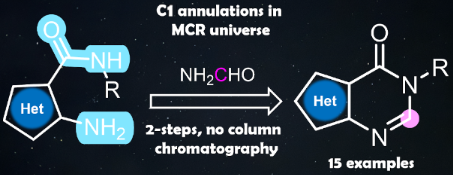
- specific MCR-based scaffolds as precursors and employing the abundant and inexpensive formamide as a C1 feedstock under neat conditions, we were able to efficiently access substituted thieno-, quinolino- and indolopyrimidones without the need of column chromatography. Further, a single-crystal X-ray
- (hetero)aromatic, bulky and linear amines with different substitution patterns. The compounds 2–4 were purified by recrystallization and employed as such (Scheme 2). To our great delight, the heterocycles 2–4 could successfully be subjected to refluxing formamide under neat conditions, instantly yielding

Graphical Abstract

Figure 1: Heteroannulated pyrimidones in drug discovery: blockbuster drugs that are based on the privileged p...

Scheme 1: Strategies towards targeted adducts: A) Niementowski quinazoline synthesis utilizing anthranilic ac...
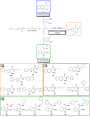
Scheme 2: Access to the key building blocks 2–4 by employing three different nonisocyanide-based MCRs. Divers...

Scheme 3: Synthesis of N-substituted thienopyrimidones 5a–e by a Gewald three-component reaction employing 2-...

Scheme 4: Synthesis of N-substituted quinolinopyrimidones 6a–e from 2-aminoindoles 3a–e and formamide as C1 s...

Scheme 5: Synthesis of N-substituted indolopyrimidones 7a–e from 2-aminoindoles 4a–e and formamide as C1 sour...

Figure 2: Representative fluorescence spectrum of compounds 5b (λex = 330 nm) and 6e (λex = 430 nm) at 0.2 M ...

Figure 3: Molecular geometry observed within the crystal structure of compound 7b (CCDC 2376493).
4,6-Diaryl-5,5-difluoro-1,3-dioxanes as chiral dopants for liquid crystal compositions
- Maurice Médebielle,
- Peer Kirsch,
- Jérémy Merad,
- Carolina von Essen,
- Clemens Kühn and
- Andreas Ruhl
Beilstein J. Org. Chem. 2024, 20, 2940–2945, doi:10.3762/bjoc.20.246
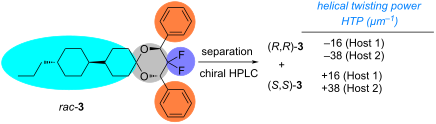
- from neat chiral mesogens, or through the addition of a chiral dopant to an achiral nematic liquid crystal [5][6]. The ability of the dopant to induce chirality in the nematic phase is defined as the helical twisting power [HTP; β = (pc)−1; with p the helical pitch and c the molar concentration]. The

Graphical Abstract

Figure 1: Selected examples of chiral dopants with high HTPs in their nematic host LC mixture.

Scheme 1: Structure–property relationship of 4,6-diheteroaryl-5,5-difluoro-1,3-dioxanes as potential chiral d...

Scheme 2: The syntheses of chiral 4,6-diphenyl-5,5-difluoro-1,3-dioxanes 3 and 4 as dopants for cholesteric l...

Scheme 3: Synthesis of rac-2 as precursor of rac-3 and rac-4.

Figure 2: Configuration of (R,R)-3 determined by X-ray crystallography.
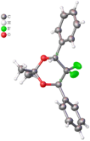
Figure 3: Configuration of (R,R)-4 determined by X-ray crystallography.
Facile preparation of fluorine-containing 2,3-epoxypropanoates and their epoxy ring-opening reactions with various nucleophiles
- Yutaro Miyashita,
- Sae Someya,
- Tomoko Kawasaki-Takasuka,
- Tomohiro Agou and
- Takashi Yamazaki
Beilstein J. Org. Chem. 2024, 20, 2421–2433, doi:10.3762/bjoc.20.206
- 49.4 (q, J = 2.5 Hz), 52.7 (q, J = 42.2 Hz), 68.0, 121.4 (q, J = 276.0 Hz), 128.5, 128.7, 128.8, 134.3, 165.6; 19F NMR (282.65 MHz, CDCl3) δ −75.12 (d, J = 4.5 Hz); IR (neat) ν: 3944, 3689, 3054, 2987, 2685, 2306, 1756, 1456, 1422, 1382, 1341, 1265, 1169, 1089, 988, 929, 896, 664 cm−1; Anal. calcd for
- = 34.1 Hz), 122.5 (q, J = 282.9 Hz), 128.61, 128.63, 128.8, 134.0, 165.1, 165.6, 167.4; 19F NMR (282.65 MHz, CDCl3) δ −75.84 (d, J = 6.8 Hz); IR (neat) ν: 2987, 1813, 1742, 1457, 1389, 1321,1218, 1182, 1128, 1023, 972, 755 cm−1; HRMS–FAB+ (m/z): [M + H]+ calcd for C16H16F3O6, 361.0893; found, 361.0911
- , 1H), 3.49 (d, J = 4.2 Hz, 1H), 4.43–4.56 (m, 1H); 13C NMR (75.45 MHz, CDCl3) δ 14.0, 15.0, 22.6, 23.4, 29.26, 29.28, 29.4, 29.5, 31.8, 41.8 (q, J = 1.2 Hz), 43.7, 66.4 (q, J = 32.2 Hz), 124.7 (q, J = 281.1 Hz), 208.9; 19F NMR (282.65 MHz, CDCl3) δ −80.79 (d, J = 7.1 Hz); IR (neat) ν: 3408, 2958, 2927

Graphical Abstract
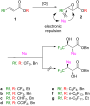
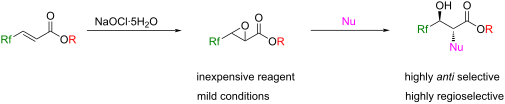
Scheme 1: Expectation of the regio- as well as stereoselective reactions of 2.

Scheme 2: Attempts of the present epoxidation to other α,β-unsaturated esters, 1h–j.
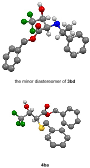
Figure 1: Crystallographic structure of the epoxy ring-opening products by PhCH(NH2)Me (3bd) and PhCH2SH (4ba...

Scheme 3: Introduction of additional halogen atoms at the 2-position of the compound 2b.
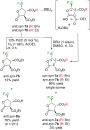
Scheme 4: Clarification of the stereochemistry of anti,syn-8a and -7b.

Figure 2: Crystallographic structure of anti,syn-8a.
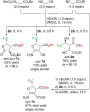
Scheme 5: Reaction of 2b with other stabilized nucleophiles.

Scheme 6: Production of 4,4,4-trifluoro-2,3-dihydroxybutanoate anti-10a.
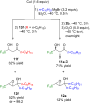
Scheme 7: Reactions of n-C10H21MgBr-based cuprate with 13f as well as 2b with/without D2O quenching.
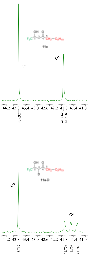
Figure 3: A part of 13C NMR spectra for the compounds 11a and 11a-D.
gem-Difluorination of carbon–carbon triple bonds using Brønsted acid/Bu4NBF4 or electrogenerated acid
- Mizuki Yamaguchi,
- Hiroki Shimao,
- Kengo Hamasaki,
- Keiji Nishiwaki,
- Shigenori Kashimura and
- Kouichi Matsumoto
Beilstein J. Org. Chem. 2024, 20, 2261–2269, doi:10.3762/bjoc.20.194
- to be a good reagent for the gem-difluorination of alkynes, reported by Hammond and Xu (Figure 1, reaction 3) [37]. HF/DMPU is easy to handle under experimental conditions. In addition, they recently reported the utilization of a combination of KHSO4·13HF and DMPU·12HF under neat conditions for the

Graphical Abstract
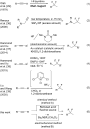
Figure 1: gem-Difluorination of carbon–carbon triple bonds. Selected examples from (1) to (5), and this work ...

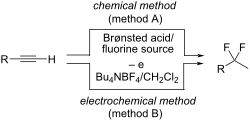
Scheme 1: gem-Difluorination promoted by electrogenerated acids (method B).

Scheme 2: Generation and accumulation of EGA followed by the reaction with 1a for 2a.

Scheme 3: Plausible reaction mechanism.
The Groebke–Blackburn–Bienaymé reaction in its maturity: innovation and improvements since its 21st birthday (2019–2023)
- Cristina Martini,
- Muhammad Idham Darussalam Mardjan and
- Andrea Basso
Beilstein J. Org. Chem. 2024, 20, 1839–1879, doi:10.3762/bjoc.20.162

Graphical Abstract

Scheme 1: Mechanism of the GBB reaction.

Scheme 2: Comparison of the performance of Sc(OTf)3 with some RE(OTf)3 in a model GBB reaction. Conditions: a...

Scheme 3: Comparison of the performance of various Brønsted acid catalysts in the synthesis of GBB adduct 6. ...

Scheme 4: Synthesis of Brønsted acidic ionic liquid catalyst 7. Conditions: a) neat, 60 °C, 24 h; b) TfOH, DC...

Scheme 5: Aryliodonium derivatives as organic catalysts in the GBB reaction. In the box the proposed binding ...

Scheme 6: DNA-encoded GBB reaction in micelles made of amphiphilic polymer 13. Conditions: a) 13 (50 equiv), ...

Scheme 7: GBB reaction catalyzed by cyclodextrin derivative 14. Conditions: a) 14 (1 mol %), water, 100 °C, 4...

Scheme 8: Proposed mode of activation of CALB. a) activation of the substrates; b) activation of the imine; c...

Scheme 9: One-pot GBB reaction–Suzuki coupling with a bifunctional hybrid biocatalyst. Conditions: a) Pd(0)-C...

Scheme 10: GBB reaction employing 5-HMF (23) as carbonyl component. Conditions: a) TFA (20 mol %), EtOH, 60 °C...

Scheme 11: GBB reaction with β-C-glucopyranosyl aldehyde 26. Conditions: a) InCl3 (20 mol %), MeOH, 70 °C, 2–3...

Scheme 12: GBB reaction with diacetylated 5-formyldeoxyuridine 29, followed by deacetylation of GBB adduct 30....

Scheme 13: GBB reaction with glycal aldehydes 32. Conditions: a) HFIP, 25 °C, 2–4 h.

Scheme 14: Vilsmeier–Haack formylation of 6-β-acetoxyvouacapane (34) and subsequent GBB reaction. Conditions: ...

Scheme 15: GBB reaction of 4-formlyl-PCP 37. Conditions: a) HOAc or HClO4, MeOH/DCM (2:3), rt, 3 d.

Scheme 16: GBB reaction with HexT-aldehyde 39. Conditions: a) 39 (20 nmol) and amidine (20 μmol), MeOH, rt, 6 ...

Scheme 17: GBB reaction of 2,4-diaminopirimidine 41. Conditions: a) Sc(OTf)3 (20 mol %), MeCN, 120 °C (MW), 1 ...

Scheme 18: Synthesis of N-edited guanine derivatives from 3,6-diamine-1,2,4-triazin-5-one 44. Conditions: a) S...

Scheme 19: Synthesis of 2-aminoimidazoles 49 by a Mannich-3CR followed by a one-pot intramolecular oxidative a...

Scheme 20: On DNA Suzuki–Miyaura reaction followed by GBB reaction. Conditions: a) CsOH, sSPhos-Pd-G2; b) AcOH...

Scheme 21: One-pot cascade synthesis of 5-iminoimidazoles. Conditions: a) Na2SO4, DMF, 220 °C (MW).

Scheme 22: GBB reaction of 5-amino-1H-imidazole-4-carbonile 57. Conditions: a) HClO4 (5 mol %), MeOH, rt, 24 h....

Scheme 23: One-pot cascade synthesis of indole-imidazo[1,2,a]pyridine hybrids. In blue the structural motif in...

Scheme 24: One-pot cascade synthesis of fused polycyclic indoles 67 or 69 from indole-3-carbaldehyde. Conditio...

Scheme 25: One-pot cascade synthesis of linked- and bridged polycyclic indoles from indole-2-carbaldehyde (70)...

Scheme 26: One-pot cascade synthesis of pentacyclic dihydroisoquinolines (X = N or CH). In blue the structural...

Scheme 27: One-pot stepwise synthesis of imidazopyridine-fused benzodiazepines 85. Conditions: a) p-TsOH (20 m...

Scheme 28: One-pot stepwise synthesis of benzoxazepinium-fused imidazothiazoles 89. Conditions: a) Yb(OTf)3 (2...

Scheme 29: One-pot stepwise synthesis of fused imidazo[4,5,b]pyridines 95. Conditions: a) HClO4, MeOH, rt, ove...

Scheme 30: Synthesis of heterocyclic polymers via the GBB reaction. Conditions: a) p-TsOH, EtOH, 70 °C, 24 h.
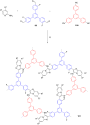
Scheme 31: One-pot multicomponent reaction towards the synthesis of covalent organic frameworks via the GBB re...
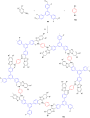
Scheme 32: One-pot multicomponent reaction towards the synthesis of covalent organic frameworks via the GBB re...

Scheme 33: GBB-like multicomponent reaction towards the synthesis of benzothiazolpyrroles (X = S) and benzoxaz...

Scheme 34: GBB-like multicomponent reaction towards the formation of imidazo[1,2,a]pyridines. Conditions: a) I2...

Scheme 35: Post-functionalization of GBB products via Ugi reaction. Conditions a) HClO4, DMF, rt, 24 h; b) MeO...

Scheme 36: Post-functionalization of GBB products via Click reaction. Conditions: a) solvent-free, 150 °C, 24 ...

Scheme 37: Post-functionalization of GBB products via cascade alkyne–allene isomerization–intramolecular nucle...

Scheme 38: Post-functionalization of GBB products via metal-catalyzed intramolecular N-arylation. In red and b...

Scheme 39: Post-functionalization of GBB products via isocyanide insertion (X = N or CH). Conditions: a) HClO4...

Scheme 40: Post-functionalization of GBB products via intramolecular nucleophilic addition to nitriles. Condit...

Scheme 41: Post-functionalization of GBB products via Pictet–Spengler cyclization. Conditions: a) 4 N HCl/diox...

Scheme 42: Post-functionalization of GBB products via O-alkylation. Conditions: a) TFA (20 mol %), EtOH, 120 °...

Scheme 43: Post-functionalization of GBB products via macrocyclization (X = -CH2CH2O-, -CH2-, -(CH2)4-). Condi...
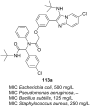
Figure 1: Antibacterial activity of GBB-Ugi adducts 113 on both Gram-negative and Gram-positive strains.

Scheme 44: GBB multicomponent reaction using trimethoprim as the precursor. Conditions: a) Yb(OTf)3 or Y(OTf)3...

Figure 2: Antibacterial activity of GBB adducts 152 against MRSA and VRE; NA = not available.

Figure 3: Antibacterial activity of GBB adduct 153 against Leishmania amazonensis promastigotes and amastigot...

Figure 4: Antiviral and anticancer evaluation of the GBB adducts 154a and 154b. In vitro antiproliferative ac...

Figure 5: Anticancer activity of the GBB-furoxan hybrids 145b, 145c and 145d determined through antiprolifera...

Scheme 45: Synthesis and anticancer activity of the GBB-gossypol conjugates. Conditions: a) Sc(OTf)3 (10 mol %...

Figure 6: Anticancer activity of polyheterocycles 133a and 136a against human neuroblastoma. Clonogenic assay...

Figure 7: Development of GBB-adducts 158a and 158b as PD-L1 antagonists. HTRF assays were carried out against...

Figure 8: Development of imidazo[1,2-a]pyridines and imidazo[1,2-a]pyrazines as TDP1 inhibitors. The SMM meth...

Figure 9: GBB adducts 164a–c as anticancer through in vitro HDACs inhibition assays. Additional cytotoxic ass...

Figure 10: GBB adducts 165, 166a and 166b as anti-inflammatory agents through HDAC6 inhibition; NA = not avail...

Scheme 46: GBB reaction of triphenylamine 167. Conditions: a) NH4Cl (10 mol %), MeOH, 80 °C (MW), 1 h.

Scheme 47: 1) Modified GBB-3CR. Conditions: a) TMSCN (1.0 equiv), Sc(OTf)3 (0.2 equiv), MeOH, 140 °C (MW), 20 ...

Scheme 48: GBB reaction to assemble imidazo-fused heterocycle dimers 172. Conditions: a) Sc(OTf)3 (20 mol %), ...

Figure 11: Model compounds 173 and 174, used to study the acid/base-triggered reversible fluorescence response...
Benzylic C(sp3)–H fluorination
- Alexander P. Atkins,
- Alice C. Dean and
- Alastair J. J. Lennox
Beilstein J. Org. Chem. 2024, 20, 1527–1547, doi:10.3762/bjoc.20.137

- preliminary electrochemical examples [93][101]. Middleton and co-workers described an alternating polarity approach for the fluorination of simple toluene derivatives in neat pyridine·HF (Figure 42) [102][103]. Poor conductivity necessitated the use of this waveform type. The benzylic fluorination was

Graphical Abstract

Figure 1: A) Benzylic fluorides in bioactive compounds, with B) the relative BDEs of different benzylic C–H b...
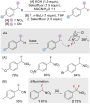
Figure 2: Base-mediated benzylic fluorination with Selectfluor.

Figure 3: Sonochemical base-mediated benzylic fluorination with Selectfluor.
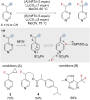
Figure 4: Mono- and difluorination of nitrogen-containing heteroaromatic benzylic substrates.

Figure 5: Palladium-catalysed benzylic C–H fluorination with N-fluoro-2,4,6-trimethylpyridinium tetrafluorobo...
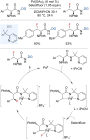
Figure 6: Palladium-catalysed, PIP-directed benzylic C(sp3)–H fluorination of α-amino acids and proposed mech...

Figure 7: Palladium-catalysed monodentate-directed benzylic C(sp3)–H fluorination of α-amino acids.

Figure 8: Palladium-catalysed bidentate-directed benzylic C(sp3)–H fluorination.
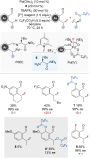
Figure 9: Palladium-catalysed benzylic fluorination using a transient directing group approach. Ratio refers ...

Figure 10: Outline for benzylic C(sp3)–H fluorination via radical intermediates.

Figure 11: Iron(II)-catalysed radical benzylic C(sp3)–H fluorination using Selectfluor.

Figure 12: Silver and amino acid-mediated benzylic fluorination.
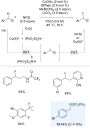
Figure 13: Copper-catalysed radical benzylic C(sp3)–H fluorination using NFSI.

Figure 14: Copper-catalysed C(sp3)–H fluorination of benzylic substrates with electrochemical catalyst regener...

Figure 15: Iron-catalysed intramolecular fluorine-atom-transfer from N–F amides.

Figure 16: Vanadium-catalysed benzylic fluorination with Selectfluor.
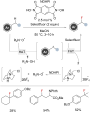
Figure 17: NDHPI-catalysed radical benzylic C(sp3)–H fluorination with Selectfluor.

Figure 18: Potassium persulfate-mediated radical benzylic C(sp3)–H fluorination with Selectfluor.

Figure 19: Benzylic fluorination using triethylborane as a radical chain initiator.
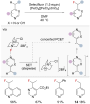
Figure 20: Heterobenzylic C(sp3)–H radical fluorination with Selectfluor.

Figure 21: Benzylic fluorination of phenylacetic acids via a charge-transfer complex. NMR yields in parenthese...

Figure 22: Oxidative radical photochemical benzylic C(sp3)–H strategies.
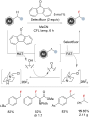
Figure 23: 9-Fluorenone-catalysed photochemical radical benzylic fluorination with Selectfluor.

Figure 24: Xanthone-photocatalysed radical benzylic fluorination with Selectfluor II.
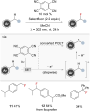
Figure 25: 1,2,4,5-Tetracyanobenzene-photocatalysed radical benzylic fluorination with Selectfluor.

Figure 26: Xanthone-catalysed benzylic fluorination in continuous flow.

Figure 27: Photochemical phenylalanine fluorination in peptides.

Figure 28: Decatungstate-photocatalyzed versus AIBN-initiated selective benzylic fluorination.
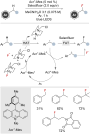
Figure 29: Benzylic fluorination using organic dye Acr+-Mes and Selectfluor.
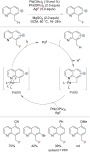
Figure 30: Palladium-catalysed benzylic C(sp3)–H fluorination with nucleophilic fluoride.

Figure 31: Manganese-catalysed benzylic C(sp3)–H fluorination with AgF and Et3N·3HF and proposed mechanism. 19...

Figure 32: Iridium-catalysed photocatalytic benzylic C(sp3)–H fluorination with nucleophilic fluoride and N-ac...

Figure 33: Iridium-catalysed photocatalytic benzylic C(sp3)–H fluorination with TBPB HAT reagent.

Figure 34: Silver-catalysed, amide-promoted benzylic fluorination via a radical-polar crossover pathway.

Figure 35: General mechanism for oxidative electrochemical benzylic C(sp3)–H fluorination.

Figure 36: Electrochemical benzylic C(sp3)–H fluorination with HF·amine reagents.

Figure 37: Electrochemical benzylic C(sp3)–H fluorination with 1-ethyl-3-methylimidazolium trifluoromethanesul...

Figure 38: Electrochemical benzylic C(sp3)–H fluorination of phenylacetic acid esters with HF·amine reagents.

Figure 39: Electrochemical benzylic C(sp3)–H fluorination of triphenylmethane with PEG and CsF.

Figure 40: Electrochemical benzylic C(sp3)–H fluorination with caesium fluoride and fluorinated alcohol HFIP.
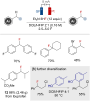
Figure 41: Electrochemical secondary and tertiary benzylic C(sp3)–H fluorination. GF = graphite felt. DCE = 1,...
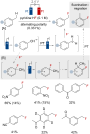
Figure 42: Electrochemical primary benzylic C(sp3)–H fluorination of electron-poor toluene derivatives. Ring f...

Figure 43: Electrochemical primary benzylic C(sp3)–H fluorination utilizing pulsed current electrolysis.
Tetrabutylammonium iodide-catalyzed oxidative α-azidation of β-ketocarbonyl compounds using sodium azide
- Christopher Mairhofer,
- David Naderer and
- Mario Waser
Beilstein J. Org. Chem. 2024, 20, 1510–1517, doi:10.3762/bjoc.20.135
- = 17.2 Hz, 1H), 2.99 (d, J = 17.2 Hz, 1H), 1.45 (s, 9H); 13C NMR (75 MHz, CDCl3, 298 K, δ/ppm) 198.1, 167.4, 152.3, 136.4, 133.3, 128.4, 126.5, 125.6, 84.6, 70.6, 38.6, 28.0; IR (neat, FT-ATR, 298 K, ν̃/cm−1): 2984, 2928, 2853, 2110, 1747, 1736, 1718, 1604, 1589, 1548, 1466, 1431, 1397, 1372, 1353, 1326
- , 1H), 7.48 (t, J = 7.5 Hz, 1H), 4.11 (d, J = 17.9 Hz, 1H), 3.99 (d, J = 17.9 Hz, 1H), 1.49 (s, 9H); 13C NMR (126 MHz, CDCl3, 298 K, δ/ppm) 188.4, 162.0, 150.1, 137.0, 132.9, 129.1, 126.5, 126.2, 96.7, 86.1, 37.5, 27.8; IR (neat, FT-ATR, 298 K, ν̃/cm−1): 2984, 2930, 2878, 2854, 1748, 1719, 1656, 1604

Graphical Abstract

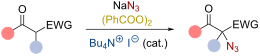
Scheme 1: General illustration of the oxidative α-azidation of carbonyl derivatives using quaternary ammonium...

Scheme 2: Proposed mechanistic scenario.

Scheme 3: Application scope.

Scheme 4: Proof-of-concept for the analogous oxidative α-nitration.
Towards an asymmetric β-selective addition of azlactones to allenoates
- Behzad Nasiri,
- Ghaffar Pasdar,
- Paul Zebrowski,
- Katharina Röser,
- David Naderer and
- Mario Waser
Beilstein J. Org. Chem. 2024, 20, 1504–1509, doi:10.3762/bjoc.20.134
- ), 3.52–3.16 (m, 4H), 1.15 (t, J = 7.1 Hz, 3H); 13C NMR (75 MHz, CDCl3, 298.0 K) δ/ppm = 177.4, 171.0, 160.3, 139.1, 133.8, 132.6, 130.5, 128.6, 128.0, 127.8, 127.3, 125.6, 118.1, 75.9, 60.9, 44.9, 39.3, 13.9; IR (neat): 3080, 3070, 2917, 1815, 1732, 1656, 1480, 1175, 1093, 1059, 1030, 974, 893, 694 cm−1

Graphical Abstract

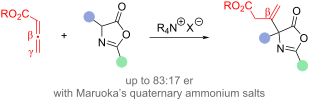
Scheme 1: General use of azlactones 1 to access more advanced α-AA derivatives (A), our recently reported amm...

Scheme 2: Application scope (conditions as detailed in Table 1, entry 13).

Scheme 3: Azlactone opening reactions.
Synthesis of 2-benzyl N-substituted anilines via imine condensation–isoaromatization of (E)-2-arylidene-3-cyclohexenones and primary amines
- Lu Li,
- Na Li,
- Xiao-Tian Mo,
- Ming-Wei Yuan,
- Lin Jiang and
- Ming-Long Yuan
Beilstein J. Org. Chem. 2024, 20, 1468–1475, doi:10.3762/bjoc.20.130
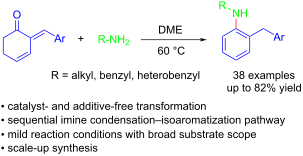
- ). However, carrying out the reaction under neat conditions rendered to dramatically dropped yield (Table 1, entry 9). It indicates that the involvement of conventional organic solvents into the reaction system seems to be critical for target transformation. Though the exact reason is not apparent now, we

Graphical Abstract
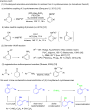
Scheme 1: Synthesis of aniline derivatives from 2-cyclohexenones or derivatives thereof.

Scheme 2: Synthesis of (E)-2-arylidene-3-cyclohexenones 2.

Scheme 3: Substrate scope of (E)-2-arylidene-3-cyclohexenones 2. Conditions: reactions were conducted with 2a...

Scheme 4: Substrate scope of primary amines 3. Conditions: reactions conducted with 2 (0.2 mmol) and 3b–y (2....

Scheme 5: Gram-scale reaction and successive one-pot synthesis.

Scheme 6: Synthetic manipulation.
Manganese-catalyzed C–C and C–N bond formation with alcohols via borrowing hydrogen or hydrogen auto-transfer
- Mohd Farhan Ansari,
- Atul Kumar Maurya,
- Abhishek Kumar and
- Saravanakumar Elangovan
Beilstein J. Org. Chem. 2024, 20, 1111–1166, doi:10.3762/bjoc.20.98

- regeneration of the active catalyst Mn23-a (Scheme 61). Later, Srimani and co-workers studied the C-3 alkylation of indoles with various primary and secondary alcohols using Mn24 (5 mol %) and KOH (0.6 equiv) under neat conditions for 36 h at 130 °C (Scheme 62) [90]. The same cationic complex was used for the
- (Scheme 75). In 2022, Srimani and co-workers showed the synthesis of C3-functionalized indoles by coupling of (2-aminophenyl)ethanol with various alcohols, including aliphatic alcohols, using Mn24 (8 mol %) and KOH (1 equiv) under neat conditions for 36 h at 130 °C and afforded yields up to 78% (Scheme 76

Graphical Abstract

Scheme 1: General scheme of the borrowing hydrogen (BH) or hydrogen auto-transfer (HA) methodology.
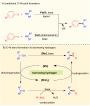
Scheme 2: General scheme for C–N bond formation. A) Traditional cross-couplings with alkyl or aryl halides. B...

Figure 1: Manganese pre-catalysts used for the N-alkylation of amines with alcohols.

Scheme 3: Manganese(I)-pincer complex Mn1 used for the N-alkylation of amines with alcohols and methanol.

Scheme 4: N-Methylation of amines with methanol using Mn2.

Scheme 5: C–N-Bond formation with amines and methanol using PN3P-Mn complex Mn3 reported by Sortais et al. [36]. a...

Scheme 6: Base-assisted synthesis of amines and imines with Mn4. Reaction assisted by A) t-BuOK and B) t-BuON...

Scheme 7: Coupling of alcohols and hydrazine via the HB approach reported by Milstein et al. [38]. aReaction time...

Scheme 8: Proposed mechanism for the coupling of alcohols and hydrazine catalyzed by Mn5.

Scheme 9: Phosphine-free manganese catalyst for N-alkylation of amines with alcohols reported by Balaraman an...

Scheme 10: N-Alkylation of sulfonamides with alcohols.

Scheme 11: Mn–NHC catalyst Mn6 applied for the N-alkylation of amines with alcohols. a3 mol % of Mn6 were used....

Scheme 12: N-Alkylation of amines with primary and secondary alcohols. a80 °C, b100 °C.

Scheme 13: Manganese(III)-porphyrin catalyst for synthesis of tertiary amines.

Scheme 14: Proposed mechanism for the alcohol dehydrogenation with Mn(III)-porphyrin complex Mn7.

Scheme 15: N-Methylation of nitroarenes with methanol using catalyst Mn3.
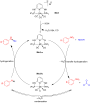
Scheme 16: Mechanism of manganese-catalyzed methylation of nitroarenes using Mn3 as the catalyst.

Scheme 17: Bidentate manganese complex Mn8 applied for the N-alkylation of primary anilines with alcohols. aOn...

Scheme 18: N-Alkylation of amines with alcohols in the presence of manganese salts and triphenylphosphine as t...

Scheme 19: N-Alkylation of diazo compounds with alcohols using catalyst Mn9.

Scheme 20: Proposed mechanism for the amination of alcohols with diazo compounds catalyzed by catalyst Mn9.

Scheme 21: Mn1 complex-catalyzed synthesis of polyethyleneimine from ethylene glycol and ethylenediamine.

Scheme 22: Bis-triazolylidene-manganese complex Mn10 for the N-alkylation of amines with alcohols.

Figure 2: Manganese complexes applied for C-alkylation reactions of ketones with alcohols.

Scheme 23: General scheme for the C–C bond formation with alcohols and ketones.

Scheme 24: Mn1 complex-catalyzed α-alkylation of ketones with primary alcohols.
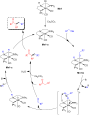
Scheme 25: Mechanism for the Mn1-catalyzed alkylation of ketones with alcohols.

Scheme 26: Phosphine-free in situ-generated manganese catalyst for the α-alkylation of ketones with primary al...
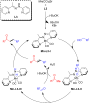
Scheme 27: Plausible mechanism for the Mn-catalyzed α-alkylation of ketones with alcohols.

Scheme 28: α-Alkylation of esters, ketones, and amides using alcohols catalyzed by Mn11.

Scheme 29: Mono- and dialkylation of methylene ketones with primary alcohols using the Mn(acac)2/1,10-phenanth...

Scheme 30: Methylation of ketones with methanol and deuterated methanol.

Scheme 31: Methylation of ketones and esters with methanol. a50 mol % of t-BuOK were used, bCD3OD was used ins...
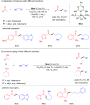
Scheme 32: Alkylation of ketones and secondary alcohols with primary alcohols using Mn4.

Scheme 33: Bidentate manganese-NHC complex Mn6 applied for the synthesis of alkylated ketones using alcohols.

Scheme 34: Mn1-catalyzed synthesis of substituted cycloalkanes by coupling diols and secondary alcohols or ket...
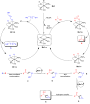
Scheme 35: Proposed mechanism for the synthesis of cycloalkanes via BH method.

Scheme 36: Synthesis of various cycloalkanes from methyl ketones and diols catalyze by Mn13. aReaction time wa...

Scheme 37: N,N-Amine–manganese complex (Mn13)-catalyzed alkylation of ketones with alcohols.

Scheme 38: Naphthyridine‑N‑oxide manganese complex Mn14 applied for the alkylation of ketones with alcohols. a...
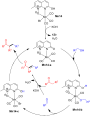
Scheme 39: Proposed mechanism of the naphthyridine‑N‑oxide manganese complex (Mn14)-catalyzed alkylation of ke...

Scheme 40: α-Methylation of ketones and indoles with methanol using Mn15.

Scheme 41: α-Alkylation of ketones with primary alcohols using Mn16. aNMR yield.

Figure 3: Manganese complexes used for coupling of secondary and primary alcohols.
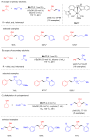
Scheme 42: Alkylation of secondary alcohols with primary alcohols catalyzed by phosphine-free catalyst Mn17. a...

Scheme 43: PNN-Manganese complex Mn18 for the alkylation of secondary alcohols with primary alcohols.
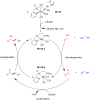
Scheme 44: Mechanism for the Mn-pincer catalyzed C-alkylation of secondary alcohols with primary alcohols.

Scheme 45: Upgrading of ethanol with methanol for isobutanol production.

Scheme 46: Mn-Pincer catalyst Mn19 applied for the β-methylation of alcohols with methanol. a2.0 mol % of Mn19...

Scheme 47: Functionalized ketones from primary and secondary alcohols catalyzed by Mn20. aMn20 (5 mol %), NaOH...
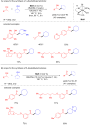
Scheme 48: Synthesis of γ-disubstituted alcohols and β-disubstituted ketones through Mn9-catalyzed coupling of...
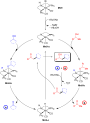
Scheme 49: Proposed mechanism for the Mn9-catalyzed synthesis of γ-disubstituted alcohols and β-disubstituted ...

Scheme 50: Dehydrogenative coupling of ethylene glycol and primary alcohols catalyzed by Mn4.

Scheme 51: Mn18-cataylzed C-alkylation of unactivated esters and amides with alcohols.

Scheme 52: Alkylation of amides and esters using Mn21.

Scheme 53: α-Alkylation of nitriles with primary alcohols using in situ-generated manganese catalyst.
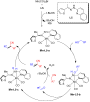
Scheme 54: Proposed mechanism for the α-alkylation of nitriles with primary alcohols.

Scheme 55: Mn9-catalyzed α-alkylation of nitriles with primary alcohols. a1,4-Dioxane was used as solvent, 24 ...

Figure 4: Manganese complexes used for alkylation of heterocyclic compounds.

Scheme 56: Aminomethylation of aromatic compounds with secondary amines and methanol catalyzed by Mn22.
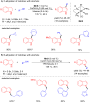
Scheme 57: Regioselective alkylation of indolines with alcohols catalyzed by Mn9. aMn9 (4 mol %), 48 h.

Scheme 58: Proposed mechanism for the C- and N-alkylation of indolines with alcohols.

Scheme 59: C-Alkylation of methyl N-heteroarenes with primary alcohols catalyzed by Mn1. aTime was 60 h.

Scheme 60: C-Alkylation of oxindoles with secondary alcohols.
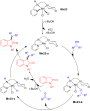
Scheme 61: Plausible mechanism for the Mn23-catalyzed C-alkylation of oxindoles with secondary alcohols.

Scheme 62: Synthesis of C-3-alkylated products by coupling alcohols with indoles and aminoalcohols.

Scheme 63: C3-Alkylation of indoles using Mn1.

Scheme 64: C-Methylation of indoles with Mn15 and methanol.

Scheme 65: α-Alkylation of 2-oxindoles with primary and secondary alcohols catalyzed by Mn25. aReaction carrie...

Scheme 66: Dehydrogenative alkylation of indolines with Mn1. aMn1 (5.0 mol %) was used.

Scheme 67: Synthesis of bis(indolyl)methane derivatives from indoles and alcohols catalyzed by Mn26. aMn26 (5....

Scheme 68: One-pot synthesis of pyrimidines via BH.

Scheme 69: Synthesis of pyrroles from alcohols and aminoalcohols using Mn4.

Scheme 70: Synthesis of pyrroles via multicomponent reaction catalyzed by Mn12.

Scheme 71: Friedländer quinoline synthesis using an in situ-generated phosphine-free manganese catalyst.

Scheme 72: Quinoline synthesis using bis-N-heterocyclic carbene-manganese catalyst Mn6.

Scheme 73: Quinoline synthesis using manganese(III)-porphyrin catalyst Mn7.

Scheme 74: Manganese-catalyzed tetrahydroquinoline synthesis via borrowing BH.

Scheme 75: Proposed mechanism for the manganese-catalyzed tetrahydroquinoline synthesis.

Scheme 76: Synthesis of C3-alkylated indoles using Mn24.

Scheme 77: Synthesis of C-3-alkylated indoles using Mn1.

Scheme 78: C–C Bond formation by coupling of alcohols and ylides.

Scheme 79: C-Alkylation of fluorene with alcohols catalyzed by Mn24.
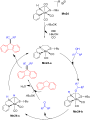
Scheme 80: Proposed mechanism for the C-alkylation of fluorene with alcohols catalyzed by Mn24.

Scheme 81: α-Alkylation of sulfones using Mn-PNN catalyst Mn28.



