Search results
Search for "organic synthesis" in Full Text gives 793 result(s) in Beilstein Journal of Organic Chemistry. Showing first 200.
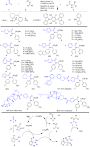
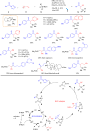
One-pot four-component sequential synthesis of S-alkyl dithiocarbamates using lipase as a biocatalyst
Beilstein J. Org. Chem. 2026, 22, 1048–1056, doi:10.3762/bjoc.22.83
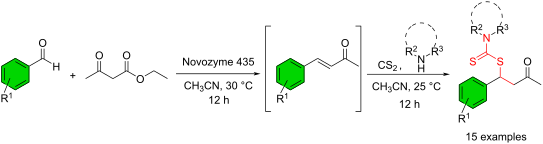
- pharmaceuticals [3][4], agrochemicals [5], and organic synthesis [6]. Among the different types of dithiocarbamates, S-alkyl dithiocarbamates (also known as organic dithiocarbamates) are particularly prominent, owing to their remarkable utility, especially in the pharmaceutical and agrochemical industries [7][8
- was a generous gift from Novozymes (Denmark). Progress of the reactions was monitored by thin-layer chromatography (TLC, performed on pre-coated Merck silica gel 60 F254 plates). All organic synthesis products were purified by preparative thin-layer chromatography (TLC), (CAMAG® instrument, in-house


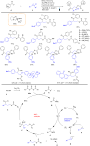
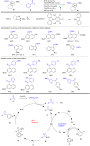
Z-Selective semihydrogenation of alkynes via Ni/Lewis acid synergistic catalyzed system using DMF as hydrogen source and solvent
Beilstein J. Org. Chem. 2026, 22, 1004–1012, doi:10.3762/bjoc.22.79
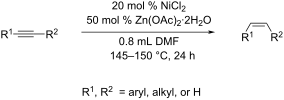
- Lei Kang Haifeng Gao Luo Yang School of Surveying & Testing, Shaanxi Railway Institute, Weinan, 714000, China Key Laboratory for Green Organic Synthesis and Application of Hunan Province, College of Chemistry, Xiangtan University, Hunan, 411105, China 10.3762/bjoc.22.79 Abstract A Ni/Lewis acid



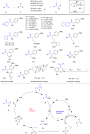
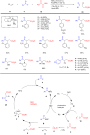
Rh(III)-catalyzed chelation-assisted C–H activation/annulation of 2-arylimidazolines with cyclic diazo-1,3-dicarbonyl compounds: a novel approach to tetracyclic annulated derivatives of 2,3-dihydroimidazo[2,1-a]isoquinoline
Beilstein J. Org. Chem. 2026, 22, 997–1003, doi:10.3762/bjoc.22.78
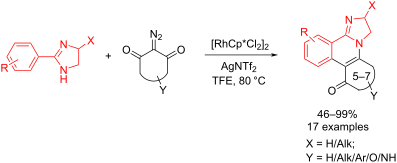
- -heterocycle. Keywords: annulation; 2-arylimidazolines; catalysis; С–H activation; diazodiketones; 2,3-dihydroimidazo[2,1-a]isoquinolines; dimedone; tetraheterocycles; Introduction The advancement of organic synthesis techniques, especially methods for creating nitrogen-containing heterocycles, is essential


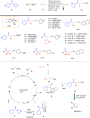
Recent advances in copper-catalyzed direct hydroamination of alkenes with (hetero)aromatic amines
Beilstein J. Org. Chem. 2026, 22, 925–947, doi:10.3762/bjoc.22.73
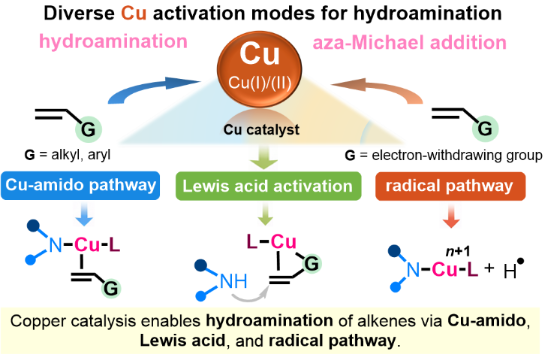
- remains a primary objective of modern organic synthesis [5][6]. Among the diverse strategies available for C–N bond formation, the direct addition of an N–H bond across a C–C double bond, known as hydroamination, is an ideal transformation considering atom and step economy [7][8][9][10][11][12


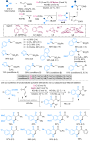


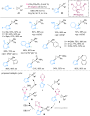


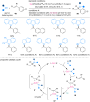

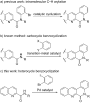
Palladium-catalyzed benzocyclization reactions of quinoline-2-carboxamides via sequential C–H/N–H functionalization
Beilstein J. Org. Chem. 2026, 22, 905–914, doi:10.3762/bjoc.22.71
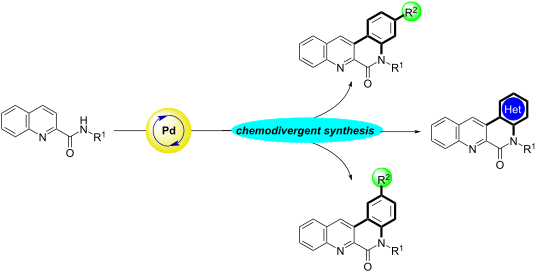
- intriguing moiety in biologically active compounds (e.g., natural products used for medicines, quinine, and quinidine [5][6][7]) and synthesized pharmaceutical agents (e.g., quinolone antibiotics [8]). Moreover, quinoline-2-carboxamide derivatives are used as ligands in organic synthesis owing to their high




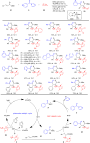
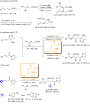
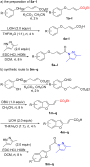
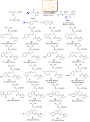
Chiral cyclopropenimine-catalyzed enantioselective Michael reactions of phenol and benzofuran-derived α,β-unsaturated pyrazolamides with benzophenone-imine of glycine esters
Beilstein J. Org. Chem. 2026, 22, 888–896, doi:10.3762/bjoc.22.69
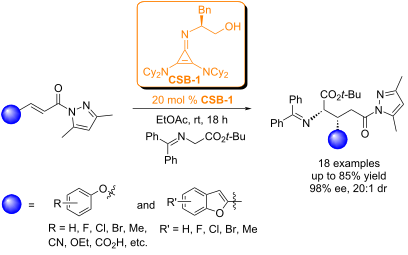
- in organic synthesis. Many medicines and intermediates contain these two motifs and show diverse functions and bioactivities [1][2]. The esterification and etherification of phenols are some of their common modifications. 2-Substituted benzofurans are backbones for many medicines such as amiodarone






The trans-influence in gold chemistry from a catalytic perspective
Beilstein J. Org. Chem. 2026, 22, 838–856, doi:10.3762/bjoc.22.66
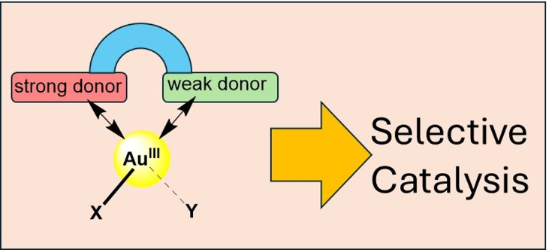
- Manfred Bochmann School of Chemistry, University of East Anglia, Norwich Research Park, NR4 7TJ, Norwich, United Kingdom 10.3762/bjoc.22.66 Abstract Gold catalysis has developed into an increasingly important method in organic synthesis. Especially the potential of gold(I,III) redox systems and


Synthetic study of vic-bromination of diarylacetylenes, easy purification and separation
Beilstein J. Org. Chem. 2026, 22, 795–802, doi:10.3762/bjoc.22.61
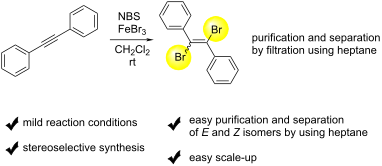
- ; Introduction The addition reaction of bromine to diphenylacetylene is one of basic reactions and is recognized as important, because resulting 1,2-dibromo-1,2-diphenylethylene can serve as a precursor for various molecular transformations in organic synthesis [1][2]. This reaction seems to be simple, but some



Rongalite addition to dienones: diastereoselectivity in cyclic sulfone synthesis; stereochemical rationalization and prospects as a general conjugate nucleophile
Beilstein J. Org. Chem. 2026, 22, 742–752, doi:10.3762/bjoc.22.56

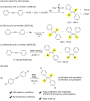
- used as a bleaching agent in the dyeing industry for more than a century [5][6]. Over the last 10 years particularly, it has begun to join the toolbox of reagents in organic synthesis, and shows diverse reactivity. It has been employed in reductions, radical processes and as a reagent for C1 transfer




Synthesis of heterocycles based on azomethine ylides from α-amino acids (or amines) and carbonyl compounds
Beilstein J. Org. Chem. 2026, 22, 705–741, doi:10.3762/bjoc.22.55
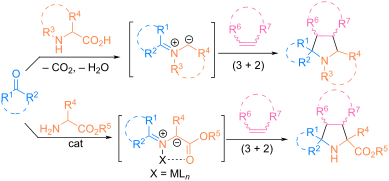
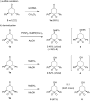
- compounds; catalysis; (3 + 2) cycloaddition; decarboxylation; dipolarophiles; iminoesters; polycyclic compounds; spirocyclic compounds; stereoselectivity; Introduction The 1,3-dipolar cycloaddition is one of the most popular pericyclic reactions in organic synthesis, in which a dipole molecule interacts
- reactions. Due to their unique chemical properties and high versatility, fullerenes are finding increasing application in organic synthesis. In this work, the authors focused on the functionalization of C60 with a helicene component via Cu(II)/L13-catalyzed enantioselective 1,3-dipolar cycloaddition of


Continuous-flow carbonyl hydrogenation under subatmospheric to atmospheric hydrogen pressure enabled by robust heterogeneous Pt–Fe catalysts
Beilstein J. Org. Chem. 2026, 22, 575–582, doi:10.3762/bjoc.22.43
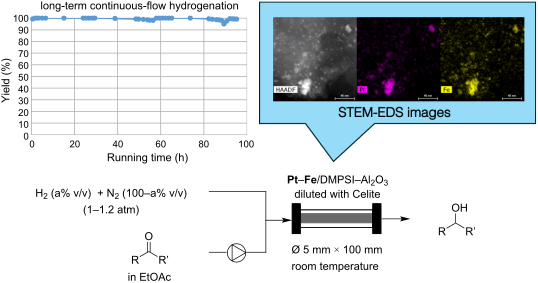
- , including ketones and aldehydes, to alcohols is a fundamental and important reaction in organic synthesis. One of the most ideal methods is catalytic hydrogenation, however, the hydrogenation of ketones generally requires harsh reaction conditions, such as high temperature and high pressure. We developed a
- : bimetallic nanostructure; carbonyl reduction; continuous-flow reaction; heterogeneous catalyst; subatmospheric hydrogen; Introduction The reduction of carbonyl compounds, ketones and aldehydes to alcohols is a fundamental and important reaction in organic synthesis that can provide valuable chemicals such
- ]. Recently, continuous-flow organic synthesis has attracted much attention from both academia and industry, because it offers numerous advantages, such as not only a high productivity with limited space but also realizing green sustainable syntheses minimizing required energy and resources. When


Kinetic resolution of racemic planar-chiral vinylcymantrenes by molybdenum-catalyzed asymmetric metathesis dimerization
Beilstein J. Org. Chem. 2026, 22, 568–574, doi:10.3762/bjoc.22.42
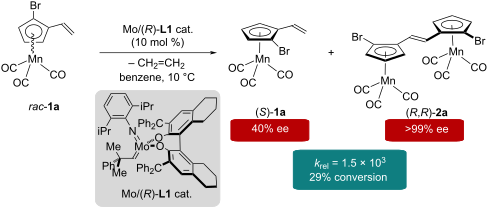
- resolution; molybdenum; olefin metathesis; planar chirality; Introduction The development of the well-defined molybdenum- [1][2] or ruthenium-alkylidene [3][4][5] catalysts has proven the olefin metathesis reaction to be a powerful tool in organic synthesis. Asymmetric extension is a recent trend in


Concept-driven strategies in target-oriented synthesis
Beilstein J. Org. Chem. 2026, 22, 451–454, doi:10.3762/bjoc.22.32
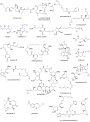
- . David Yu-Kai Chen, Chao Li and Yefeng Tang Seoul and Beijing, March 2026 Examples of generalized synthetic concepts featured in target-oriented organic synthesis. Population-weighted cumulative efficiency (synthetic "planning" and "execution" combined) in “customized”, “generalized” and “ideal


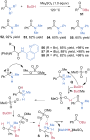
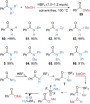
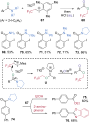
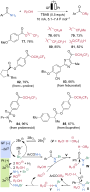
Recent advances in the cleavage of non-activated amides
Beilstein J. Org. Chem. 2026, 22, 352–369, doi:10.3762/bjoc.22.23
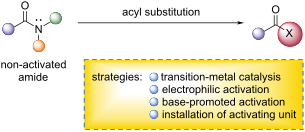
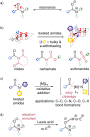
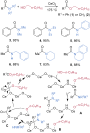
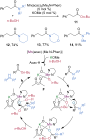
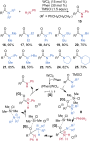
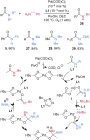
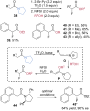
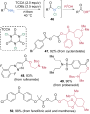
- substitution, making its selective transformation a long-standing challenge in organic synthesis. While strategies for activating twisted amides, bearing electron-withdrawing and sterically demanding substituents on nitrogen, are now well established, general and efficient methods for modifying conventional





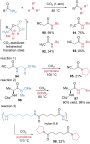
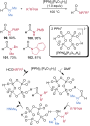


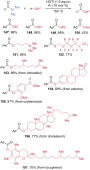

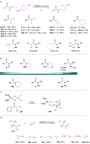


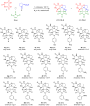
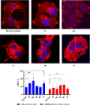
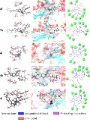
Spirobarbiturates with a pyrrolizidine moiety: synthesis, structure and biological evaluation
Beilstein J. Org. Chem. 2026, 22, 274–288, doi:10.3762/bjoc.22.20
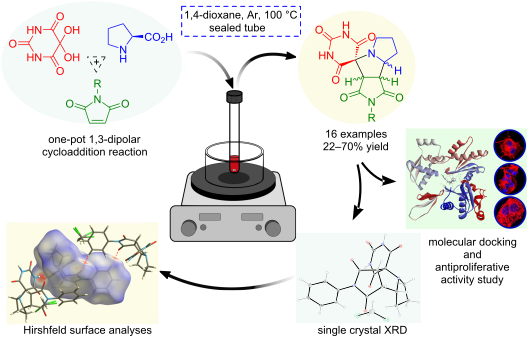
- ]. Advances in this area of organic synthesis include the preparation of barbiturates containing spiro-fused cyclohexane, cyclopentane, tetrahydrooxepine, and tetrahydroquinoline moieties via [3 + 2], [4 + 2], and [5 + 2] annulation reactions involving arylidene and alkylidene barbiturates [20][21][22][23




Arene activation via π-bond localization: concepts and opportunities
Beilstein J. Org. Chem. 2026, 22, 257–273, doi:10.3762/bjoc.22.19
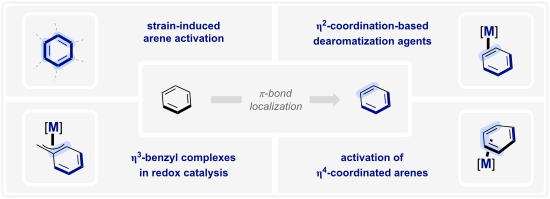
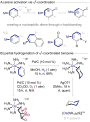
- exposure to reaction conditions that more labile systems could not tolerate. Crucially, most reagents used in organic synthesis react preferentially with the arene ligand rather than the metal center [45]. Building on the electronic blueprint established by the osmium system, Harman introduced a new
- 6B) [45]. Application in organic synthesis Organic transformations of η2-coordinated arenes can be broadly divided into three categories, depending on what dictates reactivity: the polarization of the free molecule, the site of metal coordination, or the backbonding interaction itself. Early studies




Screwing the helical chirality through terminal peri-functionalization
Beilstein J. Org. Chem. 2026, 22, 205–212, doi:10.3762/bjoc.22.14
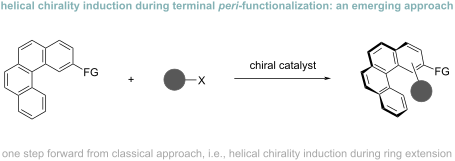
- another important type of chirality, where the chirality is controlled by restricted rotation among an axis. These types of molecules play an important role as chiral ligands in organic synthesis, i.e., BINOL, BINAP, etc. [9][10][11]. Another form of chirality, where chirality depends on a constrained


Base-promoted deacylation of 2-acetyl-2,5-dihydrothiophenes and their oxygen-mediated hydroxylation
Beilstein J. Org. Chem. 2026, 22, 192–204, doi:10.3762/bjoc.22.13
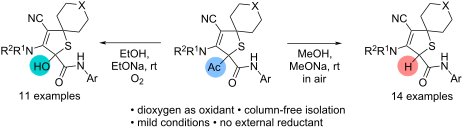
- Oxidative transformations are an important area of modern organic synthesis [1], producing a broad range of valuable synthetic products for the industry. A variety of catalytic reactions were developed for the oxidative conversions of unsaturated compounds [2][3][4][5], alcohols [6][7], alkanes [8][9][10
- migration in the formed tetrahedral intermediate to afford formate ester; c) hydrolysis of the latter to form phenols [28]. The development of methods for the construction of heterocycles and their modification is an important area of organic synthesis [29]. Although the Dakin oxidation has become a


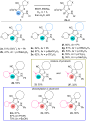


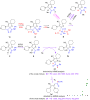
Highly electrophilic, gem- and spiro-activated trichloromethylnitrocyclopropanes: synthesis and structure
Beilstein J. Org. Chem. 2026, 22, 123–130, doi:10.3762/bjoc.22.5
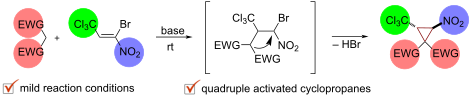
- group; X-ray; Introduction Trichloromethyl groups containing compounds are widely used in the organic synthesis of practically significant substances [1][2]. Based on them, methods have been developed for the synthesis of hard-to-access 5-aminoisoxazoles [3], α- and γ-heterosubstituted unsaturated


Advances in Zr-mediated radical transformations and applications to total synthesis
Beilstein J. Org. Chem. 2026, 22, 71–87, doi:10.3762/bjoc.22.3
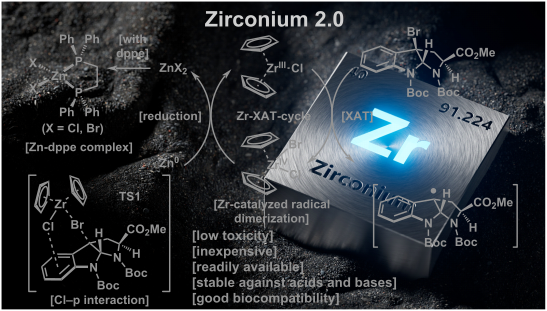
- where organic synthesis plays a central role, including pharmaceuticals, agrochemicals, materials chemistry, organic semiconductors, and organic thin-film solar cells. These areas are intimately linked to human life; thus, advances in organic synthesis are essential for improving human well-being
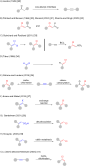
- . Nearly two centuries after the seminal 1828 synthesis of urea from inorganic precursors – often regarded as the birth of organic synthesis – the field continues to evolve rapidly and to exert profound impact on society. A retrospective of almost 200 years of organic synthesis shows that the development
- widely employed in the field of organic synthesis. This widespread use is underpinned by zirconium’s abundance in the Earth’s crust and its low toxicity, among other advantageous properties. Traditionally, its applications have predominantly involved two-electron processes via hydrozirconation. In recent







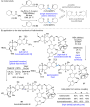
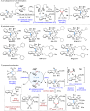

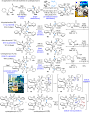
Synthesis and applications of alkenyl chlorides (vinyl chlorides): a review
Beilstein J. Org. Chem. 2026, 22, 1–63, doi:10.3762/bjoc.22.1
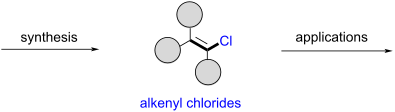
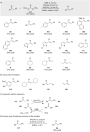
- prepared in 1868 by Charles Friedel – best known for the Friedel–Crafts reaction – via the reaction of ketones with phosphorus pentachloride, these compounds have steadily gained attention over the decades. In recent years, their distinct reactivity and potential in organic synthesis have been increasingly
- contribution to the field, particularly via chromium-mediated olefinations, is covered in a Comprehensive Organic Synthesis chapter (Figure 3D) [34][35]. Carbochlorination and carbonylchlorination reactions were reviewed by Petrone, Ye, and Lautens in their Chemical Reviews article on transition-metal

















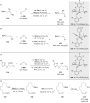


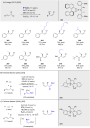


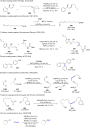


Sustainable electrochemical synthesis of aliphatic nitro-NNO-azoxy compounds employing ammonium dinitramide and their in vitro evaluation as potential nitric oxide donors and fungicides
Beilstein J. Org. Chem. 2025, 21, 2739–2754, doi:10.3762/bjoc.21.211
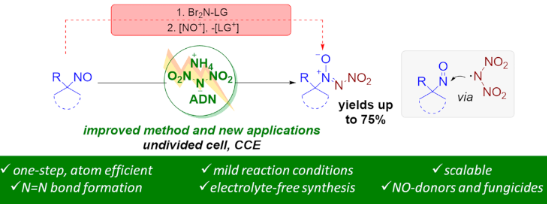
- applications in organic synthesis as precursors for free radicals in selective transformations [5][6][7][8][9][10][11] and polymerization initiators [12], energetic materials [13][14][15], NO donors [16][17], and organic light-emitting diodes (OLEDs) [18]. Despite the wide diversity of their applications





Competitive cyclization of ethyl trifluoroacetoacetate and methyl ketones with 1,3-diamino-2-propanol into hydrogenated oxazolo- and pyrimido-condensed pyridones
Beilstein J. Org. Chem. 2025, 21, 2716–2729, doi:10.3762/bjoc.21.209
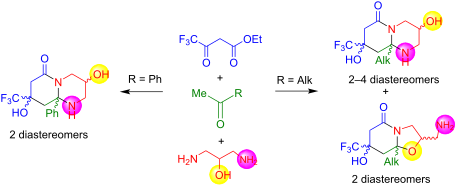
- Svetlana O. Kushch Marina V. Goryaeva Yanina V. Burgart Marina A. Ezhikova Mikhail I. Kodess Pavel A. Slepukhin Alexandrina S. Volobueva Vladimir V. Zarubaev Victor I. Saloutin Postovsky Institute of Organic Synthesis of the Ural Branch of the Russian Academy of Sciences, S. Kovalevskoy St. 22/20
- -component cyclization; Introduction The modern strategy of organic synthesis is aimed at conforming to the "green chemistry" principles based on PASE (pot, atom, step, economic) methods. These principles serve as the foundation for multicomponent processes that allow various structurally complex molecules
- for Collective Use "Spectroscopy and Analysis of Organic Compounds" at the I. Ya. Postovsky Institute of Organic Synthesis, Ural Branch of the Russian Academy of Sciences. Funding This research was financially supported by the Ministry of Science and Higher Education of the Russian Federation within


Tandem hydrothiocyanation/cyclization of CF3-iminopropargyl alcohols with NaSCN in the presence of AcOH
Beilstein J. Org. Chem. 2025, 21, 2694–2702, doi:10.3762/bjoc.21.207
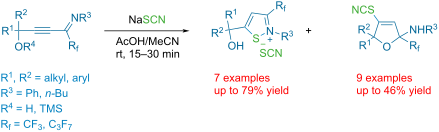
- medicinal chemistry [33][34] and organic synthesis [35]. For example, they have been found to exhibit inhibitory activity against human leukocyte elastase (HLE) [35] and anti-HIV-1-activity [36]. Hydroperoxy sultams can also act as oxidants [37]. Conclusion In summary, we have developed a simple route to
- nucleophilic center – imino group or an imino and OH groups. The synthesized compounds are potential drug precursors, synthons, and multipurpose building blocks for fine organic synthesis. We believe that the present method will be of significant interest to synthetic and medicinal chemists due to the



Visible-light-driven NHC and organophotoredox dual catalysis for the synthesis of carbonyl compounds
Beilstein J. Org. Chem. 2025, 21, 2584–2603, doi:10.3762/bjoc.21.200
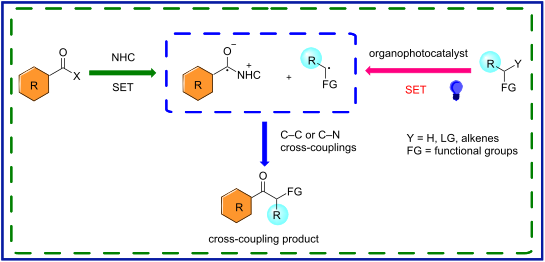
- ]. The use of visible light as an energy source has significantly expanded the scope of organic molecule activation and its application in organic synthesis or medicinal chemistry [12], thereby driving the fast development of various photocatalytic transformations. Among these advances, dual catalysis
- carbenes (NHCs) with photocatalysts. The review encompasses transition-metal-based photocatalytic reactions for C–C and C–HA cross-coupling reactions involving various acyl fluorides, amides, aldehydes, carboxylic acids, and esters, highlighting their broad applications in organic synthesis and medicinal
- groups of MacMillan, Studer, Chi, Plunkett, Rovis, Hopkinson, and others developed NHC-involved radical reactions via visible light-promoted dual or triple photocatalysis, including NHC and transition metal-based photocatalytic reactions and their application in organic synthesis [41][42][43][44][45][46