Search results
Search for "catalytic" in Full Text gives 1715 result(s) in Beilstein Journal of Organic Chemistry. Showing first 200.
Semisynthetic derivatives of massarilactone D with cytotoxic and nematicidal activities
Beilstein J. Org. Chem. 2025, 21, 607–615, doi:10.3762/bjoc.21.48
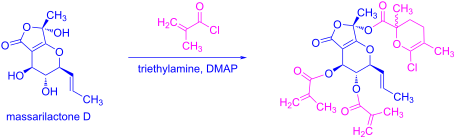
- human cancer cells and evaluated for their nematicidal activity. Results and Discussion Semisynthesis of massarilactone D derivatives The reaction of massarilactone D with methacryloyl chloride in triethylamine in the presence of catalytic amounts of 4-dimethylaminopyridine afforded compound 2 (11
- each as white powder after HPLC purification of the mixture formed from reaction of massarilactone D with cinnamoyl chloride in triethylamine in the presence of catalytic amounts of 4-dimethylaminopyridine. The ESIMS of compound 3 exhibited the sodium adducts at m/z 507.20 [M + Na]+ and 991.39 [2M + Na
- the presence of catalytic amounts of 4-dimethylaminopyridine, 82% yield) was proposed as C32H23Br3O9 based on the molecular ion cluster sodium adducts [M + Na]+ depicted at m/z 810.96, 812.94, 814.92, and 816.90 characteristic for the presence of three bromine atoms [22]. In addition to signals


Formaldehyde surrogates in multicomponent reactions
Beilstein J. Org. Chem. 2025, 21, 564–595, doi:10.3762/bjoc.21.45
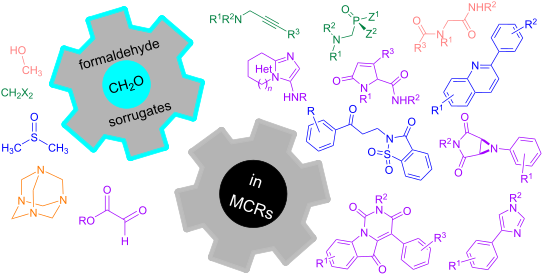
- , several efforts have been made to improve the chemoselectivity of the oxidation step. Among the most relevant examples, o-iodoxybenzoic acid (IBX) has been used in Ugi and Passerini reactions to oxidize the suitable alcohol to the desired aldehyde [13]. Alternatively, catalytic amounts of a ternary system
- consequently, different catalytic strategies to afford the electrophilic addition on the final cyclization step. Finally, other examples show the synthesis of 3-aryl and alkyl quinoline-3-carboxylate derivatives under acid catalysis for the activation of DMSO via the Pummerer reaction (Scheme 10). In these
- et al. developed a three-component Mannich-type reaction under oxidative and catalytic conditions that allows the coupling of aryl ketones 18 and saccharine (19) using DMSO as the solvent and the source for a methylene bridge linking the two building blocks (Scheme 15) [49]. Following this strategy


Asymmetric synthesis of β-amino cyanoesters with contiguous tetrasubstituted carbon centers by halogen-bonding catalysis with chiral halonium salt
Beilstein J. Org. Chem. 2025, 21, 547–555, doi:10.3762/bjoc.21.43
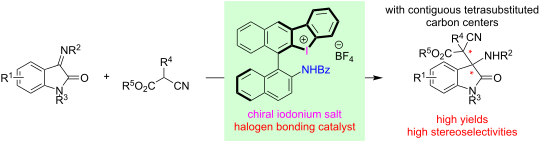
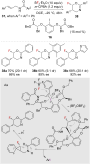
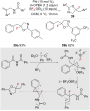
- corresponding products in excellent yields with up to 86% ee. To the best of our knowledge, the present paper is the first to report the asymmetric construction of β-amino cyanoesters with contiguous tetrasubstituted carbon stereogenic centers by the catalytic Mannich reaction. Keywords: asymmetric catalysis
- product was obtained in moderate diastereo- and enantioselectivity, however, chloronium salt 9c did not show significant catalytic activity, and the product was formed in nearly the same yield as that obtained without a catalyst with low stereoselectivity. From these observations, bromonium salt 9a was
- , the reaction catalyzed by only 1 mol % of iodonium salt 9b provided the opposite diastereomer of 17a as the major product compared with that without a catalyst, which revealed the high catalytic activity of our catalyst. Further reaction conditions optimization was conducted using 9a as a catalyst


Photomechanochemistry: harnessing mechanical forces to enhance photochemical reactions
Beilstein J. Org. Chem. 2025, 21, 458–472, doi:10.3762/bjoc.21.33
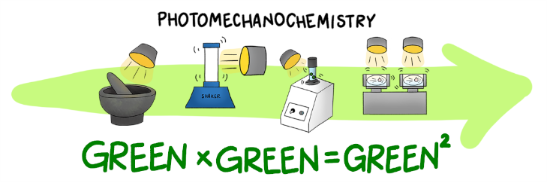
- and the occurrence of the catalytic cycle. On a different note, the authors stressed that ball milling did not allow to form the expected product. This happened because light was unable to reach the photocatalyst in the latter setup, due to small amounts of solid adhering to the inner surface of the




Beyond symmetric self-assembly and effective molarity: unlocking functional enzyme mimics with robust organic cages
Beilstein J. Org. Chem. 2025, 21, 421–443, doi:10.3762/bjoc.21.30
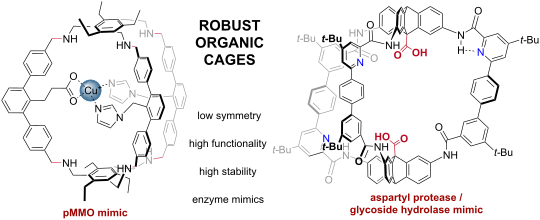
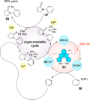
- symmetry to enable promising catalytic modes. Keywords: cavity confinement catalysis; enzyme mimicry; robust organic cages; self-assembly; supramolecular catalysis; Introduction I frequently introduce my research on organic cage enzyme mimics with the following observation. For hundreds of years
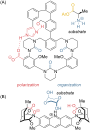
- that an underexplored cavity type, robust organic cages [38][39][40][41][42][43][44][45][46][47], are uniquely positioned to facilitate these advances. Outline and Overview The aim of this perspective is twofold: (1) to briefly review the state of the art of cavity catalysis, highlighting the catalytic
- enzyme dynamics. The wider history of supramolecular and cavity catalysis [3][13][15][16][17][18][19][21][48][49], and catalysis using confined transition-metal catalysts [50][51][52], dendrimers [53] or synzymes [54], micelles [55] or vesicles [56], catalytic antibodies [57][58][59] or molecularly




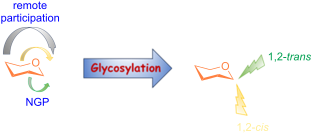
The effect of neighbouring group participation and possible long range remote group participation in O-glycosylation
Beilstein J. Org. Chem. 2025, 21, 369–406, doi:10.3762/bjoc.21.27
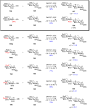
- . performed glycosylations under solvent-free conditions with poorly reactive disarmed per-O-acetylated (15) and per-O-benzoylated (18) glycosyl donors on being activated in air aided by catalytic amounts of a mild promoter, methanesulphonic acid (Scheme 3) [92]. The ester group was capable of conjugating
- . The p-methoxyphenyl group 35 can be removed in mild acidic conditions [105] whereas the azido group 36 is cleaved in basic conditions, using a catalytic amount of KOH for optimum results. Three years later, Codée et al. further derivatised the pivalate ester and introduced the cyanopivaloyl ester
- in machine-assisted oligosaccharide synthesis. 4-Acetoxy-2,2-dimethylbutanoyl (ADMB) esters were reported by Ensley and co-workers [108] having similar properties with the pivalate group. The facile removal of the C-2-ADMB group with a catalytic quantity of diazabicycloundecane (DBU) in methanol at




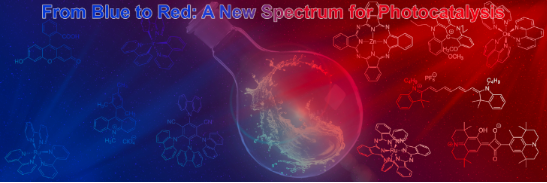
Red light excitation: illuminating photocatalysis in a new spectrum
Beilstein J. Org. Chem. 2025, 21, 296–326, doi:10.3762/bjoc.21.22
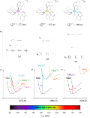
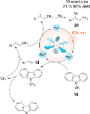
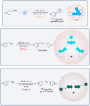
- reduction potential to −0.97 V vs SCE, a value low enough to reduce the ruthenium complex 2, whose potential is estimated at −0.89 V vs SCE, thereby yielding 3, the active species for the metathesis reaction. The catalytic cycle is closed by the reduction of the resulting osmium(III) complex, regenerating
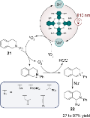
- ). The mechanism of the reaction presented by the authors involves two different catalytic cycles as presented in Scheme 3c. After excitation of the osmium complex 13, this latter is reduced via the use of a tertiary amine to give the active species 14 able to oxidize the formed nickel complex 15 in the
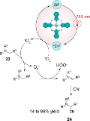
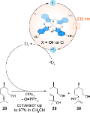
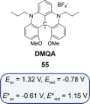
- efficient catalytic processes. In the same way, recent advances in red-light photoredox catalysis have expanded the utility of first-row transition metals in a domain traditionally dominated by second- and third-row elements. A prime example of this evolution is the development of a dual photoredox strategy
















Molecular diversity of the reactions of MBH carbonates of isatins and various nucleophiles
Beilstein J. Org. Chem. 2025, 21, 286–295, doi:10.3762/bjoc.21.21
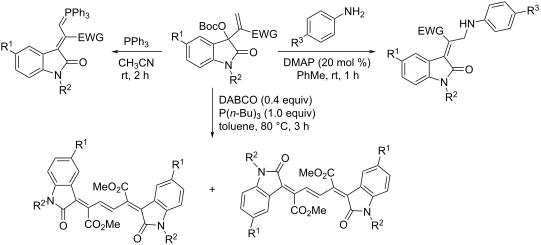
- such as DABCO, DBU, triethylamine, and K2CO3 also resulted in the significant reduction of the yields. Therefore, the reaction of MBH nitrile of isatins and arylamines can be simply carried out in toluene at room temperature in the presence of a catalytic amount of DMAP. With the optimized reaction

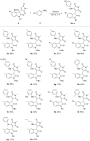


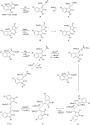
Streamlined modular synthesis of saframycin substructure via copper-catalyzed three-component assembly and gold-promoted 6-endo cyclization
Beilstein J. Org. Chem. 2025, 21, 226–233, doi:10.3762/bjoc.21.14
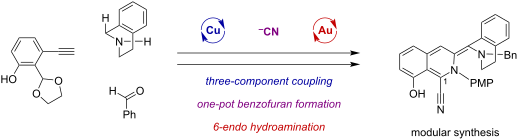
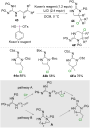
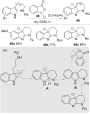
- and a catalytic amount of triethylamine were used in dichloromethane with careful control of the reaction temperature at 15 °C (Table S2, Supporting Information File 1). With the 2,3-diaminobenzofuran 11 in hand as the designed cyclization precursor, we explored the construction of the left




Dioxazolones as electrophilic amide sources in copper-catalyzed and -mediated transformations
Beilstein J. Org. Chem. 2025, 21, 200–216, doi:10.3762/bjoc.21.12
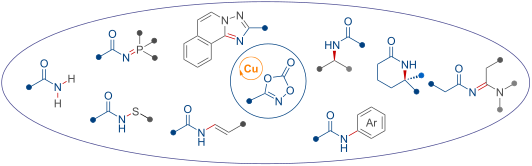
- widely used as N-acylamide sources in amidation processes of challenging substrates, typically employing precious transition metals. However, these catalytic systems often present several challenges associated with cost, toxicity, stability, and recyclability. Among the 3d transition metals, copper
- catalysts have been gaining increasing attention owing to their abundance, cost-effectiveness, and sustainability. Recently, these catalytic systems have been applied to the chemical transformation of dioxazolones, conferring a convenient protocol towards amidated products. This review highlights recent
- increasing interest as affordable, versatile, and sustainable catalytic systems. These catalysts are extensively employed in organic synthesis owing to their cost-effectiveness, reduced toxicity, and natural abundance [20][21][22][23][24][25][26][27][28]. The use of copper salts has enabled a variety of


Recent advances in electrochemical copper catalysis for modern organic synthesis
Beilstein J. Org. Chem. 2025, 21, 155–178, doi:10.3762/bjoc.21.9
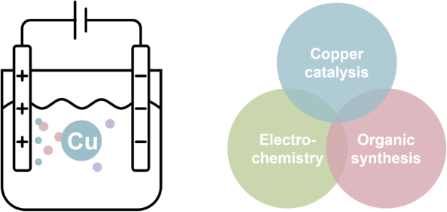
- through oxidative addition, followed by transmetalation and reductive elimination, to obtain the desired product. Throughout the catalytic cycle, the catalyst undergoes conversion between [M]n and [M]n+2 (Figure 1) [11]. However, using alkyl electrophiles as coupling partners in cross-coupling reactions
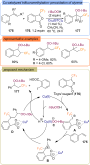
- elimination, produces C–H alkynylated arene 10, which then forms the final product 3 through intramolecular cyclization. Finally, the Cu(I) complex 9 produced via reductive elimination is reoxidized at the anode to regenerate the Cu(II) complex 4, completing the catalytic cycle. Yao and Shi developed the
- asymmetric C(sp3)–H alkynylation of tertiary cyclic amines by merging Cu(II)/TEMPO catalysis with electrochemistry to yield chiral C1-alkynylated tetrahydroisoquinolines (THIQs) (Figure 5) [50]. As a co-catalytic redox mediator, TEMPO plays an essential role in the formation of iminium intermediate 15 and in








Nickel-catalyzed cross-coupling of 2-fluorobenzofurans with arylboronic acids via aromatic C–F bond activation
Beilstein J. Org. Chem. 2025, 21, 146–154, doi:10.3762/bjoc.21.8
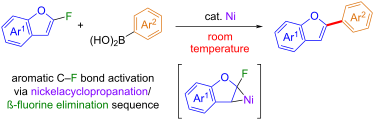
- approach to complex molecule synthesis. Despite considerable efforts to develop various catalytic systems, the activation of aromatic C–F bonds often requires high temperatures [1][2][3][4][5][6][7]. Therefore, methods for activating aromatic C–F bonds at ambient temperature remain underdeveloped. We have
- detected [40]. High-resolution mass spectrometry (HRMS) analysis of the reaction mixture also supported the formation of Eb (calcd, 804.4474; found, 804.4449). Additionally, 79% of 1b remained, while the catalytic reaction between 1b and 2a was completed in 13 h, yielding 3ba in 96% (Scheme 2). These

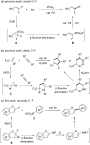
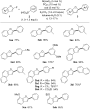


Cu(OTf)2-catalyzed multicomponent reactions
Beilstein J. Org. Chem. 2025, 21, 122–145, doi:10.3762/bjoc.21.7

- ; heteropolycycles; multicomponent reactions; one-pot reaction; Introduction Copper has gained a relevant role in organic synthesis as an alternative to precious metals due to its low toxicity, ease of handling, high catalytic activity, and cost-effectiveness [1][2]. In recent years, Cu(OTf)2 has significantly
- emerged among copper catalysts because it can act as a precursor to triflic acid in addition to a powerful copper-catalytic effect. Indeed, Cu(OTf)2 has proven to be an excellent surrogate for triflic acid compared with other metal triflates because it is inexpensive and exhibits high activity with low
- . Among various Lewis acids, only Cu(OTf)2 in combination with TMSCN was effective or a valuable alternative was the use of acetone cyanohydrin combined with a catalytic amount of TEA (5 mol %). The mechanism involves the formation of an imine facilitating the addition of the nitrile group. Among the


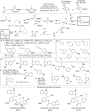
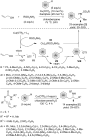








Recent advances in organocatalytic atroposelective reactions
Beilstein J. Org. Chem. 2025, 21, 55–121, doi:10.3762/bjoc.21.6
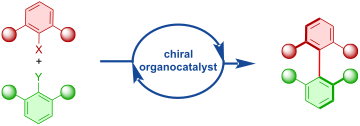
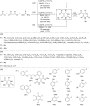
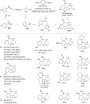
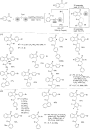
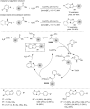
- acids feature as the most prolific catalytic structure. The last part of the article discusses hydrogen-bond-donating catalysts and other catalyst motifs such as phase-transfer catalysts. Keywords: asymmetric organocatalysis; atropoisomers; atroposelective synthesis; axial chirality; stereogenic axis
- ; Introduction Stereoselective catalytic formation of chiral compounds is one of the critical tasks of modern organic synthesis [1]. The catalytic formation of compounds with a center of chirality has been the focus of countless works and can now be considered a matured area. On the other hand, the generation of
- discovery and medicine [4]. However, a lack of reliable synthetic methods for their preparation hindered the broader application of axially chiral compounds. In recent decades, there has been increased interest in the catalytic syntheses of axially chiral compounds by catalytic [5][6], especially











Facile one-pot reduction of β-nitrostyrenes to phenethylamines using sodium borohydride and copper(II) chloride
Beilstein J. Org. Chem. 2025, 21, 39–46, doi:10.3762/bjoc.21.4
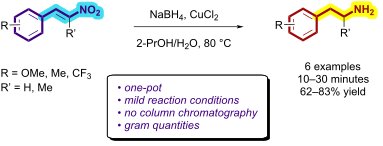
- reduction can be accomplished via catalytic hydrogenation, involving stepwise reactions and workup, use of additional reagents, and reaction time between 3 and 24 hours [11][12]. Most commonly, metal hydrides are employed, typically lithium aluminum hydride [13][14][15][16][17][18], requiring an inert
- NaBH4/CuCl2 system effectively facilitates this transformation and provide an account of its application to the β-nitrostyrene examples presented in Figure 1. Result and Discussion Herein, we demonstrate that NaBH4, in combination with catalytic amounts of CuCl2, is a simple and higher yielding method
- Jackson mechanisms (product (a)), which, to date, were only associated to the catalytic hydrogenation of nitrobenzene analogues [35][36][37] (Figure 3). An attempt to identify the higher molecular masses observed by MS was made, and two intermediate structures are proposed in Figure 3. Together with (a


Emerging trends in the optimization of organic synthesis through high-throughput tools and machine learning
Beilstein J. Org. Chem. 2025, 21, 10–38, doi:10.3762/bjoc.21.3
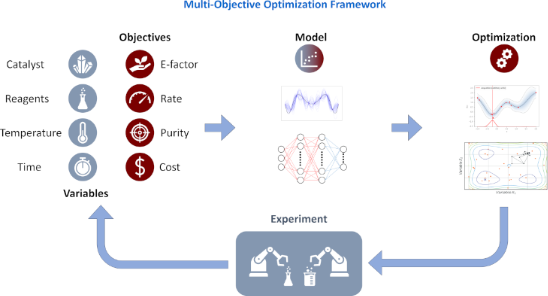
- reaction steps. Nandiwale et al. [61] reported the autonomous optimization of three multiphase catalytic reactions involving the handling of solid substrates, operating the photoreactor, and feeding of the slurries, catalysts, and inorganic bases in an automated flow platform comprising a continuous
- , photoredox-catalytic, and nucleophilic aromatic substitution reactions, as well as in the two-step synthesis of cyclobutanone. The molecules synthesized under the optimal conditions are presented in Figure 6b, employing the stable noisy optimization by branch and fit (SNOBFIT) algorithm. SNOBFIT offers a


Non-covalent organocatalyzed enantioselective cyclization reactions of α,β-unsaturated imines
Beilstein J. Org. Chem. 2024, 20, 3221–3255, doi:10.3762/bjoc.20.268
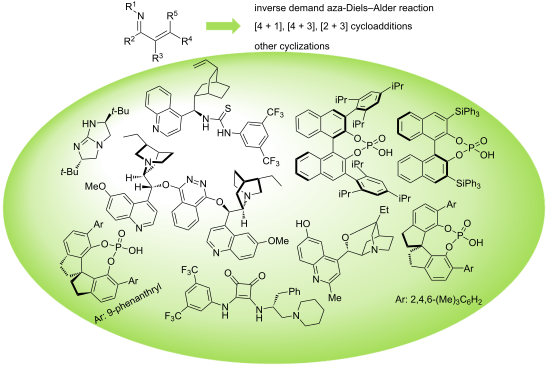
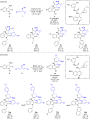
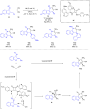
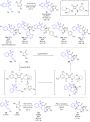
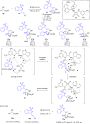
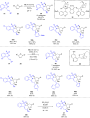
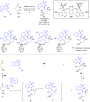
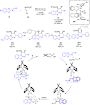
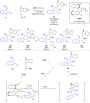
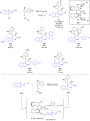
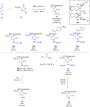
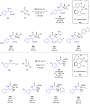
- enables the synthesis of structurally distinct cyclic derivatives which are difficult to access by other methodologies, using an efficient and atom-economical path from simple precursors. In recent years several asymmetric catalytic cyclization strategies have been accomplished for the construction of N
- -heterocycles using various catalytic systems such as chiral metal catalysts, chiral Lewis acids or chiral organocatalysts. This review presents an overview of the recent advances in enantioselective cyclization reactions of 1-azadienes catalyzed by non-covalent organocatalysts. Keywords: α,β-unsaturated
- materials [1][2]. Due to their importance, different synthetic routes involving stoichiometric and catalytic approaches have been developed. The α,β-unsaturated imines, also known as conjugated imines or 1-azadienes, are useful precursors for the construction of aza-heterocycles. Due to their structure


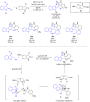
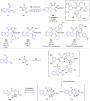
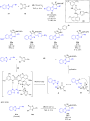
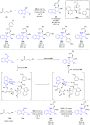









Synthesis of 2H-azirine-2,2-dicarboxylic acids and their derivatives
Beilstein J. Org. Chem. 2024, 20, 3191–3197, doi:10.3762/bjoc.20.264
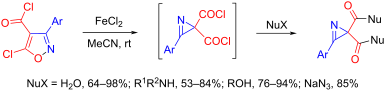
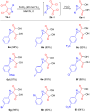
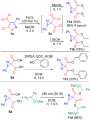
- derivatives [1]. In particular, the catalytic isomerization of 5-chloroisoxazoles allows the generation of azirine-2-carbonyl chlorides, which can be easily converted into a variety of azirine-2-carboxylic acid derivatives by reactions with nucleophilic reagents. Using this approach, numerous 2-(1H-pyrazol-1





Multicomponent reactions driving the discovery and optimization of agents targeting central nervous system pathologies
Beilstein J. Org. Chem. 2024, 20, 3151–3173, doi:10.3762/bjoc.20.261
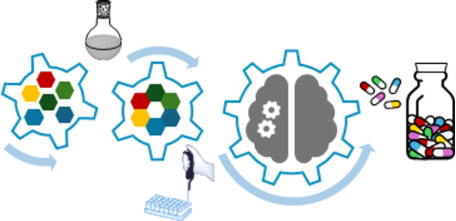
- post-modification reactions. Examples of these reactions include the Ugi/Dieckmann reactions, Ugi/Robinson–Gabriel reactions, Ugi/Buchwald–Hartwig reactions, Ugi reaction followed by a catalytic aza-Wittig cyclization, Ugi reaction followed by SNAr strategy, Ugi/Heck reactions, Ugi/Huisgen




Hypervalent iodine-mediated intramolecular alkene halocyclisation
Beilstein J. Org. Chem. 2024, 20, 3113–3133, doi:10.3762/bjoc.20.258
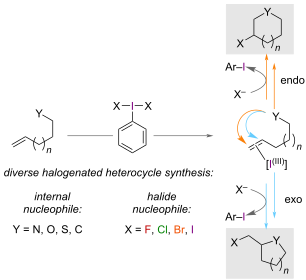
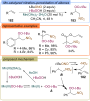
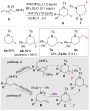
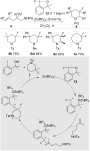
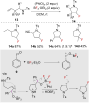
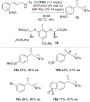
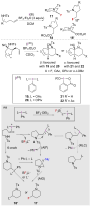
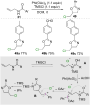
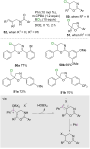
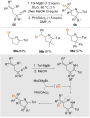
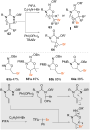
- formed. The use of a chiral aryl iodide was tested, which gave products with low enantiomeric excess. However, these preliminary trials represent the first example of a catalytic, enantioselective HVI-mediated fluorocyclisation. The authors proposed a mechanism (Scheme 4) for this reaction that involved
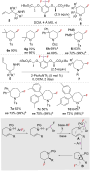
- reagent, 1-fluoro-3,3-dimethylbenziodoxole (12), was reported in 2015 by Szabó (Scheme 6) [31]. With catalytic Zn(BF4)2, 1-fluoro-3,3- dimethylbenziodoxole mediated the formation of fluorinated piperidines 6 and hexanamines 7 in high yields. A range of unsaturated amines with substituents on both carbons
- system was used due to concerns with the long-term stability of iodosylbenzene and unwanted reactions of BF3·Et2O with other reagents. In addition, a catalytic system was reported that employed 20 mol % iodotoluene with 1 equivalent of m-CPBA as terminal oxidant. The authors proposed that





















Advances in the use of metal-free tetrapyrrolic macrocycles as catalysts
Beilstein J. Org. Chem. 2024, 20, 3085–3112, doi:10.3762/bjoc.20.257
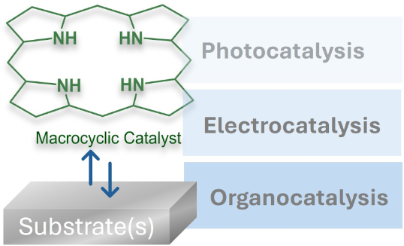
- , photocatalysts, and electrocatalysts are presented here. The effect of macrocyclic structural modifications such as their functionalization with different substituents, distortion from planarity, conformational flexibility and rigidity towards catalytic activity are presented, highlighting the potential of these
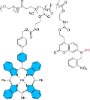
- other binding sites required for substrate binding and/or promotion of the catalytic activity. Past studies have shown that modifying the porphyrin core with urea functionalities and amino acid substituents leads to the formation of ureaporphyrins, which significantly enhance sugar binding in non-polar
- , and calixarenes has been extensively studied using both enzyme mimics and non-biomimetic systems, due to the presence of an internal cavity (binding sites) and nearby functional groups (catalytic sites) [27][28][29]. Tetrapyrrolic macrocycles contain an internal cavity with multiple inner –N/NH groups


Synthesis of the 1,5-disubstituted tetrazole-methanesulfonylindole hybrid system via high-order multicomponent reaction
Beilstein J. Org. Chem. 2024, 20, 3077–3084, doi:10.3762/bjoc.20.256
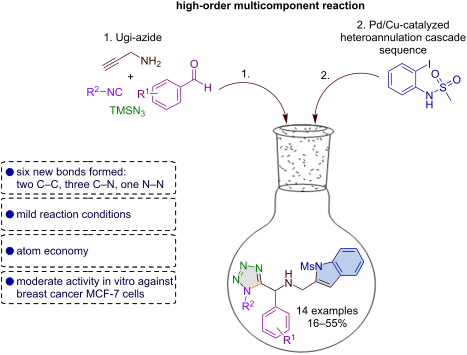
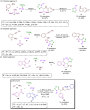
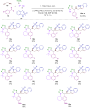
- of the 1,5-disubstituted tetrazole-alkyne intermediates was unnecessary; we previously reported this heterocyclic system [24][25][26]. The heteroannulation reaction was then investigated under the most common conditions, utilizing a catalytic system comprising PdCl2(PPh3)2, Et3N and CuI [23][28
- to obtain the 1,5-disubstituted tetrazole-alkyne 19 is well-documented and hence, it is not herein described in detail [1][26][31]. Thus, based on Pal and co-workers’ proposal [32][33], the second process involves two catalytic cycles: 1) a Sonogashira coupling, and 2) a 5-endo-dig cyclization. The
- first catalytic cycle begins with the coupling of 1,5-disubstituted tetrazole-alkyne 19 and methanesulfonyl-2-iodoaniline 17 forming the intermediate 23. Following a reductive elimination, the Sonogashira-like product 24 is produced, which then progresses into the second catalytic cycle. In this cycle



Enantioselective regiospecific addition of propargyltrichlorosilane to aldehydes catalyzed by biisoquinoline N,N’-dioxide
Beilstein J. Org. Chem. 2024, 20, 3069–3076, doi:10.3762/bjoc.20.255
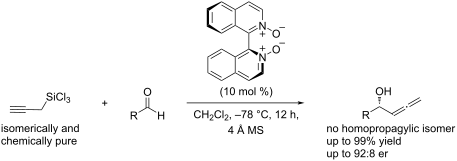
- , University of Miami, 1301 Memorial Drive, Coral Gables, Florida 33146-0431, USA 10.3762/bjoc.20.255 Abstract Distilled propargyltrichlorosilane with >99% isomeric purity was prepared for the first time, and its asymmetric catalytic regiospecific addition reaction to aldehydes was developed through a
- . Accordingly, the development of efficient access to optically active chiral α-allenic alcohols continues to be of significant interest in organic chemistry [11][12][13]. The asymmetric catalytic addition of allenylation reagents to aldehydes provides direct access to chiral α-allenic alcohols in an
- toward electrophiles [14][15][16][17][18][19]. Consequently, all reported asymmetric catalytic aldehyde allenylation methods are currently limited to metal/metalloid reagents bearing R2 substituents [21][22][23][24][25][26][27][28][29][30][31][32][33][34], except for the methods with


Chemical structure metagenomics of microbial natural products: surveying nonribosomal peptides and beyond
Beilstein J. Org. Chem. 2024, 20, 3050–3060, doi:10.3762/bjoc.20.253
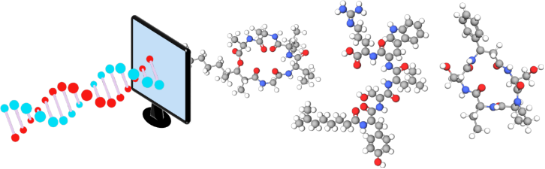
- offloading step always entails the same chemical reaction, wherein nucleophilic attack is promoted by the catalytic triad of a TE via general base catalysis. This is likely why traditional mechanistic studies that focused on the enzyme active site failed to work out how TEs control NRP topology. A priori


Advances in radical peroxidation with hydroperoxides
Beilstein J. Org. Chem. 2024, 20, 2959–3006, doi:10.3762/bjoc.20.249
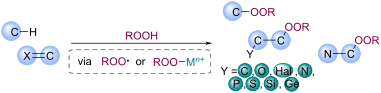
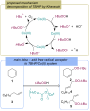
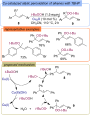
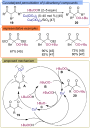
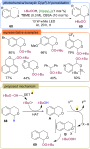
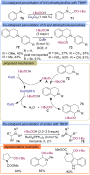
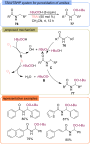
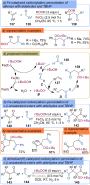
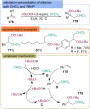
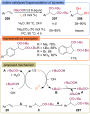
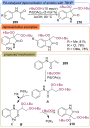
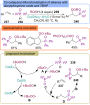
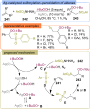
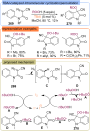
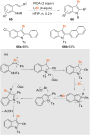
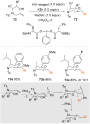
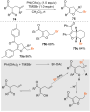
- recombination of IV with tert-butylperoxy radical provides the target product 22 (step J). The peroxidation of 2-oxoindoles 23, barbituric acids 25, and 4-hydroxycoumarins 27 by TBHP and α-cumyl hydroperoxide was carried out with the application of catalytic systems based on Co(II) [49], Mn(III) [50], and Fe(II
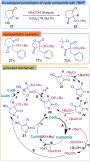
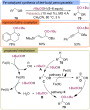
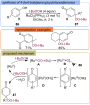
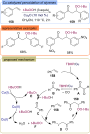
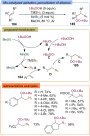
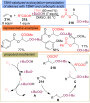
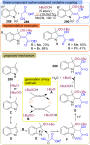
- atom from substrate 53 to form the C-centered radical B. Copper(II) then oxidizes TBHP to form the tert-butylperoxy radical C and copper(I), closing the catalytic copper cycle. tert-Butylperoxy radical C recombines with radical B to yield the product 54. The reaction of a mono-substituted nitrile
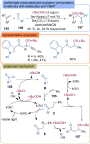
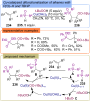
- excited state [*IrIII(ppy)3] is likely to initiate a plausible catalytic cycle. Then TBHP is reduced by [*IrIII(ppy)3] through SET, which results in the generation of the tert-butoxy radical. Subsequently, the tert-butoxy radical abstracts a hydrogen atom from substrate 68 to give radical A