Search results
Search for "properties" in Full Text gives 2376 result(s) in Beilstein Journal of Organic Chemistry. Showing first 200.
Synthesis of N-acetyl diazocine derivatives via cross-coupling reaction
Beilstein J. Org. Chem. 2025, 21, 490–499, doi:10.3762/bjoc.21.36
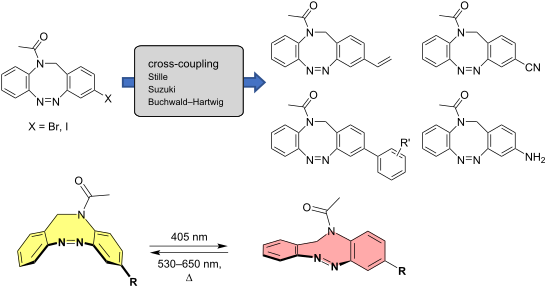
- Abstract Diazocines are photoswitches derived from azobenzenes by bridging the two phenyl rings in ortho position with a CH2CH2 group forming an eight membered (diazocine) ring. Diazocine is superior to most azobenzenes in almost all photophysical properties (switching efficiency, quantum yield
- photoswitches with superior photophysical properties. The parent ethylene-bridged diazocine shows excellent switching photoconversion between the Z and the E configurations (Γ(Z → E)385nm = 92% and Γ(E → Z)520nm > 99% in n-hexane) due to well-separated n–π*-transitions in the visible part of the electromagnetic
- accumulation in the environment after excretion [1][6][7]. These superior properties of diazocines have been exploited in several applications such as the control of protein folding by implementation as cross-linkers between protein side chains [8] or in peptide backbones [9], as photoswitchable


Synthesis of electrophile-tethered preQ1 analogs for covalent attachment to preQ1 RNA
Beilstein J. Org. Chem. 2025, 21, 483–489, doi:10.3762/bjoc.21.35
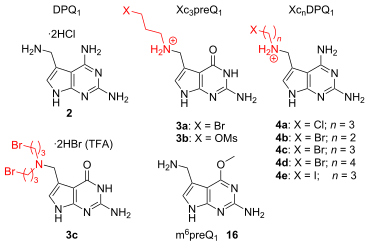
- antibiotic properties, others expand the chemical diversity and thus the functional sophistication of ribonucleic acids, as in the case of Q [3]. In most bacteria, Q biosynthesis is tightly regulated by riboswitches, which are highly structured RNA elements located mostly in the 5’-leader of messenger RNA
- nucleoside queuosine (Q) occurring as natural tRNA modifications. Purine ring numbering is indicated in grey. The synthetic targets of this study are highlighted in grey: Natural riboswitch ligand pre-queuosine 1 (preQ1), a novel preQ1 analog with altered base-pairing properties (2,6-diamino-pre-queuosine 2


Organocatalytic kinetic resolution of 1,5-dicarbonyl compounds through a retro-Michael reaction
Beilstein J. Org. Chem. 2025, 21, 473–482, doi:10.3762/bjoc.21.34
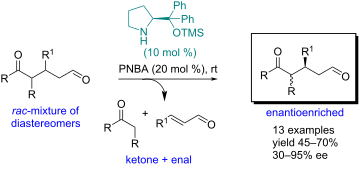
- separated using chiral resolution. This involves separating the two enantiomers by converting the racemic mixture into a pair of diastereoisomers with the help of a chiral compound. The resulting diastereoisomers can be separated based on their physical properties using crystallization, distillation, or


Photomechanochemistry: harnessing mechanical forces to enhance photochemical reactions
Beilstein J. Org. Chem. 2025, 21, 458–472, doi:10.3762/bjoc.21.33
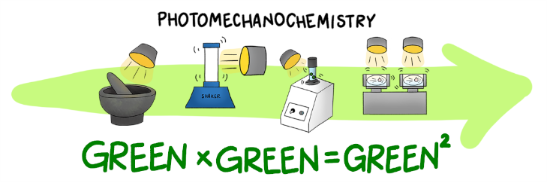
- light and promote mass transfer. As understanding of the methodology advances, the development of more complex synthetic strategies, including C–H, C–C, and C–heteroatom-bond formation, is expected [79]. Moreover, we anticipate that the difference in photophysical properties between organic molecules in


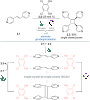


Electrochemical synthesis of cyclic biaryl λ3-bromanes from 2,2’-dibromobiphenyls
Beilstein J. Org. Chem. 2025, 21, 451–457, doi:10.3762/bjoc.21.32
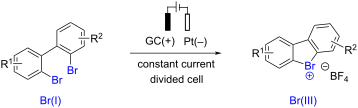
- to 2.88 V) and unsuccessful substrates 4i–m, S9a, S9b (from 1.73 V to 2.54 V) (Table S2 in Supporting Information File 1) span similar potential regimes suggesting that the success of the anodic oxidation likely depends on the structural rather than the electrochemical properties of the starting 2,2


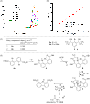
Beyond symmetric self-assembly and effective molarity: unlocking functional enzyme mimics with robust organic cages
Beilstein J. Org. Chem. 2025, 21, 421–443, doi:10.3762/bjoc.21.30
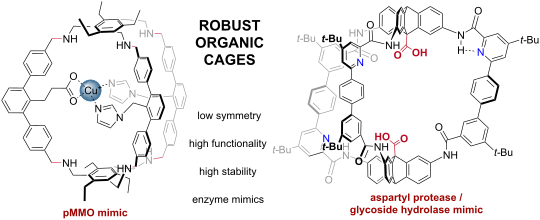
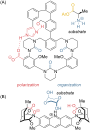
- zeolites [28][29][30][31][32]. Undoubtedly property changes can occur in cavities, but those properties not covered by organization must be explicable: I would argue (for typical ground-state reactions) they are covered by the concept of polarization. Modern descriptions of enzyme active sites speak of
- a size-selective space [105][126][129][130][132][134]. A key advantage is that these capsules have been made on multi-hundred-gram scales and can be recycled [132]. Additionally, control of structural or bound water by the capsule [105] and properties such as a lowered pKa inside [125] demonstrate a
- instance, the window[1]resorcin[3]arene capsule type [135] demonstrates that the symmetry and properties of traditional symmetric capsules can be modulated, although precise control over the assembly remains difficult. Finally, we must mention the recently reported cavitand capsules of Gibb, who has




Unraveling aromaticity: the dual worlds of pyrazole, pyrazoline, and 3D carborane
Beilstein J. Org. Chem. 2025, 21, 412–420, doi:10.3762/bjoc.21.29
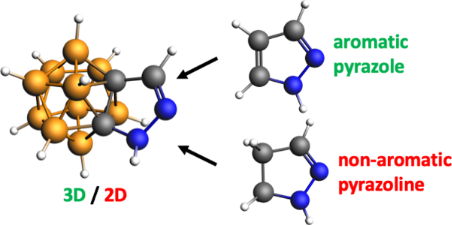
- photoinduced electron transfer [8][9]. Thanks to their notable photophysical properties, pyrazoles are applied in OLED technology [10]. Noticeably, in its ground state, pyrazole (C3H4N2) is an aromatic molecule that follows Hückel's rule, with two formal double bonds and a lone pair on one nitrogen generating
- therefore non-aromatic. Even when fused with benzene via a C–C bond, pyrazoline remains non-aromatic, which is the case of indazoline. Icosahedral carboranes are globular molecular clusters made of carbon and boron, displaying 3D aromaticity [12][13][14][15]. Their unique properties – such as aromaticity
- ], offering enhanced properties and efficacy [28][30][33][34][35]. Therefore, the advancement of simple, efficient methodologies for synthesizing o-carborane-fused heterocycles is critically needed. However, the limited number of synthetic strategies for carborane functionalization [36] continues to constrain


The effect of neighbouring group participation and possible long range remote group participation in O-glycosylation
Beilstein J. Org. Chem. 2025, 21, 369–406, doi:10.3762/bjoc.21.27
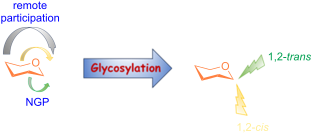
- the neighbouring C-2 position have been devised, formulated and standardised providing the neighbouring group assistance to form 1,2-trans glycosides [77][78]. However, acyl groups with electron-withdrawing properties in the neighbouring position have been observed to be disarming in nature in most of
- protection: The pivaloyl (OPiv) ester is another such participating ester protection with decreased migratory properties. Moreover, the intrinsic neopentyl property of the ester significantly reduces the probability of nucleophilic attack at the oxocarbenium centre instead of the anomeric carbon, thereby
- in machine-assisted oligosaccharide synthesis. 4-Acetoxy-2,2-dimethylbutanoyl (ADMB) esters were reported by Ensley and co-workers [108] having similar properties with the pivalate group. The facile removal of the C-2-ADMB group with a catalytic quantity of diazabicycloundecane (DBU) in methanol at




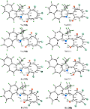
Synthesis, structure, ionochromic and cytotoxic properties of new 2-(indolin-2-yl)-1,3-tropolones
Beilstein J. Org. Chem. 2025, 21, 358–368, doi:10.3762/bjoc.21.26
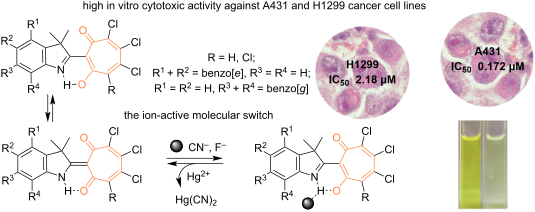
- properties towards CN− and Hg2+ ions and evaluation of in vitro cytotoxic activity against A431 skin cancer and H1299 lung cancer cell lines. Results and Discussion We found that boiling of equimolar amounts of benzannelated 2,3,3-trimethylindolenines 2a,b and o-chloranil (3) (method A) in dioxane leads to
- represent molecular switches of optical and fluorescent properties under sequential addition of CN− and Hg2+ ions and the transformation cycle presented in Scheme 3 can be repeated at least 5–6 times. The resulting compounds 7b and 8a,b have extremely low water solubility, which makes it impossible to
- properties under sequential addition of CN− and Hg2+ ions. 2-(1,1-Dimethyl-1H-benzo[e]indolin-2-yl)-5,6,7-trichloro-1,3-tropolone (7a) was found to exhibit high in vitro cytotoxic activity against A431 skin cancer and H1299 lung cancer cell lines. In addition, the IC50 values of compound 7a are significantly




Synthesis of new condensed naphthoquinone, pyran and pyrimidine furancarboxylates
Beilstein J. Org. Chem. 2025, 21, 340–347, doi:10.3762/bjoc.21.24
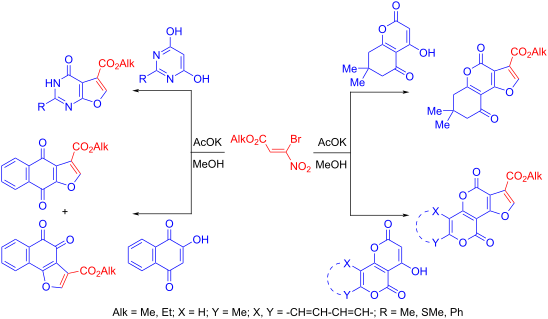
- heterocyclic structures leads to the production of new types of heterocyclic compounds with practical useful properties [1][2][3][4][5][6]. Representatives of the naphthofuran series exhibit anticancer [7] and antiinfectious activity [8]. Anticancer properties have also been found in representatives of the
- ethyl esters 5b and 6b is −15.6(2) and −11.5(2)°, respectively, indicating that in the case of methyl esters, the alkoxycarbonyl fragment is less out of plane, causing a greater conjugation with the furan fragment. The possibility of exhibiting fluorescent properties was investigated for tetracyclic
- , λMo Kα = 0.71073 Å, ω and φ scanning in 0.5° steps) at the distributed spectral-analytical center of shared facilities for study of structure, composition and properties of substances and materials of FRC Kazan scientific center of Russian academy of sciences. Crystals of compounds suitable for X-ray


Antibiofilm and cytotoxic metabolites from the entomopathogenic fungus Samsoniella aurantia
Beilstein J. Org. Chem. 2025, 21, 327–339, doi:10.3762/bjoc.21.23
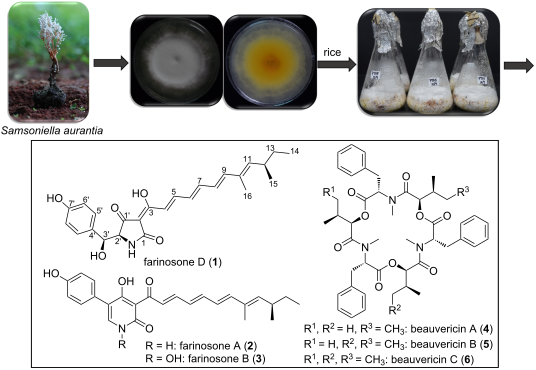
- anticancer properties [6]. With concerns about biofilm formation and resistance escalating in the medical field, entomopathogenic fungi have emerged as a promising source of novel bioactive compounds [5]. Our recent exploration of B. neobassiana highlighted this growing interest, affording one tetramic acid
- screening assays were conducted to explore their antibiofilm properties. According to the crystal violet (CV) assay, both compounds exhibited significant activity in the S. aureus biofilm inhibition assay. Farinosone A (2) (Figure 5A) displayed activity at a concentration as low as 3.9 µg/mL, resulting in
- activity trend, reflecting the results from CV biofilm inhibition assay, where compound 2 was found to be more effective than compound 1. The genetic and molecular basis of biofilm formation in staphylococci are complex. This process involves at least two key properties: planktonic cell adherence to


Red light excitation: illuminating photocatalysis in a new spectrum
Beilstein J. Org. Chem. 2025, 21, 296–326, doi:10.3762/bjoc.21.22
- advantageous for large-scale applications, offering enhanced safety and operational simplicity. Traditionally, research in this field has focused on metal-based photocatalysts, particularly those based on transition metals like ruthenium and osmium due to their intrinsic photophysical properties. However, with
- , which exploits the properties of red-light excitation while addressing the energy constraints posed by low-energy photons. Whereas multiple works addressing the upconversion phenomenon involving heavy metals like palladium, platinum [23][24] or osmium [25], grafted ruthenium complexes over ytterbium and
- 4d) [30]. In a continuation of this trend, a recent study by O. S. Wenger et al. further expands the frontiers of red-light photoredox catalysis with first-row transition metals by introducing Cr(0) luminophores that exhibit photophysical properties competitive with Ru(II) and Os(II) complexes [31




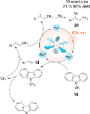
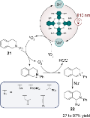
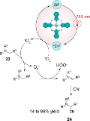

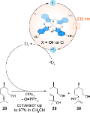











Oxidation of [3]naphthylenes to cations and dications converts local paratropicity into global diatropicity
Beilstein J. Org. Chem. 2025, 21, 277–285, doi:10.3762/bjoc.21.20
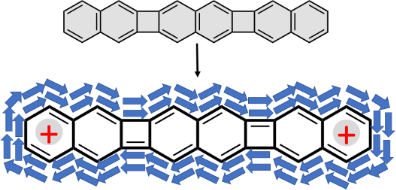
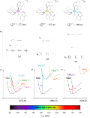
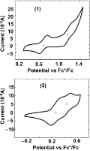
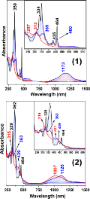
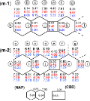
- , National University of Singapore, 3 Science Drive 3, Singapore, Singapore 10.3762/bjoc.21.20 Abstract Oxidized states of polycyclic aromatic hydrocarbons are of importance as they represent charged conductive species in organic semiconductor substrates. In this work, we investigated the properties of
- , all of which lead to conductive and photoactive species [9][12]. Given the inherent instability of neutral antiaromatic systems, including those systems containing fragments or moieties with local antiaromaticity, the detailed structural properties of the charged species formed from neutral
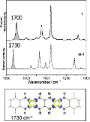
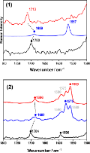
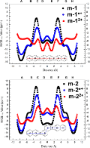
- 1700 cm−1 Raman band) and in NAP for m-2 (marked by the triplet in the 1500–1600 cm−1 region). Nucleus-independent chemical shifts (NICS) Among the different criteria to evaluate aromaticity, magnetic properties are the most confident, as they are directly connected with the ring currents associated to


Synthesis and characterizations of highly luminescent 5-isopropoxybenzo[rst]pentaphene
Beilstein J. Org. Chem. 2025, 21, 270–276, doi:10.3762/bjoc.21.19
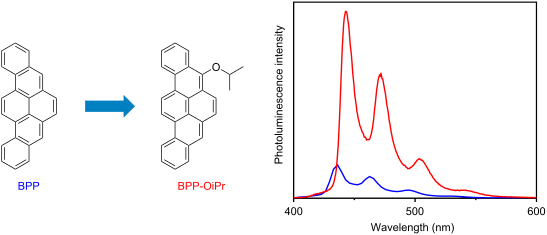
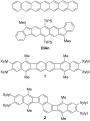
- properties were investigated by UV–vis absorption and fluorescence spectroscopy in compassion to pristine BPP and its oxidation product, benzo[rst]pentaphene-5,8-dione (BPP-dione). BPP-OiPr exhibited a significantly enhanced photoluminescence quantum yield (PLQY), reaching 73% in comparison to pristine BPP
- by scanning electron microscopy. The intriguing optical properties of BPP and its derivatives may lead to their application as fluorophores. Keywords: benzo[rst]pentaphene; intramolecular charge transfer; nanocrystals; photoluminescence; polycyclic aromatic hydrocarbon; Introduction Polycyclic
- aromatic hydrocarbons (PAHs) have attracted increasing attention in view of their fascinating optical and electronic properties, which strongly depend on their size, shape, and edge structures, e.g., armchair and zigzag [1][2][3][4][5][6]. Benzo[rst]pentaphene (BPP) is an intriguing PAH with a combination




Effect of substitution position of aryl groups on the thermal back reactivity of aza-diarylethene photoswitches and prediction by density functional theory
Beilstein J. Org. Chem. 2025, 21, 242–252, doi:10.3762/bjoc.21.16
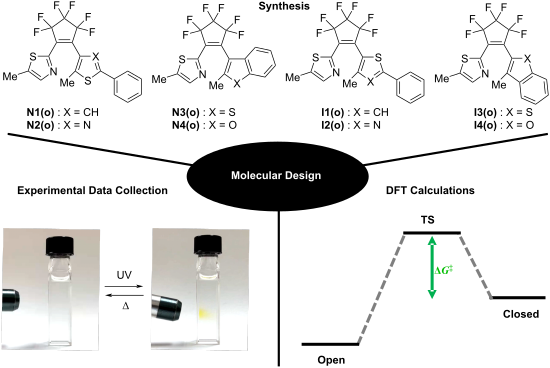
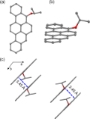
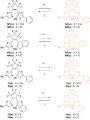
- family of photochromic compounds. This study explores the photochromic properties and thermal back reactivities of various aza-diarylethene regioisomers (N1–N4 and I1–I4) in n-hexane. These molecules exhibit fast thermally reversible photochromic reactions driven by 6π aza-electrocyclization. Kinetic
- Molecular photoswitches have been studied for a long time because their physicochemical properties such as refractive index [1][2], dipole moment [3][4], conductivity [5][6], magnetism [7][8], and fluorescence [9][10][11] can be spatiotemporally modulated by light without physical contact. Therefore
- ][26][27], photomechanical materials [28][29][30][31][32], and so on. As seen in these representative application examples, the thermal stability of the colorless and colored isomers is one of the essential properties of molecular photoswitches. For example, the photochemically reversible-type (P-type



Visible-light-promoted radical cyclisation of unactivated alkenes in benzimidazoles: synthesis of difluoromethyl- and aryldifluoromethyl-substituted polycyclic imidazoles
Beilstein J. Org. Chem. 2025, 21, 234–241, doi:10.3762/bjoc.21.15
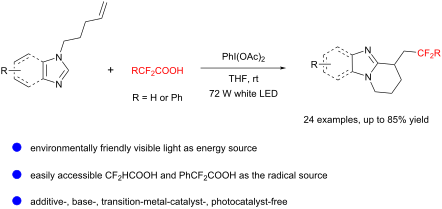
- pharmaceuticals and agrochemicals nowadays, largely due to the unique ability of fluorinated groups to influence the physicochemical and biochemical properties of molecules [1][2][3]. Among the various fluorinated functionalities, the difluoromethyl (CF2H) group and its aryl-substituted derivative, the benzylic
- properties that can modify the activity and pharmacokinetic profiles of drugs [7]. Prominent examples include pantoprazole, a widely used proton-pump inhibitor (PPI) featuring a CF2H group; deracoxib, another drug that also incorporates a CF2H moiety in its structure; and a MET inhibitor specifically
- designed with a PhCF2 group (Figure 1a) [8][9][10]. As a result, there is a pressing need for the development of efficient methods for incorporating both the CF2H and PhCF2 groups into diverse molecular frameworks, particularly those with bioactivity properties. The benzimidazole core is widely recognized


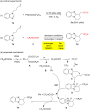
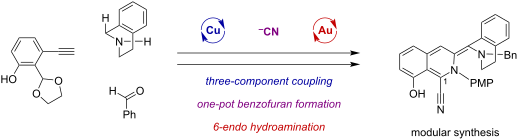
Streamlined modular synthesis of saframycin substructure via copper-catalyzed three-component assembly and gold-promoted 6-endo cyclization
Beilstein J. Org. Chem. 2025, 21, 226–233, doi:10.3762/bjoc.21.14
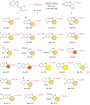
- the optical properties of 18 in CHCl3 (c = 100 μM) by measuring its UV–vis absorption spectrum as well as its excitation and emission spectra. The UV–vis spectrum of 18 showed two absorption peaks at 334 nm and around 375 nm (gray solid line). When excited at 375 nm, the emission spectra of 18




Heteroannulations of cyanoacetamide-based MCR scaffolds utilizing formamide
Beilstein J. Org. Chem. 2025, 21, 217–225, doi:10.3762/bjoc.21.13
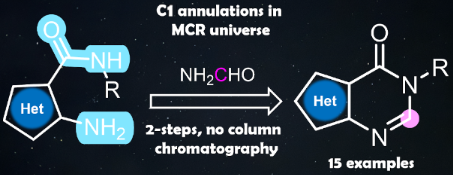
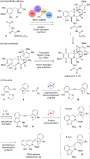
- fashion, substituted indolopyrimidone derivatives 7a–e were obtained within 3 h in 31–90% total yield (2 steps) upon heating with formamide (Scheme 5). Next, we characterized certain physicochemical properties of the newly synthesized compounds. The absorbance and emission spectra of 5–7 were obtained




Dioxazolones as electrophilic amide sources in copper-catalyzed and -mediated transformations
Beilstein J. Org. Chem. 2025, 21, 200–216, doi:10.3762/bjoc.21.12
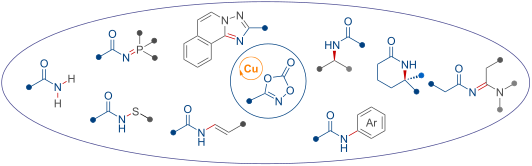
- secondary amines via an N-acyl nitrene intermediate [77]. Amidines, found in biologically active compounds, have been widely investigated in medicinal chemistry due to their potent antiviral, antibacterial, anticancer, and other therapeutic properties [78][79][80][81]. As shown in Scheme 4, dioxazolones


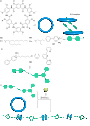
Hydrogen-bonded macrocycle-mediated dimerization for orthogonal supramolecular polymerization
Beilstein J. Org. Chem. 2025, 21, 179–188, doi:10.3762/bjoc.21.10
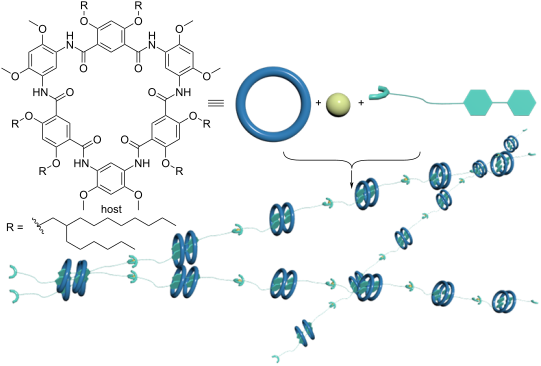
- of noncovalent interactions that work independently from each other [5][6][7][8]. Generating such motifs with orthogonal propensity is appealing not only for the construction of supramolecular polymers with the ability to modulate their structure and properties in multiple ways through adjustment of



Cu(OTf)2-catalyzed multicomponent reactions
Beilstein J. Org. Chem. 2025, 21, 122–145, doi:10.3762/bjoc.21.7

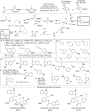
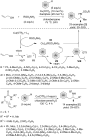
- behavior or reactivity properties. The ambiguity related to the role of Cu(OTf)2 is particularly relevant for cycloaddition reactions, where it is even more difficult to justify the activation of the copper species as a Lewis acid or metal catalyst [12][13][14]. The reaction mechanism involved can be ionic










Recent advances in organocatalytic atroposelective reactions
Beilstein J. Org. Chem. 2025, 21, 55–121, doi:10.3762/bjoc.21.6
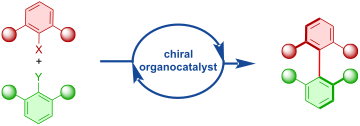
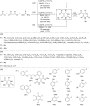
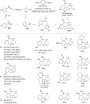
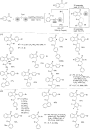
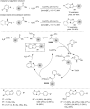
- becoming increasingly relevant also in medicine. Many axially chiral compounds are important as catalysts in asymmetric catalysis or have chiroptical properties. This review overviews recent progress in the synthesis of axially chiral compounds via asymmetric organocatalysis. Atroposelective












Hot shape transformation: the role of PSar dehydration in stomatocyte morphogenesis
Beilstein J. Org. Chem. 2025, 21, 47–54, doi:10.3762/bjoc.21.5
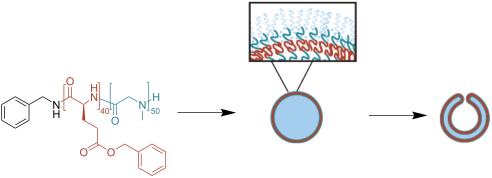
- broadening their potential applications in drug delivery and nanotechnology. Our findings shed light on the unique capabilities of polysarcosine-based polymers, paving the way for further exploration and harnessing of their distinctive properties in biomedical research. Keywords: biodegradable; poly(benzyl
- properties. Moreover, these materials offer versatility in their synthesis, allowing for the incorporation of various building blocks to tailor the polymers to desired specifications. Additionally, they lend themselves well to the synthesis of block copolymers, further expanding their potential applications
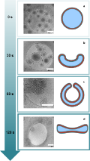
- properties are crucial, particularly its permeability. Excessive permeability allows water molecules – and potentially larger molecules – to traverse the membrane without exerting adequate force, undermining the transformation process [20][21]. Lastly, membrane stiffness plays a role; the stiffness of the


Facile one-pot reduction of β-nitrostyrenes to phenethylamines using sodium borohydride and copper(II) chloride
Beilstein J. Org. Chem. 2025, 21, 39–46, doi:10.3762/bjoc.21.4
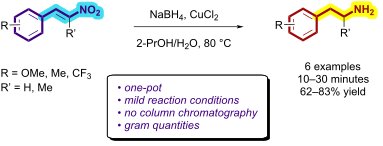
- ; phenethylamine; Introduction The phenethylamine scaffold represents a recurring motif among natural and synthetic drug molecules. The latter are mainly constituted by a varied class of substituted phenylethylamines exhibiting psychoactive properties, and typically employed for medical and recreational use [1][2


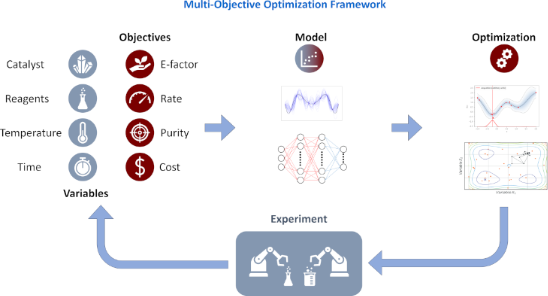
Emerging trends in the optimization of organic synthesis through high-throughput tools and machine learning
Beilstein J. Org. Chem. 2025, 21, 10–38, doi:10.3762/bjoc.21.3