Search for "industry" in Full Text gives 419 result(s) in Beilstein Journal of Organic Chemistry. Showing first 200.
Beilstein J. Org. Chem. 2026, 22, 213–223, doi:10.3762/bjoc.22.15
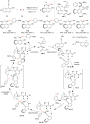
Graphical Abstract
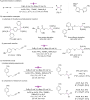
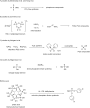
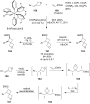
Scheme 1: Structure of phytic acid.
Figure 1: Structures of representative phosphate esters.
Figure 2: Synthetic methods for phosphorus compounds bypassing white phosphorus or phosphorus chloride.
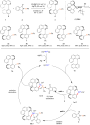
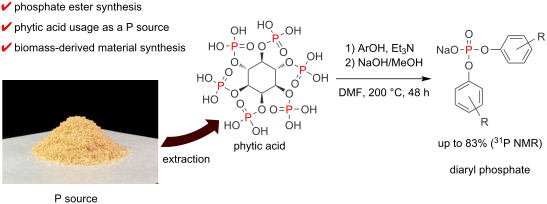
Figure 3: Conditions for the syntheses of diaryl phosphates using phytic acid as a phosphorus source and scop...
Scheme 2: Phosphoric acid diesterification reaction conducted in a previous study.
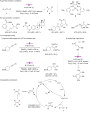
Scheme 3: Scale-up reaction conducted for the time-course analysis of phosphate esterification. The reaction ...
Figure 4: Time-course analysis plots of the diphenylphosphate formation from phytic acid and 1a. The beginnin...
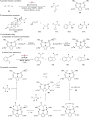
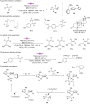
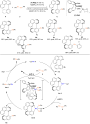
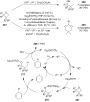
Figure 5: A possible reaction pathway for the formation of phosphate ester using phytic acid as the phosphoru...
Figure 6: 31P NMR spectrum of phytic acid extracted from rice bran.
Scheme 4: Esterification reaction conditions using the extracted phytic acid. The yield refers to the isolate...
Beilstein J. Org. Chem. 2026, 22, 192–204, doi:10.3762/bjoc.22.13
Graphical Abstract
Scheme 1: Previous reports (A‒C) and our work (D, E).
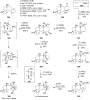
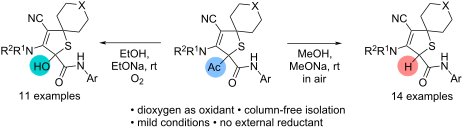
Scheme 2: Oxidation of 2-acetyldihydrothiophenes 1. Conditions: dihydrothiophenes 1 (0.12–0.21 mmol, 1.0 equi...
Scheme 3: Deacylation of 2-acetyldihydrothiophenes 1. Conditions: dihydrothiophenes 1 (0.11–0.18 mmol, 1.0 eq...
Scheme 4: Synthesis of dihydrothiophenes 5. Conditions: dihydrothiophenes 4 (0.13–0.22 mmol, 1.0 equiv), sodi...
Scheme 5: Control experiments.
Figure 1: HRMS analysis of the crude product.
Figure 2: UV–vis spectra of the crude mixture (5.6 mg of the crude mixture was dissolved in 15 mL of methanol...
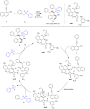
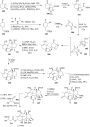
Scheme 6: Proposed mechanism.
Beilstein J. Org. Chem. 2026, 22, 123–130, doi:10.3762/bjoc.22.5
Graphical Abstract
Figure 1: Two natural trichloromethyl-containing compounds.
Scheme 1: Approaches to the synthesis of vic-trifluoromethylnitrocyclopropanes.
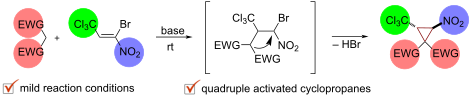
Scheme 2: Synthesis of monocyclic trichloromethylnitrocyclopropanes 2–5.
Scheme 3: Synthesis of spiro-fused trichloromethylnitrocyclopropane 6.
Scheme 4: Synthesis of spiro-fused trichloromethylnitrocyclopropanes 7–9. i: 1.5 AcOK, MeOH, rt, 3 h.
Scheme 5: Main NOE correlations in 9a, 9b.
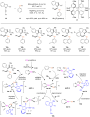
Scheme 6: Proposed mechanism of the formation of trichloromethylnitrocyclopropanes.
Figure 2: Geometry of 2 in the crystal.
Figure 3: Geometry of 3 in the crystal.
Figure 4: Geometry of 9a in the crystal.
Figure 5: Geometry of 9b in the crystal.
Beilstein J. Org. Chem. 2025, 21, 2604–2611, doi:10.3762/bjoc.21.201
Graphical Abstract
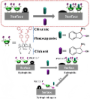
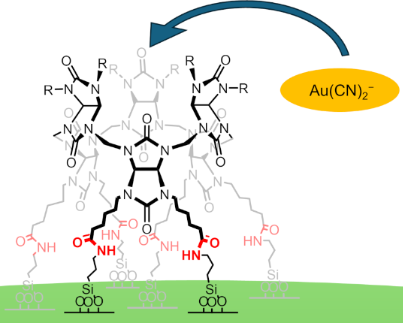
Scheme 1: Synthesis of SG-NHCO-BU1 and SG-BU1 materials based on covalently and non-covalently attached BU1 o...
Figure 1: A) Thermogravimetric analyses of BU1, SG, a-SG, and SG-NHCO-BU1. B) UV–vis titration of K[Au(CN)2] ...
Figure 2: The efficiency of materials (blue SG-BU1, grey SG-NHCO-BU1) in sorbing dicyanoaurate from its water...
Beilstein J. Org. Chem. 2025, 21, 2447–2455, doi:10.3762/bjoc.21.186
Graphical Abstract
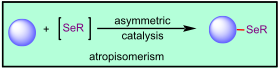
Figure 1: Representative examples of chiral selenium-containing compounds.
Scheme 1: Rhodium-catalyzed atroposelective C–H selenylation reported by You’s group [18].
Scheme 2: Rhodium-catalyzed atroposelective C–H selenylation reported by Li et al. [19].
Scheme 3: Organocatalytic asymmetric selenosulfonylation of alkynes.
Scheme 4: Rhodium-catalyzed asymmetric hydroselenation of 1-alkynylindoles. *DCE/DCM 2:1 (v/v), −50 °C.
Scheme 5: Organocatalytic atroposelective hydroselenation of alkynes. *Using cat.3, 4 h.
Beilstein J. Org. Chem. 2025, 21, 2103–2172, doi:10.3762/bjoc.21.165
Graphical Abstract
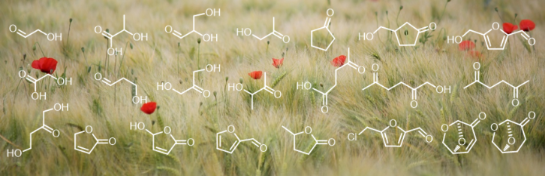
Figure 1: C2–C6 biobased carbonyl building blocks.
Scheme 1: Proposed (2 + 2) route to glycolaldehyde and glycolic acid from erythritol by Cu/AC catalyst (AC = ...
Scheme 2: Reductive amination of GCA.
Scheme 3: N-Formylation of secondary amines by reaction with GCA.
Scheme 4: Synthesis and conversion of hydroxy acetals to cyclic acetals.
Scheme 5: Synthesis of 3-(indol-3-yl)-2,3-dihydrofurans via three-component reaction of glycolaldehyde, indol...
Scheme 6: BiCl3-catalyzed synthesis of benzo[a]carbazoles from 2-arylindoles and α-bromoacetaldehyde ethylene...
Scheme 7: Cu/NCNSs-based conversion of glycerol to glycolic acid and other short biobased acids.
Scheme 8: E. coli-based biotransformation of C1 source molecules (CH4, CO2 and CO) towards C2 glycolic acid.
Scheme 9: N-Formylation of amines with C2 (a) or C3 (b) biomass-based feedstocks.
Scheme 10: Methods for the formation of propanoic acid (PA) from lactic acid (LA).
Scheme 11: Co-polymerization of biobased lactic acid and glycolic acid via a bicatalytic process.
Scheme 12: Oxidation of α-hydroxy acids by tetrachloroaurate(III) in acetic acid–sodium acetate buffer medium.
Figure 2: Selective catalytic pathways for the conversion of lactic acid (LA).
Scheme 13: Synthesis of 1,3-PDO via cross-aldol reaction between formaldehyde and acetaldehyde to 3-hydroxypro...
Scheme 14: Hydrothermal conversion of 1,3-dihydroxy-2-propane and 2,3-dihydroxypropanal to methylglyoxal.
Scheme 15: FLS-catalyzed formose reaction to synthesize GA and DHA.
Scheme 16: GCA and DHA oxidation products of glycerol and isomerization of GCA to DHA under flow conditions us...
Scheme 17: Acid-catalyzed reactions of DHA with alcohols.
Scheme 18: Synthesis of dihydroxyacetone phosphate from dihydroxyacetone.
Scheme 19: Bifunctional acid–base catalyst DHA conversion into lactic acid via pyruvaldehyde or fructose forma...
Scheme 20: Catalytic one-pot synthesis of GA and co-synthesis of formamides and formates from DHA.
Scheme 21: (a) Synthesis of furan derivatives and (b) synthesis of thiophene derivative by cascade [3 + 2] ann...
Scheme 22: Brønsted acidic ionic liquid catalyzed synthesis of benzo[a]carbazole from renewable acetol and 2-p...
Scheme 23: Asymmetric hydrogenation of α-hydroxy ketones to 1,2-diols.
Scheme 24: Synthesis of novel 6-(substituted benzylidene)-2-methylthiazolo [2,3-b]oxazol-5(6H)-one from 1-hydr...
Scheme 25: ʟ-Proline-catalyzed synthesis of anti-diols from hydroxyacetone and aldehydes.
Scheme 26: C–C-bond-formation reactions of a biomass-based feedstock aromatic aldehyde (C5) and hydroxyacetone...
Scheme 27: Ethanol upgrading to C4 bulk chemicals via the thiamine (VB1)-catalyzed acetoin condensation.
Scheme 28: One-pot sequential chemoenzymatic synthesis of 2-aminobutane-1,4-diol and 1,2,4-butanetriol via 1,4...
Scheme 29: Synthesis of 1,4-dihydroxybutan-2-one by microbial transformation.
Scheme 30: Conversion of polyols by [neocuproine)Pd(OAc)]2(OTf)2] to α-hydroxy ketones.
Scheme 31: Chemoselective oxidation of alcohols with chiral palladium-based catalyst 2.
Scheme 32: Electrochemical transformation of furfural to 5-hydroxy-2(5H)-furanone (HFO).
Scheme 33: Selective hydrodeoxygenation of HFO and oxidation to γ-butyrolactone (GBL).
Scheme 34: Photosensitized oxygenation of furan towards HFO via ozonide intermediates.
Scheme 35: Conversion of furfural to HFO and MAN by using mesoporous carbon nitride (SGCN) as photocatalyst.
Scheme 36: Synthesis of HFO from furan derivatives.
Scheme 37: Photooxidation of furfural to 5-hydroxy-2(5H)-furanone (HFO).
Scheme 38: Synthesis of Friedel–Crafts indole adduct from HFO.
Scheme 39: Conversion of HFO to α,γ-substituted chiral γ-lactones.
Scheme 40: Tautomeric transformation of HFO to formylacrylic acid.
Scheme 41: Hydrolysis of HFO to succinic acid in aqueous solution.
Scheme 42: Substitution and condensation reactions of 5-hydroxy-2(5H)-furanone (HFO).
Scheme 43: (a) Conversion of HFO towards valuable C4 chemicals and (b) anodic oxidation of 5-hydroxy-2(5H)-fur...
Figure 3: Conversion of HFO towards other natural and synthetic substances.
Scheme 44: Conversion of furfural to maleic anhydride (reaction a: VOx/Al2O3; reaction b: VPO).
Scheme 45: Conversion of furfural into succinic acid.
Scheme 46: Electro‑, photo‑, and biocatalysis for one-pot selective conversions of furfural into C4 chemicals.
Scheme 47: Production route of furfural from hemicellulose.
Scheme 48: Mechanism for xylose dehydration to furfural through a choline xyloside intermediate.
Scheme 49: Conversion of furfural to furfuryl alcohol and its derivatives.
Scheme 50: Conversion of furfural to furfuryl alcohol and 3-(2-furyl)acrolein.
Scheme 51: The aerobic oxidative condensation of biomass-derived furfural and linear alcohols.
Scheme 52: The single-step synthesis of 2-pentanone from furfural.
Scheme 53: Electrocatalytic coupling reaction of furfural and levulinic acid.
Scheme 54: Conversion of furfural to m-xylylenediamine.
Scheme 55: Conversion of furfural to tetrahydrofuran-derived amines.
Scheme 56: Formation of trans-4,5-diamino-cyclopent-2-enones from furfural.
Scheme 57: Production of pyrrole and proline from furfural.
Scheme 58: Synthesis of 1‑(trifluoromethyl)-8-oxabicyclo[3.2.1]oct-3-en-2-ones from furfural.
Scheme 59: Conversion of furfural to furfural-derived diacids.
Scheme 60: A telescope protocol derived from furfural and glycerol.
Scheme 61: A tandem cyclization of furfural and 5,5-dimethyl-1,3-cyclohexanedione.
Scheme 62: A Ugi four-component reaction to construct furfural-based polyamides.
Scheme 63: One-pot synthesis of γ-acyloxy-Cy7 from furfural.
Scheme 64: Dimerization–Piancatelli sequence toward humins precursors from furfural.
Scheme 65: Conversion of furfural to CPN.
Scheme 66: Synthesis of jet fuels range cycloalkanes from CPN and lignin-derived vanillin.
Scheme 67: Solar-energy-driven synthesis of high-density biofuels from CPN.
Scheme 68: Reductive amination of CPN to cyclopentylamine.
Scheme 69: Asymmetric hydrogenation of C=O bonds of exocyclic α,β-unsaturated cyclopentanones.
Scheme 70: Preparation of levulinic acid via the C5 route (route a) or C6 route (routes b1 and b2).
Scheme 71: Mechanism of the rehydration of HMF to levulinic acid and formic acid.
Scheme 72: Important levulinic acid-derived chemicals.
Scheme 73: Direct conversion of levulinic acid to pentanoic acid.
Scheme 74: Catalytic aerobic oxidation of levulinic acid to citramalic acid.
Scheme 75: Conversion of levulinic acid to 1,4-pentanediol (a) see ref. [236]; b) see ref. [237]; c) see ref. [238]; d) see r...
Scheme 76: Selective production of 2-butanol through hydrogenolysis of levulinic acid.
Scheme 77: General reaction pathways proposed for the formation of 5MPs from levulinic acid.
Scheme 78: Selective reductive amination of levulinic acid to N-substituted pyrroles.
Scheme 79: Reductive amination of levulinic acid to chiral pyrrolidinone.
Scheme 80: Reductive amination of levulinic acid to non-natural chiral γ-amino acid.
Scheme 81: Nitrogen-containing chemicals derived from levulinic acid.
Scheme 82: Preparation of GVL from levulinic acid by dehydration and hydrogenation.
Scheme 83: Ruthenium-catalyzed levulinic acid to chiral γ-valerolactone.
Scheme 84: Catalytic asymmetric hydrogenation of levulinic acid to chiral GVL.
Scheme 85: Three steps synthesis of ε-caprolactam from GVL.
Scheme 86: Multistep synthesis of nylon 6,6 from GVL.
Scheme 87: Preparation of MeGVL by α-alkylation of GVL.
Scheme 88: Ring-opening polymerization of five-membered lactones.
Scheme 89: Synthesis of GVL-based ionic liquids.
Scheme 90: Preparation of butene isomers from GVL under Lewis acid conditions.
Scheme 91: Construction of C5–C12 fuels from GVL over nano-HZSM-5 catalysts.
Scheme 92: Preparation of alkyl valerate from GVL via ring opening/reduction/esterification sequence.
Scheme 93: Construction of 4-acyloxypentanoic acids from GVL.
Scheme 94: Synthesis of 1,4-pentanediol (PDO) from GVL.
Scheme 95: Construction of novel cyclic hemiketal platforms via self-Claisen condensation of GVL.
Scheme 96: Copper-catalyzed lactamization of GVL.
Figure 4: Main scaffolds obtained from HMF.
Scheme 97: Biginelli reactions towards HMF-containing dihydropyrimidinones.
Scheme 98: Hantzsch dihydropyridine synthesis involving HMF.
Scheme 99: The Kabachnik–Fields reaction involving HMF.
Scheme 100: Construction of oxazolidinone from HMF.
Scheme 101: Construction of rhodamine-furan hybrids from HMF.
Scheme 102: A Groebke–Blackburn–Bienaymé reaction involving HMF.
Scheme 103: HMF-containing benzodiazepines by [4 + 2 + 1] cycloadditions.
Scheme 104: Synthesis of fluorinated analogues of α-aryl ketones.
Scheme 105: Synthesis of HMF derived disubstituted γ-butyrolactone.
Scheme 106: Functionalized aromatics from furfural and HMF.
Scheme 107: Diels–Alder adducts from HMF or furfural with N-methylmaleimide.
Scheme 108: Pathway of the one-pot conversion of HMF into phthalic anhydride.
Scheme 109: Photocatalyzed preparation of humins (L-H) from HMF mixed with spoiled HMF residues (LMW-H) and fur...
Scheme 110: Asymmetric dipolar cycloadditions on HMF.
Scheme 111: Dipolar cycloadditions of HMF based nitrones to 3,4- and 3,5-substituted isoxazolidines.
Scheme 112: Production of δ-lactone-fused cyclopenten-2-ones from HMF.
Scheme 113: Aza-Piancatelli access to aza-spirocycles from HMF-derived intermediates.
Scheme 114: Cross-condensation of furfural, acetone and HMF into C13, C14 and C15 products.
Scheme 115: Base-catalyzed aldol condensation/dehydration sequences from HMF.
Scheme 116: Condensation of HMF and active methylene nitrile.
Scheme 117: MBH reactions involving HMF.
Scheme 118: Synthesis of HMF-derived ionic liquids.
Scheme 119: Reductive amination/enzymatic acylation sequence towards HMF-based surfactants.
Scheme 120: The formation of 5-chloromethylfurfural (CMF).
Scheme 121: Conversion of CMF to HMF, levulinic acid, and alkyl levulinates.
Scheme 122: Conversion of CMF to CMFCC and FDCC.
Scheme 123: Conversion of CMF to BHMF.
Scheme 124: Conversion of CMF to DMF.
Scheme 125: CMF chlorine atom substitutions toward HMF ethers and esters.
Scheme 126: Introduction of carbon nucleophiles in CMF.
Scheme 127: NHC-catalyzed remote enantioselective Mannich-type reactions of CMF.
Scheme 128: Conversion of CMF to promising biomass-derived dyes.
Scheme 129: Radical transformation of CMF with styrenes.
Scheme 130: Synthesis of natural herbicide δ-aminolevulinic acid from CMF.
Scheme 131: Four step synthesis of the drug ranitidine from CMF.
Scheme 132: Pd/CO2 cooperative catalysis for the production of HHD and HXD.
Scheme 133: Different ruthenium (Ru) catalysts for the ring-opening of 5-HMF to HHD.
Scheme 134: Proposed pathways for preparing HXD from HMF.
Scheme 135: MCP formation and uses.
Scheme 136: Cu(I)-catalyzed highly selective oxidation of HHD to 2,5-dioxohexanal.
Scheme 137: Synthesis of N‑substituted 3‑hydroxypyridinium salts from 2,5-dioxohexanal.
Scheme 138: Ru catalyzed hydrogenations of HHD to 1,2,5-hexanetriol (a) see ref. [396]; b) see ref. [397]).
Scheme 139: Aviation fuel range quadricyclanes produced by HXD.
Scheme 140: Synthesis of HDGK from HXD and glycerol as a chain extender.
Scheme 141: Synthesis of serinol pyrrole from HXD and serinol.
Scheme 142: Synthesis of pyrroles from HXD and nitroarenes.
Scheme 143: Two-step production of PX from cellulose via HXD.
Scheme 144: Preparation of HCPN from HMF via hydrogenation and ring rearrangement.
Scheme 145: Suggested pathways from HMF to HCPN.
Scheme 146: α-Alkylation of HCPN with ethylene gas.
Scheme 147: Synthesis of 3-(hydroxymethyl)cyclopentylamine from HMF via reductive amination of HCPN.
Scheme 148: Production of LGO and Cyrene® from biomass.
Scheme 149: Synthesis of HBO from LGO and other applications.
Scheme 150: Construction of m-Cyrene® homopolymer.
Scheme 151: Conversion of Cyrene® to THFDM and 1,6-hexanediol.
Scheme 152: RAFT co-polymerization of LGO and butadienes.
Scheme 153: Polycondensation of HO-LGOL and diols with dimethyl adipate.
Scheme 154: Self-condensation of Cyrene® and Claisen–Schmidt reactions.
Scheme 155: Synthesis of 5-amino-2-(hydroxymethyl)tetrahydropyran from Cyrene®.
Beilstein J. Org. Chem. 2025, 21, 1757–1785, doi:10.3762/bjoc.21.139
Graphical Abstract
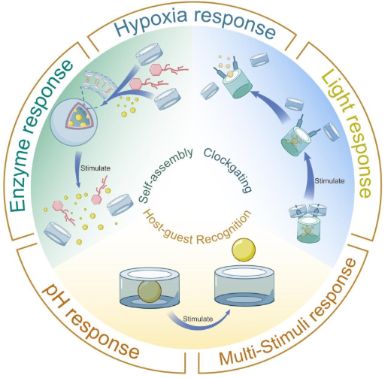
Figure 1: Schematic diagram of drug-controlled release mechanisms based on aromatic macrocycles.
Figure 2: Chemical structure of a) calix[n]arene (m = 1,3,5), and b) pillar[n]arene (m = 1,2,3).
Figure 3: Changes in pH conditions cause the release of drugs from CA8 host–guest complexes [101]. Figure 3 was adapted wi...
Figure 4: The illustration of the pH-mediated 1:1 complex formation between the host and guest molecules in a...
Figure 5: Illustration of the pH-responsive self-assembly of mannose-modified CA4 into micelles and the subse...
Figure 6: Illustration of the assembly of supramolecular prodrug nanoparticles from WP6 and DOX-derived prodr...
Figure 7: Illustration of the formation of supramolecular vesicles and their pH-dependent drug release [93]. Figure 7 was...
Figure 8: Schematic illustration of the application of the multifunctional nanoplatform CyCA@POPD in combined...
Figure 9: Illustration of the photolysis of an amphiphilic assembly via CA-induced aggregation [114]. Figure 9 was reprint...
Figure 10: Schematic illustration of drug release controlled by the photo-responsive macroscopic switch based ...
Figure 11: Schematic illustration of the formation process of Azo-SMX and its photoisomerization reaction unde...
Figure 12: Schematic illustration of the enzyme-responsive behavior of supramolecular polymers [95]. Figure 12 was used wit...
Figure 13: Schematic illustration of the amphiphilic assembly of SC4A and its enzyme-responsive applications [119]. ...
Figure 14: Stimuli-responsive nanovalves based on MSNs and choline-SC4A[2]pseudorotaxanes, MSN-C1 with ester-l...
Figure 15: A schematic diagram showing the construction of a supramolecular system by host–guest interaction b...
Figure 16: A schematic diagram showing the formation of the host–guest complex DOX@Biotin-SAC4A by biotin modi...
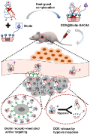
Figure 17: A schematic diagram showing the self-assembly of CA4 into a hypoxia-responsive peptide hydrogel, wh...
Figure 18: Schematic illustration of the formation process of Lip@GluAC4A and the release of Lip under hypoxic...
Figure 19: Schematic illustration of the construction of a supramolecular vesicle based on the host–guest comp...
Figure 20: Schematic illustration of WP6 self-assembly at pH > 7, and the stimulus-responsive drug release beh...
Figure 21: Schematic illustration of the formation of supramolecular vesicles based on the WP5⊃G super-amphiph...
Figure 22: Schematic illustrations of the host–guest recognition of QAP5⊃SXD, the formation of the nanoparticl...
Figure 23: Schematic illustration of the activation of T-SRNs by acid, alkali, or Zn2+ stimuli to regulate the...
Figure 24: Illustration of the triggered release of BH from CP[5]A@MSNs-Q NPs in response to a drop in pH or a...
Figure 25: Illustration of the supramolecular amphiphiles TPENCn@1 (n = 6 and 12) self-assembling with disulfi...
Beilstein J. Org. Chem. 2025, 21, 1678–1699, doi:10.3762/bjoc.21.132
Graphical Abstract
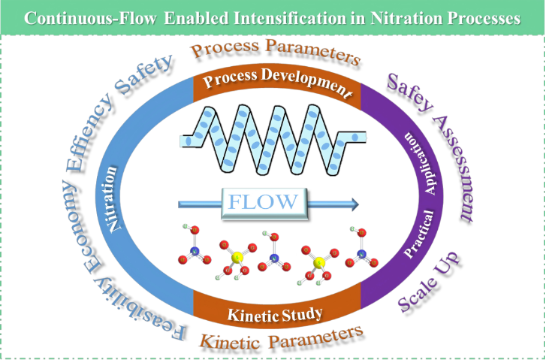
Figure 1: Three key dimensions of a complete nitration process.
Figure 2: A typical continuous-flow nitration reaction system.
Figure 3: Corrosion characteristics of common wetted materials used in continuous-flow nitration system. Note...
Figure 4: Analysis of the literature on continuous-flow nitration reaction over the past decade.
Scheme 1: Model reaction for the homogeneous nitration by nitric acid/mixed acid.
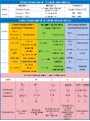
Figure 5: Safety assessment criteria for nitration reactions. Notes: apressure-independent; bno hazards arisi...
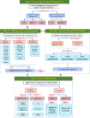
Figure 6: Guide for the investigation of continuous-flow nitration processes.
Beilstein J. Org. Chem. 2025, 21, 1661–1670, doi:10.3762/bjoc.21.130
Graphical Abstract
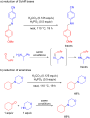
Scheme 1: Rationale of the current study: a) Our previous work [20]; b) this work.
Scheme 2: Comparison of KH2PO2 and NaH2PO2 under the optimal conditions.
Figure 1: Substrate scope. Reaction conditions: carbonyl compound (1.45 mmol, 1 equiv), amine (1.81 mmol, 1.2...
Scheme 3: Control experiments.
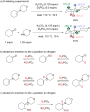
Scheme 4: Experiments with D3PO2.
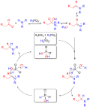
Scheme 5: Principal steps of the mechanism of the reductive amination with K2CO3/H3PO2 reducing system.
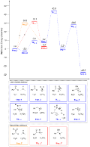
Figure 2: Reaction profile and DFT energies of intermediates and transition states. M062X functional with the...
Beilstein J. Org. Chem. 2025, 21, 1603–1612, doi:10.3762/bjoc.21.124
Graphical Abstract
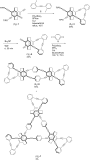
Scheme 1: Synthesis of cyclic dimer (Sp)-6 and trimer (Sp)-7.
Figure 1: UV–vis and PL spectra of (Sp)-6 and (Sp)-7 in CHCl3 (1.0 × 10⁻⁵ M). Excitation wavelength 370 nm an...
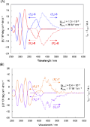
Figure 2: (A) UV, CD, PL, and CPL spectra of (Sp)- and (Rp)-6 in CHCl3 (1.0 × 10⁻⁵ M). (B) UV, CD, PL, and CP...
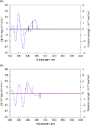
Figure 3: (A) CD spectrum of (Sp)-6 in CHCl3 (1.0 × 10⁻⁵ M), and the plot of the calculated rotatory strength...
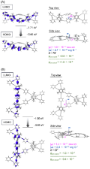
Figure 4: Molecular orbitals and simulated CPL profiles in the S1 states of (A) (Sp)-6 and (B) (Sp)-7 (TD-MN1...
Beilstein J. Org. Chem. 2025, 21, 1544–1551, doi:10.3762/bjoc.21.117
Graphical Abstract
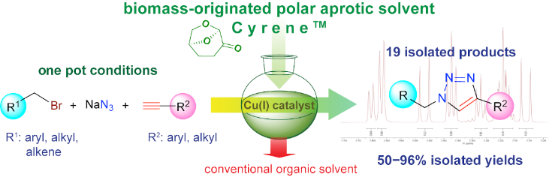
Scheme 1: Synthesis of CyreneTM (dihydrolevoglucosenone) from cellulose-based feeds via levoglucosenone (LG).
Scheme 2: Copper-catalyzed azide–alkyne cycloaddition of benzyl azide (1a) and phenylacetylene (2a) in variou...
Figure 1: Comparison of various solvents used in the CuAAC reaction. Reaction conditions: 1.15 mmol benzyl az...
Figure 2: Effect of the Cu source used in the click reaction of benzyl azide (1a, 1.15 mmol) and phenylacetyl...
Figure 3: Copper-catalyzed azide–alkyne cycloaddition of benzyl azide (1a) and various acetylenes 2a–h in Cyr...
Figure 4: Consecutive synthesis of various N-substituted-4-phenyl-1H-1,2,3-triazoles in CyreneTM. Reaction co...
Figure 5: “One-pot” synthesis of various 1-allyl-4-substituted-1H-1,2,3-triazoles in CyreneTM. Reaction condi...
Figure 6: Solvent recovery for the CuAAC reaction of 1a and 2a. Reaction conditions: 12.5 mL CyreneTM, 1 mol ...
Beilstein J. Org. Chem. 2025, 21, 1535–1543, doi:10.3762/bjoc.21.116
Graphical Abstract
Figure 1: Examples of compounds with medicinal effects containing an enaminone structural moiety.
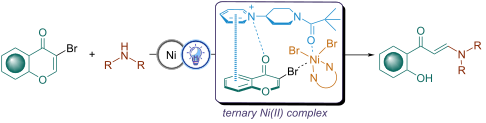
Scheme 1: Synthesis of enaminones.
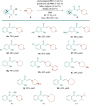
Scheme 2: Substrate scope.
Scheme 3: Scale-up synthesis of enaminone 9a.
Scheme 4: Mechanistic studies.
Scheme 5: Proposed mechanism.
Beilstein J. Org. Chem. 2025, 21, 1520–1527, doi:10.3762/bjoc.21.114
Graphical Abstract
Figure 1: XRD pattern of CS600.
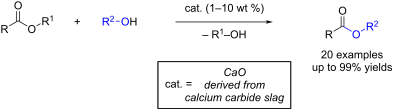
Scheme 1: The transesterification of soybean oil with various alcohols in the presence of CS600 catalyst. Rea...
Scheme 2: The transesterification of various esters with methanol in the presence of CS600 as catalyst. React...
Scheme 3: Gram-scale batch process for the transesterification of soybean oil with methanol. Reaction conditi...
Figure 2: CS600 reusability test. Reaction conditions: 2 wt % CS600, MeOH/4a ratio is 12:1, 65 °C, 4 h.
Figure 3: XRD patterns of the CS600 catalyst after the 1st reaction cycle: A) after washing with methanol and...
Beilstein J. Org. Chem. 2025, 21, 1508–1519, doi:10.3762/bjoc.21.113
Graphical Abstract
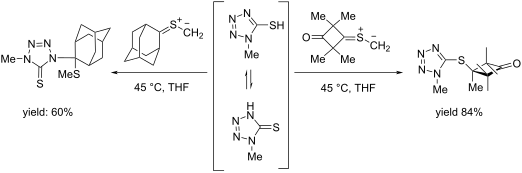
Scheme 1: Typical [3 + 2] cycloaddition (above) and trapping (below) reactions of thiocarbonyl S-methanides 1a...
Scheme 2: Ambident reactivity of 5-mercapto-1H-tetrazoles 4 towards dimethyl 2-arylcyclopropane dicarboxylate...
Scheme 3: Regioselectivity of [3 + 2] cycloadditions of diazomethane with adamantanethione (7a) [22,24,25], and sterica...
Scheme 4: The in situ generation of sterically crowded thiocarbonyl S-methanides 1c,d (via a 1,3-dipolar cycl...
Scheme 5: Reactions of the in situ-generated thiocarbonyl S-methanides 1 (from 1,3,4-thiadiazolines 2) with e...
Figure 1: (a) Molecular structure of the N-insertion product (thioaminal) 9i. Atoms are represented by therma...
Scheme 6: Stepwise mechanism of the competitive N- and S-insertion reactions between the in situ-generated th...
Scheme 7: Mechanism of the isomerization of initially formed thioaminals 9 to dithioacetals 10.
Beilstein J. Org. Chem. 2025, 21, 1374–1387, doi:10.3762/bjoc.21.102
Graphical Abstract
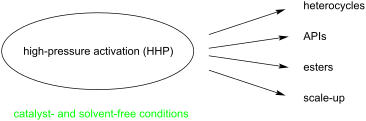
Figure 1: Simplified schematic rendering of a high hydrostatic pressure reactor.
Scheme 1: High pressure-initiated synthesis of 1,3-dihydrobenzimidazoles 3a–d. The yields are GC yields and t...
Figure 2: Illustration of the cyclization reaction between chalcone (4) and 3-(trifluoromethyl)phenylhydrazin...
Scheme 2: High pressure-initiated catalyst- and solvent-free synthesis of pyrazoles 6a–c from chalcone (4) an...
Figure 3: Schematic representation of the cycling experiments: the major variables are the applied pressure, ...
Scheme 3: High pressure-initiated synthesis of the active pharmaceutical ingredients in Tylenol® and Aspirin®...
Scheme 4: High pressure-initiated esterification of alcohols 12a–g in a catalyst- and additional solvent-free...
Scheme 5: High pressure-initiated large scale syntheses of N-aryl- and N-alkylpyrroles at about 100 g scale.
Beilstein J. Org. Chem. 2025, 21, 1324–1373, doi:10.3762/bjoc.21.101
Graphical Abstract
Figure 1: Bond lengths and bond angles in oxetane at 140 K [2].
Figure 2: Analogy of 3-substituted oxetanes to carbonyl and gem-dimethyl groups [12].
Figure 3: Use of oxetanes in drug design – selected examples.
Figure 4: Examples of oxetane-containing natural products.
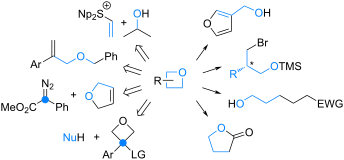
Scheme 1: Synthetic strategies towards construction of the oxetane ring.
Scheme 2: Overview of intramolecular Williamson etherification and competing Grob fragmentation.
Scheme 3: Synthesis of spiro-oxetanes via 1,4-C–H insertion and Williamson etherification.
Scheme 4: Use of phenyl vinyl selenone in the synthesis of spirooxindole oxetanes.
Scheme 5: Synthesis of bicyclic 3,5-anhydrofuranoses via double epoxide opening/etherification.
Scheme 6: Preparation of spirooxetanes by cycloisomerisation via MHAT/RPC.
Scheme 7: Oxetane synthesis via alcohol C–H functionalisation.
Scheme 8: Access to oxetanes 38 from α-acetyloxy iodides.
Scheme 9: The kilogram-scale synthesis of oxetane intermediate 41.
Scheme 10: Overview of the intramolecular opening of 3-membered rings.
Scheme 11: Synthesis of 4,7-dioxatricyclo[3.2.1.03,6]octane skeletons.
Scheme 12: Silicon-directed electrophilic cyclisation of homoallylic alcohols.
Scheme 13: Hydrosilylation–iodocyclisation of homopropargylic alcohols.
Scheme 14: Cu-catalysed intramolecular O-vinylation of γ-bromohomoallylic alcohols.
Scheme 15: Cu-catalysed intramolecular cross-coupling of hydroxyvinylstannanes.
Scheme 16: Isomerisation of oxiranyl ethers containing weakly carbanion-stabilising groups.
Scheme 17: Cyclisation of diethyl haloalkoxymalonates.
Scheme 18: Synthesis of oxetanes through a 1,5-HAT/radical recombination sequence.
Scheme 19: General approach to oxetanes via [2 + 2] cycloadditions.
Scheme 20: Synthesis of tricyclic 4:4:4 oxetanes through a photochemical triple cascade reaction.
Scheme 21: Iridium-catalysed Paternò–Büchi reaction between α-ketoesters and simple alkenes.
Scheme 22: Three-step synthesis of spirocyclic oxetanes 83 via Paternò–Büchi reaction, nucleophilic ring openi...
Scheme 23: Enantioselective Paternò–Büchi reaction catalysed by a chiral iridium photocatalyst.
Scheme 24: Synthesis of polysubstituted oxetanes 92 via Cu(II)-mediated formal [2 + 2] cycloadditions.
Scheme 25: Synthesis of alkylideneoxetanes via NHC- and DBU-mediated formal [2 + 2] cycloadditions.
Scheme 26: Use of sulphur-stabilised carbanions in ring expansions.
Scheme 27: Synthesis of α,α-difluoro(arylthio)methyl oxetanes.
Scheme 28: Ring expansion in an industrial synthesis of PF-06878031.
Scheme 29: Ring contraction of triflated 2-hydroxy-γ-lactones.
Scheme 30: Ring contraction in an industrial synthesis of PF-06878031.
Scheme 31: Photochemical ring contraction of 2,5-dihydrofurans by aryldiazoacetic acid esters.
Scheme 32: Synthesis of 3-oxetanones via O-H insertion of carbenes.
Scheme 33: Synthesis of phosphonate oxetanones via gold-mediated alkyne oxidation/O–H insertion.
Scheme 34: Syntheses and common derivatisations of 3-oxetanone.
Scheme 35: SN1 substitution of 3-aryloxetan-3-ols by thiols and alcohols.
Scheme 36: Fe–Ni dual-catalytic olefin hydroarylation towards 3-alkyl-3-(hetero)aryloxetanes.
Scheme 37: Synthesis of 3-aryloxetan-3-carboxylic acids.
Scheme 38: Decarboxylative alkylation of 3-aryloxetan-3-carboxylic acids.
Scheme 39: Synthesis of 3-amino-3-aryloxetanes via photoredox/nickel cross-coupling catalysis.
Scheme 40: Intermolecular cross-selective [2 + 2] photocycloaddition towards spirooxetanes.
Scheme 41: Synthesis of 3-aryl-3-aminooxetanes via defluorosulphonylative coupling.
Scheme 42: Two-step synthesis of amide bioisosteres via benzotriazolyl Mannich adducts 170.
Scheme 43: Functionalisation of oxetanyl trichloroacetimidates 172.
Scheme 44: Synthesis of oxetane-amino esters 176.
Scheme 45: Tandem Friedel–Crafts alkylation/intramolecular ring opening of 3-aryloxetan-3-ols.
Scheme 46: Synthesis of polysubstituted furans and pyrroles.
Scheme 47: Synthesis of oxazolines and bisoxazolines.
Scheme 48: Tandem, one-pot syntheses of various polycyclic heterocycles.
Scheme 49: Synthesis of 1,2-dihydroquinolines via skeletal reorganisation of oxetanes.
Scheme 50: Synthesis of benzoindolines and 2,3-dihydrobenzofurans and their derivatisations.
Scheme 51: Synthesis of polysubstituted 1,4-dioxanes.
Scheme 52: Preparation of various lactones via ring opening of oxetane-carboxylic acids 219.
Scheme 53: Tsuji-Trost allylation/ring opening of 3-aminooxetanes.
Scheme 54: Arylative skeletal rearrangement of 3-vinyloxetan-3-ols to 2,5-dihydrofurans.
Scheme 55: Reductive opening of oxetanes using catalytic Mg–H species.
Scheme 56: Opening of oxetanes by silyl ketene acetals.
Scheme 57: Rhodium-catalysed hydroacylation of oxetanes.
Scheme 58: Generation of radicals from oxetanes mediated by a vitamin B12-derived cobalt catalyst.
Scheme 59: Reductive opening of oxetanes by B–Si frustrated Lewis pairs.
Scheme 60: Zirconocene-mediated reductive opening of oxetanes.
Scheme 61: Enantioselective syntheses of small and medium-size rings using chiral phosphoric acids.
Scheme 62: Asymmetric synthesis of 2,3-dihydrobenzo[b]oxepines catalysed by a chiral scandium complex.
Scheme 63: Enantioselective synthesis of 1,3-bromohydrins under a chiral squaramide catalysis.
Scheme 64: Enantioselective opening of 2-aryl-2-ethynyloxetanes by anilines.
Scheme 65: Ru-catalysed insertion of diazocarbonyls into oxetanes.
Scheme 66: Ring expansion of oxetanes by stabilised carbenes generated under blue light irradiation.
Scheme 67: Expansion of oxetanes via nickel-catalysed insertion of alkynyltrifluoroborates.
Scheme 68: Nickel-catalysed expansion of oxetanes into ε-caprolactones.
Scheme 69: Expansion of oxetanes via cobalt-catalysed carbonyl insertion.
Scheme 70: Gold-catalysed intramolecular 1,1-carboalkoxylation of oxetane-ynamides.
Scheme 71: Expansion of oxetanes by stabilised sulphoxonium ylides.
Scheme 72: Cu-catalysed ring expansion of 2-vinyloxetanes by diazoesters.
Scheme 73: Total synthesis of (+)-oxetin.
Scheme 74: Total synthesis of racemic oxetanocin A.
Scheme 75: Total synthesis of (−)-merrilactone A.
Scheme 76: Total synthesis of (+)-dictyoxetane.
Scheme 77: Total synthesis of ent-dichrocephone B.
Scheme 78: Total synthesis of (−)-mitrephorone A.
Scheme 79: Total synthesis of (−)-taxol.
Beilstein J. Org. Chem. 2025, 21, 1116–1125, doi:10.3762/bjoc.21.89
Graphical Abstract
Figure 1: Schematic depiction of the α-CD channels containing the polyionic {[K(OH2)6]+[AuBr4]−}n chain insid...
Figure 2: Complexes of α-CD with MAuBr4 salts. Left) Co-precipitation yields from aqueous solutions of α-CD (...
Figure 3: Crystal structures of the complexes of α-CD with KAuCN2 salts, with tubular representation for α-CD...
Figure 4: Solid-state structure of the complex 2β-CD·HAuBr4·DBC. (a) Capped-stick and space-filling represent...
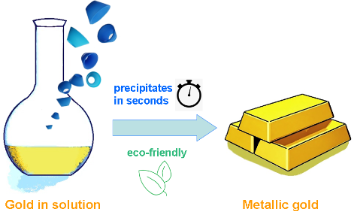
Figure 5: Schematic depiction of the selective removal of AuCl4− and its precipitation as solid gold from e-w...
Beilstein J. Org. Chem. 2025, 21, 1031–1086, doi:10.3762/bjoc.21.85
Graphical Abstract
Figure 1: Biologically active cinnamic acid derivatives.
Scheme 1: General synthetic strategies for cinnamic acid derivatizations.
Scheme 2: Cinnamic acid coupling via isobutyl anhydride formation.
Scheme 3: Amidation reaction via O/N-pivaloyl activation.
Scheme 4: Cinnamic acid amidation using TCCA/PPh3 reagent.
Scheme 5: Cinnamic acid amidation using triazine-based reagents.
Scheme 6: Cinnamic acid amidation using continuous flow mechanochemistry.
Scheme 7: Cinnamic acid amidation using COMU as coupling reagent.
Scheme 8: Cinnamic acid amidation using allenone coupling reagent.
Scheme 9: Cinnamic acid amidation using 4-acetamidophenyl triflimide as reagent.
Scheme 10: Cinnamic acid amidation using methyltrimethoxysilane (MTM).
Scheme 11: Cinnamic acid amidation utilizing amine–borane reagent.
Scheme 12: Cinnamic acid amidation using TCCA/PPh3 reagent.
Scheme 13: Cinnamic acid amidation using PPh3/I2 reagent.
Scheme 14: Cinnamic acid amidation using PCl3 reagent.
Scheme 15: Cinnamic acid amidation utilizing pentafluoropyridine (PFP) as reagent.
Scheme 16: Cinnamic acid amidation using hypervalent iodine(III).
Scheme 17: Mechanochemical amidation using 1,1,2,2-tetrafluoroethyl-N,N-dimethylamine (TFEDMA) reagent.
Scheme 18: Methyl ester preparation using tris(2,4,6-trimethoxyphenyl)phosphine (TMPP).
Scheme 19: N-Trifluoromethyl amide preparation using isothiocyanate and AgF.
Scheme 20: POCl3-mediated amide coupling of carboxylic acid and DMF.
Scheme 21: O-Alkylation of cinnamic acid using alkylating agents.
Scheme 22: Glycoside preparation via Mitsunobu reaction.
Scheme 23: O/N-Acylation via rearrangement reactions.
Scheme 24: Amidation reactions using sulfur-based alkylating agents.
Scheme 25: Amidation reaction catalyzed by Pd0 via C–N cleavage.
Scheme 26: Amidation reaction catalyzed by CuCl/PPh3.
Scheme 27: Cu(II) triflate-catalyzed N-difluoroethylimide synthesis.
Scheme 28: Cu/Selectfluor-catalyzed transamidation reaction.
Scheme 29: CuO–CaCO3-catalyzed amidation reaction.
Scheme 30: Ni-catalyzed reductive amidation.
Scheme 31: Lewis acidic transition-metal-catalyzed O/N-acylations.
Scheme 32: Visible-light-promoted amidation of cinnamic acid.
Scheme 33: Sunlight/LED-promoted amidation of cinnamic acid.
Scheme 34: Organophotocatalyst-promoted N–O cleavage of Weinreb amides to synthesize primary amides.
Scheme 35: Cinnamamide synthesis through [Ir] photocatalyst-promoted C–N-bond cleavage of tertiary amines.
Scheme 36: Blue LED-promoted FeCl3-catalyzed reductive transamidation.
Scheme 37: FPyr/TCT-catalyzed amidation of cinnamic acid derivative 121.
Scheme 38: Cs2CO3/DMAP-mediated esterification.
Scheme 39: HBTM organocatalyzed atroposelective N-acylation.
Scheme 40: BH3-catalyzed N-acylation reactions.
Scheme 41: Borane-catalyzed N-acylation reactions.
Scheme 42: Catalytic N-acylation reactions via H/F bonding activation.
Scheme 43: Brønsted base-catalyzed synthesis of cinnamic acid esters.
Scheme 44: DABCO/Fe3O4-catalyzed N-methyl amidation of cinnamic acid 122.
Scheme 45: Catalytic oxidation reactions of acylating agents.
Scheme 46: Preparation of cinnamamide-substituted benzocyclooctene using I(I)/I(III) catalysis.
Scheme 47: Pd-colloids-catalyzed oxidative esterification of cinnamyl alcohol.
Scheme 48: Graphene-supported Pd/Au alloy-catalyzed oxidative esterification via hemiacetal intermediate.
Scheme 49: Au-supported on A) carbon nanotubes (CNT) and B) on porous boron nitride (pBN) as catalyst for the ...
Scheme 50: Cr-based catalyzed oxidative esterification of cinnamyl alcohols with H2O2 as the oxidant.
Scheme 51: Co-based catalysts used for oxidative esterification of cinnamyl alcohol.
Scheme 52: Iron (A) and copper (B)-catalyzed oxidative esterification of cinnamaldehyde.
Scheme 53: NiHPMA-catalyzed oxidative esterification of cinnamaldehyde.
Scheme 54: Synthesis of cinammic acid esters through NHC-catalyzed oxidative esterification via intermolecular...
Scheme 55: Redox-active NHC-catalyzed esterification via intramolecular oxidation.
Scheme 56: Electrochemical conversion of cinnamaldehyde to methyl cinnamate.
Scheme 57: Bu4NI/TBHP-catalyzed synthesis of bisamides from cinnamalaldehyde N-tosylhydrazone.
Scheme 58: Zn/NC-950-catalyzed oxidative esterification of ketone 182.
Scheme 59: Ru-catalyzed oxidative carboxylation of terminal alkenes.
Scheme 60: Direct carboxylation of alkenes using CO2.
Scheme 61: Carboxylation of alkenylboronic acid/ester.
Scheme 62: Carboxylation of gem-difluoroalkenes with CO2.
Scheme 63: Photoredox-catalyzed carboxylation of difluoroalkenes.
Scheme 64: Ru-catalyzed carboxylation of alkenyl halide.
Scheme 65: Carboxylation of alkenyl halides under flow conditions.
Scheme 66: Cinnamic acid ester syntheses through carboxylation of alkenyl sulfides/sulfones.
Scheme 67: Cinnamic acid derivatives synthesis through a Ag-catalyzed decarboxylative cross-coupling proceedin...
Scheme 68: Pd-catalyzed alkyne hydrocarbonylation.
Scheme 69: Fe-catalyzed alkyne hydrocarbonylation.
Scheme 70: Alkyne hydrocarboxylation using CO2.
Scheme 71: Alkyne hydrocarboxylation using HCO2H as CO surrogate.
Scheme 72: Co/AlMe3-catalyzed alkyne hydrocarboxylation using DMF.
Scheme 73: Au-catalyzed oxidation of Au–allenylidenes.
Scheme 74: Pd-catalyzed C–C-bond activation of cyclopropenones to synthesize unsaturated esters and amides.
Scheme 75: Ag-catalyzed C–C-bond activation of diphenylcyclopropenone.
Scheme 76: Cu-catalyzed C–C bond activation of diphenylcyclopropenone.
Scheme 77: PPh3-catalyzed C–C-bond activation of diphenylcyclopropenone.
Scheme 78: Catalyst-free C–C-bond activation of diphenylcyclopropenone.
Scheme 79: Cu-catalyzed dioxolane cleavage.
Scheme 80: Multicomponent coupling reactions.
Scheme 81: Pd-catalyzed partial hydrogenation of electrophilic alkynes.
Scheme 82: Nickel and cobalt as earth-abundant transition metals used as catalysts for the partial hydrogenati...
Scheme 83: Metal-free-catalyzed partial hydrogenation of conjugated alkynes.
Scheme 84: Horner–Wadsworth–Emmons reaction between triethyl 2-fluoro-2-phosphonoacetate and aldehydes with ei...
Scheme 85: Preparation of E/Z-cinnamates using thiouronium ylides.
Scheme 86: Transition-metal-catalyzed ylide reactions.
Scheme 87: Redox-driven ylide reactions.
Scheme 88: Noble transition-metal-catalyzed olefination via carbenoid species.
Scheme 89: TrBF4-catalyzed olefination via carbene species.
Scheme 90: Grubbs catalyst (cat 7)/photocatalyst-mediated metathesis reactions.
Scheme 91: Elemental I2-catalyzed carbonyl-olefin metathesis.
Scheme 92: Cu-photocatalyzed E-to-Z isomerization of cinnamic acid derivatives.
Scheme 93: Ni-catalyzed E-to-Z isomerization.
Scheme 94: Dehydration of β-hydroxy esters via an E1cB mechanism to access (E)-cinnamic acid esters.
Scheme 95: Domino ring-opening reaction induced by a base.
Scheme 96: Dehydroamination of α-aminoester derivatives.
Scheme 97: Accessing methyl cinnamate (44) via metal-free deamination or decarboxylation.
Scheme 98: The core–shell magnetic nanosupport-catalyzed condensation reaction.
Scheme 99: Accessing cinnamic acid derivatives from acetic acid esters/amides through α-olefination.
Scheme 100: Accessing cinnamic acid derivatives via acceptorless α,β-dehydrogenation.
Scheme 101: Cu-catalyzed formal [3 + 2] cycloaddition.
Scheme 102: Pd-catalyzed C–C bond formation via 1,4-Pd-shift.
Scheme 103: NHC-catalyzed Rauhut–Currier reactions.
Scheme 104: Heck-type reaction for Cα arylation.
Scheme 105: Cu-catalyzed trifluoromethylation of cinnamamide.
Scheme 106: Ru-catalyzed alkenylation of arenes using directing groups.
Scheme 107: Earth-abundant transition-metal-catalyzed hydroarylation of α,β-alkynyl ester 374.
Scheme 108: Precious transition-metal-catalyzed β-arylation of cinnamic acid amide/ester.
Scheme 109: Pd-catalyzed β-amination of cinnamamide.
Scheme 110: S8-mediated β-amination of methyl cinnamate (44).
Scheme 111: Pd-catalyzed cross-coupling reaction of alkynyl esters with phenylsilanes.
Scheme 112: Pd-catalyzed β-cyanation of alkynyl amide/ester.
Scheme 113: Au-catalyzed β-amination of alkynyl ester 374.
Scheme 114: Metal-free-catalyzed Cβ-functionalizations of alkynyl esters.
Scheme 115: Heck-type reactions.
Scheme 116: Mizoroki–Heck coupling reactions using unconventional functionalized arenes.
Scheme 117: Functional group-directed Mizoroki–Heck coupling reactions.
Scheme 118: Pd nanoparticles-catalyzed Mizoroki–Heck coupling reactions.
Scheme 119: Catellani-type reactions to access methyl cinnamate with multifunctionalized arene.
Scheme 120: Multicomponent coupling reactions.
Scheme 121: Single atom Pt-catalyzed Heck coupling reaction.
Scheme 122: Earth-abundant transition metal-catalyzed Heck coupling reactions.
Scheme 123: Polymer-coated earth-abundant transition metals-catalyzed Heck coupling reactions.
Scheme 124: Earth-abundant transition-metal-based nanoparticles as catalysts for Heck coupling reactions.
Scheme 125: CN- and Si-based directing groups to access o-selective cinnamic acid derivatives.
Scheme 126: Amide-based directing group to access o-selective cinnamic acid derivatives.
Scheme 127: Carbonyl-based directing group to access o-selective cinnamic acid derivatives.
Scheme 128: Stereoselective preparation of atropisomers via o-selective C(sp2)–H functionalization.
Scheme 129: meta-Selective C(sp2)–H functionalization using directing group-tethered arenes.
Scheme 130: para-Selective C(sp2)–H functionalization using directing group-tethered arenes.
Scheme 131: Non-directed C(sp2)–H functionalization via electrooxidative Fujiwara–Moritani reaction.
Scheme 132: Interconversion of functional groups attached to cinnamic acid.
Scheme 133: meta-Selective C(sp2)–H functionalization of cinnamate ester.
Scheme 134: C(sp2)–F arylation using Grignard reagents.
Scheme 135: Truce–Smiles rearrangement of N-aryl metacrylamides.
Scheme 136: Phosphine-catalyzed cyclization of γ-vinyl allenoate with enamino esters.
Beilstein J. Org. Chem. 2025, 21, 884–889, doi:10.3762/bjoc.21.72
Graphical Abstract
Scheme 1: Synthesis of ultracycles.
Figure 1: (a, b) Crystal structure of B4aH (hydrogen atoms are omitted for clarity), and (c) the stacking str...
Figure 2: (a) The structures of host and guests, (b) 1H NMR spectra (298 K, 400 MHz, CD3CN) of B4aH upon titr...
Figure 3: (a–c) DFT-optimized structure of the B4aH-C72− complex. The blue dotted lines represent hydrogen bo...
Beilstein J. Org. Chem. 2025, 21, 845–853, doi:10.3762/bjoc.21.68
Graphical Abstract
Figure 1: (a) Schematic illustration of the dual-host strategy for ion pair extraction via solid–liquid metho...
Figure 2: Single crystal structure of complexed Cs2SO4 with 18-crown-6 and tripodal receptor L (CCDC: 2411573...
Figure 3: Stacked 1H NMR spectra of (a) free anion receptor L and its complexes with one equivalent of (b) Cs2...
Figure 4: Single crystal structure of complexed Cs2CO3 (CCDC: 2411574) with 18-crown-6 and tripodal receptor L...
Figure 5: (a) Single crystal structure of complexed Cs3PO4 with 18-crown-6 and tripodal receptor (CCDC: 24115...
Beilstein J. Org. Chem. 2025, 21, 770–797, doi:10.3762/bjoc.21.61
Graphical Abstract
Scheme 1: Electrosynthesis of phenanthridine phosphine oxides.
Scheme 2: Electrosynthesis of 1-aminoalkylphosphine oxides.
Scheme 3: Various electrochemical C–P coupling reactions.
Scheme 4: Electrochemical C–P coupling reaction of indolines.
Scheme 5: Electrochemical C–P coupling reaction of ferrocene.
Scheme 6: Electrochemical C–P coupling reaction of acridines with phosphites.
Scheme 7: Electrochemical C–P coupling reaction of alkenes.
Scheme 8: Electrochemical C–P coupling reaction of arenes in a flow system.
Scheme 9: Electrochemical C–P coupling reaction of heteroarenes.
Scheme 10: Electrochemical C–P coupling reaction of thiazoles.
Scheme 11: Electrochemical C–P coupling reaction of indole derivatives.
Scheme 12: Electrosynthesis of 1-amino phosphonates.
Scheme 13: Electrochemical C–P coupling reaction of aryl and vinyl bromides.
Scheme 14: Electrochemical C–P coupling reaction of phenylpyridine with dialkyl phosphonates in the presence o...
Scheme 15: Electrochemical P–C bond formation of amides.
Scheme 16: Electrochemical synthesis of α-hydroxy phosphine oxides.
Scheme 17: Electrochemical synthesis of π-conjugated phosphonium salts.
Scheme 18: Electrochemical phosphorylation of indoles.
Scheme 19: Electrochemical synthesis of phosphorylated propargyl alcohols.
Scheme 20: Electrochemical synthesis of phosphoramidates.
Scheme 21: Electrochemical reaction of carbazole with diphenylphosphine.
Scheme 22: Electrochemical P–N coupling of carbazole with phosphine oxides.
Scheme 23: Electrochemical P–N coupling of indoles with a trialkyl phosphite.
Scheme 24: Electrochemical synthesis of iminophosphoranes.
Scheme 25: Electrochemical P–O coupling of phenols with dialkyl phosphonate.
Scheme 26: Electrochemical P–O coupling of alcohols with diphenylphosphine.
Scheme 27: Electrochemical P–S coupling of thiols with dialkylphosphines.
Scheme 28: Electrochemical thiophosphorylation of indolizines.
Scheme 29: Electrosynthesis of S-heteroaryl phosphorothioates.
Scheme 30: Electrochemical phosphorylation reactions.
Scheme 31: Electrochemical P–Se formation.
Scheme 32: Electrochemical selenation/halogenation of alkynyl phosphonates.
Scheme 33: Electrochemical enantioselective aryl C–H bond activation.
Beilstein J. Org. Chem. 2025, 21, 670–679, doi:10.3762/bjoc.21.53
Graphical Abstract
Figure 1: Chemical structures of phenacenes studied in this work.
Scheme 1: Synthesis of building blocks 10, 13, and 15. Reagents and conditions: a) NaBH4, MeOH, THF, reflux; ...
Scheme 2: Synthesis of F8PIC, F8FUL, and F87PHEN. Reagents and conditions: a) KOH, 18-crown-6, CH2Cl2, reflux...
Figure 2: UV–vis and fluorescence spectra of F8PIC (a), F8FUL (b), and F87PHEN (c) (red lines) and the corres...
Figure 3: Photoluminescence spectra of F8PIC (a), F8FUL (b), and F87PHEN (c) in toluene at 77 K.
Figure 4: Electronic spectra of F8PIC (a), F8FUL (b), and F87PHEN (c) (red lines) and the corresponding paren...
Figure 5: (a) The MO diagrams of the parent and fluorinated phenacenes (B3LYP/6-31+G(d,p)). H and L, respecti...
Beilstein J. Org. Chem. 2025, 21, 515–525, doi:10.3762/bjoc.21.39
Graphical Abstract
Scheme 1: List of reactions, experimental conditions and yields studied in this work.
Figure 1: Top: 379 MHz 19F NMR spectrum of 9,10-ANTH(BnF)2 in CDCl3. Bottom: absorption (aerobic, solid line)...
Figure 2: Top: X-ray structure of 9,10-ANTH(BnF)2, thermal ellipsoids 50% probability. Bottom: a view down th...
Figure 3: Absorption spectra of ANTH and 9,10-ANTH(BnF)2 in CH2Cl2 recorded over the period of 53 days in air...
Figure 4: Direct analysis in real time (DART) positive ion mass spectrum of the photoirradiated 9,10-ANTH(BnF)...
Figure 5: The % remaining of ANTH and 9,10-ANTH(BnF)2 dissolved in CDCl3 upon irradiation. Resonances δ = 7.4...
Beilstein J. Org. Chem. 2025, 21, 490–499, doi:10.3762/bjoc.21.36
Graphical Abstract
Figure 1: a) Structural similarity of N-acetyl diazocine 1 with known 17βHSD3-inhibitor tetrahydrodibenzazoci...
Figure 2: The halogen-substituted N-acetyl diazocines 2–4 were used as the starting compounds for further der...
Scheme 1: Synthesis of amino-N-acetyl diazocine by deprotection of the carbamate.
Scheme 2: Reaction conditions for the attempted Ullmann-type reaction with sodium azide.
Scheme 3: Reaction conditions for the palladium-catalyzed introduction of a nitrile functionality.
Beilstein J. Org. Chem. 2025, 21, 458–472, doi:10.3762/bjoc.21.33
Graphical Abstract
Figure 1: The Grotthuss–Draper, Einstein–Stark, and Beer–Lambert laws. T: transmittance; ε: molar attenuation...
Figure 2: The benefits of merging photochemistry with mechanochemical setups (top). Most common setups for ph...
Scheme 1: Mechanochemically triggered pedal-like motion in solid-state [2 + 2] photochemical cycloaddition fo...
Scheme 2: Mechanically promoted [2 + 2] photodimerization of trans-1,2-bis(4-pyridyl)ethylene (2.1) via supra...
Scheme 3: Photo-thermo-mechanosynthesis of quinolines [65].
Scheme 4: Study of the mechanically assisted [2 + 2] photodimerization of chalcone [66].
Scheme 5: Liquid-assisted vortex grinding (LAVG) for the synthesis of [2.2]paracyclophane [68].
Scheme 6: Photomechanochemical approach for the riboflavin tetraacetate-catalyzed photocatalytic oxidation of...
Scheme 7: Photomechanochemical oxidation of 1,2-diphenylethyne to benzil. The photo in Scheme 7 was republished with ...
Scheme 8: Photomechanochemical borylation of aryldiazonium salts. The photo in Scheme 8 was reproduced from [72] (© 2017 ...
Scheme 9: Photomechanochemical control over stereoselectivity in the [2 + 2] dimerization of acenaphthylene. ...
Scheme 10: Photomechanochemical synthesis of polyaromatic compounds using UV light. The photo in Scheme 10 was reproduc...
Scheme 11: Mechanically assisted photocatalytic reactions: A) atom-transfer-radical addition, B) pinacol coupl...
Scheme 12: Use of mechanoluminescent materials as photon sources for photomechanochemistry. SAOED: SrAl2O4:Eu2+...
Figure 3: SWOT (strengths, weaknesses, opportunities, threats) analysis of photomechanochemistry.