


Search results
Search for "activation" in Full Text gives 1200 result(s) in Beilstein Journal of Organic Chemistry. Showing first 200.
Amino acid-based surfactants: sustainable synthesis and antimicrobial mechanisms
Beilstein J. Org. Chem. 2026, 22, 1067–1085, doi:10.3762/bjoc.22.85
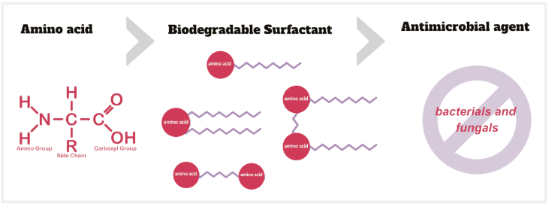
- conditions [36]. Carboxylic acid activation and amide bond formation are commonly performed using acyl chlorides in Schotten–Baumann-type reactions or carbodiimide-mediated coupling agents such as DCC or EDC, providing high conversions under relatively mild conditions [3][6]. Reported yields generally range
- showing complete antimicrobial activation below pH 6.5 [62]. Molecular dynamics simulations have demonstrated that phenylalanine-modified variants exhibit enhanced penetration into lipid bilayers, which has been attributed to the favorable partitioning of the aromatic side chain within the hydrophobic
- developed adaptive resistance mechanisms, such as the production of enzymes that degrade antibiotics (such as β-lactamases), modifications to the target site of antimicrobials, alteration on the cell membrane permeability and activation of efflux pumps [79]. The rapid development of antibiotic resistance


Synthesis of novel 1,2,4-oxadiazole-isoxazoline hybrids and their in silico potential with adenosine receptors
Beilstein J. Org. Chem. 2026, 22, 1033–1047, doi:10.3762/bjoc.22.82
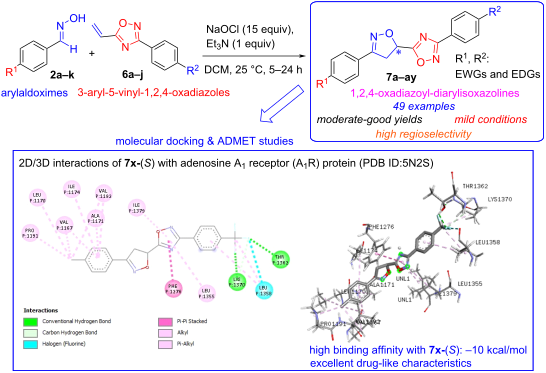
- -hydroxypropyl)-8-((2R,3aS,5S,6aS)-octahydro-2,5-methanopentalen-3a-yl)-1H-purine-2,6(3H,7H)-dione) within the adenosine A1 receptor. The A1 adenosine receptor is a key regulator of numerous physiological processes. Its activation (A1 agonism) is associated with reduced heart rate, neuroprotection, and relief of


Z-Selective semihydrogenation of alkynes via Ni/Lewis acid synergistic catalyzed system using DMF as hydrogen source and solvent
Beilstein J. Org. Chem. 2026, 22, 1004–1012, doi:10.3762/bjoc.22.79
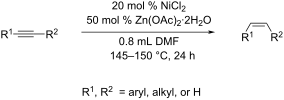
- intermediates, yet their combination with nickel catalysts has been little explored in alkyne semihydrogenation. We envisioned that merging nickel’s competence in alkyne activation and hydrogen transfer with a Lewis acid’s capacity to modulate reaction pathways could enhance both selectivity and efficiency



Rh(III)-catalyzed chelation-assisted C–H activation/annulation of 2-arylimidazolines with cyclic diazo-1,3-dicarbonyl compounds: a novel approach to tetracyclic annulated derivatives of 2,3-dihydroimidazo[2,1-a]isoquinoline
Beilstein J. Org. Chem. 2026, 22, 997–1003, doi:10.3762/bjoc.22.78
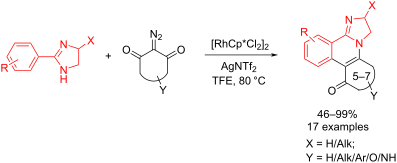
- )-catalysis for the first time. The developed general and efficient approach based on CH-activation allowed the efficient preparation of five novel types of tetraheterocyclic systems derived from 2,3-dihydroimidazo[2,1-a]isoquinolines fused with an additional five-, six- or seven-membered carbocycle or N-/O
- -heterocycle. Keywords: annulation; 2-arylimidazolines; catalysis; С–H activation; diazodiketones; 2,3-dihydroimidazo[2,1-a]isoquinolines; dimedone; tetraheterocycles; Introduction The advancement of organic synthesis techniques, especially methods for creating nitrogen-containing heterocycles, is essential
- obtaining structurally related 5,6-disubstituted 2,3-dihydroimidazo[2,1-a]isoquinolines 4 (Figure 1c) fused with an additional ring via a Rh(III)-catalyzed chelation-assisted C–H activation/annulation with diazo compounds. 2-Arylimidazolines 2 and various substituted cyclic 1,3-dicarbonyl diazo compounds 3


Electrochemical reduction of unsaturated carbon–carbon bonds via 3d transition-metal catalysis
Beilstein J. Org. Chem. 2026, 22, 955–981, doi:10.3762/bjoc.22.75
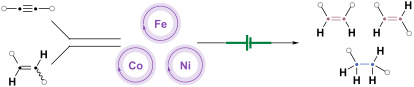
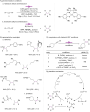
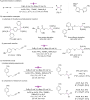
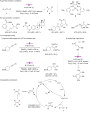
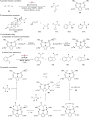
- as a convenient parameter for reaction control. In sharp contrast, constant potential electrolysis (CPE) enables selective activation of specific redox events by maintaining a defined electrode potential, thereby allowing precise control over electron transfer and minimizing undesired processes
- activation [81][82][83][84][85][86], the application of iron catalysis to the electroreductive transformation of unsaturated C–C bonds remains relatively underdeveloped. This limitation arises primarily from the intrinsic difficulty in stabilizing low-valent iron species under strongly reducing
- manifolds at the α- versus β-position. Collectively, these observations strongly support an operating principle in which electrochemical activation of the nickel(II) precatalyst is coupled to cobalt-based PCET mediation to generate and exploit a catalytically competent Ni–H species, or an equivalent








Recent advances in copper-catalyzed direct hydroamination of alkenes with (hetero)aromatic amines
Beilstein J. Org. Chem. 2026, 22, 925–947, doi:10.3762/bjoc.22.73
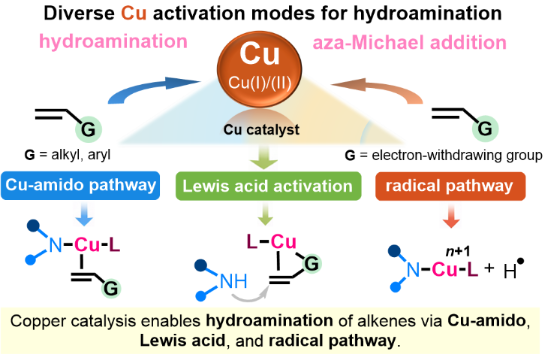
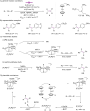
- coordination behavior of these substrates render such transformations inherently challenging. Recently, copper catalysis has emerged as a versatile and practical platform for addressing these limitations. Owing to its redox flexibility and ligand tunability, copper facilitates multiple activation modes
- , including copper–amido-mediated nucleophilic addition or aminocupration, Lewis acid-type alkene activation, and radical-mediated pathways. These complementary mechanisms provide access to diverse alkene classes with control over regioselectivity (Markovnikov vs anti-Markovnikov addition), stereoselectivity
- is because the direct interaction between an electron-rich nitrogen lone pair and a relatively inert alkene π-system is often kinetically disfavored in the absence of activation [19]. Furthermore, the hydroamination of unsymmetrical alkenes introduces additional complexity in controlling the







A practical CO2-mediated synthesis of 5,6-carboxylated silicon-rhodamines for targeted probe development
Beilstein J. Org. Chem. 2026, 22, 915–924, doi:10.3762/bjoc.22.72
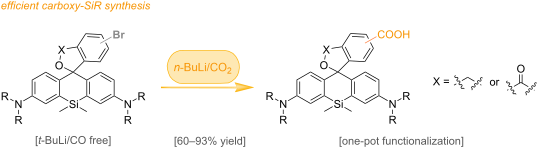
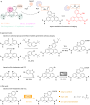
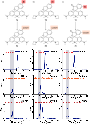
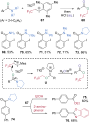
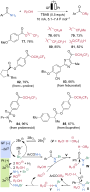
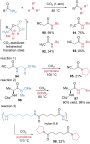
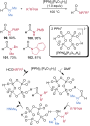
- HaloTag amine using HATU/DIPEA as the activation system. This strategy afforded three high-performance fluorescent probes 4a, 4b, and 4c, in overall yields of 62%, 37%, and 46%, respectively. The absorption and emission spectra of 4a, 4b, and 4c (Figures S1–S3 in Supporting Information File 1) showed



Palladium-catalyzed benzocyclization reactions of quinoline-2-carboxamides via sequential C–H/N–H functionalization
Beilstein J. Org. Chem. 2026, 22, 905–914, doi:10.3762/bjoc.22.71
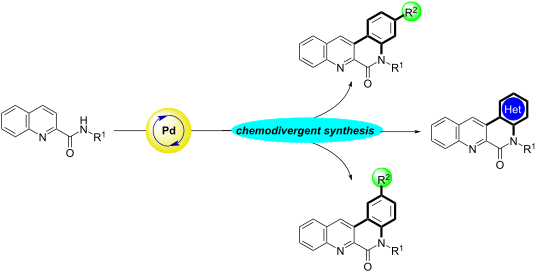
- corresponding heterocycle-fused compounds. The high chemoselectivity of the 1,2-dihaloarene functional groups is confirmed in this reaction, thus enabling divergent synthesis of various multifused heterocyclic systems. Keywords: C–H activation; chemodivergent synthesis; C–N coupling; fused-ring system




Site-specific labelling of native peptides and proteins: chemical and enzymatic strategies
Beilstein J. Org. Chem. 2026, 22, 857–881, doi:10.3762/bjoc.22.67
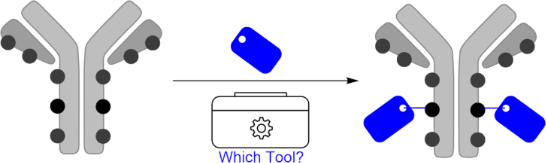
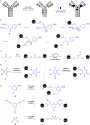
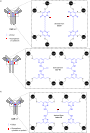
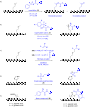
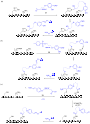
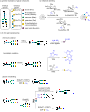
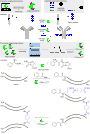
- a chemical label or crosslinking functionality (Scheme 3a). One of the earliest rebridging strategies employed bis-sulfone reagents 6 which, upon in situ activation, generate monosulfone Michael acceptors that selectively react with a reduced cysteine pair (Scheme 3b) [27]. This approach was later
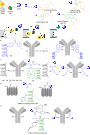
- sortase A-protein Z system has limited site specificity; it also requires equimolar enzyme-to-antibody ratios and additional purification steps. MTG, similarly, requires near-stoichiometric enzyme to function, restricting scalability; this enzyme is also produced as a zymogen and requires activation post








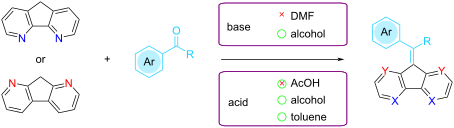
Knoevenagel condensation of 4,5- and 1,8-diazafluorenes
Beilstein J. Org. Chem. 2026, 22, 803–812, doi:10.3762/bjoc.22.62
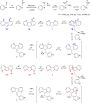
- to the iminium cation occurs via the methylene carbon of the corresponding enamine tautomeric form 1B or 2B. Thus, this process is limited by the concentration of this form which is expected to be higher for 1,8-diazafluorene (2) due to the activation by the neighboring nitrogen atoms via the




Design, synthesis, and biological evaluation of FXR/ASK1 dual-target modulators
Beilstein J. Org. Chem. 2026, 22, 771–781, doi:10.3762/bjoc.22.59
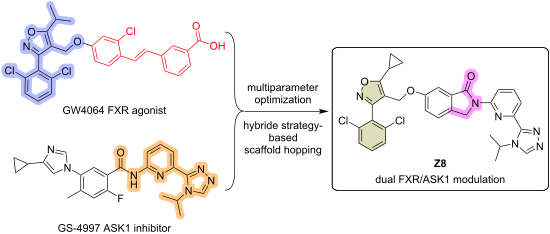
- , and to support a balanced gut microbiota [7]. In view of this pleiotropic role, FXR activation has emerged as a well-established pharmacological target for MASH [8]. Consequently, a diverse range of FXR agonists – categorized as bile acid derivatives, non-bile-acid steroidal agonists, non-steroidal
- LPS) [13][14]. One such factor is the activation of ASK1, a complex process that involves homodimerization and autophosphorylation. Two major aspects characterize the role of ASK1 in liver pathophysiology. First, its phosphorylation initiates a signaling relay that activates both JNK and p38 MAPK
- pathways, resulting in apoptotic cell death, production of proinflammatory cytokines, and fibrogenic gene activation. Second, clinical data reveal that this same signaling node is overactive in the livers of individuals with obesity or MASH, where its functional output correlates directly with the severity


Synthesis and biological evaluation of new brassinosteroid analogs with C-22 benzoate function
Beilstein J. Org. Chem. 2026, 22, 753–762, doi:10.3762/bjoc.22.57
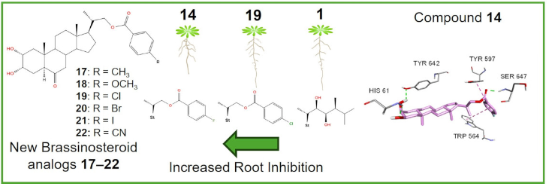
- , the concentration dependence of lamina inclination activity could be attributed to multiple factors such as inhibition or activation of factors affecting BRs activity [40]. This effect becomes more important at highest concentrations and therefore, the relationship between activity and chemical
- possible phenotypic responses (inhibition of root growth) and the level of activation of BR-dependent transcription factors (such as dBES1) is particularly difficult to achieve. In other words, the intensity of the signal does not necessarily reflect the amount applied nor does it translate linearly into


Rongalite addition to dienones: diastereoselectivity in cyclic sulfone synthesis; stereochemical rationalization and prospects as a general conjugate nucleophile
Beilstein J. Org. Chem. 2026, 22, 742–752, doi:10.3762/bjoc.22.56

- high concentration of ≈80% acetic acid (pH ≈3), it seemed plausible that activation of the dienone carbonyl group would occur by hydrogen-bonding, rather than complete proton transfer to the carbonyl oxygen lone pairs [29]. We therefore included explicit solvation with acetic acid in our computational
- work, by which we were able to locate transition states for reactions to give trans-12a and the unobserved cis-12b (Figure 4). The activation energy difference to reach TS-12a, leading to 12a and TS-12b, leading to 12b was found to be a significant 4.7 kcal/mol in favor of TS-12a (see Supporting
- Information File 1 for a graphical representation of this and TS images directly generated from the computational data). The analogous calculations for 1a and 1b showed a much smaller difference in activation barrier, 1.0 kcal/mol, which is consistent with the lower selectivity observed for that substrate




Synthesis of heterocycles based on azomethine ylides from α-amino acids (or amines) and carbonyl compounds
Beilstein J. Org. Chem. 2026, 22, 705–741, doi:10.3762/bjoc.22.55
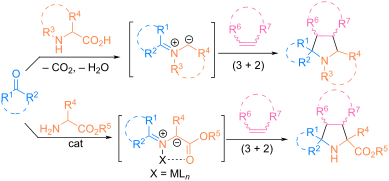
- -dipolar cycloaddition of iminoesters 1 and 1,3-enynes 36 is described, which provides a series of chiral polysubstituted pyrrolidines 37 with high regio-, diastereo-, and enantioselectivities (Scheme 18). It is noted that the presence of a conjugated triple bond leads to weak activation of the olefin
- group and, thus, somewhat simplifies the cycloaddition reaction. The introduction of aryl and alkynyl substituents at the C4 position of the dipolarophile increases the reactivity of the multiple bond due to double activation by conjugated groups. In 2016, a study was published [56] in which vinyl
- of a five-membered N,O-bidentate metalated azomethine. At the same time, a suitable coordinating nitrogen-containing heterocycle, such as a 2-pyridyl group, can also provide sufficient activation via the formation of an N,N-bidentate metalated azomethine, which facilitates asymmetric cycloaddition


Advantages of PROTACs in achieving selective degradation of homologous protein families
Beilstein J. Org. Chem. 2026, 22, 628–661, doi:10.3762/bjoc.22.49


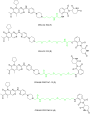

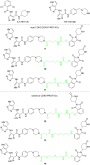


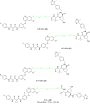
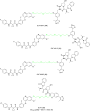


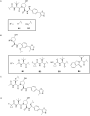


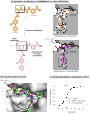
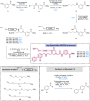
Towards the targeted protein degradation of CK2: design and synthesis of CAM4066-based PROTACs
Beilstein J. Org. Chem. 2026, 22, 611–619, doi:10.3762/bjoc.22.47
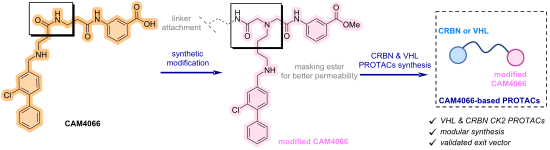
- , functions as a heterotetramer composed of two catalytic (α or α′) and a dimeric regulatory (β) subunit [2]. Unlike most kinases, CK2 does not require upstream activation [3], a property that contributes to its pleiotropic role in cell signalling. Elevated CK2 expression correlates with enhanced cell

Computational prediction of C–H hydricities and their use in predicting the regioselectivity of electron-rich C–H functionalisation reactions
Beilstein J. Org. Chem. 2026, 22, 603–610, doi:10.3762/bjoc.22.46
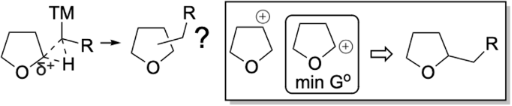
- photoredox activation, followed by anion-binding-catalysed functionalisation to form β-amino esters. Here, the reacting atom is the one with the lowest hydricity and BDE. Compounds 8–10 Schmidt et al. [44] reported the visible light-catalysed bromination of compound 8, Kamon et al. [45] reported the light


![[Graphic 6]](/bjoc/content/inline/1860-5397-22-46-i8.svg?max-width=637&scale=1.18182)


Regioselective approach to 5-arylsulfonylisoxazoles and their antimicrobial activity
Beilstein J. Org. Chem. 2026, 22, 592–602, doi:10.3762/bjoc.22.45
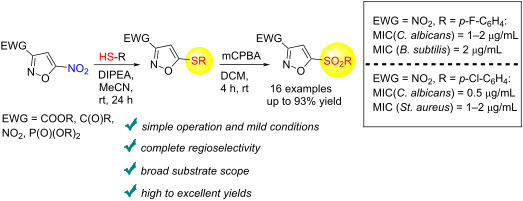
- studies indicate that these compounds induce the bacterial SOS response without inhibiting DNA synthesis-related enzymes such as DNA polymerase I, DNA gyrase, or topoisomerases I and IV, suggesting activation via bacterial reductases. These findings highlight the potential of these isoxazole derivatives
- ]. Briefly, these reporter strains express different fluorescent proteins depending on the mechanism of action of the antibiotic. In case of activation of the antibiotic-induced SOS-response, the rfp gene was expressed in the cell of the reporter strains, and disruption of the translation mechanism led to


Design and synthesis of an erdafitinib-based selective FGFR2 degrader
Beilstein J. Org. Chem. 2026, 22, 583–591, doi:10.3762/bjoc.22.44
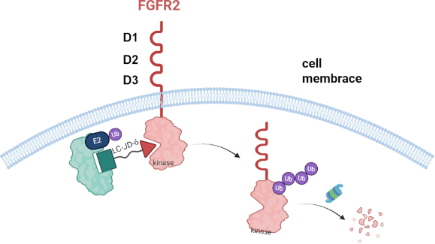
- binding to ligands, which trigger intracellular signaling cascades to activate downstream substrates and pathways [4]. This process involves PLC γ-mediated PKC activation and pFRS2-induced activation of the PI3K/AKT and MAPK/ERK pathways, thereby regulating cell proliferation, differentiation, migration
- , and survival [5][6][7][8]. FGF/FGFR dysregulation is associated with various diseases, including cancers, skeletal disorders, and metabolic syndromes [9][10]. Among family members, tumorigenesis driven by FGFR2 activation is attributed to genetic amplification, mutations, and gene rearrangements or



Experimental and DFT studies on the regioselective methanolysis of 5-azido-9-oxabicyclo[6.1.0]nonan-4-yl 4-nitrobenzoate isomers
Beilstein J. Org. Chem. 2026, 22, 547–556, doi:10.3762/bjoc.22.40
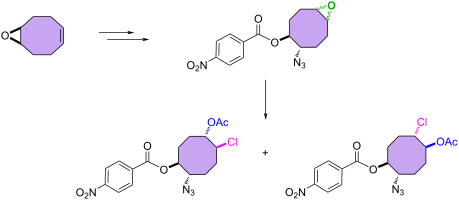
- . Halohydrin 14 is yielded with a C1-attack on intermediate 12, while 13 is yielded with a C2-attack. For the formation of halohydrin 14, 12 → 14, the computed reaction and activation free energies are −12.9 and 19.0 kcal mol−1, respectively, while for the 12 → 13 conversion, the computed reaction and
- activation free energies are −12.5 and 23.7 kcal mol−1, respectively. Halohydrin 16 is yielded by a C2-attack on 15, whereas a C1-attack yields 17. For the formation of halohydrin 16, 15 → 16, the computed reaction and activation free energies are −16.2 and 11.2 kcal mol−1, respectively, while for 15 → 17
- conversion, the computed reaction and activation free energies are −17.9 and 18.1 kcal mol−1, respectively. The DFT results are rationally explained and supported our experimental observations, indicating that the methanolysis of both epoxides 9a and 9b preferentially follows the kinetically favourable


Get a better glimpse on sequential photoreactions of trisnorbornadienes with 19F NMR spectroscopy
Beilstein J. Org. Chem. 2026, 22, 527–534, doi:10.3762/bjoc.22.38
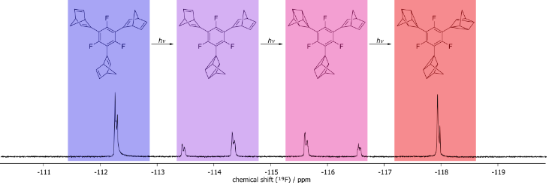
- the physicochemical parameters of the light energy storage and release, the thermally induced cycloreversion of 2f0,3 was investigated. Analysis of the cycloreversion at different temperatures revealed a half-life, t1/2, of 55 d at 25 °C, an activation enthalpy ΔH = 99.4 kJ/kg, and an activation


Recent advances in the cleavage of non-activated amides
Beilstein J. Org. Chem. 2026, 22, 352–369, doi:10.3762/bjoc.22.23
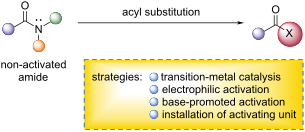
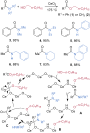
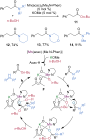
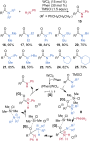
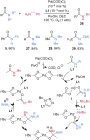
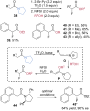
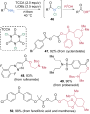
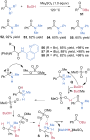
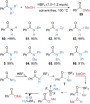
- , bioactive molecules, and advanced materials. However, its exceptional resonance stabilization renders the C–N bond highly inert, posing a persistent synthetic challenge for its transformation. While twisted amides with distorted C–N bonds have offered useful reactivity enhancements, the selective activation
- of conventional, non-activated amides remains far more difficult. This review summarizes recent advances over the past decade in the activation and cleavage of non-activated amide C–N bonds for their conversion into diverse carboxylic acid derivatives. Key strategies covered include transition-metal
- catalysis, electrophilic activation, strong base-counter-cation systems, and N-based activating groups that enable chemoselective bond cleavage. Together, these developments provide powerful tools for amide functionalization and offer new opportunities for efficient, practical, and selective syntheses










Ring contraction and ring expansion reactions in terpenoid biosynthesis and their application to total synthesis
Beilstein J. Org. Chem. 2026, 22, 289–343, doi:10.3762/bjoc.22.21
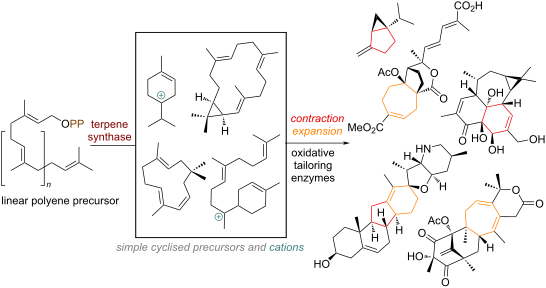
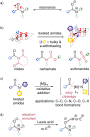
- the activation of the diphosphate group and ionisation) [25][37] and Class II (ionisation by olefin or epoxide protonation via a carboxylic acid in the active site) [26][38][39] and their reactions thus are mediated by carbocations and olefins, through careful preorganisation of the linear substrate






Arene activation via π-bond localization: concepts and opportunities
Beilstein J. Org. Chem. 2026, 22, 257–273, doi:10.3762/bjoc.22.19
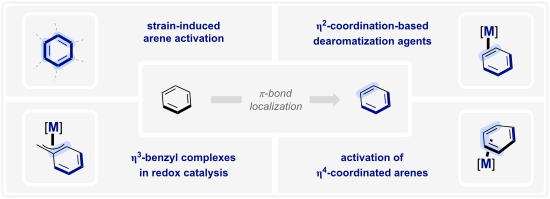
- in synthetic chemistry. In this review, we delineate the potential of π-bond localization within the aromatic framework as a general strategy for arene activation and dearomatization. Four distinct approaches are discussed, encompassing localization of the arene π-bonds through small-ring annelation
- highlighted. Collectively, these concepts create a roadmap for the development of new strategies that harness π-bond localization to expand the synthetic utility of aromatic compounds. Keywords: arene activation; arene functionalization; dearomatization; metal–arene π-complexes; strained molecules
- arene activation through π-bond localization (Figure 2B). While most examples remain limited to stoichiometric studies probing the structural and reactivity consequences of perturbing aromatic stability, they collectively unveil a rich and largely untapped conceptual space that continues to simmer




Configuration–packing synergy enabling integrated crystalline-state RTP and amorphous-state TADF
Beilstein J. Org. Chem. 2026, 22, 224–236, doi:10.3762/bjoc.22.16
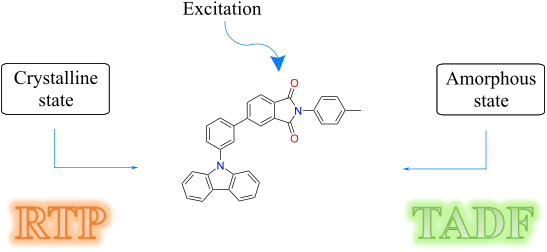
- intermolecular coupling to enhance SOC and suppress non-radiative decay channels, while TADF relies more on donor–acceptor decoupling and smaller ΔEST to lower the thermal activation barrier for RISC. Thus, a key challenge in the field is how to establish adjustable synergy between the molecular-scale
- activation of either RTP or TADF channels in different phases, thus contributing to both fundamental mechanistic studies and the expansion of device applications. In this work, phthalimide (imide) was selected as the acceptor fragment, carbazole as the donor, and a phenylene bridge was introduced to
- construct a twisted D–π–A molecular backbone. This molecular backbone achieves, on the one hand, frontier orbital spatial decoupling through donor–acceptor separation, reducing ΔEST and enabling TADF activation in amorphous environments. On the other hand, it retains the n→π* characteristics of the carbonyl





