


Search results
Search for "hydroxy group" in Full Text gives 651 result(s) in Beilstein Journal of Organic Chemistry. Showing first 200.
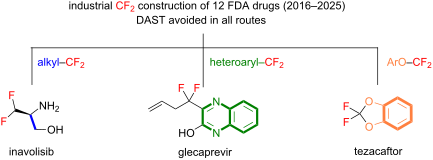
Construction of CF2 moieties in FDA-approved drugs (2016–2025): industrial routes, mechanisms, and scale-up considerations
Beilstein J. Org. Chem. 2026, 22, 1122–1150, doi:10.3762/bjoc.22.91
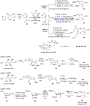
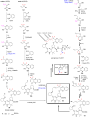
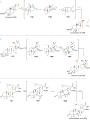
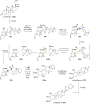
- ClCF2COONa (130) as a difluorocarbene precursor to perform the difluoromethylation of the phenolic hydroxy group of compound 129 under basic, high-temperature conditions. This step proceeds via a difluorocarbene-mediated O–CF2 bond-formation mechanism, affording 131. Subsequent oxidation of the aldehyde
- group to carboxylic acid 134 via the Pinnick oxidation gave a two-step yield of 86% on a 10 g scale. Route b selectively difluoromethylates the phenolic hydroxy group of 132 using a method similar to route a, achieving a yield of 54% (reported in 2017) [69], followed by isopropyl etherification to






Rhodopyran, a carboxylated hexahydrocyclopenta[b]pyran from Rhodococcus
Beilstein J. Org. Chem. 2026, 22, 1107–1113, doi:10.3762/bjoc.22.89
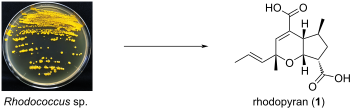
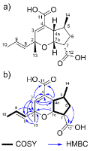
- -cyclopenta[b]pyran-6-one core bearing a hydroxy group and an allyl side chain [19]. In contrast, rhodopyran (1) is a carboxylated hexahydrocyclopenta[b]pyran bearing two carboxyl groups and a 1-propenyl substituent, and therefore differs markedly from the diospentenols in carbon number, oxidation state, and


Cascade transformation of 2-(diazoacetyl)-2H-azirines to 2-aroyl-3-hydroxy-1H-pyrroles via condensation with aromatic aldehydes
Beilstein J. Org. Chem. 2026, 22, 897–904, doi:10.3762/bjoc.22.70
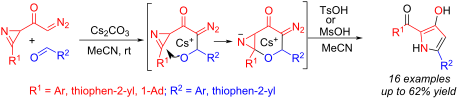
- with aromatic aldehydes does not result in the formation of an azirinyl-substituted β-hydroxy-α-diazocarbonyl compound, but is accompanied by a tandem intramolecular cyclization involving the hydroxy group and the C=N bond of the azirine to form a bicyclic intermediate, a 4-diazo-2-oxa-7-azabicyclo
- reaction of 2-(diazoacetyl)-2H-azirines 1 with aromatic aldehydes 2, which does not terminate in condensation to form an azirinyl-substituted β-hydroxy-α-diazocarbonyl compound 3, but is accompanied by a tandem intramolecular cyclization involving the hydroxy group and the azirine C=N bond to form a
- the reaction medium in the first step. Despite the multifunctionality of compounds 5, their modification potential proved to be rather limited. Compound 5a is readily alkylated at the hydroxy group using 2-bromo-1-phenylethan-1-one and ethyl 2-bromoacetate, yielding compound 6a and 6b in high yield


Unsymmetrical sulfoxides with sterically hindered catechol fragment: synthesis, structure, electrochemical properties, and antiradical activity
Beilstein J. Org. Chem. 2026, 22, 828–837, doi:10.3762/bjoc.22.65
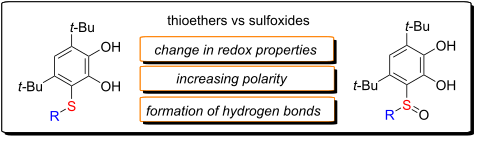
- °, depending on the nature of the substituent. The hydroxy group at the second position participates in the formation of an intramolecular H-bond with the oxygen atom of the sulfoxide group (Figure 1), and the second OH group forms an intermolecular contact with the SO group of the neighboring molecule (Table
- distance, indicating the formation of π contacts (Cg···Cg 3.676(9)–3.769(9) Å). In the 1H NMR spectra of all synthesized sulfoxides, the signal corresponding to the proton of the hydroxy group at position 1 of the aromatic ring is significantly shifted downfield relative to that in the corresponding


Total synthesis of the capsular polysaccharide repeating unit towards the development of a glycoconjugate vaccine against Klebsiella pneumoniae ST512
Beilstein J. Org. Chem. 2026, 22, 821–827, doi:10.3762/bjoc.22.64
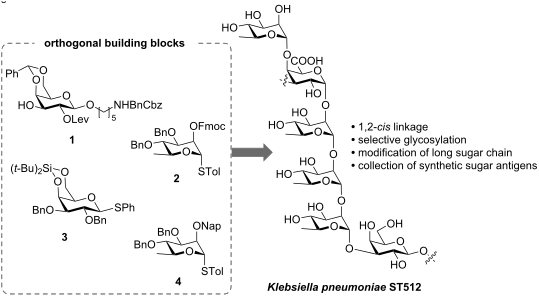
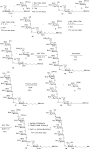
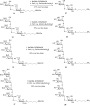
- ]. Subsequent removal of the 2-naphthylmethyl (Nap) group using 2,3-dichloro-5,6-dicyano-1,4-benzoquinone (DDQ) furnished the desired alcohol 1 in 74% yield. For the synthesis of ʟ-rhamnoside building blocks 2 and 4, the C2-hydroxy group of known thioglycoside 8 [32][33] was regioselectively protected with a
- Nap group to yield 9 (87% yield). Protection of the remaining C3-hydroxy group with a benzyl (Bn) ether furnished building block 4. To obtain building block 2, the Nap group was replaced with a fluorenylmethyloxycarbonyl protecting group (Fmoc) via a two-step sequence: DDQ-mediated deprotection (69
- successfully cleaved the silylidene group, producing pentasaccharide diol 17 in 81% yield. The final stages involved the regioselective installation of an Fmoc group at the C6-hydroxy group, followed by glycosylation with building block 4 to provide hexasaccharide 19 with complete α-selectivity. Global


Synthesis and biological evaluation of new brassinosteroid analogs with C-22 benzoate function
Beilstein J. Org. Chem. 2026, 22, 753–762, doi:10.3762/bjoc.22.57
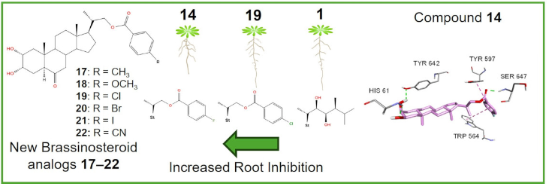
- electronegative effects on the aromatic ring enhance the analogs’ bioactivity in the RLIT. A comparison of results obtained for compounds with the same substituent at C-22, but having just one hydroxy group at C-3 (3) (TE analogs) [28], or only a carbonyl group in this position (3a) (3-DT analogs) [31] is given
- , respectively, show the lowest activities at 1 × 10⁻⁶ M. These results are quite similar to those previously reported for compounds 4–11, in which ring A has one hydroxy group at C-3 [28]. However, analogs with I and CN substituents in that series, 10 and 11, are much more active than analogs 21 and 22. In
- Ser647 (1.89 Å) and Tyr597 (2.4 Å), other two are established between the hydroxy group at C-2 and residues Tyr642 (2.7 Å) and Val62 (2.8 Å), and finally two extra H-bonds are formed between the hydroxy group at C-3 and residues His61 (2.1 Å) and Asn705 (2.4 Å). Additionally, the aromatic ring of


Rongalite addition to dienones: diastereoselectivity in cyclic sulfone synthesis; stereochemical rationalization and prospects as a general conjugate nucleophile
Beilstein J. Org. Chem. 2026, 22, 742–752, doi:10.3762/bjoc.22.56

- over the last two decades [5][6]. Modified reagents in which the Rongalite hydroxy group has been protected have allowed for consecutive and different reactions at sulfur, giving access to a range of unsymmetrical sulfones [18][19]. Although sulfur nucleophiles often participate in conjugate additions




Synthesis of depressin, cryptomeridiol and 4-epi-cryptomeridiol enabled by a terpenoid chiral pool-producing platform
Beilstein J. Org. Chem. 2026, 22, 683–690, doi:10.3762/bjoc.22.53
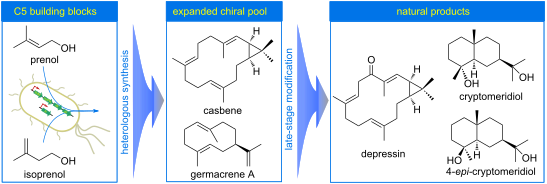
- hydroxy group allowed the synthesis of compound 1 from 4 in nine steps. Selective acid-mediated 5,10-transannular cyclization of 5 followed by hydration reaction furnished both products 2 and 3 in two steps. Keywords: chemoenzymatic synthesis; chiral pool; isopentenol utilization pathway; terpene
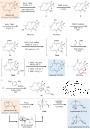
- conditions, affording 9-hydroxy-13-ketocasbene (10, 21%) and 5-hydroxy-13-ketocasbene (11, 20%), respectively, as single diastereomers. Although the orientation of the newly introduced hydroxy group could not be assigned solely based on NMR analysis, the 5-hydroxy group of 11 will be transformed into a
- ketone in a later step for the synthesis of 1. The 5-hydroxy group in 11 was then protected as a TBS ether to give 12 in 96% yield. However, direct deoxygenation of the 13-ketone of 12 was not fruitful in our hands [58][59][60]. We then converted enone 12 to the allylic alcohols 13a/b as two


Synthesis and stereochemical analysis of dynamic planar chiral oxa[7]orthocyclophene
Beilstein J. Org. Chem. 2026, 22, 436–442, doi:10.3762/bjoc.22.30

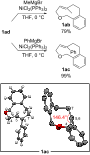
- -alkene 7 in 81% yield. The hydroxy group of 7 was substituted with chlorine using oxalyl chloride in DMF, and the TIPS group was removed by treatment with hydrochloric acid to afford the chloroalcohol 2a (74% yield in two steps). After several attempts to cyclize compound 2a via Williamson etherification






Synthesis of tricyclic fused pyrrolidine nitroxides from 2-alkynylpyrrolidine-1-oxyls
Beilstein J. Org. Chem. 2026, 22, 344–351, doi:10.3762/bjoc.22.22

- of 9a. The yield of 9b in this reaction depends on excess of the reagent. Heating of 9a with five equivalents of MsCl and excess of DIPEA afforded 9b in 65% yield. When a 1.5-fold excess of mesyl chloride per hydroxy group was used, another nitroxide 9c was isolated in 26% yield along with 9b (43




Ring contraction and ring expansion reactions in terpenoid biosynthesis and their application to total synthesis
Beilstein J. Org. Chem. 2026, 22, 289–343, doi:10.3762/bjoc.22.21
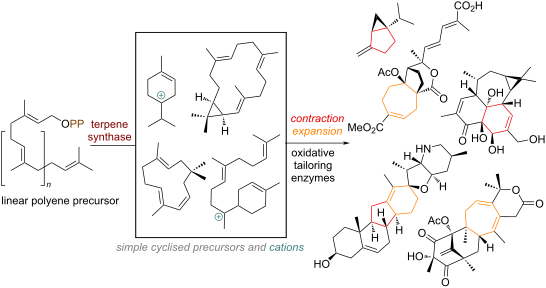
- the methyl groups residing at C-4 and the C-7 methylene to ent-7α-hydroxykaurenoic acid (34a). The hydroxy group in 34a can further engage with a CYP450 enzyme at C-6 (different CYP isoforms responsible in different genii) to form an alkyl radical 34b which upon further SET forms an intermediate
- Scheme 22A). Alternatively, one can imagine an exhaustively oxidised intermediate like 74 undergoing α-ketol rearrangement to directly deliver the hydroxy group at C-6 (acid 75) for intramolecular lactonisation towards pierisketolide A (70). In the biogenesis of euphnerin B (76) and euphomilones A (77
- ). From there, the related ring-expanded diterpenoid euphebranane A (86) was proposedly obtained by 1,2-alkyl shift of 85a to give carbocation 85b and finally 86 by elimination to the diene and epimerisation of the hydroxy group. An alternative mechanistic rationale for the expansion/contraction reaction






Improved synthesis and physicochemical characterization of the selective serotonin 2A receptor agonist 25CN-NBOH
Beilstein J. Org. Chem. 2026, 22, 175–184, doi:10.3762/bjoc.22.11
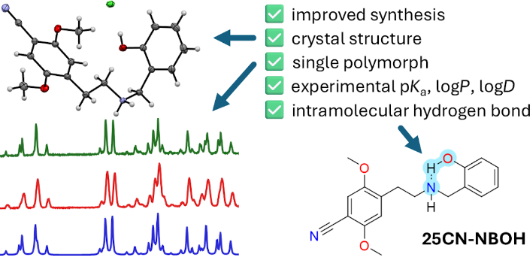
- almost entirely from deuteration of the hydroxy group. The good linear fit (R2 = 0.95, Figure 6e) indicates that the isotope effects on the chemical shift values could be calculated accurately. Notably, the two-bond deuterium isotope effect on the 13C chemical shift reflects the strength of the hydrogen


Circumventing Mukaiyama oxidation: selective S–O bond formation via sulfenamide–alcohol coupling
Beilstein J. Org. Chem. 2026, 22, 158–166, doi:10.3762/bjoc.22.9
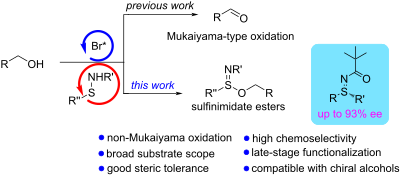
- efficiently even with secondary hydroxy groups. The method also accommodated sterically hindered and functionalized alcohols. tert-Butylmethanol in which the hydroxy group is attached to a methylene adjacent to a bulky tert-butyl group, gave the desired product 3v’ in 91% yield, while a halogenated alcohol


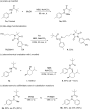
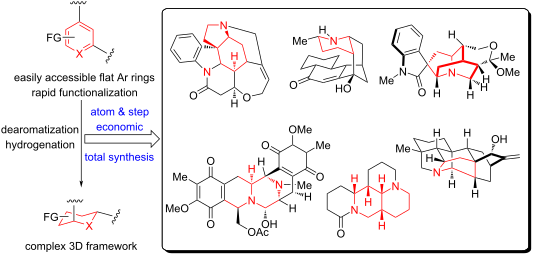
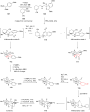
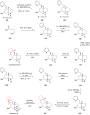
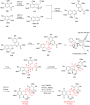
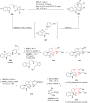
Total synthesis of natural products based on hydrogenation of aromatic rings
Beilstein J. Org. Chem. 2026, 22, 88–122, doi:10.3762/bjoc.22.4
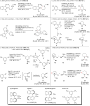
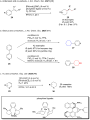
- . After obtaining 104, the unsaturated ketone was stereoselectively reduced to a specifically oriented hydroxy group using a Luche reduction, which was then protected with acetic anhydride to yield 105. Compound 105 then gave rise to the tertiary alcohol 106 in the presence of zinc powder and ammonium
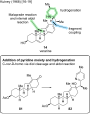
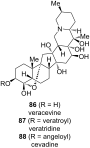
- hydrogenation of a pyridine precursor, whereas Mander’s strategy relied on an Eschenmoser fragmentation as well as a reductive amination (Scheme 17) [87]. Pyridine analogue 121 was converted to tetracyclic compound 123 via a 1,2-addition. A five-step transformation, including allylic hydroxy group transposition
- , including hydroxylation of aryl halide, partial lactam reduction with cyanide trapping, and oxidation of the phenol, enabled the total synthesis of jorunnamycin A in 15 steps. The acetylation of the hydroxy group in jorunnamycin A followed by cyano hydrolysis led to the total synthesis of another natural











One-pot synthesis of ethylmaltol from maltol
Beilstein J. Org. Chem. 2025, 21, 2755–2760, doi:10.3762/bjoc.21.212

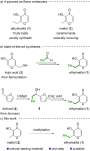
- reduction of the newly introduced secondary hydroxy group affords ethylmaltol (1) in four steps overall [1][4]. Different modifications of this approach have been developed, including performing the aldol addition before decarboxylation [5] or using different feedstock chemicals such as furfuryl alcohol
- explore a modified and more selective approach with milder reaction parameters. In our revised strategy, we planned to introduce a transient protecting group for the free hydroxy group, thereby avoiding the necessity of dianion formation with the aim of improving solubility and stability (Table 2). We


Competitive cyclization of ethyl trifluoroacetoacetate and methyl ketones with 1,3-diamino-2-propanol into hydrogenated oxazolo- and pyrimido-condensed pyridones
Beilstein J. Org. Chem. 2025, 21, 2716–2729, doi:10.3762/bjoc.21.209
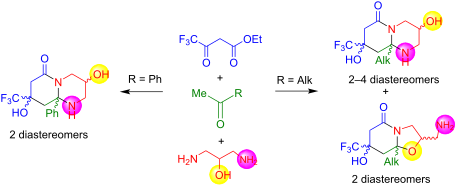
- -equatorial position and is in the trans-position toward the Bu group. The single crystal structure of the bicycle 5ctc is ordered by intermolecular hydrogen bonds between the hydroxy group and the amino group as well as between the amino group and fluorine of the CF3 substituent of the neighboring molecule


Mechanistic insights into hydroxy(tosyloxy)iodobenzene-mediated ditosyloxylation of chalcones: a DFT study
Beilstein J. Org. Chem. 2025, 21, 2703–2715, doi:10.3762/bjoc.21.208
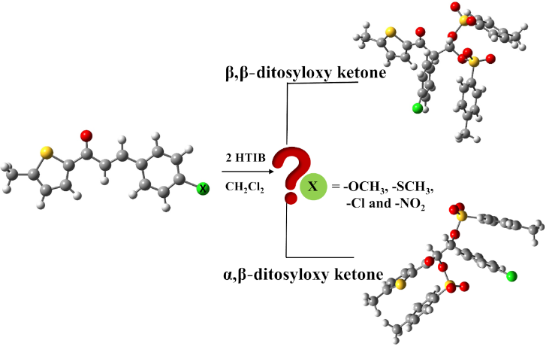
- of two pathways In Int3 with the removal of the hydroxy group, a positive charge is present on the iodine atom. As discussed earlier, for X = -OCH3, -SCH3 the presence of electron-donating groups in the aryl moiety favours the concerted removal of IPh and attack of the aryl group at the α-position


Tandem hydrothiocyanation/cyclization of CF3-iminopropargyl alcohols with NaSCN in the presence of AcOH
Beilstein J. Org. Chem. 2025, 21, 2694–2702, doi:10.3762/bjoc.21.207
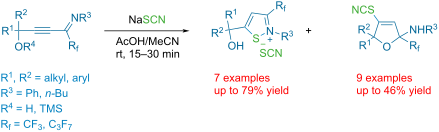
- thiocyanic acid at the triple bond – vinylthiocyanate A (Scheme 2). Isothiazolium thiocyanate 2 is formed by the attack of the imino nitrogen atom on the sulfur atom and the elimination of the CN anion in the Z-isomer of intermediate A. On the other hand, intramolecular addition of the hydroxy group to the



Recent advancements in the synthesis of Veratrum alkaloids
Beilstein J. Org. Chem. 2025, 21, 2657–2693, doi:10.3762/bjoc.21.206
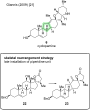
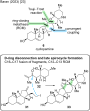
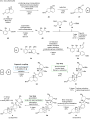
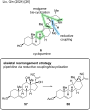
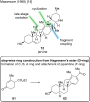
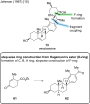
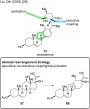
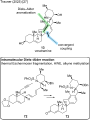
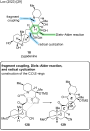
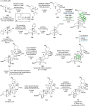
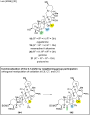
- step of the first semisynthesis of (−)-cyclopamine (6) is a Wagner–Meerwein-type rearrangement of androstane-framework 22 toward the C-nor-D-homo skeleton in 23 (Scheme 5) [21]. The synthesis starts from commercially available dehydroepiandrosterone (DHEA, 24) by protection of the free hydroxy group in
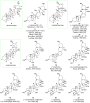
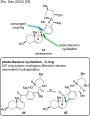
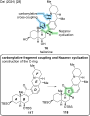
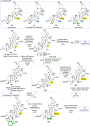
- alkylation was diasteroselective. In the next steps, addition of isopropenyllithium to the lactone moiety led to a hemiketal, which was then opened and a protecting group on the hydroxy group was installed, furnishing fragment 42. Key convergent coupling of this total synthesis was performed by lithium
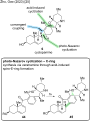
- resulted in a hydroxy group, which was oxidized to furnish Nazarov precursor 54 in 52% yield. Key step of this sequence was the photoinduced excited-state Nazarov reaction, which involved irradiation of 54 in dichloroethane at 366 nm for 30 min at room temperature. Remarkably, this method had been
















Chemoenzymatic synthesis of the cardenolide rhodexin A and its aglycone sarmentogenin
Beilstein J. Org. Chem. 2025, 21, 2637–2644, doi:10.3762/bjoc.21.204
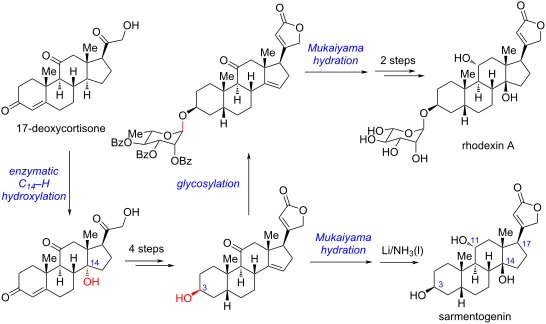
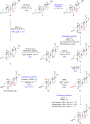
- transforming it into the pivotal C14 β-hydroxylated steroidal intermediate. As shown in Scheme 2, a BF3·Et2O-promoted elimination afforded the 14-olefinated intermediate 3 in a moderate yield. However, the following Mukaiyama hydration to introduce the C14 β-hydroxy group was unsuccessful. Owing to the
- typical Mukaiyama hydration conditions [30][31][32] to install the C14 β-hydroxy group. However, only a trace amount of the undesired C14α-hydroxylated product 10 was obtained. Additional optimizations regarding the transition-metal catalyst, hydrogen source and solvent all failed to improve the results
- hand, we first tried the synthesis of rhodexin A through direct glycosylation of 2 by the ʟ-rhamnose donor 2,3,4-tri-O-benzoyl-α-ʟ-rhamnopyranosyl trichloroacetimidate (14). However, the selective glycosylation at the C3-hydroxy group of 2 was a formidable challenge since competitive glycosylations of



Thiazolidinones: novel insights from microwave synthesis, computational studies, and potentially bioactive hybrids
Beilstein J. Org. Chem. 2025, 21, 2618–2636, doi:10.3762/bjoc.21.203
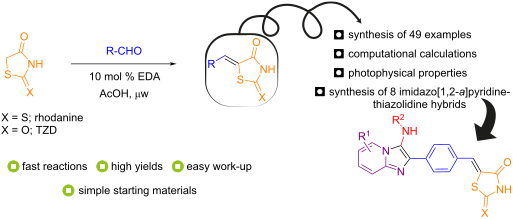
- ortho-position such as a hydroxy group generated compound 3f in good yield (87%). A broad scope was observed for para-substituted aldehydes, where both weak (3g, 3h) and strong (3i, 3j) electron-withdrawing groups gave good to excellent yields (83–95%). Similarly, aldehydes with electron-donating groups
- , such as –Me (3k), –OH (3l) or –NR2 (3m, 3n), also resulted in good to excellent yields (82–94%) of products. However, disubstituted aldehydes containing a hydroxy group in the ortho-position resulted in significantly lower yields (26%) for the corresponding product (3o), a fact not observed for the






Recent advances in total synthesis of illisimonin A
Beilstein J. Org. Chem. 2025, 21, 2571–2583, doi:10.3762/bjoc.21.199
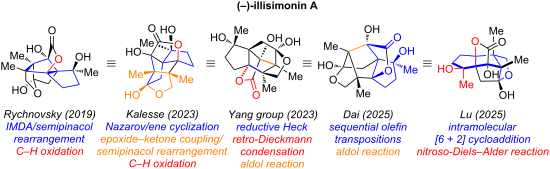
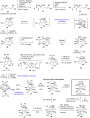
- , deprotonation, and intramolecular addition to ketone. Treatment of the silacycle with MeMgCl cleaved the Si–O bond and subsequent intramolecular nucleophilic substitution of the chloride with the adjacent hydroxy group yielded TMS-epoxide 41. Protonic acid-mediated opening of the TMS-epoxide, accompanied by TES
- ]dec-5-ene)-catalyzed intramolecular aldol reaction connected C6 and C8, assembling the trans-pentalene ring and affording the core carbon framework of illisimonin A. The C1 hydroxy group was initially introduced by a Mukaiyama hydration reaction using O2 as the stoichiometric oxidant; however
- hydroxy group could be responsible for this reversal in selectivity. Dai’s asymmetric synthesis of (−)-illisimonin A In 2025, Dai and co-workers accomplished an asymmetric total synthesis of (−)-illisimonin A in 16 steps from (S)-carvone (67) using a pattern-recognition strategy and five sequential olefin




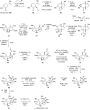


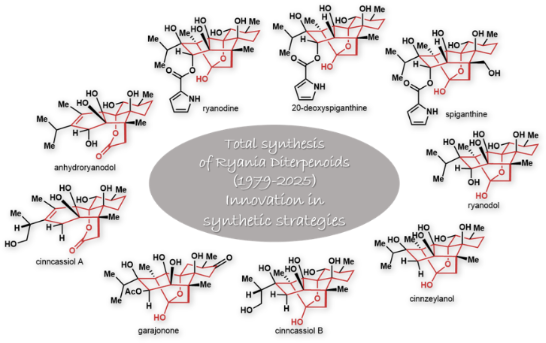
Total syntheses of highly oxidative Ryania diterpenoids facilitated by innovations in synthetic strategies
Beilstein J. Org. Chem. 2025, 21, 2553–2570, doi:10.3762/bjoc.21.198
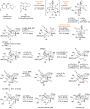
- core, successfully completing the first asymmetric total synthesis of ryanodol (4) in 41 steps. To elucidate the role of the C15 hemiacetal hydroxy group in ryanodine (1)-type diterpenoid natural products in binding to ryanodine receptors, the authors initially proposed reducing the lactone moiety in
- secondary hydroxy group, successfully achieving the conversion of ryanodol (4) to 3-epi-ryanodol (5) and 3-epi-ryanodine (30) [45]. The specific synthetic route is as follows (Scheme 3): Beginning with ryanodol (4), an acid-promoted fragmentation yields anhydroryanodol (10). Subjecting compound 10 to Li/NH3
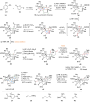
- ryanodine (1) from ryanodol (4) – had long eluded chemists. The primary challenge involved the selective installation of the bulky pyrrole unit onto the sterically congested C3 secondary hydroxy group within a polyfunctionalized, polyhydroxylated framework. In 2016, building upon prior work, the Inoue group







Assembly strategy for thieno[3,2-b]thiophenes via a disulfide intermediate derived from 3-nitrothiophene-2,5-dicarboxylate
Beilstein J. Org. Chem. 2025, 21, 2489–2497, doi:10.3762/bjoc.21.191
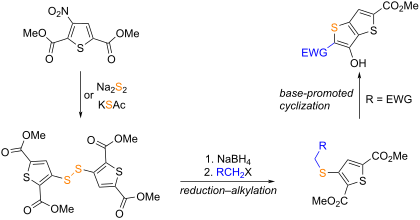
- -dicarboxylates by its one-pot reduction–alkylation using NaBH4 in DMF followed by an alkylating agent. Base-promoted cyclization of electron-deficient 3-alkylthio derivatives furnished 2-aryl-, 2-aroyl-, and 2-cyano-substituted thieno[3,2-b]thiophenes, bearing a 3-hydroxy group. This protocol broadens access to



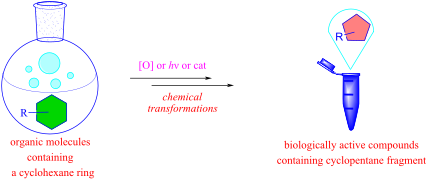
Transformation of the cyclohexane ring to the cyclopentane fragment of biologically active compounds
Beilstein J. Org. Chem. 2025, 21, 2416–2446, doi:10.3762/bjoc.21.185
- approach to the synthesis of taiwaniaquinoids was applied by Gademann et al. [13][42] for the transition from an abietane structure to a five-membered system using a rearrangement of benzilic acid. The strong base promoted the intramolecular attack of the α-hydroxy group in compound 59 on the keto group at





