


Search results
Search for "chiral" in Full Text gives 1074 result(s) in Beilstein Journal of Organic Chemistry. Showing first 200.
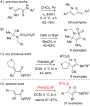
Reactions of acryl thioamides with iminoiodinanes as a one-step synthesis of N-sulfonyl-2,3-dihydro-1,2-thiazoles
Beilstein J. Org. Chem. 2025, 21, 1397–1403, doi:10.3762/bjoc.21.104
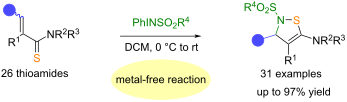
- yields of 1,2-thiazoles 3aa–ae are slightly lower (70 vs 78%) than by method A. We also investigated the effect of chiral catalysts or ligands in the reaction of thioamide 1a with 2a; however, we were unable to achieve high enantiomeric purity of product 3aa (see Supporting Information File 1, Table S1


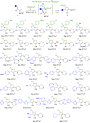

Oxetanes: formation, reactivity and total syntheses of natural products
Beilstein J. Org. Chem. 2025, 21, 1324–1373, doi:10.3762/bjoc.21.101
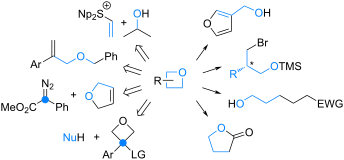
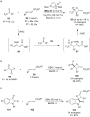
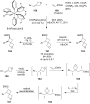
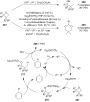
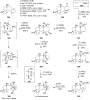
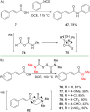
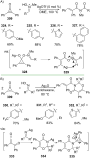
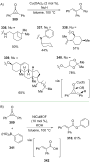
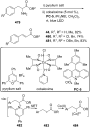
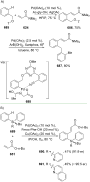
- 23) based on the rebound triplet mechanism [64]. The stereochemical behaviour of the reaction is controlled by a novel hydrogen-bonding chiral iridium photocatalyst 86, delivering oxetane products 87 in excellent enantiomeric excess. In this unique photocycloaddition mechanism, previously described
- catalysis and proceed through a double addition mechanism. In 2011, Mikami et al. developed a catalytic asymmetric oxetane synthesis from silyl enol ethers 89 and trifluoropyruvate 90 using a chiral Cu(II) complex (Scheme 24) [67]. Besides excellent yields, they also observed very high cis/trans ratios and










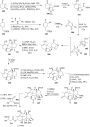
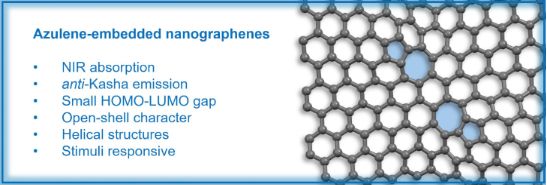
Recent advances and future challenges in the bottom-up synthesis of azulene-embedded nanographenes
Beilstein J. Org. Chem. 2025, 21, 1272–1305, doi:10.3762/bjoc.21.99
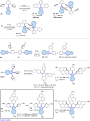
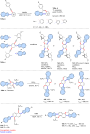
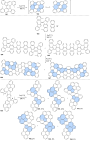
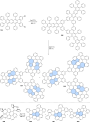
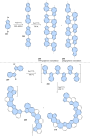
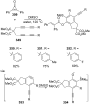
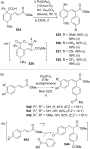
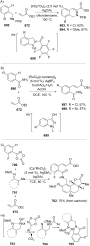
- CHCl3, AcOH and o-DCB [44]. The resulting mixture of brominated PAHs 30 and 31 was then subjected to single or double [3 + 2] annulation with various alkynes, leading to the extended structures 32 and 33. Notably, compound 33d can undergo Pd-catalysed dimerization, resulting in the formation of a chiral
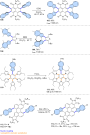
- fused product 93, but only in 8% yield after oxidation with FeCl3, while the major product was 1,1′-biazulene 94, obtained in 88% yield (Scheme 14). Compound 94 could further be oxidized using FeCl3 to yield the partially fused chiral compound 95. More recently, Morin and co-workers explored various






Synthesis of β-ketophosphonates through aerobic copper(II)-mediated phosphorylation of enol acetates
Beilstein J. Org. Chem. 2025, 21, 1192–1200, doi:10.3762/bjoc.21.96
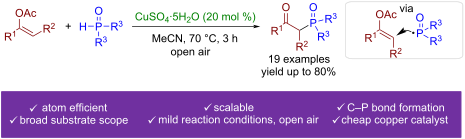
- various synthetically useful transformations, including alkene synthesis via Horner–Wadsworth–Emmons reaction [14][15], heterocycle construction [16][17], and the synthesis of chiral β-amino and β-hydroxy phosphonic acids [18][19]. Furthermore, they exhibit metal-complexing abilities [20], and anti


Synthetic approach to borrelidin fragments: focus on key intermediates
Beilstein J. Org. Chem. 2025, 21, 1135–1160, doi:10.3762/bjoc.21.91
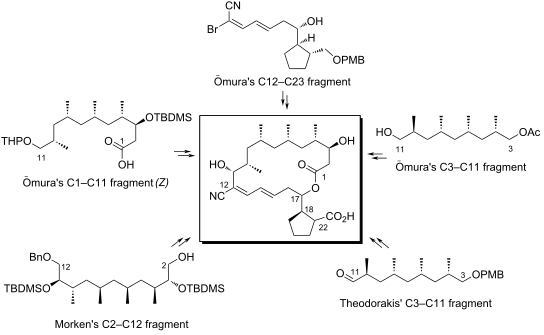
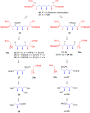
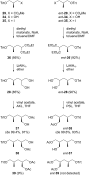
- alcohols, 34 and ent-34, after recrystallization from hot hexane (100% ee by chiral phase HPLC, yield not reported). These alcohols were then treated with triphenylphosphine and iodine in the presence of imidazole to yield the iodides 35 and ent-35 (Scheme 2). The iodide intermediates were subsequently
- simple impurity removal from the key chiral intermediates through recrystallization, from which their exact structures could be elucidated by XRD crystallography. Zhou’s approach for constructing Omura’s C3–C11 fragment In 2018, Zhou and co-workers developed an efficient, high-yielding iterative
- stereoselectivity. The authors emphasized that, as the alkene moiety in 54 was in a terminal position, the stereoselectivity of the products was determined solely by the chiral environment of the catalysts. The application of this method to construct the C3–C11 fragment 60 of borrelidin is summarized in Scheme 8








A versatile route towards 6-arylpipecolic acids
Beilstein J. Org. Chem. 2025, 21, 1104–1115, doi:10.3762/bjoc.21.88
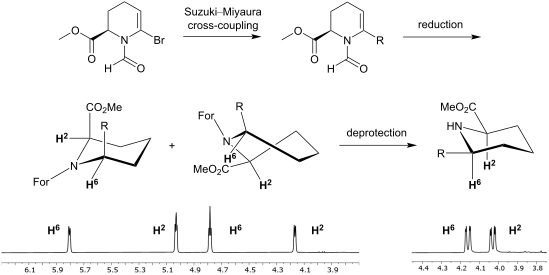
- aryl modifications in C6 position by utilising the chiral pool of a non-proteinogenic amino acid in combination with transition metal-catalysed cross-coupling reactions. Moreover, we present an in-depth NMR analysis of the key intermediate steps, which illustrates the conformational constraints in
- acid (7-ACA) from cephalosporin C by cephalosporin C acylase [37], was used as a chiral starting material. After esterification of both carboxylic acid functions followed by cyclization to the lactam [38][39], the six-membered ring structure was established as (R)-methyl 6-oxopipecolate (7) with a high
- abundant chiral pool building block provides an entry into ᴅ-pipecolic acid derivatives. However, the synthetic strategy is of course applicable to ʟ-aminoadipic acid as well. The minor diastereomer of the catalytic hydrogenation was assigned as (2R,6R)-9, based on the analysis of the coupling constants





Salen–scandium(III) complex-catalyzed asymmetric (3 + 2) annulation of aziridines and aldehydes
Beilstein J. Org. Chem. 2025, 21, 1087–1094, doi:10.3762/bjoc.21.86
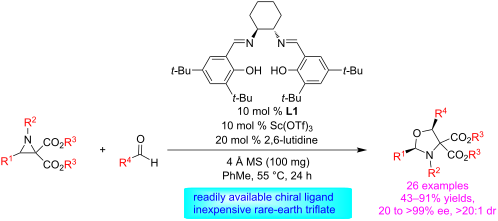
- [5] and the FDA-approved antibiotic linezolid [6] (Figure 1). Both chiral oxazolidines [7][8] and oxazolidinones [9][10] have been utilized as chiral auxiliary groups in many asymmetric organic transformations. Oxazolidine derivatives have been prepared mainly from condensation of vicinal amino
- require dineopentyl aziridine-2,2-dicarboxylates to realize high enantioselectivity, while the synthesis of the chiral ligand N,N'-dioxide requires multiple steps. Herein, we present a convenient highly diastereo- and enantioselective synthesis of dialkyl 2,5-diaryl-1-sulfonyloxazolidine-2,2
- 35 h in the presence of commercially available Sc(OTf)3 (0.01 mmol, 5 mol %), only a trace amount of product 3aa was observed (Table 1, entry 1). When chiral ligand L1 (0.01 mmol) was added, a trace amount of product 3aa was obtained with 17% ee (Table 1, entry 2). The enantioselectivity increased to


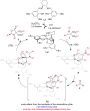

Recent advances in synthetic approaches for bioactive cinnamic acid derivatives
Beilstein J. Org. Chem. 2025, 21, 1031–1086, doi:10.3762/bjoc.21.85
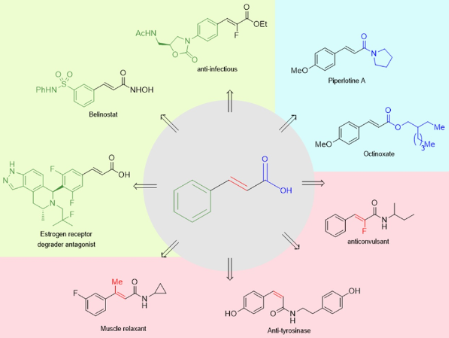
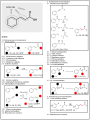
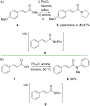
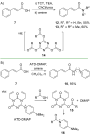
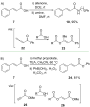
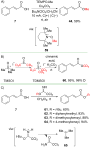
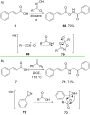
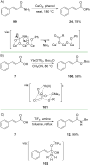
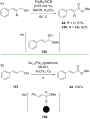
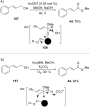
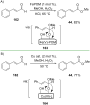
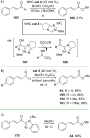
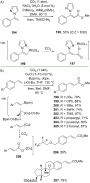
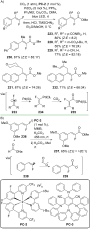
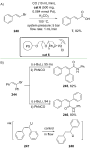
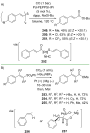
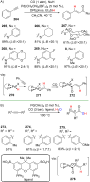
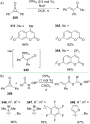
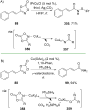
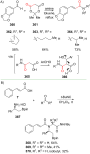
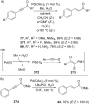
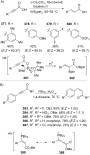
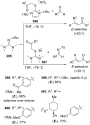
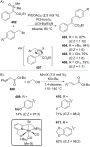
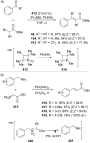
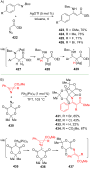
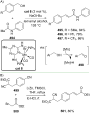
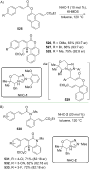
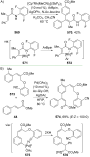
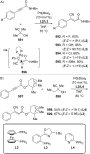
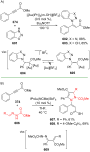
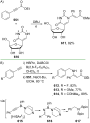
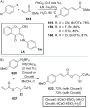
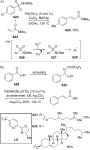
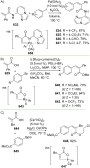
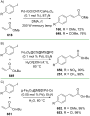
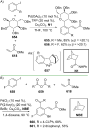
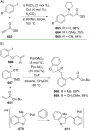
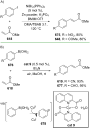
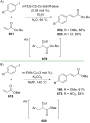
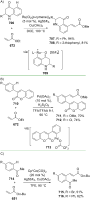
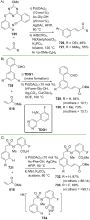
- -workers (2019) reported an enantioselective esterification via oxidative N-heterocyclic carbene (NHC)-catalyzed phthalaldehyde activation to form azolium ester intermediate 147 to give the chiral phthalidyl ester 146 with excellent enantiomeric ratio (Scheme 45B) [85]. Additionally, the reaction capacity










































Pd-Catalyzed asymmetric allylic amination with isatin using a P,olefin-type chiral ligand with C–N bond axial chirality
Beilstein J. Org. Chem. 2025, 21, 1018–1023, doi:10.3762/bjoc.21.83
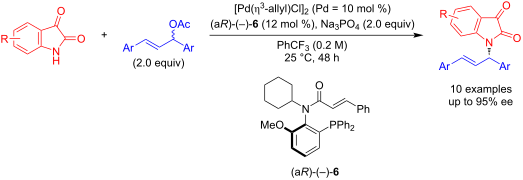
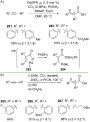
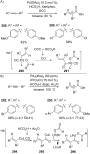
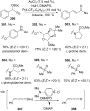
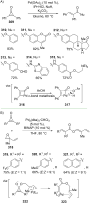
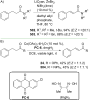
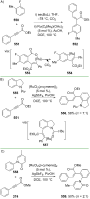
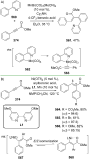
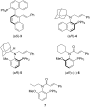
- Advanced Academic Research (IAAR), Chiba University, 1-33 Yayoi-cho, Inage-ku, Chiba 263-8522, Japan 10.3762/bjoc.21.83 Abstract In this study, we implemented the P,olefin-type chiral ligand (aR)-(−)-6, which contains a cyclohexyl group and a cinnamoyl group on the nitrogen atom, in the Pd-catalyzed
- the resulting product (S)-13a in the presence of FeCl3 as the catalyst, the corresponding malononitrile derivative (S)-16 was obtained without any loss in optical purity. Keywords: asymmetric allylic amination; axial chirality; isatin; palladium catalysis; P,olefin-type chiral ligand; Introduction
- few studies have reported the use of isatin as a nucleophile in asymmetric reactions [9][10][11]. On the other hand, it has been revealed that compounds in which the carbon bonded to the nitrogen atom of newly constructed N-substituted isatin becomes a chiral center exhibit pharmacological properties


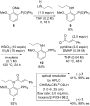


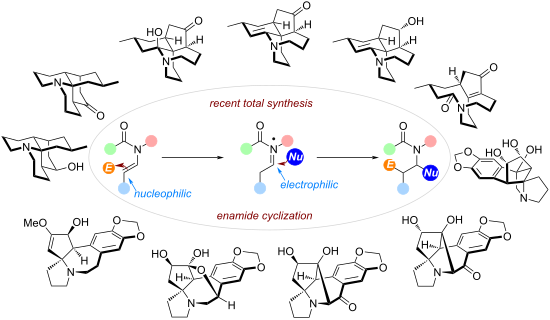
Recent total synthesis of natural products leveraging a strategy of enamide cyclization
Beilstein J. Org. Chem. 2025, 21, 999–1009, doi:10.3762/bjoc.21.81
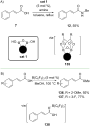
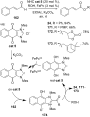
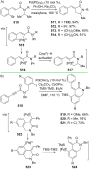
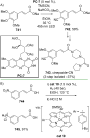
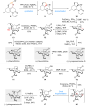
- column chromatography was required during this process, the synthetic route is highly practical. The enantioselective annulation of tertiary enamide 28 with enoldiazoacetate 29 was then explored under the catalysis of a chiral dirhodium catalyst. While Doyle and co-workers had previously reported an
- elegant [2 + 3] cycloaddition of secondary enecarbamates [28], the extension of this reaction to enamides lacking an N–H group is a notable advancement. After extensive optimization, the chiral dirhodium catalyst cat. 1 was found to be most capable in terms of both stereocontrol and efficiency. The use of
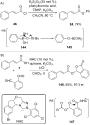
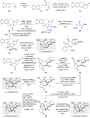
- alkaloids, though it features a truncated cyclopentane rather than the characteristic cyclohexane or cyclohexene. In their optimization studies, the authors found the sequential catalysis of a chiral binol–Ti complex and BF3·Et2O to be the most efficient, providing products 39 in high yields with excellent





On the photoluminescence in triarylmethyl-centered mono-, di-, and multiradicals
Beilstein J. Org. Chem. 2025, 21, 964–998, doi:10.3762/bjoc.21.80
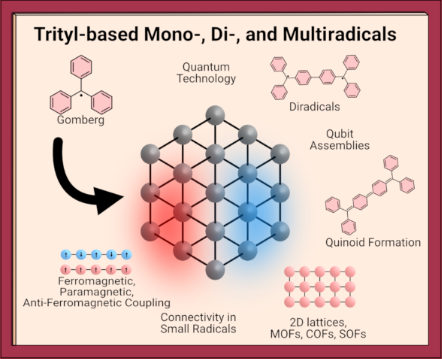
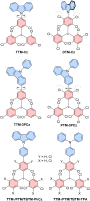
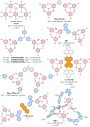
- mixture of right- and left-handed propellers can be resolved by chiral high pressure liquid chromatography (HPLC) into the P- and M-enantiomers, respectively [40][41]. However, due to the low racemization barrier of only about 22 kcal mol−1, the enantiomers racemize within minutes at room temperature. TTM
- nitrile-bearing TTM equivalents is greatly enhanced. Interestingly, much like TTM, TTBrM exists also as enantiomeric propellers; however, in TTBrM radicals the resolved enantiomers are stable at room temperature, making these molecules interesting as chiral emitters with glum of 7 × 10⁻⁴, despite their
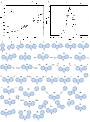
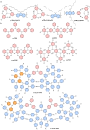
- the donor molecule might lead to reduced electron–electron repulsion in the extended systems improving the emission characteristics [66]. Circularly polarized photoluminescence The TTM-DNC and TTM-DPC with their helical donors are chiral and can be separated for the axial chirality of the helicene









Studies on the syntheses of β-carboline alkaloids brevicarine and brevicolline
Beilstein J. Org. Chem. 2025, 21, 955–963, doi:10.3762/bjoc.21.79
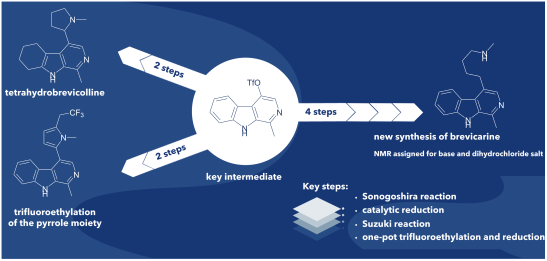
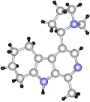
- group with methylhydrazine afforded butynylamine derivative 6. Cyclization of the latter to dihydropyrrole 7 and subsequent reduction resulted in compound 8, which was N-methylated to give racemic brevicolline ((±)-1). The natural product (S)-brevicolline ((S)-1) was finally obtained by chiral


Recent advances in controllable/divergent synthesis
Beilstein J. Org. Chem. 2025, 21, 890–914, doi:10.3762/bjoc.21.73
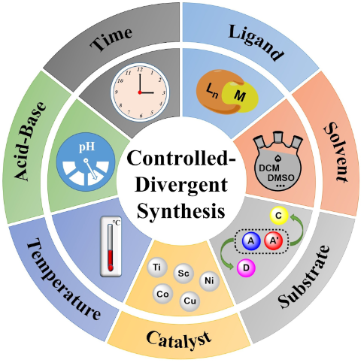
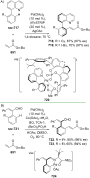
- pathway bifurcated based on the steric demands of Si–C-bond activation. The methyl-substituted ligand (S)-8H-binaphthyl phosphoramidite L4, featuring a spacious cavity, favored sterically encumbered Si–C(sp3)-bond activation, selectively delivering axially chiral (S)-1-silacyclohexenyl arenes 17 with high
- hydrogen atom transfer (HAT)/chiral copper dual catalytic system that achieved regiodivergent and enantioselective C(sp3)–C(sp3) and C(sp3)–N oxidative cross-couplings between N-arylglycine ester/amide derivatives and abundant hydrocarbon C(sp3)–H feedstocks (Scheme 6) [24]. This methodology also
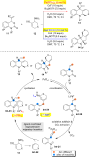
- represents a highly challenging direct C(sp3)–H asymmetric amination. Mechanistic insights: When using a bulky, electron-rich chiral bisphosphine ligand L6, the glycine ester substrate coordinates with the copper catalyst to form a key intermediate complex Int-26. The sterically hindered and electron-rich







New advances in asymmetric organocatalysis II
Beilstein J. Org. Chem. 2025, 21, 766–769, doi:10.3762/bjoc.21.60
- contributions in stereoselective organocatalytic transformations. The collection contains nine articles featuring various aspects of asymmetric organocatalysis. In the first contribution, Waser et al. examined how chiral phase-transfer catalysts promote β-selective additions of azlactones to allenoates. Maruoka
- ´s quaternary ammonium salts provided the corresponding substituted azlactones comprising a quaternary stereogenic center with the highest enantiomeric purity [21]. A contribution by Chowdhury and Dubey further underscored the importance of heterocyclic moieties in chiral compounds. Their article
- progressed from the original amine catalysts is the work of Shirakawa and co-workers. In this contribution, the authors employed a binaphthalene-derived sulfide organocatalyst for enantioselective bromolactonizations of α- and β-substituted 5-hexenoic acids to produce the corresponding chiral lactones [23

Development and mechanistic studies of calcium–BINOL phosphate-catalyzed hydrocyanation of hydrazones
Beilstein J. Org. Chem. 2025, 21, 755–765, doi:10.3762/bjoc.21.59
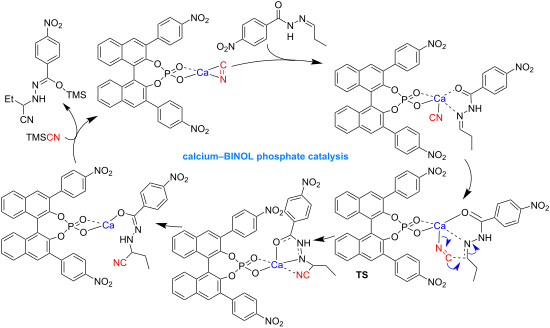
- applications of calcium complexes with axially chiral BINOL phosphate ligands have been reported in recent years [28][32][33][34][35][36][37][38], as well as complexes with other chiral phosphoric acid ligands [39]. Since then, other main group metal complexes with BINOL phosphate ligands have been discovered
- conditions. The product was isolated as colorless crystals in good yield of 81% (Scheme 1). Complex 4 crystallizes as a C2-symmetric chiral mononuclear complex in which Ca is bound to two monodentate phosphate ligands (Figure 1). Four MeOH ligands complete the slightly distorted octahedral coordination
- reaction of the chiral ligand 5 with Ca(OiPr)2, varying the ratio from 2:1 to 6.6:1, respectively (Table 2, entries 1–3). The amount of calcium salt added influences the reaction yield, which decreases when the fraction of Ca(OiPr)2 is lowered (Table 2, entry 3), while the good enantioselectivity remains


Copper-catalyzed domino cyclization of anilines and cyclobutanone oxime: a scalable and versatile route to spirotetrahydroquinoline derivatives
Beilstein J. Org. Chem. 2025, 21, 749–754, doi:10.3762/bjoc.21.58
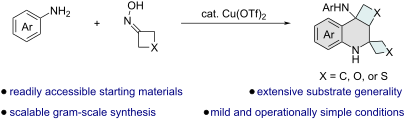
- remains a formidable challenge, primarily due to the inherent ring strain and the difficulties associated with achieving high diastereoselectivity during cyclization [4]. Recently, Chen and co-workers developed a chiral phosphoric acid (CPA)-catalyzed multicomponent reaction of anilines, aldehydes, and




Asymmetric synthesis of fluorinated derivatives of aromatic and γ-branched amino acids via a chiral Ni(II) complex
Beilstein J. Org. Chem. 2025, 21, 659–669, doi:10.3762/bjoc.21.52
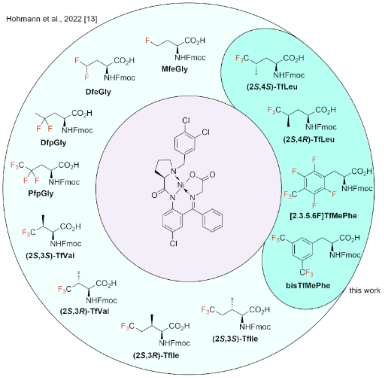
- pathways are heavily time-consuming and synthetically challenging. In this context, chiral Ni(II) complexes can be powerful tools to obtain tailor‑made non‑canonical amino acids. In this work, we wanted to take advantage of this strategy and extend the range of this method to include additional fluorinated
- diastereomerically pure γ‑branched fluorinated amino acids. This work further underlines the importance of chiral Ni(II) complexes in the synthesis of fluorinated amino acids. Keywords: chiral nickel complexes; fluorinated amino acids; gram-scale amino acid synthesis; stereoselective synthesis; Introduction Non
- chiral nickel complexes. In recent years, the Soloshonok working group demonstrated the synthesis of non‑natural amino acids using the corresponding chiral Ni(II) complex [7]. In addition to the high enantiomeric purity of the corresponding products, the scale of the reaction, which extends into the


Recent advances in allylation of chiral secondary alkylcopper species
Beilstein J. Org. Chem. 2025, 21, 639–658, doi:10.3762/bjoc.21.51
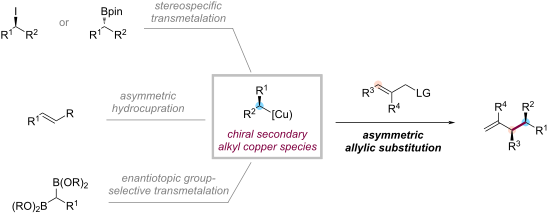
- Abstract The transition-metal-catalyzed asymmetric allylic substitution represents a pivotal methodology in organic synthesis, providing remarkable versatility for complex molecule construction. Particularly, the generation and utilization of chiral secondary alkylcopper species have received considerable
- attention due to their unique properties in stereoselective allylic substitution. This review highlights recent advances in copper-catalyzed asymmetric allylic substitution reactions with chiral secondary alkylcopper species, encompassing several key strategies for their generation: stereospecific
- transmetalation of organolithium and organoboron compounds, copper hydride catalysis, and enantiotopic-group-selective transformations of 1,1-diborylalkanes. Detailed mechanistic insights into stereochemical control and current challenges in this field are also discussed. Keywords: allylic substitution; chiral





Entry to 2-aminoprolines via electrochemical decarboxylative amidation of N‑acetylamino malonic acid monoesters
Beilstein J. Org. Chem. 2025, 21, 630–638, doi:10.3762/bjoc.21.50
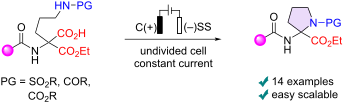
- chiral nitrogen nucleophile as shown below. To the best of our knowledge, the electrosynthesis of gem-α,α-diamino acid derivatives 6 has not been accomplished, and all published electrochemical amination examples under Hofer–Moest conditions [5] targeted either N-substituted heteroarenes [6] or aminals



Formaldehyde surrogates in multicomponent reactions
Beilstein J. Org. Chem. 2025, 21, 564–595, doi:10.3762/bjoc.21.45
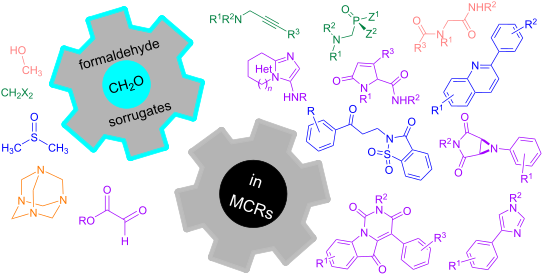
- is a very interesting alternative for the synthesis of P-chiral α-aminophosphorous compounds without formaldehyde due to the straightforward procedure, the good yields observed, and the absence of byproducts compared to more conventional methods (Pudovik reaction or Kabachnik–Fields MCR reaction) [72


Asymmetric synthesis of β-amino cyanoesters with contiguous tetrasubstituted carbon centers by halogen-bonding catalysis with chiral halonium salt
Beilstein J. Org. Chem. 2025, 21, 547–555, doi:10.3762/bjoc.21.43
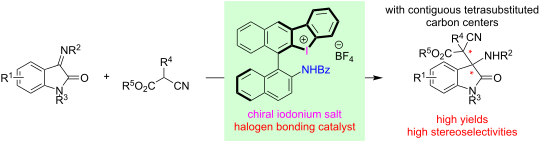
- , Chiba 263-8522, Japan 10.3762/bjoc.21.43 Abstract β-Amino cyanoesters are important scaffolds because they can be transformed into useful chiral amines, amino acids, and amino alcohols. Halogen bonding, which can be formed between halogen atoms and electron-rich chemical species, is attractive because
- of its unique interaction in organic synthesis. Chiral halonium salts have been found to have strong halogen-bonding-donor abilities and work as powerful asymmetric catalysts. Recently, we have developed binaphthyl-based chiral halonium salts and applied them in several enantioselective reactions
- , which formed the corresponding products in high to excellent enantioselectivities. In this paper, the asymmetric synthesis of β-amino cyanoesters with contiguous tetrasubstituted carbon stereogenic centers by the Mannich reaction through chiral halonium salt catalysis is presented, which provided the


Binding of tryptophan and tryptophan-containing peptides in water by a glucose naphtho crown ether
Beilstein J. Org. Chem. 2025, 21, 541–546, doi:10.3762/bjoc.21.42
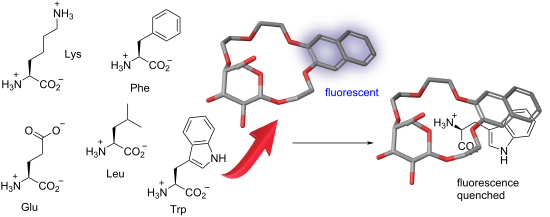
- – anionic, Lys – cationic, Leu – hydrophobic) affects their binding by the receptor. Additionally, to probe whether the chiral glucose backbone of the receptor allows to achieve selective binding of one enantiomer of tryptophan over the other we used both ʟ- and ᴅ-tryptophan as guests. The binding of amino


Vinylogous functionalization of 4-alkylidene-5-aminopyrazoles with methyl trifluoropyruvates
Beilstein J. Org. Chem. 2025, 21, 533–540, doi:10.3762/bjoc.21.41
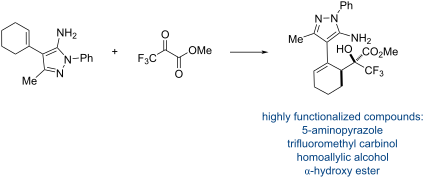
- diastereoselectivity at 50 °C (Table 1, entry 16). Finally, the addition of molecular sieves was evaluated (Table 1, entries 17 and 18) affording in both cases lower yields for the reaction product. We also attempted asymmetric reactions using chiral organocatalysts to achieve an enantioselective outcome; however, we



Synthesis of the aggregation pheromone of Tribolium castaneum
Beilstein J. Org. Chem. 2025, 21, 510–514, doi:10.3762/bjoc.21.38
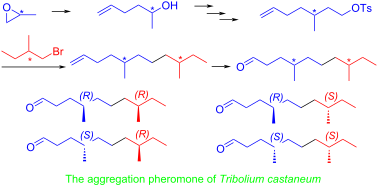
- is a destructive stored product pest. The aggregation pheromone of this pest was prepared via a new and effective strategy. The key steps include the ring-opening reaction of chiral 2-methyloxirane, the stereospecific inversion of chiral secondary tosylate, Li2CuCl4-catalyzed coupling of tosylate
- with Grignard reagent, and oxidation with RuCl3/NaIO4. Keywords: aggregation pheromone; chiral 2-methyloxirane; red flour beetle; total synthesis; Introduction The red flour beetle, Tribolium castaneum Herbst (Coleoptera: Tenebrionidae), is a cosmopolitan, destructive stored product pest [1], which
- , Mori and Phillips achieved the complete separation of the derivatives from the four stereoisomers by reversed-phase HPLC at −54 °C, and revealed that the natural pheromone consists of four stereoisomers of 4,8-dimethyldecanal (Figure 1) [16][17]. Previous syntheses mainly focused on chiral sources of


Organocatalytic kinetic resolution of 1,5-dicarbonyl compounds through a retro-Michael reaction
Beilstein J. Org. Chem. 2025, 21, 473–482, doi:10.3762/bjoc.21.34
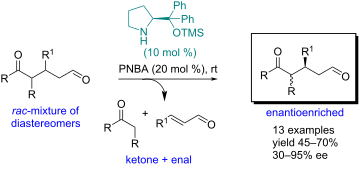
- separated using chiral resolution. This involves separating the two enantiomers by converting the racemic mixture into a pair of diastereoisomers with the help of a chiral compound. The resulting diastereoisomers can be separated based on their physical properties using crystallization, distillation, or
- chromatography [1]. Sometime later, kinetic resolution (KR) emerged. This method is based on the different reaction rates of each enantiomer in a racemic mixture when they are reacted with a reagent, a chiral catalyst, or an enzyme. This process results in obtaining the less reactive enantioenriched enantiomer
- processes with low catalyst loading. It involves the kinetic resolution of alcohols, amines, and esters using chiral phosphoric acids [6][7][8][9][10][11][12][13] and sulfoximines with enals using chiral N-heterocyclic carbene (NHC) catalysts [14]. Additionally, these processes have been conducted using





