Search results
Search for "coupling" in Full Text gives 2093 result(s) in Beilstein Journal of Organic Chemistry. Showing first 200.
Organocatalytic kinetic resolution of 1,5-dicarbonyl compounds through a retro-Michael reaction
Beilstein J. Org. Chem. 2025, 21, 473–482, doi:10.3762/bjoc.21.34
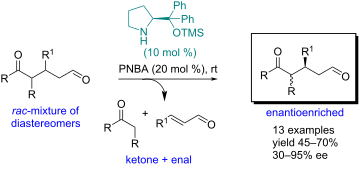
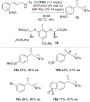
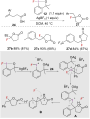
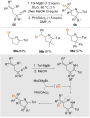
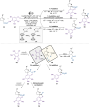
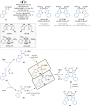
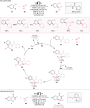
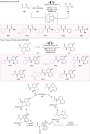
- organometallic catalysis [15], enzymatic catalysis [16], aminocatalysis [17][18][19], and hydrogen-bonding catalysis [20][21][22]. The Michael addition reaction is a versatile synthetic methodology that allows the formation of new carbon–carbon and carbon–heteroatom bonds through the coupling of electron-poor


New tandem Ugi/intramolecular Diels–Alder reaction based on vinylfuran and 1,3-butadienylfuran derivatives
Beilstein J. Org. Chem. 2025, 21, 444–450, doi:10.3762/bjoc.21.31
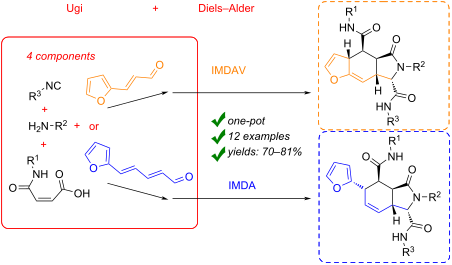
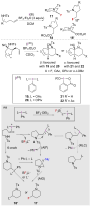
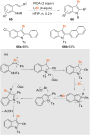
- products were identified via NMR as 4,4a,5,6,7,7a-hexahydro-3aH-furo[2,3-f]isoindoles. The structures of compounds 5 were confirmed by NMR spectroscopy data (for details and discussion see Supporting Information File 1). The NMR data for the obtained furoindole skeleton signals and spin-coupling constants


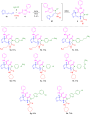


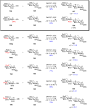
The effect of neighbouring group participation and possible long range remote group participation in O-glycosylation
Beilstein J. Org. Chem. 2025, 21, 369–406, doi:10.3762/bjoc.21.27
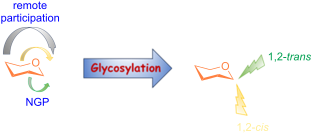
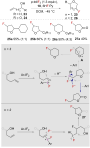
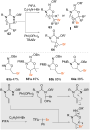
- glycosylation reaction between the two extremes of substitution reactions enables the synthetic chemists to manoeuvre and design the coupling reactions according to the regio- and stereochemical demand. In chemical glycosylation, the role of protecting groups in directing the attack of the incoming nucleophile




Synthesis, characterization, antimicrobial, cytotoxic and carbonic anhydrase inhibition activities of multifunctional pyrazolo-1,2-benzothiazine acetamides
Beilstein J. Org. Chem. 2025, 21, 348–357, doi:10.3762/bjoc.21.25
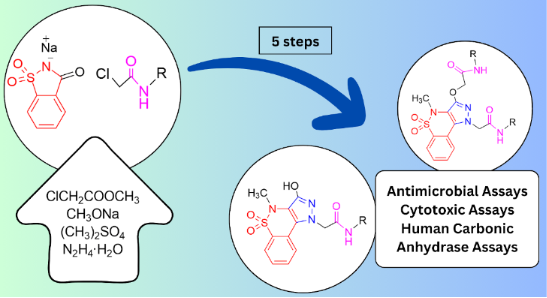
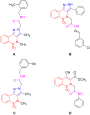
- complex as the amide coupling agent with thionyl chloride [38] (Figure 1C). Recently, benzothiazine scaffolds of phenyl acetamides were synthesized as potent inhibitors for ureolytic infections [39] (Figure 1D). Saccharine (a sweetener) was reported to be a potent carbonic anhydrase inhibitor (CAI) by
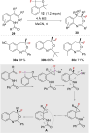
- pain [48], cancer [41], hypertension (as diuretics) [41], and arthritis [49]. This article introduces a new approach to synthesize the targeted scaffolds from commercially available saccharine without using amide coupling agents to minimize the cost. This work is the first attempt to put pyrazolo-1,2
- . Finally, none of the pyrazolobenzothiazine scaffolds showed hCA inhibition activity comparable to acetazolamide (AAZ, reference drug). Conclusion In summary, an economical multistep synthesis approach without using any coupling reagents for the synthesis of new multifunctional pyrazolo-1,2-benzothiazines


Red light excitation: illuminating photocatalysis in a new spectrum
Beilstein J. Org. Chem. 2025, 21, 296–326, doi:10.3762/bjoc.21.22
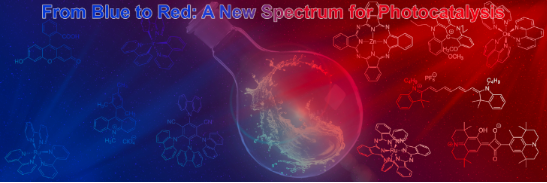
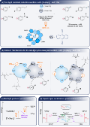
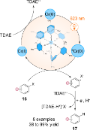
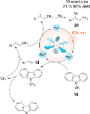
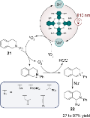
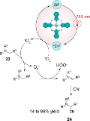
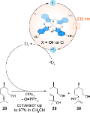
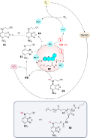
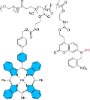
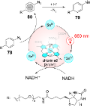
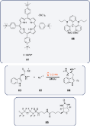
- sustainable photocatalysis, with applications ranging from selective oxidation to cross-dehydrogenative coupling. These organic systems are valued for their reduced environmental impact, their wide availability, and tunability, making them viable alternatives to traditional metal-based catalysts for red-light
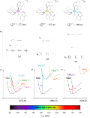
- + and 660 nm for [Os(phen)3]2+ [15]. In a same way, spin–orbit coupling, stemming from the relativistic effects, can be exploited in photoredox-catalyzed reaction [16]. Spin–orbit coupling promotes intersystem crossing (ISC) between the singlet and triplet excited states, and even allows for direct
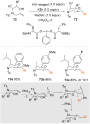
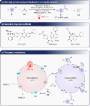
- , thereupon highlighting potential for broad applications in photoredox catalysis on an industrial scale. In this context, T. Rovis et al. have studied a C–N cross-coupling Buchwald–Hartwig-like reaction using dual nickel and osmium catalysis under red-light activation, addressing common challenges such as
















Three-component reactions of conjugated dienes, CH acids and formaldehyde under diffusion mixing conditions
Beilstein J. Org. Chem. 2025, 21, 262–269, doi:10.3762/bjoc.21.18
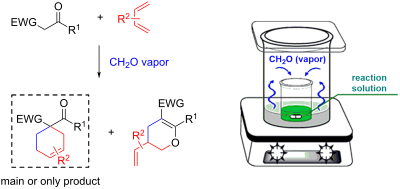
- alcohol 2. Its 1H NMR spectrum contained a triplet with a coupling constant of 5.1 Hz at 5.52 ppm and a doublet at 4.30 ppm. In methanol, ethanol and petroleum ether, with an increasing reaction time, a significant amount of product 3 was observed in the 1H NMR spectra of the mixtures, as identified by


Synthesis of disulfides and 3-sulfenylchromones from sodium sulfinates catalyzed by TBAI
Beilstein J. Org. Chem. 2025, 21, 253–261, doi:10.3762/bjoc.21.17
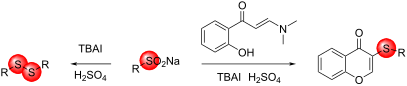
- antibody–drug coupling (ADCs), in which the active drug released in the target cell by selectively breaking the disulfide bond [11]. Given the wide applicability of disulfides, the development of efficient, green, mild, and cost-effective methods for the organic synthesis of disulfides is of significant
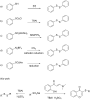
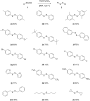
- reaction at 120 °C for 2 hours were determined as optimal conditions for the reaction (Table 1, entry 14). Under the optimized conditions, the coupling reaction of various sodium arylsulfinates was investigated to assess the scope and generality of this protocol. The results, shown in Scheme 2



Streamlined modular synthesis of saframycin substructure via copper-catalyzed three-component assembly and gold-promoted 6-endo cyclization
Beilstein J. Org. Chem. 2025, 21, 226–233, doi:10.3762/bjoc.21.14
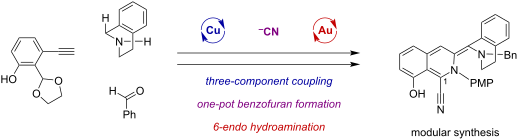
- coupling with gold(I)-mediated 6-endo cyclization streamlines the rapid and modular assembly of the substructure of bis-tetrahydroisoquinoline (THIQ) alkaloids. The design of the key synthetic intermediate bearing a 2,3-diaminobenzofuran moiety allows both gold(I)-mediated regiocontrolled 6-endo
- involvement of a fluorescent intermediate in the cascade synthetic process. Keywords: cascade reactions; copper-catalyzed three-component coupling; gold-mediated 6-endo hydroamination; tandem cyclizations; tetrahydroisoquinoline alkaloids; Introduction The bis-tetrahydroisoquinoline (THIQ) alkaloid family
- modular synthetic strategy involving the cascading assembly of the left THIQ segment. A concise modular synthetic process was developed to construct the substructure 14 of saframycin A (1), featuring copper(I)-catalyzed three-component coupling, and subsequent tandem 2,3-diaminobenzofuran formation




Dioxazolones as electrophilic amide sources in copper-catalyzed and -mediated transformations
Beilstein J. Org. Chem. 2025, 21, 200–216, doi:10.3762/bjoc.21.12
- condensation of carboxylic acids with anilines, often promoted by activating agents such as thionyl chloride or peptide coupling agents [86][87][88][89]. However, these protocols rely on environmentally harmful reagents and produce unwanted byproduct wastes. Recently, the research group of Son showcased a


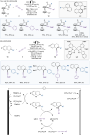
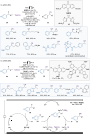
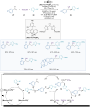
Recent advances in electrochemical copper catalysis for modern organic synthesis
Beilstein J. Org. Chem. 2025, 21, 155–178, doi:10.3762/bjoc.21.9
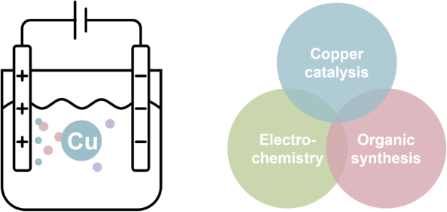
- electrochemistry and copper catalysis for various organic transformations. Keywords: copper; electrochemistry; radical chemistry; single-electron transfer; sustainable catalysis; Introduction Transition-metal-catalyzed cross-coupling has emerged as an effective method for forming carbon–carbon (C–C) and carbon
- –heteroatom (C–X, where X = N, O, or halogens) bonds in organic synthesis. Copper was one of the first transition metals employed in cross-coupling to form C–C and C–X bonds [1][2]. In 1901, Ullmann reported the first cross-coupling reaction for the formation of biaryl compounds in the presence of
- stoichiometric quantities of a copper reagent [3]. This pioneering work, known as the “classical Ullmann reaction”, was extended by Ullmann and Goldberg to enable the C–N and C–O bond formation [4][5][6]. Subsequently, key developments in Cu-catalyzed cross-coupling reactions were achieved, including the






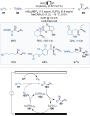


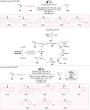
Nickel-catalyzed cross-coupling of 2-fluorobenzofurans with arylboronic acids via aromatic C–F bond activation
Beilstein J. Org. Chem. 2025, 21, 146–154, doi:10.3762/bjoc.21.8
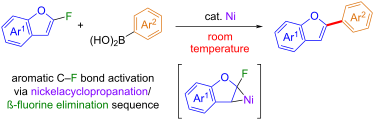
- , Ibaraki 305-8571, Japan Sagami Chemical Research Institute, 2743-1 Hayakawa, Ayase, Kanagawa 252-1193, Japan 10.3762/bjoc.21.8 Abstract 2-Fluorobenzofurans underwent efficient nickel-catalyzed coupling with arylboronic acids through the activation of aromatic C–F bonds. This method allowed us to
- coupling reactions of aromatic C–F and C–Br bonds with arylboronic acids. Keywords: arylboronic acid; benzofuran; C–F bond activation; cross-coupling; nickel; Introduction The metal-catalyzed activation of aromatic carbon–fluorine (C–F) bonds is widely recognized as a challenging task in synthetic
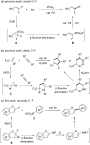
- are generated by treating 1,1-difluoroethylenes with a zirconocene equivalent (ZrCp2, Scheme 1a) [8]. The resulting 1-fluorovinylzirconocenes B then undergo palladium-catalyzed coupling with aryl iodides to produce arylated fluoroethylenes. Additionally, (ii) we observed that electron-deficient 2

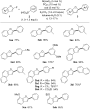


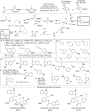
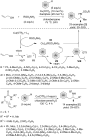
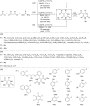
Cu(OTf)2-catalyzed multicomponent reactions
Beilstein J. Org. Chem. 2025, 21, 122–145, doi:10.3762/bjoc.21.7

- ]. Three-component coupling of amines, aldehydes or ketones, and terminal alkynes catalyzed by Cu(OTf)2 is a fruitful tool for the production of α-substituted propargylamines 10 (Scheme 7) [20]. The reaction involves the alkynylation of the corresponding imines formed in situ and provides higher yields
- alkyltrifluoroborate into its corresponding alkyl radical. o-Halo-substituted aryl selenides and sulfides 13 can be achieved by a three-component coupling reaction performed with an aryne precursor, potassium halides and electrophilic chalcogen species as reactants, in the presence of Cu(OTf)2 (Scheme 10) [23]. Under
- Pd-catalyzed cross-coupling reactions, allowing the formation of C–C and C–N bonds in the o-position of the aryl chalcogen compounds. α-Aminophosphonates 14 were the result of a one-pot condensation of an aldehyde, a primary amine and phosphite P(OMe)3 with copper triflate acting as Lewis acid










Recent advances in organocatalytic atroposelective reactions
Beilstein J. Org. Chem. 2025, 21, 55–121, doi:10.3762/bjoc.21.6
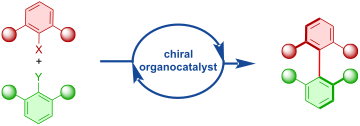
- organocatalytic cross-coupling reaction of 1-azonaphthalenes 238 with 2-naphthols 239 catalyzed by chiral N-triflylphosphoramide C56 was done in 2023 (Scheme 70) [104]. A remarkable number of axially chiral products 240 were prepared with excellent enantiomeric purities and high yields. Undiminished yields and











Emerging trends in the optimization of organic synthesis through high-throughput tools and machine learning
Beilstein J. Org. Chem. 2025, 21, 10–38, doi:10.3762/bjoc.21.3
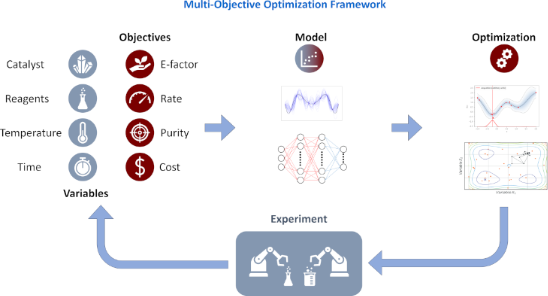
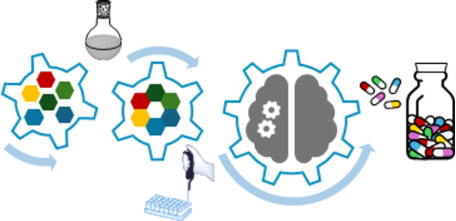
- selection, a dispensing module for solids and liquids, a reaction module capable of heating and stirring, a sample preparation module, and a LC–MS characterization module (Figure 2d). The efficiency of the system has been demonstrated in three reactions types, namely Suzuki–Miyaura coupling, Buchwald
- –Hartwig amination, and Ullmann coupling. These experiments showcased a conversion rate that outperformed existing reference systems and provided at least six times the efficiency in the experimentation, besides synthesis planning, optimization, and downstream workup tasks. The throughput of SynBot is
- were explored, using a total volume of 4.5 mL reaction mixture, and the screening results can be readily translated to continuous flow synthesis. The application of segmented flow or microslug reactors was demonstrated in the decarboxylative arylation cross-coupling reaction promoted by catalysts and


Synthesis, structure and π-expansion of tris(4,5-dehydro-2,3:6,7-dibenzotropone)
Beilstein J. Org. Chem. 2025, 21, 1–7, doi:10.3762/bjoc.21.1
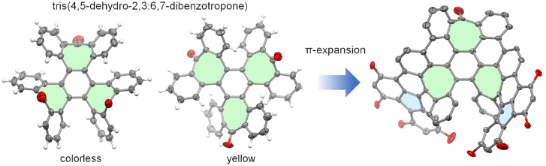
- Abstract The polycyclic skeleton of tris(4,5-dehydro-2,3:6,7-dibenzotropone) is a key structural fragment in carbon schwarzites, a theoretical form of negatively curved carbon allotrope. This report presents a new synthesis of this compound using a Ni-mediated Yamamoto coupling reaction and structural
- , expanding its π-skeleton through the Barton–Kellogg and Scholl reactions led to the successful synthesis of a curved polycyclic arene containing three heptagons and two pentagons. Keywords: carbon schwarzites; polycyclic arenes; Scholl reaction; seven-membered carbocycle; Yamamoto coupling; Introduction
- synthesis of 1 using a Ni-mediated Yamamoto coupling reaction and the simultaneous crystallization of its two different conformers from the same solution. Expanding the π-skeleton of 1 through a Barton–Kellogg reaction followed by a subsequent Scholl reaction resulted in a new polycyclic arene (3 in Figure


Synthesis, characterization, and photophysical properties of novel 9‑phenyl-9-phosphafluorene oxide derivatives
Beilstein J. Org. Chem. 2024, 20, 3299–3305, doi:10.3762/bjoc.20.274
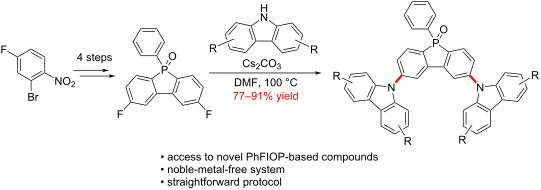
- was achieved in 5 steps starting from commercially available 2-bromo-4-fluoro-1-nitrobenzene (1, Scheme 1 and Scheme 2). For the preparation of the key intermediate 5 (Scheme 1), self-coupling of 1 in the presence of copper followed by reduction of the nitro group generated diamine compound 3 (89




Synthesis of acenaphthylene-fused heteroarenes and polyoxygenated benzo[j]fluoranthenes via a Pd-catalyzed Suzuki–Miyaura/C–H arylation cascade
Beilstein J. Org. Chem. 2024, 20, 3290–3298, doi:10.3762/bjoc.20.273
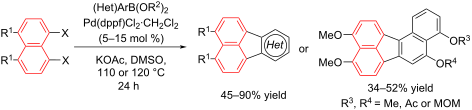
- %). This cascade involves an initial Suzuki–Miyaura cross-coupling reaction between 1,8-dihalonaphthalenes and heteroarylboronic acids or esters, followed by an intramolecular C–H arylation under the same conditions to yield the final heterocyclic fluoranthene analogues. The method was further employed to
- )-catalyzed [2 + 2 + 2] cycloaddition reactions with 1,8-dialkynylnaphthalenes to access azafluoranthenes and 2-pyridone-fused naphthalenes [27]. In 2017, we reported a Pd-catalyzed cascade reaction that involves a sequential Suzuki–Miyaura cross-coupling and a subsequent intramolecular C–H arylation between
- boronic esters of 1,8-DHN have recently been investigated and reported by Krempner and co-workers [51]. To our delight, the Suzuki–Miyaura coupling/intramolecular C–H arylation sequence between 12 and boronic ester 17d proceeded smoothly affording product 15a in 84% yield. The results summarized in Table




Efficient synthesis of fluorinated triphenylenes with enhanced arene–perfluoroarene interactions in columnar mesophases
Beilstein J. Org. Chem. 2024, 20, 3263–3273, doi:10.3762/bjoc.20.270
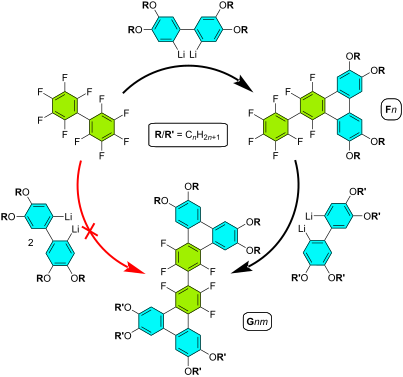
- commercial perfluoroarene chemical blocks and reagents, involving catalyzed C–F-bond activation and cross-coupling reactions, usually requiring precious transition-metal catalysts and tedious synthetic routes [28][29][30][31][32][33][34]. Therefore, low-cost and facile synthetic strategies are desired to
- prepared in high yield via FeCl3-oxidative coupling of 1,2-dialkoxy-4-bromobenzene (Scholl reaction). The new triphenylene derivatives, F3–F12, were prepared in moderate to high yields (51–73%). In addition, three bitriphenylene derivatives were synthesized in a subsequent annulation step from Fn
- ) was synthesized via consecutive Suzuki coupling and Scholl reaction in a total yield of 77%. The synthesis, molecular structures, nomenclature, and synthetic yields of all compounds are shown in general Scheme 1. All prepared molecules were fully characterized by NMR (1H, 19F and 13C), HRMS, and CHN



Intramolecular C–H arylation of pyridine derivatives with a palladium catalyst for the synthesis of multiply fused heteroaromatic compounds
Beilstein J. Org. Chem. 2024, 20, 3256–3262, doi:10.3762/bjoc.20.269
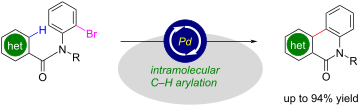
- conditions. We carried out the palladium-catalyzed intramolecular coupling reaction of precursor 1a under similar conditions [23], which afforded smooth reaction with phenanthroline bisamide, with 10 mol % of palladium acetate as a catalyst in the presence of potassium carbonate and tetra-n-butylammonium


Germanyl triazoles as a platform for CuAAC diversification and chemoselective orthogonal cross-coupling
Beilstein J. Org. Chem. 2024, 20, 3198–3204, doi:10.3762/bjoc.20.265
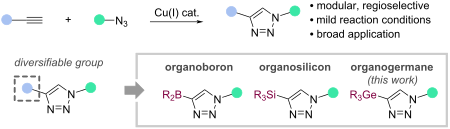
- further diversification of the triazole products, including chemoselective transition metal-catalysed cross-coupling reactions using bifunctional boryl/germyl species. Keywords: chemoselectivity; click chemistry; copper; germanium; triazole; Introduction Since its inception, click chemistry has been
- cross-couplings. Schoenebeck and co-workers have shown that Ge-based compounds are versatile reagents within chemoselective cross-coupling processes for the formation of a variety of C–C and C–X bonds [55][56][57][58][59][60][61][62][63]. Importantly, these transformations can take place in the presence
- of borylated functional groups, allowing orthogonal cross-coupling, whilst also offering excellent stability compared to boron-based reagents [57][58][59][60][61][62][63][64][65][66][67]. Based on their utility and stability, germanium units could therefore be useful within CuAAC reactions and offer


Direct trifluoroethylation of carbonyl sulfoxonium ylides using hypervalent iodine compounds
Beilstein J. Org. Chem. 2024, 20, 3182–3190, doi:10.3762/bjoc.20.263
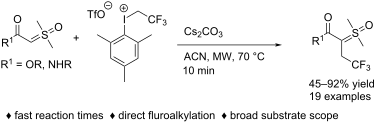
- fluoroalkyliodonium salts as sources of electrophilic trifluoroethyl synthon. Given the non-nucleophilic nature of the iodoarene byproduct, this protocol should not suffer from further reactivity that decomposes the ylide. We describe here the coupling of α-carbonyl sulfoxonium ylides with polyfluoroalkyl(aryl


Synthesis of extended fluorinated tripeptides based on the tetrahydropyridazine scaffold
Beilstein J. Org. Chem. 2024, 20, 3174–3181, doi:10.3762/bjoc.20.262
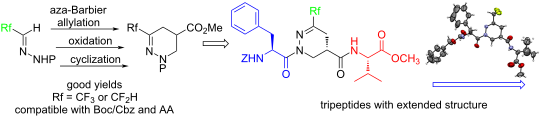
- LiOH, followed by a coupling reaction with ʟ-valine methyl ester hydrochloride, to give the corresponding four enantiomerically pure tripeptides 8 with satisfactory yields over two steps (Scheme 6). The absolute configuration (S,S,S) of the isomer 8f was unambiguously assigned by X-ray crystallographic


Multicomponent reactions driving the discovery and optimization of agents targeting central nervous system pathologies
Beilstein J. Org. Chem. 2024, 20, 3151–3173, doi:10.3762/bjoc.20.261
- strategic approach allows precise control of the stereogenic centers at the C3-position during cyclization (Scheme 16). Ugi-4CR/metal-catalyzed reaction: The fusion of MCRs with cross-coupling reactions represents an attractive approach as a result of the increased intricacy and effectiveness [62]. Moreover
- /intramolecular Ullmann-type C–N coupling reactions. Azido-Ugi 4CR/cyclization (AU-4CR) strategy: The azido-Ugi four-component reaction (AU-4CR) is an elegant and atom economical approach for obtaining substituted tetrazoles, which are very relevant in medicinal chemistry [64]. When combined with suitable post
- -benzodiazepin-5-ones employing Ugi–reduction–cyclization (URC) approach. Ugi cross-coupling (U-4CRs) to synthesize triazolobenzodiazepines. Azido-Ugi four component reaction cyclization to obtain imidazotetrazolodiazepinones. Synthesis of oxazolo- and thiazolo[1,4]benzodiazepine-2,5-diones via Ugi/deprotection




Surprising acidity for the methylene of 1,3-indenocorannulenes?
Beilstein J. Org. Chem. 2024, 20, 3144–3150, doi:10.3762/bjoc.20.260
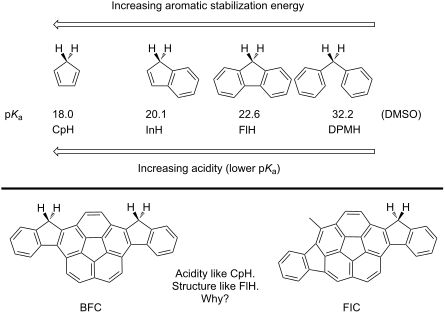
- pentabenzocorannulene would produce air-stable radical and ionic PAHs, and that coupling such fragments would lead to stable redox-active carbon sheets. Conclusion In conclusion, the “surprise” in the surprising pKa for BIC and FIC was in our expectation of the deprotonated forms as poorly delocalized fluorenyl anions


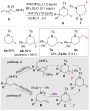
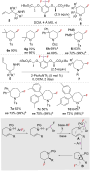
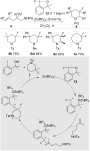
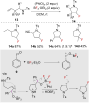
Hypervalent iodine-mediated intramolecular alkene halocyclisation
Beilstein J. Org. Chem. 2024, 20, 3113–3133, doi:10.3762/bjoc.20.258
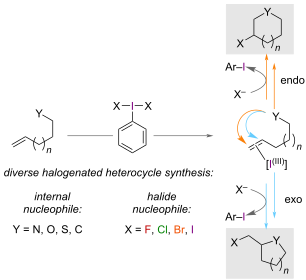
- reductive ligand coupling (RLC) pathway would be suppressed due to reduced fluxionality of the carboxylate ligand on I(III). These important findings are expected to enhance the use of aryl iodane(III)-dicarboxylates for constructing fluorinated azaheterocycles with improved selectivity and control. Oxygen
- , including ligand coupling, oxidative addition, intermolecular nucleophilic attack, 1,2-aryl migration, reductive elimination, and intramolecular nucleophilic attack. This approach offers a rapid and effective way to produce 5-fluoro-2-aryloxazoline compounds, which are valuable building blocks in organic
- diastereoselectivity in aminofluorination competing with carboxyfluorination products. Mechanistic studies of the fluoroamination of acyclic substrates showing the competing carboxyfluorination products. AIF = aziridinium ion formation, AIO = aziridinium ion opening, RLC = reductive ligand coupling. Fluorocyclisation