


Search results
Search for "C-" in Full Text gives 4063 result(s) in Beilstein Journal of Organic Chemistry. Showing first 200.
Design, synthesis, and biological evaluation of FXR/ASK1 dual-target modulators
Beilstein J. Org. Chem. 2026, 22, 771–781, doi:10.3762/bjoc.22.59
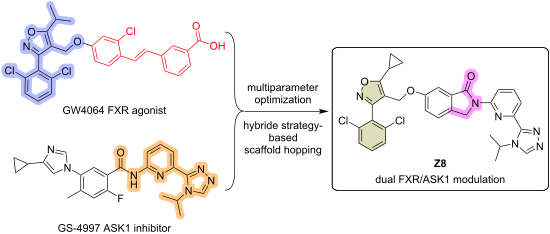
- afford triazoles IXa,c,d or, in case of product IXb with (R)-alanine methyl ester. The absolute stereochemistry of IXb is R. All compounds with defined absolute configuration described below were synthesized from IXb, thereby preserving the absolute stereochemistry and affording the corresponding R
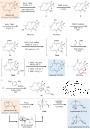
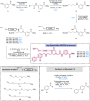
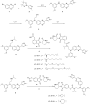
- enantiomer. The synthetic routes of compounds Z1–15 are shown in Scheme 6. First, intermediates 2 and 3 were reacted under basic conditions in MeCN to obtain intermediate 4 which was subsequently reacted with bromides IXa–c to get compounds Z1–3 in 80–91% yield. Then, compounds Z1–3 were treated with with
- dioxaborolane 7 or boronic acid 9 and IXa–c. Next, Z16–18 and Z23–25 were obtained by Williamson ether synthesis from the intermediates 8, 10 and isoxazole intermediates 2. Finally, hydrolysis in the presence of LiOH and reduction in the presence of lithium aluminum hydride provided target compounds Z19–22 and


Preparation of 3-(alkylamino)imidazo[1,2-a]pyridine-2-carbaldehydes via Kornblum oxidation and unexpected ring-opening reactions of the corresponding alcohols under oxidative conditions
Beilstein J. Org. Chem. 2026, 22, 763–770, doi:10.3762/bjoc.22.58
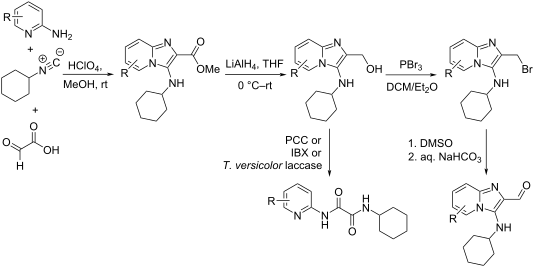
- oxidation conditions, reaction in the presence of DMSO and NaHCO3 under conventional or microwave heating to ≈100 °C, were applied to the bromides derived from these alcohols by treatment with PBr3, resulting in the desired aldehydes which successfully underwent reductive amination reactions with 2
- ester 13b into the corresponding amide using AlCl3 were not promising and therefore the hydrolysis of this ester to corresponding carboxylic acid 14 was tested. Using KOH in MeOH at 35–40 °C for the ester hydrolysis reaction resulted in decarboxylated compound 12b being isolated as the sole product in
- ester being recovered. Thus, for the preparation of the aldehydes we opted for reduction of the esters 13a–d and 13f to their corresponding alcohol derivatives (17) followed by oxidation to the aldehyde. Esters 13a–c were readily converted into the corresponding alcohols 17a–c in excellent yields of 92


Synthesis and biological evaluation of new brassinosteroid analogs with C-22 benzoate function
Beilstein J. Org. Chem. 2026, 22, 753–762, doi:10.3762/bjoc.22.57
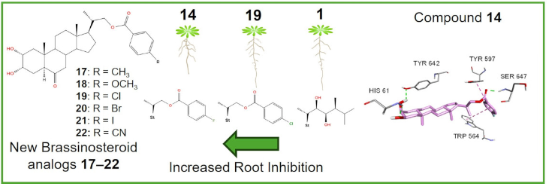
- characterization of new brassinosteroid (BR) analogs, in which substituents with different electronegativities and molecular sizes have been attached to a C-22 benzoate function, are described. The biological activities of all new compounds were evaluated by using the rice lamina inclination test (RLIT) and
- inhibition of root growth of Arabidopsis thaliana. The RLIT data is compared with those previously reported for two series of compounds having the same substitution pattern at C-22 but different structure in ring A. This comparison revealed that a 2α,3α-dihydroxy configuration is more active than a 3
- matter of current interest. For example, derivatives of teasterone (3), compounds 4–11, and castasterone, compounds 12–14, with benzoyl function at C-22 (Figure 2) have been synthesized, and their bioactivities have been evaluated by BSIB, RLIT, and inhibition of root and hypocotyl elongation in A


Rongalite addition to dienones: diastereoselectivity in cyclic sulfone synthesis; stereochemical rationalization and prospects as a general conjugate nucleophile
Beilstein J. Org. Chem. 2026, 22, 742–752, doi:10.3762/bjoc.22.56

- structure somewhat rotated out of planarity (dihedral angles between aromatic C–C and vinylic CH are 34°). This presumably still allows for some conjugative stabilization from the aromatic rings to the enone π-systems and reduces eclipsing interactions between the ortho-methyl groups and the vinylic H
- demonstrates the general viability of sulfinate addition to produce C-tertiary sulfones, but also implies steric limits to these processes in double intermolecular conjugate addition with Rongalite as the nucleophile. Our approach was to use competition experiments to indicate the relative reactivity of
- methanesulfinate or p-toluenesulfinate and 1 equivalent of Rongalite (50 °C, AcOH/H2O, o/n) led to a mixture of products. These results are tabulated in Table 1. Mixtures of cyclic and acyclic products were obtained in both cases. Our initial interpretation was that the ratios reflected the relative rates of




Synthesis of heterocycles based on azomethine ylides from α-amino acids (or amines) and carbonyl compounds
Beilstein J. Org. Chem. 2026, 22, 705–741, doi:10.3762/bjoc.22.55
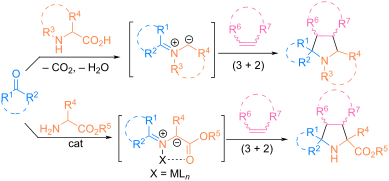
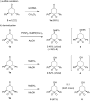
- heating were used. Notably, this process can proceed solvent-free at 140 °C, which is suitable for less reactive substrates. Various exo-cyclic alkenes obtained from cyclic (hetero)aliphatic ketones such as cyclobutanone, azetidinone, thienone, as well as endo-(hetero)cyclic alkenes containing oxygen
- due to the possibility of cycloaddition at the carbon–oxygen double bond (C=O) of the aldehyde, which acts as an alternative to the carbon–carbon double bond (C=C) [83]. In 2016, Sridharan reported a one-pot iridium-catalyzed three-component dehydrogenation/1,3-dipolar cycloaddition cascade reaction
- -nitro-1,2-diphenylcyclopropene 127 in primary, secondary, and tertiary alcohols, as well as using certain thiols. The authors suggest that the reactions proceed via a stage of heterolytic cleavage of the C–N bond of the starting 3-nitro-1,2-diphenylcyclopropene to form a cyclopropenyl cation, which then


Anti-invasive and cytotoxic evaluation of a (+)-pinoresinol-based semisynthetic library against glioblastoma
Beilstein J. Org. Chem. 2026, 22, 691–704, doi:10.3762/bjoc.22.54
- were recorded at 25 °C on a Bruker AVANCE III HD 500 or HDX 800 MHz NMR spectrometer equipped with a cryoprobe. The 1H and 13C chemical shifts were referenced to solvent peaks for CDCl3 at δH 7.26 and δC 77.2, respectively. UHPLC–LRESIMS analysis was performed using a previously reported method [32
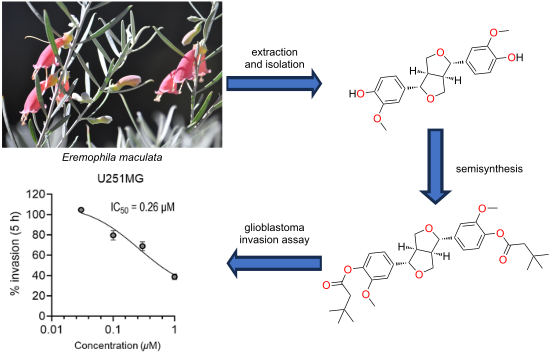
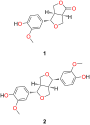
- detailed below. The previously described plant compounds salicifoliol (1) [15][16] and (+)-pinoresinol (2) [17] were identified following 1D and 2D NMR (1H, 13C, COSY, HSQC, HMBC, and ROESY), [α]D, MS data analysis, and comparison with literature values. (+)-Salicifoliol (1): clear gum; [α]D25 +36.4 (c
- 0.09, MeOH); lit. [α]D25 +56.3 (c 0.06, MeOH) [33]; see Supporting Information File 1 for 1H and 13C NMR data in CDCl3; LRESIMS m/z: [M + H]+ 251, [M − H]− 249. (+)-Pinoresinol (2): brown gum; [α]D25 +55.5 (c 0.07, MeOH); lit. [α]D25 +20.0 (c 0.75, MeOH) [34]; UV–vis (MeOH) λmax (log ε) 230 (3.94), 279



Synthesis of depressin, cryptomeridiol and 4-epi-cryptomeridiol enabled by a terpenoid chiral pool-producing platform
Beilstein J. Org. Chem. 2026, 22, 683–690, doi:10.3762/bjoc.22.53
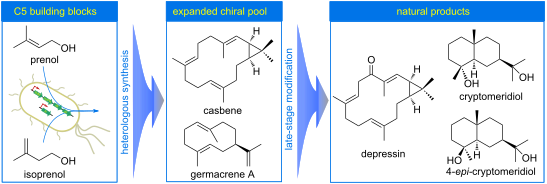
- (TBHP, 0.6 equiv), which was added at 0 °C in three portions, affording 13-hydroxycasbene (8) as a single diastereomer in 48% isolated yield at milligram scale. The reaction could be performed on a gram scale albeit with a diminished isolated yield (39%, 79% brsm). We thought that with the most reactive
- -cryptomeridiol (3). Synthesis of depressin (1), cryptomeridiol (2), and 4-epi-cryptomeridiol (3). a) Synthetic route of 1 starting from casbene (4). b) Preparation of 2,4-nitrophenylhydrazone derivative of 13-ketocasbene (9) for X-ray diffraction. c) Synthetic route of 2 and 3 starting from germacrene A (5


Photoorganocatalytic trifluoromethylation of (het)arenes in green conditions
Beilstein J. Org. Chem. 2026, 22, 662–671, doi:10.3762/bjoc.22.50
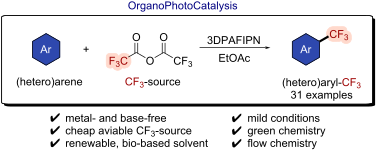
- -trimethoxybenzene (TMB) as the substrate and 3 equivalents of TFAA as the CF3 source, over 6 hours at room temperature (25 °C). Initially, white light irradiation was selected owing to its broad coverage of the visible spectrum (Supporting Information File 1, Figure S6). Screening of various organic photocatalysts
- afforded no more than 6% yield (Table 1, entry 6). Interestingly, MTBE, in contrast to the cyclic ether THF, gave a satisfactory yield of 27% (Table 1, entry 7). BuOAc provided a comparable yield of 28% (Table 1, entry 7), likely due to its higher viscosity (0.685 cP at 25 °C) compared with EtOAc (0.423 cP
- at 25 °C) [30]. These results established EtOAc as the most suitable solvent for the transformation. The effect of reaction time was also evaluated. Variation from 1 h to 12 h (Table 1, entry 8) demonstrated that 6 h (Table 1, entry 5) is optimal for achieving the highest yield. Optimization of the




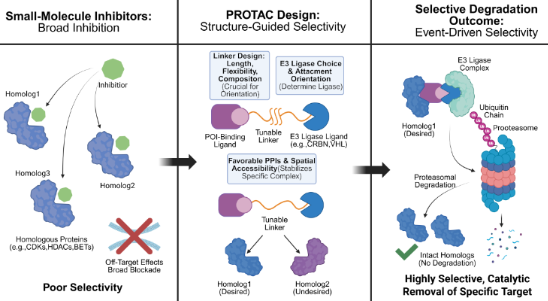
Advantages of PROTACs in achieving selective degradation of homologous protein families
Beilstein J. Org. Chem. 2026, 22, 628–661, doi:10.3762/bjoc.22.49
- -ABL and c-ABL: Currently, the vast majority of chronic myeloid leukemia and about 20–30% of acute lymphoblastic leukemia are caused by chromosome translocation between chromosomes 9 and 22 [125]. The gene rearrangement leads to the expression of the oncogenic fusion protein, BCR-ABL and the loss of
- autoinhibition of the c-ABL kinase domain in BCR-ABL is the main cause of cancer [126]. Imatinib mesylate was the first tyrosine kinase inhibitor (TKI) targeting BCR-ABL [127][128]. It can competitively bind to the ATP binding site of c-ABL to inhibit the functions of c-ABL and BCR-ABL, thereby inhibiting cell
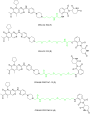
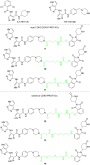
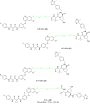
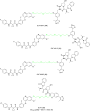
- degradation of BCR-ABL by PROTACS has been the focus of intensive pharmaceutical chemistry research. Interestingly, it was found that using different POI ligands and E3 ligands combinations can achieve efficient selectivity for BCR-ABL and c-ABL. This discovery is of great significance for the subsequent









Hydrogen production from formic acid catalyzed by NHC–Cu complexes
Beilstein J. Org. Chem. 2026, 22, 620–627, doi:10.3762/bjoc.22.48
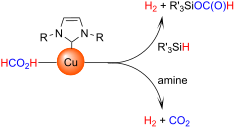
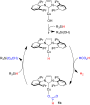
- (Scheme 1). To support these working hypotheses, the reaction of 1 equiv [Cu(OH)(IPr)] with 2 equiv of formic acid in a sealed tube was followed by 1H NMR spectroscopy in deuterated toluene (C7D8). After 16 h at 110 °C, the formation of 1b was observed while no excess of formic acid was detected
- produced, the pressure change was measured as a function of time (see Supporting Information File 1, Table S1). By heating formic acid in toluene in the presence of 1 and 10 mol % of 1a, no evolution of gas was observed neither at 25 nor at 110 °C (see Supporting Information File 1, Table S1, entries 1–4
- ); conversely, by increasing the catalyst loading to 30 mol % (with respect to FA), an encouraging 26% conversion was observed at 110 °C (see Supporting Information File 1, Table S1, entry 5). However, to decrease the temperature and the catalyst loading, the generation of the Cu–H species by means of a silane



Towards the targeted protein degradation of CK2: design and synthesis of CAM4066-based PROTACs
Beilstein J. Org. Chem. 2026, 22, 611–619, doi:10.3762/bjoc.22.47
- Sophie Day-Riley Sona Krajcovicova Aryaman Raj Sokhal Jan L. Venne Paul Brear Marko Hyvonen Benjamin C. Whitehurst Jason S. Carroll David R. Spring Yusuf Hamied Department of Chemistry, University of Cambridge, Lensfield Road, CB2 1EW, Cambridge, United Kingdom Department of Organic Chemistry
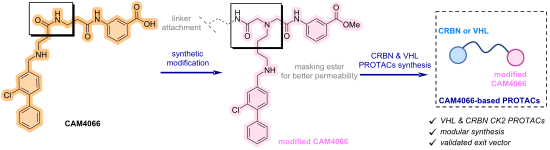
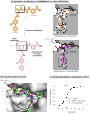
- on 1 (PDB: 5CU4) and S13 (PDB: 9TTA; please see Supporting Information File 1, section 1.4.18 for the full structure). B) Crystal structure of S13. The map is Fo-Fc contoured at 1.5 σ. C) Isothermal titration calorimetry (ITC) reveals the suitable position for linker vector to attach the E3 ligases
- grateful to the Czech Science Foundation (GA CR 22-07138O) for their financial support. A. R. Sokhal is grateful to the Gates Cambridge Trust for their financial support (https://www.gatescambridge.org). The Spring lab acknowledges support from the EPSRC, BBSRC, MRC, and Cystic Fibrosis Trust UK. B. C

Computational prediction of C–H hydricities and their use in predicting the regioselectivity of electron-rich C–H functionalisation reactions
Beilstein J. Org. Chem. 2026, 22, 603–610, doi:10.3762/bjoc.22.46
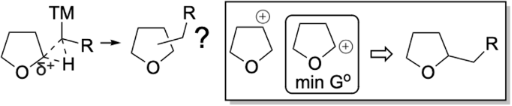
- Rasmus M. Borup Nicolai Ree Jan H. Jensen Department of Chemistry, University of Copenhagen, Copenhagen, DK-2100, Denmark 10.3762/bjoc.22.46 Abstract We present HAlator, a fully automated quantum chemistry (QM) workflow for computing C–H hydricities and explore its potential in predicting the
- regioselectivity of electron-rich C–H functionalisation reactions. The workflow was benchmarked against 35 experimentally determined C–H hydricities in DMSO, yielding a mean absolute error (MAE) of 4.43 kcal/mol and a root mean squared error (RMSE) of 5.45 kcal/mol. Leveraging this approach, we generated a dataset
- of 3278 C–H sites across 740 molecules to train a machine learning (ML) model based on CM5 atomic charge descriptors, achieving an MAE of 2.30 kcal/mol and an RMSE of 3.74 kcal/mol relative to QM-computed hydricities. The method was further applied to 250 hydride transfer-like reactions, including C


![[Graphic 6]](/bjoc/content/inline/1860-5397-22-46-i8.svg?max-width=637&scale=1.18182)


Regioselective approach to 5-arylsulfonylisoxazoles and their antimicrobial activity
Beilstein J. Org. Chem. 2026, 22, 592–602, doi:10.3762/bjoc.22.45
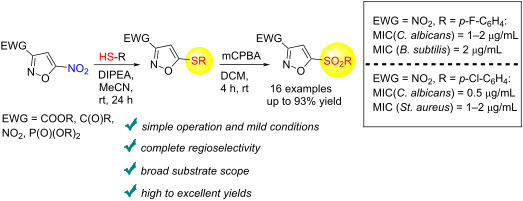
- 5-sulfonylisoxazoles (Scheme 1, approaches A, B, C). As shown in Scheme 1, nitrile oxides are generated in situ by oxidation of aldoximes with chloramine T (approach A) or by dehydrohalogenation of the corresponding oxime halide under basic conditions (approaches B and C). Subsequently, the nitrile
- 4-unsubstituted isoxazoles with various aryl substituents in position 3 [24][25] (approach B). One example describes the Ru-catalyzed reaction of nitrile oxide with alkynyl sulfone providing 5-sulfonylisoxazole with high regioselectivity [26] (approach C). Despite the widespread application of
- 4 hours does the C(4)–H signal of compound 4a at δ 7.05 ppm in the 1H NMR spectra finally disappear. With optimized conditions in hand, we turned our attention to examine the substrate scope. As shown in Scheme 3, isoxazole derivatives bearing different electron-withdrawing groups in position 3 such


Design and synthesis of an erdafitinib-based selective FGFR2 degrader
Beilstein J. Org. Chem. 2026, 22, 583–591, doi:10.3762/bjoc.22.44
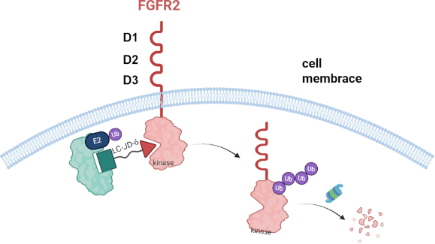
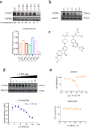
- ]. b) The FGFR2 design strategy. a) Representative western blots evaluating the total FGFR2 levels in KATO III cells following treatment using the indicated PROTAC. b) Time-course of FGFR2 degradation. c) Chemical structure of LC-JD-6. d,) Dose-course of FGFR2 degradation. e) Cell viability in KATO III
- and HEK293T cells. a) FGFR1, FGFR2, FGFR3, and FGFR4 levels in cells after treatment. b) The mechanism of PROTAC. It was created in BioRender (Chen, Lingfeng https://BioRender.com/7td2yot). This content is not subject to CC BY 4.0. c) Cellular localization of FGFR2 after treatment with LC-JD-6
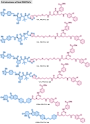
- . Synthesis of PROTACs towards FGFR2. Reagents and conditions: (a) K2CO3, Pd (dppf)Cl2, 1,4-dioxane/H2O 4:1, 100 °C, 5 h; (b) 3,5-dimethoxyaniline, Pd2(dba)3, BINAP, Cs2CO3, toluene, 100 °C, 12 h; (c) (2-bromoethoxy)-tert-butyldimethylsilane, NaH, DMF, rt, 12 h; (d) tetrabutylammonium fluoride, THF rt, 12 h



Continuous-flow carbonyl hydrogenation under subatmospheric to atmospheric hydrogen pressure enabled by robust heterogeneous Pt–Fe catalysts
Beilstein J. Org. Chem. 2026, 22, 575–582, doi:10.3762/bjoc.22.43
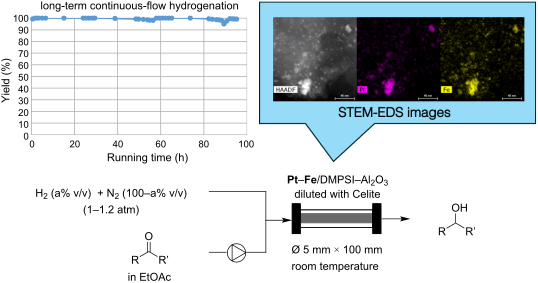
- 1.2 atm in this case (0.2 atm pressure loss). The yields of 1-phenetylalcohol (2a) and by-products 3a and 4a under these reaction conditions for each catalyst are summarized in Table 1. The commercially available catalysts (Pt/C, Pt/SiO2, Pt/Al2O3) and Pt/DMPSi‒Al2O3 showed poor to moderate reactivity
- ) was converted to the corresponding alcohol 2d in 89% yield under continuous-flow conditions at room temperature (Table 2, entry 3). The desired product 2d was obtained quantitatively at 50 °C (Table 2, entry 4). It is noteworthy that an analytically pure compound (confirmed by 1H and 13C NMR) was
- 80 °C under the continuous-flow conditions (Table 2, entry 11). The high catalytic performance of Pt‒Fe/DMPSi‒Al2O3 enabled the hydrogenation of substrate 1k even under almost atmospheric pressure hydrogen conditions. Stanolone (1l) is also a bulky ketone compound with a steroid skeleton, and its


Kinetic resolution of racemic planar-chiral vinylcymantrenes by molybdenum-catalyzed asymmetric metathesis dimerization
Beilstein J. Org. Chem. 2026, 22, 568–574, doi:10.3762/bjoc.22.42
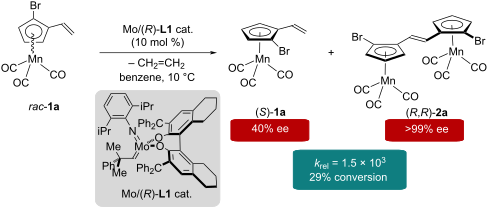
- vinylferrocenes and of over 1000 for the vinylphosphaferrocenes. In this article, we would like to report the analogous asymmetric metathesis dimerization/kinetic resolution of a series of racemic planar-chiral vinylcymantrenes (rac-1a–c). It was found that the chiral molybdenum-alkylidene precatalysts Mo/(R)-L1
- racemic planar-chiral 2-substituted vinylcymantrene substrates rac-1a–c A series of racemic planar-chiral vinylcymantrene substrates rac-1a–c were prepared as outlined in Scheme 2. Whereas enantioselective synthesis of 2-substituted formylcymantrenes 5a–c, precursors to 1a–c, were reported [33][34][35
- ], racemic 5a–c were prepared in the same ways starting with rac-3. Vinylcymantrene substrates rac-1a–c were obtained in 68–79% yields by the Wittig methylenation of rac-5a–c. The moderate yields could be attributed to the volatility of rac-1a–c. Molybdenum-catalyzed asymmetric metathesis dimerization (AMD


Molecular tweezer–peptide conjugates disrupt the protein–protein interaction between survivin and histone H3 essential in mitosis
Beilstein J. Org. Chem. 2026, 22, 557–567, doi:10.3762/bjoc.22.41
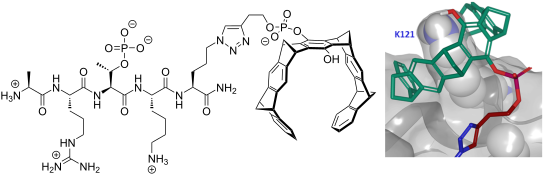
- ), with the phosphorylated histone H3 N-terminal peptide. Fluorescence polarization measurements revealed a nanomolar affinity of the BIR domain for the peptide-tweezer, depending on the presence of lysine residue 121, as proven by the K121A mutant of survivin. Two crystal structures of C-terminally
- tweezers. Importantly, the H3 N-terminus had to be fully conserved (vide infra), so that covalent attachment of the tweezer moiety had to occur at the peptide C-terminus. A first prototype 1 could be realized with a C3-spacer and click coupling between azidopropylamide on Lys-4 at the peptide's C-terminus
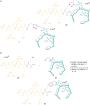
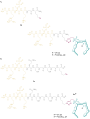
- . Hence, we designed the truncation constructs 1–122, 1–127 and 1–134 that shorten the flexible C-terminal helix of survivin. All new constructs showed a much better expression and crystallization behavior. Fluorescence polarization measurements with the FITC-labeled H3 peptide confirmed that constructs 1




Experimental and DFT studies on the regioselective methanolysis of 5-azido-9-oxabicyclo[6.1.0]nonan-4-yl 4-nitrobenzoate isomers
Beilstein J. Org. Chem. 2026, 22, 547–556, doi:10.3762/bjoc.22.40
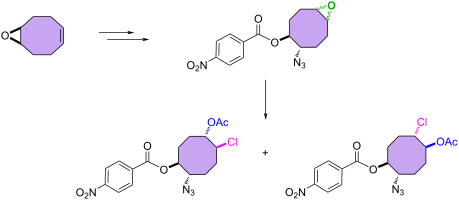
- , Merck). TLC was carried out on Merck 0.2 mm silica gel 60 F254 analytical aluminium plates. (1R*,8S*,Z)-9-Oxabicyclo[6.1.0]non-4-ene (6) A magnetically stirred solution of cis,cis-1,5-cyclooctadiene (5, 1.00 g, 9.24 mmol) in 50 mL dichloromethane was cooled to 0 °C. m-CPBA (2.20 g, 77%, 9.82 mmol) and
- NaHCO3 (0.78 g, 9.29 mmol) were added to the solution and stirred for 1.5 hours. Subsequently, 50 mL of 1.5 M NaOH solution was added and the reaction mixture was stirred for 15 min at 0 °C, then extracted with dichloromethane (4 × 30 mL). The organic layer was dried over Na2SO4, filtered, and evaporated
- NMR (100 MHz, CDCl3) δ 130.3, 127.5, 73.1, 66.8, 32.4, 29.7, 23.5, 23.1. (1S*,8S*,Z)-8-Azidocyclooct-4-en-1-yl 4-nitrobenzoate (8) The azidol 7 (0.50 g, 2.99 mmol) was dissolved in 9 mL of anhydrous pyridine and the solution was cooled to 0 °C. p-Nitrobenzoyl chloride (1.11 g, 5.98 mmol) and 4


Melifoliox B, a novel phloroglucin derivative isolated from Melicope barbigera (Rutaceae) and synthesis of new oxidation products from melifoliones A and B
Beilstein J. Org. Chem. 2026, 22, 535–546, doi:10.3762/bjoc.22.39
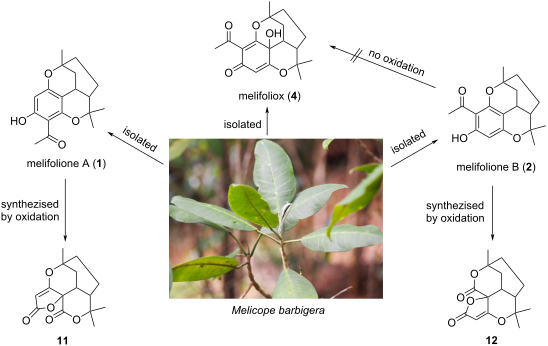
- signals detected in the 13C NMR spectrum of 4 (Table 2) could be assigned by careful analysis of the 2D-NMR spectra (HSQC and HMBC). The position of the acetyl group was confirmed by a cross peak between C-2 and the protons of the acetyl-methyl group in the HMBC spectrum and by interactions between the
- acetyl-methyl group and the methyl group at C-9 as well as between H-4 and one of the geminal methyl groups at position 6 in the NOESY-spectrum. This allowed us to clarify the structure of 4 as an oxidation product of melifolione B (2). We suggest the following name: 2-acetyl-6a,7,8,9,10,10a-hexahydro
- information for a better understanding of the NMR spectra. In contrast to the planar benzene ring of melifoliones, the para quinol ring in 4 adopts a flat but rigid boat conformation. However, the sp3-hybridized C-10b leads to greater flexibility of the whole molecule. Therefore, it is easier for the



Get a better glimpse on sequential photoreactions of trisnorbornadienes with 19F NMR spectroscopy
Beilstein J. Org. Chem. 2026, 22, 527–534, doi:10.3762/bjoc.22.38
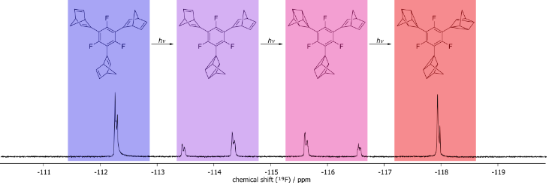
- the physicochemical parameters of the light energy storage and release, the thermally induced cycloreversion of 2f0,3 was investigated. Analysis of the cycloreversion at different temperatures revealed a half-life, t1/2, of 55 d at 25 °C, an activation enthalpy ΔH = 99.4 kJ/kg, and an activation
- entropy of ΔS = −42 J/K mol (see Supporting Information File 1, Figure S2). The energy density of trisquadricyclane 2f0,3 was determined with simultaneous thermal analysis (STA) with a heat release of 458 kJ/kg. Additionally, a second exothermic peak (>150 °C) correlated with a significant decrease in
- ]heptadien-2-yl)-1,3,2-dioxaborolane (1e, 501 mg, 2.30 mmol), Pd(PPh3)4 (66.5 mg, 57.5 µmol, 5 mol %), THF (5.0 mL), and aq. NaOH (5.7 mmol, 2.7 M, 2.1 mL) was stirred at 80 °C for 16 h under anaerobic conditions [22]. After cooling the emulsion to room temperature, EtOAc (15 mL) was added and the organic


Modern synthetic pathways towards eribulin and its subunits
Beilstein J. Org. Chem. 2026, 22, 495–526, doi:10.3762/bjoc.22.37
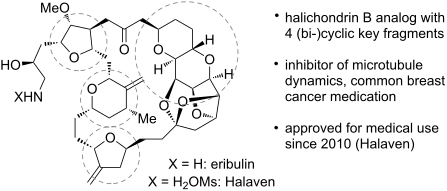
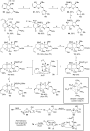
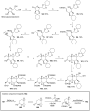
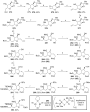
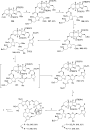
- . Protection of the free alcohol unit enabled the transformation towards 55, which involved the reduction of lactone to lactole, protection of the alcohol as acetate, BF3·Et2O-mediated C-allylation of the aldehyde (via oxocarbenium intermediate) and cyclization (oxy-Michael reaction). Hydroboration–oxidation
- under basic conditions triggered an Achmatowicz rearrangement (shown in Scheme 8, below) to assemble a hydropyranone ring [83]. Eventual acetylation of the free alcohol units afforded 70 in 3:1 dr. C-Glycolysation with allyl-TMS and oxidative cleavage of the PMB moiety yielded 71. The stereochemistry of
- using acetic anhydride. Oxidative cleavage of olefin 73, followed by treatment with ʟ-proline led to an intermediate β-aldehyde with inverted stereochemistry at the β-C (4:1 dr). Subsequent reduction with NaBH4 yielded alcohol 74. Piv-protection of the primary alcohol, reductive deprotection of the Bn








Synthesis and uranyl(VI) extraction performance of a calix[4]pyrrole–tetrahydroxamic acid receptor
Beilstein J. Org. Chem. 2026, 22, 486–494, doi:10.3762/bjoc.22.36
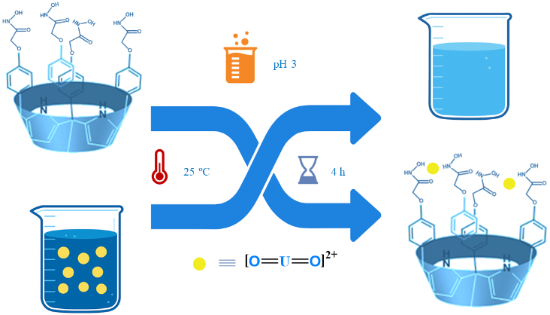
- calixarene tetraethylacetate [53]. In the original procedure, KOH was added at −5 °C, and the mixture was stirred for 5 hours at this temperature, followed by 5 days of stirring at room temperature. In our hands, both the addition of KOH and stirring were performed entirely at room temperature, and 1H NMR
- %). The structure of PCP HA was fully characterized by 1H NMR and 13C NMR (DMSO-d6) as well as by HRMS (ESI+) (Figures S3–S6, and S9 in Supporting Information File 1). In the 1H NMR spectrum, two sets of singlets at 4.41 and 4.76 ppm (CH2) were attributed to the –O=C–CH2–O– groups of the E/Z isomers of
- experiments, parameters like temperature, shaking time and volume of uranyl solution used were kept constant. In a typical experiment, 20 mL of a 1 mM aqueous uranyl acetate solution was adjusted to the target pH and then added to solid PCP HA. The solution was shaken at a fixed temperature of 25 °C for 4 h


Synthesis of a HDAC inhibitor–nanogold probe for cryo-EM visualization in class I HDAC co-repressor complexes
Beilstein J. Org. Chem. 2026, 22, 480–485, doi:10.3762/bjoc.22.35
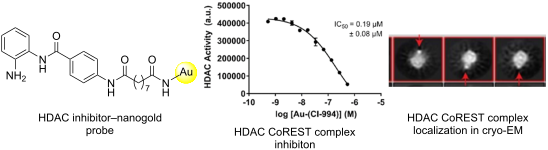
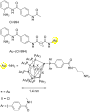
- , and was stable for days stored at −20 °C (stability determined by 1H NMR, Figures S1–S4 in Supporting Information File 1). For the conjugation of 9 to Au–NH2, an excess of 9 was used to drive the conjugation reaction to completion. Unreacted 9 was then removed by repeated washing with water and buffer
- complex. The probe was absent in side-view classes. Synthesis of CI-994 and the Au–(CI-994) conjugate. Conditions: a) Boc2O, NEt3, THF, 0 °C to rt, 19 h, 70%; b) 4-nitrobenzoyl chloride, DIPEA, DCM, 0 °C to rt, 16 h, 74%; (c) H2, 10% Pd/C, MeOH/THF 1:1, rt, 17 h, 95%; d) AcCl, NEt3, THF, 0 °C to rt, 21 h
- , 67%; e) TFA, DCM, 0 °C to rt, 20 h; (f) MP-carbonate resin, MeOH, rt, 3 h, 95%; g) benzyl bromide, 1,4-dioxane/DMF 1:1, 90 °C, 19 h, 45%; h) 3, 5, HATU, DIPEA, DMF, 0 °C to rt, 40 h, 59%; i) H2, 10% Pd/C, THF, rt, 19 h, 99%; j) N-hydroxysuccinimide, EDC, DMF, 0 °C to rt, 16 h, 90%; k) TFA, DCM, 0 °C



Recent advances in the stereoselective synthesis of distal biaxially chiral molecules
Beilstein J. Org. Chem. 2026, 22, 461–479, doi:10.3762/bjoc.22.34
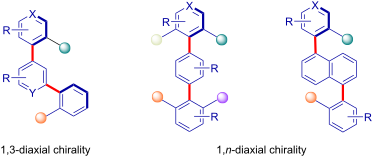
- [2 + 2 + 2] cycloaddition reaction between α,ω-diynes 1 and monoalkynes 2, providing an alternative to traditional asymmetric coupling strategies for the synthesis of C2-symmetric biaryl chiral compounds (Scheme 1a) [40]. They further demonstrated the feasibility of constructing N-, O-, and C
- for the synthesis of remote biaryl scaffolds bearing both N–N and N–C chiral axes, using benzamides 27 and alkynylindoles 28 as substrates (Scheme 7) [48]. During an extensive investigation of reaction conditions and substrate scope they also were able to synthesize various diaxially chiral N–N and C
- –C derivatives through reaction of 1-alkynylnaphthalenes with benzamides. In this context they observed that the stereoselectivity of the alkyne insertion could be tuned by solvent effects, particularly with hexafluoroisopropanol, which induced inversion of the C–C axial configuration (not shown). In


Structural reassignment of compound 968, an allosteric glutaminase inhibitor
Beilstein J. Org. Chem. 2026, 22, 455–460, doi:10.3762/bjoc.22.33
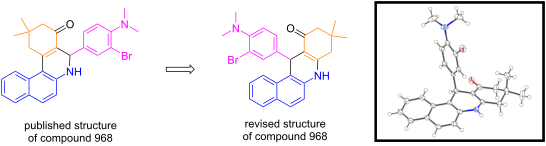
- anticancer drug target. Compound 968 is a glutaminase inhibitor that is widely used to probe cancer cells’ dependence on glutaminase activity. Here, we show by NMR spectroscopy and X-ray crystallography that the reported benzo[c]phenanthridine structure of compound 968 is incorrect; its true structure is the
- isomeric benzo[c]acridine. The structural reassignment of compound 968 will aid the medicinal chemistry development of this important compound. Keywords: cancer metabolism; compound 968; glutaminase; Introduction Cancer cells often show a strong reliance on glutamine uptake and metabolism [1][2
- . Compound 968 is a benzo[c]phenanthridine, made by a three-component cyclocondensation reaction between the 1,3 diketone dimedone, the aryl aldehyde 3-bromo-4-dimethylaminobenzaldehyde, and 2-naphthylamine. This reaction producing the benzo[c]phenanthridine core was first reported in the late 1960s [23][24





