Search results
Search for "organic" in Full Text gives 3070 result(s) in Beilstein Journal of Organic Chemistry. Showing first 200.
Synthesis of diaryl phosphates using phytic acid as a phosphorus source
Beilstein J. Org. Chem. 2026, 22, 213–223, doi:10.3762/bjoc.22.15
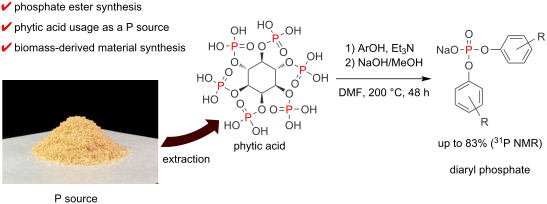
- soil. It can potentially serve as a phosphorus source in the syntheses of organic phosphates; however, this approach has not been utilized for the preparation of phosphate esters. In this study, we report the first successful synthesis of phosphate esters using phytic acid as a phosphorus source. Crude
- gives a lower yield because the phytic acid forms a syrup-like precipitate in the reaction mixture due to its poor solubility in organic solvents, thereby preventing efficient release of phosphoric acid into the reaction mixture. The plot depicted in Figure 4 shows that there is almost no induction




Screwing the helical chirality through terminal peri-functionalization
Beilstein J. Org. Chem. 2026, 22, 205–212, doi:10.3762/bjoc.22.14
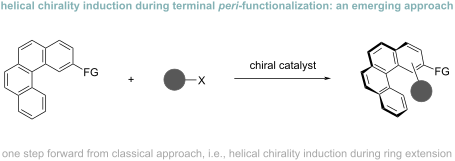
- of chirality. Molecules with helical chirality impart a crucial role in several biological phenomena as well as in modern materials applications. Classically, the generation of chiral helicity in organic molecules relies on a ring extension by means of cycloaddition and related reactions. Recently
- in their core structure [8]. Point chirality is the simplest form of chirality, and it is relatively easy to control and characterize during the synthesis of organic molecules. Due to these facts point chirality holds a central position among the different types of chirality. Axial chirality is
- another important type of chirality, where the chirality is controlled by restricted rotation among an axis. These types of molecules play an important role as chiral ligands in organic synthesis, i.e., BINOL, BINAP, etc. [9][10][11]. Another form of chirality, where chirality depends on a constrained


Base-promoted deacylation of 2-acetyl-2,5-dihydrothiophenes and their oxygen-mediated hydroxylation
Beilstein J. Org. Chem. 2026, 22, 192–204, doi:10.3762/bjoc.22.13
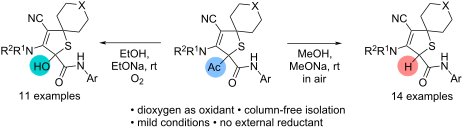
- Vladimir G. Ilkin Margarita Likhacheva Igor V. Trushkov Tetyana V. Beryozkina Vera S. Berseneva Vladimir T. Abaev Wim Dehaen Vasiliy A. Bakulev TOS Department, Ural Federal University, 19 Mira str., Yekaterinburg 620002, Russia N.D. Zelinsky Institute of Organic Chemistry, Russian Academy of
- Oxidative transformations are an important area of modern organic synthesis [1], producing a broad range of valuable synthetic products for the industry. A variety of catalytic reactions were developed for the oxidative conversions of unsaturated compounds [2][3][4][5], alcohols [6][7], alkanes [8][9][10
- migration in the formed tetrahedral intermediate to afford formate ester; c) hydrolysis of the latter to form phenols [28]. The development of methods for the construction of heterocycles and their modification is an important area of organic synthesis [29]. Although the Dakin oxidation has become a




Improved synthesis and physicochemical characterization of the selective serotonin 2A receptor agonist 25CN-NBOH
Beilstein J. Org. Chem. 2026, 22, 175–184, doi:10.3762/bjoc.22.11
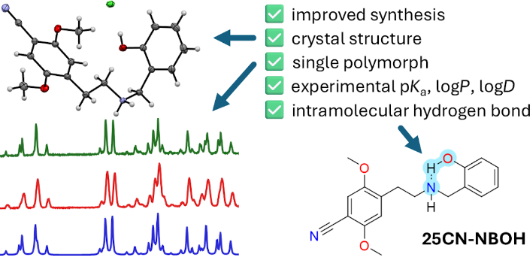
- recrystallized from ethanol (Figure 3, purple), a similar pattern is observed, indicating a high degree of crystallinity. Furthermore, samples of 1·HCl prepared either by rapid precipitation in organic solvents, as described in the Experimental section (red), or material isolated from a saturated solution of 1
- aqueous Na2CO3. The layers were separated, the organic phase collected, and the aqueous phase was further extracted with dichloromethane (3 × 25 mL). The combined organic phase was dried over anhydrous Na2SO4, filtered, evaporated in vacuo, and deposited on Celite. Purification by automated flash column
- start of the experiment. Solutions of 2, 0.5, and 0.1 mg/mL of the drug in the buffer solutions at pH 5.00, 7.40, and 9.50, respectively, were prepared. The organic phase was hereafter added to the buffer solution in a ratio of 1:9 at pH 5.00 and 7.40 and 1:19 at pH 9.50. The samples were rotated for 24


A new synthesis of Tyrian purple (6,6’-dibromoindigo) and its corresponding sulfonate salts
Beilstein J. Org. Chem. 2026, 22, 167–174, doi:10.3762/bjoc.22.10
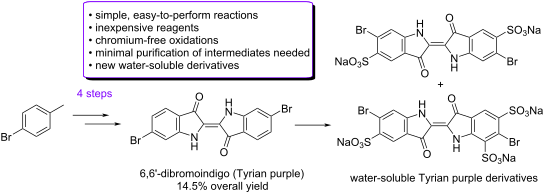
- authors wish to thank the University of Notre Dame and Dr. William Bogges for his assistance in obtaining high-resolution mass spectra of synthesized compounds. Moreover, the authors want to thank the 2024 and 2025 Organic Chemistry II classes at North Central College, whose preliminary work served as


Circumventing Mukaiyama oxidation: selective S–O bond formation via sulfenamide–alcohol coupling
Beilstein J. Org. Chem. 2026, 22, 158–166, doi:10.3762/bjoc.22.9
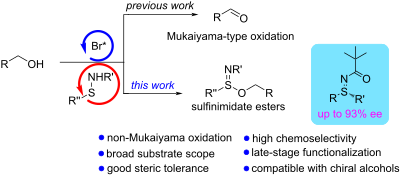
- versatile intermediates for enantioselective S–C bond formation under mild and metal-free conditions. Keywords: asymmetric synthesis; late-stage functionalization; selective oxidation; sulfenamides; sulfinimidate esters; Introduction Sulfur is a privileged heteroatom in organic chemistry, celebrated for
- slightly lower yield (88%, Table 1, entry 6). The organic base Et3N afforded 3a in 89% yield (Table 1, entry 7). These data indicate that mild inorganic bases are generally more appropriate for this transformation, with NaHCO3 offering the best combination of efficiency and practicality. Moreover


Design and synthesis of an axially chiral platinum(II) complex and its CPL properties in PMMA matrix
Beilstein J. Org. Chem. 2026, 22, 143–150, doi:10.3762/bjoc.22.7
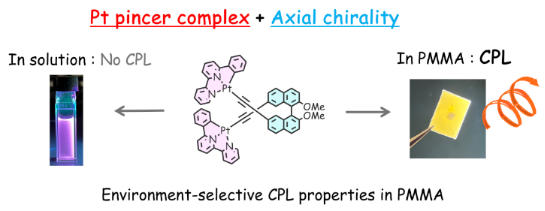
- Luminescent materials based on metal complexes have been extensively studied due to their high phosphorescence efficiency, making them promising candidates for applications in organic light-emitting diodes (OLEDs) [1][2][3][4][5], sensors [6][7][8][9], and bioimaging materials [10][11]. Among these materials
- typical range for organic small-molecule systems [28][29][30], indicating the restriction of molecular motions in PMMA matrices induced CPL properties. The glum value was significantly smaller than the gabs value in solution, which is considered to originate from structural flexibility in the excited
- Celite. The Celite was thoroughly washed with dichloromethane, and the combined filtrate was washed three times with saturated aqueous NH4Cl and brine. The organic layer was dried over anhydrous sodium sulfate. The crude product was purified by silica gel column chromatography using a 1:1 mixture of


Symmetrical D–π–A–π–D indanone dyes: a new design for nonlinear optics and cyanide detection
Beilstein J. Org. Chem. 2026, 22, 131–142, doi:10.3762/bjoc.22.6
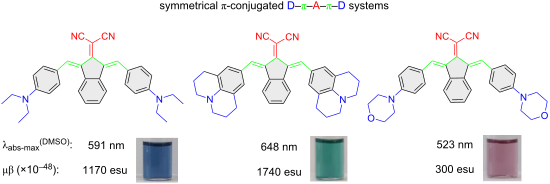
- feature symmetrical alkylaminophenyl donor groups and a strong electron-withdrawing dicyanovinylene as an acceptor connected through vinyl groups as a π-bridge. These strongly π-conjugated organic dyes can absorb in the NIR region, and they showed sensitivity towards the polarity of solvents with
- theory (DFT) methods. The dyes also exhibit chemosensor properties, showing selectivity for cyanide via a Michael addition mechanism that causes the disappearance of the ICT band, and a significant color change was observed in both organic and aqueous media. In addition, the interaction mechanism between
- cyanide and the chemosensor is determined by a 1H NMR study and explained by DFT calculations. Keywords: chemosensor; DFT calculations; donor–π–acceptor–π–donor based organic dyes; indan-2-one; NLO; Introduction Over the past decades, the functional heterocyclic push–pull dyes have attracted significant


Highly electrophilic, gem- and spiro-activated trichloromethylnitrocyclopropanes: synthesis and structure
Beilstein J. Org. Chem. 2026, 22, 123–130, doi:10.3762/bjoc.22.5
- Ilia A. Pilipenko Mikhail V. Grigoriev Olga Yu. Ozerova Igor A. Litvinov Darya V. Spiridonova Aleksander V. Vasilyev Sergey V. Makarenko Department of Chemistry, Saint-Petersburg State Forest Technical University, Saint-Petersburg 194021, Russia Department of Organic Chemistry, Herzen State
- Pedagogical University of Russia, Saint-Petersburg 191186, Russia A. E. Arbuzov Institute of Organic and Physical Chemistry, FRC Kazan Scientific Center of the Russian Academy of Sciences, Kazan 420088, Russia Department of Organic Chemistry, Institute of Chemistry, Saint-Petersburg State University, Saint
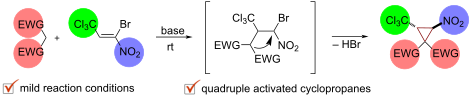
- group; X-ray; Introduction Trichloromethyl groups containing compounds are widely used in the organic synthesis of practically significant substances [1][2]. Based on them, methods have been developed for the synthesis of hard-to-access 5-aminoisoxazoles [3], α- and γ-heterosubstituted unsaturated


Total synthesis of natural products based on hydrogenation of aromatic rings
Beilstein J. Org. Chem. 2026, 22, 88–122, doi:10.3762/bjoc.22.4
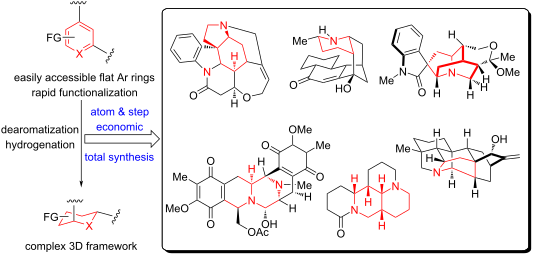
- Haoxiang Wu Xiangbing Qi National Institute of Biological Sciences, Beijing. No. 7, Science Park Road, Zhongguancun Life Science Park, Changping District, 102206 Beijing, China 10.3762/bjoc.22.4 Abstract Arenes and heteroarenes are easily available building blocks in organic chemistry, and
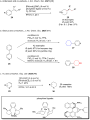
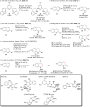
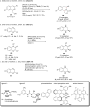
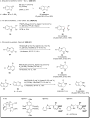
- highlights representative examples that illustrate recent synthetic advances [35][36]. Hydrogenation of monocyclic aromatic rings Hydrogenation of heterocyclic aromatic rings: Despite the widespread application of six-membered aromatic heterocycles in various fields of organic chemistry, reports on their


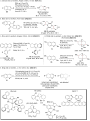


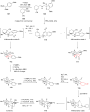


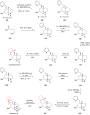


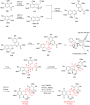



Advances in Zr-mediated radical transformations and applications to total synthesis
Beilstein J. Org. Chem. 2026, 22, 71–87, doi:10.3762/bjoc.22.3
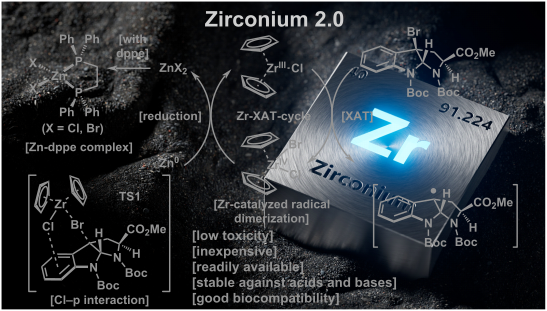
- where organic synthesis plays a central role, including pharmaceuticals, agrochemicals, materials chemistry, organic semiconductors, and organic thin-film solar cells. These areas are intimately linked to human life; thus, advances in organic synthesis are essential for improving human well-being
- . Nearly two centuries after the seminal 1828 synthesis of urea from inorganic precursors – often regarded as the birth of organic synthesis – the field continues to evolve rapidly and to exert profound impact on society. A retrospective of almost 200 years of organic synthesis shows that the development
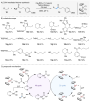
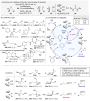
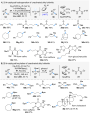
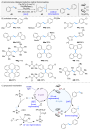
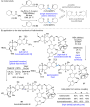
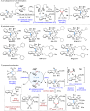
- -mediated stoichiometric radical reactions Traditionally, the use of Zr complexes in organic reactions had been limited to two-electron processes; however, the first example of a Zr-mediated radical reaction was reported by Oshima et al. in 2001. They reported an intramolecular radical cyclization using








Reactivity umpolung of the cycloheptatriene core in hexa(methoxycarbonyl)cycloheptatriene
Beilstein J. Org. Chem. 2026, 22, 64–70, doi:10.3762/bjoc.22.2
- Dmitry N. Platonov Alexander Yu. Belyy Rinat F. Salikov Kirill S. Erokhin Yury V. Tomilov N. D. Zelinsky Institute of Organic Chemistry, Russian Academy of Sciences, 47 Leninsky prosp., 119991 Moscow, Russian Federation Higher School of Economics National Research University, 101000 Moscow
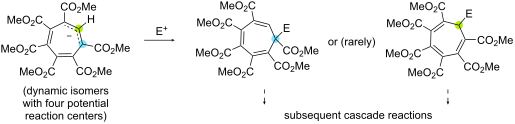
- , include the formation of norcaradienes, dihydroindazoles, a tetracyclodecene and a hydrazonocycloheptatriene derivative. Keywords: azo shift; cascade reactions; cycloheptatriene; relief of antiaromaticity; umpolung; Introduction Reactivity umpolung [1] is a synthetic concept in organic chemistry that


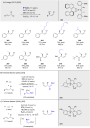
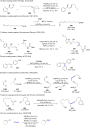
Synthesis and applications of alkenyl chlorides (vinyl chlorides): a review
Beilstein J. Org. Chem. 2026, 22, 1–63, doi:10.3762/bjoc.22.1
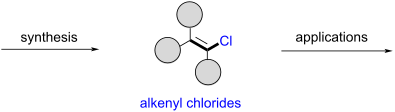
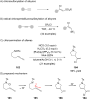
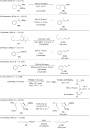
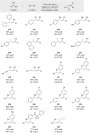
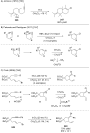
- prepared in 1868 by Charles Friedel – best known for the Friedel–Crafts reaction – via the reaction of ketones with phosphorus pentachloride, these compounds have steadily gained attention over the decades. In recent years, their distinct reactivity and potential in organic synthesis have been increasingly
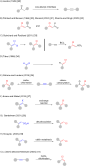
- previous reviews that have addressed this class of compounds in part or within broader contexts. Figure 3 offers a structured overview of prior reviews to facilitate orientation within the existing literature. The earliest comprehensive account is found in Jacobs’ 1949 Organic Reactions chapter, “The
- contribution to the field, particularly via chromium-mediated olefinations, is covered in a Comprehensive Organic Synthesis chapter (Figure 3D) [34][35]. Carbochlorination and carbonylchlorination reactions were reviewed by Petrone, Ye, and Lautens in their Chemical Reviews article on transition-metal















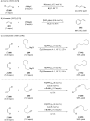


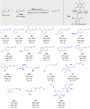
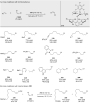
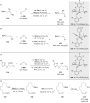






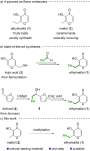
One-pot synthesis of ethylmaltol from maltol
Beilstein J. Org. Chem. 2025, 21, 2755–2760, doi:10.3762/bjoc.21.212

- Immanuel Plangger Marcel Jenny Gregor Plangger Thomas Magauer Department of Organic Chemistry and Center for Molecular Biosciences, University of Innsbruck, Innrain 80−82, 6020 Innsbruck, Austria Red Bull Central Laboratory, Betriebsgebiet Hängender Stein 1, 6713 Ludesch, Austria Red Bull Service


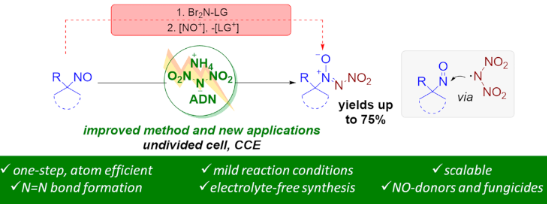
Sustainable electrochemical synthesis of aliphatic nitro-NNO-azoxy compounds employing ammonium dinitramide and their in vitro evaluation as potential nitric oxide donors and fungicides
Beilstein J. Org. Chem. 2025, 21, 2739–2754, doi:10.3762/bjoc.21.211
- Alexander S. Budnikov Nikita E. Leonov Michael S. Klenov Andrey A. Kulikov Igor B. Krylov Timofey A. Kudryashev Aleksandr M. Churakov Alexander O. Terent'ev Vladimir A. Tartakovsky N.D. Zelinsky Institute of Organic Chemistry of the Russian Academy of Sciences, 47 Leninsky prosp., 119991 Moscow
- phytopathogenic fungi. Keywords: ammonium dinitramide; antifungal agents; azoxy compounds; electrosynthesis; NO donors; Introduction Organic compounds containing N–N and N–O bonds are ubiquitous in diverse fields, including pharmaceuticals, agrochemicals, natural products [1][2][3][4], as well as in
- applications in organic synthesis as precursors for free radicals in selective transformations [5][6][7][8][9][10][11] and polymerization initiators [12], energetic materials [13][14][15], NO donors [16][17], and organic light-emitting diodes (OLEDs) [18]. Despite the wide diversity of their applications





Competitive cyclization of ethyl trifluoroacetoacetate and methyl ketones with 1,3-diamino-2-propanol into hydrogenated oxazolo- and pyrimido-condensed pyridones
Beilstein J. Org. Chem. 2025, 21, 2716–2729, doi:10.3762/bjoc.21.209
- Svetlana O. Kushch Marina V. Goryaeva Yanina V. Burgart Marina A. Ezhikova Mikhail I. Kodess Pavel A. Slepukhin Alexandrina S. Volobueva Vladimir V. Zarubaev Victor I. Saloutin Postovsky Institute of Organic Synthesis of the Ural Branch of the Russian Academy of Sciences, S. Kovalevskoy St. 22/20
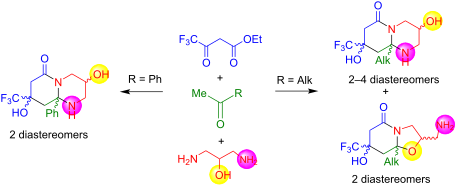
- -component cyclization; Introduction The modern strategy of organic synthesis is aimed at conforming to the "green chemistry" principles based on PASE (pot, atom, step, economic) methods. These principles serve as the foundation for multicomponent processes that allow various structurally complex molecules
- for Collective Use "Spectroscopy and Analysis of Organic Compounds" at the I. Ya. Postovsky Institute of Organic Synthesis, Ural Branch of the Russian Academy of Sciences. Funding This research was financially supported by the Ministry of Science and Higher Education of the Russian Federation within


Mechanistic insights into hydroxy(tosyloxy)iodobenzene-mediated ditosyloxylation of chalcones: a DFT study
Beilstein J. Org. Chem. 2025, 21, 2703–2715, doi:10.3762/bjoc.21.208
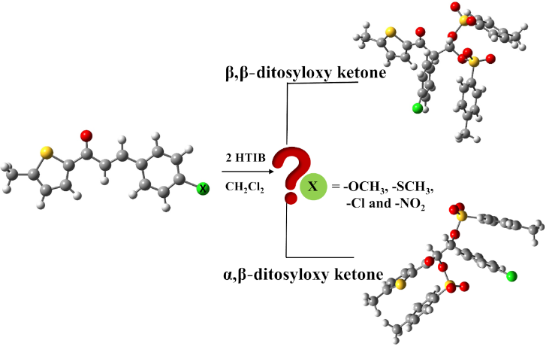
- -substituents; α,β-unsaturated carbonyl compounds; Introduction Hypervalent iodine compounds exhibit a range of bonding patterns which making these compounds powerful reagents or catalysts for a number of organic transformations [1][2][3][4] – oxidation of alcohols [5], epoxidation of alkenes [6], oxidative


Tandem hydrothiocyanation/cyclization of CF3-iminopropargyl alcohols with NaSCN in the presence of AcOH
Beilstein J. Org. Chem. 2025, 21, 2694–2702, doi:10.3762/bjoc.21.207
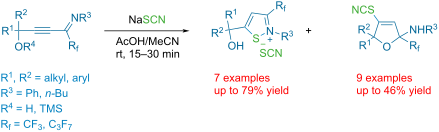
- , and organic functional materials. Additionally, CF3-substituted iminopropargyl alcohols can be easily prepared with good yields from commercially available materials in two steps [31][32]. Here, we report for the first time on the hydrothiocyanation of CF3-substituted iminopropargyl alcohols with the
- medicinal chemistry [33][34] and organic synthesis [35]. For example, they have been found to exhibit inhibitory activity against human leukocyte elastase (HLE) [35] and anti-HIV-1-activity [36]. Hydroperoxy sultams can also act as oxidants [37]. Conclusion In summary, we have developed a simple route to
- nucleophilic center – imino group or an imino and OH groups. The synthesized compounds are potential drug precursors, synthons, and multipurpose building blocks for fine organic synthesis. We believe that the present method will be of significant interest to synthetic and medicinal chemists due to the



Synthesis of new tetra- and pentacyclic, methylenedioxy- and ethylenedioxy-substituted derivatives of the dibenzo[c,f][1,2]thiazepine ring system
Beilstein J. Org. Chem. 2025, 21, 2645–2656, doi:10.3762/bjoc.21.205
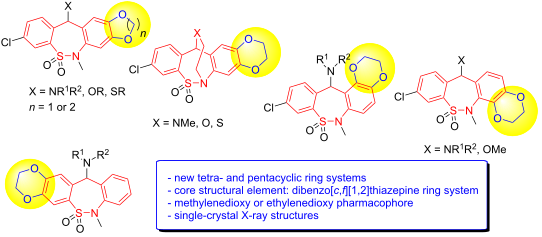
- Gabor Berecz Andras Dancso Maria Tothne Lauritz Lorand Kiss Gyula Simig Balazs Volk Egis Pharmaceuticals Plc., Directorate of Drug Substance Development, P. O. Box 100, H-1475 Budapest, Hungary HUN-REN Research Centre for Natural Sciences, Institute of Organic Chemistry, Stereochemistry Research
- (100 mL), the combined organic phases were dried over Na2SO4, evaporated, and the oily residue was triturated with a little amount of acetone to afford a second crop of crude 7 (8.45 g of pale yellow solid). The two crops were purified by dry-column flash chromatography on a short silica gel column
- . The organic phase was washed with water (30 mL), dried over Na2SO4, and evaporated in vacuo. The residue was purified by dry-column flash chromatography on a short silica gel column (thickness of stationary phase: 30 mm, eluent: heptane/DCM 1:1, 1:2, DCM, DCM/MeOH 100:1). After evaporation of the


Chemoenzymatic synthesis of the cardenolide rhodexin A and its aglycone sarmentogenin
Beilstein J. Org. Chem. 2025, 21, 2637–2644, doi:10.3762/bjoc.21.204
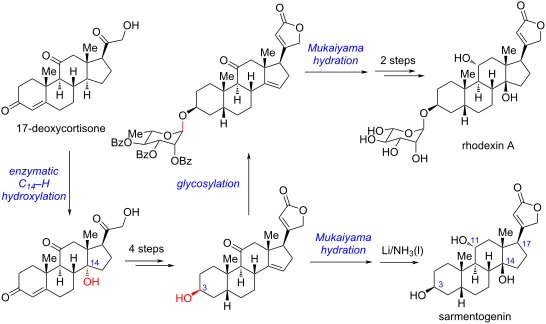
- Fuzhen Song Mengmeng Zheng Dongkai Wang Xudong Qu Qianghui Zhou Engineering Research Center of Organosilicon Compounds & Materials (Ministry of Education), Hubei Key Lab on Organic and Polymeric OptoElectronic Materials, College of Chemistry and Molecular Sciences, The Institute for Advanced



Thiazolidinones: novel insights from microwave synthesis, computational studies, and potentially bioactive hybrids
Beilstein J. Org. Chem. 2025, 21, 2618–2636, doi:10.3762/bjoc.21.203
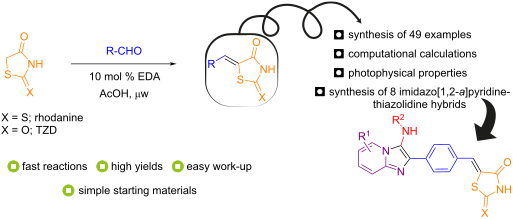
- (intramolecular charge transfer) process. Keywords: fluorescence; hybridization; imidazo[1,2-a]pyridines; Knoevenagel reaction; thiazolidinone; Introduction Heterocycles are compounds of significant interest to organic chemists as drug candidates due to their already widespread presence in many commercially
- ], diammonium phosphate (DAP) [43], and tetrabutylammonium bromide (TBAB) [44]. Organic bases like morpholine [45], triethylamine [46], ethanolamine, and piperidine [47] and heterogeneous catalysts from Cu [48], Ti [49], and Zn [50] metal compounds have also been used. Common solvents are ethanol [51], toluene






Silica gel with covalently attached bambusuril macrocycle for dicyanoaurate sorption from water
Beilstein J. Org. Chem. 2025, 21, 2604–2611, doi:10.3762/bjoc.21.201
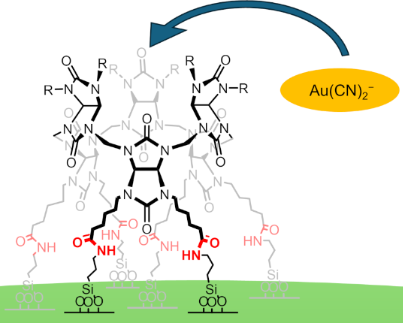
- competing dicyanoargentate(I) anions. We also examine the recyclability of the material and assess its stability in organic solvents, comparing its performance with that of a previously developed material containing noncovalently bound bambusuril. Keywords: anion binding; anion extraction; anion receptor
- -sized” molecular box has been used to extract various anions from water [12]. Another family of macrocyclic compounds suitable for anion recognition and binding are bambusurils (BUs). BUs act as very potent anion receptors in both organic solvents and water. Furthermore, their portals can be variously
- in organic solvents. Results and Discussion Decoration of silica gel with bambusuril For the modification of silica gel (SG), we selected previously reported bambus[6]uril BU1 (Scheme 1) containing 12 carboxyalkyl substituents [13]. This macrocycle was chosen for several reasons: BU1 can be attached


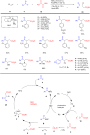
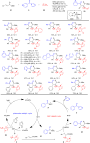
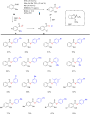
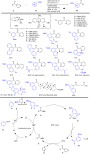
Visible-light-driven NHC and organophotoredox dual catalysis for the synthesis of carbonyl compounds
Beilstein J. Org. Chem. 2025, 21, 2584–2603, doi:10.3762/bjoc.21.200
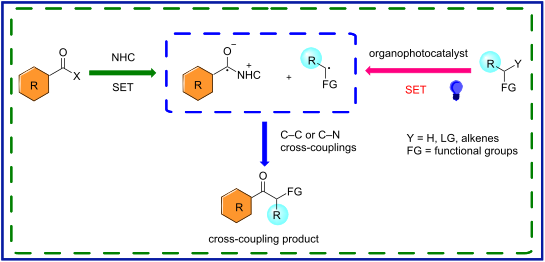
- Vasudevan Dhayalan Department of Chemistry, National Institute of Technology Puducherry, Karaikal-609609, Puducherry, India 10.3762/bjoc.21.200 Abstract Over the past two decades, organocatalyzed visible-light-mediated radical chemistry has significantly influenced modern synthetic organic
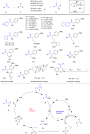
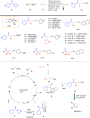
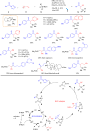
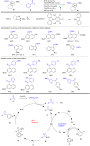
- -coupling processes. This cooperative organic dual catalysis has great potential in medicinal, pharmaceutical, and materials science applications, including the development of organic semiconductors and polymers. In recent years, NHC-involved photocatalysis has attracted considerable attention in synthetic
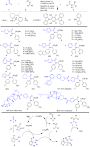
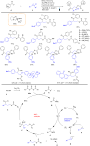
- organic chemistry, and particularly in the late-stage functionalization of bioactive compounds, drugs, and natural products. This review highlights recent advances in NHC–organophotoredox dual catalysis, focusing on methodology development, mechanistic insights, and reaction scope for synthesizing





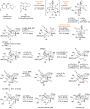
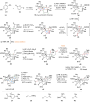
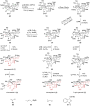
Total syntheses of highly oxidative Ryania diterpenoids facilitated by innovations in synthetic strategies
Beilstein J. Org. Chem. 2025, 21, 2553–2570, doi:10.3762/bjoc.21.198
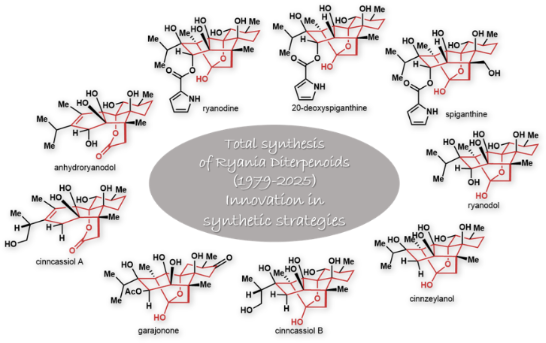
- primary driving forces behind the advancement of organic synthetic chemistry. With rapidly evolving organic synthesis technologies, a diverse array of novel methods and sophisticated strategies continues to emerge. These approaches not only complement and synergize with one another but also significantly
- diterpenoids; synthetic strategy; total synthesis; Introduction Organic synthesis, as a cornerstone of chemical research, is dedicated to constructing complex natural products or target molecules from simple and readily available starting materials via a series of precise and efficient chemical reactions
- ) exhibits high specificity and regulatory effects on ryanodine receptors (RyRs) [19][20]. It is among the few small organic molecules identified to date that can modulate these receptors. Dysfunctions of RyRs are closely associated with various diseases: mutations in RyRs can cause genetic disorders such as







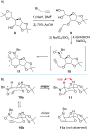
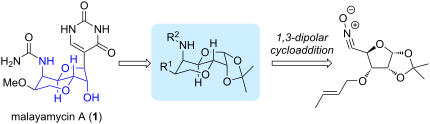
Rapid access to the core of malayamycin A by intramolecular dipolar cycloaddition
Beilstein J. Org. Chem. 2025, 21, 2542–2547, doi:10.3762/bjoc.21.196
- Yilin Liu Yuchen Yang Chen Yang Sha-Hua Huang Jian Jin Ran Hong Faculty of Chemical Engineering and Energy Technology, Shanghai Institute of Technology, 100 Haiquan Road, Shanghai 201418, P.R. China State Key Laboratory of Chemical Biology, Shanghai Institute of Organic Chemistry, Chinese Academy