Search results
Search for "optimization" in Full Text gives 1220 result(s) in Beilstein Journal of Organic Chemistry. Showing first 200.
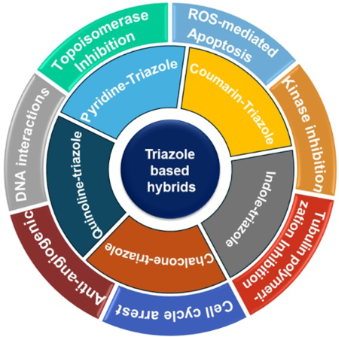
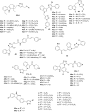
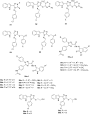
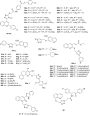
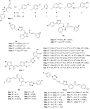
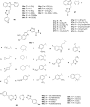
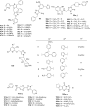
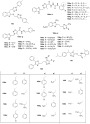
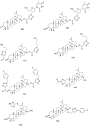
Triazole-based hybrid molecules in anticancer drug discovery: structural classes and mechanistic insights, 2014–2025
Beilstein J. Org. Chem. 2026, 22, 1168–1195, doi:10.3762/bjoc.22.94






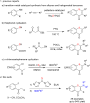
A cascade synthesis of 2-aminothiochromones from 2-fluorophenyl ketone and thiocarbonyldiimidazole
Beilstein J. Org. Chem. 2026, 22, 1151–1159, doi:10.3762/bjoc.22.92
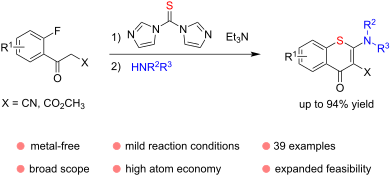
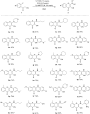
- conditions for the subsequent amine scope investigation. With the optimal conditions established, the scope of the amine was investigated to diversify the range of substituents for the exploration of different potential bioactivity profiles. Following the initial optimization using the secondary amine
- ), 100 °C, 1 h; 2) 2 (2.0 mmol, 2.0 equiv), rt, 1 h; the products were obtained after aqueous washing and filtration. aYields refer to isolated product after column chromatography. Plausible mechanism. Extended applications. Optimization of reaction conditions.a Supporting Information Supporting



Amino acid-based surfactants: sustainable synthesis and antimicrobial mechanisms
Beilstein J. Org. Chem. 2026, 22, 1067–1085, doi:10.3762/bjoc.22.85
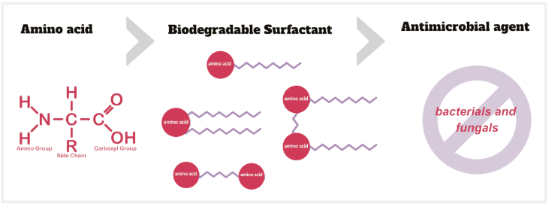
- structural optimization of both polar headgroups and hydrophobic tails, as demonstrated by extensive structure–activity relationship studies. The selection of amino acid moieties critically influences electrostatic interactions with microbial membranes, with arginine-derived surfactants exhibiting
- their monomeric form rather than their micellar structure [23][67]. This insight highlights the importance of surfactant design for the optimization of their antimicrobial efficacy, particularly in the context of alkyl chain lengths, as they impact directly in the microbial interactions [67


One-pot four-component sequential synthesis of S-alkyl dithiocarbamates using lipase as a biocatalyst
Beilstein J. Org. Chem. 2026, 22, 1048–1056, doi:10.3762/bjoc.22.83
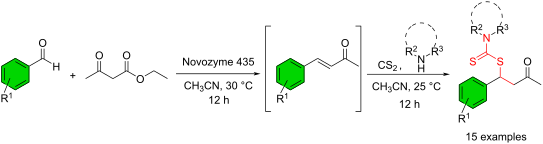
- ), Novozyme 435 (30 mg), aniline (0.05 mmol), CH3CN (1 mL), 30 °C, 12 h; then, CS2 (4, 0.4 mmol), amine 5c,d (0.2 mmol), 25 °C, 12 h. Control reactions. Proposed mechanism. Optimization of model reaction.a Supporting Information Supporting Information File 8: Product characterization data and copies of NMR


Synthesis of novel 1,2,4-oxadiazole-isoxazoline hybrids and their in silico potential with adenosine receptors
Beilstein J. Org. Chem. 2026, 22, 1033–1047, doi:10.3762/bjoc.22.82
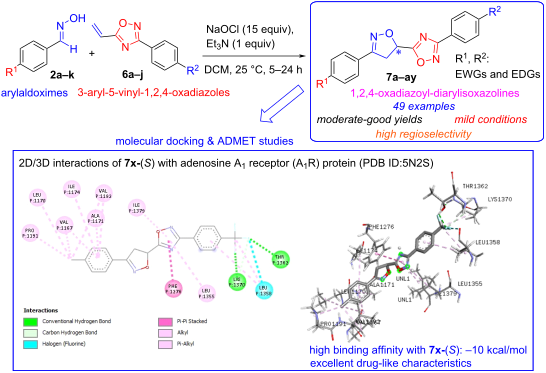
- suitable physicochemical properties. Overall, these findings identify 1,2,4-oxadiazole-isoxazoline hybrids as promising and tunable scaffolds for the development of adenosine A₁ receptor-targeted agents; however, further structural optimization and comprehensive biological evaluation are required to fully
- 2). As a result of these optimization studies, the target compound 7a was obtained in moderate yield under the optimized conditions using 1.0 equivalent of 2e, 1.5 equivalents of 6d, 15 equivalents of sodium hypochlorite, and 1.0 equivalent of triethylamine in dichloromethane at room temperature


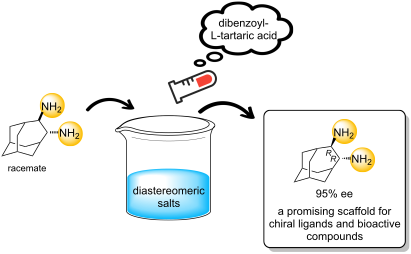
Synthesis and optical resolution of 4,5-diaminohomoadamantane: a promising scaffold for chiral ligands and bioactive compounds
Beilstein J. Org. Chem. 2026, 22, 1013–1022, doi:10.3762/bjoc.22.80
- methodology that considers optical rotation of conformations that differ from the stable ones by no more than 10 kJ/mol [103]. All calculations were performed with the Gaussian 09 software [104]. Optimization of the molecule’s geometry by DFT was performed using the CAM-B3LYP functional and the 6-311G++(2d,2p
- optimization and optical rotation calculations of the chosen conformations were performed using DFT method with the CAM-B3LYP functional and the 6-311G++(2d,2p) basis set with solvation by CH2Cl2 in SMD model. The distribution of conformations was calculated on the basis of their relative energy with respect


Z-Selective semihydrogenation of alkynes via Ni/Lewis acid synergistic catalyzed system using DMF as hydrogen source and solvent
Beilstein J. Org. Chem. 2026, 22, 1004–1012, doi:10.3762/bjoc.22.79
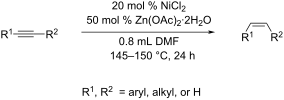
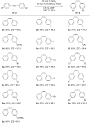
- switching the solvent to DMA (entry 25). These results further confirm the unique advantages of DMF acting as both solvent and hydrogen source. After the above full-parameter condition optimization, the optimized conditions were established as: 20 mol % NiCl2, 50 mol % Zn(OAc)2·2H2O, in DMF at 150 °C for 24
- -diphenylacetylene (1a). Optimization of reaction conditions for the semihydrogenation of 1,2-diphenylacetylene (1a) catalyzed by NiCl2/Zn(OAc)2·2H2O. Screening of reaction temperatures for the semihydrogenation of terminal alkynes. Supporting Information Supporting Information File 4: Experimental procedure



A practical CO2-mediated synthesis of 5,6-carboxylated silicon-rhodamines for targeted probe development
Beilstein J. Org. Chem. 2026, 22, 915–924, doi:10.3762/bjoc.22.72
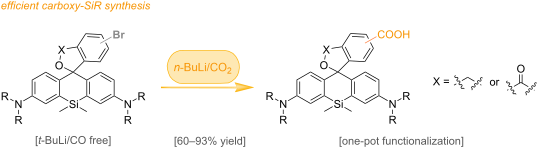
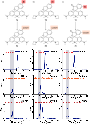
- molecular design framework (Figure 1a). Conformational restriction and optimization of amino substituents have been widely employed to enhance brightness and photostability [8][37][38][39], whereas extension of π-conjugation and electronic tuning have expanded the emission of SiR dyes from the far-red to
- maturity of photophysical optimization, the broader expansion of SiR chemistry is increasingly constrained by the limited accessibility of 5,6-carboxylated SiR derivatives. The carboxy groups provide a general and efficient handle for amide coupling with targeting ligands and are therefore central to the



Cascade transformation of 2-(diazoacetyl)-2H-azirines to 2-aroyl-3-hydroxy-1H-pyrroles via condensation with aromatic aldehydes
Beilstein J. Org. Chem. 2026, 22, 897–904, doi:10.3762/bjoc.22.70
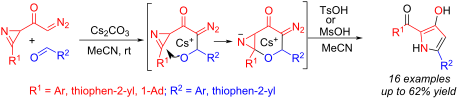
- described so far [23][24], optimization of the reaction conditions was carried out with the aim of developing a new method for the preparation of 2-aroyl-3-hydroxypyrroles (Table 1). Thus, as a result of optimization it was found that the best yields of pyrrole 5a was achieved by treating the reaction
- azirine 1. Alkylation and triflation reactions of pyrrole 5a. Optimization of the synthesis of pyrrole 5a.a Supporting Information Deposition number CCDC 2536266 (compound 5a) contains the supplementary crystallographic data for this paper. These data are provided free of charge by the joint Cambridge


Synthesis and structural elucidation of a novel bis-spirooxindole from isatin and ethylenediamine
Beilstein J. Org. Chem. 2026, 22, 813–820, doi:10.3762/bjoc.22.63

- electronic nature of the substrate. This preliminary exploration therefore suggests that electron-neutral or weakly electron-donating substrates may be more suitable for this process, whereas strongly electron-withdrawing or halogenated derivatives require further optimization (Scheme 6). Taken together


Synthetic study of vic-bromination of diarylacetylenes, easy purification and separation
Beilstein J. Org. Chem. 2026, 22, 795–802, doi:10.3762/bjoc.22.61
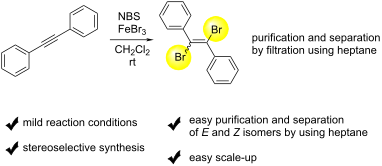
- present reaction. Reaction optimization of bromination reaction of diphenylacetylene (1a). Scope and limitations for bromination of various diarylacetylenes 1. Supporting Information Supporting Information File 24: General remarks, preparation of substrates, experimental procedure, characterization data



Design, synthesis, and biological evaluation of FXR/ASK1 dual-target modulators
Beilstein J. Org. Chem. 2026, 22, 771–781, doi:10.3762/bjoc.22.59
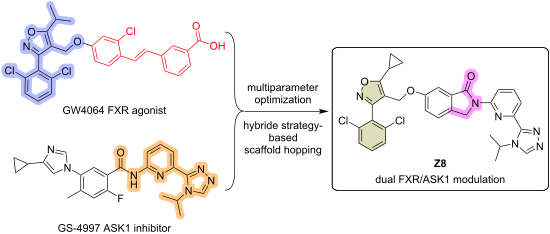
- comprehensive multiparameter optimization, compound Z8 emerged as a lead FXR/ASK1 dual modulator, demonstrating suitable liver microsome stability and high target selectivity. Collectively, compound Z8 holds great promise for the treatment of MASH. FXR agonist activity of all compounds. Results of the dual


Harnessing light energy with molecules
Beilstein J. Org. Chem. 2026, 22, 680–682, doi:10.3762/bjoc.22.52
- approaches of optimization with regard to their light harnessing efficiency, energy storage capacity, and storage time. Structural modifications and studies of the norbornadiene/quadricyclane (NBD/QC) photo-/thermoswitch couple are covered in several articles. In a publication by Kerzig, Ihmels, and co
Photoorganocatalytic trifluoromethylation of (het)arenes in green conditions
Beilstein J. Org. Chem. 2026, 22, 662–671, doi:10.3762/bjoc.22.50
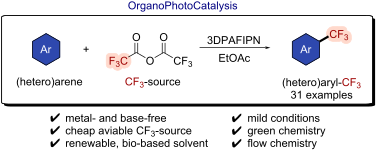
- solvent. Results and Discussion To identify reaction conditions consistent with the principles of green chemistry, we carried out an optimization study using different organic photocatalysts and solvents. The reactions were performed under an argon atmosphere in anhydrous solvents, employing 1,3,5
- improved outcome, delivering the product in 41% yield at only 1 mol % catalyst loading (Table 1, entry 3). On this basis, subsequent optimization was performed using 3DPAFIPN as the photocatalyst. Metal-containing catalysts were not used due to their lower environmental compatibility; moreover, they are
- at 25 °C) [30]. These results established EtOAc as the most suitable solvent for the transformation. The effect of reaction time was also evaluated. Variation from 1 h to 12 h (Table 1, entry 8) demonstrated that 6 h (Table 1, entry 5) is optimal for achieving the highest yield. Optimization of the


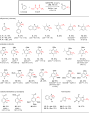


Advantages of PROTACs in achieving selective degradation of homologous protein families
Beilstein J. Org. Chem. 2026, 22, 628–661, doi:10.3762/bjoc.22.49
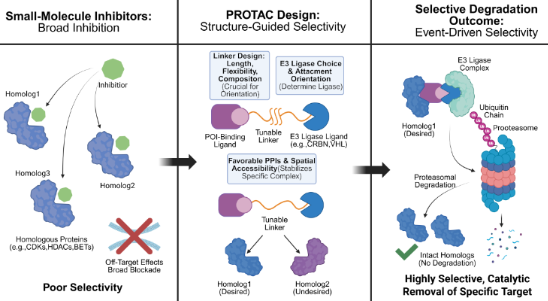
- optimization often prioritizes the linker fragment, as its length and composition are critical determinants of target selectivity [39]. Recent evidence underscores the pivotal role of the linker in promoting the assembly of "positive cooperative" ternary complexes [40], wherein the linker participates in
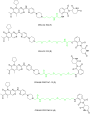
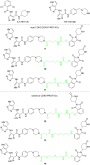
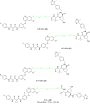
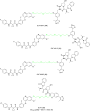
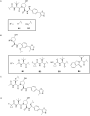
- the VH032 ligand. Through systematic optimization of linker lengths, it was found that the molecule achieved optimal activity when the linker a consisted of six methylene groups and linker b consisted of three methylene groups. The resulting products 37 exhibited DC50 values of 7.7 nM and 5.0 nM for









Hydrogen production from formic acid catalyzed by NHC–Cu complexes
Beilstein J. Org. Chem. 2026, 22, 620–627, doi:10.3762/bjoc.22.48
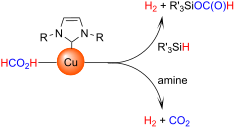
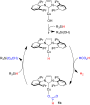
- labeling experiments. Proposed catalytic cycle for the NHC–Cu-catalyzed FA dehydrogenation. Dehydrogenative coupling of phenylsilane. Catalyst optimization.a Optimization of the amine.a Influence of the size of the amine on the dehydrogenation of FA/amine mixtures. Supporting Information Supporting



Computational prediction of C–H hydricities and their use in predicting the regioselectivity of electron-rich C–H functionalisation reactions
Beilstein J. Org. Chem. 2026, 22, 603–610, doi:10.3762/bjoc.22.46
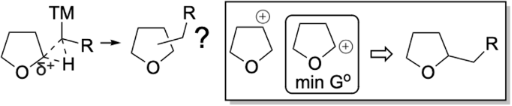
- optimization in dimethyl sulfoxide (DMSO, ε = 47.2) using the GFN-FF-xTB [13] force field and the analytical linearised Poisson–Boltzmann (ALPB) [14] as the implicit solvation model. We then remove conformers with relative energies above 3 kcal/mol and select unique conformers by taking the centroids of a
- solvation model. We then conduct re-optimization in ORCA (v.5.0.4) [17][18], using the composite electronic structure method r2SCAN-3c [19] and the conductor-like polarizable continuum model (CPCM) [20] as the implicit solvation model. r2SCAN-3c is chosen as the optimal functional based on a benchmark study
- that evaluates the accuracy of different levels of theory, ranging from semiempirical methods (xTB [16]), composite electronic structure methods (r2SCAN-3c [19]) to DFT methods (M06-2X[21], CAM-B3LYP [22][23]). All methods are evaluated either as single-point calculations or optimization and frequency


![[Graphic 6]](/bjoc/content/inline/1860-5397-22-46-i8.svg?max-width=637&scale=1.18182)


Regioselective approach to 5-arylsulfonylisoxazoles and their antimicrobial activity
Beilstein J. Org. Chem. 2026, 22, 592–602, doi:10.3762/bjoc.22.45
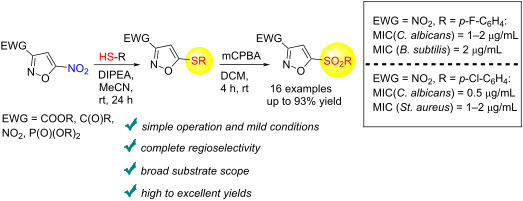
- inhibited DNA Topo IV decatenation activity. Reactions for preparing 5-sulfonylisoxazoles. Scope of 5-nitroisoxazoles 1a–g in the reaction with thiophenols. Scope of 5-thioisoxazoles 2a-p in the reaction with mCPBA. Oxidation of 5-thioisoxazoles into 5-sulfinylisoxazoles. Optimization of oxidizing


Kinetic resolution of racemic planar-chiral vinylcymantrenes by molybdenum-catalyzed asymmetric metathesis dimerization
Beilstein J. Org. Chem. 2026, 22, 568–574, doi:10.3762/bjoc.22.42
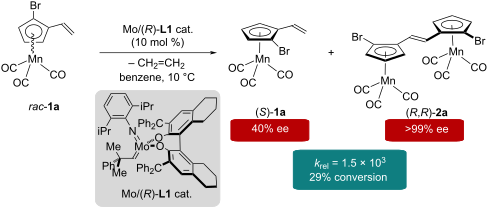
- examined in the AMD/KR studies, and the results are summarized in Table 1. At the outset, the optimization of the reaction conditions, including a proper choice of chiral molybdenum-alkylidene precatalysts, was examined using rac-1a as a prototypical substrate. The AMD/KR reactions were conducted in


Experimental and DFT studies on the regioselective methanolysis of 5-azido-9-oxabicyclo[6.1.0]nonan-4-yl 4-nitrobenzoate isomers
Beilstein J. Org. Chem. 2026, 22, 547–556, doi:10.3762/bjoc.22.40
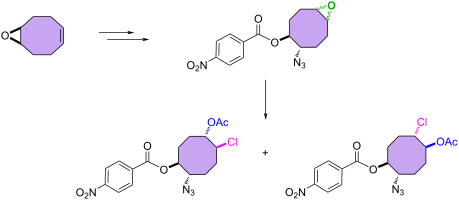
- ++(d,p) [29][30][31], and SMD [32] model (methanol (ε = 32.613)) were employed. Initial geometries were pre-optimized using MM2 (ChemDraw 3D) prior to DFT optimization to account for conformational flexibility. The 3D molecular structures were visualized using the open-source software cheMVP.exe. DFT


Get a better glimpse on sequential photoreactions of trisnorbornadienes with 19F NMR spectroscopy
Beilstein J. Org. Chem. 2026, 22, 527–534, doi:10.3762/bjoc.22.38
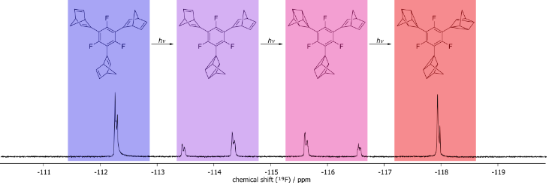
- 19F NMR spectroscopy, further structural optimization is necessary for application purposes. Experimental Synthesis 1,3,5-Tris(bicyclo[2.2.1]hepta-2,5-dien-2-yl)-2,4,6-trifluorobenzene (1f) A mixture of 1,3,5-tribromo-2,4,6-trifluorobenzene (212 mg, 575 µmol), 4,4,5,5-tetramethyl-2-(bicyclo[2.2.1


Modern synthetic pathways towards eribulin and its subunits
Beilstein J. Org. Chem. 2026, 22, 495–526, doi:10.3762/bjoc.22.37
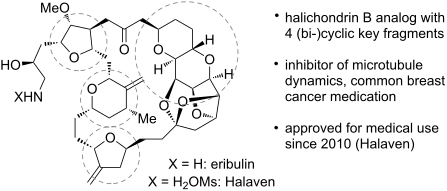
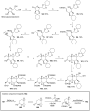
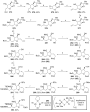
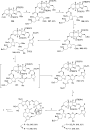
- aldehyde 200. Another optimization was achieved during the formation of the central ketal motif of 186 (Scheme 22). Here, the diastereomeric mixture of 183 (see Scheme 19) was exposed to light-mediated DDQ-oxidation within a continuous flow setup, which yielded epimers (R)-184 and (S)-184. This mixture was








A facile and practical method for the synthesis of trans-(±)-taxifolin and its derivatives via Darzens reaction
Beilstein J. Org. Chem. 2026, 22, 443–450, doi:10.3762/bjoc.22.31
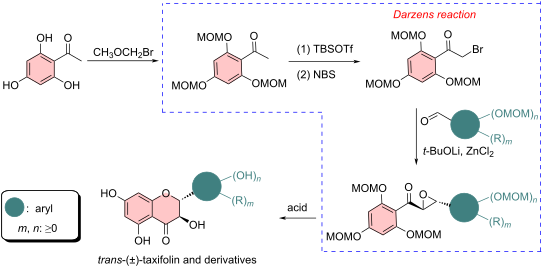
- synthesis of trans-(±)-taxifolin, some representative derivatives, such as (±)-TD-1, (±)-TD-2, (±)-TD-3, (±)-TD-4 (Scheme 3), could also be synthesized readily by this method, highlighting the potential applicability of this method to structural optimization of the taxifolin skeleton. It is worth noting
- developed in this work. Yields are isolated yields; asynthesis on 10 gram scale; bsynthesis on 1 gram scale. Reaction conditions optimization for the Darzens reaction of 2 with 3a.a Acid screening for the deprotection and cyclization of (±)-4a to trans-(±)-taxifolin.a Supporting Information Supporting


Dialkylaminoalkylation of β-ketosulfones via ring-opening of 3-sulfonylpyrrolidines
Beilstein J. Org. Chem. 2026, 22, 383–389, doi:10.3762/bjoc.22.26
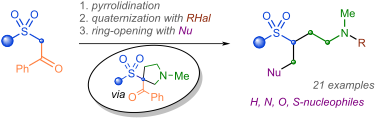
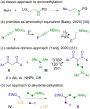
- optimization of the reaction conditions.a Supporting Information Supporting Information File 12: Experimental section, characterization data and copies of spectra. Funding This work was financially supported by the Russian Science Foundation (Grant 22-73-10008-П).




Electrosynthetic access to unsymmetrical oxaza[8]helicenes with high chiral stability and strong circularly polarized luminescence (CPL)
Beilstein J. Org. Chem. 2026, 22, 372–382, doi:10.3762/bjoc.22.25
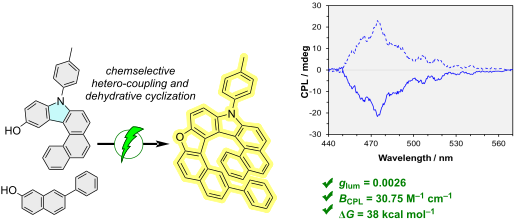
- -bromophenanthrene (1) via Buchwald–Hartwig amination with p-toluidine under Pd catalysis [55] – was subjected to phosphoric acid-mediated annulation with p-benzoquinone to give the hydroxycarbazole derivative 3 through a tandem Michael addition/ring-closure sequence. After rapid optimization of key parameters (see
- insight into the electronic transitions, we performed time-dependent DFT (TD-DFT) calculations for all oxaza[7]helicenes 6 and oxaza[8]helicenes 5 after geometry optimization at the S1 minimum (see Supporting Information File 1 and Supporting Information File 2) [62][63]. The convergence of these