


Search results
Search for "scaffold" in Full Text gives 711 result(s) in Beilstein Journal of Organic Chemistry. Showing first 200.
Triazole-based hybrid molecules in anticancer drug discovery: structural classes and mechanistic insights, 2014–2025
Beilstein J. Org. Chem. 2026, 22, 1168–1195, doi:10.3762/bjoc.22.94
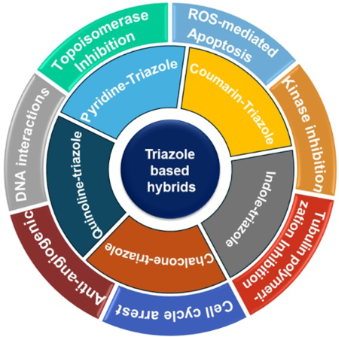
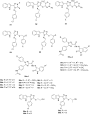
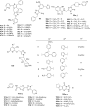
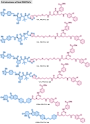
- have high affinity towards these heterocycles make them highly promising in medical research [26][27]. The 1,2,3-triazole scaffold has been strategically incorporated into several potential anticancer agents including cefatrizine (10), 1,2,3-triazole-dithiocarbamate 11, and carboxyamidotriazole 12
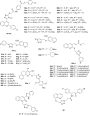
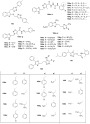
- (IC50 = 0.052 µM) along with potent c-MET inhibitory activity (IC50 = 4.90 nM). These results highlight the promise of this scaffold as a potential dual kinase-targeted therapeutic agent. The indole–chalcone hybrid derivative functionalized with an N-substituted 1,2,3-triazole unit (46, Figure 10
- major drug-likeness criteria, highlighting its promise as a selective EGFR-targeting anticancer agent [74]. The N-phenylacetamide derivatives incorporating an indole-1,2,4-triazole scaffold 48a–f (Figure 10) were evaluated for cytotoxicity using doxorubicin and ellipticine as reference drugs. Compounds






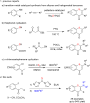
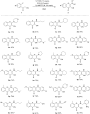
A cascade synthesis of 2-aminothiochromones from 2-fluorophenyl ketone and thiocarbonyldiimidazole
Beilstein J. Org. Chem. 2026, 22, 1151–1159, doi:10.3762/bjoc.22.92
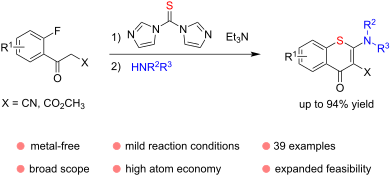
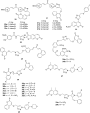
- (TCDI) acted as a key precursor in the construction of a sulfur-containing scaffold from 2-fluorophenyl ketone. Subsequent conjugated addition–elimination resulted in the corresponding 2-aminothiochromones under mild conditions. This simple protocol tolerates a broad range of functional groups and
- considerable interest [14]. This has spurred the development of synthetic approaches and driven sustained investigations into their synthesis over recent decades. Despite the structural similarity of the sulfur-containing thiochromone scaffold to the extensively developed chromones, synthetic methods for
- bioactivity. In 2018, we reported a strategy for the construction of the 2-aminothiochromone scaffold with the aim of identifying antitubercular agents [27]. This approach involved the reaction of o-chloroacetophenone bearing an electron-withdrawing group with carbon disulfide to furnish the core scaffold



Rhodopyran, a carboxylated hexahydrocyclopenta[b]pyran from Rhodococcus
Beilstein J. Org. Chem. 2026, 22, 1107–1113, doi:10.3762/bjoc.22.89
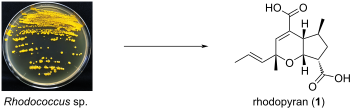
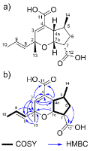
- distinctive carboxylated hexahydrocyclopenta[b]pyran isolated from Rhodococcus sp. RD066637. Its planar structure and relative configuration were established by HRMS and detailed NMR analysis, whereas the absolute configuration remains unassigned. This bicyclic scaffold expands the structural diversity of


Synthesis of functionalized, 13-alkyl-substituted coralyne derivatives and investigation of their interactions with duplex and abasic site-containing DNA
Beilstein J. Org. Chem. 2026, 22, 1057–1066, doi:10.3762/bjoc.22.84
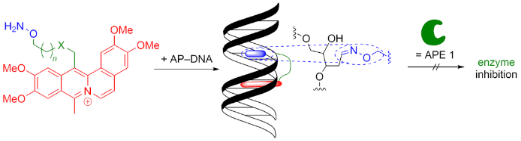
- derivative with an alkoxyamine-functionalized linker attached at position C13. Firstly, it was demonstrated with a resembling model compound that the alkylation of the coralyne scaffold does not influence the DNA-binding properties. Furthermore, it was shown that the alkoxyamine function can be readily
- DNA damage upon irradiation [30][31][32][33][34]. And this feature that can be utilized in photodynamic therapy (PDT) [35]. To further explore the high propensity of coralyne to bind to DNA and to induce DNA photodamage, we aimed at the further functionalization of this scaffold with additional DNA
- . Complementary, it was shown with a resembling model compound, 2e, that the alkylation of the coralyne scaffold does not influence the DNA-binding properties. Finally, biological tests unambiguously indicated that the alkoxyamine-functionalized coralyne derivative 2g can act as a targeted AP-site ligand and


Synthesis of novel 1,2,4-oxadiazole-isoxazoline hybrids and their in silico potential with adenosine receptors
Beilstein J. Org. Chem. 2026, 22, 1033–1047, doi:10.3762/bjoc.22.82
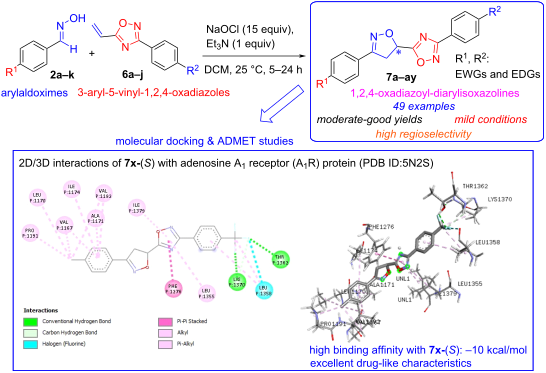
- ][9][10][11][12][13]. A notable therapeutic application is found in Ataluren®, a drug for for the treatment of Duchenne Muscular Dystrophy (DMD), which features a 1,2,4-oxadiazole scaffold [14] (Figure 1). In addition to oxadiazoles, numerous five-membered O,N-containing heterocycles have been


Semisynthesis, characterisation, and antibacterial evaluation of a novel lecanoric acid-derived amide library
Beilstein J. Org. Chem. 2026, 22, 1023–1032, doi:10.3762/bjoc.22.81
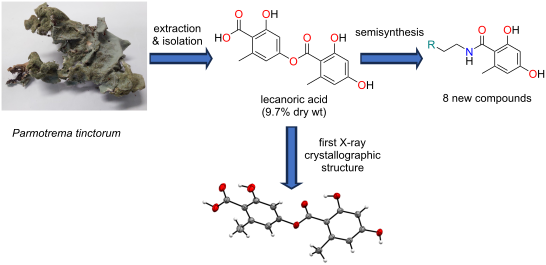
- identified as a scaffold of interest for the generation of a unique semisynthetic biodiscovery screening library. Large-scale extraction and isolation on the Australian-sourced lichen Parmotrema tinctorum resulted in the purification of ≈1 g of the desired scaffold 1, along with other known lichen
- metabolites that included divaricatic acid (2), orcinol (3), orsellinic acid (4), and methyl orsellinate (5). Parallel solution-phase synthesis using amidation chemistry on the abundant scaffold 1 afforded a series of novel amide derivatives 6–13 in high purity (>95%) and low to moderate yields (12–53%). All
- [15], and antioxidant [16] properties of this compound, albeit with low to moderate bioactivity observed. Nevertheless, we considered this compound a desirable chemical scaffold for semisynthetic studies due to its high natural abundance in the lichen species and the compound’s phenolic, ester, and


Synthesis and optical resolution of 4,5-diaminohomoadamantane: a promising scaffold for chiral ligands and bioactive compounds
Beilstein J. Org. Chem. 2026, 22, 1013–1022, doi:10.3762/bjoc.22.80
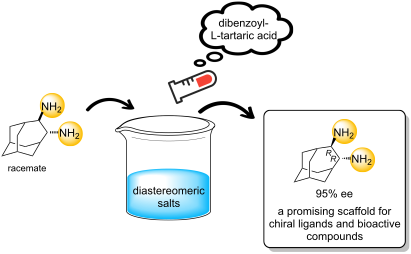
- may serve as a novel scaffold for bioactive compounds. Herein, we report a synthetic approach to this previously inaccessible chiral scaffold. 4,5-Diaminohomoadamantane was prepared as a mixture of cis- and trans-isomers by reduction of the corresponding vicinal azidoxime with LiAlH4. In contrast, the
- route for the synthesis of trans-4,5-diaminohomoadamantane and its subsequent optical resolution has been proposed. This compound is a valuable chiral scaffold for the construction of bioactive molecules and chiral ligands. In this work, chiral imine and amine ligands based on trans-4,5


The role of spacer length and flexibility in peptide self-assembly
Beilstein J. Org. Chem. 2026, 22, 986–996, doi:10.3762/bjoc.22.77
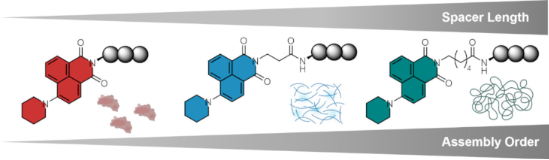
- amphiphiles at lower concentrations, where ordered nanostructures form without macroscopic gelation, is important in elucidating the molecular principles of self-assembly. To address this gap, we designed a series of peptide amphiphiles with systematically varied spacer lengths. The peptide scaffold consists


Novel macrocycles: from synthesis to supramolecular function
Beilstein J. Org. Chem. 2026, 22, 982–985, doi:10.3762/bjoc.22.76
- amphiphilic calixarene scaffold bearing long alkyl chains, the authors obtained a derivative that spontaneously self-assembles into stable nanoscale aggregates in water. Biological studies revealed a potent antiproliferative effect against human renal carcinoma cells, with limited toxicity toward healthy
- binding affinity and selectivity that depended on the presence of Lys121. Structural investigations revealed an unexpected binding mode in which, in addition to the peptide-mediated recognition of the BIR domain, the tweezer scaffold established supplementary interactions with the protein surface. These
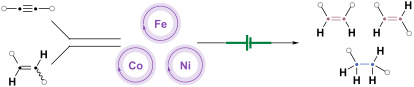
Electrochemical reduction of unsaturated carbon–carbon bonds via 3d transition-metal catalysis
Beilstein J. Org. Chem. 2026, 22, 955–981, doi:10.3762/bjoc.22.75
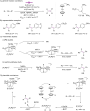
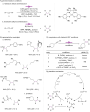
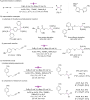
- H2 equivalent on a dihydrazonopyrrole (DHP) scaffold (Scheme 11A) [123][124]. The DHP–Ni system exhibits pronounced chemoselectivity for terminal alkynes while efficiently discriminating against their internal counterparts while the catalytic manifold can also be extended to internal alkynes under








Synthesis of sterically shielded piperidine nitroxides via acid-catalyzed heterocyclization of β-aminoketone derivatives with ketones
Beilstein J. Org. Chem. 2026, 22, 948–954, doi:10.3762/bjoc.22.74
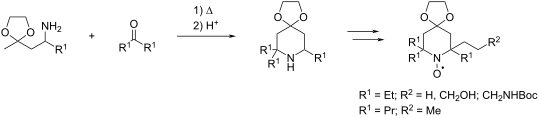
- in materials science and structural biology. The new heterocyclization strategy implies the construction of a 2,2,6-trisubstituted piperidine scaffold from β-aminoketone acetals and dialkyl ketones under acid catalysis. The resulting amines were oxidized to the corresponding ketonitrones and


Synthesis and structural elucidation of a novel bis-spirooxindole from isatin and ethylenediamine
Beilstein J. Org. Chem. 2026, 22, 813–820, doi:10.3762/bjoc.22.63

- :1 isatin-to-diamine ratio provides the diiminoisatin, whereas a 1:2 ratio leads to the formation of a highly symmetric bis-spirooxindole scaffold. The new spirocyclic product was fully characterized by HRMS, IR and extensive 1D/2D NMR analysis, and its structure was unequivocally established by
- approaches [2][3][4][5]. In this context, comprehensive medicinal chemistry studies consistently highlight the prominence of isatin-derived frameworks among bioactive and anticancer agents [6]. The remarkable reactivity of the isatin scaffold arises from its dual functionality, combining an electrophilic C-3


Halogenated azobenzene acrylates: from efficient solution photoswitching to stable solid-state photochromic materials
Beilstein J. Org. Chem. 2026, 22, 782–794, doi:10.3762/bjoc.22.60
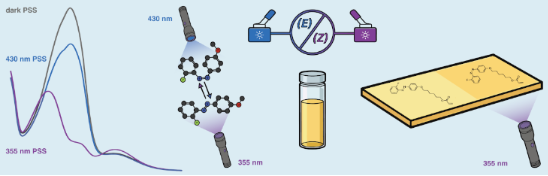
- transition occurs upon cooling. This implies that the tendency to crystallize is clearly controlled by the type of the corresponding halide atom(s). When a very small fluorine atom is attached, the planar azobenzene scaffold is most likely to π-stack very efficiently, which is a significant promoter of the


Design, synthesis, and biological evaluation of FXR/ASK1 dual-target modulators
Beilstein J. Org. Chem. 2026, 22, 771–781, doi:10.3762/bjoc.22.59
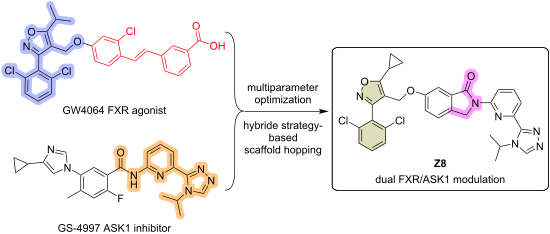
- -aliphatically substituted 4H-1,2,4-triazolopyridine biaryl scaffold of selonsertib [31][39][40], as key pharmacophores. In the co-crystal structure of hFXR-LBD with GW4064 [41], the isoxazole core coordinates the π-cation interaction between His 447 and Trp 469; the 5-isopropyl group is embedded into a


Preparation of 3-(alkylamino)imidazo[1,2-a]pyridine-2-carbaldehydes via Kornblum oxidation and unexpected ring-opening reactions of the corresponding alcohols under oxidative conditions
Beilstein J. Org. Chem. 2026, 22, 763–770, doi:10.3762/bjoc.22.58
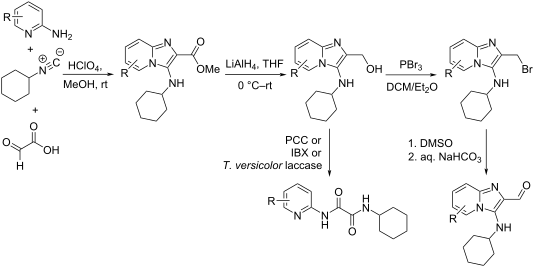
- ; Kornblum oxidation; oxidative ring-opening; reductive amination; Introduction Imidazo[1,2-a]pyridines display a wide range of different biological activities, and this scaffold has come to be regarded as being biologically privileged [1]. Compounds containing the imidazo[1,2-a]pyridine core have been


Synthesis of heterocycles based on azomethine ylides from α-amino acids (or amines) and carbonyl compounds
Beilstein J. Org. Chem. 2026, 22, 705–741, doi:10.3762/bjoc.22.55
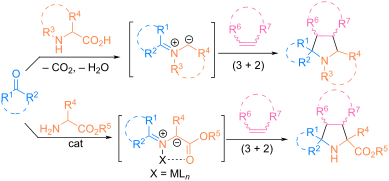
- ] scaffold [106]. In [90][107][108], Kumar and co-workers developed a regio- and stereoselective method for the synthesis of dispirooxindole-pyrrolidine derivatives 164–166 based on (3 + 2) cycloaddition reactions involving azomethine ylides based on isatin and exo-cyclic alkenes (Scheme 54). In these


Anti-invasive and cytotoxic evaluation of a (+)-pinoresinol-based semisynthetic library against glioblastoma
Beilstein J. Org. Chem. 2026, 22, 691–704, doi:10.3762/bjoc.22.54
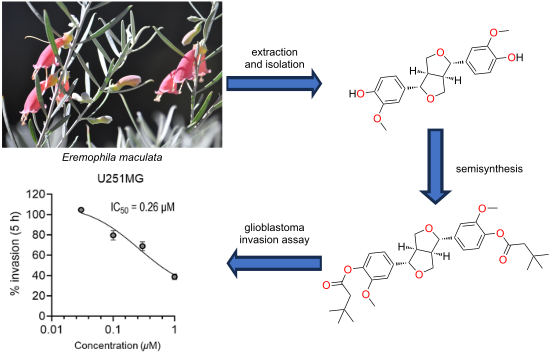
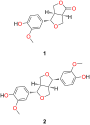
- uniquely abundant plant part afforded two known phytochemicals, (+)-salicifoliol (1) [15][16] and (+)-pinoresinol (2) [17]. The abundant natural product 2 was used as a chemical scaffold for semisynthetic studies. At the same time, all derivatives were fully characterized utilizing spectroscopic and



Using generative AI to transform peptide hits into small molecule leads
Beilstein J. Org. Chem. 2026, 22, 672–679, doi:10.3762/bjoc.22.51
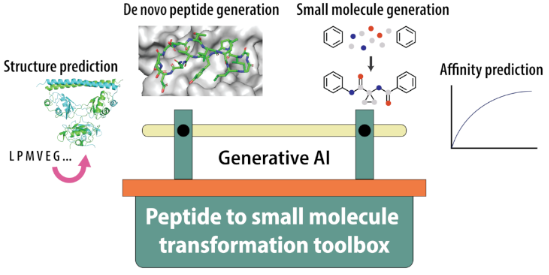
- peptide to identify spatially aligned structures. Once a scaffold is selected, a transformer model converts the three-dimensional scaffolds into complete chemical structures by decorating the backbone with heteroatoms and unsaturated bonds. The resulting small molecules are designed to be synthetically
- AI), generative models can be used to design de novo peptide binders. Upon identifying the minimal peptide pharmacophore, fragment-linking diffusion-based models can be used to recapitulate key binding features on a novel molecular scaffold. Subsequently, machine learning models can assist in


Towards the targeted protein degradation of CK2: design and synthesis of CAM4066-based PROTACs
Beilstein J. Org. Chem. 2026, 22, 611–619, doi:10.3762/bjoc.22.47
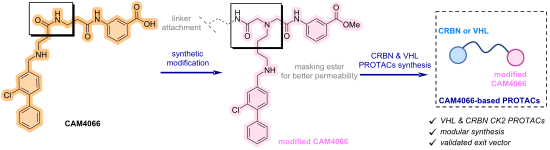
- problems [6]. The ATP-site binder and αD-site binder fragments were prepared using literature procedures from the original development of 1. The modified linking portion containing the new secondary amine was incorporated into the general assembly 2 to afford a CAM4066-derived scaffold suitable for PROTAC
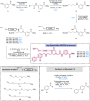
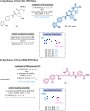
- PROTAC precursors 17–20 in moderate to good yields (35–49%; Scheme 1). Before progressing to full PROTACs, it was essential to confirm that the modified CAM4066 scaffold tolerated linker installation. For this, the methyl ester of the key ligand–linker precursor 17 was hydrolysed using aqueous LiOH to
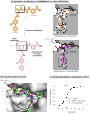
- -crystal structures, confirming that the exit vector and linker trajectory were well tolerated. These data established a robust foundation for the subsequent development of PROTACs. Using this scaffold, we successfully synthesised a set of PROTAC precursors and completed six full degraders recruiting

Get a better glimpse on sequential photoreactions of trisnorbornadienes with 19F NMR spectroscopy
Beilstein J. Org. Chem. 2026, 22, 527–534, doi:10.3762/bjoc.22.38
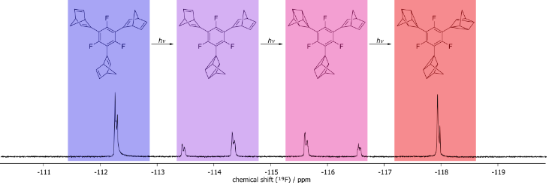
- exemplarily with a trifluorinated trisnorbornadienylbenzene that 19F NMR spectroscopy may be applied as a useful complementary method for the investigation of sequential photoreactions. The trisnorbornadiene core structure was used as it figures as promising scaffold for molecular solar thermal (MOST) energy


Synthesis and uranyl(VI) extraction performance of a calix[4]pyrrole–tetrahydroxamic acid receptor
Beilstein J. Org. Chem. 2026, 22, 486–494, doi:10.3762/bjoc.22.36
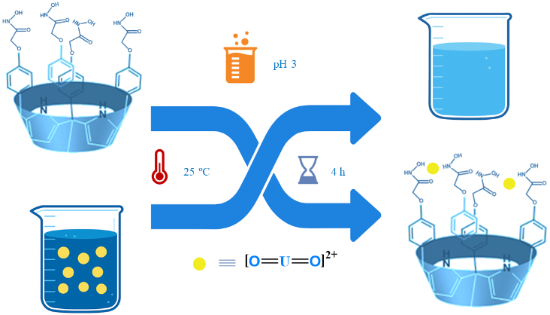
- extractants. Here, we report the design and synthesis of PCP HA, a phenoxycalix[4]pyrrole scaffold functionalized with four hydroxamic acid (HA) groups, and evaluate its uranium(VI) extraction potential. PCP HA was synthesized from its ester precursor (PCP E) via hydroxyaminolysis using KOH, achieving a 95
- scaffold functionalized with four hydroxamic acid groups, and demonstrated its uranyl extraction potential. Solid–liquid extraction studies showed that it removes up to 95% of uranyl at pH 3. Subsequent investigation at pH 4 revealed that a 7:1 ligand-to-metal molar ratio is sufficient to achieve near


Recent advances in the stereoselective synthesis of distal biaxially chiral molecules
Beilstein J. Org. Chem. 2026, 22, 461–479, doi:10.3762/bjoc.22.34
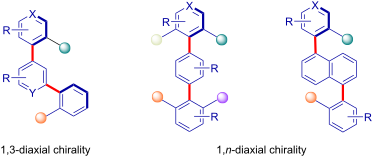
- conjugated 1,3-diene scaffold though a Pd(II)-catalyzed strategy involving a thioether-directed alkenyl C–H olefination (Scheme 21) [60]. Pleasingly, the strategy also enabled the synthesis of stereoisomers having two stereogenic axes with high enantioselectivity. The axially chiral styrenes produced in this


Structural reassignment of compound 968, an allosteric glutaminase inhibitor
Beilstein J. Org. Chem. 2026, 22, 455–460, doi:10.3762/bjoc.22.33
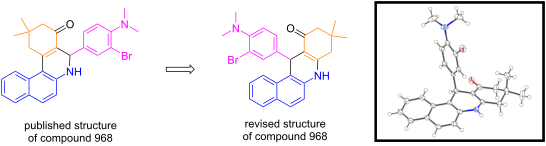
- and stabilizes a catalytically inactive form of the enzyme [11][12]. The BPTES scaffold has undergone significant medicinal chemistry development resulting in CB-839/telaglenastat, which is being evaluated in clinical trials in combination with other anticancer agents [13]. Compound 968 is a third
- found to suppress the growth of a luminal breast cancer cell line that expresses GLS2 and is insensitive to GLS1-specific inhibitors such as BPTES and CB-839 [22]. After initiating a project to synthesize derivatives of compound 968, we searched the literature for synthetic routes towards its scaffold
- or benzo[c]acridine 2. Clarifying this issue would benefit the community of cancer biologists who use compound 968, enable medicinal chemistry around the compound 968 scaffold, as well as correct the structure displayed by vendors of this compound. Results and Discussion To determine whether the


Synthesis and anti-cancer activity of naphthalimide–organylselanyl conjugates
Beilstein J. Org. Chem. 2026, 22, 416–435, doi:10.3762/bjoc.22.29
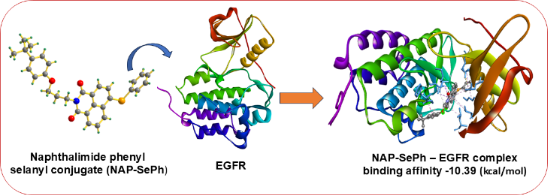
- Discussion Chemistry Scheme 1 illustrates the synthesis of naphthalimide-organylselanyl conjugates 7 and 8. The incorporation of the organoselenide moiety into the naphthalimide scaffold was achieved via a nucleophilic substitution reaction. The bromine atom in the bromonaphthalimide precursor 12, prepared


Design, synthesis and biological evaluation of 2,5-diaryloxazolo[4,5-d]pyrimidin-7-ylamines as selective cytotoxic agents against HeLa cells
Beilstein J. Org. Chem. 2026, 22, 390–398, doi:10.3762/bjoc.22.27

- regulation of the cell life cycle [8]. On the contrary, oxazolo[4,5-d]pyrimidines represent a poorly studied class of compounds because of limited access to this scaffold [9]. An in silico study showed that both isomeric forms of oxazolopyrimidines can form stable complexes due to hydrogen bonds between a





