Search results
Search for "ester" in Full Text gives 1547 result(s) in Beilstein Journal of Organic Chemistry. Showing first 200.
Supramolecular assembly of hypervalent iodine macrocycles and alkali metals
Beilstein J. Org. Chem. 2025, 21, 1095–1103, doi:10.3762/bjoc.21.87
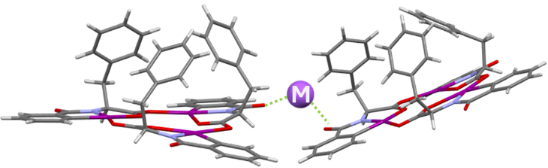
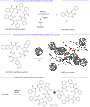
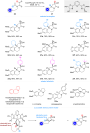
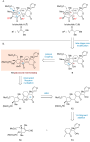
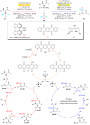
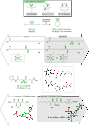
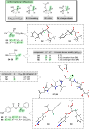
- conformation II projected only two vertically. One benzyl ring is pointed outside as highlighted by * (top). Oxygen, nitrogen, and iodine atoms are denoted by red, light blue, and purple color, respectively. A) Chemical structure of HIM 1: Three iodine atoms and three inward projected ester carbonyls



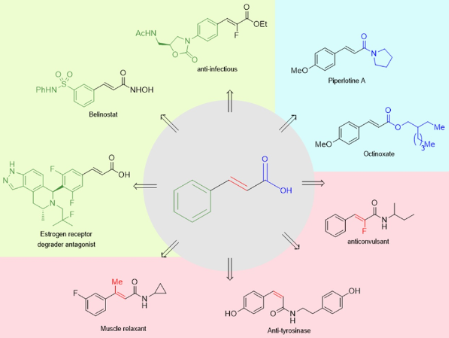
Recent advances in synthetic approaches for bioactive cinnamic acid derivatives
Beilstein J. Org. Chem. 2025, 21, 1031–1086, doi:10.3762/bjoc.21.85
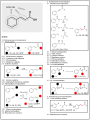
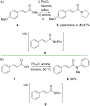
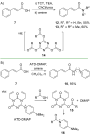
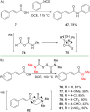
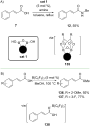
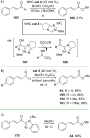
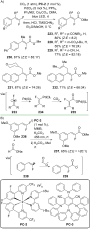
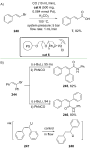
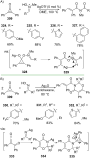
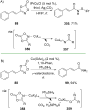
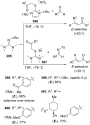
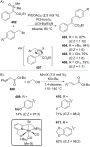
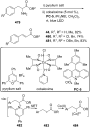
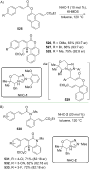
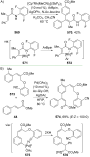
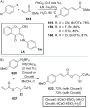
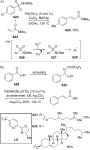
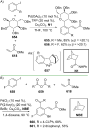
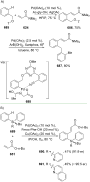
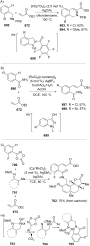
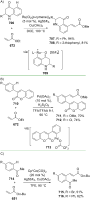
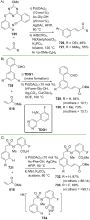
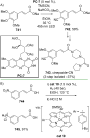
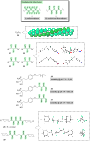
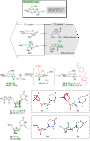
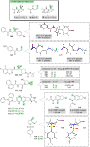
- cinnamic acid (7) in a deep eutectic solvent of choline chloride/urea (ChCl/urea) to give amides 12 and 13 in moderate yields via triacylated triazine 14 as the active ester (Scheme 5A) [36]. The TCT reagent and ChCl/urea solvent are known for their non-toxicity and low cost, promoting their wide
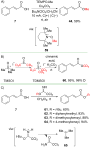
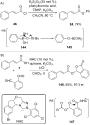
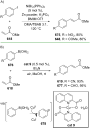
- the electrophilic triazinedione, releasing DMAP to give ester 15 which reacts with DMAP to afford the active N-acylpyridinium species 16. In addition, N-(3-dimethylaminopropyl)-N’-ethylcarbodiimide hydrochloride (EDC·HCl), a common coupling reagent, has been applied for a continuous flow
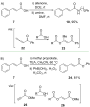
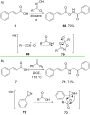
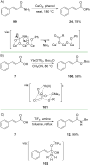
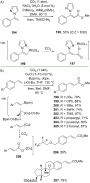
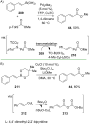
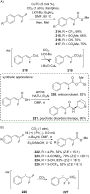
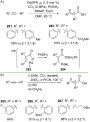
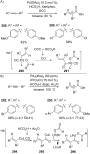
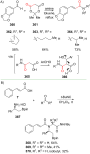
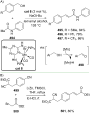
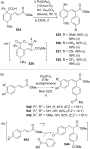
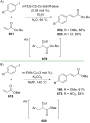
- amidation in 5 min reaction time via the formation of the isolable enol ester intermediate 23 (Scheme 8A). Similarly, Feng and co-workers (2019) studied one-pot two-step esterification of cinnamic acid (7) by applying electrophilic sp carbon center of methyl propiolate (25) as the coupling reagent via in










































Pd-Catalyzed asymmetric allylic amination with isatin using a P,olefin-type chiral ligand with C–N bond axial chirality
Beilstein J. Org. Chem. 2025, 21, 1018–1023, doi:10.3762/bjoc.21.83
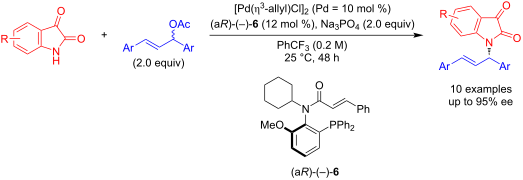
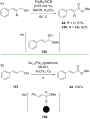
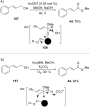
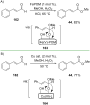
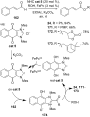
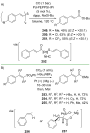
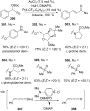
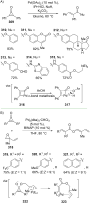
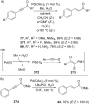
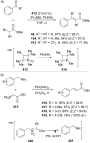
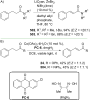
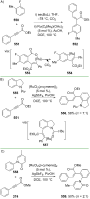
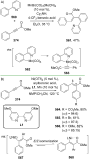
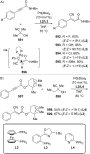
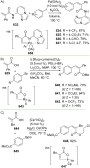
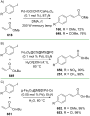
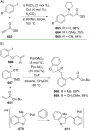
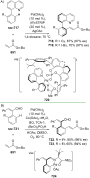
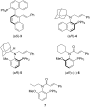
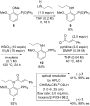
- proceeded when DMF was used (Table 1, entry 11). The reaction in PhCF3 afforded the target product in a good yield with the highest enantioselectivity compared to other solvents (Table 1, entry 12). Furthermore, when (E)-1,3-diphenyl-2-propenyl pivalate (14) was tested as the allyl ester, the desired




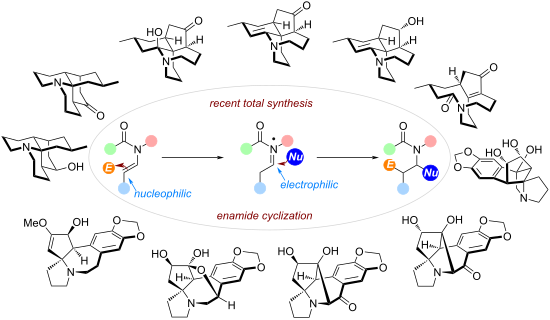
Recent total synthesis of natural products leveraging a strategy of enamide cyclization
Beilstein J. Org. Chem. 2025, 21, 999–1009, doi:10.3762/bjoc.21.81
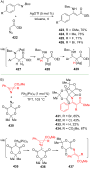
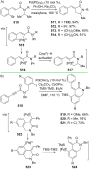
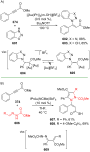
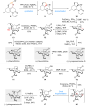
- annulation and applied it in the divergent total synthesis of Cephalotaxus alkaloids (Scheme 3) [22], including cephalotaxine whose ester, homoharringtonine, has been listed as an approved FDA drug for the treatment of chronic myeloid leukemia [23]. In their elegant study, an Au-catalyzed [2 + 3] annulation
- was utilized to transform enamine 18 and propargyl ester 19 into 1-azaspiro[4.4]nonane 20 with high diastereoselectivity. Notably, the combination of an N-heterocyclic carbene gold catalyst and a silver salt AgSbF6 was found to be essential in guaranteeing the reactivity of the alkyne partner





Studies on the syntheses of β-carboline alkaloids brevicarine and brevicolline
Beilstein J. Org. Chem. 2025, 21, 955–963, doi:10.3762/bjoc.21.79
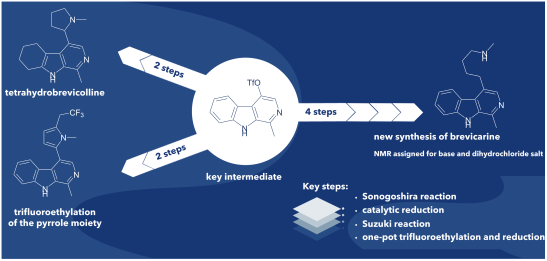
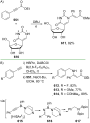
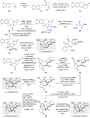
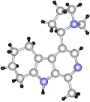
- ester 29 gave pyrrolo-β-carboline 30 in excellent yield (Scheme 7). Our attempts for the selective saturation of the pyrrole ring of 30 by catalytic reduction were unsuccessful. When the hydrogenation was carried out under mild conditions (ambient temperature, 15 bar H2) in the presence of PtO2.H2O


A convergent synthetic approach to the tetracyclic core framework of khayanolide-type limonoids
Beilstein J. Org. Chem. 2025, 21, 926–934, doi:10.3762/bjoc.21.75
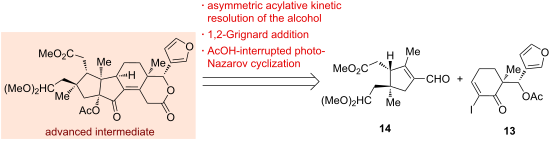
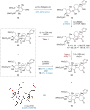
- followed by interception of the lithium enolate with PhNTf2 to give enol triflate 25 in 59% overall yield. The following palladium-catalyzed methoxycarbonylation produced methyl ester 26 in a satisfactory yield of 84%. TIPS-protected allylic alcohol 28 was selected as the appropriate precursor for the α,β




Recent advances in controllable/divergent synthesis
Beilstein J. Org. Chem. 2025, 21, 890–914, doi:10.3762/bjoc.21.73
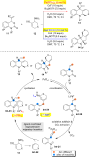
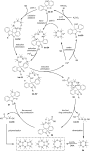
- hydrogen atom transfer (HAT)/chiral copper dual catalytic system that achieved regiodivergent and enantioselective C(sp3)–C(sp3) and C(sp3)–N oxidative cross-couplings between N-arylglycine ester/amide derivatives and abundant hydrocarbon C(sp3)–H feedstocks (Scheme 6) [24]. This methodology also
- represents a highly challenging direct C(sp3)–H asymmetric amination. Mechanistic insights: When using a bulky, electron-rich chiral bisphosphine ligand L6, the glycine ester substrate coordinates with the copper catalyst to form a key intermediate complex Int-26. The sterically hindered and electron-rich
- the anionic cyano-substituted bisoxazoline ligand L7, the glycine ester and copper catalyst form a distinct intermediate complex Int-28. The ligand’s reduced steric bulk and altered electronic properties facilitate direct interaction with alkyl radicals, forming a high-valent Cu(III) intermediate Int







Cu–Bpin-mediated dimerization of 4,4-dichloro-2-butenoic acid derivatives enables the synthesis of densely functionalized cyclopropanes
Beilstein J. Org. Chem. 2025, 21, 877–883, doi:10.3762/bjoc.21.71
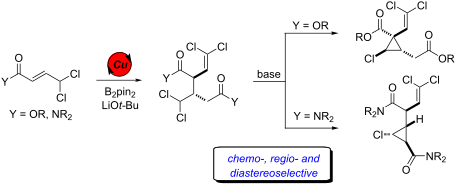
- bearing aromatic and aliphatic substituents efficiently provided the allylboration product (Scheme 1a), the use of ester derivative 1 under same reaction conditions led to the formation of an unexpected product arising from the coupling of two dichloride molecules with no alkyne incorporation (Scheme 1b
- ). We have studied this reaction and now report a catalytic methodology for the diastereoselective synthesis of these dimeric structures. The high degree of functionalization present in these molecules, which feature two ester groups, an aliphatic gem-dichloride and a dichloroalkene unit, offers ample
- the copper–boron bond into 1. The dual functionality of this substrate imposed a question related to the regioselectivity of the Cu–Bpin insertion since it can potentially behave as an α,β-unsaturated ester or an allylic substrate [16][17][18][19]. To shed some light into this issue, we ran the


Light-enabled intramolecular [2 + 2] cycloaddition via photoactivation of simple alkenylboronic esters
Beilstein J. Org. Chem. 2025, 21, 854–863, doi:10.3762/bjoc.21.69
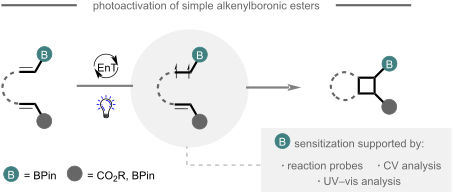
- + 2] cycloaddition established, the scope and pivotal properties of the core structure was assessed (Scheme 1). Single point modifications of the tethered backbone were tolerated, enabling access to small 3D bicyclic scaffolds 4b, 4c, and 4d containing both a boron and ester handle. Consciously aware
- that α,β-unsaturated esters could potentially also undergo energy transfer in the presence of high energy sensitizers [59][60], the system 4e with two ester components was also designed. The reaction proceeded cleanly to the cycloadduct, indicating sensitization of the acrylate is also operational
- more efficiently sensitized (lower T1 excited state) than their alkenylboronic ester counterparts. This is unsurprising given their enhanced conjugation (4π electrons vs 2π electrons and p-orbital). To probe the efficiency of trisubstituted alkenes, vicinal boron precursor 3h was designed (Scheme 1



Recent advances in the electrochemical synthesis of organophosphorus compounds
Beilstein J. Org. Chem. 2025, 21, 770–797, doi:10.3762/bjoc.21.61
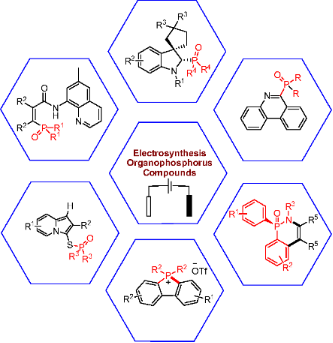
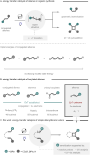
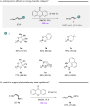
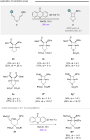
- reaction occurred at the ortho position relative to the ester group. Also, after a few hours, the reaction yield decreased when the reactants were pre-mixed with HBF4. A series of analyses revealed that P(OEt)3 decomposes into various phosphorus species without H2O. Additionally, the studies showed that P


Copper-catalyzed domino cyclization of anilines and cyclobutanone oxime: a scalable and versatile route to spirotetrahydroquinoline derivatives
Beilstein J. Org. Chem. 2025, 21, 749–754, doi:10.3762/bjoc.21.58
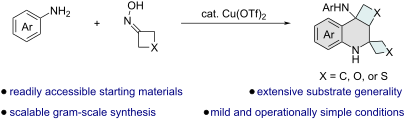
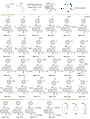
- demonstrated excellent compatibility with the protocol, affording the desired products 3ba–ea in good yields. However, the introduction of strong electron-withdrawing groups, such as trifluoromethoxy, ester, and acetyl, at the para-position of the benzene ring (1f–h) led to a noticeable decrease in the yields
- to be compatible substrates, affording cyclo-O/S-containing STHQ derivatives 3ab and 3ac in good yields. Additionally, ester-functionalized cyclobutanones exhibited smooth reactivity with aniline, enabling the synthesis of substituted STHQ motifs 3ad and 3ae in satisfactory yields. Notably, when




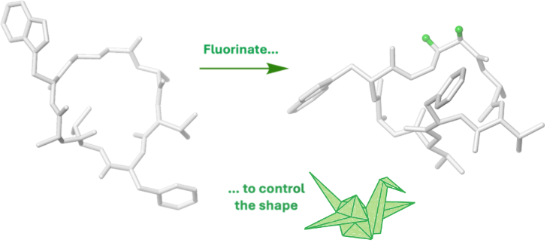
Origami with small molecules: exploiting the C–F bond as a conformational tool
Beilstein J. Org. Chem. 2025, 21, 680–716, doi:10.3762/bjoc.21.54
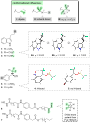
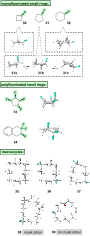
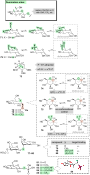
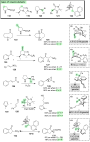
- ., to generate an ester), the gauche O–C–C–F conformation is favoured over anti more strongly than was seen for the parent alcohol (e.g., energy difference between gauche and anti = 1.0 kcal·mol−1 for esters; 0.3 kcal·mol−1 for alcohols) [109]. This is likely due to enhanced hyperconjugation effects in
- the ester case (i.e., σC–H → σ*C–F and σC–H → σ*C–O, III, Figure 8). Examples of this phenomenon are seen in the crystal structures of compounds 59 and 60 (Figure 8), which are synthetic precursors of β-fluorinated amphetamines; both of 59 and 60 feature a gauche O–C–C–F alignment regardless of other
- that features both an ester moiety and an amino group will be discussed later, in section 5 of this review [112]. 4 Sugars We have examined several classes of molecules of gradually increasing complexity, progressing from alkanes (section 1) to ethers (section 2) and then alcohols (section 3



Recent advances in allylation of chiral secondary alkylcopper species
Beilstein J. Org. Chem. 2025, 21, 639–658, doi:10.3762/bjoc.21.51
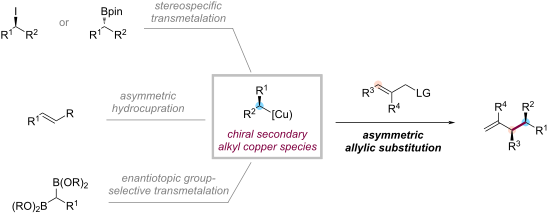
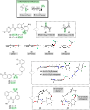
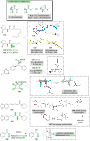
- electronegativity, reaching 1.648 Å in the reactive alkoxytrialkyl complex D and 1.659 Å in the tetraalkyl "ate" complex E. The B–C bond lengths in amido- and alkyl-substituted boronic ester complexes B and C fell between these extremes, suggesting an intermediate level of activation. These findings prompted
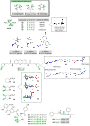
- metathesis with HBpin to afford a vinylboronic ester intermediate 45 alongside the regenerated L*CuH catalyst, completing the first catalytic cycle. Subsequently, a ligand-controlled regioselective migratory insertion of L*CuH into the vinylboronic ester 18 delivers the corresponding chiral alkylcopper
- -diborylalkanes 47 using an H8-BINOL-derived phosphoramidite ligand L5, achieving exceptional enantiocontrol (Scheme 16) [59]. Their studies revealed the critical role of both the alkali metal cation and boronic ester moiety. While LiOt-Bu provided excellent enantioselectivity (er = 95:5), NaOt-Bu and KOt-Bu





Entry to 2-aminoprolines via electrochemical decarboxylative amidation of N‑acetylamino malonic acid monoesters
Beilstein J. Org. Chem. 2025, 21, 630–638, doi:10.3762/bjoc.21.50
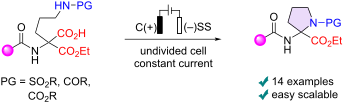
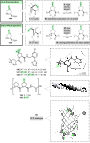
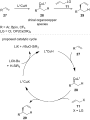
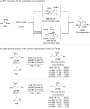
- , NaOAc) did not improve the efficiency of the anodic decarboxylation/cyclization reaction (Table 1, entries 2–4). Even though the amount of hemiaminal 10a was slightly reduced, the formation of amino acid ester 11a as side product was observed in the crude reaction mixture (Table 1, entries 2–4). The
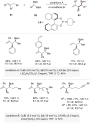
- NMR methods, and all attempts to obtain crystals suitable for X-ray crystallographic analysis were unsuccessful. N-Protected 2-aminoproline derivatives 6 are relatively stable under basic conditions as evidenced by successful hydrolysis of the ester moiety in 6a,d,e using aqueous LiOH to provide acids
- 13a,d,e in 71–83% yield (Scheme 4). Carboxylic acid 13a could be reacted with glycine benzyl ester in the presence of HATU and Et3N to form dipeptide 16 (66%). In contrast, N-unprotected 2-aminoprolines are unstable and could not be isolated. Thus, the cleavage of the N-Cbz protecting group in 6b



Semisynthetic derivatives of massarilactone D with cytotoxic and nematicidal activities
Beilstein J. Org. Chem. 2025, 21, 607–615, doi:10.3762/bjoc.21.48
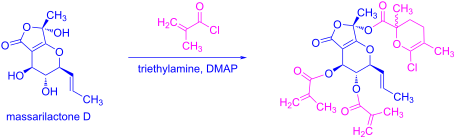
- -carbonyl group was linked through an ester bond and the only hydroxy group available for this esterification was the one at C-7. This compound was finally elucidated as massarilactone D 3,4-di-O-methacryloyl-7-O-(6-chloro-3,4-dihydro-2,5-dimethyl-2H-pyran-2-carbonyl). For the formation of compound 2, an


Formaldehyde surrogates in multicomponent reactions
Beilstein J. Org. Chem. 2025, 21, 564–595, doi:10.3762/bjoc.21.45
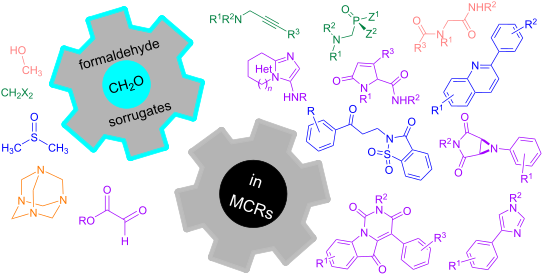
- that the isocyanide component decomposes to an arylimine, which undergoes a cycloaddition with another isocyanide molecule to this byproduct. However, if an amino acid is exchanged for an amino ester, the reaction affords the corresponding product 43e (Scheme 40) as an amino acid derivative
- . Application of glyoxylate derivatives in post-cyclization reactions as a C1 building block Glyoxylate derivatives have been used in Ugi- and Passerini-type reactions, since the adduct generated in both cases has two reactive centers for post-cyclization possibilities: the ester moiety and the α-carbon to the
- peptide carbonyl group. Both moieties result from the glyoxylate compound (Scheme 43). There are many examples in which the ester moiety opens the possibility of a further intramolecular cyclization with a nucleophile (for example, a protected amine in an Ugi/deprotection/cyclization sequence [98][99][100


Asymmetric synthesis of β-amino cyanoesters with contiguous tetrasubstituted carbon centers by halogen-bonding catalysis with chiral halonium salt
Beilstein J. Org. Chem. 2025, 21, 547–555, doi:10.3762/bjoc.21.43
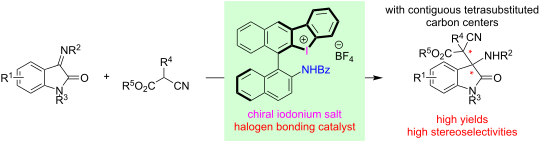
- tetrasubstituted carbon stereogenic centers [42][43][44][45][46]. In 2011, Shibasaki, Matsunaga and co-workers reported strontium or magnesium-catalyzed stereodivergent asymmetric Mannich reactions of an α-isothiocyanato ester with ketimines, which provided the products in excellent yields and
- reaction; the stereoselectivity of product 17j drastically dropped. The scope for the pre-nucleophile showed that phenyl-substituted 16b provided 17k in 94% yield with high diastereoselectivity, albeit with decreased enantioselectivities. Methyl ester 16c and tert-butyl ester 16d were also applied to the


Binding of tryptophan and tryptophan-containing peptides in water by a glucose naphtho crown ether
Beilstein J. Org. Chem. 2025, 21, 541–546, doi:10.3762/bjoc.21.42
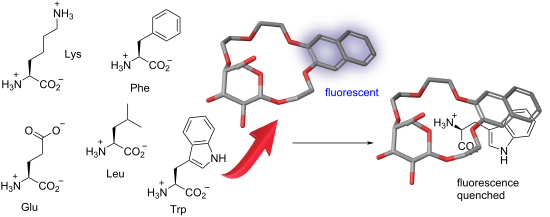
- in water [21]. Crown ether 1 is particularly suited for the sensing of Trp methyl ester, which it binds with a higher affinity than the Phe and Tyr esters. Additionally, the binding of Trp-OMe results in a highly efficient fluorescence quenching of the naphthalene unit in the receptor. Herein, we
- report that receptor 1 can be used for the binding and fluorescent sensing of tryptophan as well as tryptophan residues in short peptides in water. Results and Discussion Having previously demonstrated that 1 binds tryptophan methyl ester in water [21] we wanted to investigate whether it is also suitable


Cryptophycin unit B analogues
Beilstein J. Org. Chem. 2025, 21, 526–532, doi:10.3762/bjoc.21.40
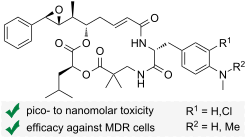
- of N-alkylation on the non-chlorinated unit B derivatives. Results and Discussion For the synthesis of unit B derivatives with amino groups instead of the naturally occurring methoxy group ᴅ-phenylalanine served as the fundamental substrate (Scheme 1). Nitration [23] followed by methyl ester
- macrolactamisation [21]. The syntheses of required unit A [28], C [29][30], and D [31] building blocks were accomplished as described previously. tert-Butyl-protected leucic acid 14 and Fmoc-β-aminopivalic acid (15) were connected by Steglich esterification (Scheme 2) and after cleavage of the tert-butyl ester group
- indicate the major presence of a fully deprotected and trifluoroacetylated seco-cryptophycin, most likely a TFA ester of one of the free hydroxy groups, a finding which might reason the comparably low yields (21–25%) of structurally similar unit B analogues reported earlier [21]. Contrary, diol 25 was



Synthesis of the aggregation pheromone of Tribolium castaneum
Beilstein J. Org. Chem. 2025, 21, 510–514, doi:10.3762/bjoc.21.38
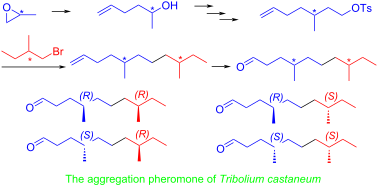
- -amine reduction and tosylation from diethyl (S)-2-(hex-5-en-2-yl)malonate ((S)-6). The stereocenter in geminal ester (S)-6 could be derived from (R)-2-methyloxirane ((R)-2) via a ring-opening reaction and a stereospecific inversion of the chiral secondary tosylate (R)-5. Following the similar procedure
- oxidation. The optical purity of the chiral secondary alcohol (R)-4 was more than 99% ee, determined by 1H NMR spectrum of its Mosher ester [27][28]. The subsequent tosylation with p-tosyl chloride gave (R)-hex-5-en-2-yl 4-methylbenzenesulfonate ((R)-5) in 88% yield [29]. The reaction of (R)-5 with the
- enolate of diethyl malonate yielded (S)-2-(hex-5-en-2-yl)malonate ((S)-6), and realized a stereospecific inversion of chiral secondary tosylate (R)-5 [30][31]. The geminal ester (S)-6 was next treated with NaOH in methanol to afford (S)-2-(hex-5-en-2-yl)malonic acid ((S)-7) in 96% yield [32]. Then


Unprecedented visible light-initiated topochemical [2 + 2] cycloaddition in a functionalized bimane dye
Beilstein J. Org. Chem. 2025, 21, 500–509, doi:10.3762/bjoc.21.37
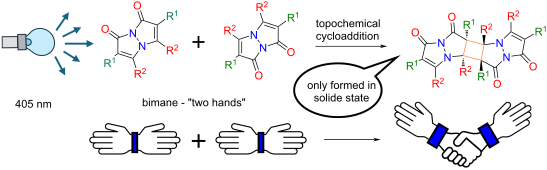
- , syn-(ethoxycarbonyl,methyl)bimane (Me2B) and syn-(methyl,methyl)bimane (Me4B), were also examined for this phenomenon but did not undergo the reaction. Results and Discussion Synthesis Bimanes are typically synthesized through a three-step process, as outlined in Figure 3. First, a β-keto ester 1
- in P-1 and the molecules pack in a different arrangement, where the double bonds are neither coplanar nor parallel. This product was obtained from propan-2-ol, which may have influenced the crystallization kinetics. The reactive packing mode of Cl2B is enhanced by the hydrogen bonding where the ester


Synthesis of N-acetyl diazocine derivatives via cross-coupling reaction
Beilstein J. Org. Chem. 2025, 21, 490–499, doi:10.3762/bjoc.21.36
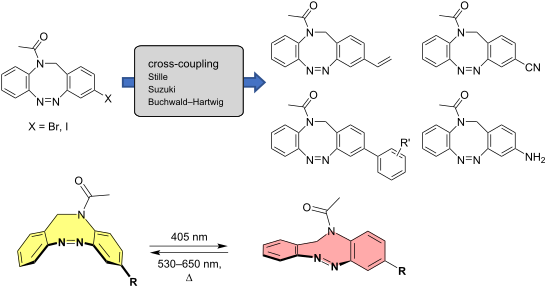
- with bis(pinacolato)diboron did not lead to the formation of the pinacolborane-substituted N-acetyl diazocine 18. Accordingly, the Suzuki–Miyaura reaction with inversed roles between N-acetyl diazocine boronic acid pinacol ester and aryl or alkyl halides could not be investigated. The Buchwald–Hartwig


Photomechanochemistry: harnessing mechanical forces to enhance photochemical reactions
Beilstein J. Org. Chem. 2025, 21, 458–472, doi:10.3762/bjoc.21.33
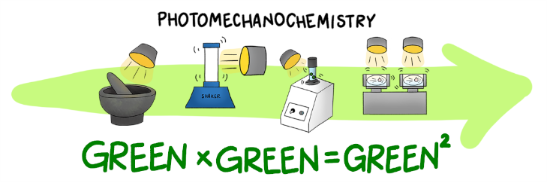
- traditional solution-phase synthesis. In fact, in the latter case, almost complete recovery of the starting material was observed. Second, the authors found that the replacement of diisopropylethylamine (DIPEA) with Hantzsch ester in the role of sacrificial reductant for the pinacol coupling of benzaldehyde




Electrochemical synthesis of cyclic biaryl λ3-bromanes from 2,2’-dibromobiphenyls
Beilstein J. Org. Chem. 2025, 21, 451–457, doi:10.3762/bjoc.21.32
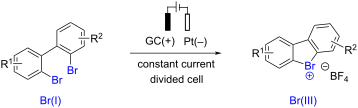
- an electrochemical synthesis of cyclic diaryl λ3-bromanes under anodic oxidation conditions. Results and Discussion Symmetric 2,2'-dibromo-1,1'-biphenyl 4a possessing ethoxycarbonyl groups ortho to the bromine was chosen as a model compound for our study. We anticipated that the presence of the ester
- ester moieties is critical for the synthesis of Br(III) species: the removal of one ester group (4i–k), or its replacement by NO2 (4l) or SO2t-Bu (4m) substituents in 2,2'-dibromo-1,1'-biphenyls resulted in starting material degradation with no formation of the desired product (for a complete list of
- developed method represents a safe and inexpensive alternative to the commonly used thermal decomposition of potentially explosive diazonium salts. The successful electrochemical oxidation requires the presence of two chelating ester groups that stabilize the formed Br(III) species. Further work towards


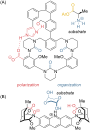
Beyond symmetric self-assembly and effective molarity: unlocking functional enzyme mimics with robust organic cages
Beilstein J. Org. Chem. 2025, 21, 421–443, doi:10.3762/bjoc.21.30
- work simply by bringing substrates arbitrarily close to a potentially reactive group [99][100]. One rare but important exception is Breslow’s use of two tethered cyclodextrins to locate hydrophobic ester substrates next to a metal ion. Breslow’s catalyst accelerates the hydrolysis of esters and
- phosphodiesters by 105–107 by electrophilic activation of ester and nucleophilic activation of water or peroxide at the metal ion [101][102]. The takeaway message is that polarization is most effective when it is bifunctional. In enzymes, there is never just a nucleophile – there is always a metal, “oxyanion hole
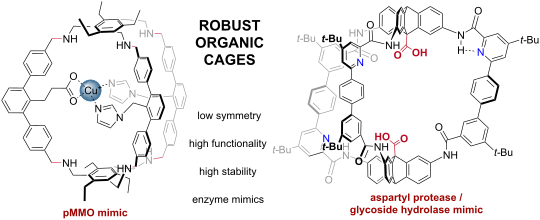
- typically not possible for imine [314] or metal-coordination cages [156][202][365]. Further, the robust amide cages could withstand harsh conditions such as ester hydrolysis, allowing access to the key acid-functionalized cages [38] that mimic aspartyl proteases and glycoside hydrolases. Otte has employed